Educator 👨🏽🏫 Kettlebell Practitioner🏋🏾 Reader 📚 Arsenal FC ⚽️🔴⚪️
Joined August 2018
- Tweets 13,276
- Following 122
- Followers 124
- Likes 15,518
1,321 Photos and videos
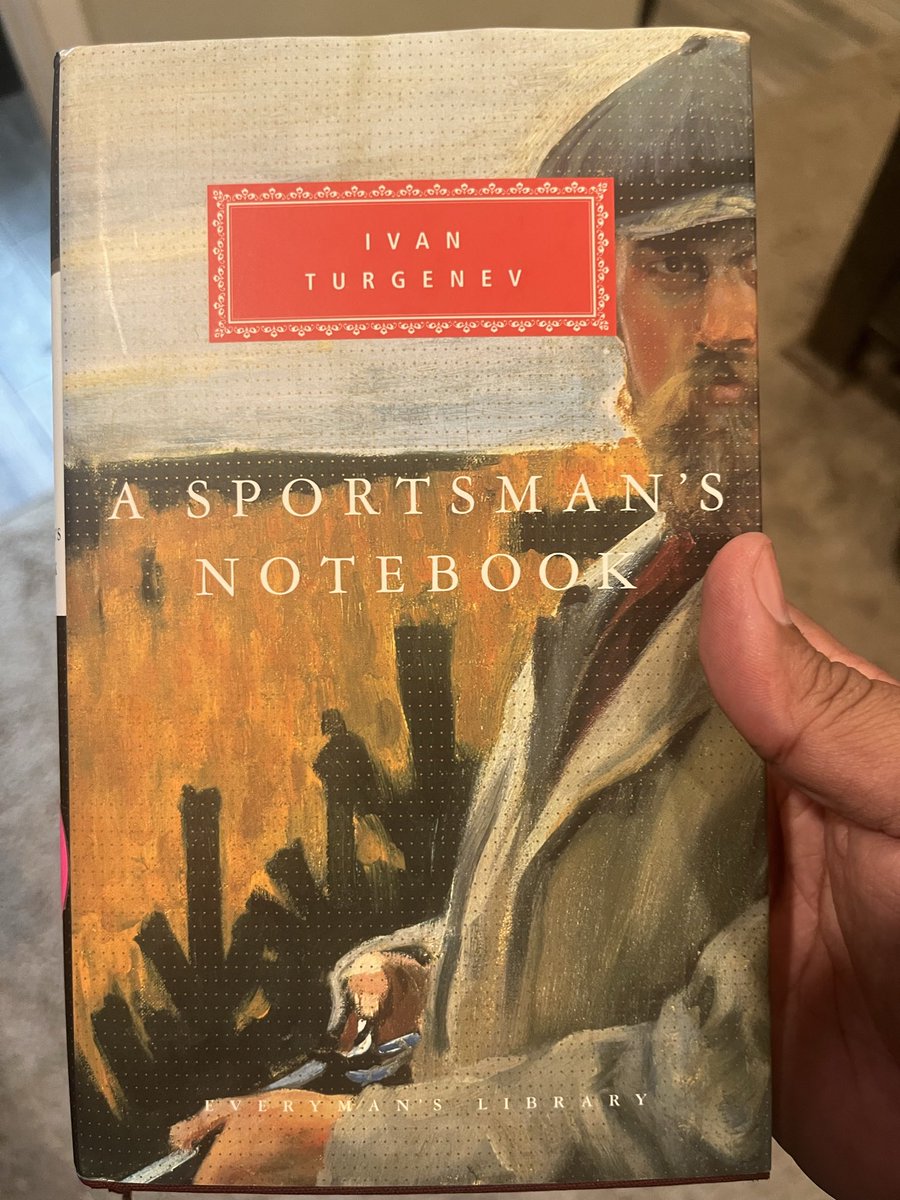
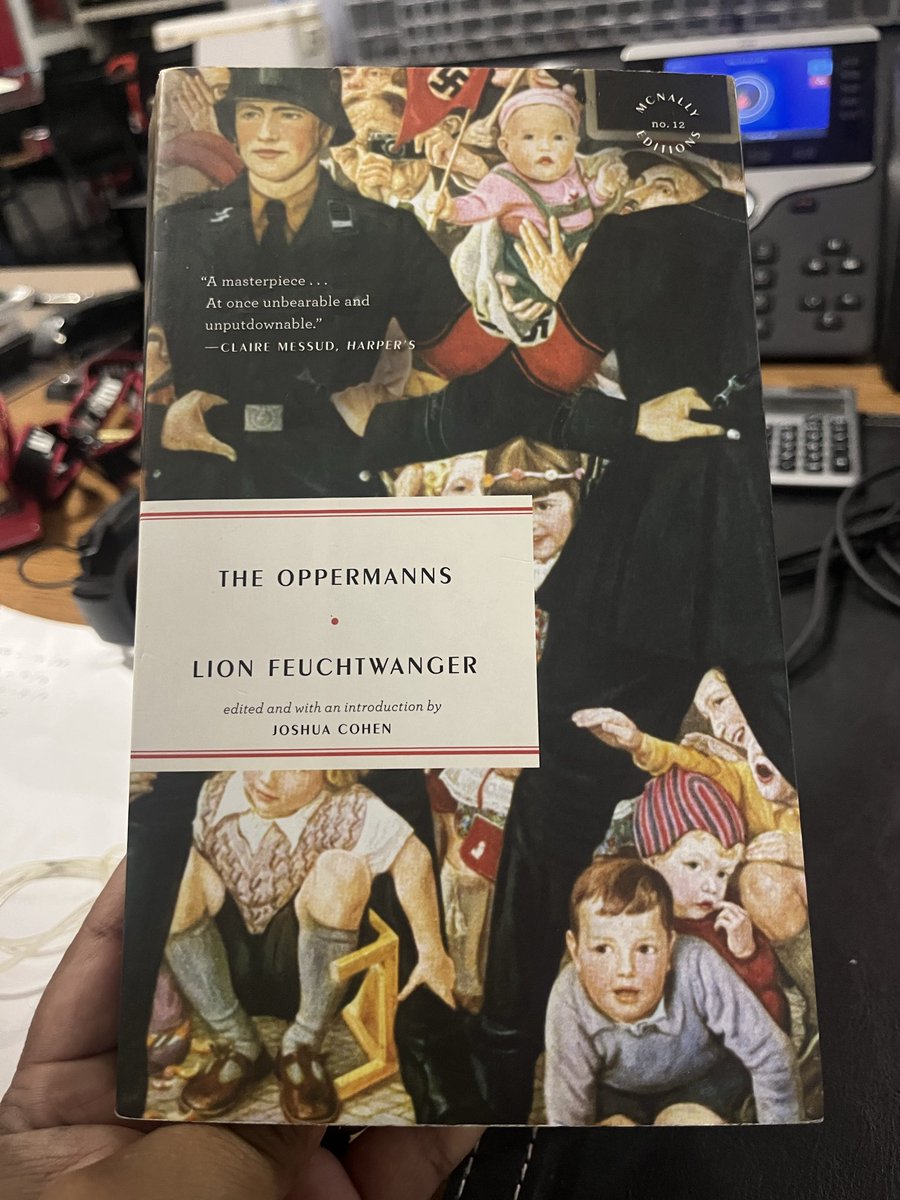
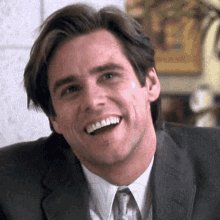

1. Tolstoy
2. Austen
3. G. Eliot
4. Dickens
5. Hawthorne
6. P. Roth
7. Mann
8. C. McCarthy
9. Dostoevsky
10. Shakespeare

If I could only read 10 authors for the rest of my life
1. Homer
2. Virgil
3. Sophocles
4. Shakespeare
5. KJV Bible (I know, not an author. But whatever)
6. Tolstoy
7. Dostoevsky
8. Hemingway
9. Fitzgerald
10. Twain
1
8
1,230
This is beyond sad for me. #Satrapi’s #Persepolis has been a class favorite the past 3 years. My students learned that Iranians are a wonderful people with a glorious history whom they could relate to because of Marjane. RIP, Marjane 😕
Jun 4

Breaking News: Marjane Satrapi, the Iranian-French author whose graphic novel series “Persepolis” illuminated the struggles of Iranians during the Islamic Revolution, died at 56. nyti.ms/3Q6JP70
69
Juan Sepulveda retweeted

A strong contender for the most beautiful jazz tune ever recorded.
62
352
2,059
66,302
No
May 28

If someone enters your country illegally, finds work, starts a family and is a good member of society.....
Should they be deported?
32
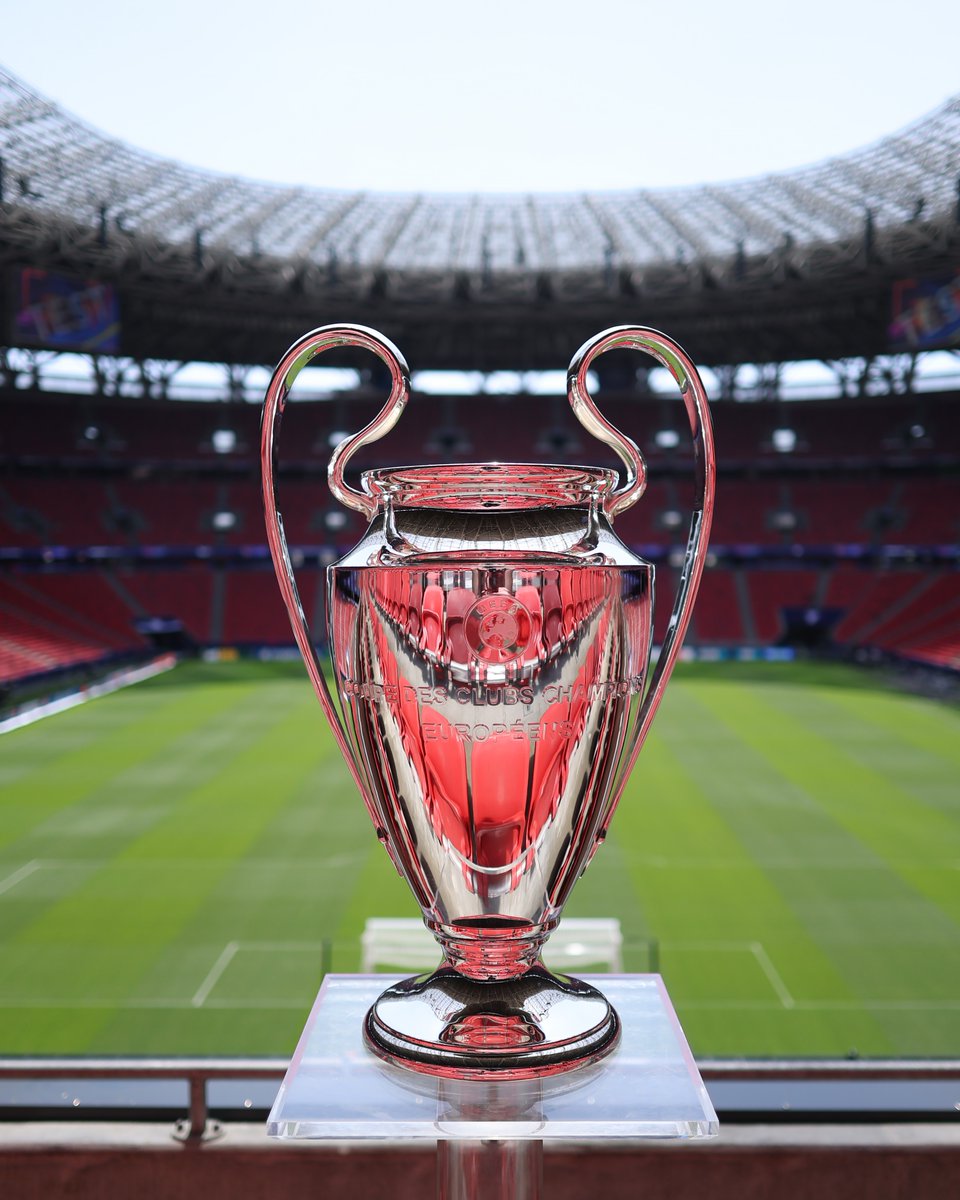
Arsenal 🔴⚪️ #COYG

42

42
Juan Sepulveda retweeted

May 19
We finally got over the line. It all worked out 🏆❤️💪
268
1,784
16,858
176,336
I’ve been waiting for this for soooooo long! #COYG 🔴⚪️🏆

The Arsenal. Your Premier League champions.
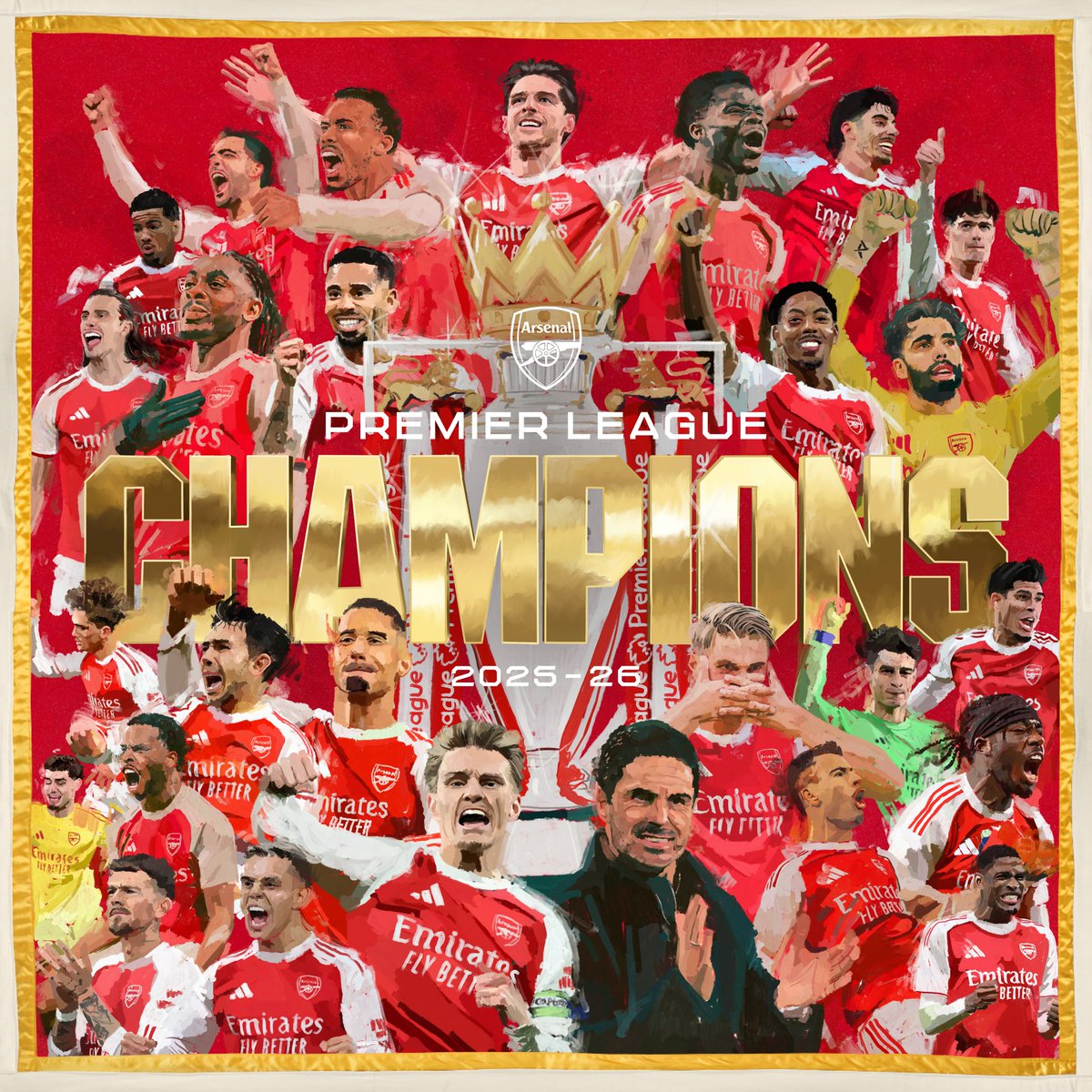
ALT The Arsenal. Your Premier League champions.
27
I want this! 📚
8 Nov 2025

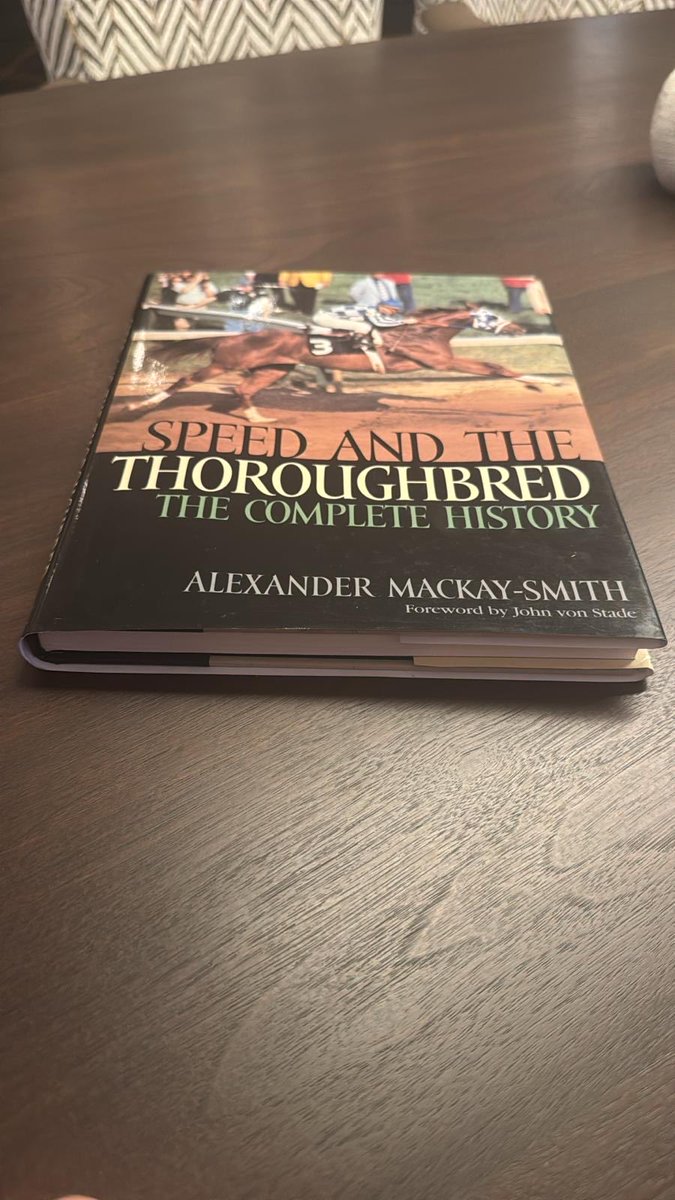
For those that want to learn more about the Thoroughbred, this is a must read IMO
23
Juan Sepulveda retweeted

May 16
The 151st Preakness Stakes belongs to Napoleon Solo! 🏆
56
502
2,688
309,525
Juan Sepulveda retweeted

May 12
Jordan Peterson warned how a brain that stops reading eventually loses the ability to think deeply on a topic:
1. Reading for pleasure has always been a minority occupation. Most people don't read. Of those who do, few buy books. Of those who buy books, even fewer read difficult ones. That's not changing and that's exactly why it's your advantage.
2. Books are not like photographs. A photograph is a click. A book is a portrait layered, worked over, and built with depth. No other medium lets you think, rethink, and go deeper the way a book does.
3. YouTube and podcasts are not the enemy of reading. They are extensions of it. A great podcast can carry the same value as a great book. Peterson treats them as complements, not competition.
4. The real revolution of podcasts is found time. You can't read while driving or doing the dishes. But you can listen. All that dead time, commuting, cooking, exercising is now a university education available to anyone with a phone.
5. Long-form attention is not dead. Joe Rogan does three-hour podcasts. Peterson's lectures run two hours. Millions watch them to the end. People don't have fragmented attention spans. They have low-quality inputs.
6. When Peterson's YouTube views crossed one million, he didn't celebrate immediately. He sat with it. He thought: a million is a lot. If you sold a million books, you'd do the touchdown dance. He realized something massive was happening.
7. YouTube isn't cute cat videos. Peterson saw it for what it actually is, the invention of the printing press, version two. For the first time in human history, the spoken word has the same reach and the same duration as a book.
8. The people who learn the fastest are the ones willing to look like fools at the start. Peterson felt like a fool when he first lectured, first practiced therapy, first uploaded to YouTube. He did it anyway.
9. Most smart people dismiss new media. When journalists called Peterson's colleagues, they'd say things like "they always get it wrong." Peterson picked up the phone, had the conversation, and let the chips fall. That single habit changed everything.
10. The fool is the precursor to the savior. Carl Jung said it. Peterson lived it. You cannot advance without first being willing to look incompetent. Safety keeps you comfortable. It doesn't keep you growing.
11. Reading makes your thinking slower in the best possible way. It forces you to sit with one idea long enough to actually understand it. Social media gives you 100 ideas in 15 minutes. Books give you one idea that actually stays.
12. The brain is not built for passive consumption. Short-form reels don't educate deeply. They stimulate rapidly and leave nothing behind. Your brain needs time to process, observe, and emerge in an experience.
13. If you can truly read, you can read faster than you can listen. That makes reading the highest-leverage input activity available. Not everyone has the patience for it which is exactly why those who do get ahead.
14. The people watching two-hour lectures are not bored. They are hungry. There is a massive market for demanding, high-quality, difficult content. Most creators refuse to make it because they're afraid of losing easy engagement.
15. Peterson's point is not that podcasts are bad or that books are dying. It's that the tools for becoming genuinely educated have never been more accessible and most people still choose not to use them.
26
309
1,594
141,340
#COYG 🔴⚪️
CHAMPIONS LEAGUE FINALISTS ❤️
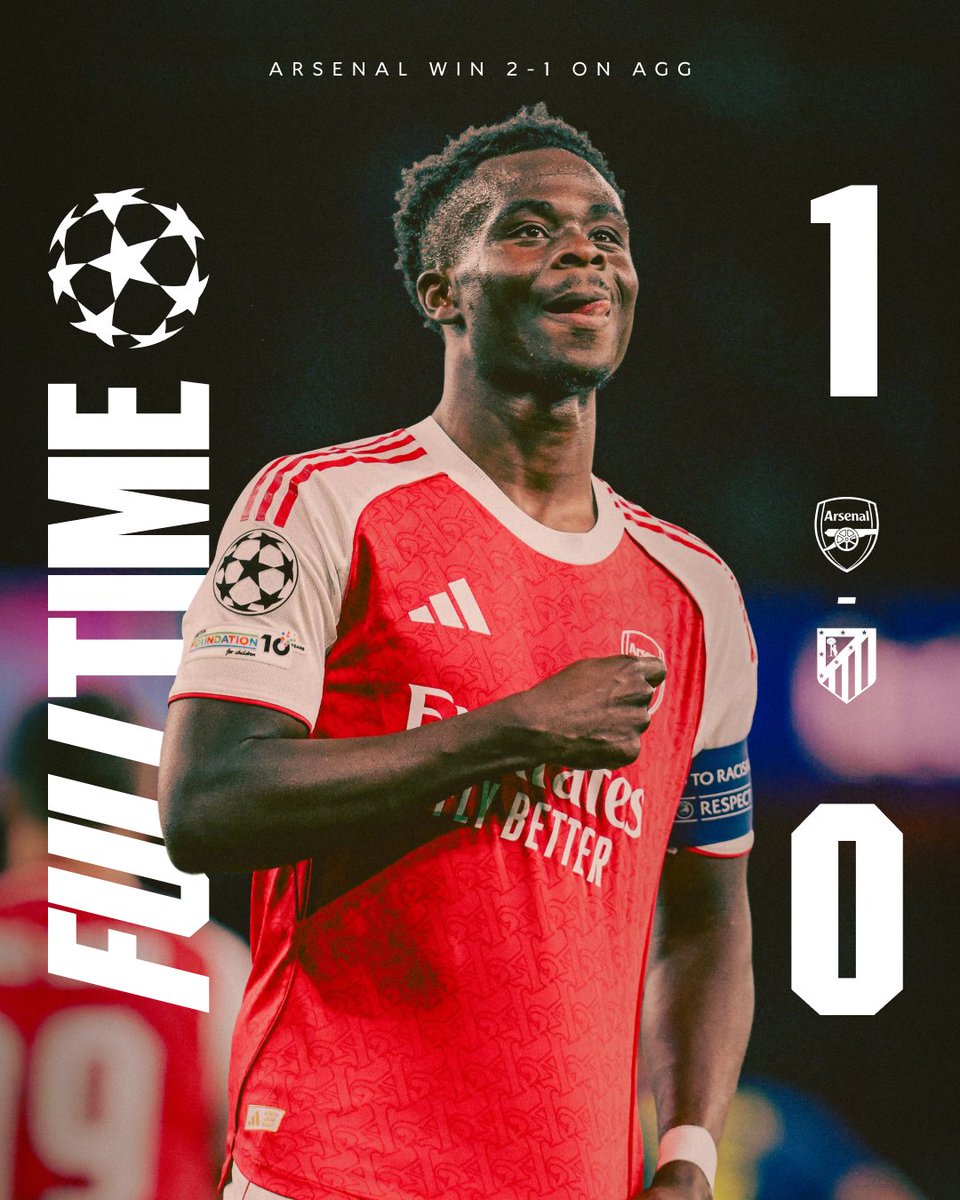
ALT Full Time: Arsenal 1-0 Atletico Madrid (2-1 on aggregate)
33
Wow #GoldenTempo wins an exciting one 💨💨💨🔥🔥🔥

26
Juan Sepulveda retweeted

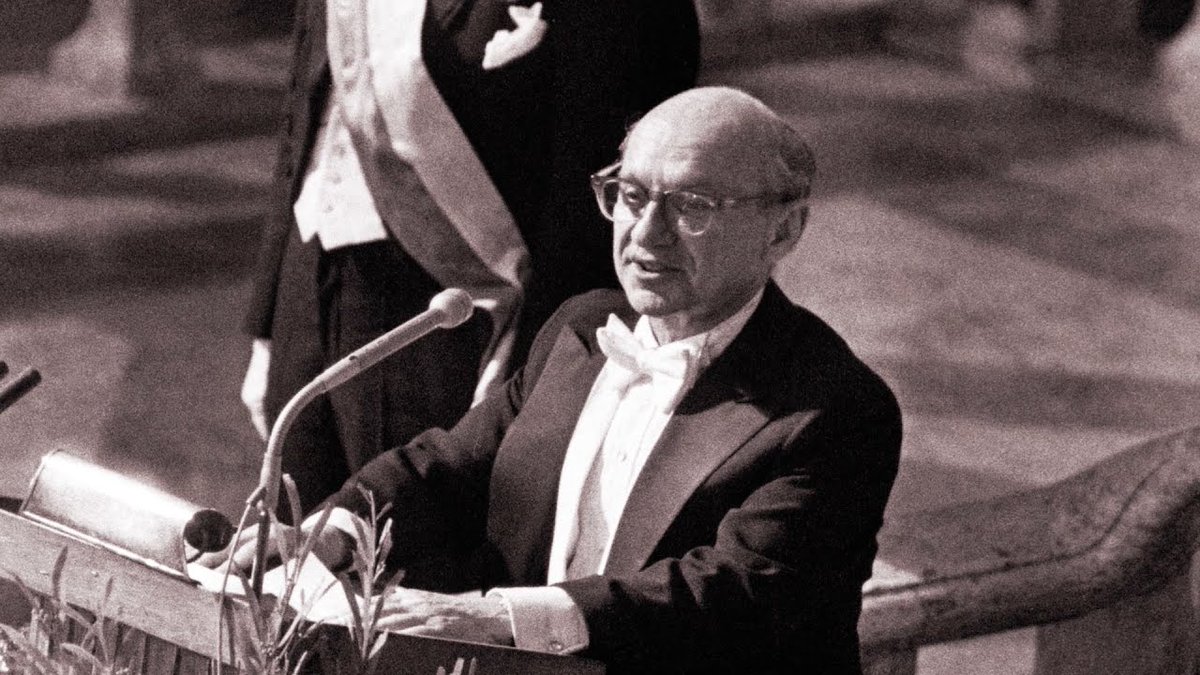
“Spending on education has been skyrocketing, yet by common consent the quality of education has been declining.”
— Milton Friedman
6
78
352
16,875