
Joined February 2018
- Tweets 241,457
- Following 2,916
- Followers 4,498
- Likes 114,234
5,589 Photos and videos



Pinned Tweet

Apr 6
Zionist Takeover of the American Administration
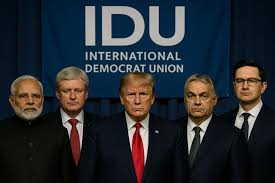
A Zionist Federal Reserve and a Zionest Head of the DOJ, spells DOOM for the american democracy. #SubtextWithCathy #Geopolitics #USPolitics2026 #DepartmentOfJustice #FederalReserve #PoliticalAnalysis #LeeZeldin #KevinWarsh #StephenHarper #MegaGroup #IDU #Netanyahu #BreakingNews
Trump Netanyahu, IDU approved.
youtu.be/bdjNiRprhOA
2
1
5
336
🇨🇦Cathy💙💛 retweeted

Jun 12
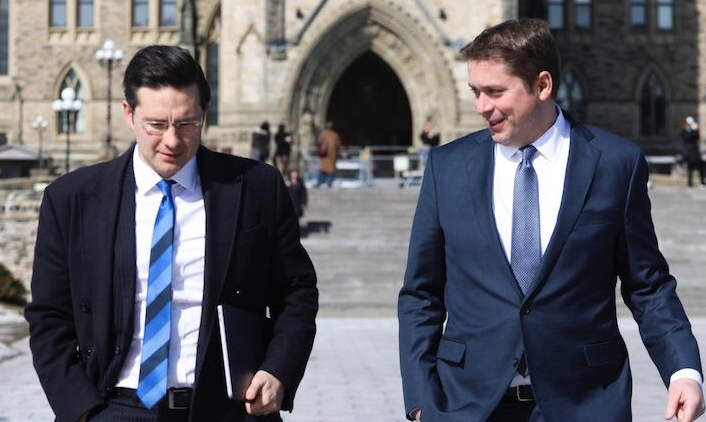
You both were sworn in as MPs in 2004.
You both did nothing for Canadians in 22 years.
You both don't deserve a seat in Parliament
You both earned golden pensions you don't deserve.
Do the honourable thing and resign. Both of you.
24
159
428
4,630
🇨🇦Cathy💙💛 retweeted

Jun 12
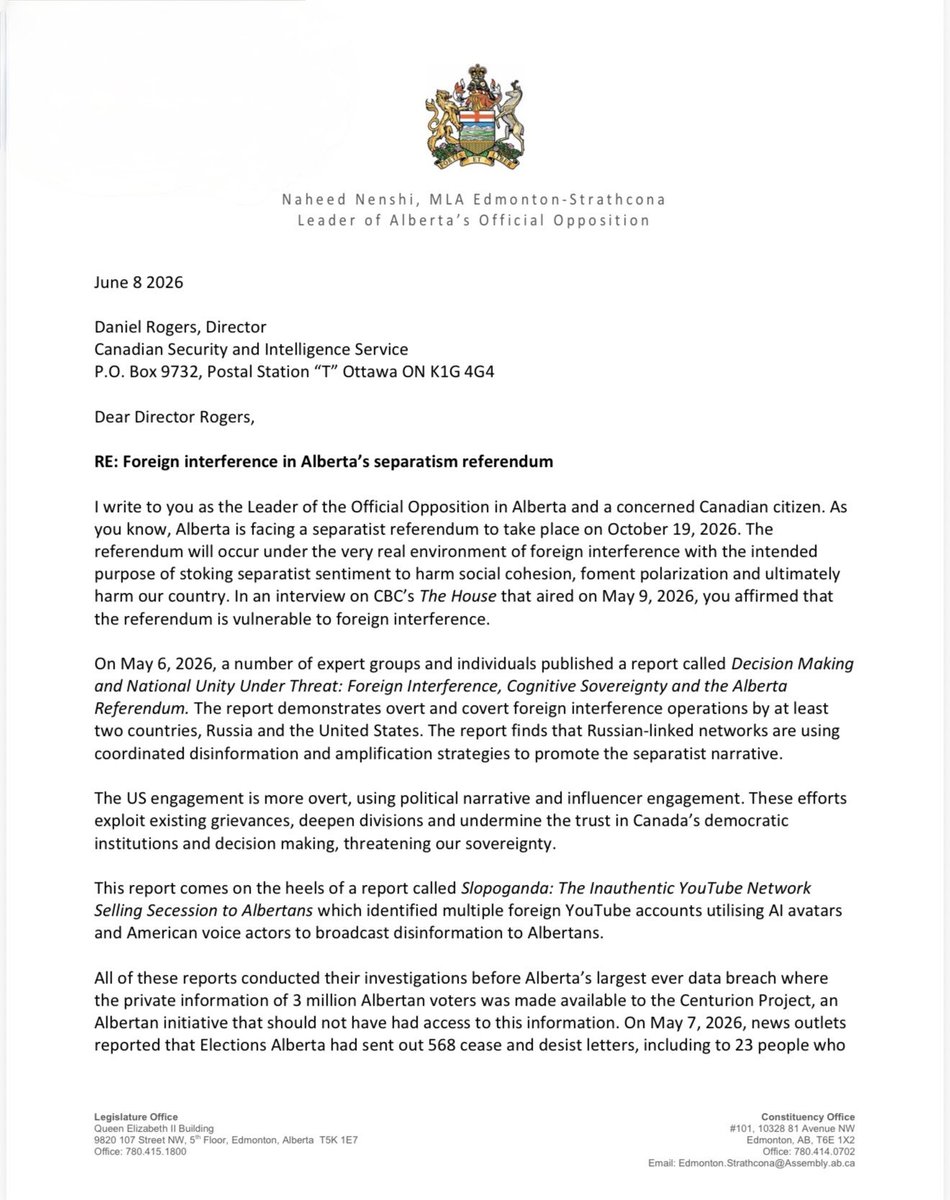
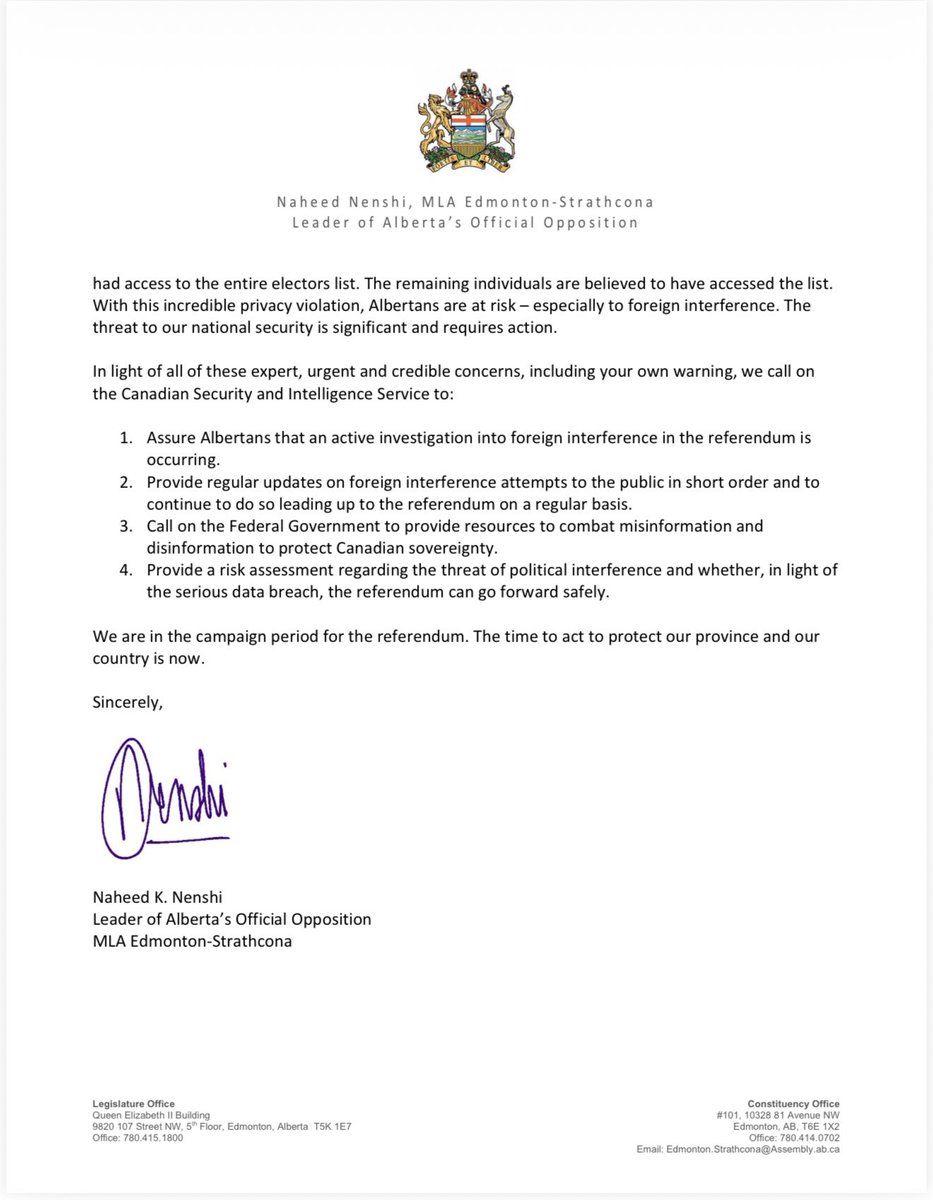
This separatist referendum runs a very real risk of foreign interference. We now know that Albertans’ personal information has been exposed to American actors, and the separatists have been looking for support and money from the Trump administration.
Premier Danielle Smith has done nothing.
That’s why I have written to CSIS asking for transparency, regular updates, and a clear assessment of the dangers we face.
Danielle Smith doesn’t care about protecting you. Alberta’s New Democrats do.
556
452
1,109
41,115
Jun 13
So whitehouse leaks. trump has a nipple fetus. and his victims were left in pain.. apparently maggie hagerman has [osted the goodies from the meeting.
Maga is sick. how can people support this.
46
🇨🇦Cathy💙💛 retweeted

Jun 4
Hey! Just got back from Calgary where virtually every person I spoke to was dead against separation or any kind of ballot question in October. The entire thing is a farce. #DanielleSmithisaliar

1,066
370
1,890
56,101
Jun 9
To Canadians. there is nothing more important in Canada than this cause....save our democracy.
@CommrRCMPGRC @SeanFraserMP
remember when PP and maga mps made a huge anti bill c70. this is why...
Canada's Foreign Influence Transparency Registry is a public disclosure system designed to track individuals and entities acting on behalf of foreign principals to influence Canadian political or governmental processes. Established under the Foreign Influence Transparency and Accountability Act (FITAA), it was officially introduced through Bill C-70
youtube.com/watch?v=GaBFNj9H…
1
30
Jun 8
THE NARRATIVE BY @CNN THAT HEZBOLLAH has been breaking the ceasefire. is a lie . Israel has been attacking lebanon continually.
ISrael and the US are terrorists
there is no real media in the US.
Here are the facts
While Hezbollah has relied heavily on hundreds of precise, asymmetrical attack waves (heavily utilizing explosive drones to bypass air defenses), Israel has utilized a high-volume, structural air and ground campaign, executing thousands of strikes to systematically dismantle infrastructure.
The breakdown of the numbers compiled by military intelligence and conflict data centers (such as the Alma Research Center and ACLED) indicates the following:
1. Hezbollah Attacks Against IsraelDuring the height of the intense regional escalations in early April, Hezbollah launched massive, daily barrages into northern Israel, which later transitioned into targeted guerrilla strikes against IDF forces during the mid-April ceasefire.Early April Peak: Hezbollah routinely launched dozens of attack waves daily. For example, independent trackers recorded 33 distinct waves of attacks on April 1st and 35 waves on April 2nd alone. These waves often consisted of multiple salvos of rockets and drones launched simultaneously.
The Ceasefire Phase (April 17 – mid-May): Following a 10-day ceasefire announced on April 16, the volume shifted. Between April 17 and May 10, intelligence tracking recorded 220 distinct attack waves launched by Hezbollah. 38 attacks directly targeted sovereign Israeli territory.182 attacks targeted IDF forces operating within the established buffer zone in southern Lebanon.
Estimated Two-Month Total: Between rocket salvos, anti-tank guided missiles, and a heavy reliance on explosive UAV/drone waves, Hezbollah has launched well over 500 to 600 distinct attack waves or major bombardments at Israeli targets over the last 60 days.
2. Israeli Attacks Inside LebanonIsrael’s military campaign in Lebanon—aimed at pushing Hezbollah past the Litani River and destroying its infrastructure—has featured highly concentrated, large-scale aerial bombardment alongside localized ground operations. The Early April Air Campaign: In the first week of April alone, Israel carried out sweeping operations. By April 6, the IDF reported striking over 3,500 Hezbollah targets across Lebanon (primarily concentrated in southern Lebanon, the Bekaa Valley, and the Dahieh district of southern Beirut). Massive Strike Days: On April 8, the IDF conducted one of its heaviest single-day air campaigns of the war, striking over 100 targets simultaneously. A few days later on April 11, during Operation Eternal Darkness, Israel dropped over 160 bombs across 100 coordinated airstrikes in a single day. The Ceasefire Phase (Mid-April to Present): Since the April 16 temporary ceasefire agreement took effect, widespread nationwide bombing has lulled, but localized structural strikes have continued. Israel retains its right to self-defense under the agreement and continues to strike active launch sites, weapon caches, and high-value targets—such as the targeted elimination of a Radwan Force commander in Beirut in early May.
Estimated Two-Month Total: Due to the sheer scale of the offensive in the first half of April, the IDF has executed well over 4,000 distinct airstrikes and artillery bombardments inside Lebanon over the last two months.
1
1
57
Jun 7
A reminder to the world, that not all israelis are terrorists....
youtube.com/watch?v=tj_UOjfK…
5

🇨🇦Cathy💙💛 retweeted

Jun 4
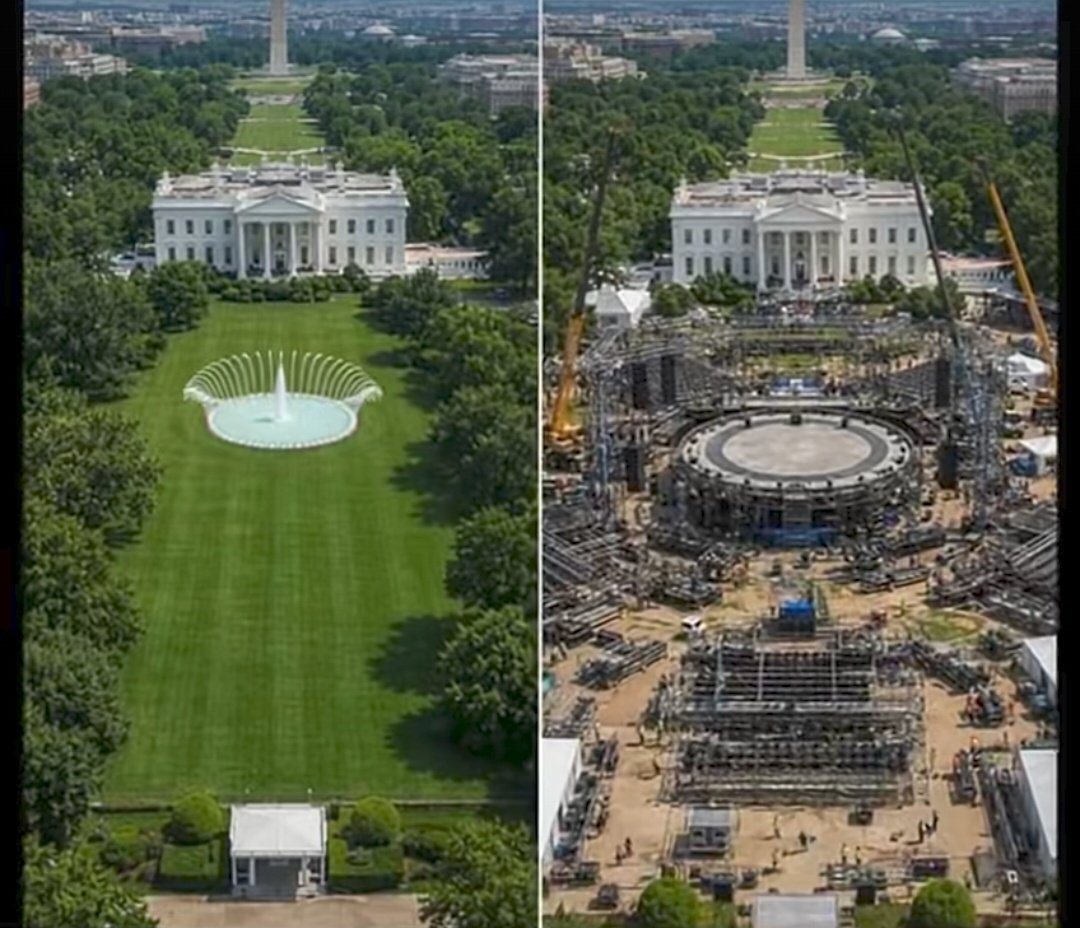
77 MILLION VOTED FOR THIS 🙄 YOU GUYS MUST BE SO PROUD🤦
Community note
Image on the right is AI generated, and in no way represents reality.
cnn.com/2026/05/29/pol…
2,795
5,892
30,553
2,616,810
Jun 4
.

5
Jun 4
fact
fro justice powells memorndum, heritage foundation was born. from heritage foundation the IDU was born. from the IDU and heitage foundation Epsteins trafficking, guns and money laundering was born.
heritage and the IDU, used the cia, mossad , MI5, fbi, and the fsb were brought under the umbrella. in the 1990s the zionist Mega group was born. all working with the previous entities i named.
brexit, the three coup attempts, the wars and the destruction of democracy all came from these entities.
Stephen harper is peter thiels twin. Jivaninis vances twin.
when epstein was nineteen he met murdoch. and bill barrs dad. in 2011 to 2013 harper met with murdoch to get fox into canada to brain wash cdns.
ou of all this what scare me most. is that postmedia is warping the truth n canada. and american television is acting like fascism is normal.
the domonion voting systems now belong to a republican oligarch and are called liberty.
and media is acting like there is a blue wave and that dems can overcome a republican and musk run liberty voting machines.
@SenSchumer @AOC do you really believe you can negate liberty and musk voting machines...
there is no getting real by dems, media nor americans. you are so much further down than any of you understand.
30
Jun 2
@MeidasCanada
BATTLE FOR THE ROCKIES !!
WATER NOT COAL DEADLINE DAYS AWAY
SMITH HAS GOT TO GO!
youtube.com/shorts/Yiso1t9XL…
1
22
🇨🇦Cathy💙💛 retweeted

Yep, and this Congress is more than happy to let him do it. They think if they s’k his c’k well enough they’ll be safe. Their jobs and compliance
1
2
15
🇨🇦Cathy💙💛 retweeted

It’s a big circle jerk
And innocent people are paying the price
2
2
10
🇨🇦Cathy💙💛 retweeted

Ahahahahhahahhahahahahahahahahahahahahhahahhahahahhahahahahhaahahhahahahhahahahahhahahaha
Says the man who’s only skills is divide and conquer politics (and he’s so bad it he lost PM job and his own riding)
Jun 1

Pierre Poilievre: "I would encourage Liberals to stop the divisive rhetoric and work on uniting Canadians. I know the Liberal Party survives and thrives on divide and conquer politics."
949
346
1,857
59,546
Jun 2
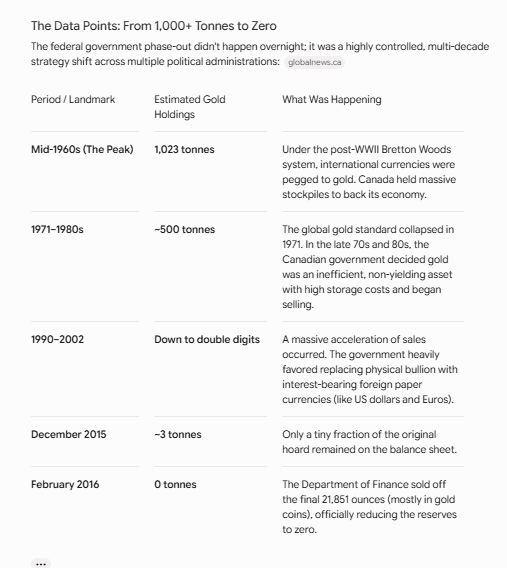
FACT--Cpc-HARPER-Canada’s Gold Vaults Are Already Empty (And Have Been Since 2016) Central banks cannot be "quietly emptying" Canada’s official gold reserves right now because Canada doesn't have any left to sell.
why did harper sell all the gold??
ECONOMISTS ARE STARTING TO REALIZE THIS WAS NOT A GOOD MOVE.
COUNTRIES LIKE CHINA, TURKY AND RUSSIA ETC
HAS BEEN BUYING IT UP
3
4
7
208
Jun 1
personally I would never want to celebrate the birthday in any way for a rapist, pedo, war criminal and genocidal maniac
there is no wiggle room on this.
if you celebrate that... you have severe severe personal issues.
May god help you.
1
14
Jun 1
The US invaded venezuela.
The US invaded Iran.
Israel invaded Gaza
Is rael invaded lebanon
Russia invaded Ukraine.
Israel, the US and Russia are terrorists.
Israel needes to get out of Gaza
Israel needs to get out of lebanon
the US needs to get out of Venezueala
The us needs to get out of Iran.
Russia needs to get out of Ukraine.
period.
Until then.
The world will blame the US
The wrld will blame israel
The world will blame Russia.
Because they are criminals and terrorists.
Period.
1
1
3
48