
Head of Growth at vCluster
Joined January 2013
- Tweets 2,707
- Following 668
- Followers 652
- Likes 2,705
356 Photos and videos


Simone Morellato retweeted

Jun 14
BREAKING: Iran agrees to keep Strait of Hormuz open in exchange for Fable 5 access.
Says Khameni "I was right in the middle of something."
6
7
66
3,801

Today, @AnthropicAI released @claudeai Fable 5, the first Mythos-class model released by Anthropic publicly. I can’t wait to see what people will build!
1
40
"Central control optimizes for consistency, but distributed enablement optimizes for adaptation. And adaptation is what creates competitive advantage in fast-moving marketing environments." (<span class="b-blockquote-with-avatar__a... thecmo.com/career/simone-mor…
8

K8s cleaner is a controller that identifies, removes, or updates stale/orphaned or unhealthy resources in a Kubernetes cluster
➤ ku.bz/0m2jdQzWx
8
28
2,387
Simone Morellato retweeted

Release v1.10.0
ift.tt/EGHZwMt
🚀 New Features
OIDC Authentication in Dashboard
Users can now log into the Sveltos dashboard using OpenID Connect (Authorization Code Flow with a public client), as an alternative to manual token authentication.
PR: dashb…
2
3
55
Simone Morellato retweeted

Apr 15
Me to Claude: "Make no errors. DO NOT HALLUCINATE. YOU ARE AN EXPERT SOFTWARE ENGINEER "
248
3,229
30,494
1,574,597
Simone Morellato retweeted
Release v1.7.0
ift.tt/c4VKPNS
✨ Key Highlights
Reconciliation Stability (#1657): Fixed "reconciliation storms" in production environments by implementing a robust NextReconcileTime guard and an in-memory cooldown map to prevent tight loops and high CPU u…
1
1
32
Simone Morellato retweeted

QumulusAI and vCluster Partner to Accelerate Enterprise AI Development and Launch AI Infrastructure Lab accessnewswire.com/newsroom/…
1
2
92

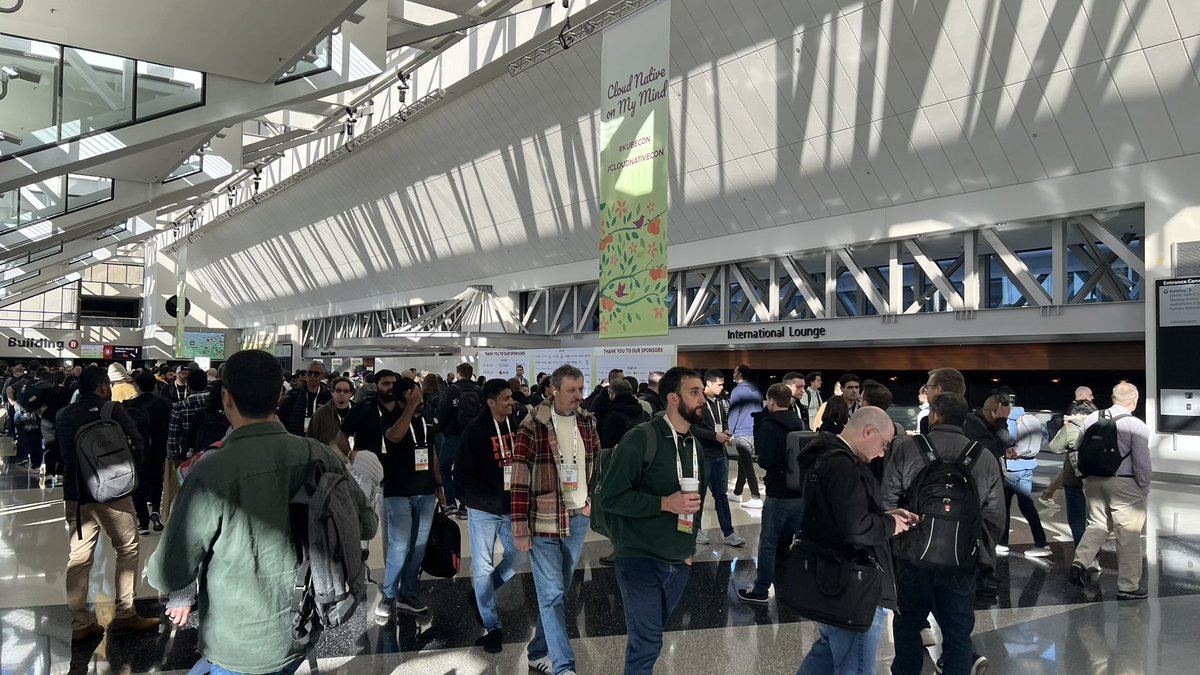
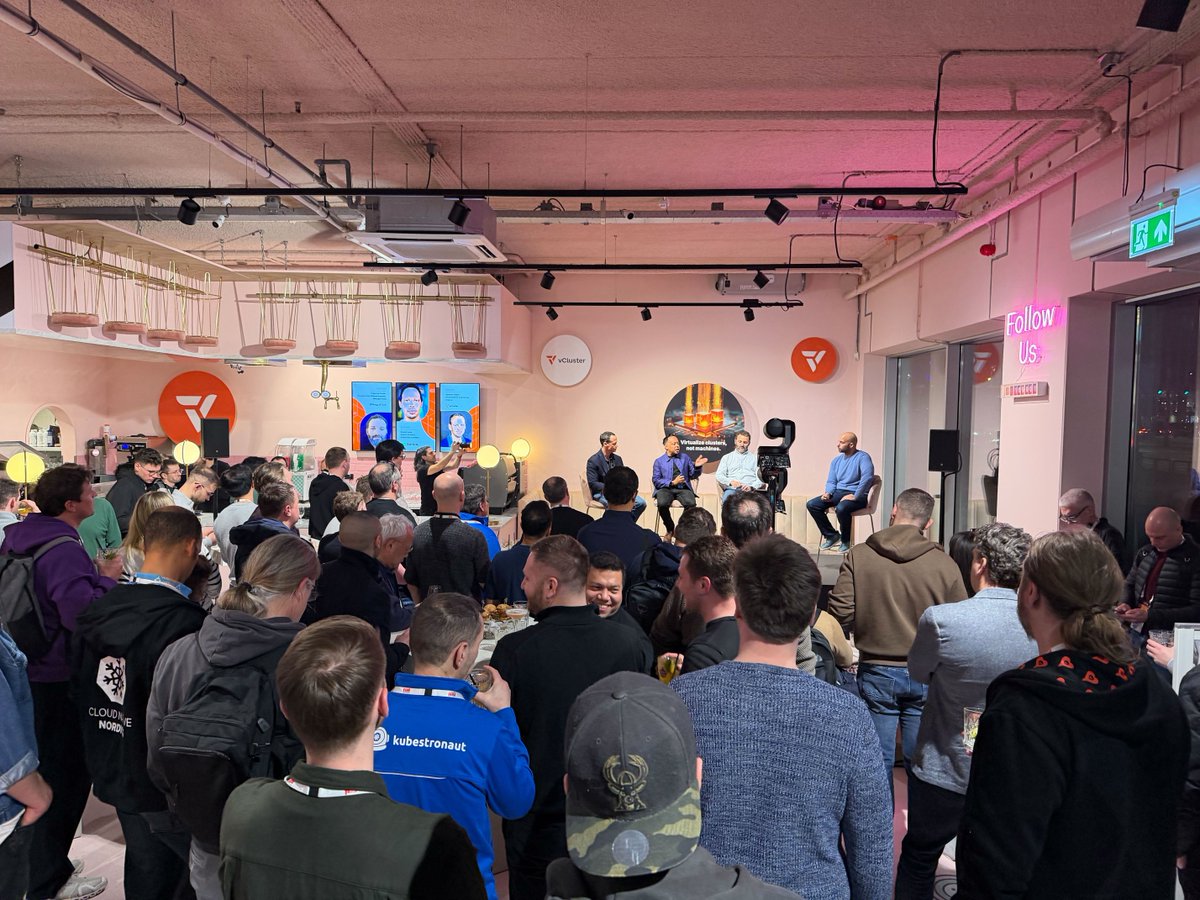
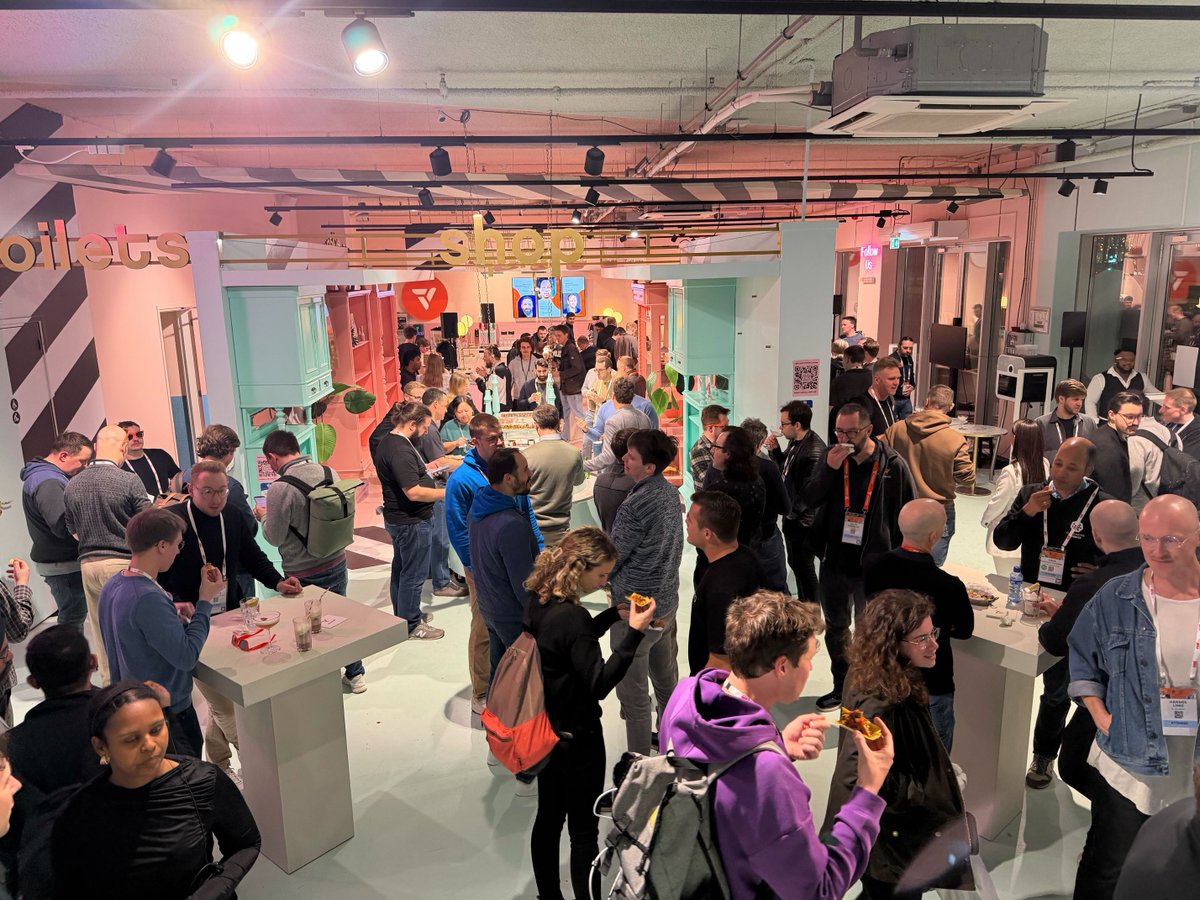
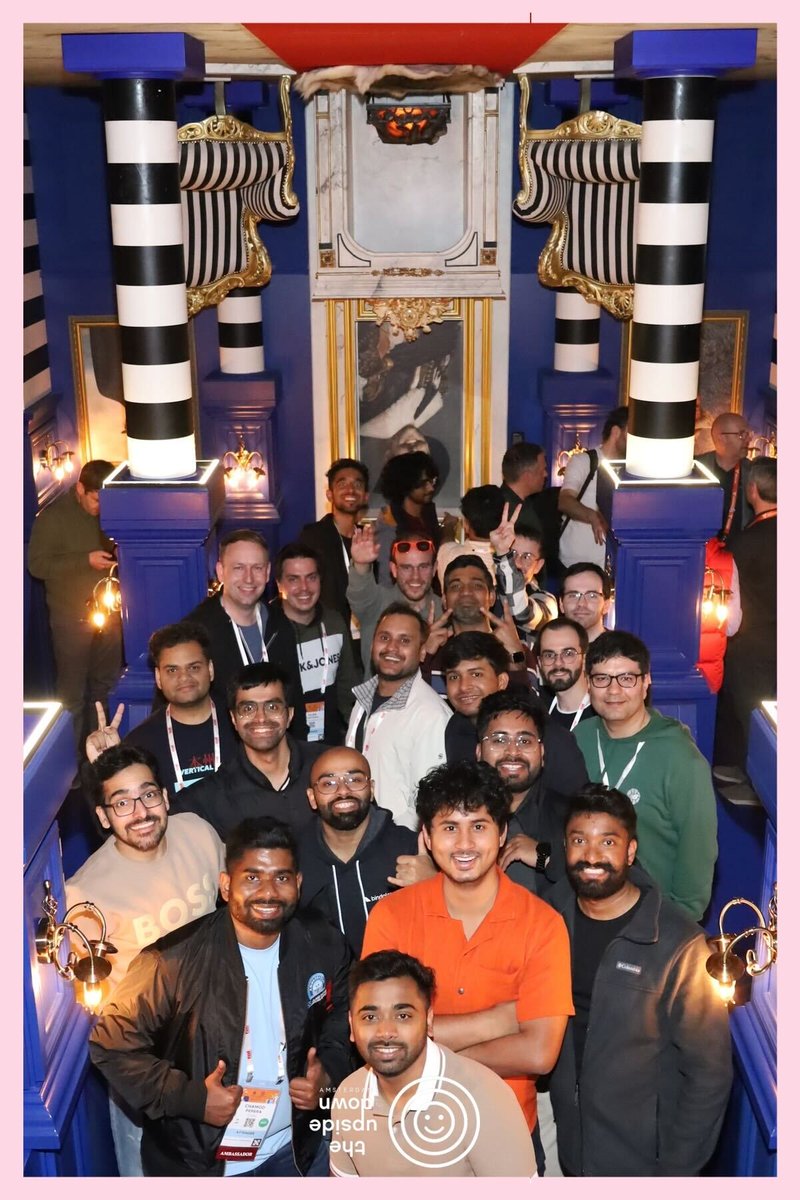
What a night at The Upside Down Amsterdam yesterday. A packed room, a great panel discussion on running Kubernetes at enterprise scale in the age of AI, food, drinks, and The Upside Down experience to close it out.
Thank you to everyone who made it.
#KubeCon #CloudNativeCon

2
2
12
206
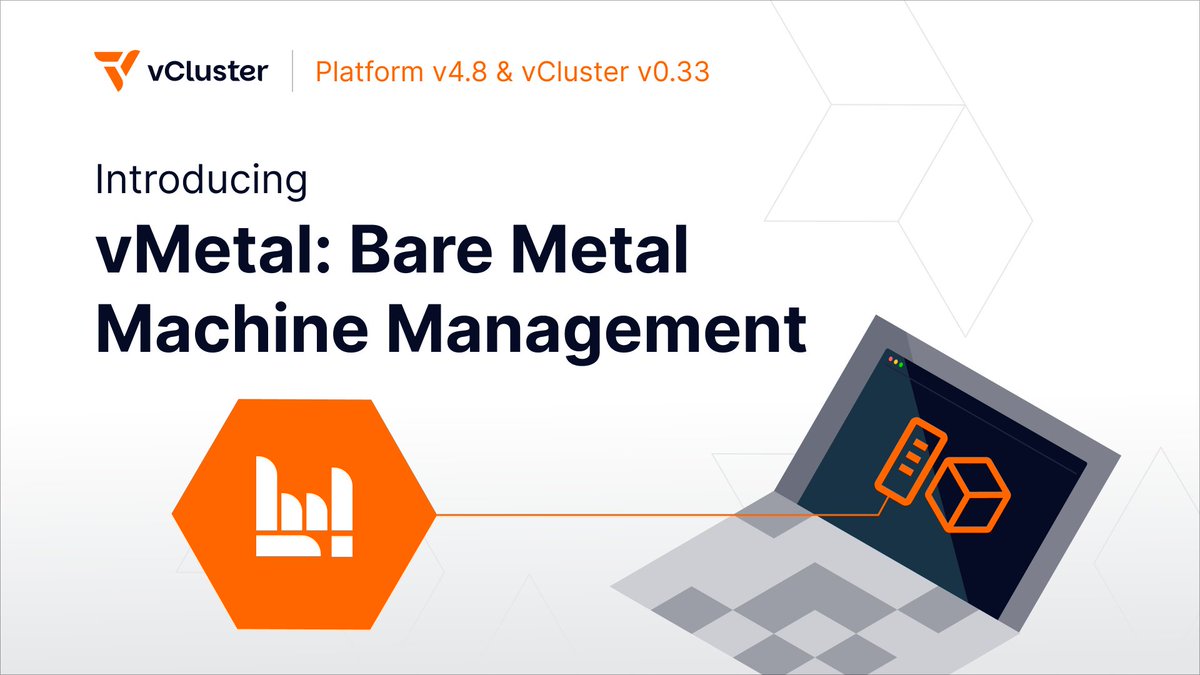
I'm excited to attend Platform Engineering Day | Sponsored Keynote: Bridging the Local Kubernetes Gap for AI Developers - @SaiyamPathak form @vcluster at CNCF-hosted Co-located Events Europe 2026 sched.co/2DZPO
1
74
Simone Morellato retweeted

Meet vind (#vCluster in #Docker), a massive leap forward for local #Kubernetes development. It gives you automatic load balancers, a built-in UI, native sleep/wake functionality, and even the ability to attach real cloud VMs to your local cluster.
youtu.be/BXj3hdTDOKc?si=uD-5…
1
3
148
Simone Morellato retweeted
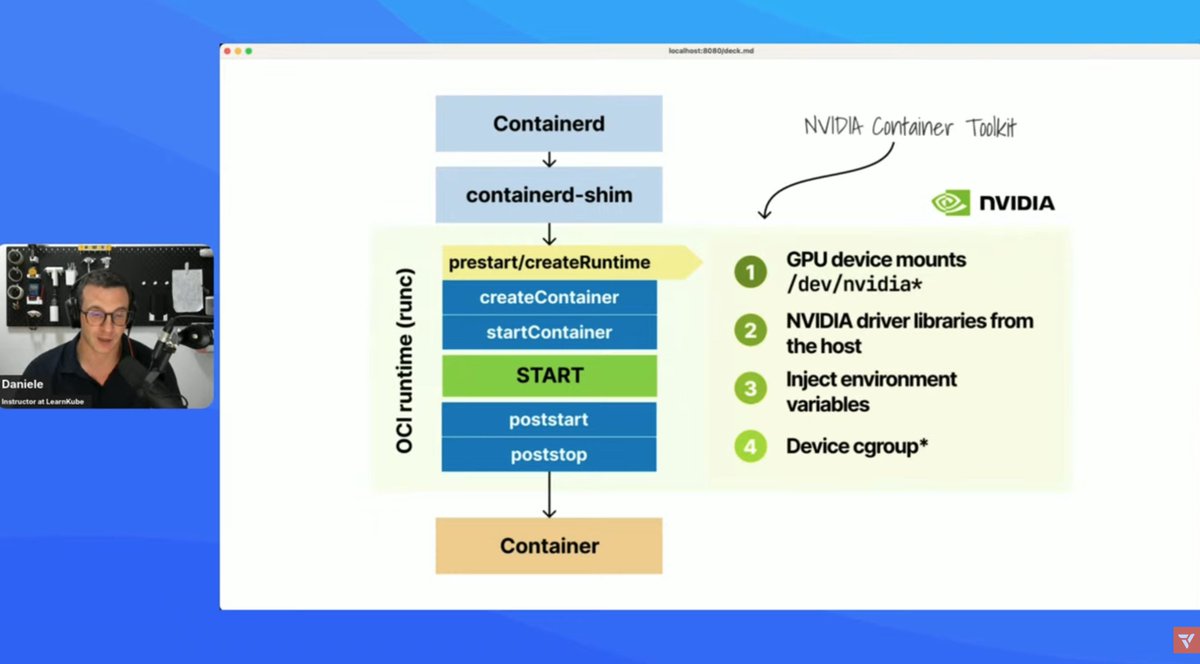
Deploying #GPUF-backed #Kubernetes clusters with #NVIDIA Run:ai on AWS using #vCluster. Learn how to setup the host cluster, provision isolated tenant environments with their own K8s control planes, and pair Run:ai's GPU scheduling with vCluster's ...
youtube.com/live/fQwJTzUwSWw…
1
2
119
Simone Morellato retweeted

Mar 9
Cost-Effective AI with Ollama, GKE GPU Sharing, and vCluster #googlecloud cloud.google.com/blog/topics…
3
5
268
Simone Morellato retweeted

that's a solid move free tier with platform features beats the usual demo trap where you hit a paywall the moment you build something gpu support and etcd included means ur not starting fromm scratch when you decide to scale it up
1
1
70
Simone Morellato retweeted

Feb 27
From CI to Kubernetes Catalog: Building a Composable Platform with GitOps and vCluster itnext.io/from-ci-to-kuberne…
3
24
892
Heroku just announced it’s shifting to “sustaining engineering” mode (Feb 6, 2026). Here’s the simple breakdown for devs:
What it actually means:
• No new features ever again.
• Focus only on keeping things stable, secure, reliable, and supported.
• Current users (paying via dashboard/credit card): Nothing changes — same pricing, billing, apps, add-ons, pipelines, teams. Still production-ready.
• New Enterprise contracts: Stopped. Existing ones can renew as usual.
• Why? Salesforce is pouring resources into AI/enterprise stuff instead.
In plain English: Maintenance mode. The golden era of “git push heroku main” magic is officially over — no more innovation, just keeping the lights on (for now).
Many devs see this as the slow sunset/ “RIP Heroku” moment. The platform that made deploying dead simple for years (especially Rails/Node hobby → prod) has been fading since the free tier died in 2022, outages, and costs.
Why everyone’s suddenly posting alternatives: People still running side projects/startups on Heroku are like: “Time to migrate before bitrot sets in or scaling gets weird.”
Top alternatives getting buzz right now:
• Render — Closest “spiritual successor” vibe: super easy deploys, great Postgres, looks/works a lot like old Heroku.
• Railway — Beginner-friendly, generous credits, fast setup for full-stack apps.
• Fly.io — Awesome for global/low-latency apps, containers without heavy Kubernetes pain.
• Others: Vercel (frontend-heavy), DigitalOcean App Platform, Northflank, or even self-host on cheap VMs with Dokku.
If you’re on Heroku: No panic today, but start planning that migration. The “innovator’s dilemma” struck — Salesforce bet big on AI over keeping the dev darling alive.
What are you switching to? #Heroku #PaaS #DevOps
3
2
336
Simone Morellato retweeted

Jan 31
150 gihub stars on the vind repo!
people who have used kubernetes in docker locally have started replacing it with vind
as it gives you kubernetes cluster, publically accessible UI with which you can access your homelab from outside, adding EC2 nodes to local cluster, adding gpu to clusters, sleeping and waking up the cluster, loadbalancer working out of the box!
its cool, free, open source(vind code is in vcluster repo) and solves the purpose of local kubernetes cluster.
check out if you haven’t already.
1
2
10
579