The Mostoslavsky lab at Harvard & Mass General Cancer Center. We study chromatin, cancer, metabolism, DNA repair, PTMs et al. Tweets are from anyone in the lab!
Joined April 2018
- Tweets 373
- Following 478
- Followers 1,326
- Likes 366
29 Photos and videos
Pinned Tweet

16 Jun 2025
Really excited to share our new study, where we identified ZNF280A, a novel regulator of homologous recombination during DNA repair, linked to the human 22q11.2 distal deletion syndrome. A special shout out to @ThomasLClarke for leading the project!
nature.com/articles/s41556-0…
6
16
56
5,025
Mostoslavsky Lab retweeted

1 Sep 2025
Thanks @HarvardGSAS for featuring my story going beyond the dogmas of life. Cannot wait to formally share with the world all the cool science we’re doing at the @MostoslavskyLab @MGHCancerCenter.
gsas.harvard.edu/news/beyond…
1
2
11
581
Mostoslavsky Lab retweeted

16 Jun 2025
We’re happy to share our new study out today @NatureCellBio
We show that a chromatin factor, ZNF280A, is required for DNA double strand break repair, linking its absence to clinical features in 22q11.2 distal deletion syndrome.
@MostoslavskyLab
nature.com/articles/s41556-0…
2
10
41
2,089
Mostoslavsky Lab retweeted

27 Sep 2024
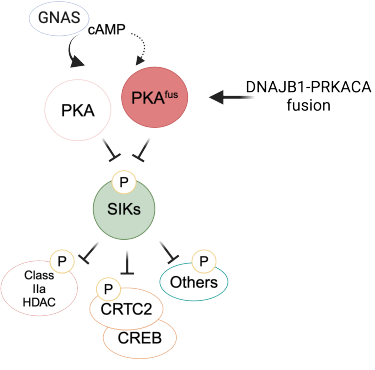
Excited to share our new work on how DNAJB1-PRKACA drives cancer cell growth in Fibrolamellar Carcinoma.
@CD_AACR Thanks to all our collaborators and funding support. @FibroFoundation @AICF_nyc @DonaBertarelli @ForbeckForums @AlexLemonade
27 Sep 2024

Now online in @CD_AACR: DNAJB1-PRKACA Drives #Fibrolamellar Liver Cancer via Impaired SIK Signaling & CRTC2/p300-mediated Transcriptional Reprogramming - by @IlariaG32, @DoransRing6012, Taranjit Gujral, Nabeel Bardeesy, et al. doi.org/10.1158/2159-8290.CD… @fredhutch @MGHCancerCenter
4
10
31
6,047
Mostoslavsky Lab retweeted

31 Jul 2024
New Research: Subcellular one carbon metabolism in cancer, aging and epigenetics frontiersin.org/articles/10.… #FrontiersIn #Epigenetics #Epigenomics
3
7
490
31 Jul 2024
Really happy to share our new mini Review on One Carbon Metabolism and chromatin (fantastic job by @Tiz_bernasocchi. Out in @FrontGenetics frontiersin.org/journals/epi…
1
12
35
3,216
Mostoslavsky Lab retweeted

11 Jul 2024
New in @sciencemagazine! Our study reveals how mutant IDH1 inhibition activates tumor immunity by inducing dsDNA sensing. Read more: science.org/doi/10.1126/scie…
#CancerResearch #Cholangiocarcinoma #IDH1 1/n
12
45
213
48,617
21 Jun 2024
The Mostoslavsky Lab is looking for a highly motivated Research Technician interested in being part of our team for at least two years! Please share with your networks, and/or apply by sending an intro email with CV to: mostoslavskylab@gmail.com
1
40
59
15,267
21 Jun 2024
This will be a full-time research technician position, roles will include assisting with basic science techniques, from standard molecular biology to advanced biochemistry, genetics, and in vivo work.
2
3
761
21 Jun 2024
Our lab does a little bit of everything centered around chromatin biology and metabolism. No previous research experience needed, but preferred!
3
632
Mostoslavsky Lab retweeted

31 May 2024
FOR THE LOVE OF PURINES: We are truly excited to share our latest work @CellPressNews on mapping the routes of purine nucleotide synthesis in vivo-De novo and Salvage Purine Synthesis Pathways Across Tissues and Tumors.cell.com/cell/fulltext/S0092…
29
42
183
25,479
12 Jun 2024
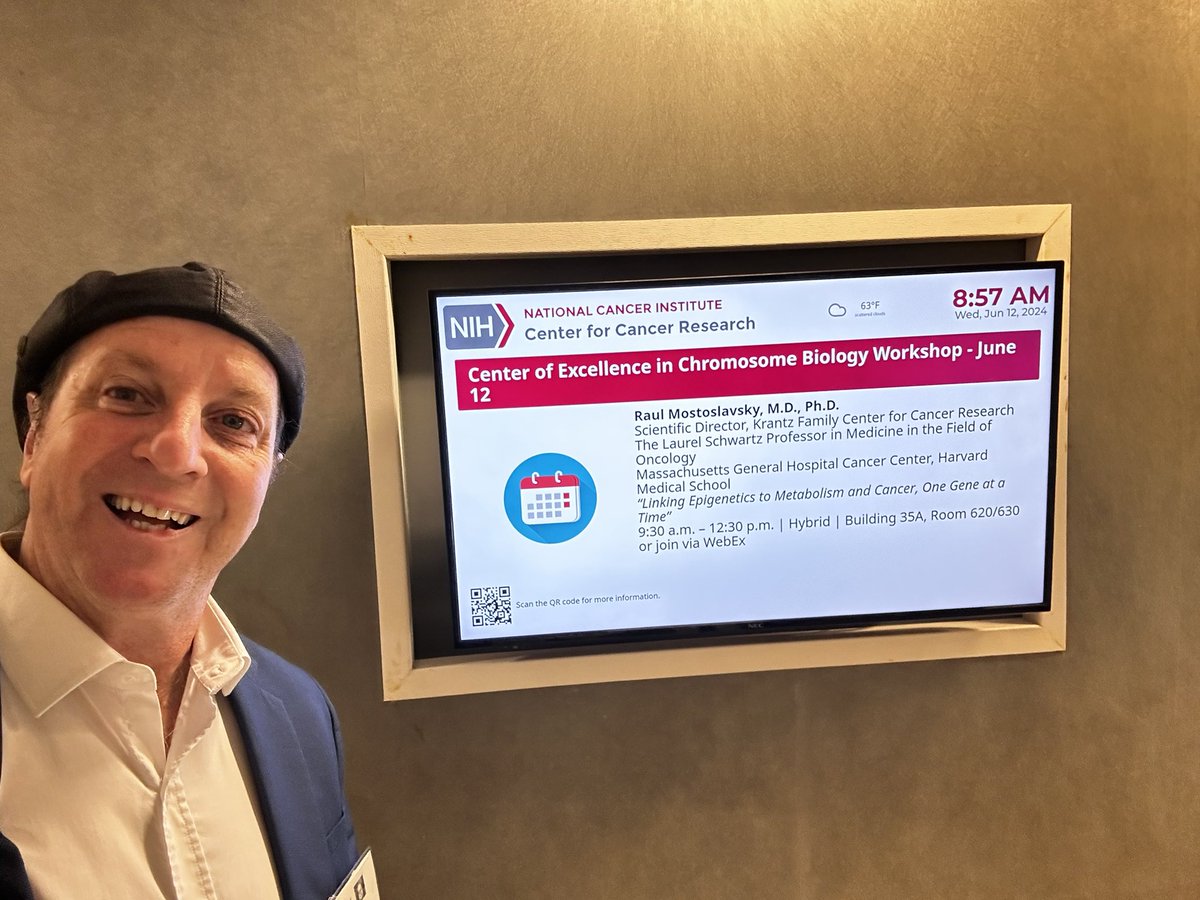
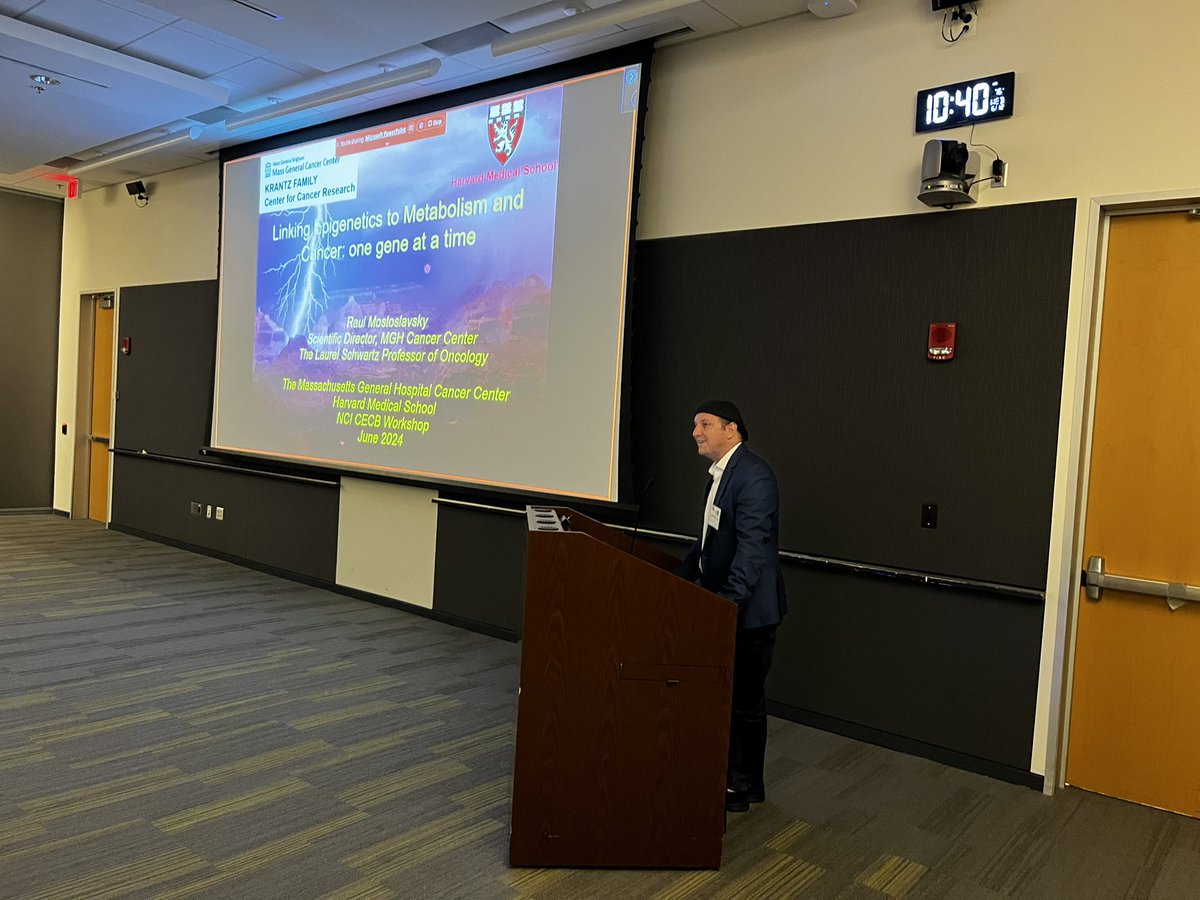
Thrilled to be a Keynote Speaker at the Center of Excellence in Chromosome Biology (CECB) Symposium in @theNCI. Thanks @WeyemiLab and @LabShalini for the honor!
3
38
2,589
Mostoslavsky Lab retweeted
11 Jun 2024
Massive effort by Christina Ferrer @MostoslavskyLab! I am so happy to see this piece of work finally published!
11 Jun 2024

Online now!! Really thrilled to share our latest work identifying a novel driver of metastasis, Gstt1, @NatureCellBio. A huge effort lead by Christina Ferrer and an incredible team of collaborators!!
link.springer.com/article/10…
1
4
655
11 Jun 2024
Online now!! Really thrilled to share our latest work identifying a novel driver of metastasis, Gstt1, @NatureCellBio. A huge effort lead by Christina Ferrer and an incredible team of collaborators!!
link.springer.com/article/10…
11
28
99
14,872
11 Jun 2024
Gstt1, a glutathione conjugase, normally expressed only in the liver, it is specifically upregulated in metastatic cells. Critically, inhibition of Gstt1 does not impact primary tumors, but completely eliminated metastatic growth.
Link to pdf rdcu.be/dKtEA
1
4
492
11 Jun 2024
We found Gstt1 to glutathionylate fibronectin, thus changing the extracellular matrix to allow disseminated tumor cells to survive in the new foreign niche. Inhibiting Gstt1 could be a putative new therapeutic approach against metastases.
2
4
427
25 Jan 2024
I am thrilled and honored to announce that I have been selected (together with the laboratory of Nabeel Bardeesy) as a 2023 Breakthrough Krantz Award recipient! Thank to our teams and the #KrantzCenter for their support and generosity!
massgeneral.org/cancer-cente…
#MassGeneral
11
4
77
7,127
13 Nov 2023
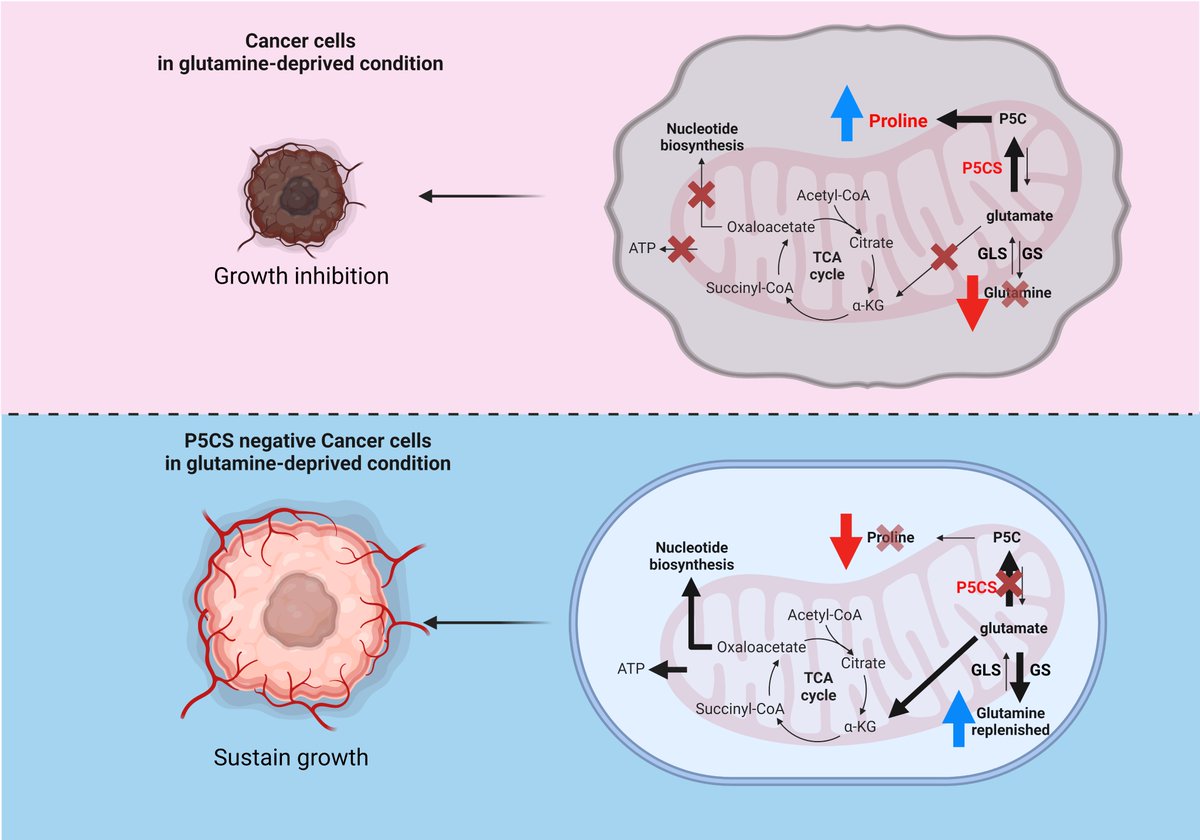
I am really happy to share that our latest study was published today in Nature Metabolism! We discovered a new way by which cancer cells can adapt to proliferate under glutamine restricted conditions. Amazing work Sam and Tiz!!!! nature.com/articles/s42255-0…
18
38
150
22,752
27 Jul 2023
What a thrill! So proud of @YaaAmoh for being selected as a #GilliamFellows! It is such a unique opportunity, for her as a Fellow and for me as a mentor, to engage, network and be inspired by this community. Can't wait for the amazing science you will do as a Fellow. Congrats!!
1
16
170
26,146
Mostoslavsky Lab retweeted
20 Jul 2023
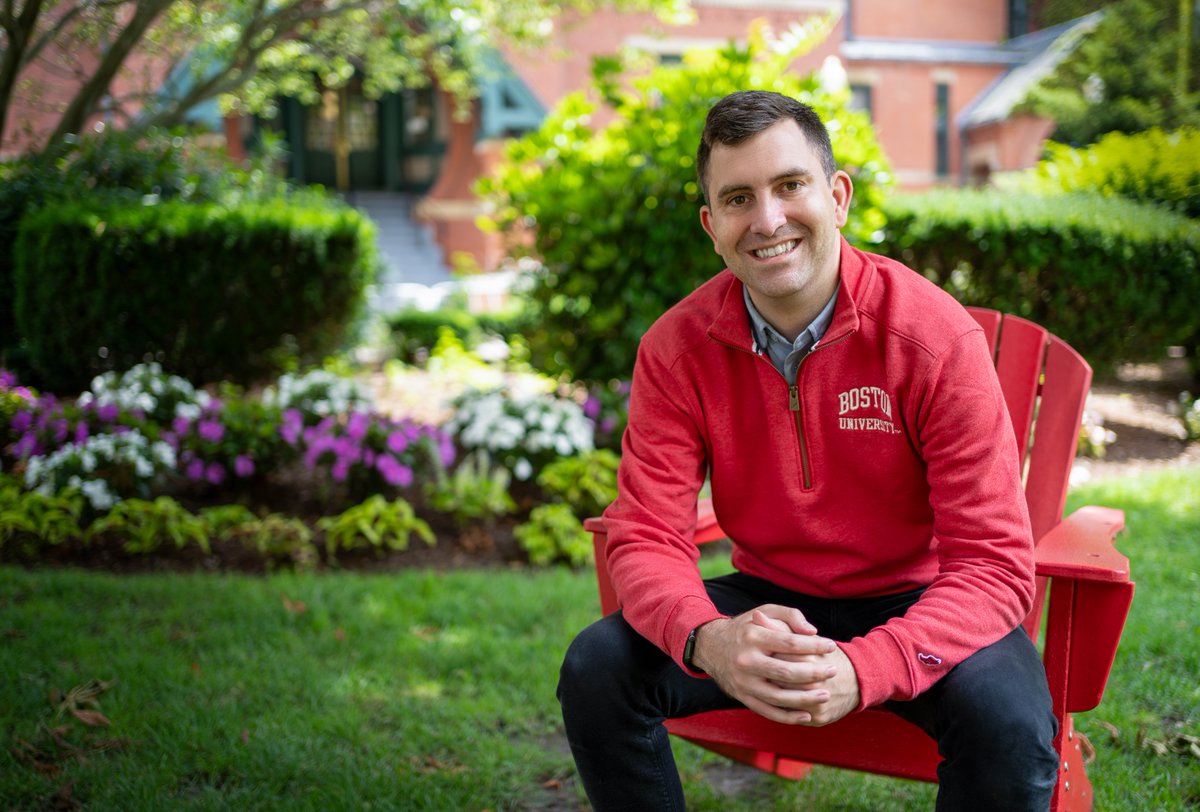
I’m thrilled to share that I will be joining the Boston University School of Medicine (@BUMedical) as an assistant professor! My lab will officially open on January 1, 2024, in the Department of Pathology and Laboratory Medicine.
19
9
169
18,727