Joined June 2009
- Tweets 74,597
- Following 10,825
- Followers 9,962
- Likes 99,813
9,104 Photos and videos












Pinned Tweet

Jun 13
One of my all-time favorite tunes...love this song by the great Steve Miller Band (1977).
FYI: "Jet Airliner" was written & originally recorded by Paul Pena in 1973.
Steve Miller Band's version, released in 1977, made the song famous.
Can't get this song out of my mind. 🎶👏
Jun 13

Steve Miller Band 🎩🪄 Jet Airliner
Barely any sleep, it won't be stopping me from heading to the airport in two hours, my morning post is slotted in for 6 am.
I will be on from time to time this week to bother all of you😂😈
1
81
Marc J. Beaulieu retweeted

43m
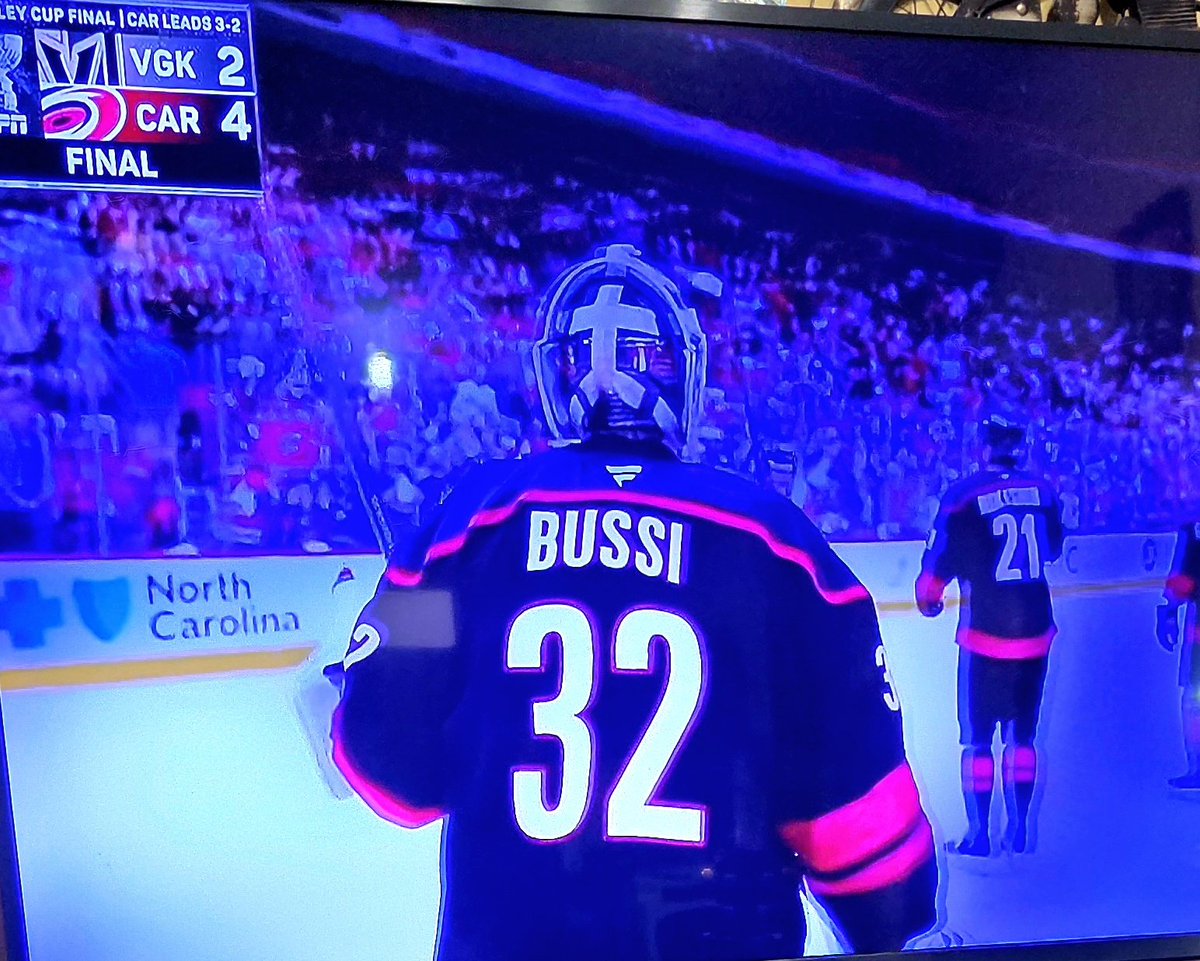
CAN THE HURRICANES CLOSE IT OUT IN GAME 6? 👀
📺: Hurricanes vs. Golden Knights TONIGHT at 8pm ET on Sportsnet

8
8
67
5,434
Marc J. Beaulieu retweeted

Sly Stone was a musical genius in every sense of the word.
1
42
214
7,334
Marc J. Beaulieu retweeted

How airplanes stay in the air explained simply
7
22
80
9,317
Marc J. Beaulieu retweeted

Are you ready for one more go around 🤘 we salute the legend that is @acdc
1
9
79
Marc J. Beaulieu retweeted

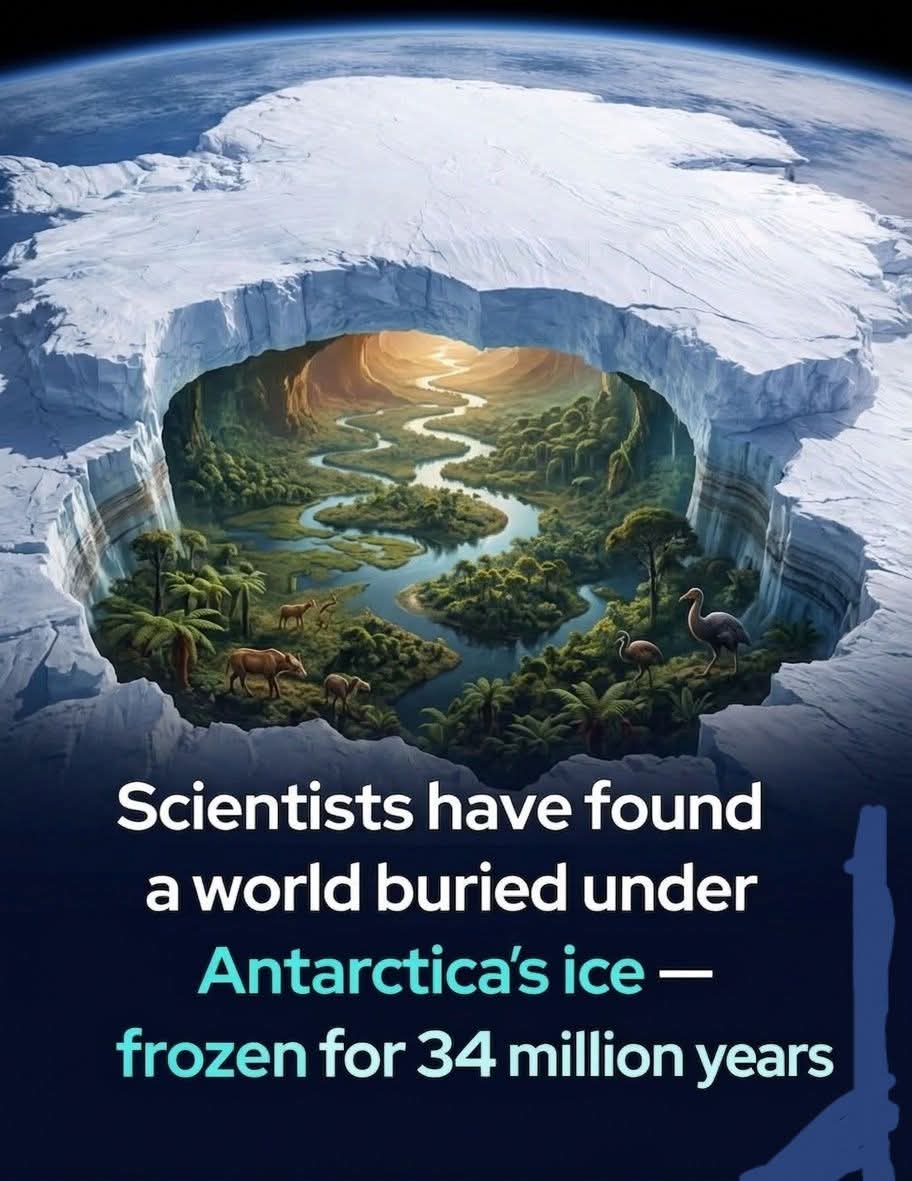
There is an entire world sitting beneath Antarctica's ice — and it hasn't seen sunlight in 34 million years.
Scientists have made one of the most jaw-dropping geological discoveries of our time. Hidden more than a mile below the East Antarctic ice sheet, in a region called Wilkes Land, researchers have mapped a prehistoric landscape so vast it rivals the size of Maryland — and it has been completely untouched since before humans, before mammoths, before almost everything we know on this Earth today.
Using satellite data and radar powerful enough to see straight through ice, scientists pieced together a stunning picture of what lies beneath — towering highland formations, valleys plunging nearly 4,000 feet deep, and ancient river channels that once carried water across a warm, forested continent.
Because Antarctica wasn't always frozen. Tens of millions of years ago, it was warm. It was green. It was alive.
And here's what makes this truly extraordinary — that landscape is still there. Almost perfectly intact. Most glaciers grind and erode everything beneath them as they move, but the ice sitting above this particular region has been so cold and so still for so long that it has acted as a natural time capsule, preserving the terrain exactly as it was the moment the freeze began.
Scientists are now preparing to drill down through the ice to retrieve ancient soil samples that could rewrite everything we know about Earth's climate history.
One tiny core of ancient earth. Millions of years of answers.
This is why science never gets old. Share this with someone who needs a reminder of just how extraordinary our planet truly is
Source: Jamieson et al. (2023), Nature Communications
33
159
508
19,353
Marc J. Beaulieu retweeted

“I think a good guitar solo sounds so much better within the context of a good song.” — Gary Moore
“The guitar solos. Those extra songs inserted in the middle of another song. Those pieces of heaven on earth.” — Sukursal Rock
#RockON #ShowTheTalent
Harem Scarem “No Justice”🎸🔥
6
8
72
Marc J. Beaulieu retweeted

Wake Up to Guitar Greatness
Today’s Pick: Stevie Ray Vaughan – "Say What" (Live,‘85)
Rise, blues believers! Stevie turns funk into a guitar storm.
2
14
33
1,040
Marc J. Beaulieu retweeted

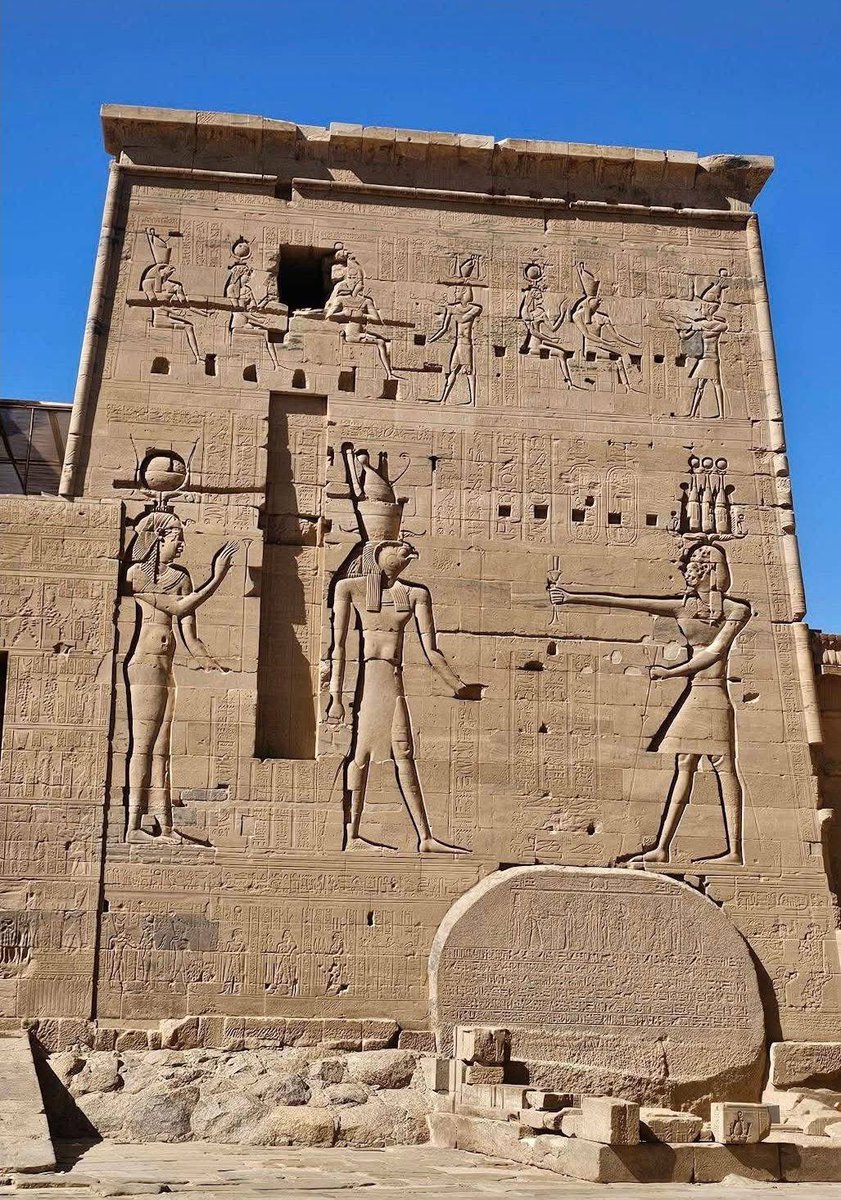
What if I told you there’s a place where gods were worshipped… even as an entire civilization was fading away?
On a quiet island in southern Egypt stands the breathtaking Philae Temple — a place that feels frozen between two worlds. Its towering stone walls are carved with scenes of powerful pharaohs offering gifts to ancient gods like Isis and Horus… but look closer, and something feels different. The art is Egyptian — yet not entirely. There’s a subtle foreign touch, a whisper of another culture blending in. Almost like the old world was trying to hold on… while a new one was already taking over.
This temple was built during the final chapter of ancient Egypt. A time when traditions were still alive, but change was creeping in. And somehow, these walls captured that moment forever.
Stand in front of these massive carvings, and you’ll feel it — a strange silence, heavy and deep. As if the stones are watching you. As if they remember everything… the prayers, the rituals, the last echoes of belief before it all disappeared.
Even more mysterious? The temple itself refused to vanish. Long after the old gods were forgotten, it survived floods, abandonment, and time itself — like it was never meant to be erased.
Maybe it’s just history…
Or maybe some places are never truly meant to die.
1
6
23
327


Will the Golden Knights force a #Game7? Or will the Canes win their first #StanleyCup in 20 years? 👀
The #StanleyCup Final between the @Canes and @GoldenKnights continues TONIGHT at 8p ET on ABC, @Sportsnet, & @TVASports!

ALT Top: A cutout of the Stanley Cup in the middle with a cutout of Nikolaj Ehlers in a Carolina Hurricanes uniform on a red background with white text reading, \"Nikolaj Ehlers #27\" below. A cutout of Pavel Dorofeyev in a Vegas Golden Knights uniform on a gold background is on the right with white text reading, \"Pavel Dorofeyev #16\" below. \n\nBottom: Large white text between a Hurricanes and Golden Knights banner reads, \"Game 6. Today 8p ET. ABC, Sportsnet, TVA Sports\"
27
97
454
25,981
Marc J. Beaulieu retweeted

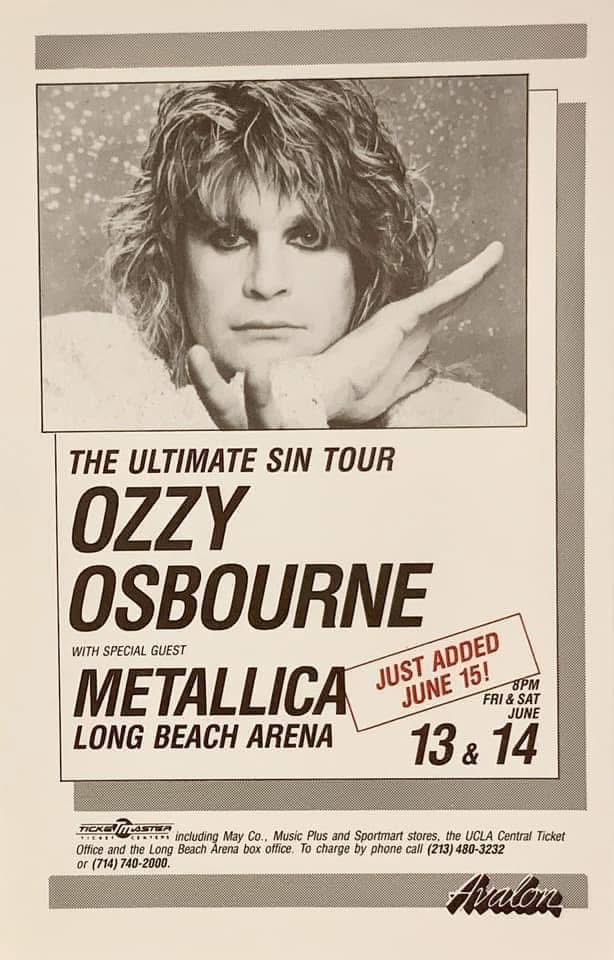
June 13-15, 1986
Long Beach Arena
Long Beach, CA
📸: @MarkWeissguy
9
107
963
19,942
Two months until the #PowerUpTour comes to Vancouver, BC! ⚡️ Tickets on sale now at ACDC.com 📸 @ChristieGoodwin

7
74
706
15,116
Marc J. Beaulieu retweeted

Jun 13
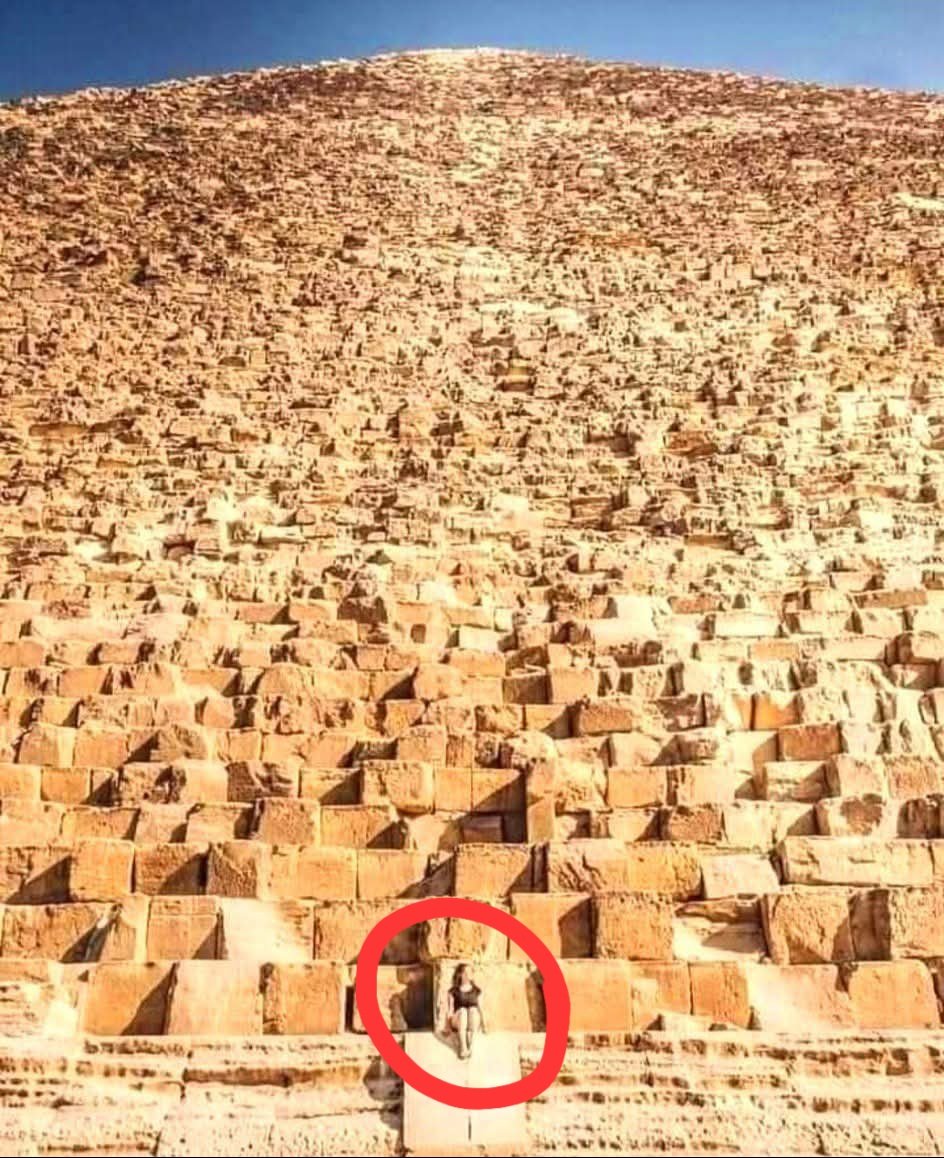
This really does put the scale of the Great Pyramid into perspective.
24
79
673
13,620
Another failed "Open Border Experiment"...
Sending Good Luck Vibes to the UK. 🙏🇬🇧🙏
BBC: "Disorder puts spotlight on Northern Ireland's changing demographics." share.google/VB4TMFqbeu8lk92…
6
Marc J. Beaulieu retweeted

When David first came to America, he had a dream. To share his passion for football and make it one of the USA’s great sports.
Today, his name joins the Hollywood Walk of Fame. A testament not only to what he has achieved, but to the person he is.
Congratulations David, I couldn’t be prouder of you. We all love you very much!! ❤️


466
719
9,843
253,916
Marc J. Beaulieu retweeted

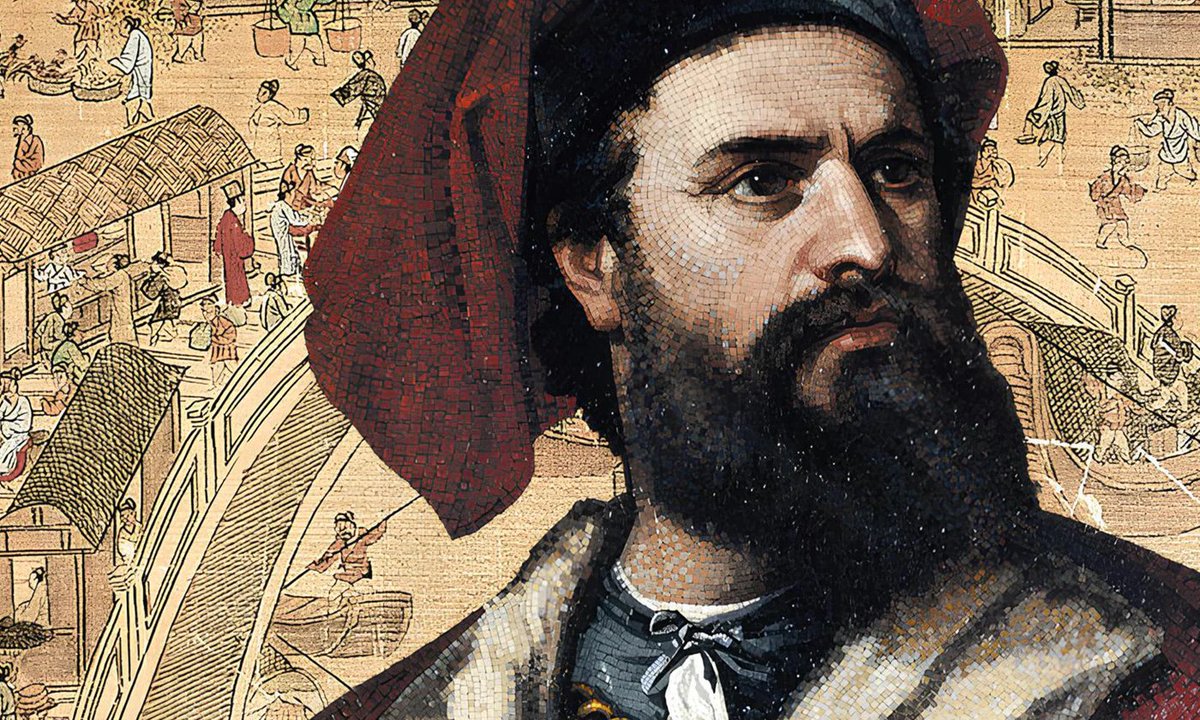
Marco Polo is the most famous traveler who ever lived, and his real story is even wilder than the legend.
He was born in Venice in 1254 into a family of merchants. His father and uncle were already gone trading when he was born, so Marco didn't meet his own father until he was around 15. Two years later, at 17, he left home with them on a journey that would last 24 years.
They didn't fly. They didn't sail the easy way. They walked and rode across the entire Silk Road. Marco crossed the deserts of Persia, climbed through the mountains of Afghanistan, where he got so sick he had to recover for a year, and pushed through the Gobi Desert, a crossing so brutal travelers said they heard spirits calling their names in the sand at night.
After three and a half years, they reached the court of Kublai Khan, grandson of Genghis Khan and ruler of the largest land empire in human history. Marco was a sharp young man who picked up languages fast, and the Khan took a liking to him. He ended up serving the emperor for 17 years, sent on missions across China, Burma, and beyond as the Khan's eyes and ears.
What Marco saw blew his European mind. Paper money, when Europe still hauled around coins. Coal, black stones that burned for heat. A postal system with thousands of relay stations. Cities bigger and richer than anything back home. Crocodiles, asbestos, and the imperial mail moving at speeds no European messenger could match.
When the family finally tried to leave, the Khan didn't want to let them go. They only escaped by being assigned to escort a princess by sea to Persia. They sailed for nearly two years and lost hundreds of people on the voyage. By the time Marco got back to Venice in 1295, he had been gone so long his own relatives didn't recognize him and thought he was dead.
Then it gets better. A few years later Venice went to war with Genoa, Marco was captured, and he ended up in prison. His cellmate happened to be a romance writer named Rustichello. Marco told his stories, Rustichello wrote them down, and that book became one of the most influential travel accounts ever made. Two centuries later a sailor named Christopher Columbus owned a copy and scribbled notes in the margins before sailing west looking for the riches Marco described.
Plenty of people called him a liar his whole life. The nickname they gave him was Il Milione, roughly "the millions," because they thought he exaggerated everything.
On his deathbed in 1324, friends and priests urged him to confess that he had made it all up and clear his conscience before God.
His answer: "I have not told the half of what I saw."
2
15
98
2,937

Marc J. Beaulieu retweeted

15h
🚨BREAKING: Germany, Italy, France, Serbia, UK, Scotland, Ireland, Spain - Europe is rising up!
Patriots demand an end to mass migration, corruption, and pro-EU rule.
No one can stop what's coming!
195
2,709
8,437
44,634