
Visual artist tracking nature through colored pencil, paint, and sculptural paper. Creator of @ChaparralJournl. Explore the collection: MozaicStudio.com.
Joined April 2012
- Tweets 281
- Following 66
- Followers 18
- Likes 362
194 Photos and videos

Mozaic Studio retweeted

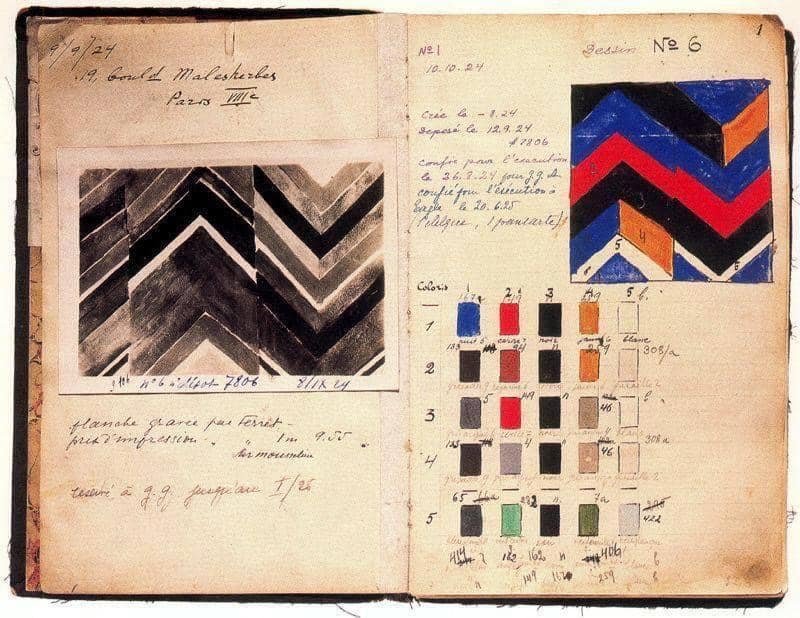
Sketchbook of Sonia Delaunay. Image from Pinterest. Get more inspiration in your inbox by subscribing to my newsletter. designreviewed.com/newslette…
1
27
222
13,481
Mozaic Studio retweeted

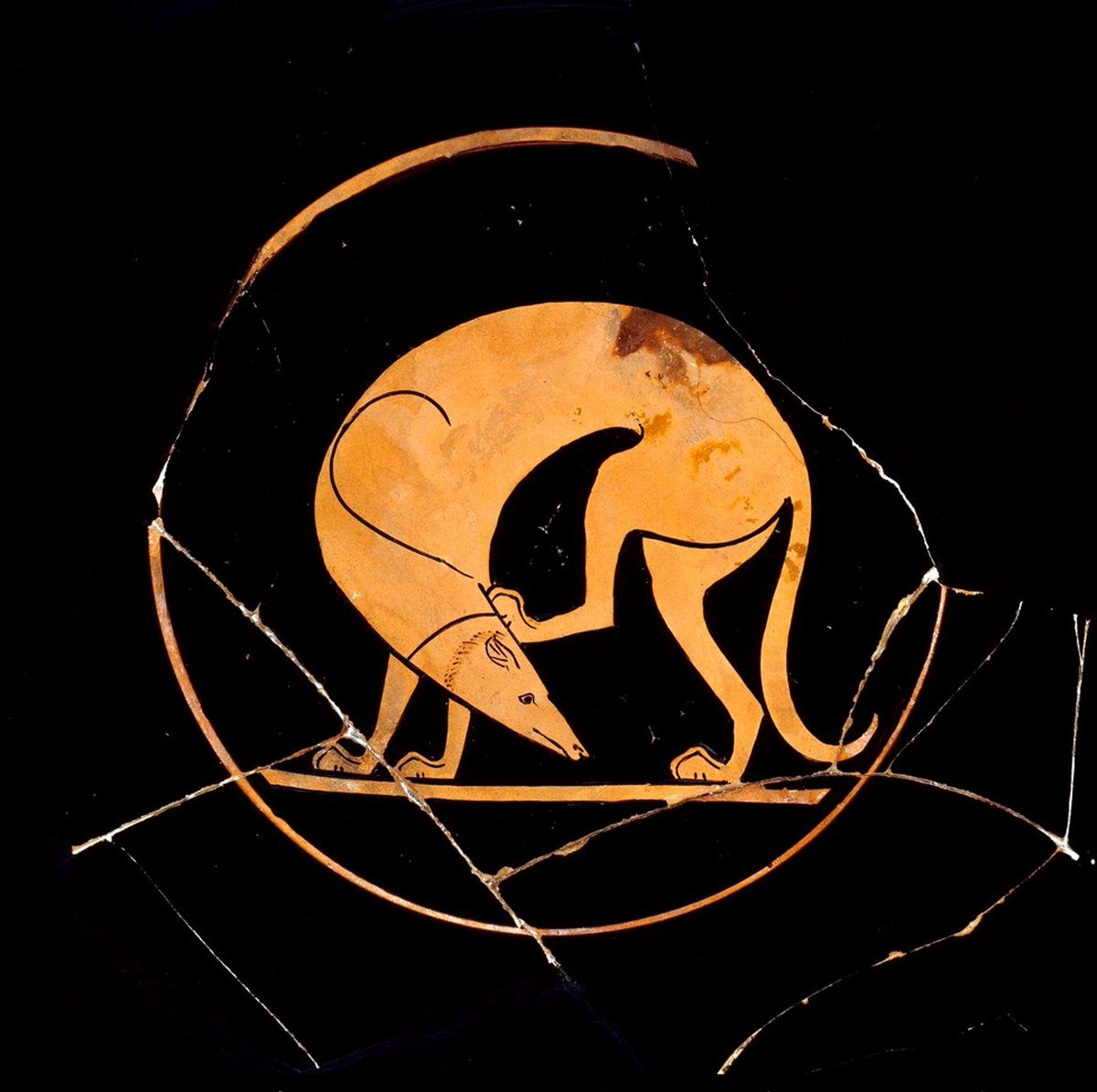
Around 510-500 BC, an Athenian vase painter placed a small scene at the center of a wine cup: a dog scratching its ear with its hind leg. No gods, no heroes, no battle lines. Just an itch.
It's an Attic red-figure stemless cup, currently housed at the Ashmolean Museum in Oxford and displayed in Gallery 16 on the Ground Floor. Made in Athens, it was likely intended for the world of the symposium: a broad, shallow wine cup held by reclining drinkers and repeatedly raised throughout the evening.
The painter was an anonymous artist scholars call the Euergides Painter. His name is a modern convention derived from Euergides, the potter who crafted the cups he decorated. Active around 515-500 BC, the artist worked during the years when the red-figure technique was beginning to replace black-figure vase painting.
Let's look at the dog: its slender body, pointed snout, long tail, elegant legs, and ears resemble the hunting dogs ancient writers associated with Laconia or Sparta. Writing in the 4th century BC, Xenophon describes the ideal hunting dog in terms of speed, proportion, strength, a keen nose, and a long tail; I believe these qualities perfectly match the one on this cup.
What makes this choice particularly striking is its modesty. During the same period, painters like Euphronios and Euthymides were experimenting with the new red-figure style using bold anatomy, movement, perspective, and ambitious scenes. Euthymides even boasted on one vase that his work was 'much better than Euphronios's.' Here, the Euergides Painter reduces the drama to a hound and an itch.
2
89
452
30,853
Mozaic Studio retweeted

Jun 9
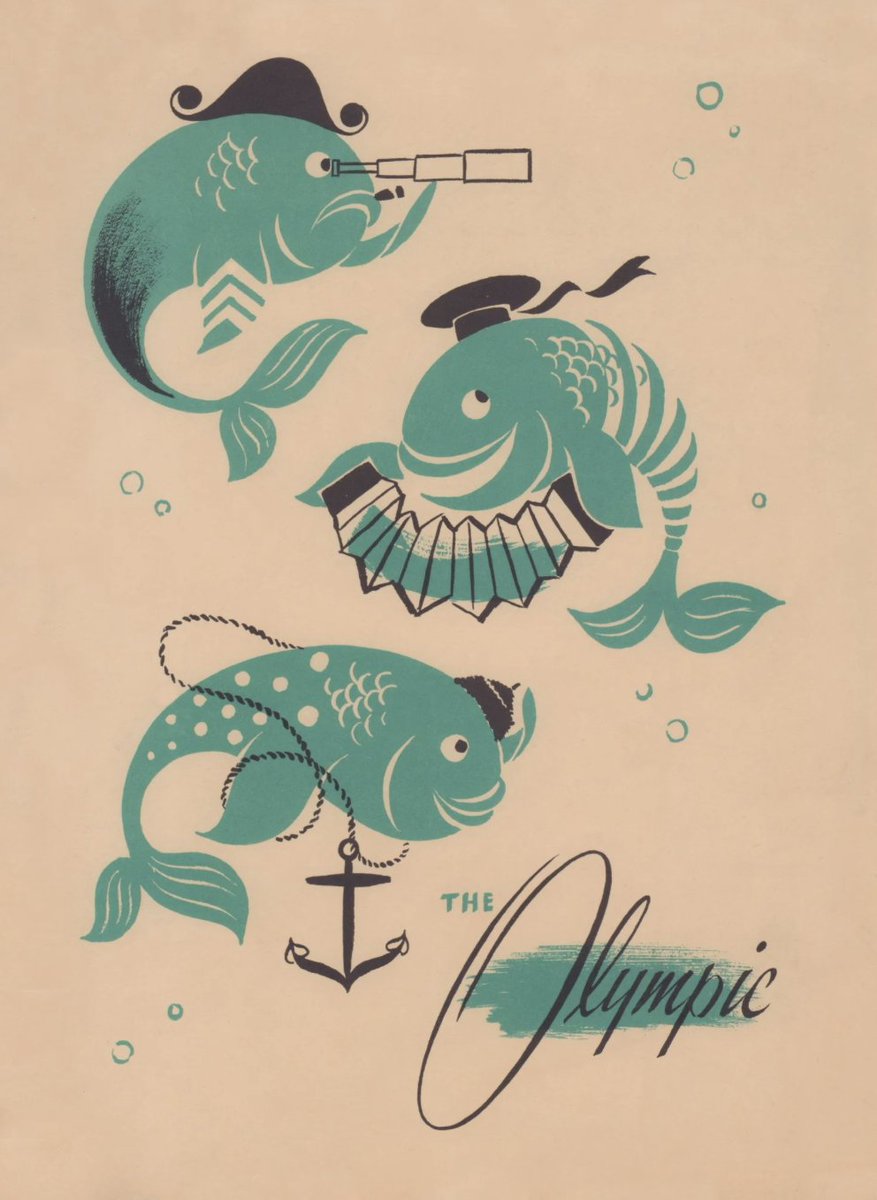
Dining in mid-century Seattle.



1
40
528
15,790
Mozaic Studio retweeted

May 28
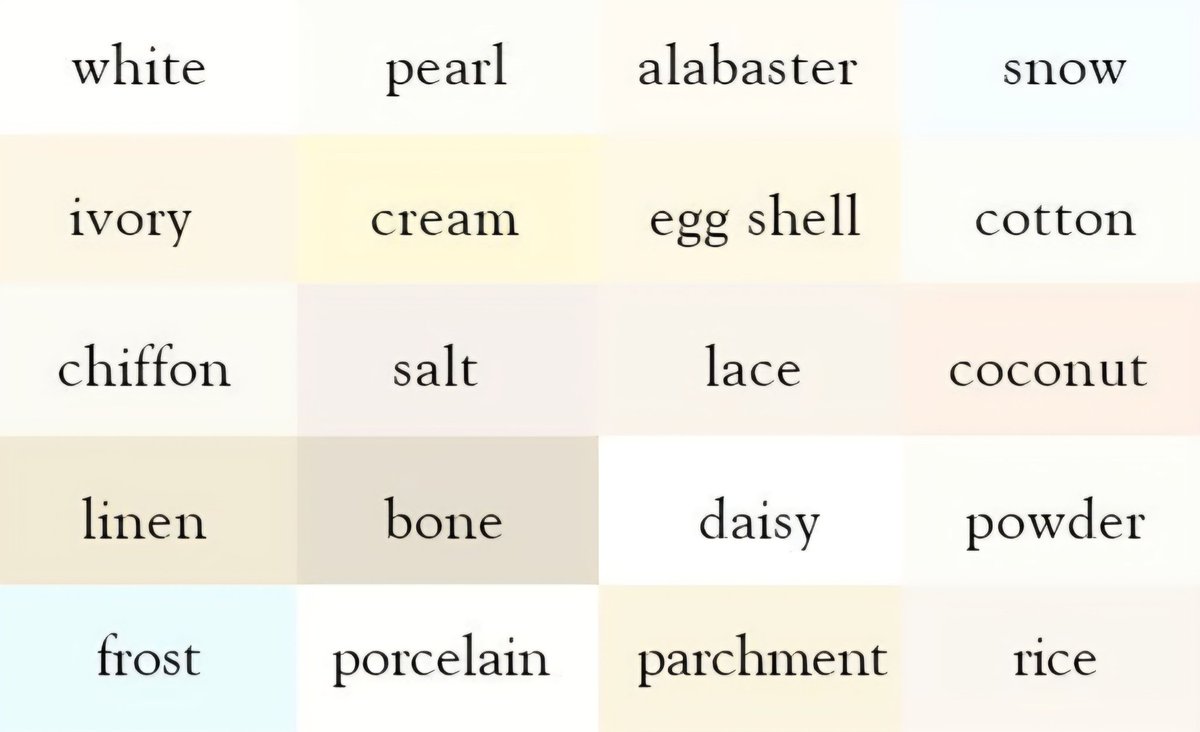
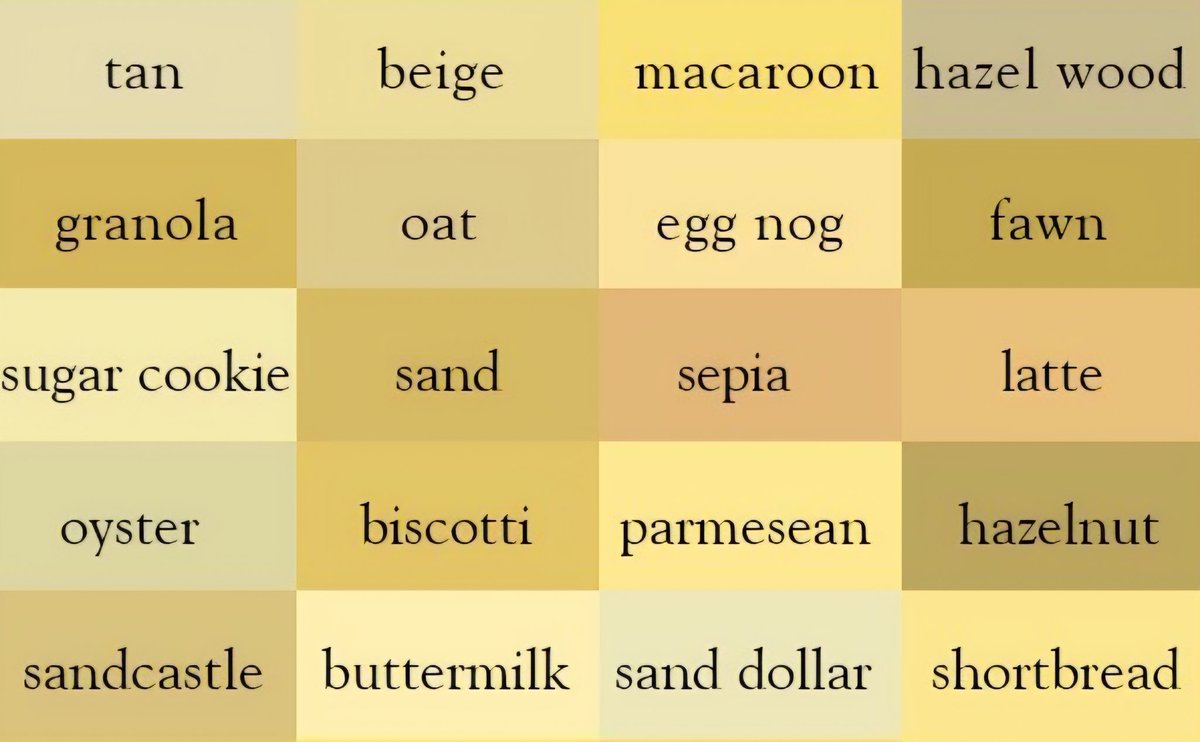
The color thesaurus 🧵
1/6
2
29
354
12,349
Mozaic Studio retweeted

May 6
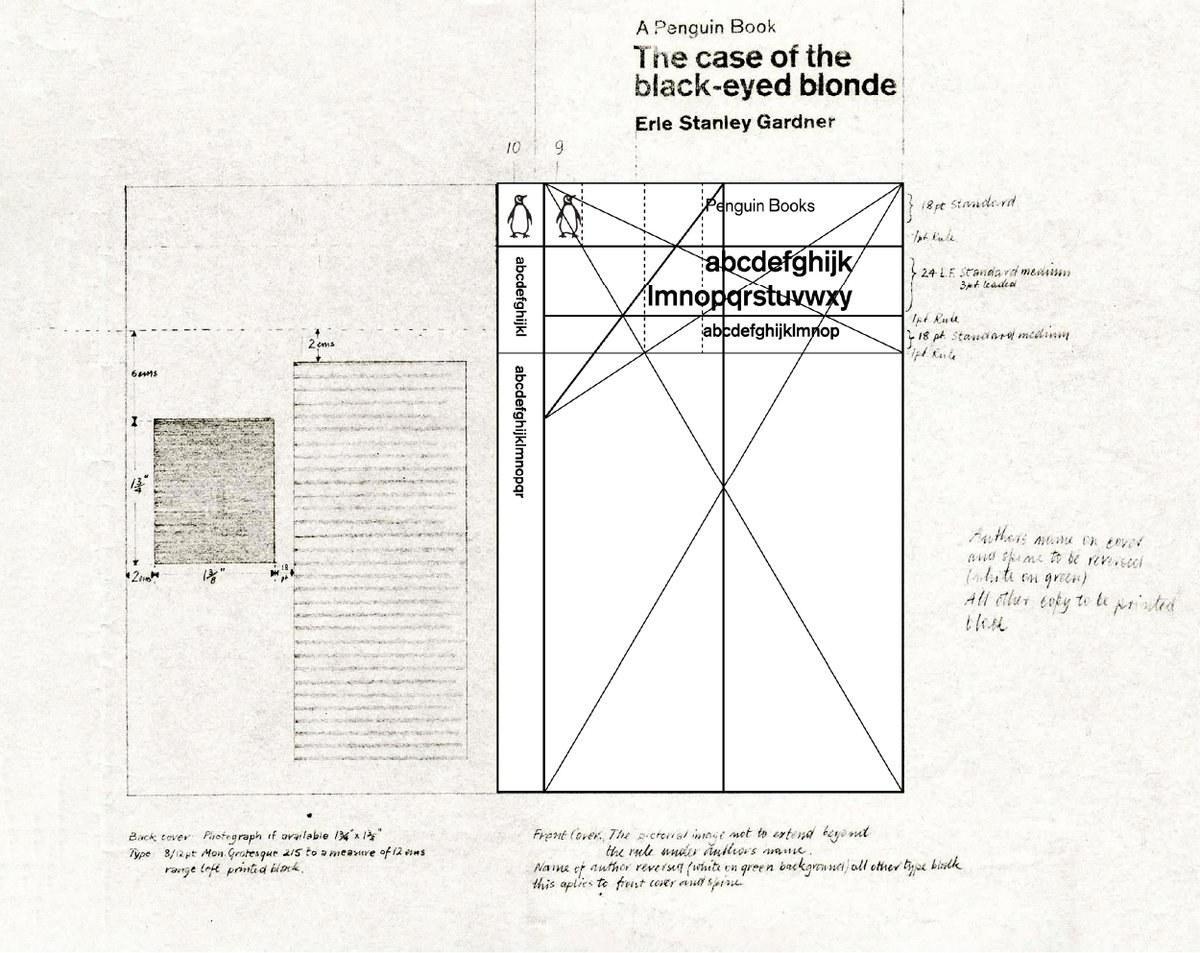
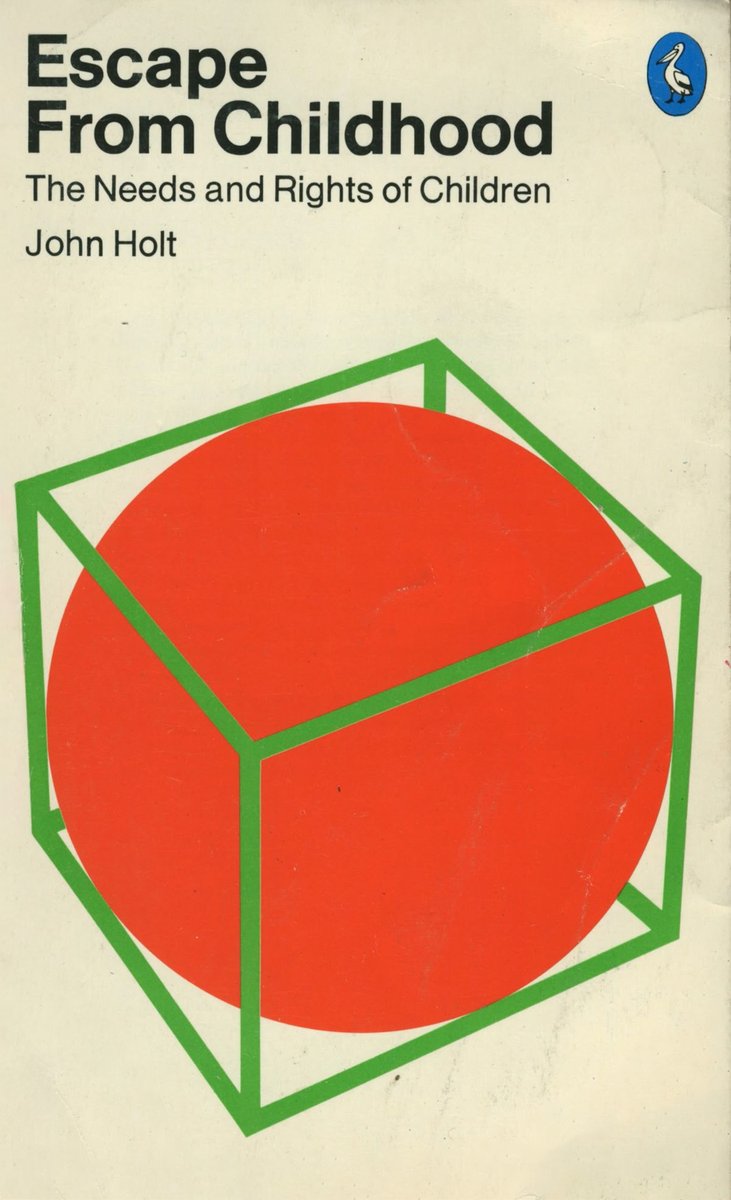
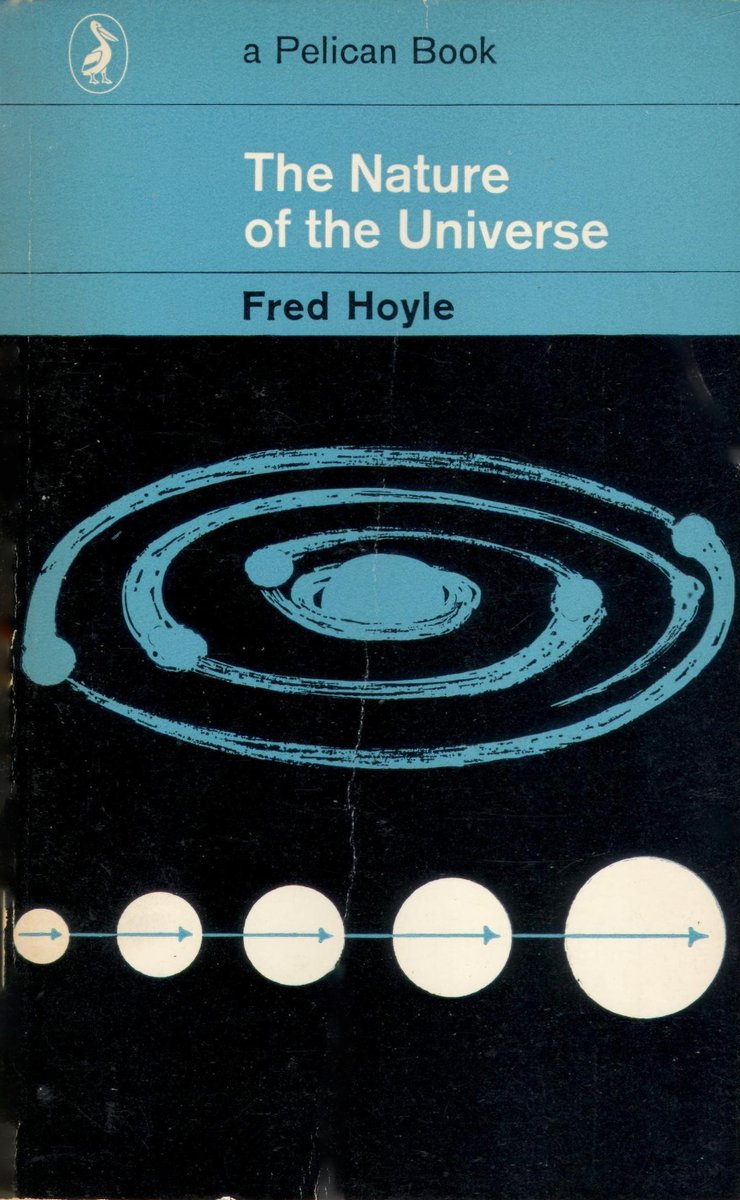
Penguin paperbacks had an operating system.

9
304
3,757
94,445
Mozaic Studio retweeted
May 8
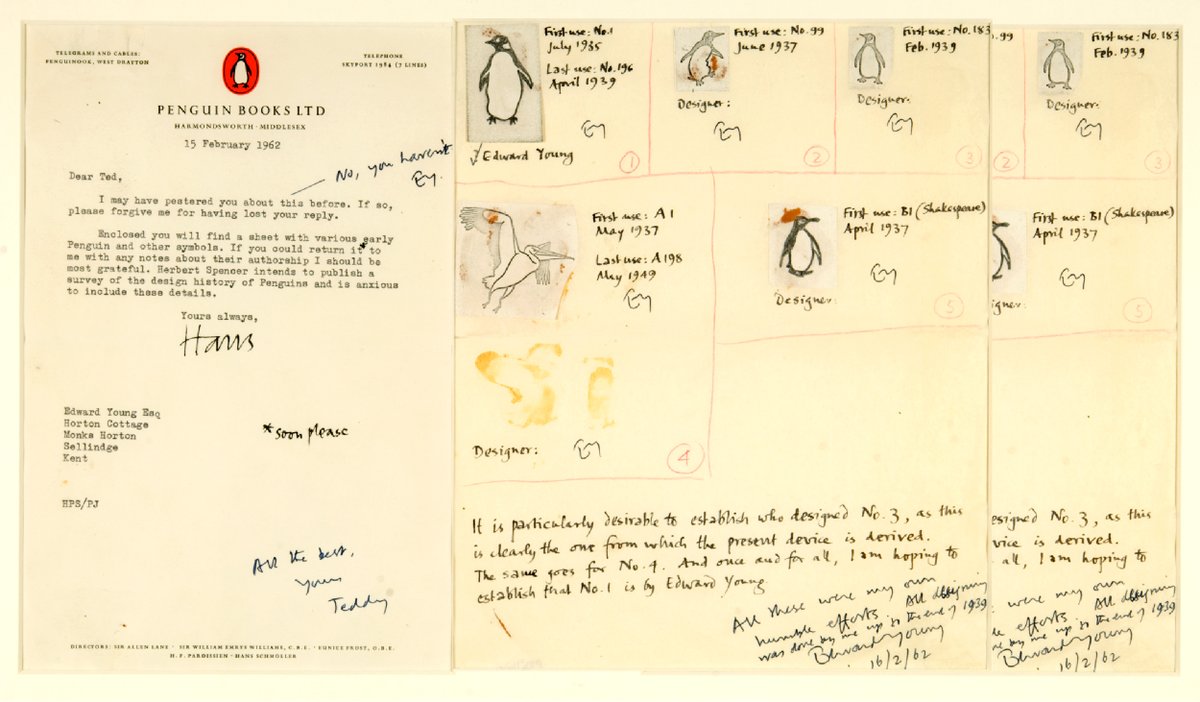
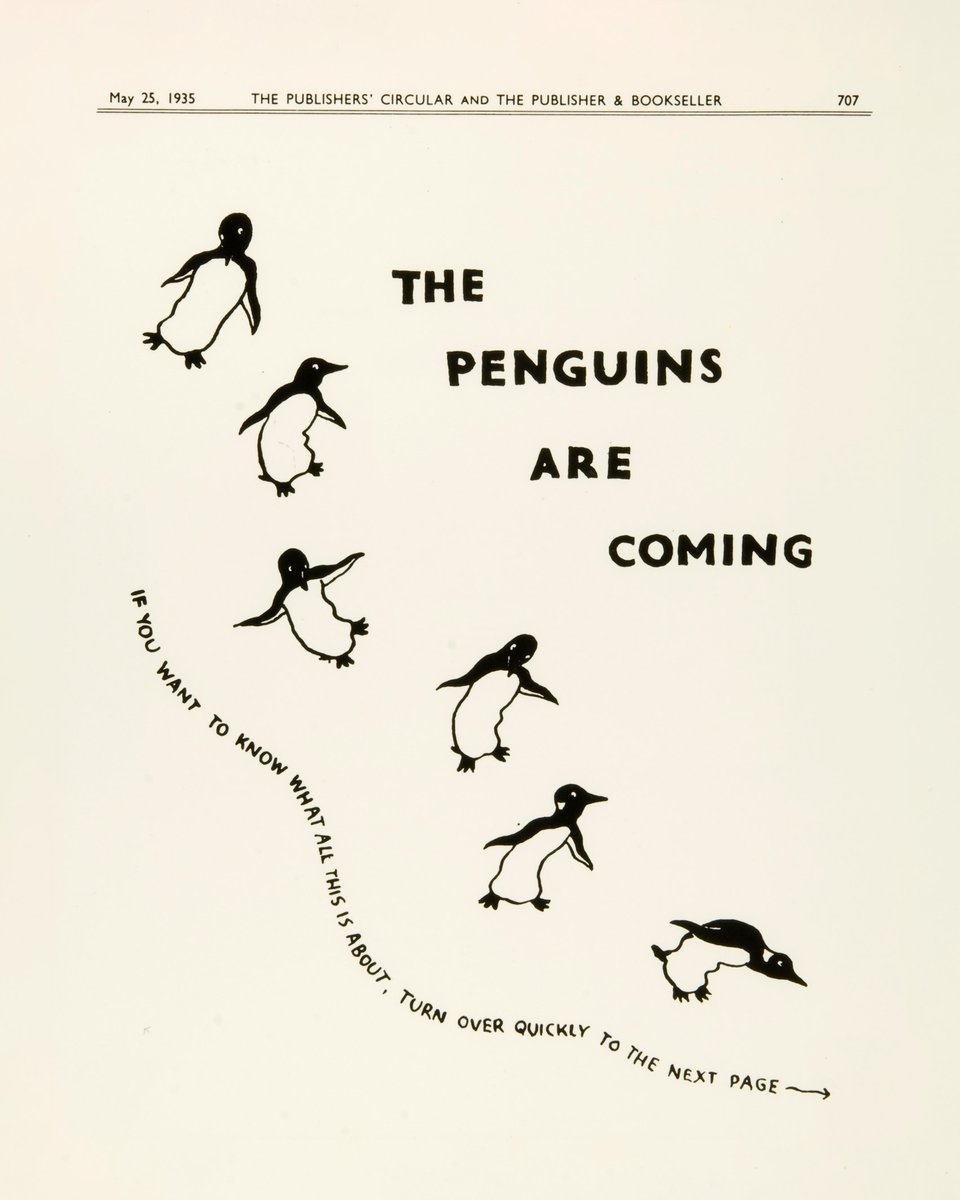
In 1935, Penguin sent 21-year-old designer Edward Young to London Zoo.
His sketches became one of publishing’s most enduring marks

11
784
6,574
436,502

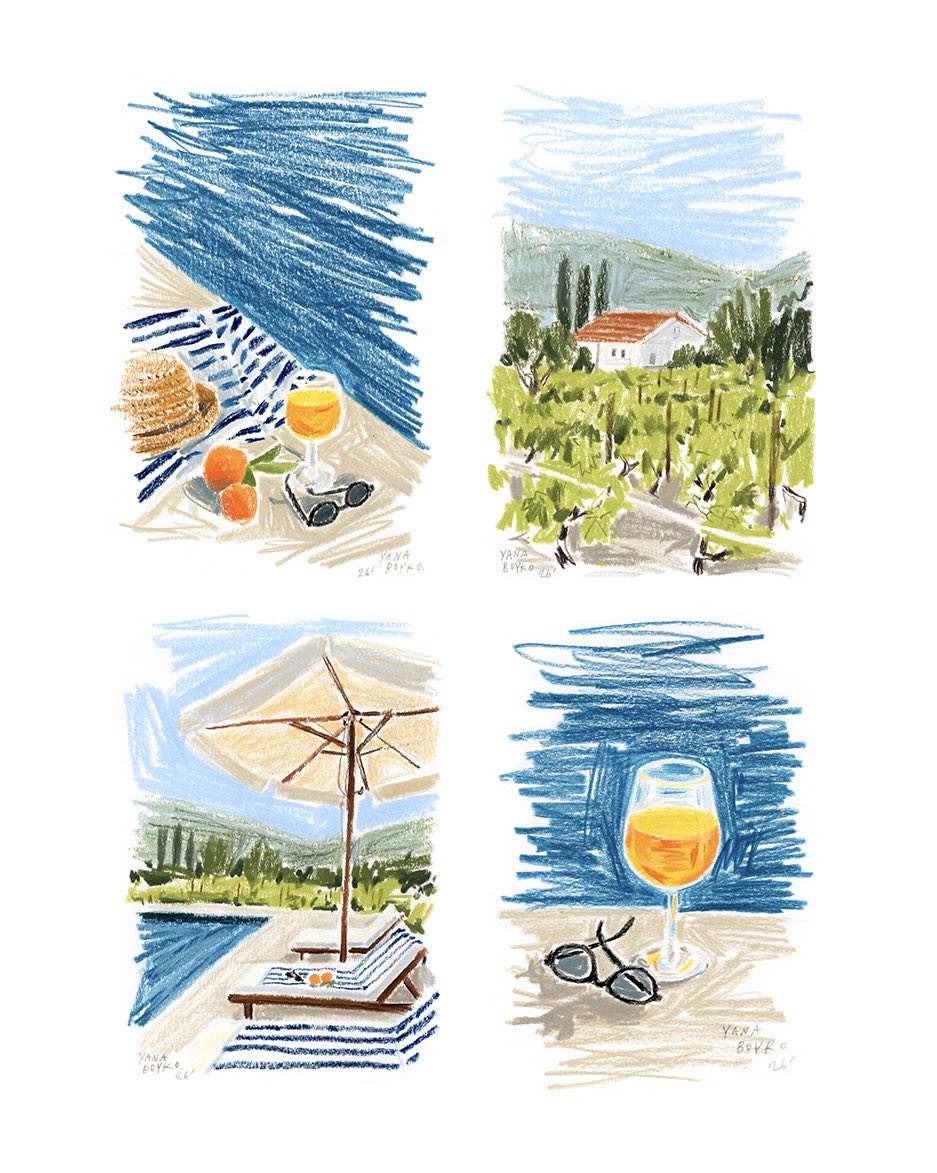
Mozaic Studio retweeted
Apr 20
Dining in Vegas in the 1950's.

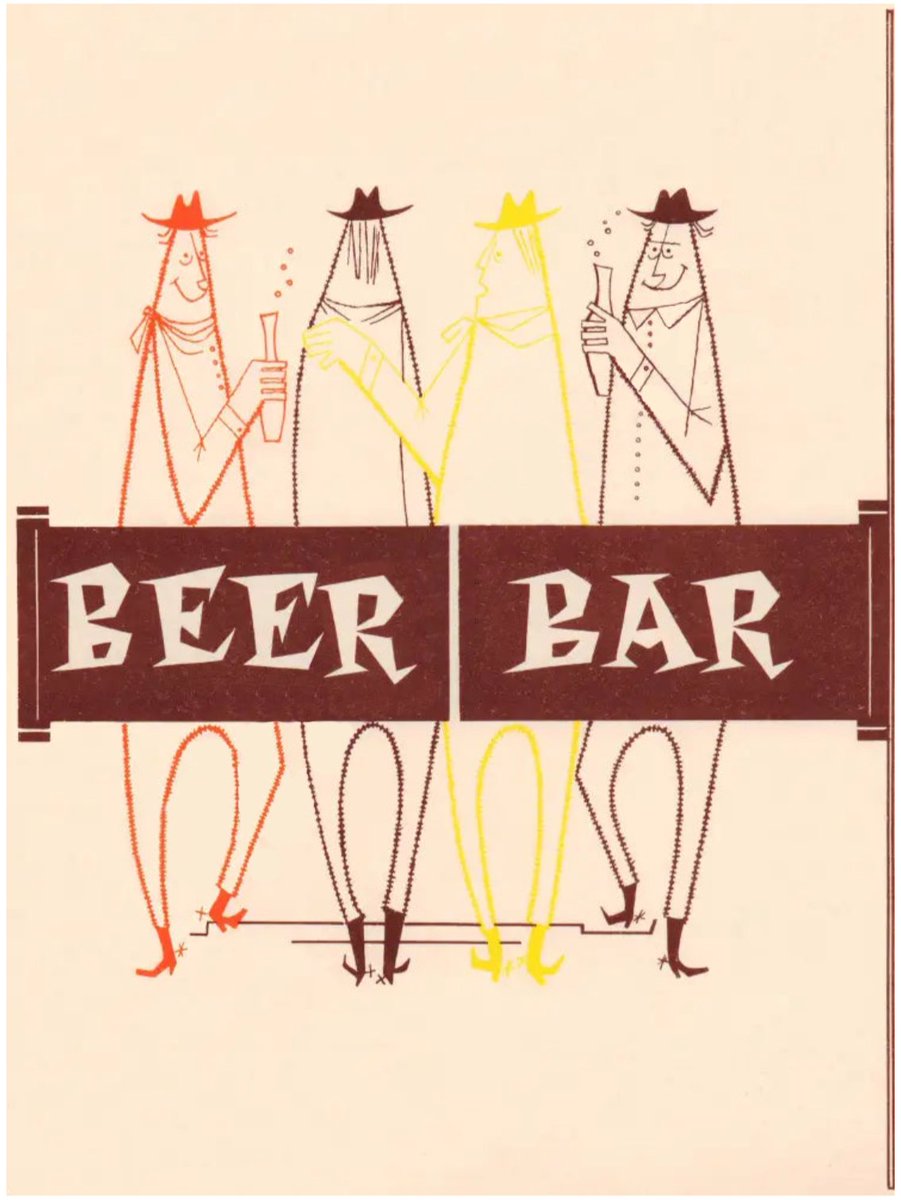
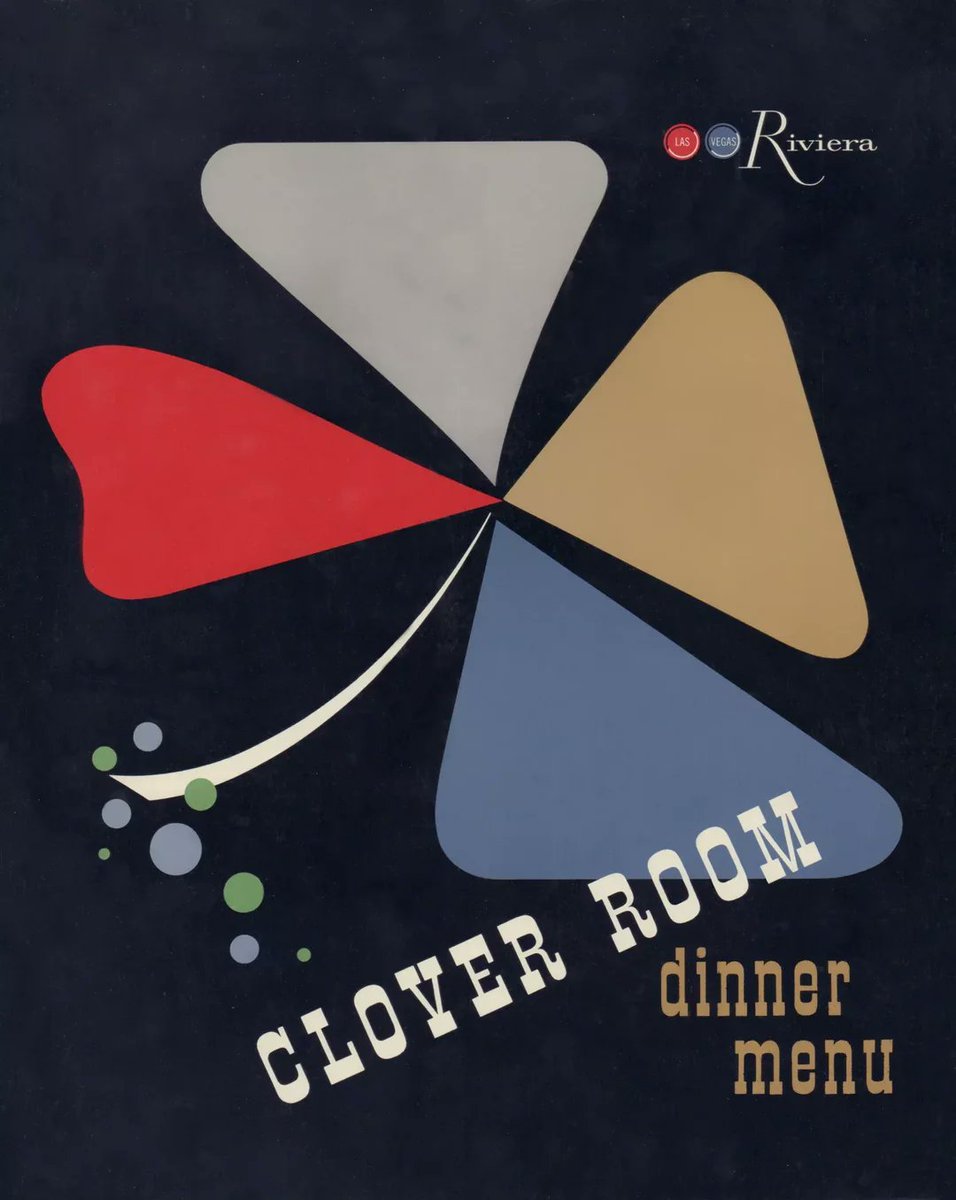
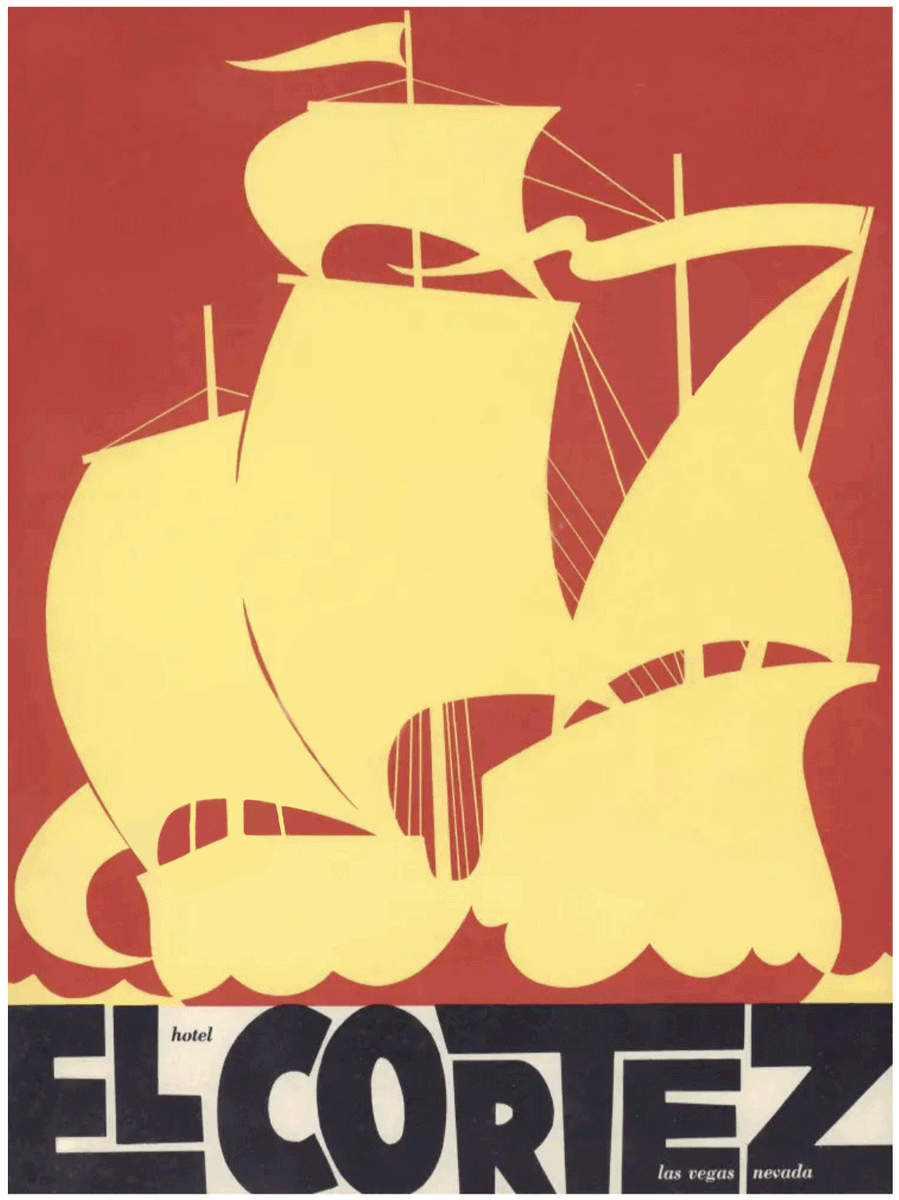
2
33
237
7,294
Mozaic Studio retweeted

A rare silent film captures Henri Matisse at work in 1951, cutting directly into sheets of painted paper. 1946
Filmed by Frédéric Rossif
In the final decade of his life, and increasingly confined to his bed, Matisse turned to paper, producing cutouts.
23
484
1,685
68,266
Mozaic Studio retweeted

Apr 17
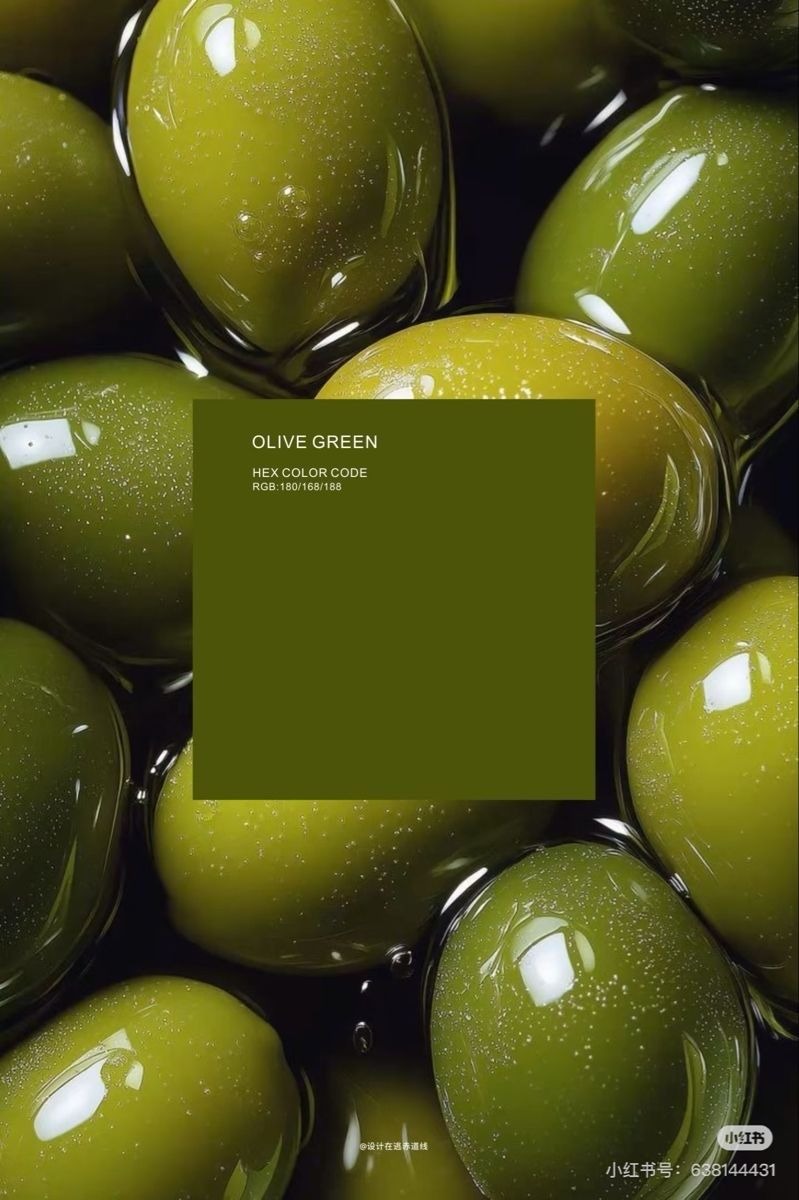
my favorite shade of green
58
1,280
11,911
227,559
Mozaic Studio retweeted

Apr 17
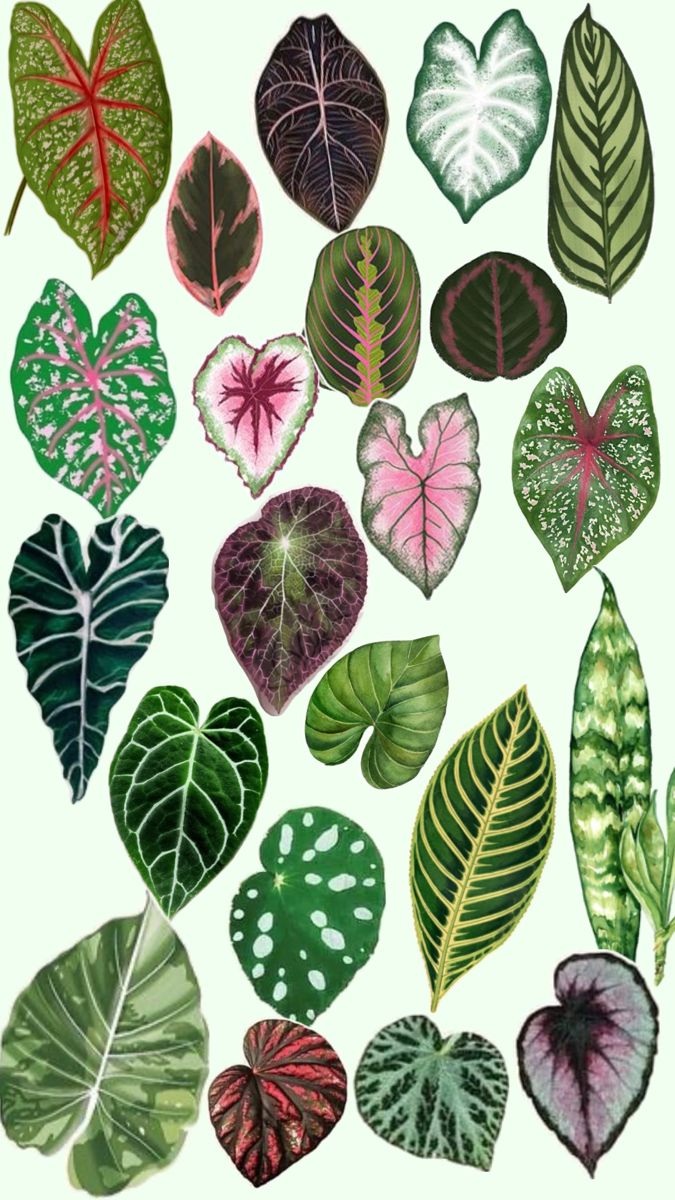
Caladium, Begonia and Alocasia leaves.
6
1,081
5,360
82,085
Mozaic Studio retweeted

Apr 17
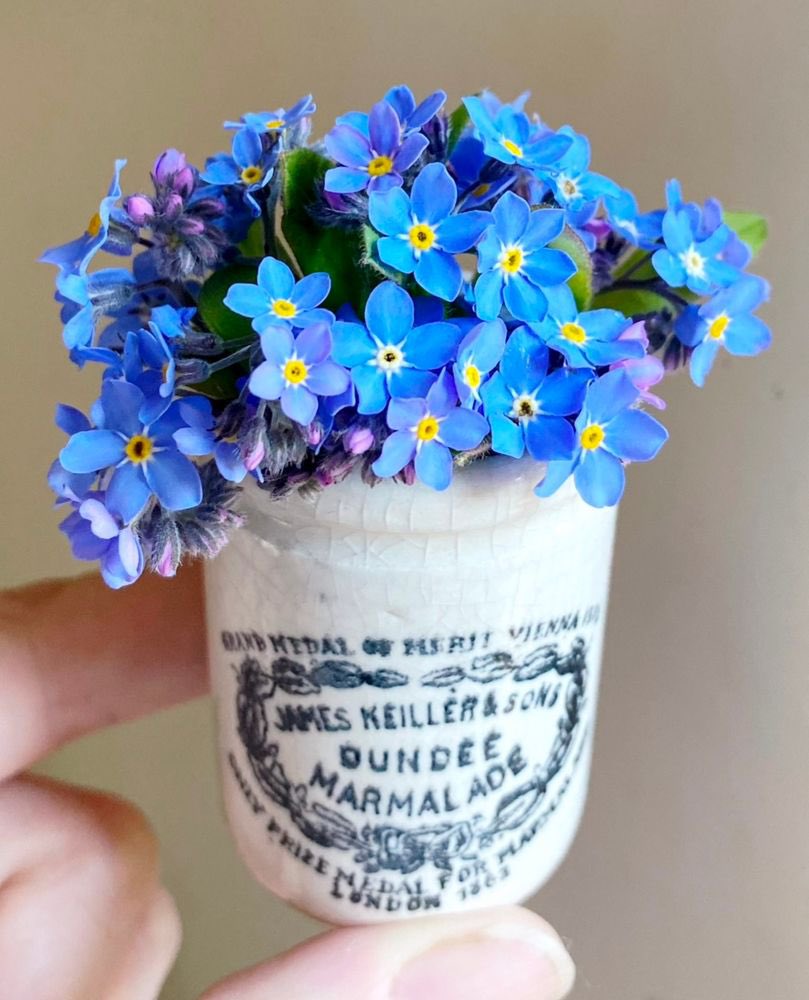
There's a six petalled forget-me-not in this posy I made-if you find it your brain will release a ping of dopamine, increasing motivation and lifting mood a little. I've posted this before but it's peak forget-me-not season so worth repeating (also my miniature Dundee marm jar is💙):
57
176
1,529
19,385

Apr 2
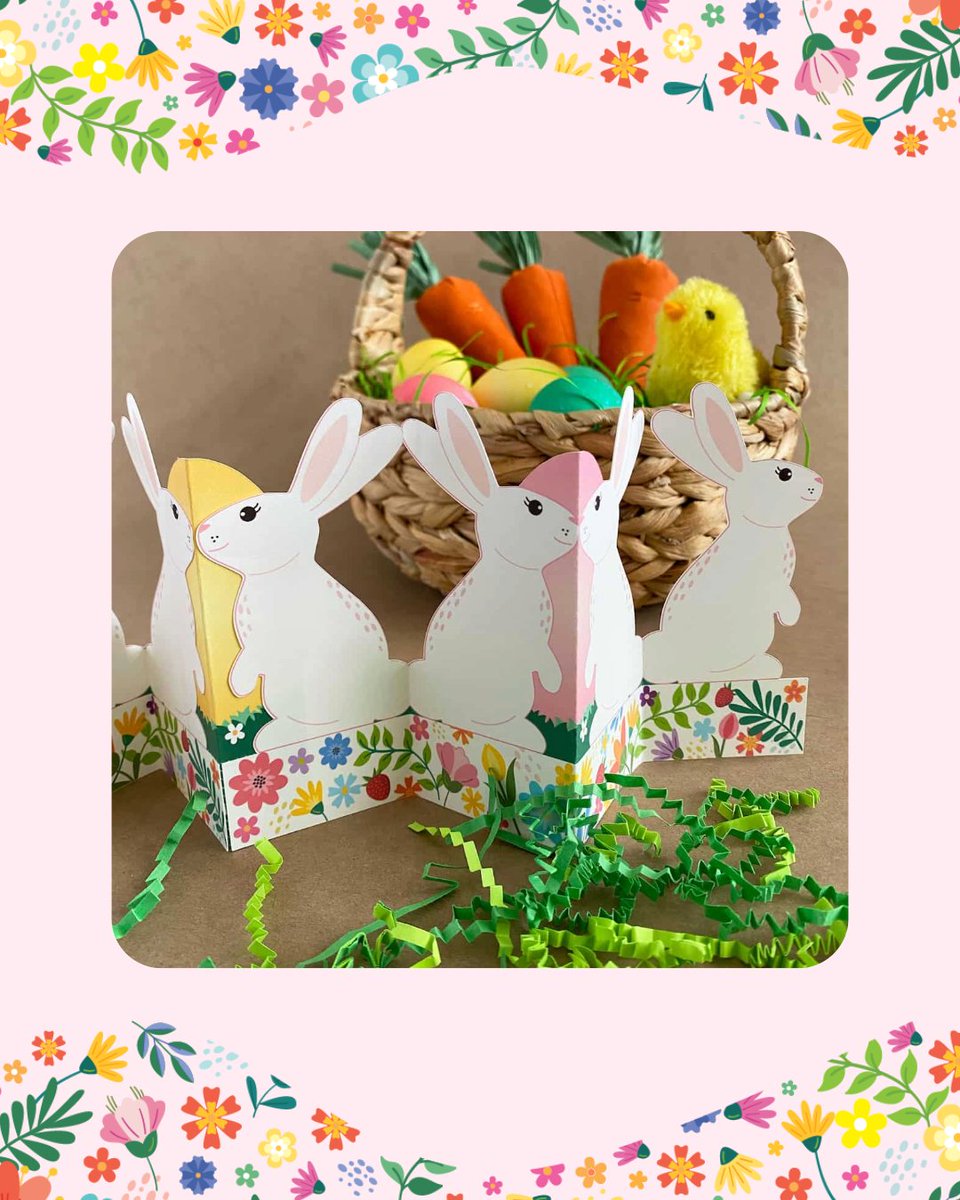
The Easter Bunny Standing Garland is cheerful, sturdy, and looks beautiful styled with eggs and flowers. We designed the template so it’s simple enough for beginners but pretty enough for everyone to love.
From CakewalkDIY.com.
Only a few days left until Easter …
14
Apr 2
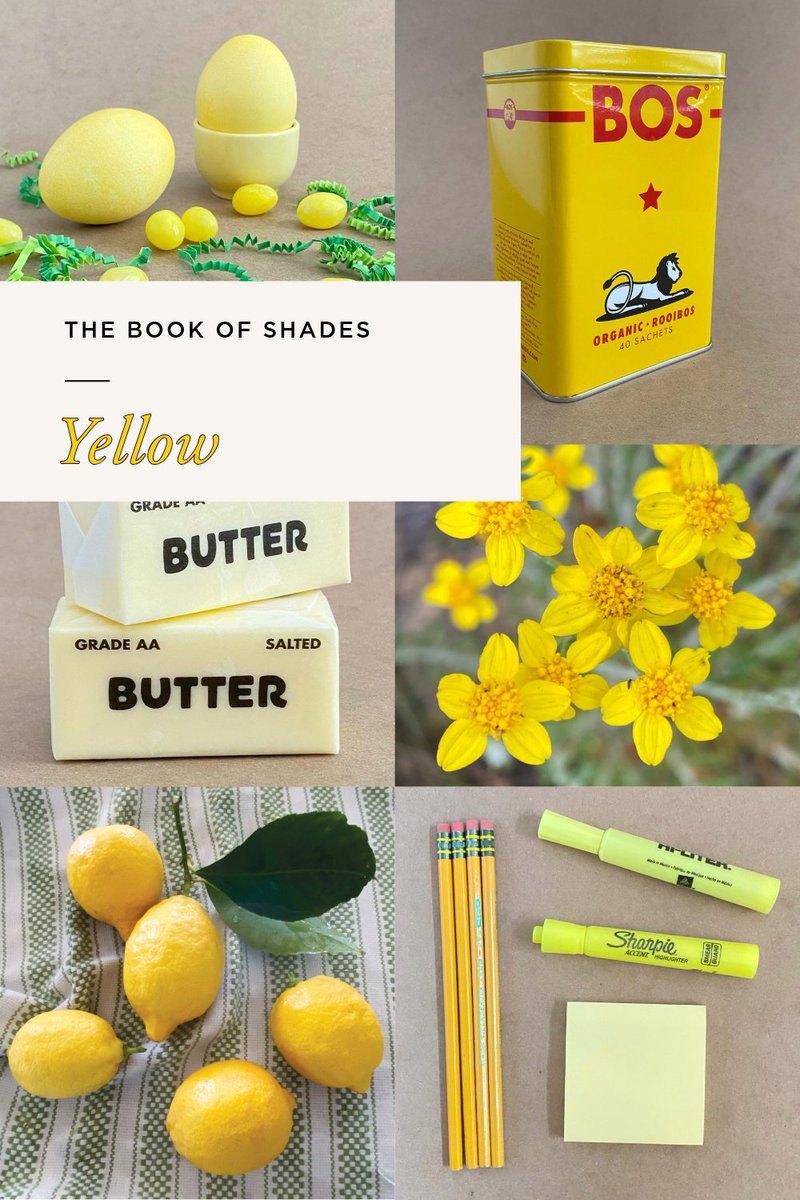
This month we’re soaking up the happiest color — yellow! Bright lemons, rich butter, soft yarrow, cheerful office supplies … all the color of optimism, creativity, and pure sunshine. It instantly lifts the mood and brings warmth to any day.
What’s your favorite shade? ☀️
15
Apr 1
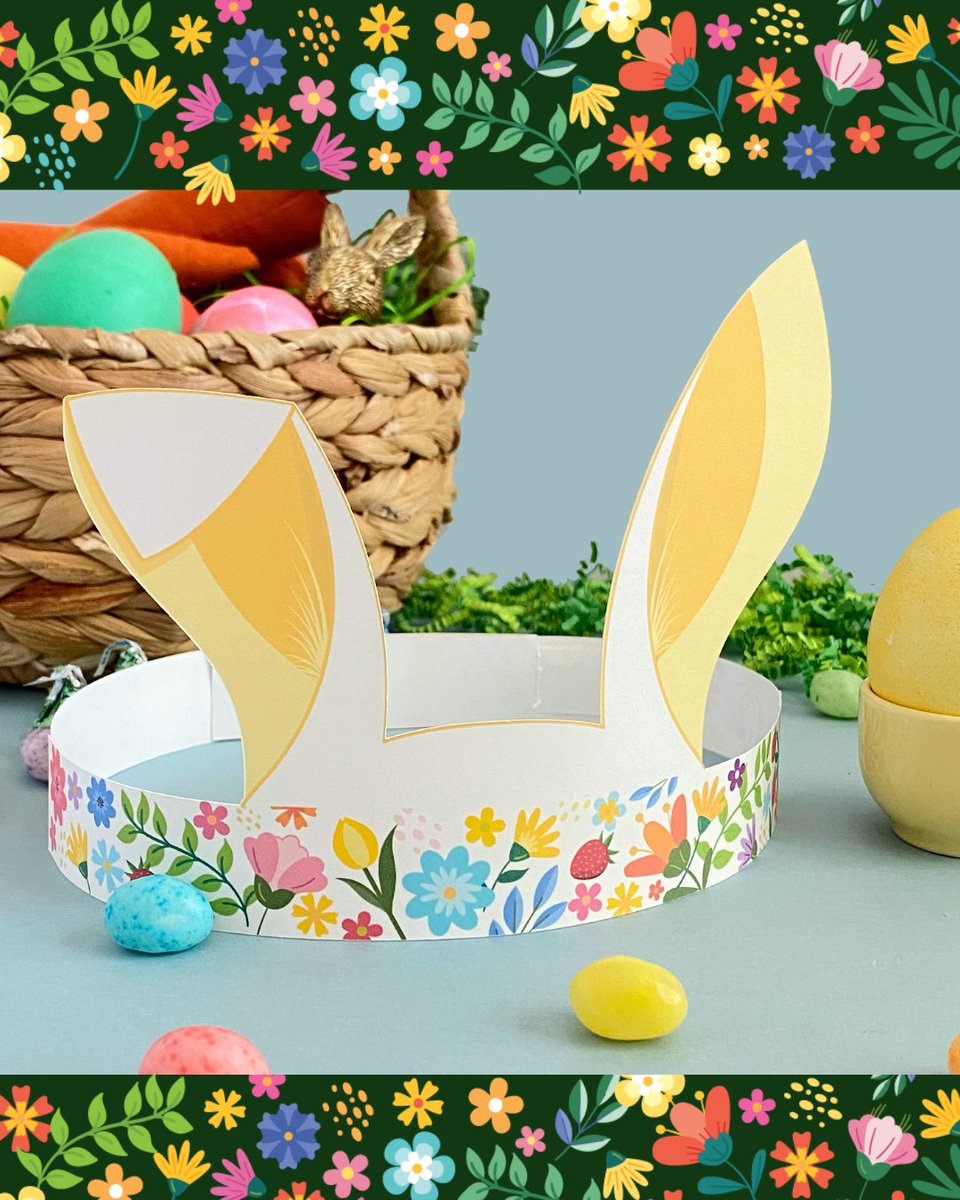
Create a cheerful Easter Bunny Crown with a printable template from Cakewalk DIY. Simple to make, photo-ready, and brings big smiles on Easter morning. Includes full tutorial. Perfect last-minute Easter craft for kids.
CakewalkDIY.com.
1
47
Mar 16
Seasonal touch from Cakewalk DIY ☘️
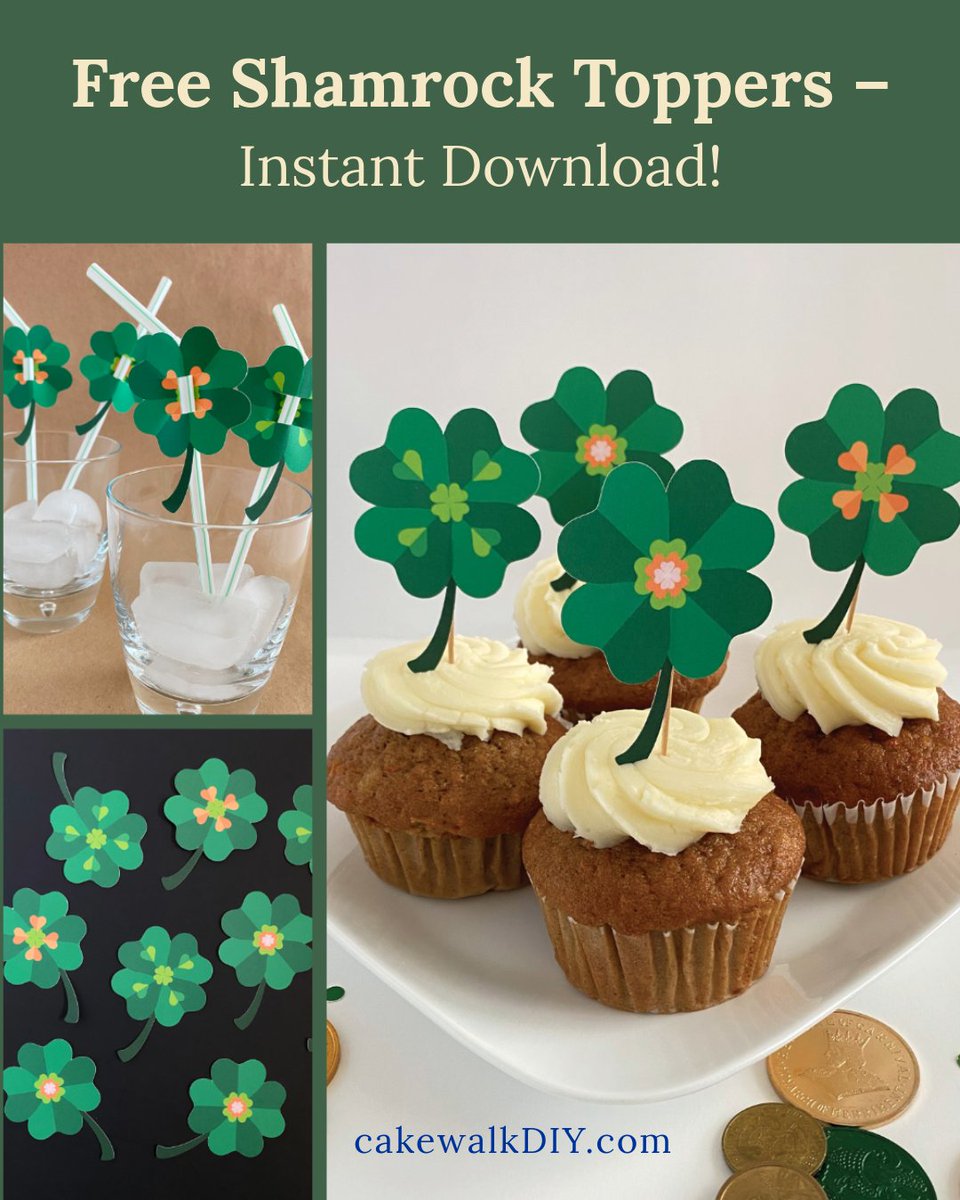
Free shamrock toppers for drinks & cupcakes – instant download!
bit.ly/CakewalkDIY-Free-Sham…
#ShamrockToppers #StPatricksDay #FreePrintable
12
Mar 12
A small seasonal touch from our friends at Cakewalk DIY ☘️!
Free printable shamrock toppers — perfect for St. Patrick's Day drinks or cupcakes! Simple digital download.
➡️ bit.ly/CakewalkDIY-Free-Sham…
#ShamrockToppers #StPatricksDay #FreePrintable #PaperCrafts
17
Mar 4
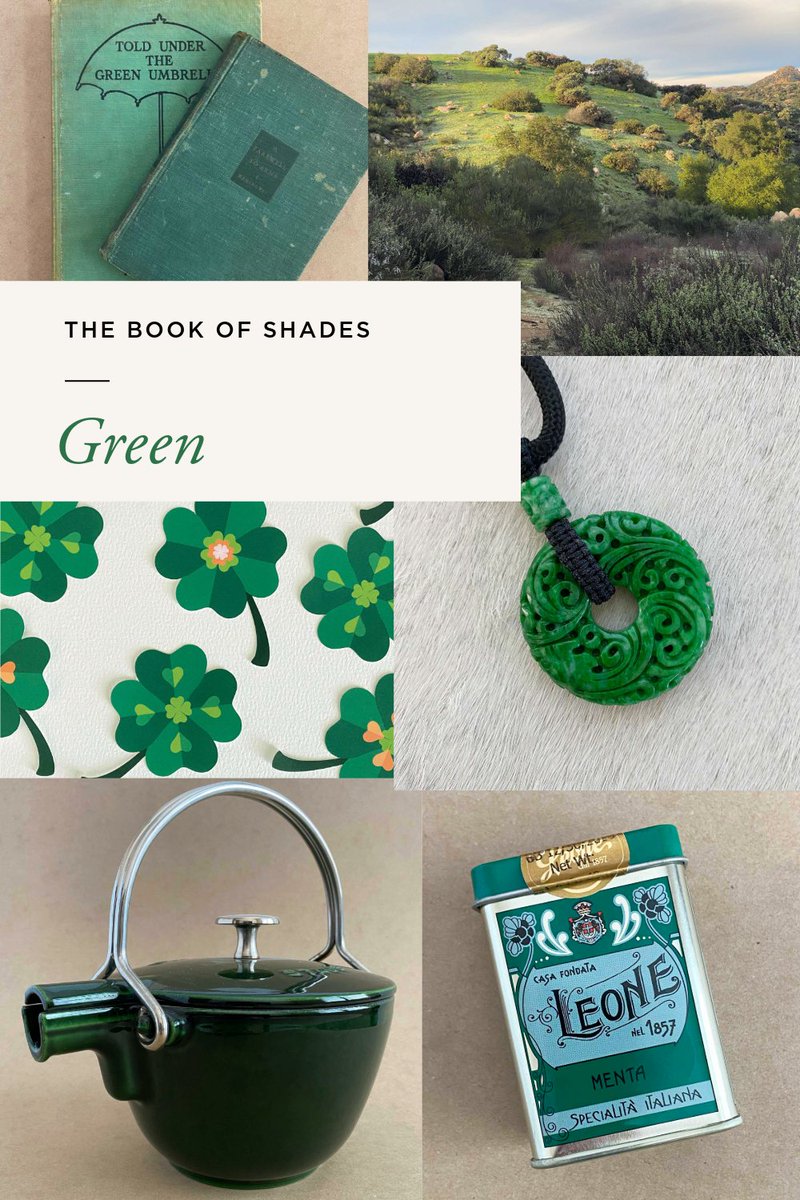
The Book of Shades begins: Green 📷 Vintage books, rolling hills, jade, clovers, teapots, mint tins. Nature drawn by hand. New shade every month. #TheBookOfShades #GreenPalette
10
Mozaic Studio retweeted

26 Oct 2025
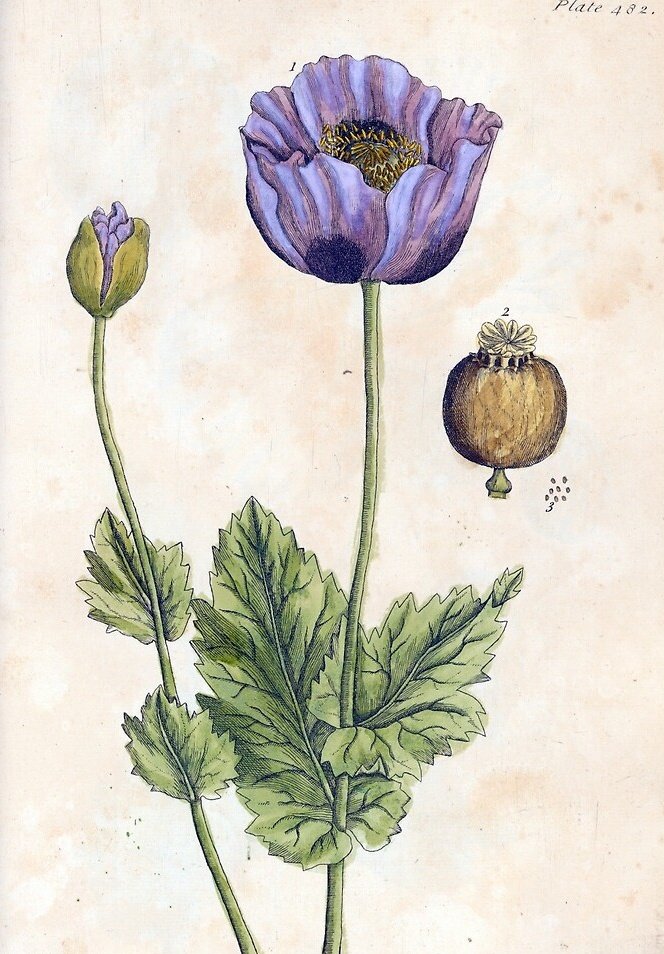
Elizabeth Blackwell (1707-1758), Scottish botanical illustrator known for the book "A Curious Herbal" 1737. Blackwell published her hand drawn, engraved and coloured work in order to raise funds to free her husband from debtors prison. #ReframingWomenPrintmakers
13
425
2,285
49,415
23 Oct 2025
Spring vibes from April on my Chaparral Journal blog — a desert wishbone-bush (Mirabilis laevis), a vibrant purple wildflower.
Follow me at chaparraljournal.tumblr.com for more flora & fauna!🌸🐦⬛📸
#MozaicNature #ChaparralJournal #SpringWildflowers #NaturePhotography #RuralLife
17