
Market Analyst | Unpopular Opinions
Joined January 2021
- Tweets 31,244
- Following 4,065
- Followers 1,020
- Likes 34,568
3,843 Photos and videos













Pinned Tweet

23 May 2024
As I'm just starting out in sharing my trading content.
Any questions, follows and retweets of my analysis will be greatly appreciated - traders and non-traders.
2
12
3,446
MrChad🐐 retweeted

Andrew Tate argues that men don't really break up with women. Women leave men. 😳
"Even if you piss us off, we'll reply less. We may see you less... It's hard to lose a guy."
"It's actually very easy to keep a man happy, but you're not interested in keeping a man happy because you believe that you shouldn't have to keep a man happy."
"There are men out there desperate to have families every day of the week."
"It's women who don't want kids. It's women not men."
38
176
2,130
134,566

MrChad🐐 retweeted

Jun 14
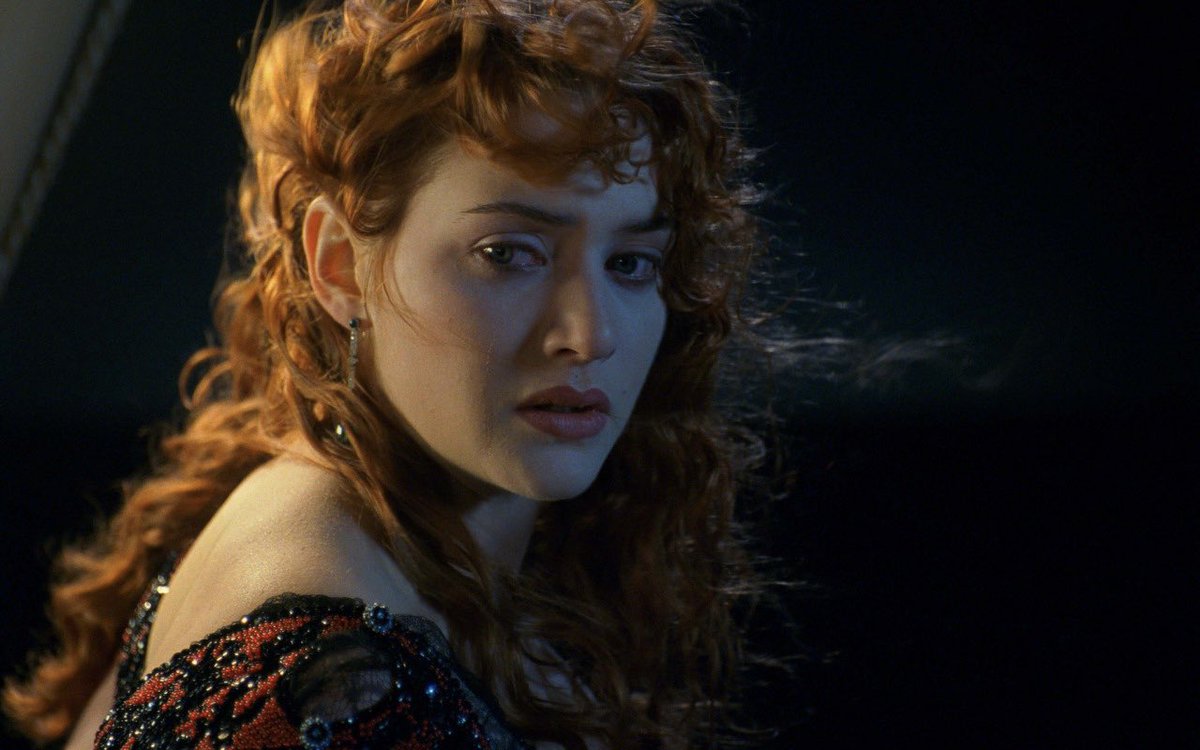
Titanic wasn't a love story, it was a warning for men!
Rose from Titanic was not romantic. She was just playing games.
She had a rich fiance and a safe life, but she threw it all away for 48 hours of fun with a poor artist.
She didn't fall in love. She was just bored.
Boredom makes women dangerous, and they choose fun over loyalty.
She used Jack for excitement and her fiance for safety.
In the end, Jack died, the fiance got cheated on, and she still kept the rich guy's last name!
Rose is like many modern women who want a "bad boy" for fun and a "good man" for money.
Girls call this movie romantic, but she simply used two men and moved on with her life.
Hollywood sold us a fake fairy tale, but the reality is a dark lesson for men.
What are your thoughts on this truth?
413
821
4,177
169,423
MrChad🐐 retweeted

Jun 14
How to destroy a nation
91
1,094
6,375
195,166
Jun 15
RT @Vfynn_: 🚨🗣️New: Thierry Henry reacts to the USA vs Paraguay stoppage for TV commercials:
“I’ve spent my entire life in this beautiful…
7,080
Jun 14
Players starting to turn on the circus that pays them???
Jun 14

"In the game we are opponents, but after the game we are all Christians, we are all brothers, and we said a little prayer because we believe that Jesus is glorified through the game."
- Germany’s Felix Nmecha after their 7-1 win vs Curacao
14
MrChad🐐 retweeted

South African citizens, if you don't STAND UP NOW, you will soon find yourself a stranger in your own country.
224
1,254
5,281
96,331
Jun 13
The circus feeding you wrong info.
Jun 13

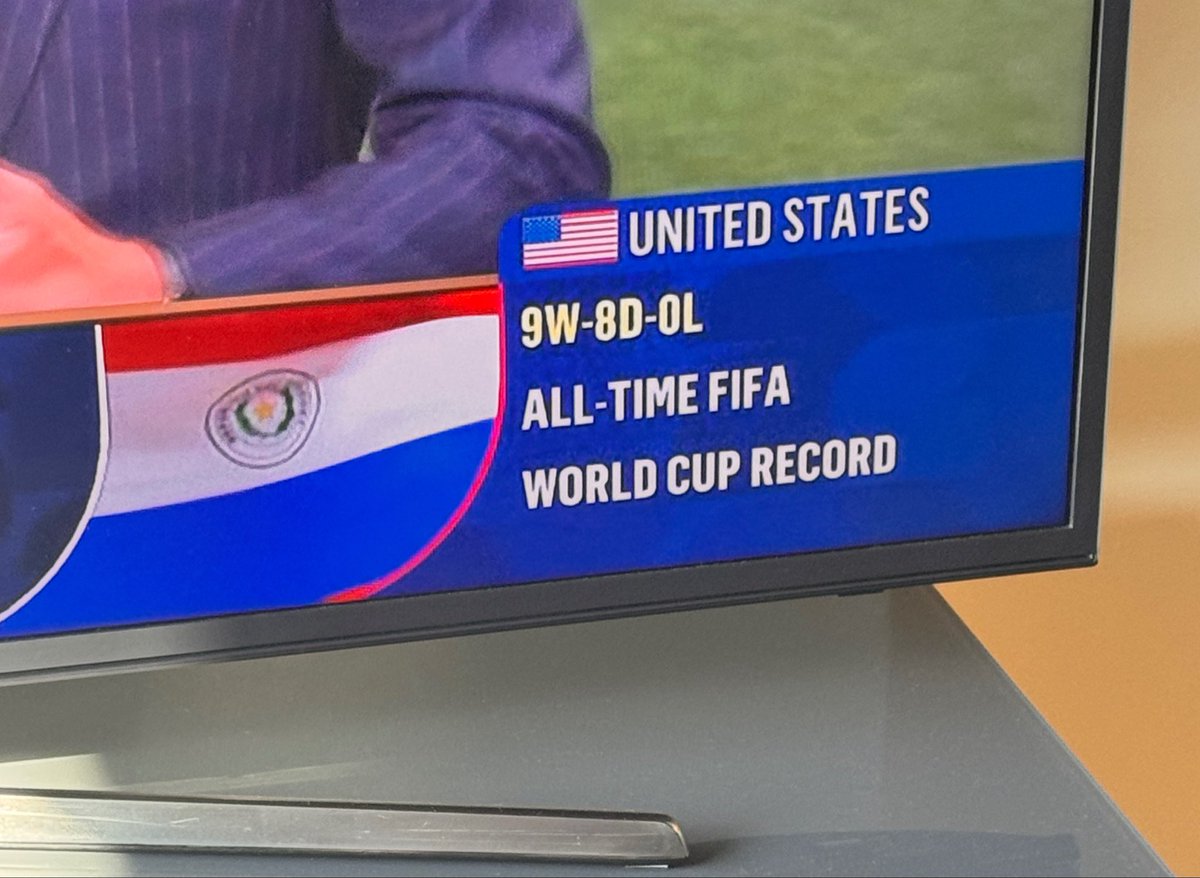
🚨 Fox Sports showed a graphic during the match vs Paraguay claiming the United States have 9 wins, 8 draws, and 0 losses in World Cup history.
If they're supposedly undefeated at the World Cup, how exactly do they still have 0 World Cup trophies? 🤔🏆
16
Jun 12
RT @Cobratate: “Breast reduction”
Natural huge tits destroyed with some disgusting scar because her jealous friends convinced her they don…
553
MrChad🐐 retweeted

Jun 12
FIFA WORLD Cup Illuminati Heart Sacrificial Ritual symbolism EXPOSED!!! SHOCKING!!! #FIFAWorldCuo
40
729
2,506
103,626
Jun 11
Let's be honest.
We cannot be shocked that South Africa took the L.
That's just low football IQ to think we all of a sudden became world beaters.
My support for Bafana will always be with a pinch of salt.
Jun 11

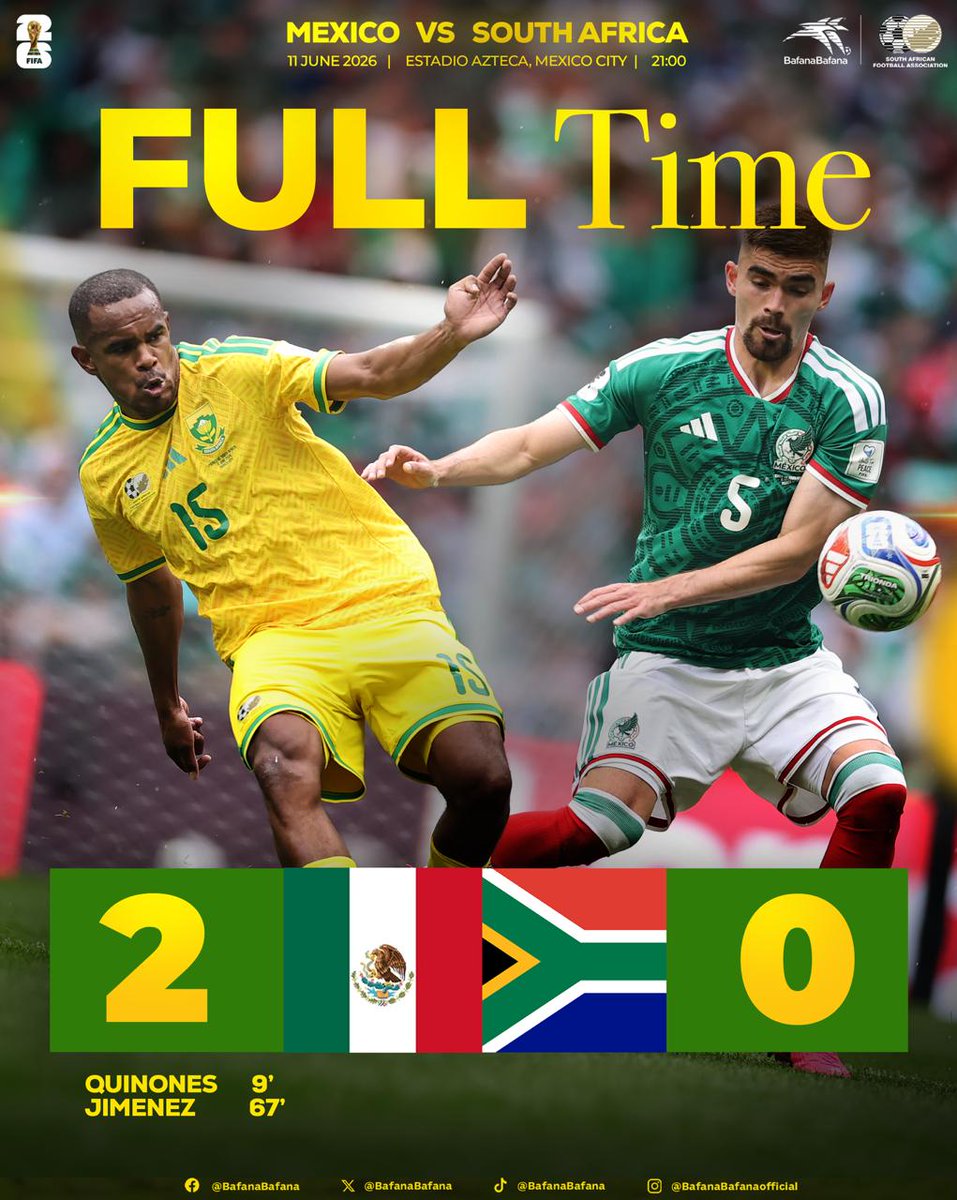
It ends in defeat at Estadio Azteca, not the start we wanted. On to the next one
#BafanaPride
#FIFA
23
MrChad🐐 retweeted

Jun 11
A single unexpected moment is raising major scientific questions.
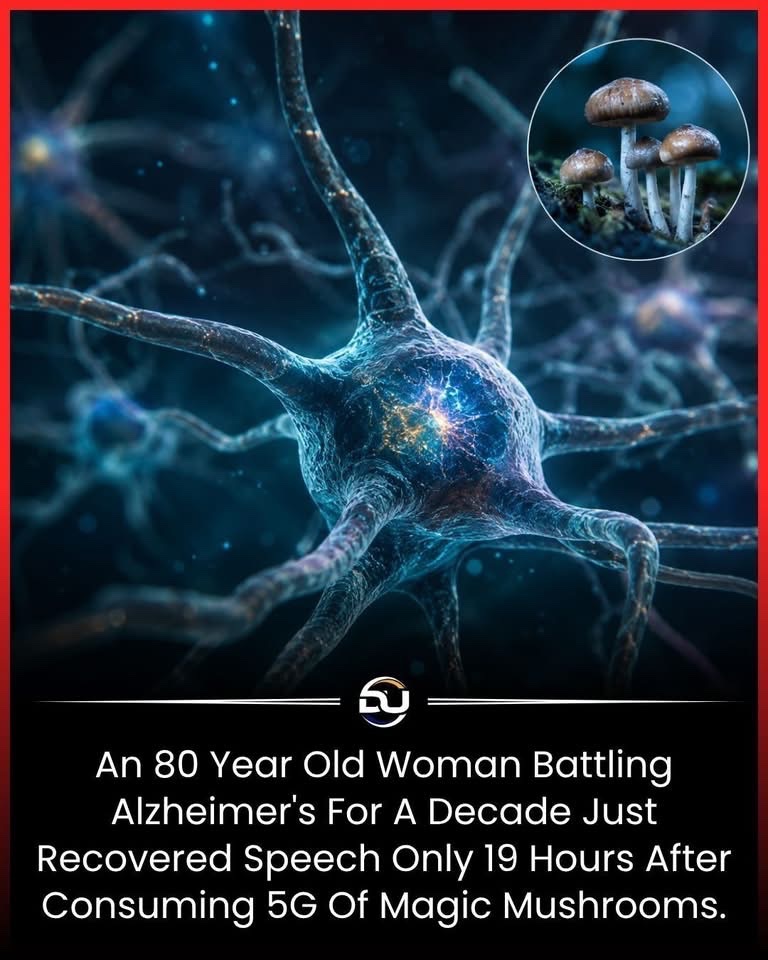
A widely shared report claims that an 80 year old woman living with Alzheimer's disease for nearly a decade regained the ability to speak only 19 hours after consuming 5 grams of psychedelic mushrooms containing psilocybin.
If accurate, the story is remarkable. However, scientists caution that a single case does not prove that psilocybin can reverse Alzheimer's disease or reliably restore lost abilities.
Psilocybin is a naturally occurring compound found in certain mushroom species. In recent years, researchers have investigated its potential effects on depression, anxiety, trauma, and brain connectivity.
Brain imaging studies suggest that psilocybin can temporarily alter communication patterns between different regions of the brain, leading scientists to explore whether it may have therapeutic benefits beyond its known psychological effects.
What makes this reported case so intriguing is the possibility that dormant neural pathways could sometimes be reactivated in unexpected ways. Yet researchers emphasize that extraordinary claims require careful verification.
Alzheimer's is a complex neurodegenerative disease, and no scientific study has demonstrated that psilocybin can cure or reverse it. Controlled clinical trials are needed to determine whether any observed improvements are temporary, reproducible, or medically significant.
Even so, stories like this highlight how much remains unknown about the human brain. Throughout history, unexpected observations have often inspired entirely new areas of research.
Whether this report ultimately represents a breakthrough, a rare individual response, or something else entirely, it reminds us that neuroscience still holds many mysteries.
✨🙌🏾💫
2
18
77
4,536
Jun 11
W dad
Jun 11

Jeff Metcalf was robbed of his son, AND of his voice!!
NOT ANYMORE!!!
JEFF ABSOLUTELY UNLEASHES ON ALL OF THE GRIFTERS!!!! STAR WARS
Did you know Karmelo’s parents weren’t even there for his sentencing?!
They weren’t there during victim impact statements either!!!
4

“I’m not gonna lie to you, being black right now is completely embarrassing. You n*ggas are some of the most vile, inhumane species that have ever graced the earth.”
Stop what you’re doing and watch this 🔥👇🏼
Americans are waking up!!
1,710
11,871
59,058
777,272
Jun 11
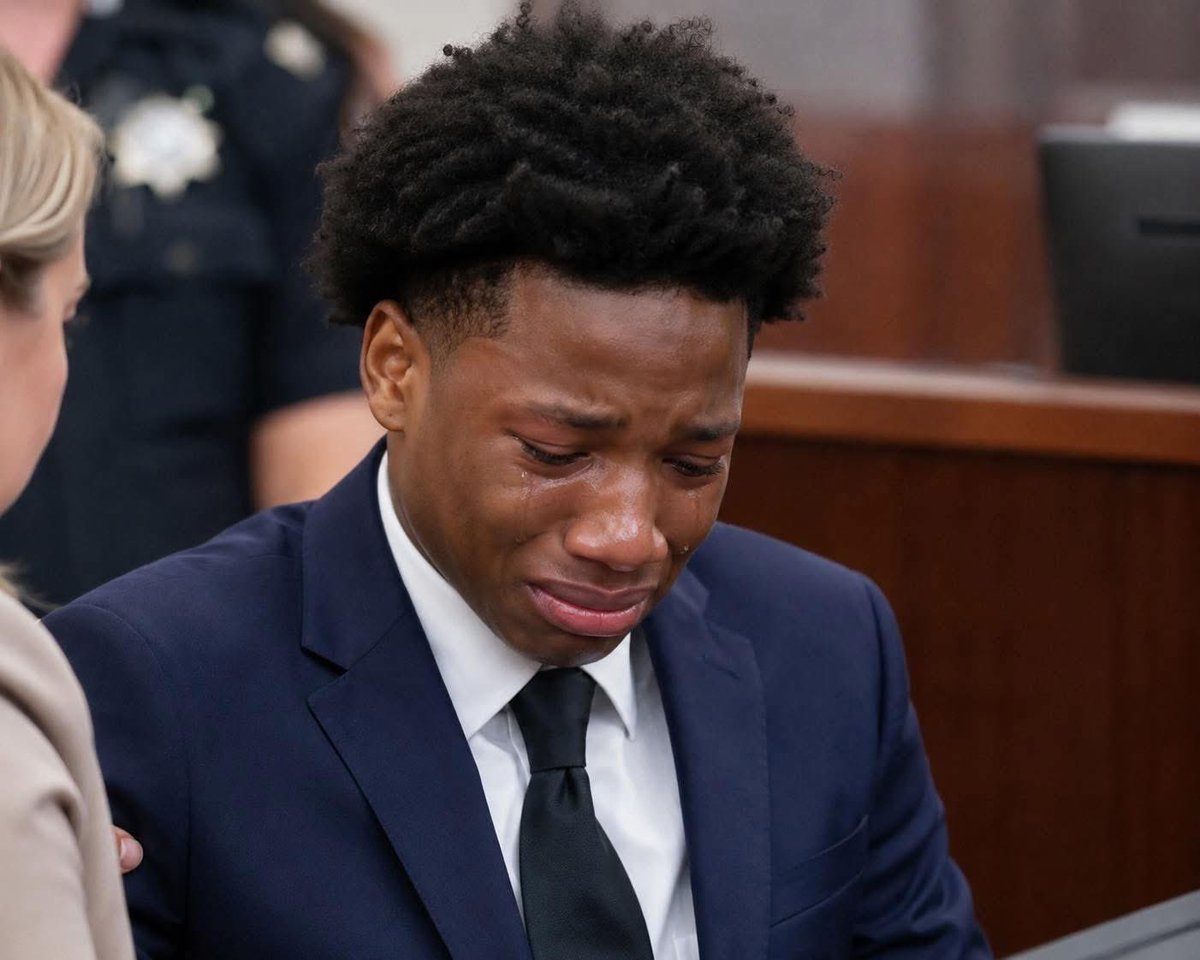
Look at this fat f*ck, defending a murderer.
World's gone to sh*t.

6
Jun 11
What a bunch of low IQ retards
Jun 10

🚨 WATCH: Karmelo Anthony’s grandmother riles up the crowd by REPEATEDLY screaming “RACIST, BIASED, PREJUDICED” as she left the courthouse
“They sent a MESSAGE that a white person can hit a black boy and get away with it! They can do whatever the F—K they want!”
This entire family is disgusting.
It’s pretty clear where Karmelo learned to behave the way he did.
3
Jun 11
Clear representation that women will lie to each other

After the girls put themselves in order by attractiveness, the guys came in and rearranged them: 😭
120
MrChad🐐 retweeted

Jun 9
Elections are rigged.
Doctors are dealers.
Astronauts are actors.
Children are trafficked.
Politicians are puppets.
Vaccines are poison.
Pandemics are planned.
Wars are manufactured.
9/11 was an inside job.
279
1,897
6,277
67,723