210 Photos and videos




1
3
38

1
3
38
Mr Ylixir retweeted

Jun 15
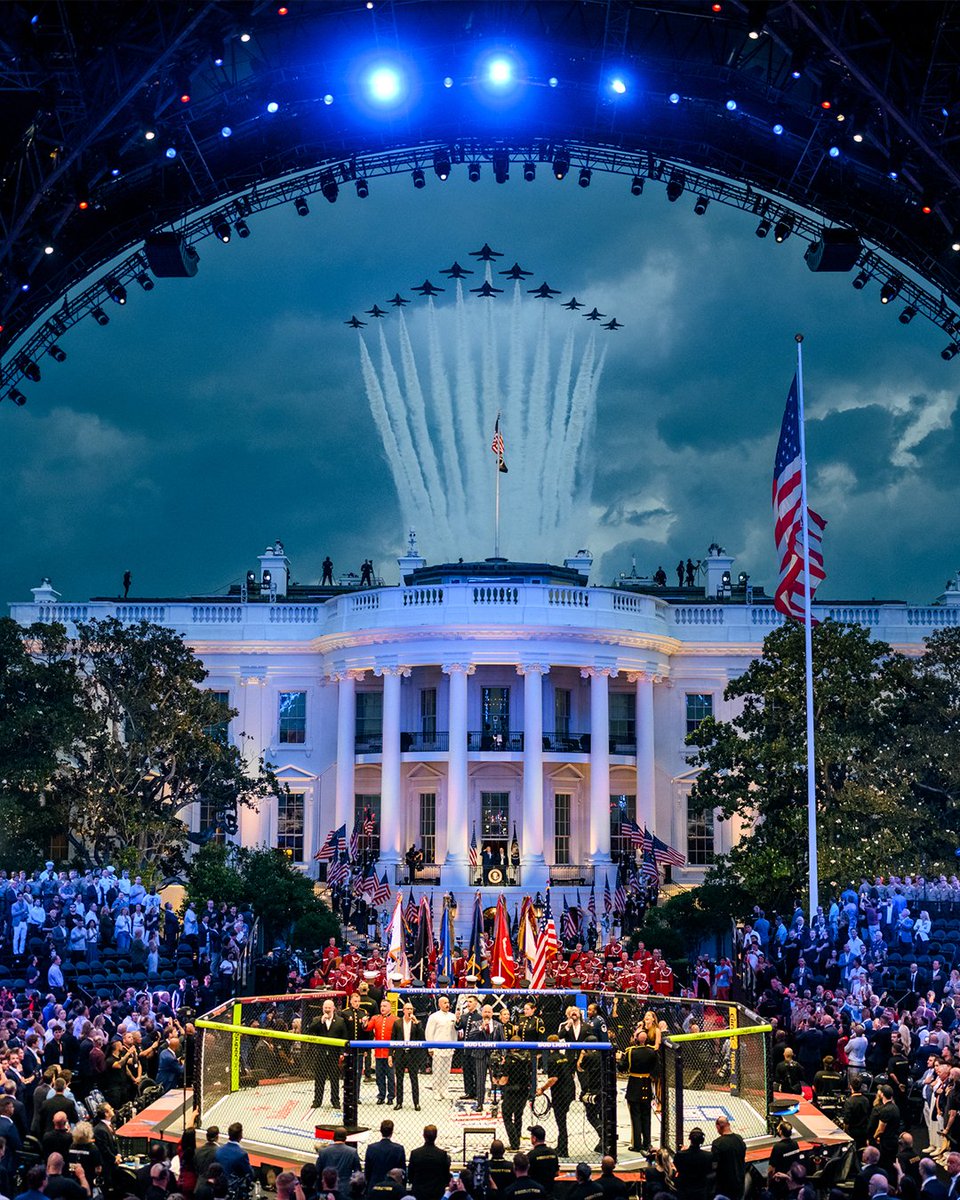
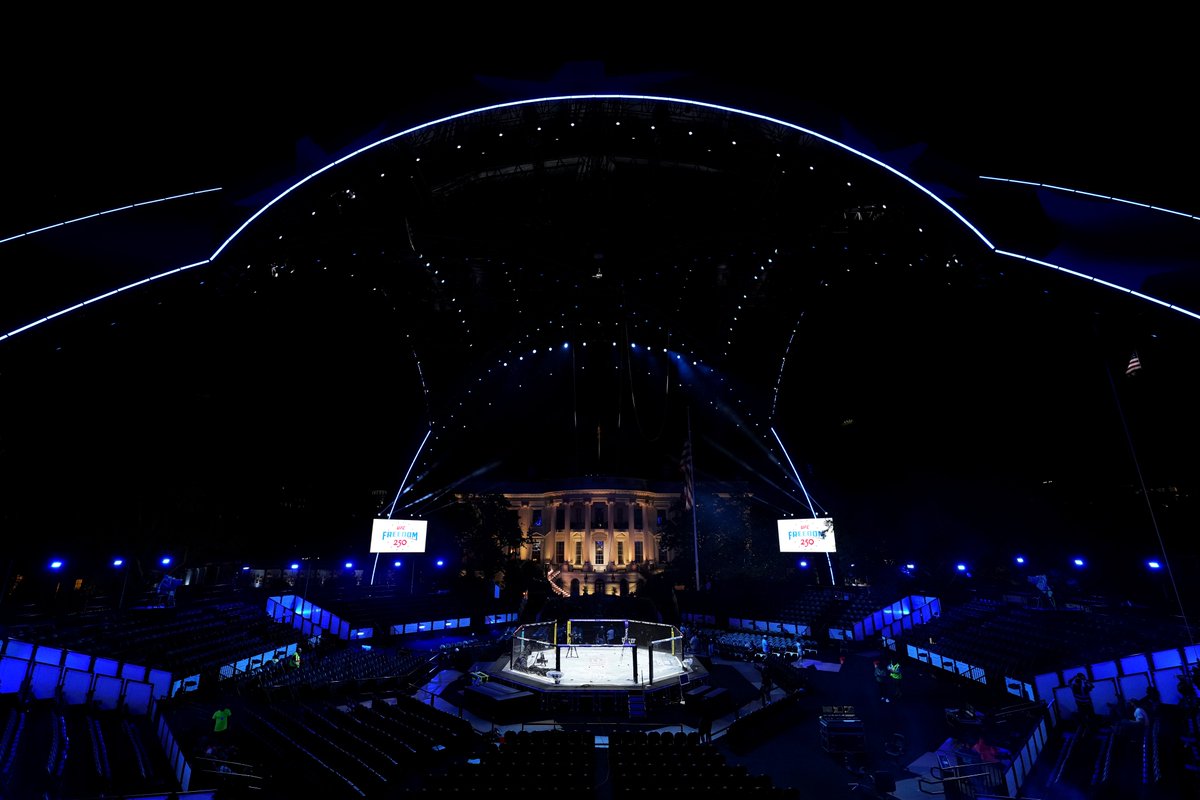
Just the beginning of a legendary night at the People’s House. 📸🇺🇸
3,705
18,440
132,300
2,501,431
Mr Ylixir retweeted

Jun 15
What’s better than a rare Super Delta formation featuring the Thunderbirds and the @USNavy Blue Angels over Washington, D.C.?
Watching it from four different views for #UFCWhiteHouse as part of #Freedom250. 🇺🇸
1,273
12,602
69,108
1,536,009
"These Truths 250" 🎵🕺💃
#America250 🇺🇸
Happy Birthday America!🗽
❤️ MrYlixir
Like & Share! 🙏
3
4
629
"Can't Trump the Trump" 🎵🇺🇸💪🦅🔥
❤️🧙 MrYlixir
#CantTrumpTheTrump #TrumpTrain #MAGA
#NewSong #SongDrop #NewMusic
3
4
87
1
3
38
Mr Ylixir retweeted

4 Feb 2025
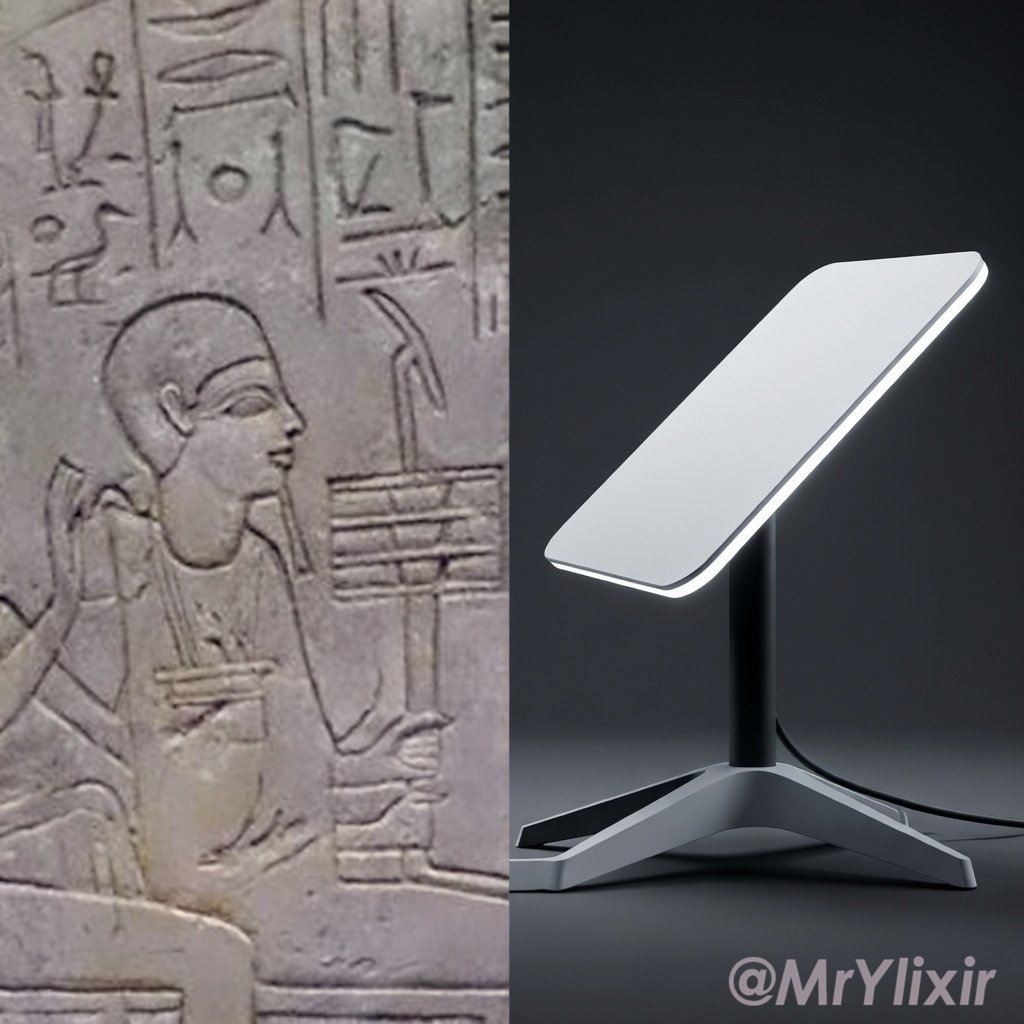
Wow The Sphinx has his eyes on the star of Regulus!
Wonder what they know?
Space Force

474
829
7,126
842,980
Mr Ylixir retweeted

Jun 14
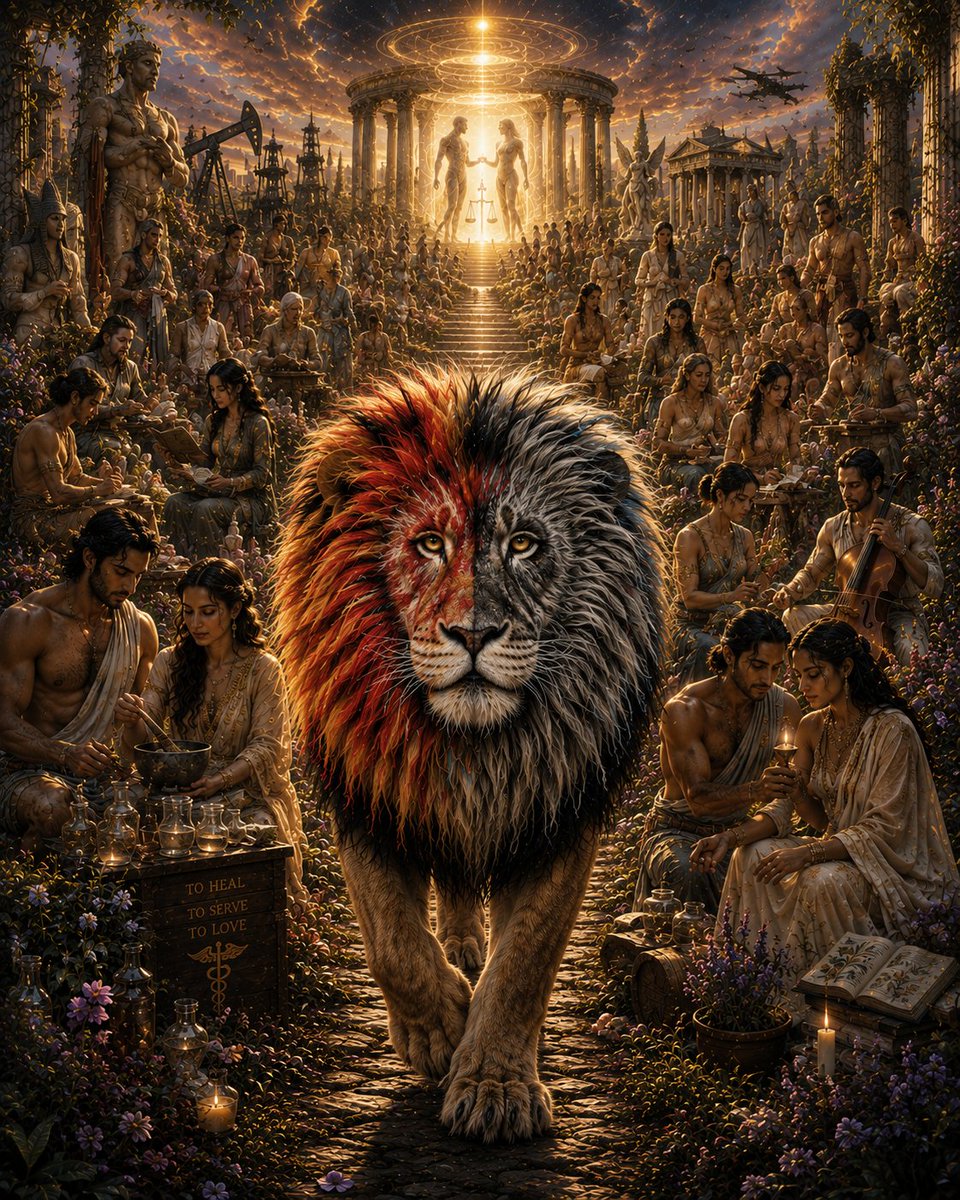
As I've had more time to reflect on Kim Martin and her art, I was inspired to use one of her great paintings - the one that was associated with the "Stand with your Tribe" efforts - to capture the journey of life she helped inspire. Her latest art is magnificent but this one will always be special.
12
20
119
5,954
Mr Ylixir retweeted

Happy birthday to the COMMANDER-IN-CHIEF DONALD J. TRUMP.
5,181
14,932
96,388
1,121,610
and.. President @realDonaldTrump's 80th Tomorrow! 🎂🤯🦁
x.com/RealAmVoice/status/206…

Seven Demons = Seven Planetary Spheres
Then 8 .. ♾️?
Two-Body Problem - Eight Dimensions
Ogdoad from Ancient Greek ὀγδοάς (ogdoás), meaning “the number eight” or “a group of eight.”
The Octagon 🤔


2
31
Jun 12

THEORY OF EVERYTHING....
Stay Tuned.
26
Mr Ylixir retweeted

Jun 13
Every prime number — 2, 3, 5, 7, 11, 13 — leaves a fingerprint in the gap between itself and the next prime.
Those gaps aren't random. They follow a strict set of rules that can be mapped onto just six positions on a circle, forming a machine that governs where every prime can go next.
This is the Prime Gap State Machine
A 6 state automaton running on modular arithmetic. The six positions are the only residues modulo 9 that prime numbers can occupy {1, 2, 4, 5, 7, 8}.
The Spine positions — 0, 3, and 6 — are permanently excluded. No prime above 3 ever lands there.
What you're watching is every prime number moving through those six positions as it flows along the number line.
The glowing yellow dots are primes in motion. Each dot travels from one node to the next according to the gap rule: add the gap, take the result mod 9, land on the next state. Zero violations across tens of millions of primes tested.
Those six states don't arrange themselves randomly on the circle. They split into exactly two groups, the Hard Wall states {1, 4, 7} and the Temporal states {2, 5, 8}. Each group sits at perfectly equal 120° spacing around the circle. One forms a red triangle.
The other forms a blue triangle. Two equilateral triangles, rotated relative to each other, superimposed on the same circle.
That is a hexogram Emerging from pure prime number arithmetic. Not designed. Not chosen. Forced by the structure of mod-9 arithmetic and the constraints that govern where primes can live.
This is from the Prime Lattice Coherence Framework original independent mathematical research showing that prime numbers organize themselves on a {2,3}-based lattice with a Hard Wall boundary at the prime 7. The hexagram you see is the geometric shadow of that boundary, cast onto a circle.
The universe keeps writing the same shapes.
zenodo.org/records/20674093
ctftheory.com/
66
159
953
65,243
Mr Ylixir retweeted

Jun 12
To be clear, The Emerald Tablet has now been mathematically proven.
Let That Sink In.
12
27
80
3,238
Mr Ylixir retweeted

Jun 12
Today, I’m releasing never before seen intelligence revealing new evidence of past US government funding for more than 120 biolabs in over 30 countries, including Ukraine.
In support of President Trump‘s Executive Order to end federal funding of dangerous gain of function research around the world, and increase transparency and accountability, ODNI will continue working with partners across the Administration to identify where these labs are, what pathogens they contain, and what “research” is being conducted.
odni.gov/index.php/newsroom/…
16,073
82,705
285,655
40,731,936
Consciousness Requires Distinction
To Think is to Distinguish
To Say "This" Rather than "That"
Thoughts Have "Direction"
Duality is not a Fall from Unity
But the Necessary Price of
Having any World Worth Experiencing

The Hebrew word gan, typically translated as garden in the Garden of Eden story, actually means sphere. According to Templar tradition, this shifts the entire narrative: Eden is not a lost geographical location in the Tigris-Euphrates valley but the planet itself.
1
3
90
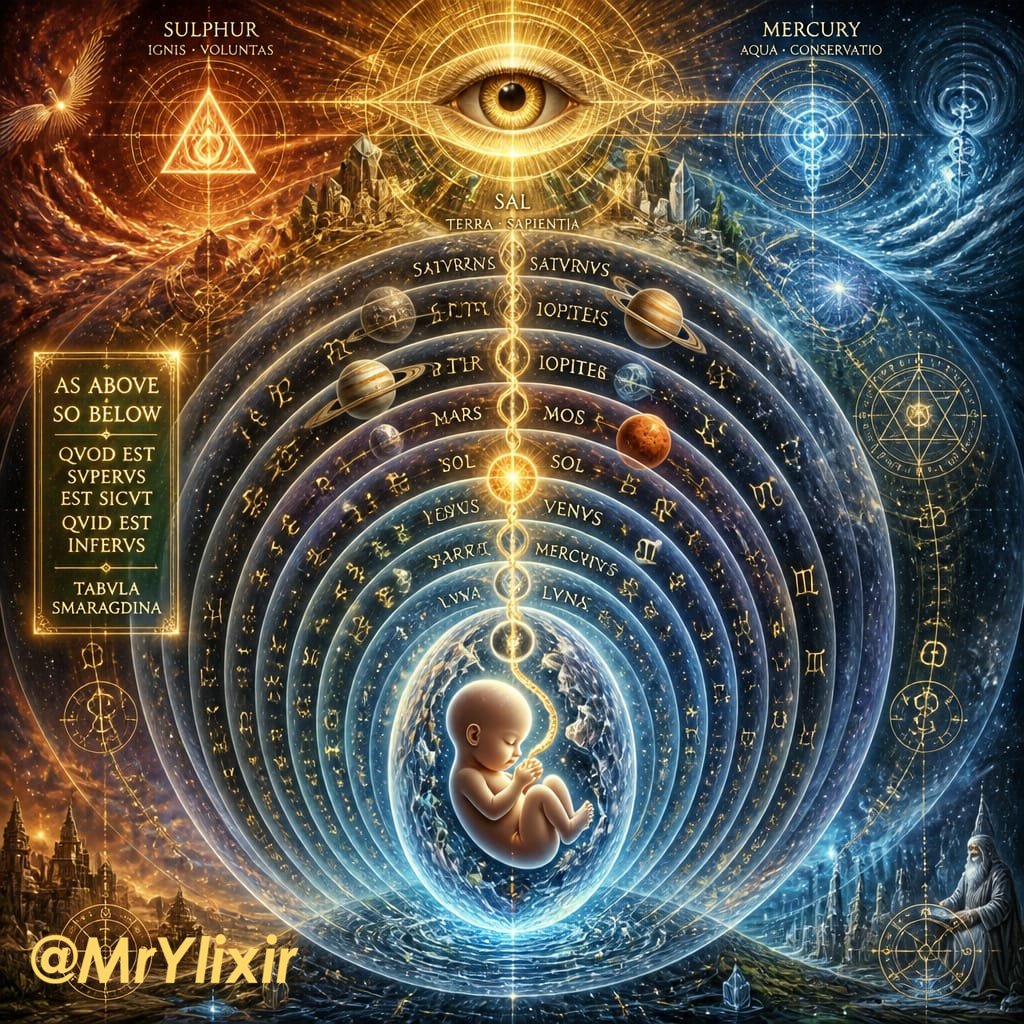
As Above: Planetary Waters
So Below: Birth of the Stone
The Omphalos Stone (ὀμφαλός = “navel” in ancient Greek) was the navel of the world (Latin: umbilicus mundi)
#Hermeticism #Alchemy #PhilosophersStone #EmeraldTablet #PlanetaryWaters
#AlchemicalWomb #MicrocosmMacrocosm #SacredGeometry #Esoteric
#Mysticism #StarSeed #OneThing #HermeticWisdom
One Thing - Three Phases 🧙♂️
3
6
142