
The wOrLd hasn't changed that much bub when it comes to education. Education in this country just isn't fucking prioritised from home to the classroom, and back again. The smartest ppl in this world should not thank peppa bloody pig cousins on YT ,for their ABCs
2


24m
as a small child i spontaneously developed a profound understanding of the concepts of both “ABCs” and “123s” by simply paying close attention to my surroundings
2

Im her age and it’s absolutely crazy for a drama graduate not to know jimmy stewart. It’s your abcs of classic film
1
119

Check out this Brainy Board video category “Association ABCs”! Topics include:
- Governance
- Condo & #HOAs Board Member Responsibilities
- Finances
- Rules and Regulations
Start watching here:
tinyurl.com/a9u39k9p
2

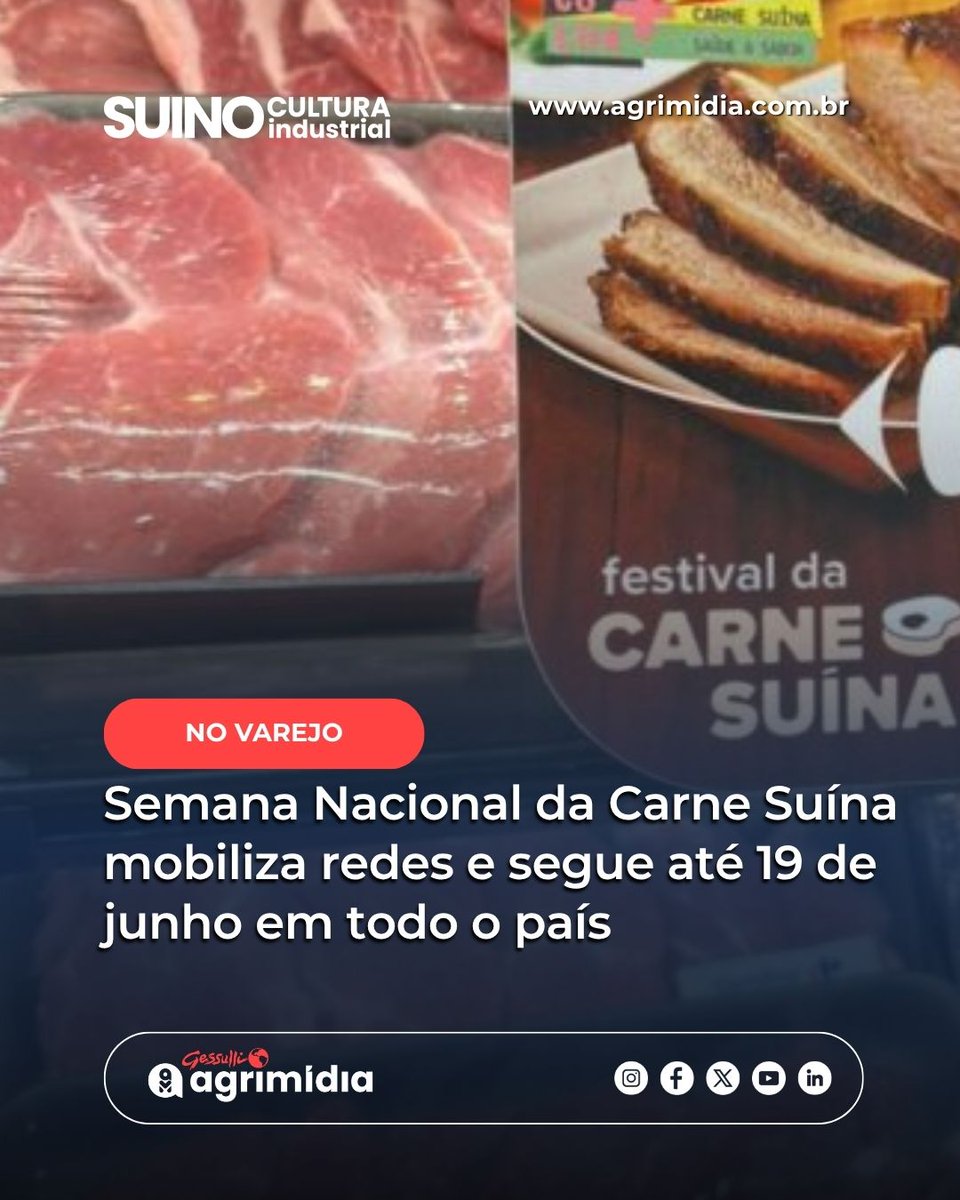
🐷🥩 A Semana Nacional da Carne Suína segue até 19 de junho, movimentando o varejo com 23 redes participantes em todo o país 🇧🇷🛒
Leia o conteúdo completo: agrimidia.com.br/suinocultur…
#carnesuina #abcs #agro #varejoeatacado #consumo #alimentação #churrasco #agronegocio
5

1
1
28

Like I don't understand how ya kids going to kindergarten not knowing their ABCs... Like how tf that work???
1
9
jompi 🦎🧪 #TeamCrystal retweeted

24 Nov 2024
lil girl increases decoding speed because she sings the abcs for the survs
2
349
1,991
21,856

The internet speeds life up for you and gives you final results but seldom shows the process. Children nowadays want to get to the lambo & mansion but don’t want to learn their ABCs & 123s. They want to run before they crawl. That’s not real life.
1

“Now I know my ABCs, next time won’t you sing 𝘧𝘰𝘳 me?”♈️👅🔠🦉🎶
3
57

You're literally going on a date with a woman who's special educated. Does she even know her ABCs? People who wear shit like this is automatically racist to me. I don't care argue with your mother. 🤷🏿♂️
7

Skrilla so damn funny🤣 my nephew said play do you know your abcs I was not expecting to see his ass
3

jimmy retweeted

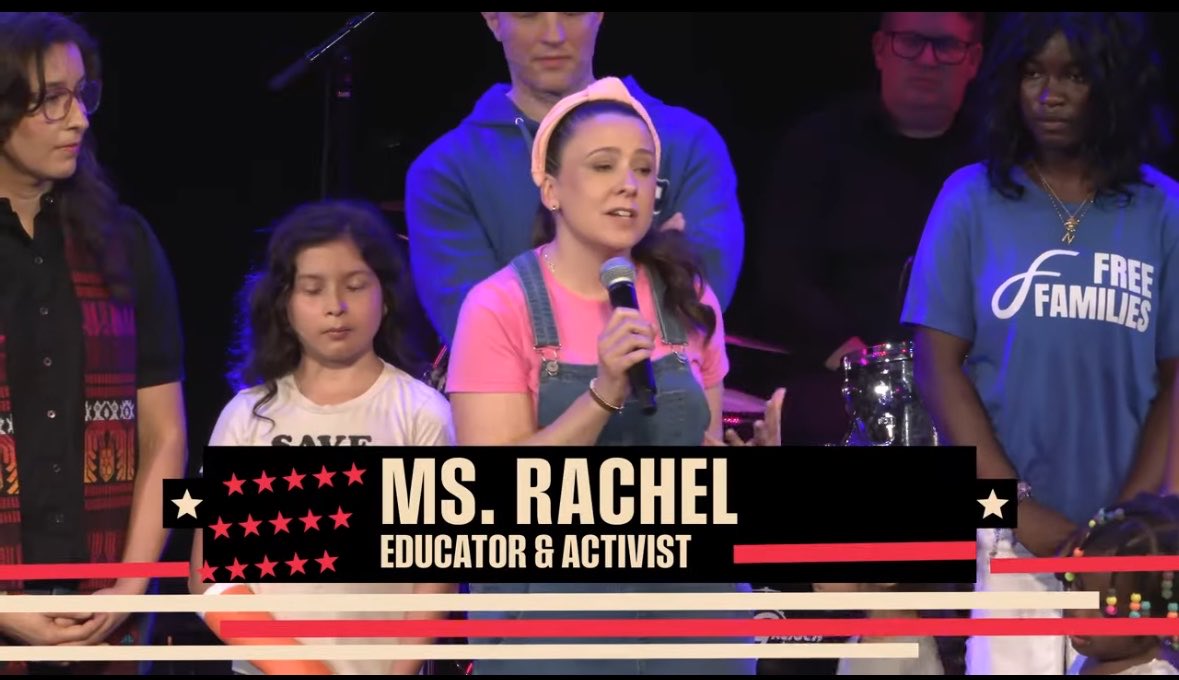
Can we get Ms. Rachel on Ghetto Gaggers so she can stop mentally molesting kids where she acts like saying the ABCs with her Clips4Sale voice is the same as Mister Rogers


1
5
91
2,138

🩺 NCLEX Practice Top 10 Questions with Answers 👇
1. A nurse is caring for a client with heart failure. Which finding should the nurse report immediately?
A. Weight gain of 0.5 kg (1 lb) in 24 hours
B. Bilateral ankle edema
C. Crackles in both lung bases and shortness of breath
D. Fatigue after walking
✅ Answer: C. Crackles in both lung bases and shortness of breath
Rationale: These are signs of pulmonary edema and require immediate intervention.
---
2. Which action should the nurse take first when a client is having difficulty breathing?
A. Obtain vital signs
B. Raise the head of the bed
C. Call the healthcare provider
D. Administer prescribed medications
✅ Answer: B. Raise the head of the bed
Rationale: Follow the ABCs (Airway, Breathing, Circulation). Positioning improves ventilation immediately.
---
3. A client with diabetes reports feeling shaky and sweaty. What is the nurse's priority action?
A. Administer insulin
B. Check the blood glucose level
C. Encourage exercise
D. Restrict oral fluids
✅ Answer: B. Check the blood glucose level
Rationale: These symptoms suggest hypoglycemia. Confirm the blood glucose level before taking further action.
---
4. Which laboratory value should the nurse report immediately?
A. Potassium 6.2 mEq/L
B. Sodium 136 mEq/L
C. Hemoglobin 13 g/dL
D. White blood cell count 9,000/mm³
✅ Answer: A. Potassium 6.2 mEq/L
Rationale: Severe hyperkalemia can cause life-threatening cardiac dysrhythmias.
---
5. A nurse is caring for a postoperative client. Which finding indicates a possible infection?
A. Incisional redness and warmth
B. Blood pressure 118/76 mm Hg
C. Pain rated 3/10
D. Heart rate 82 beats/min
✅ Answer: A. Incisional redness and warmth
Rationale: Redness and warmth around the incision site are common signs of infection.
---
6. Which client should the nurse assess first?
A. A client with a fever of 38°C (100.4°F)
B. A client requesting pain medication
C. A client with chest pain and diaphoresis
D. A client needing assistance to the bathroom
✅ Answer: C. A client with chest pain and diaphoresis
Rationale: Possible myocardial infarction is an immediate priority.
---
7. A nurse is teaching hand hygiene. Which statement by the client indicates understanding?
A. "I only need to wash my hands when they look dirty."
B. "Alcohol-based hand rubs are effective when my hands are not visibly soiled."
C. "Gloves replace the need for hand hygiene."
D. "I should wash my hands for at least 5 seconds."
✅ Answer: B. "Alcohol-based hand rubs are effective when my hands are not visibly soiled."
Rationale: Alcohol-based hand rubs are recommended unless hands are visibly dirty.
---
8. Which finding is expected in a client with dehydration?
A. Increased urine output
B. Moist mucous membranes
C. Hypotension and tachycardia
D. Bradycardia
✅ Answer: C. Hypotension and tachycardia
Rationale: Dehydration decreases circulating volume, leading to low blood pressure and increased heart rate.
---
9. A client receiving opioid medication becomes difficult to arouse. Which medication should the nurse anticipate administering?
A. Flumazenil
B. Epinephrine
C. Naloxone
D. Atropine
✅ Answer: C. Naloxone
Rationale: Naloxone reverses opioid-induced respiratory depression.
---
10. Which statement by a newly licensed nurse requires further teaching about client confidentiality?
A. "I will log out of the electronic health record when finished."
B. "I can discuss client information in the hospital elevator with coworkers."
C. "I will verify the identity of anyone requesting client information."
D. "I will keep client records secure."
✅ Answer: B. "I can discuss client information in the hospital elevator with coworkers."
Rationale: Discussing protected health information in public areas violates confidentiality and privacy regulations.
85

it’s crazy how some parents decide to just offload that to teachers as if they’re nannies. if they spend all their time teaching your kid to be self-sufficient, they’re not gonna have time for the ABCs.
1
19


being taught to read is not decoding abcs thank you
11