
Abigail Fenz (Martinez)- Former Teacher, Currently a SAHM. 🔬 Texas A&M University ’13 👍🏽 César E. Chavez High School ’09 🐺
Joined January 2012
- Tweets 1,292
- Following 335
- Followers 392
- Likes 9,347
502 Photos and videos



Mrs. Fenz retweeted

Apr 2
It was inspiring to watch the Artemis II launch yesterday — @NASA’s first crewed mission around the moon since 1972. Our space program has always captured an essential part of what it means to reach beyond what we thought was possible, and I hope the four brave astronauts on this mission will inspire a new generation to follow in their footsteps.

13,338
30,708
453,090
57,493,371

In December of 1968, the world was fractured.
War was raging overseas, influential leaders fell to the hands of assassins, cities wrestled with unrest, and division seemed to be defining us.
However, on the 21st of December, Frank Borman, Jim Lovell, and Bill Anders, bravely climbed aboard Apollo 8 and departed from Earth’s atmospheric embrace.
A mission reassigned with higher stakes and greater achievement, carrying the weight of the world on their shoulders.
For the first time, humans were venturing to another world, orbiting the Moon ten times in total.
On Christmas Eve, they shared the book of Genesis with a billion souls watching, and Bill Anders snapped a photo that altered our perspective on life as we knew it forever: Earthrise.
Our fragile blue marble rising above Luna’s barren horizon, a reminder that politics, borders, and anger dissolve when seen from afar.
Apollo 8 didn’t heal every wound, but it gave us something bigger to admire: unity in wonder, proof that together we could indeed reach the impossible.
One telegram perhaps said it best: “Thank you, Apollo 8. You saved 1968.”
Now, here we stand in the year 2026.
Our headlines echo old tensions: division at home, uncertainty abroad, a world that feels torn apart.
But once again, we find ourselves on the eve of an extraordinary milestone.
Artemis II, NASA’s first crewed mission to the Moon in more than half a century, stands poised and ready.
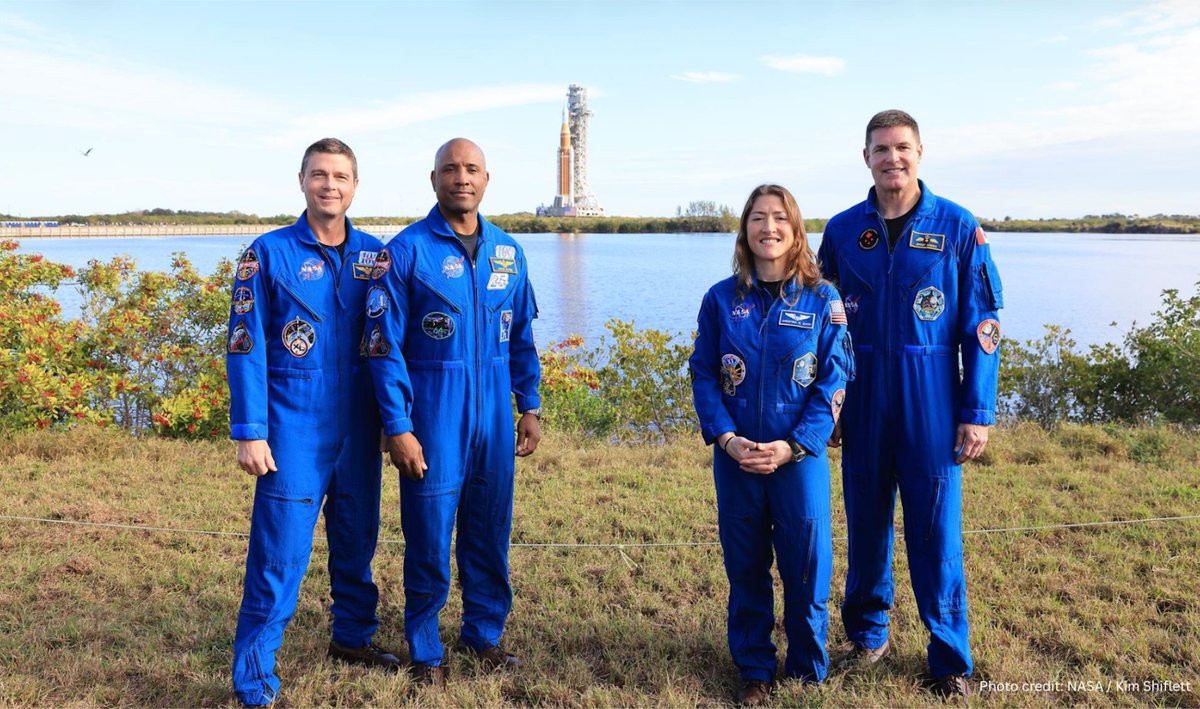
As soon as tomorrow, four of the world’s finest: Reid Wiseman, Victor Glover, Christina Koch, and Jeremy Hansen, will strap in to the Space Launch System.
The objective? Launch on a free-return trajectory, testing the Orion spacecraft that will one day carry us towards a permanent residence beyond our Earthly confines.
Like Apollo 8, Artemis II isn’t about escaping our problems and differences—it’s about transcending them.
When this crew of four looks back to see the disc of Earth, minuscule against the void, they will carry the same message:
We are one fragile, beautiful world.
Our differences fade in the light of shared purpose.
Our commonalities far outweigh our differences.
So let’s vividly remember what we are capable of when we dare to dream the impossible.
In a time that is so thoroughly testing us, let Artemis II be our reminder:
The stars are still there, patiently waiting.
And so is a greater vision for humanity—one that unites, inspires, and looks forward with hope.
Godspeed, Artemis II.
39
353
1,810
45,086
Mrs. Fenz retweeted

Apr 1
MINIONS, TONIGHT WE GO TO THE MOON!

45
1,683
11,450
167,707
Mrs. Fenz retweeted

Apr 1
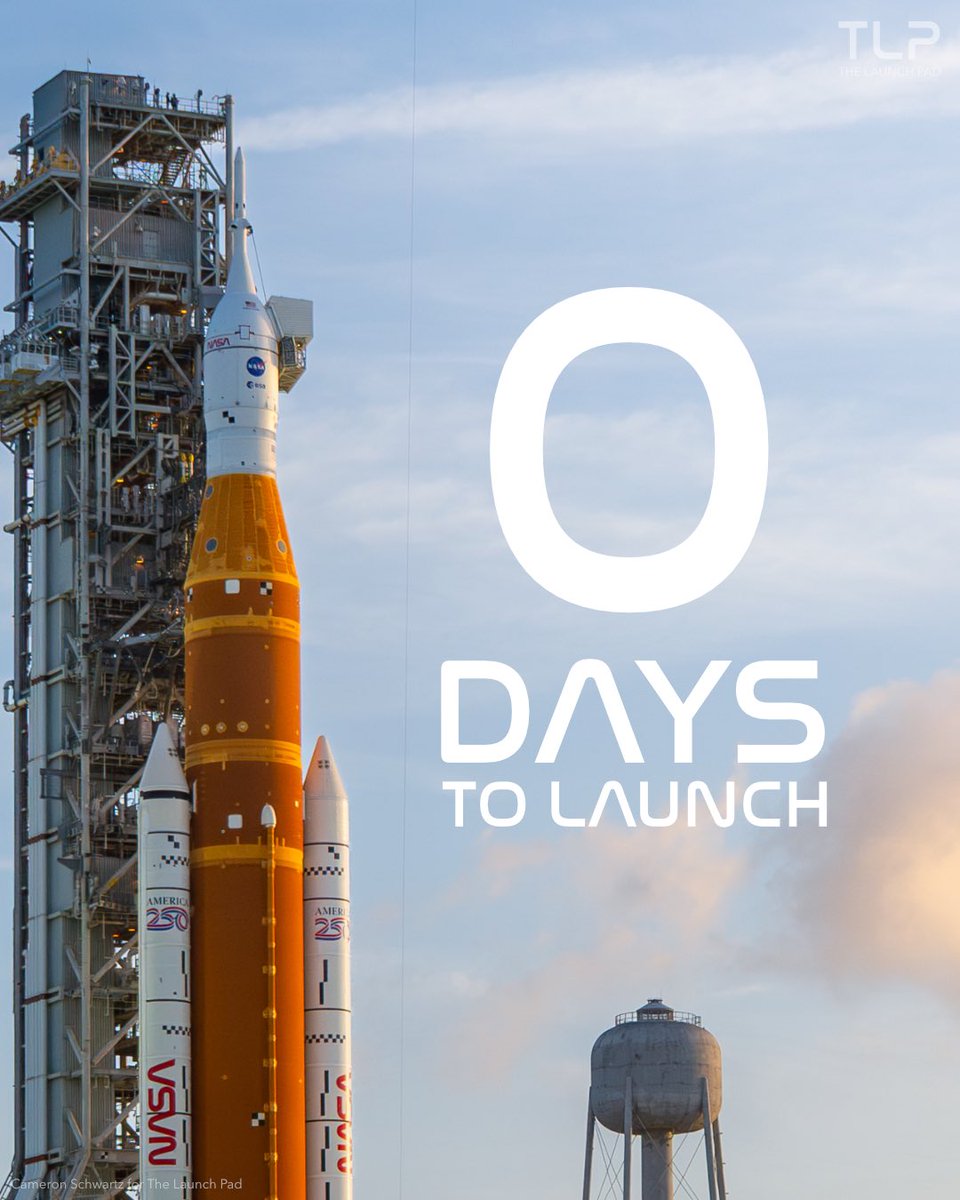
TODAY! We leave Earth orbit again!
Follow for the latest ARTEMIS II updates
#ArtemisII #Moon #NASA #SLS #WeAreGoingBack
32
365
2,126
37,677
Mrs. Fenz retweeted

Mar 30
If you sent in your name to be included on @NASA's Artemis II mission around the Moon, it's now on an SD card safely stored inside Rise, the mission's official zero-G mascot!
Mar 29

Fist bump, Rise!
Very emotional moment zipping up Rise, knowing we are bringing 5,647,889 names with us on this journey around the Moon. For all!
People from around the world submitted their names through the Send Your Name with Artemis campaign.
These names were downloaded onto an SD card that is safely stored inside "Rise," the zero gravity indicator designed by 2nd grader Lucas Ye from California. Thanks for coming along, everyone!
28
73
975
64,234
Mrs. Fenz retweeted

Mar 30
The Artemis II astronauts placed a micro SD card carrying the names of 5.6 million people (who submitted them online between last September and March 27) inside Rise, their zero-gravity indicator, earlier today
🌎🌕🙂
188
474
5,528
568,309
Mrs. Fenz retweeted
Mar 29
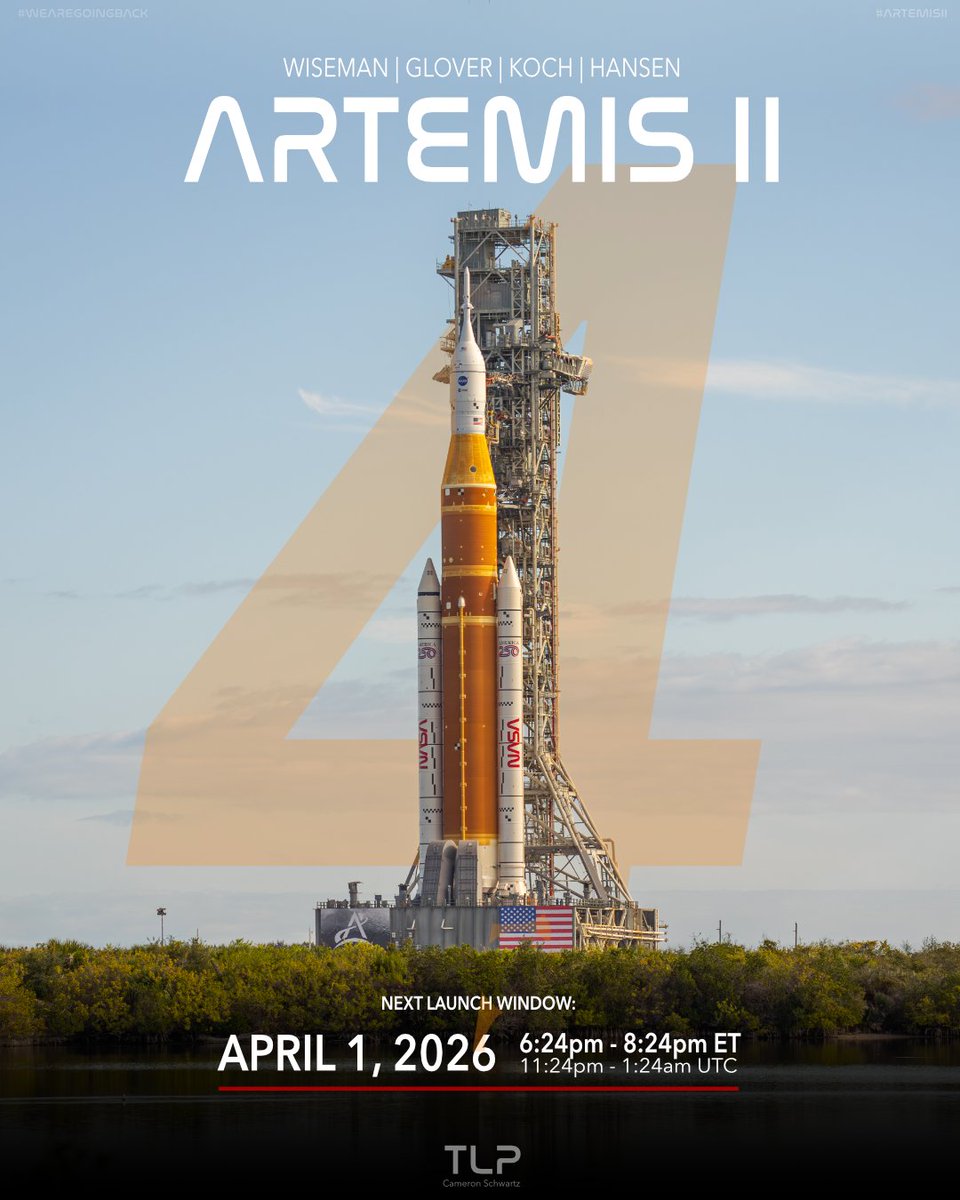
T-4 DAYS and counting till Artemis II
📅Launch NET: April 1, 2026
🕘Launch Window: 6:24 PM – 8:24 PM ET
Artemis II marks the return of crewed deep space exploration for the first time in over 50 years… and this time, we are going back together.
62
782
4,444
136,323
Mrs. Fenz retweeted

Jan 20
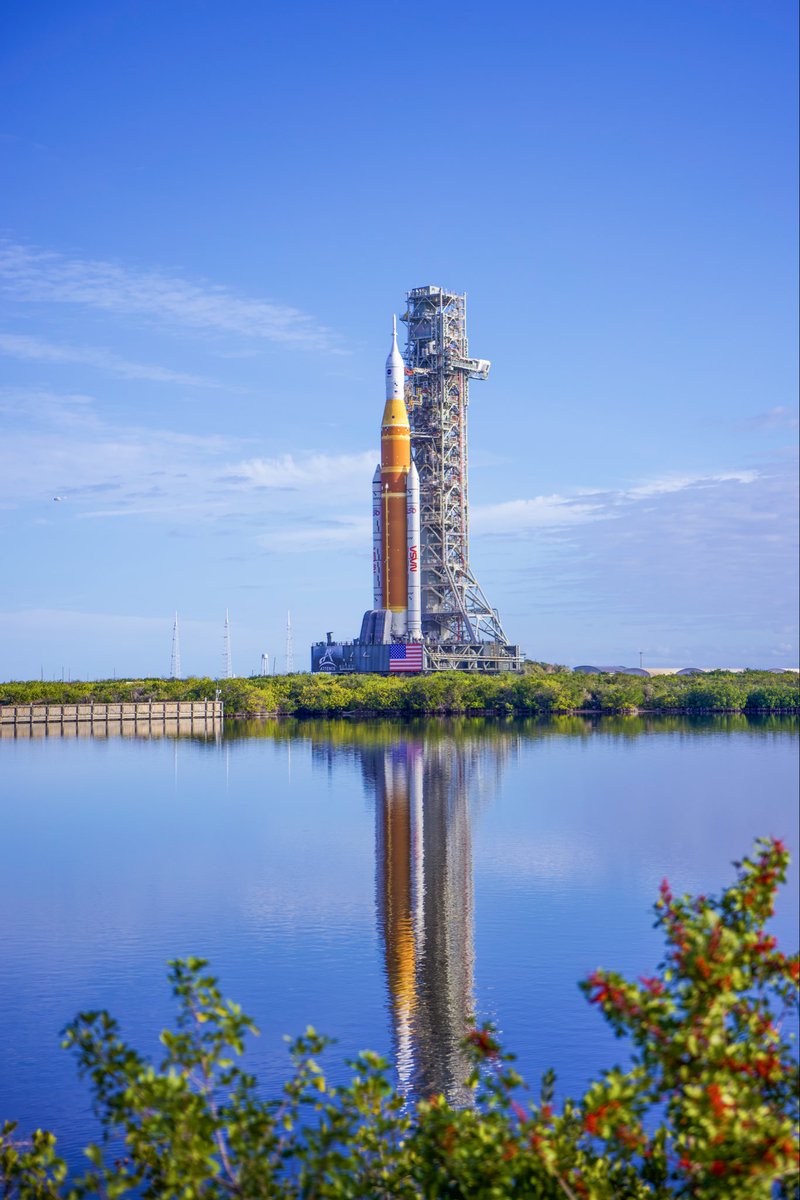
We’re going back to the moon.
259
542
7,804
87,355
Mrs. Fenz retweeted

Jan 17
We're getting chills! 🚀
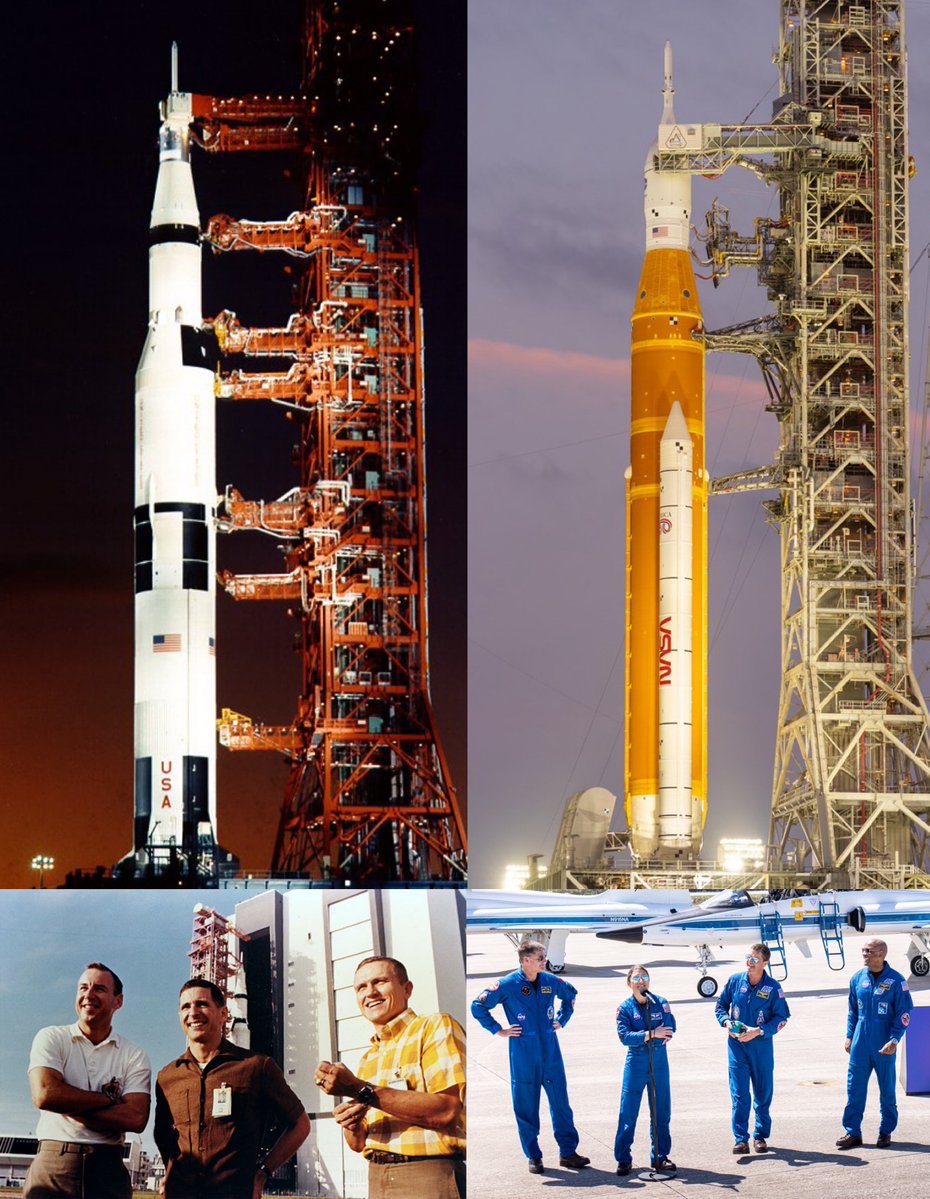
⬇️ 1968: The Apollo 8 vehicle rolls out for the first crewed mission to orbit the Moon
↘️ Today: Artemis II will return astronauts to the vicinity of the Moon for the first time in over 50 years, and set the stage for a permanent presence on the Moon.
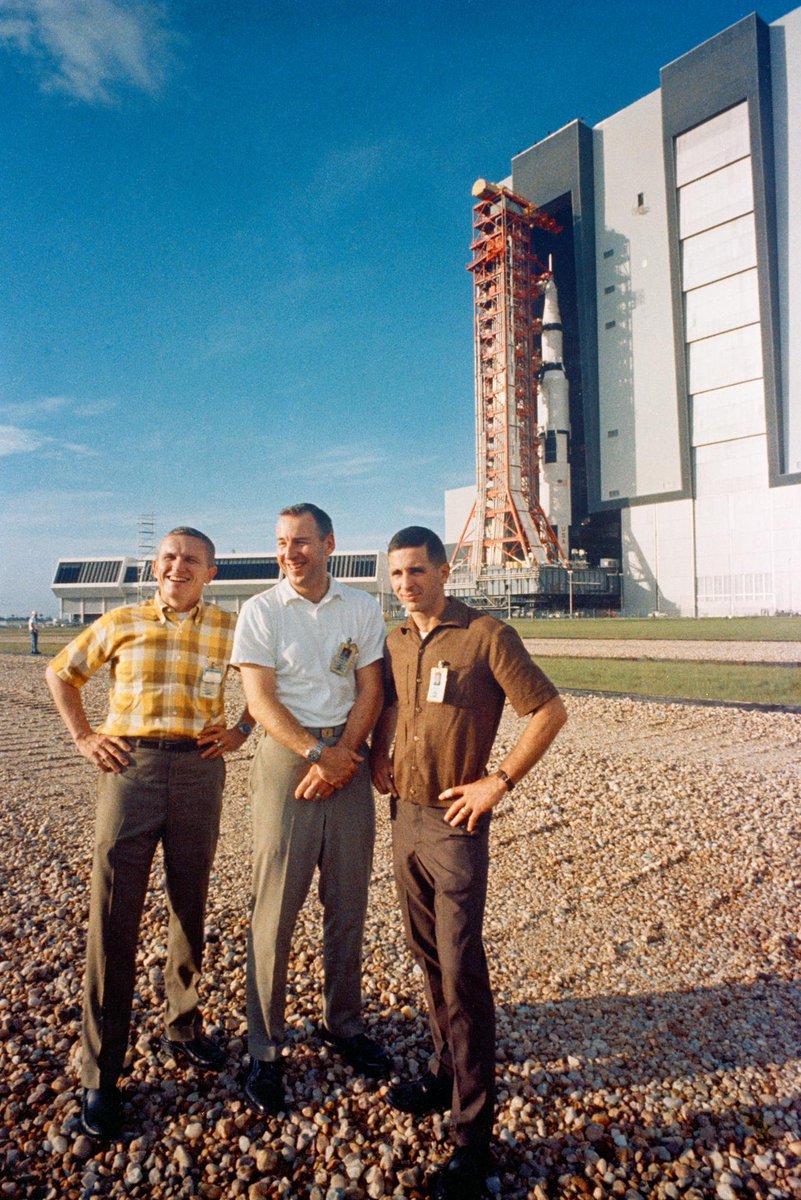
ALT The crew of Apollo 8: poses in front of the Vehicle Assembly Building as their vehicle rolls out to the launch pad in October 1968.
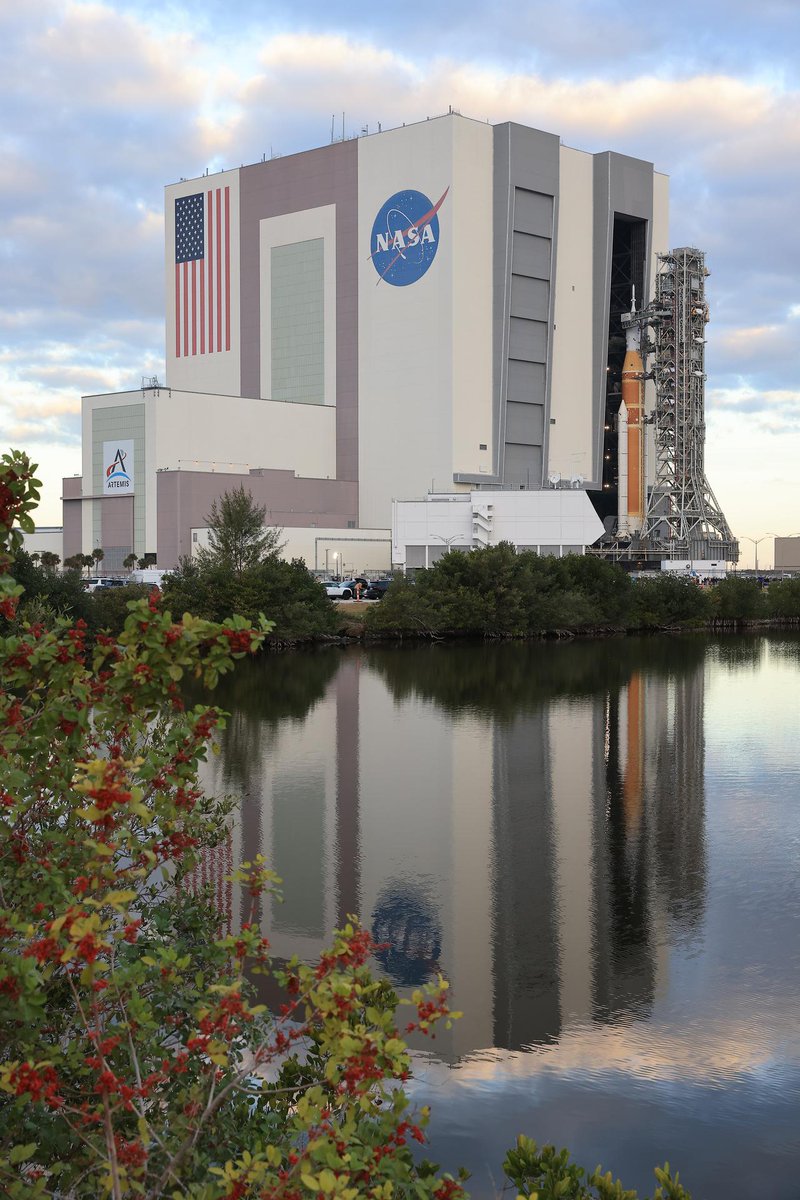
ALT The Artemis II vehicle exits the Vehicle Assembly Building on its way to the launch pad on January 17, 2026. A reflection of the scene is seen in a body of water that makes up the foreground.
53
394
2,762
98,544

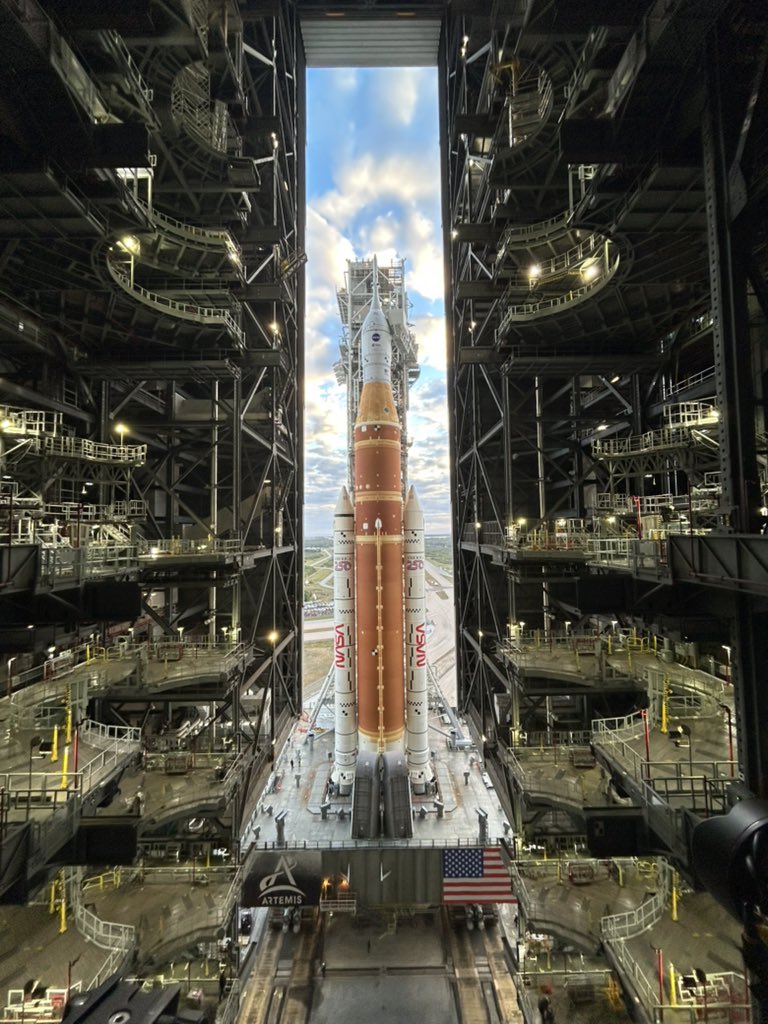

We are just weeks away from Artemis II, where we will send astronauts around the Moon—farther than any crew has traveled before.
The mission’s press kit is now available! Check it out: go.nasa.gov/4jGIlL4
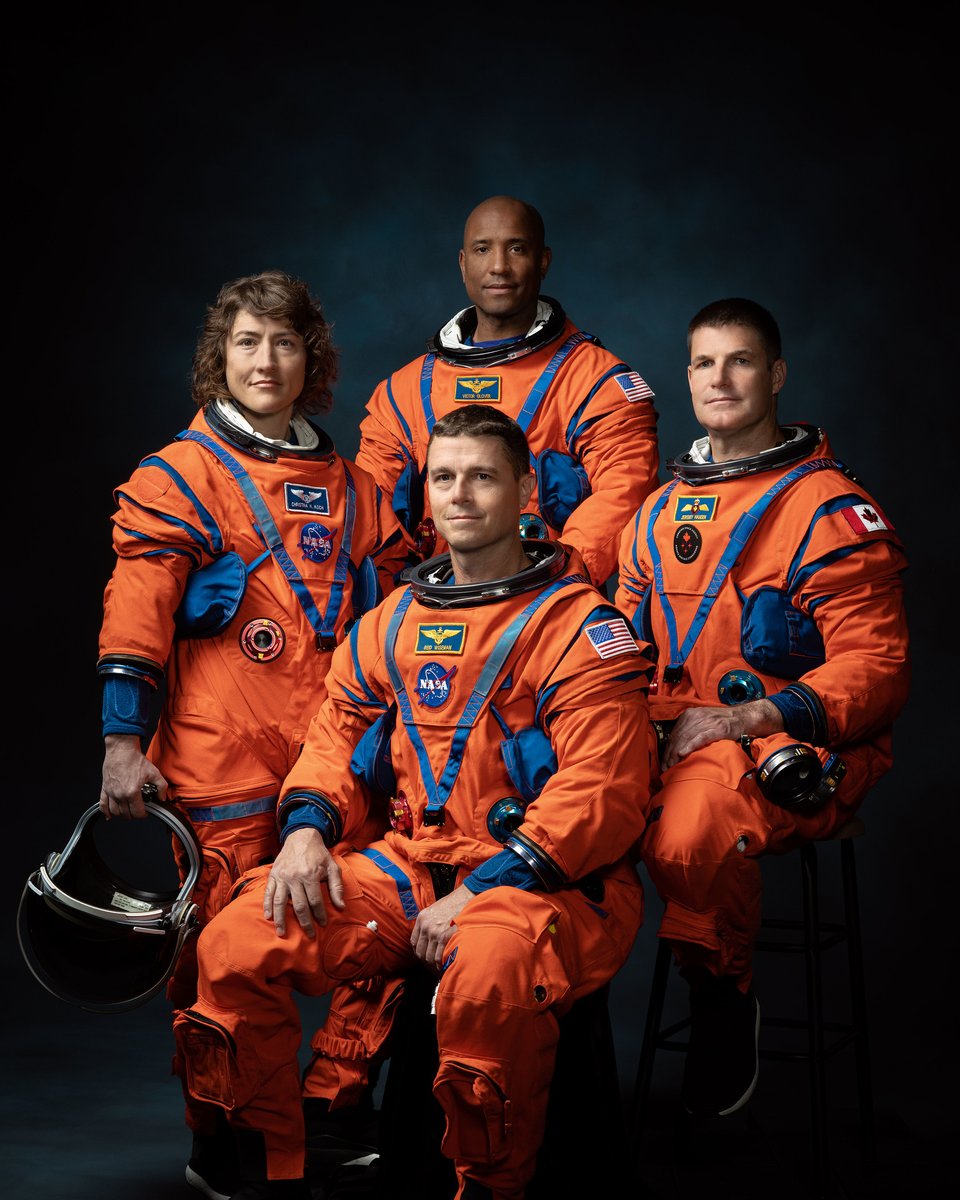
ALT An image of the crew of Artemis II taken in front of a dark background. From top going clockwise: Victor Glover, Jeremy Hansen, Reid Wiseman (sitting down), and Christina Hammock Koch. All are wearing orange and blue Artemis space suits. Credit: NASA/Josh Valcarcel
2,624
8,174
64,685
10,691,695
We're entering a new era of exploration, and you're invited.
Subscribe to our Curious Universe podcast for a weekly look inside Artemis II, bringing you special access to the people, places, and teamwork behind our return to the Moon: bit.ly/498S0qf
366
803
5,220
4,722,269
Mrs. Fenz retweeted

26 Jul 2024
You've seen the rest, now come work with the best! We're looking for two teachers to join our team. Check out our website to see all the amazing things we offer at Rusk! #FlyHighEagles

2
2
455


Mrs. Fenz retweeted

8 Aug 2023
Effective teachers don't focus so much on rules, but more on relationships, routines, & expectations. If you focus mainly on rules, you will spend most of the year enforcing them. But if you focus on relationships, routines, & expectations, you rarely have to defer back to rules.
21
449
1,937
168,676
So proud of these two young ladies for all their hard work that lead them to the Texas Science and Engineering fair for the second year in a row!
Congratulations to Mima for her FIRST PLACE WIN in her category!! 🏆
26 Mar 2023

Way To Go, Mima!!! First place in your category at the Texas Science and Engineering Fair. We are so proud of you!! #txsef23@HISDChoice @hisdmedia @bcmhouston @Garibaldi3HISD



3
638
Honored to be the 2022-2023 Teacher of the Year at @BCMbiotechRusk alongside our amazing art teacher, Ms. Prieto, who was our Beginning Teacher of the Year!
6
3
32
1,501
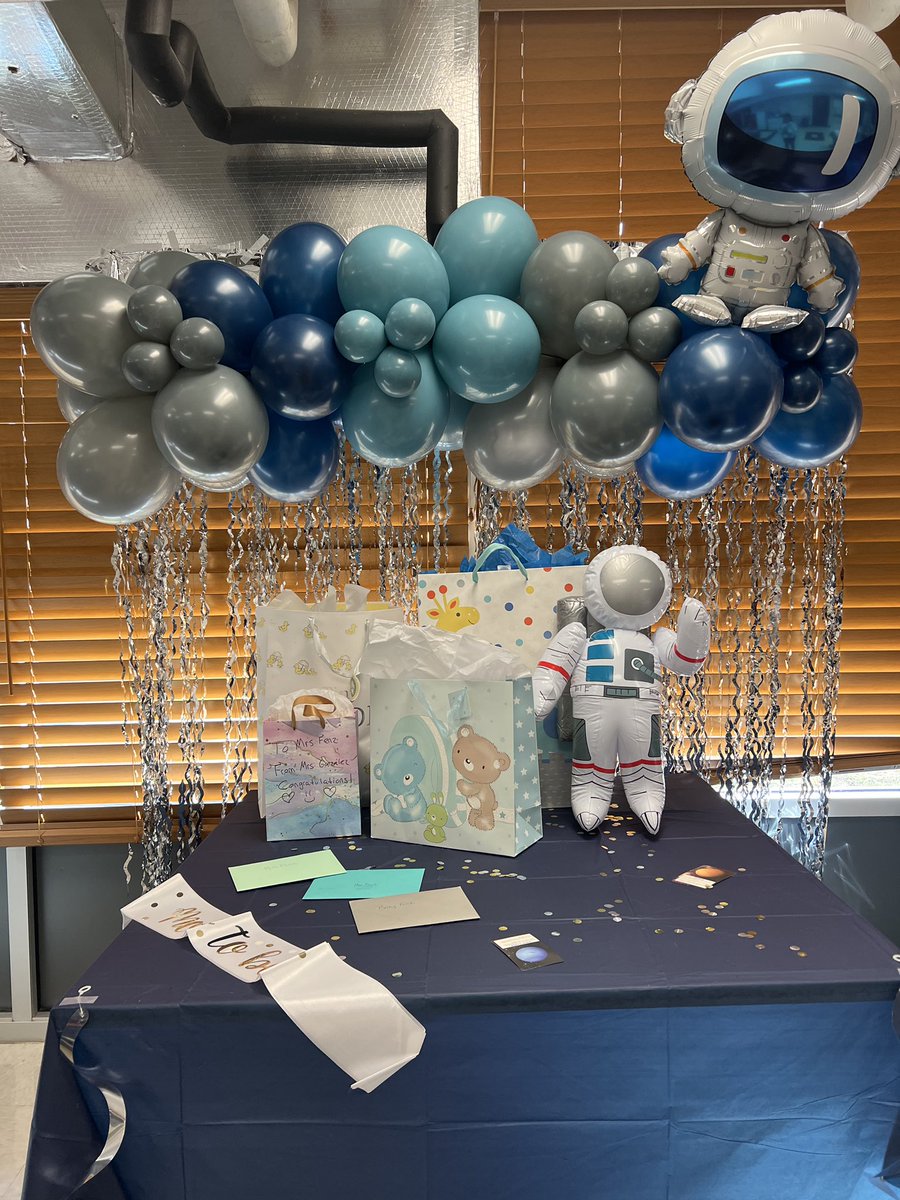
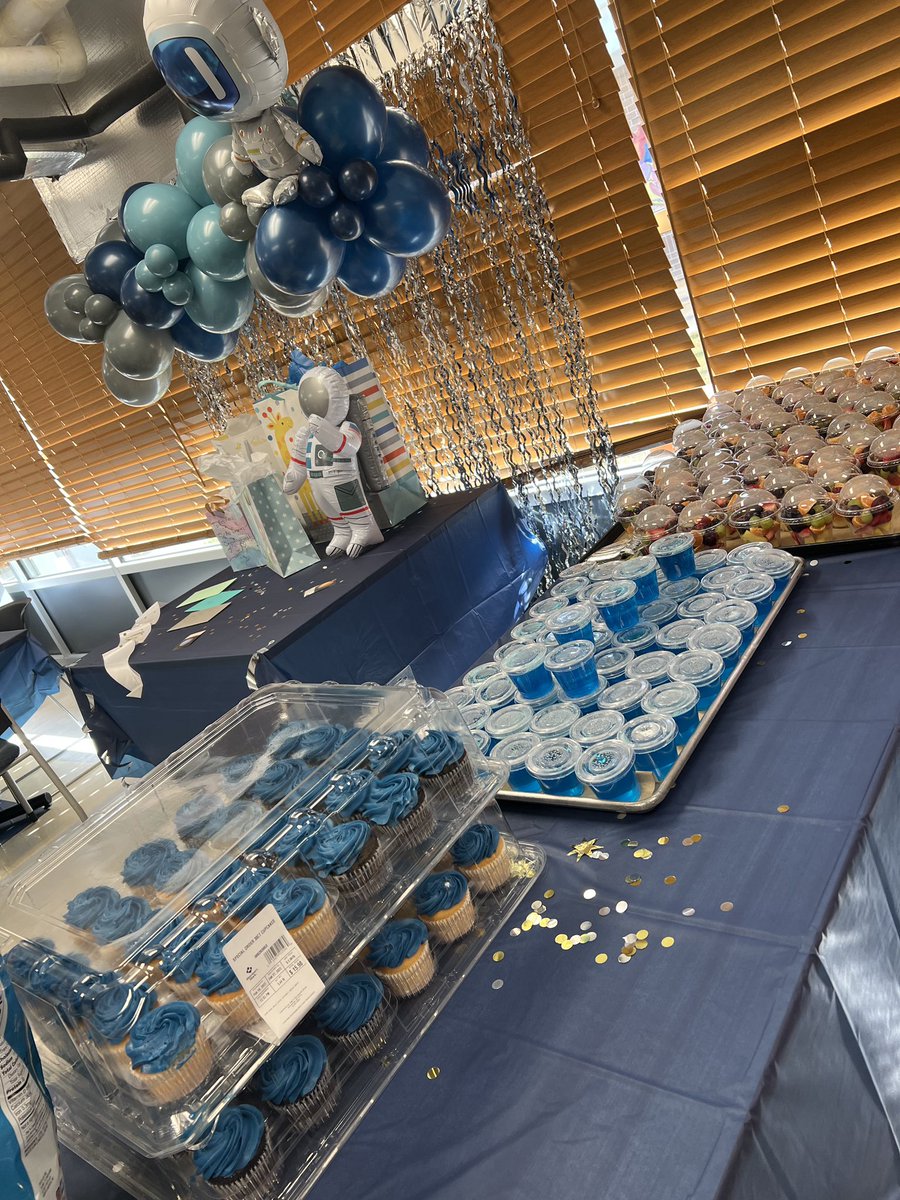
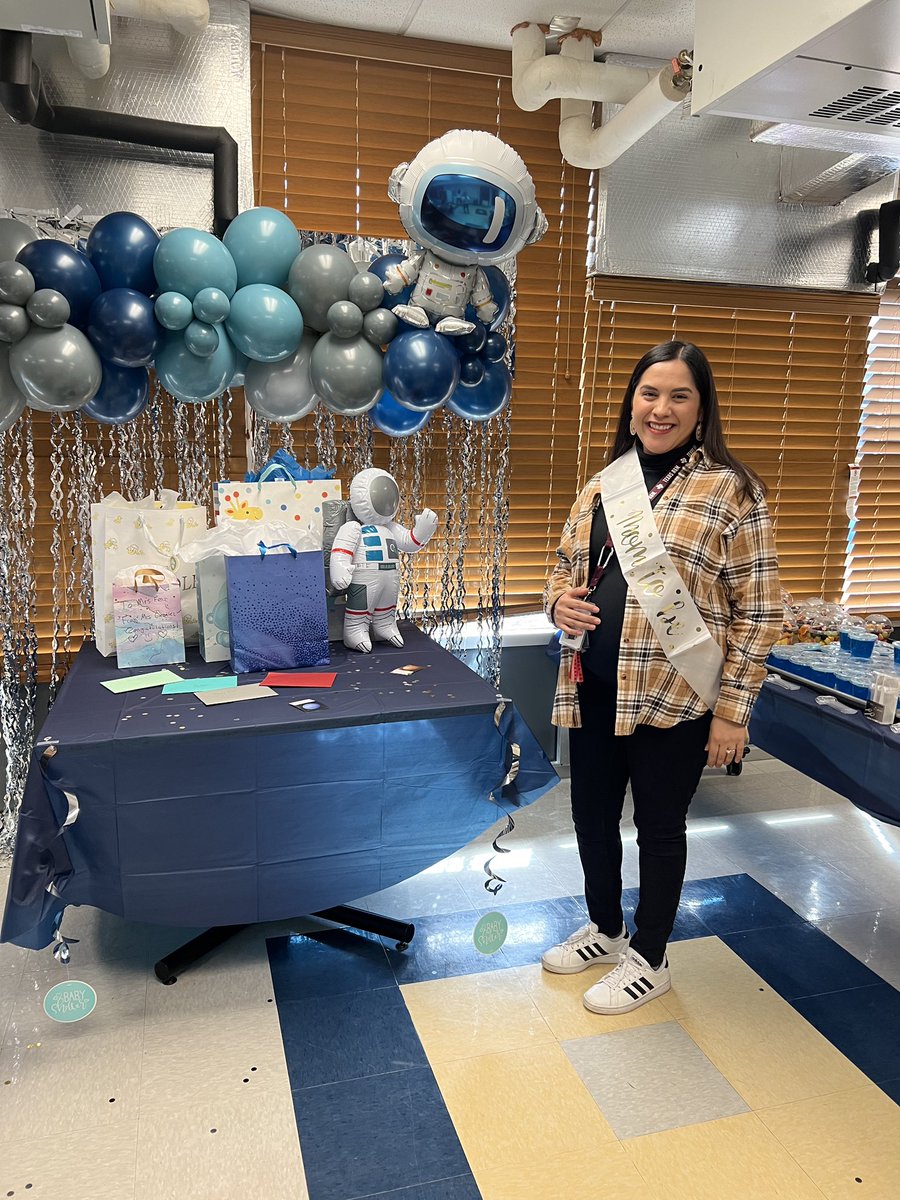
So grateful for the amazing front office staff at @BCMbiotechRusk for executing this surprise Babyshower for me! I felt the love by everyone from custodial staff, front office, teachers, and admin. THANK YOU, THANK YOU, THANK YOU!!
1
1
21
737
We’re there any other #8thGradeScience teachers teaching plate boundaries on Monday?
I always show my students the @USGS earthquake map that show the earthquakes over 24 hours.
We were all in shock looking at the 7.8 magnitude earthquake in Turkey and 3.8 mag. in Buffalo, NY.
2
1
10
574