
Communications Strategist | Digital Resilience Advocate | Bridging digital rights,data governance & foreign policy| DM for Consultancy
Joined September 2015
- Tweets 4,600
- Following 1,232
- Followers 1,158
- Likes 13,311
236 Photos and videos







Elizabeth Zipporah retweeted

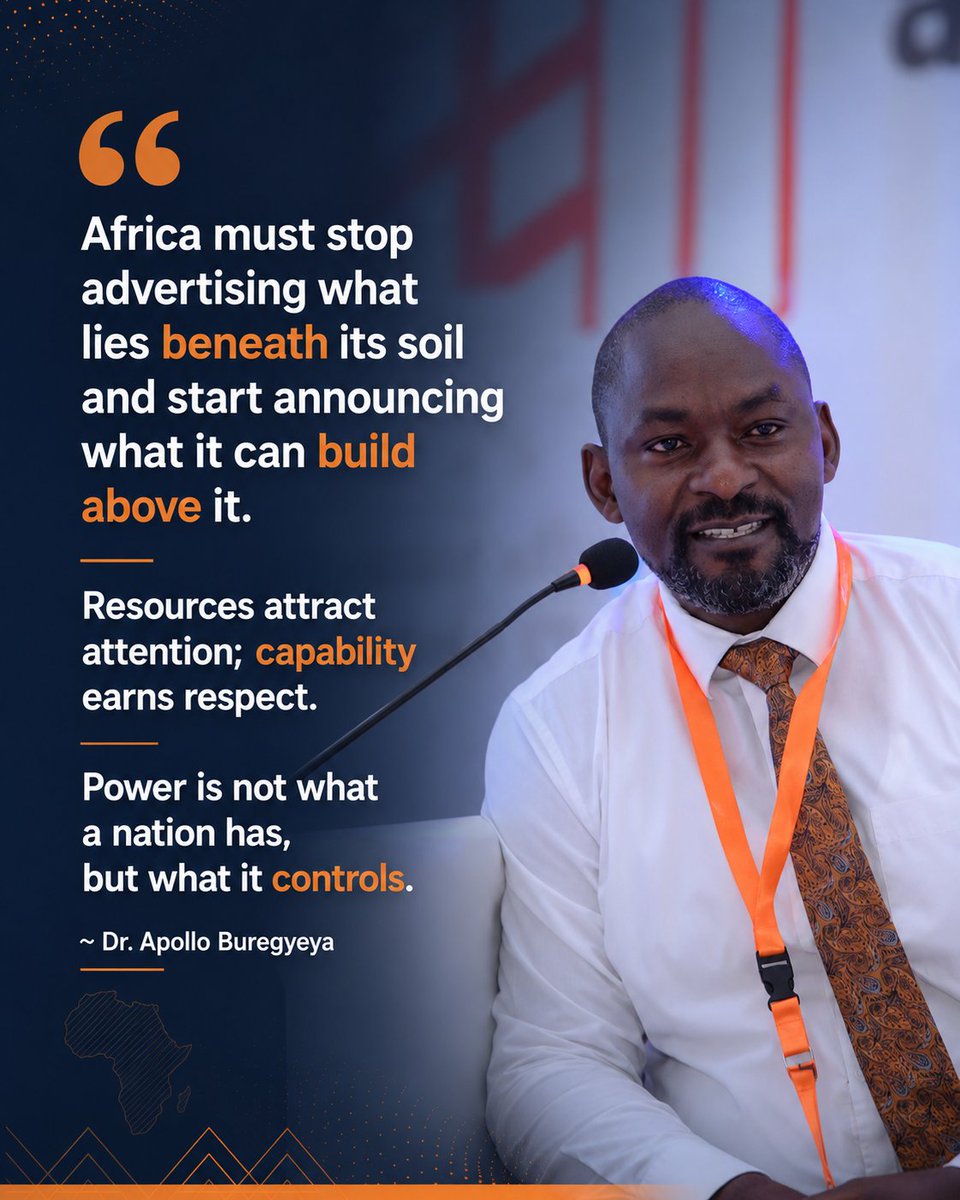
Africa’s Diplomacy Must Move from Resource Advertisement to Capability Diplomacy.
=======
African leaders are right to remind the world that Africa matters. We have minerals, land, forests, energy potential, young people, strategic location, and many of the resources required by the next global economy. That message is true.
But sometimes, the way we say it is the problem.
At times, our resource diplomacy sounds like a man walking through the trading centre shouting, “My brothers, I have money under my bed, gold in my granary, sweet bananas ripening in the back room, calabashes full of tonto, and by the way, the key is under the third cooking stone behind the kitchen.”
Now, such a man will surely attract visitors. But let us not pretend all of them are coming to wish him well. Some will come with smiles. Some will come with notebooks. Some will come with scanners. Others will come with hammers. And a few will arrive very politely, carrying partnership brochures in one hand and very long straws in the other.
A serious household does not begin negotiations by announcing everything hidden in the store. First, it secures the house. It counts properly. It knows the value of what it has. It decides what can be sold, what must be processed, what must be protected, and what price is so low that even the most charming visitor must return home with nothing more than tea, directions to the road, and a deep appreciation of our excellent hospitality, firm discipline, and very clear principles.
That is the maturity African diplomacy now needs.
Resource abundance should not be the headline of our global engagement. It should be the starting point of a deeper conversation about processing, technology, standards, finance, data sovereignty, regional markets, and institutional control.
The world already knows Africa has resources. That is why they came before, and that is why they are returning with new words like critical minerals, green transition, carbon markets, food security, and strategic partnerships. Very polished language. Very well ironed.
But Africa should not keep announcing the contents of its granary as if global investors are innocent tourists who got lost on the way to a museum.
What we should announce is capability.
We should say Africa is building mineral-processing systems, battery-materials capacity, agricultural brands, construction-materials standards, development finance institutions, data-governance systems, and industrial corridors that serve African production before they serve external extraction.
There is a difference between attracting investors and inviting speculation. When a country presents itself mainly as a storehouse of raw materials, it attracts concession hunters, speculative financiers, extraction consultants, and polished vampire investors. But when a country presents itself as a centre of processing, engineering, standards, logistics, finance, and market power, the conversation changes. Investors no longer come only to ask what they can take. They must ask where they fit within a system that already has direction.
This is the argument I make in my new book, The Five Levels of Economic Power (open.substack.com/pub/apollo…). Power is not determined by what a country has, but by what it controls. Resource ownership is only the first level. Real power begins when a country climbs into productive control, technological command, market power, and institutional sovereignty.
Africa is not merely the solution to other people’s energy transition, industrial anxiety, food insecurity, or supply-chain panic. Africa is a negotiating partner in the next industrial order.
Resources attract attention. Capability earns respect.
Power is not what you announce before the cameras. Power is what you still control after the visitors, translators, consultants, and camera crews have left the compound.
2
24
57
1,372
Elizabeth Zipporah retweeted

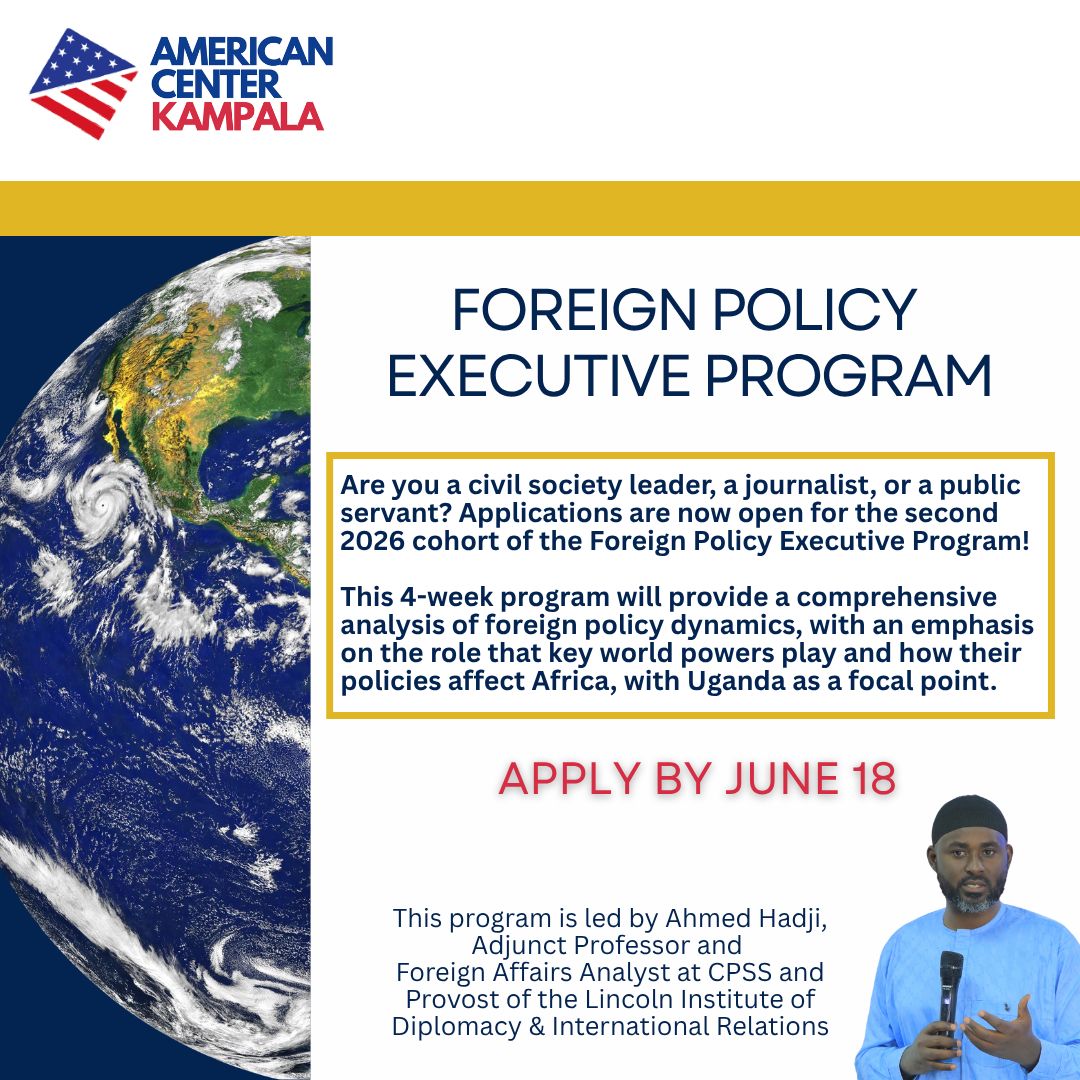
Are you ready to expand your understanding of global affairs? The American Center Kampala is accepting applications for the Foreign Policy Executive Program designed for civil society leaders, journalists, and public servants.
Apply here: forms.gle/5wsp43AN7zJsTjfd6
6
16
635
Elizabeth Zipporah retweeted

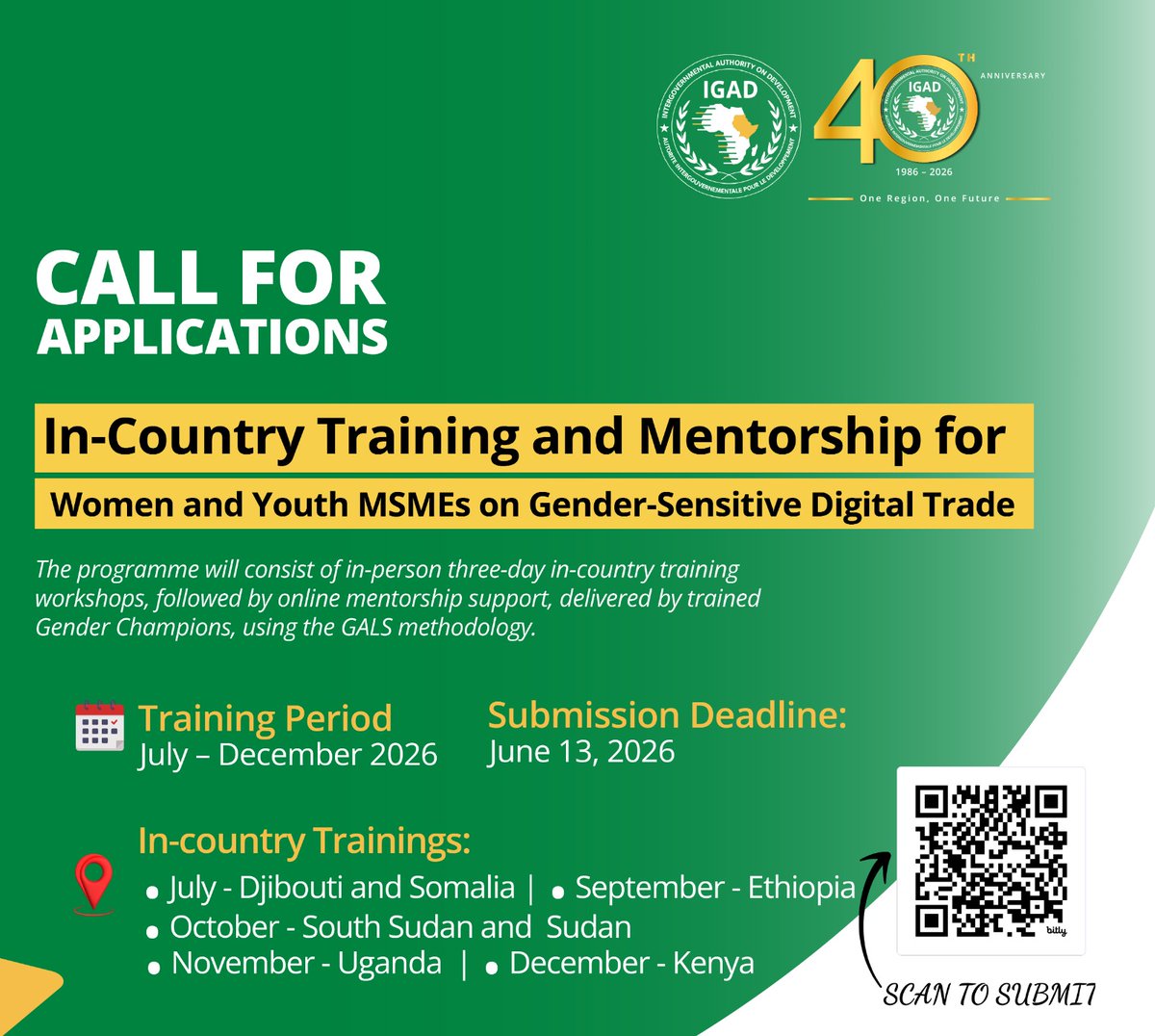
📣 CALL FOR APPLICATIONS: In-Country Training and Mentorship for Women and Youth MSMEs on Gender-Sensitive Digital Trade 🌍💻
IGAD invites women and youth-led Micro, Small and Medium Enterprises (MSMEs) across its Member States to apply for the In-Country Training and Mentorship Programme on Gender-Sensitive Digital Trade under the HDMI Project.
The programme combines three-day in-person national trainings with ongoing online mentorship support, delivered by trained Gender Champions using the Gender Action Learning System (GALS) methodology.
Participants will strengthen their skills in:
✅ Digital finance and e-commerce
✅ Digital marketing and online business growth
✅ Business management and entrepreneurship
✅ Online safety and digital inclusion
✅ Access to regional and international markets, including opportunities under the AfCFTA
📅 Training Period: July – December 2026
⏳ Application Deadline: June 13, 2026
📍 Training Schedule
• July – Djibouti and Somalia
• September – Ethiopia
• October – South Sudan and Sudan
• November – Uganda
• December – Kenya
📲 Scan the QR code on the poster to submit your application or apply here:
igad.int/call-for-applicatio…
#RisingWithIGAD
#OneRegionOneFuture
4
50
126
10,943
Elizabeth Zipporah retweeted

Uganda: Business as usual

296
1,139
6,411
259,049
Elizabeth Zipporah retweeted

May 31
RATIONALISATION OF GOV'T EXPENDITURE:
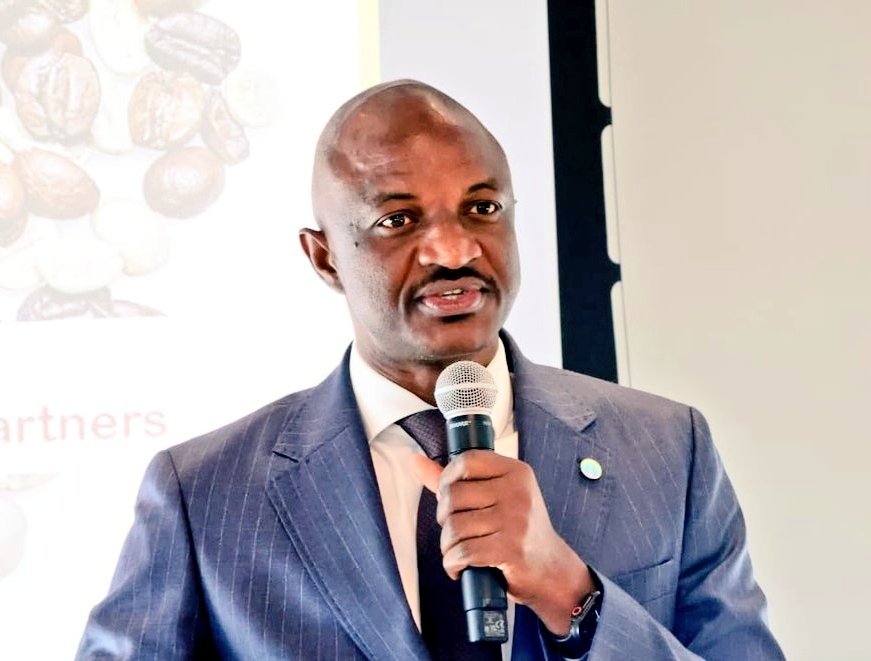
The PSST Dr @rggoobi has said that effective next FY 2026/27, @GovUganda will not spend money on organising public functions (public holidays) including: Women's day,Labour day,Independence day etc). He says money will only be spent on the few religious functions.
According to Dr.Ggoobi,H.E the President @KagutaMuseveni will address Ugandans on Radio and Television from State House,adding that the money saved will be used to finance the priorities of Gov't (ATMS & Enablers).
525
520
1,743
248,087
Elizabeth Zipporah retweeted

May 31
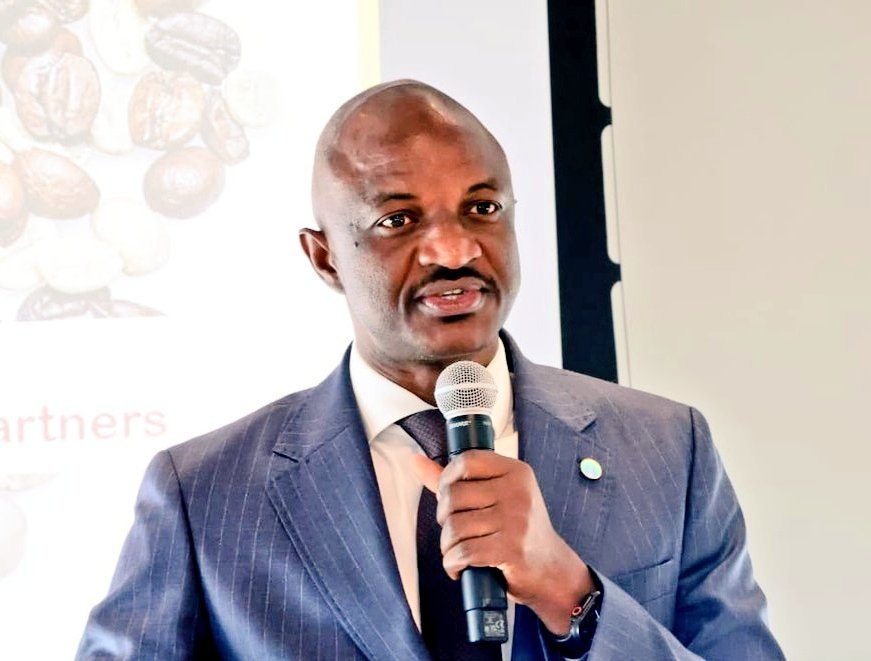
Uganda will no longer allocate government funds for the organisation of public holiday events such as Women’s Day, Labour Day, and Independence Day starting in the 2026/27 financial year, according to the Permanent Secretary and Secretary to the Treasury, Dr. Ramathan Ggoobi.
#NTVNews
188
267
1,927
113,775

May 27
Uganda is embracing digital diplomacy beautifully👏🏾
May 27

@IAmSteveHarvey, the Pearl of Africa is truly unique, a land where nature speaks in its purest form. From majestic national parks filled with wildlife many have only heard about, to the mighty River Nile, crater lakes, towering mountains and endless green
youtube.com/@exploreuganda?s…
95
May 26
Are we as vigilant about safeguarding our digital lives as we are about our physical ones?
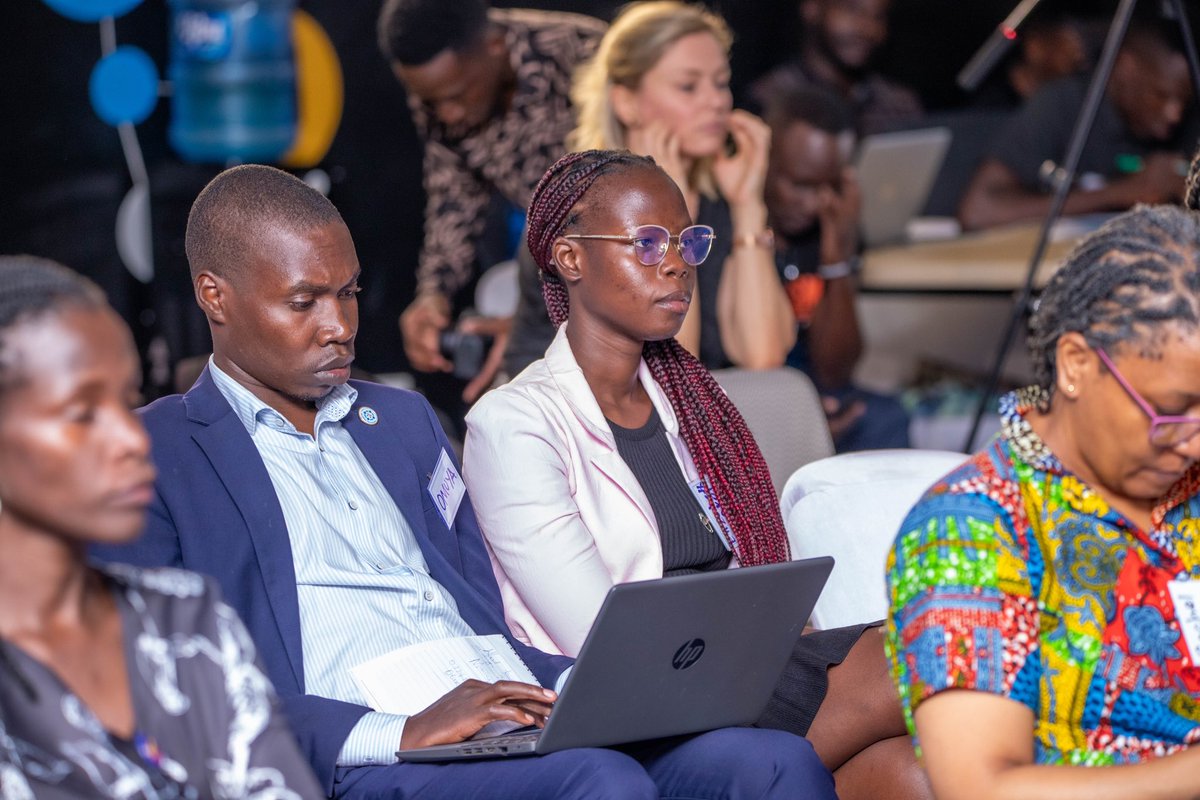
I had the privilege of leading a discussion on privacy and protection in the digital world at the @USEmbassyUganda’s #AmericanCentre Kampala.
Read more 👇🏾
linkedin.com/posts/elizabeth…
1
50
Elizabeth Zipporah retweeted

May 25
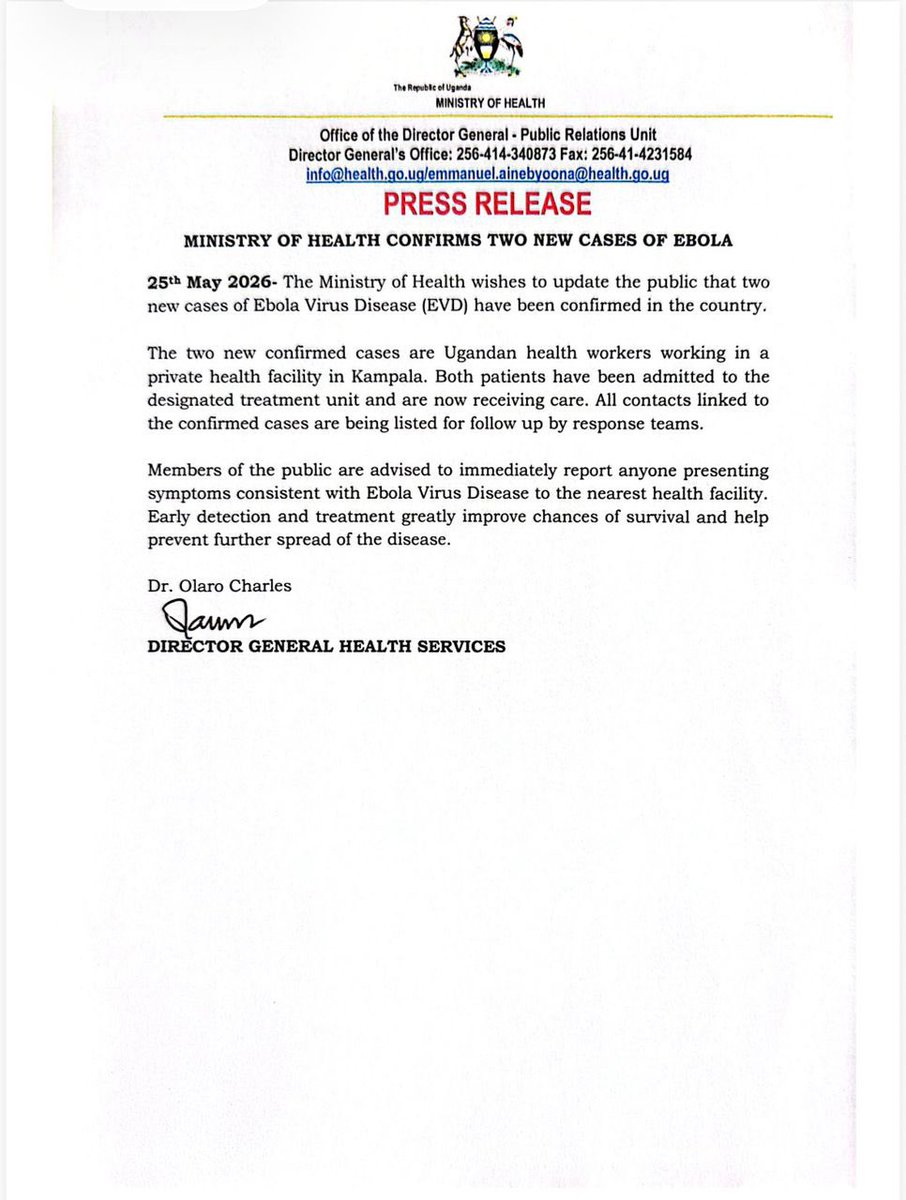
JUST IN: @MinofHealthUG has confirmed two new Ebola cases in the country, bringing the total number of confirmed cases to seven (7).
Details 👇
#NBSUpdates
64
143
421
58,961
Elizabeth Zipporah retweeted

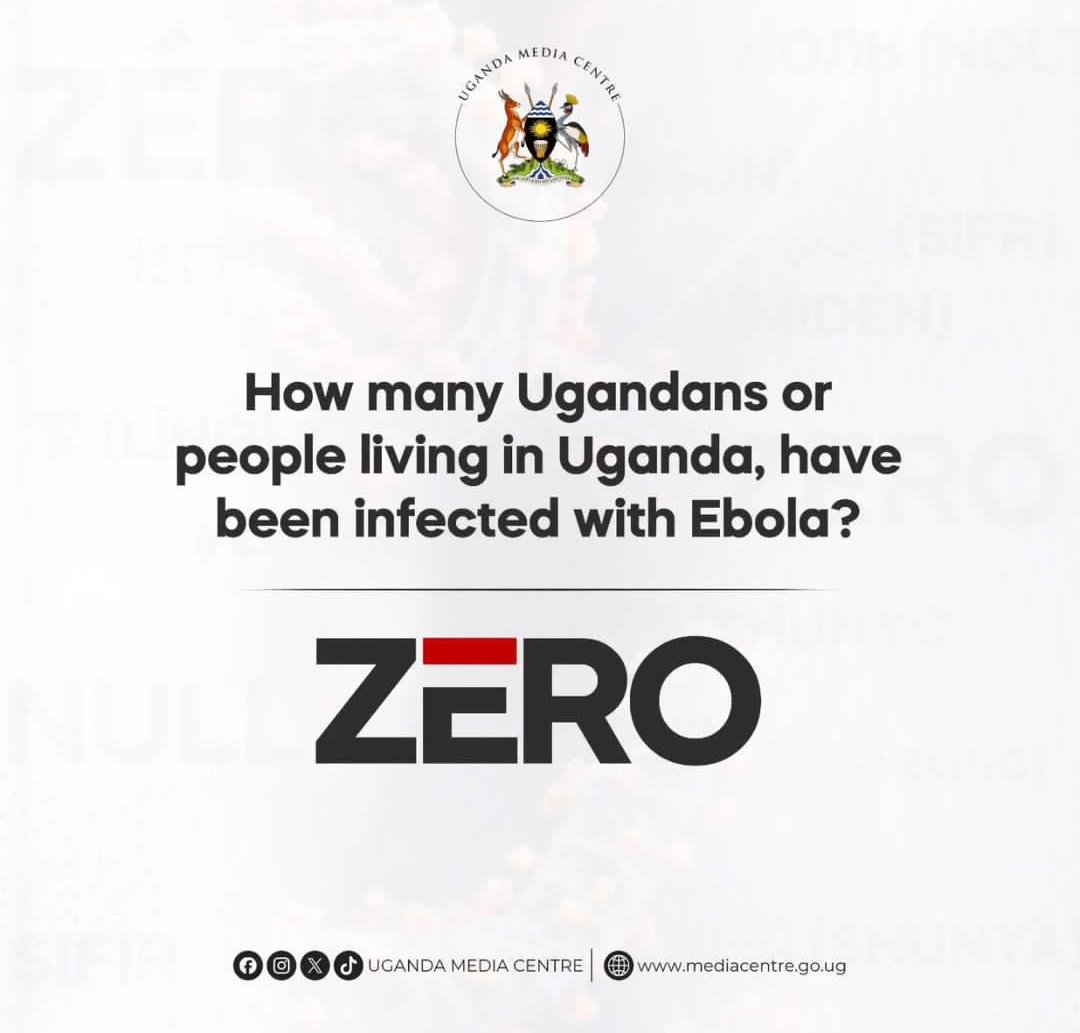
Let us be clear...
70
453
1,344
38,776
Elizabeth Zipporah retweeted

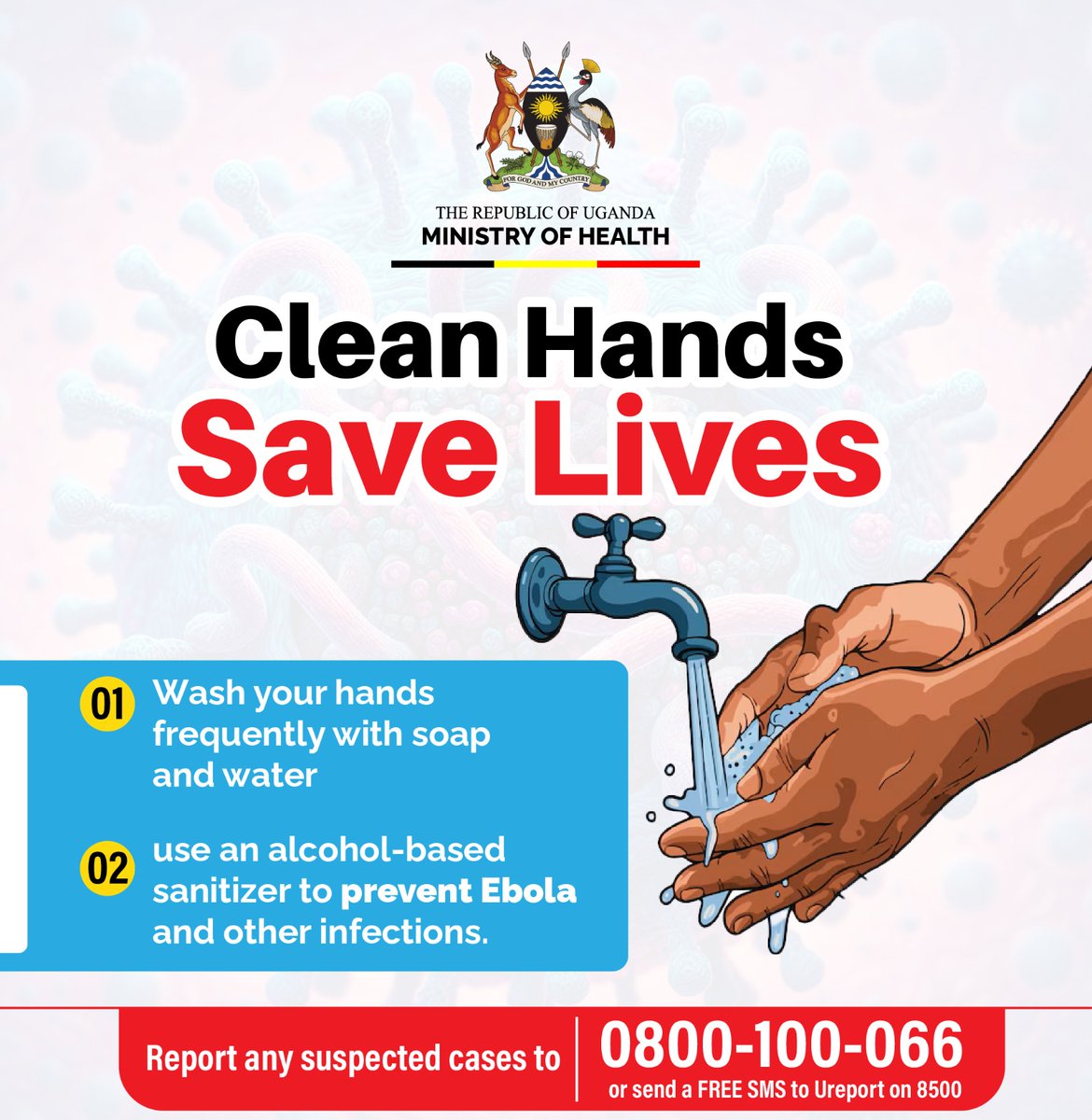
Clean hands protect you from #Ebola and other infections.
Wash your hands with clean water and soap or use an alcohol based hand sanitizer frequently to protect yourself from diseases. #MOHatWork | #FightEbolaUG26
3
33
66
4,727
Elizabeth Zipporah retweeted
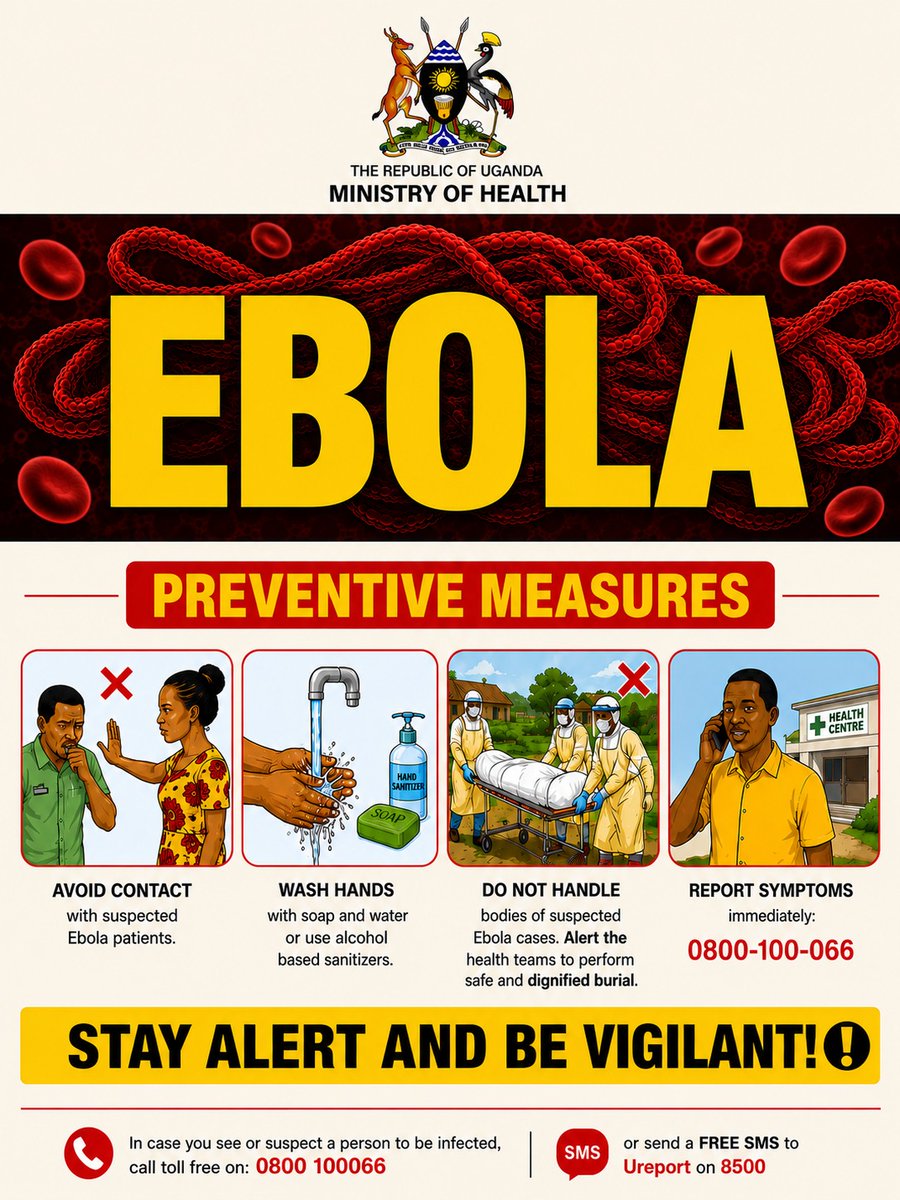
#Ebola prevention starts with you.
🤝Avoid hugging and shaking hands.
🫧Wash your hands regularly with soap and clean water or use an alcohol based hand sanitizer
🏥 Report to the nearest health facility if you have signs and symptoms consistent with Ebola
#MOHatWork | #FightEbolaUG26
8
122
213
13,687

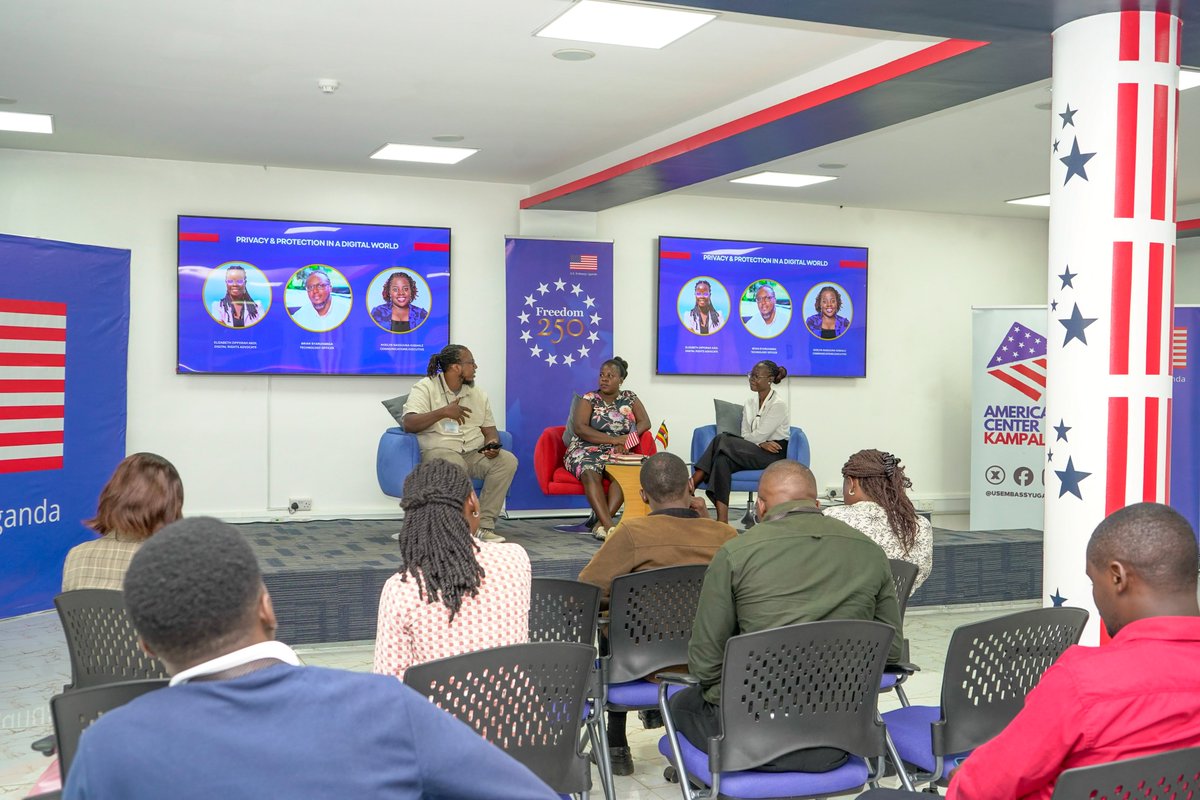
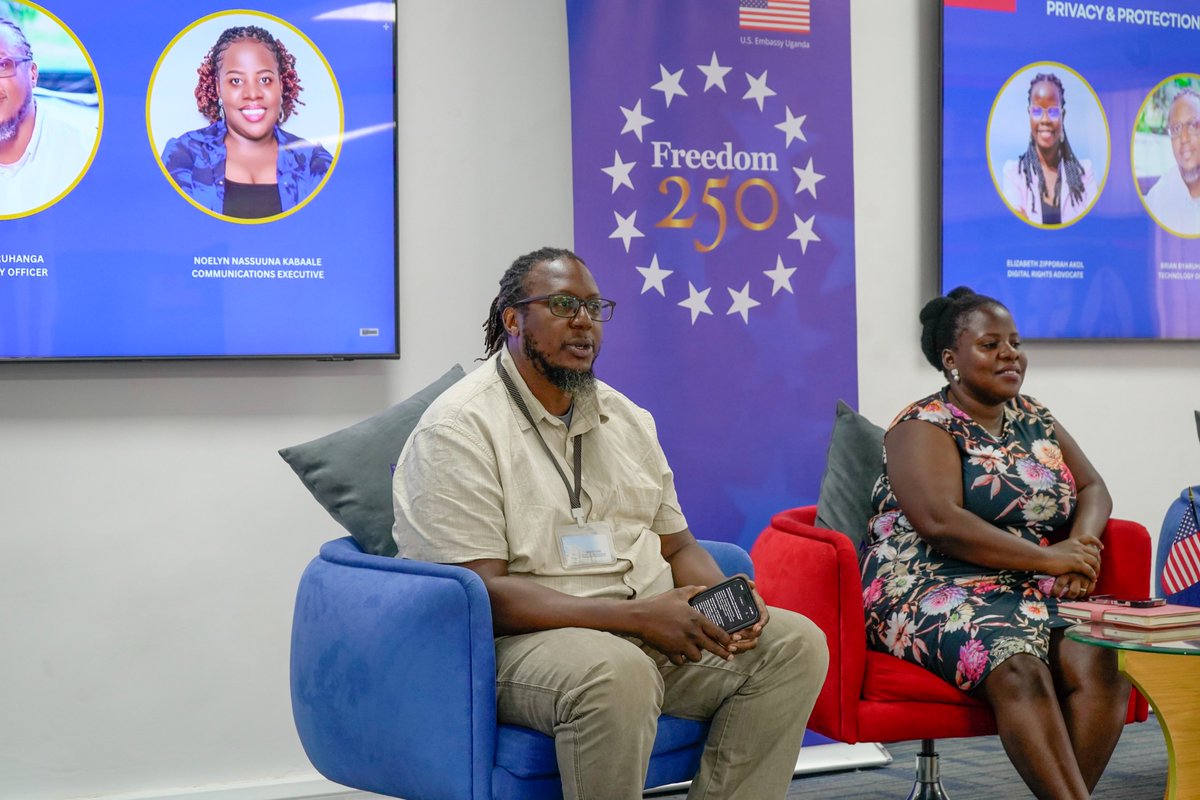
Our Technology Officer, Brian Byaruhanga, joined the PRIVACY & PROTECTION IN A DIGITAL WORLD panel this week, breaking down what we share online (often without knowing), the trade-offs we make for convenience, and the practical steps to take back some control.
From digital hygiene basics to knowing your rights, participants left with real knowledge and practical tools to stay safe online.
#BeeraSharp
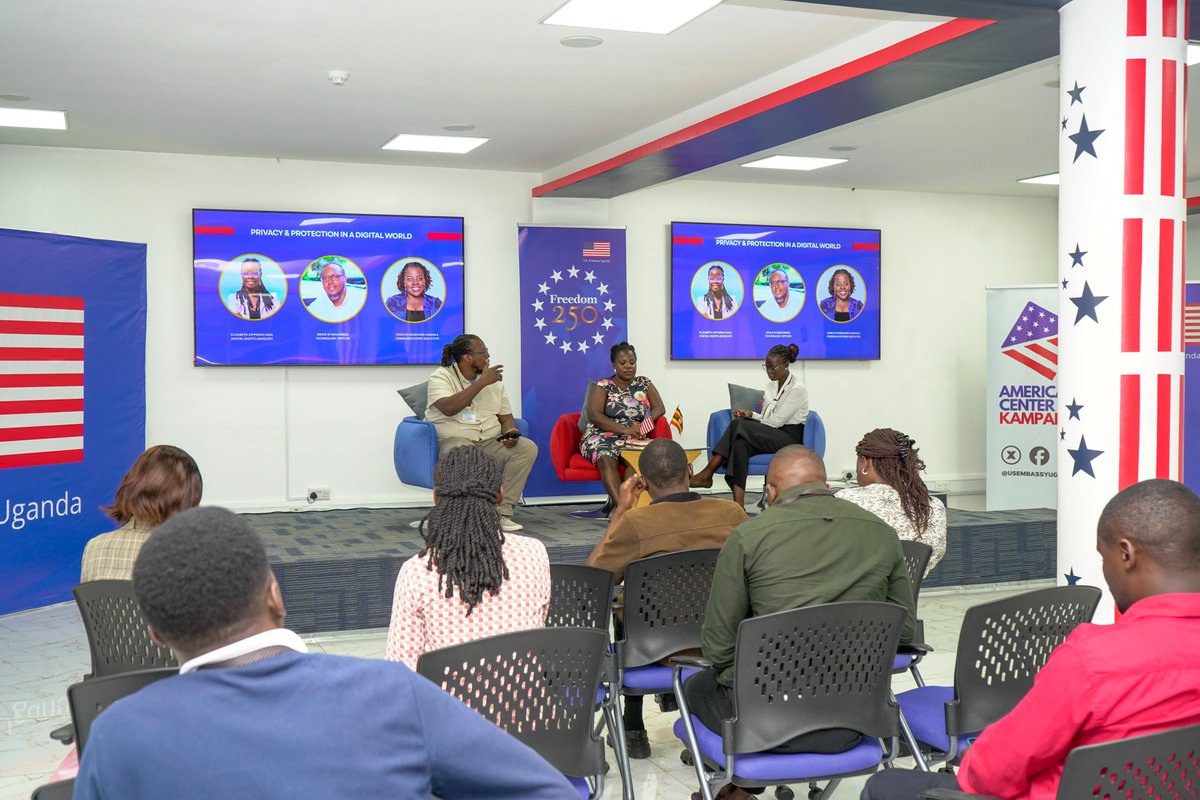
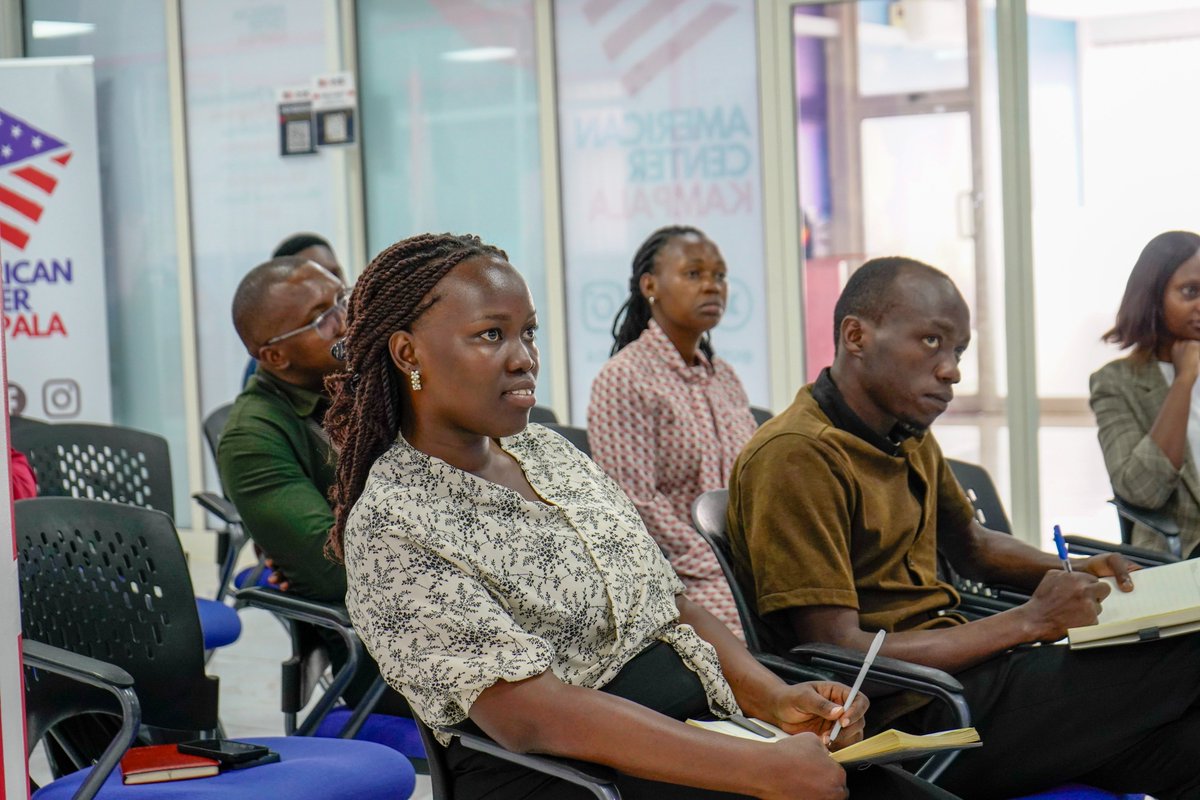

How much of your personal data are you really giving away everyday? Join experts at the American Center Kampala to unpack the true extent of your digital data exposure and explore practical, accessible strategies that you can use to better safeguard your information.
📅Monday, May 18
⏰ 9:00 AM – 12:00 PM
📍 American Center Kampala
Register for the event here: forms.gle/9mVTqAbC66SdbBKYA

5
19
611
Elizabeth Zipporah retweeted

May 18
Your name, phone number, email and location together form a detailed profile. Online platforms collect all of it. Do you know what happens to it?
Watch: youtube.com/playlist?list=PL…
#DataPrivacy #OnlineSafety #NewsInBytes
4
14
4,283
Elizabeth Zipporah retweeted

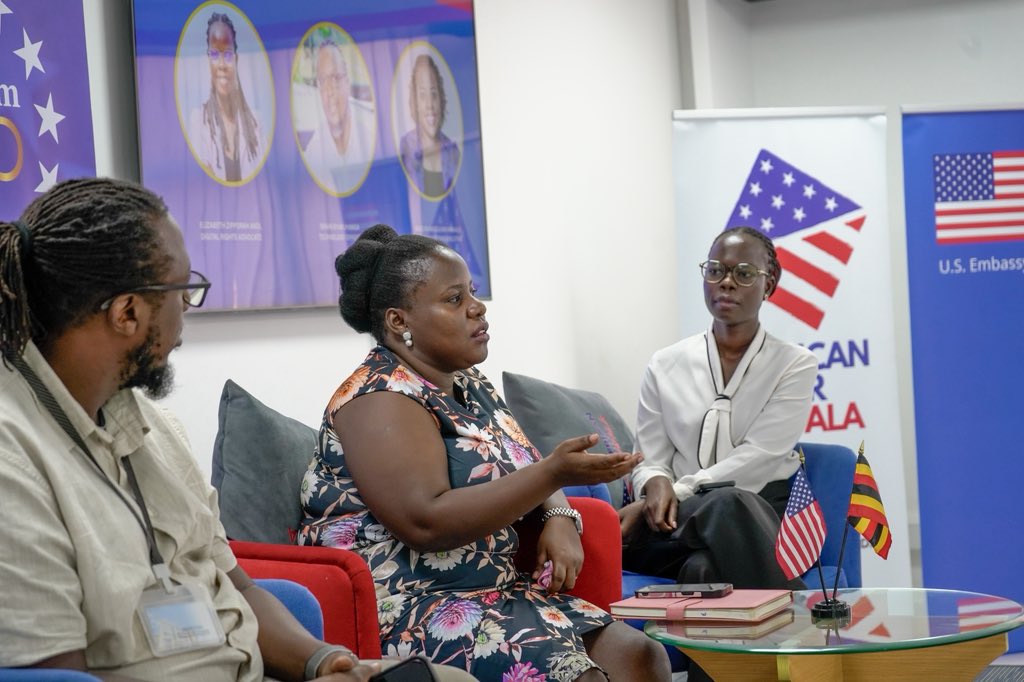
Every click, search, like, pause, and location ping tells a story about us online.
The reality is that data has become one of the most valuable resources in the world today. The question is not whether our data is being collected, it is whether people fully understand how it is being used and who benefits from it.
@Ms_Akol
#DataProtection #Privacy #DigitalWorld
1
5
82
Elizabeth Zipporah retweeted
May 18
VIDEO: The Uganda Communications Commission has raised concerns over increasing abuse of social media among young people, warning that harmful online content and digital misuse threaten children and youth.
@MuhamadiMatovu
#NBSAt430 #NBSUpdates
4
21
4,097
Elizabeth Zipporah retweeted

May 15
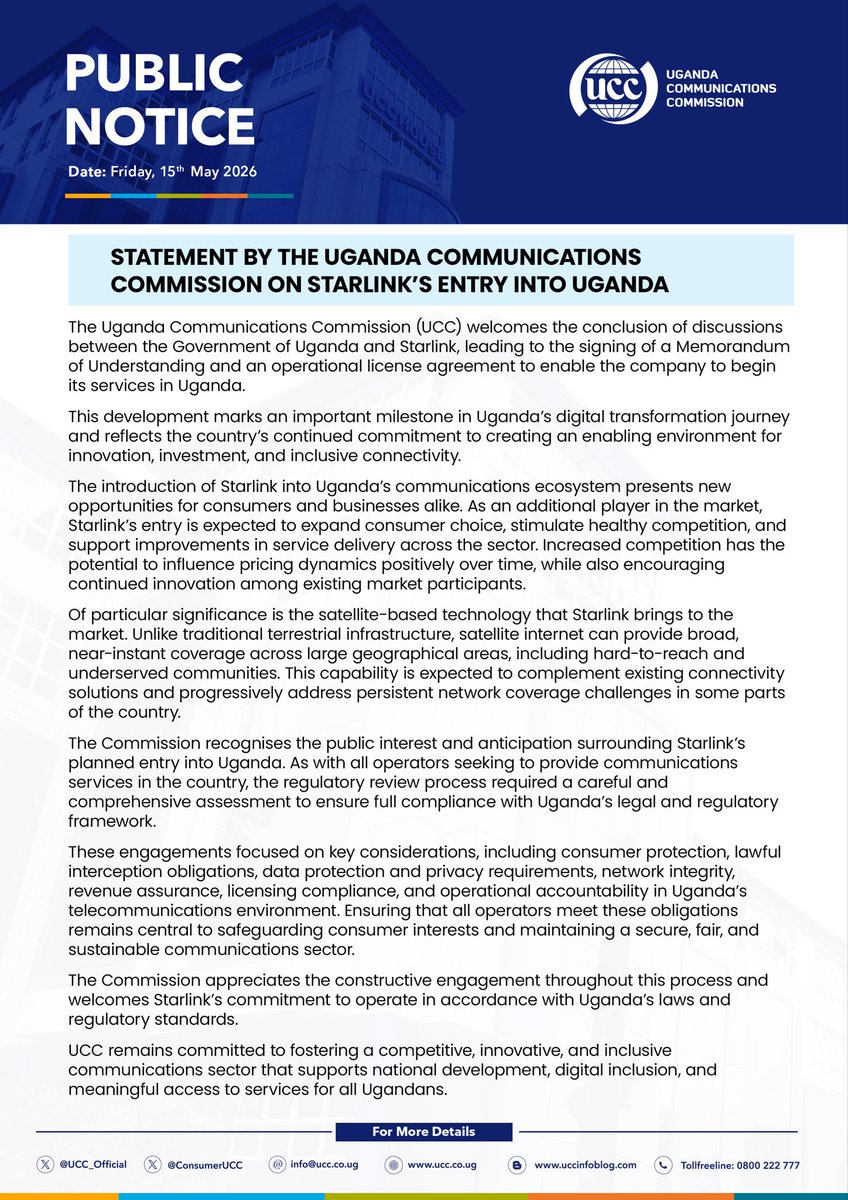
The Uganda Communications Commission (@UCC_Official ) welcomes the conclusion of discussions between the Government of Uganda and Starlink, paving the way for the company’s entry into Uganda’s communications sector.
This milestone reflects Uganda’s continued commitment to innovation, investment, digital inclusion, and improved access to connectivity services across the country, especially for hard-to-reach and underserved communities.
UCC remains committed to ensuring that all operators comply with Uganda’s legal and regulatory framework while fostering a competitive, secure, and consumer-focused communications environment.
#ConnectedUg2030 | #DigitalUganda
@UCC_ED @ConsumerUCC @UgCERT @Bbossa
38
218
531
33,655
Elizabeth Zipporah retweeted

May 15
President @KagutaMuseveni today welcomed @Starlink’s commitment to comply with Uganda’s laws and regulatory requirements as the company prepares to commence operations in the country.
This followed the signing of the Memorandum of Understanding and operational licence agreement between @UCC_Official and Starlink by @UCC_ED and Mr. @ryangoodnight, Senior Director for Market Access and Development at @SpaceX.
Also present were the United States of America Ambassador to Uganda, H.E. William Popp, and the Permanent Secretary at @MoICT_Ug, Dr. @azawedde.
38
220
761
40,542
May 14
One innocent post can reveal more than you think. From location tags to personal details, digital risks happen quietly while we scroll, share & engage online.
Join us on Monday at the #AmericanCentre for a conversation on digital privacy, online protection & safer digital habits
How much of your personal data are you really giving away everyday? Join experts at the American Center Kampala to unpack the true extent of your digital data exposure and explore practical, accessible strategies that you can use to better safeguard your information.
📅Monday, May 18
⏰ 9:00 AM – 12:00 PM
📍 American Center Kampala
Register for the event here: forms.gle/9mVTqAbC66SdbBKYA
1
1
63
Elizabeth Zipporah retweeted

How much of your personal data are you really giving away everyday? Join experts at the American Center Kampala to unpack the true extent of your digital data exposure and explore practical, accessible strategies that you can use to better safeguard your information.
📅Monday, May 18
⏰ 9:00 AM – 12:00 PM
📍 American Center Kampala
Register for the event here: forms.gle/9mVTqAbC66SdbBKYA
4
31
88
6,568