Conflict Resolution|Entrepreneur|Storyteller
Joined April 2009
- Tweets 21,615
- Following 2,092
- Followers 5,160
- Likes 6,484
1,813 Photos and videos
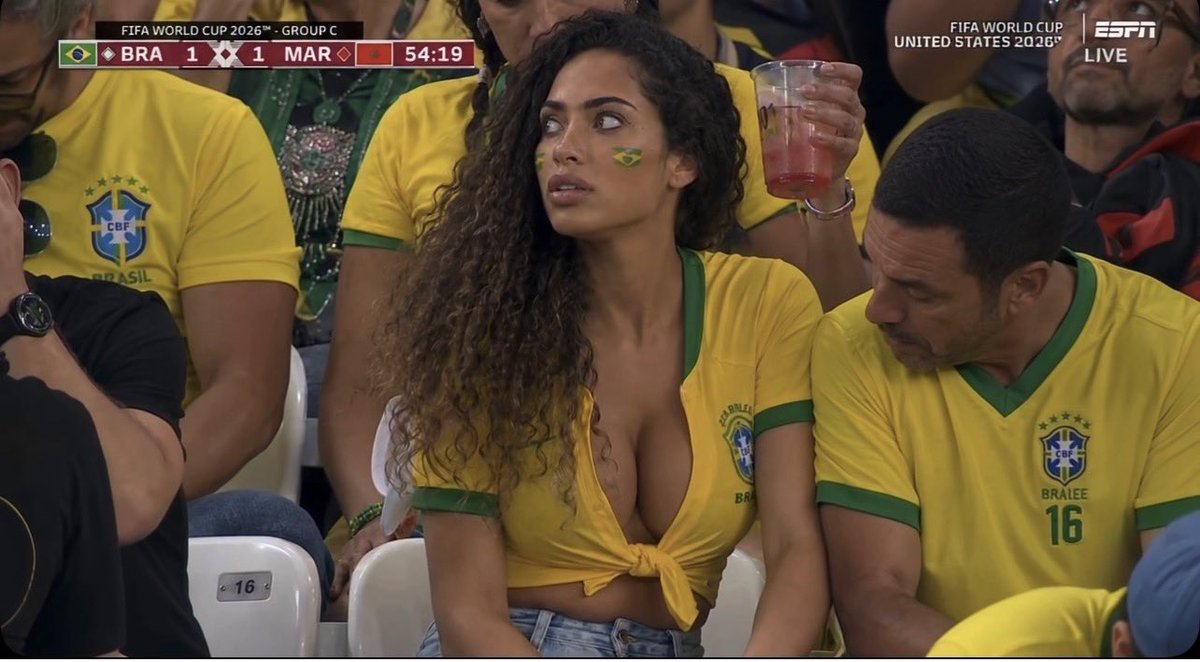


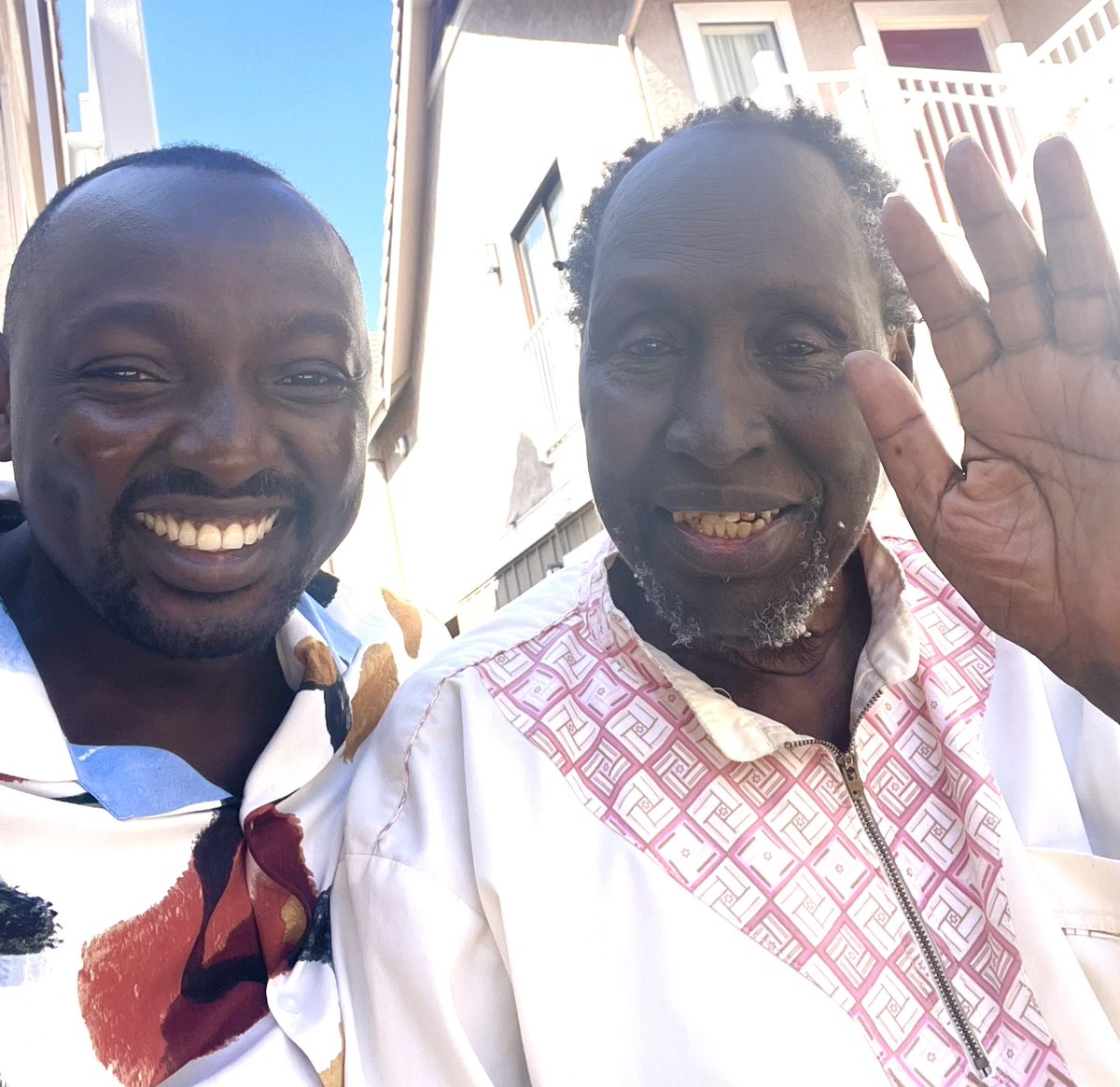
Professor Ngugi wa Thiong’o teaches at UC Irvine in Southern California. He is very sharp, articulate, and his sense of humor is out of this world. Spent time with him on the 13th, and here are my 13 takeaways.
1. He pointed out remarkable attributes of Professor Micere Mugo, portraying her as a combination of beauty, intelligence, and eloquence. She truly encompassed a well-rounded persona. And when she stood on stage to dramatize the play “Trial of Dedan Kimathi,” she was simply marvelous.
2. He laughed at "colonialism embedded in Patriarchy. He explained, for example, how some (married) women hide their given names and adopt foreign names along with their husband's surname. For instance, Eunice W. Mwangi might opt to be known only as Eunice (the colonial name) or Mwangi (the husband's name with patriarchal connotations) and hide Waitherero (W). This act, in a way, reflects a submission to the husband's authority and the traditional role he envisions for women. “Nikiii marakunîkîra rîtwa ithaka” he wondered.
3. He expressed the notion that a society is as great as the prevailing music and religion. Sadly, today’s church is no longer interested in welfare of the masses like “Kanitha wa Karing’a” of yesteryears. We reminisced on good ol’ music, listening to Kamaru and also explored Makibi James' music.
4. He emphasized the universal truth that no matter the extent of one's education, there will always be gaps in knowledge. Even if you hold ten degrees, encountering a broken lock would require seeking help from someone who possesses the necessary skills, often without any formal degrees.
5. His face lit up remembering Professor Micere Mugo. He highlighted her quick thinking, recounting how she declined an offer of about 30 acres of land from Moi. This created an ideological schism between her and her brother in law.
6. He touched on the concept he referred to as "normalizing the abnormality." It's that situation where what is weird in normal circumstances is mainstreamed and considered “woke.” For example, someone transitions from their rural roots (Assume Kîamûtûgû) to Nairobi, secures a job, and as soon as
they don a suit and polish their English, they disconnect from their mother tongue and soon start thinking their grandparents are less knowledgeable because they don’t speak that kind of English. Another example is where less qualified or tainted people are given the mandate to lead, which is actually an abnormality. But we have normalized it.
7. He wondered how in the name of Kaimosi I got the name “Mukurima” in a society that glorifies foreign names. îî weee
8. The professor got some dance moves. I told him we have to go head to head soon. He laughed. I laughed. Man, I have to represent the Njaangai warriors who could move like contortionists.
9. He expressed his admiration for Carey Baraka's recent article in The Guardian. He wants readers, especially men, to prioritize their health and undergo regular check-ups: He appreciated how the article shed light on his prostate cancer, a hidden disease affecting many African men and misattributed to supernatural causes by society. “nîararogiro” people say, yet it’s prostrate cancer doing a number on the body.
10. The professor maintains a stance of not harboring personal hatred or disdain for anyone, including figures like Moi. His strong aversion is directed towards ideologies that dehumanize individuals.
Isitoshe,
12. From Makibi’s lyrics in the song “Ngûhe Kîrîra,” Mîciî nî ndogo..
13. We both share a love for “kamûkimo ka minji”.
May the day break.
127
824
4,011
416,827
MxM retweeted

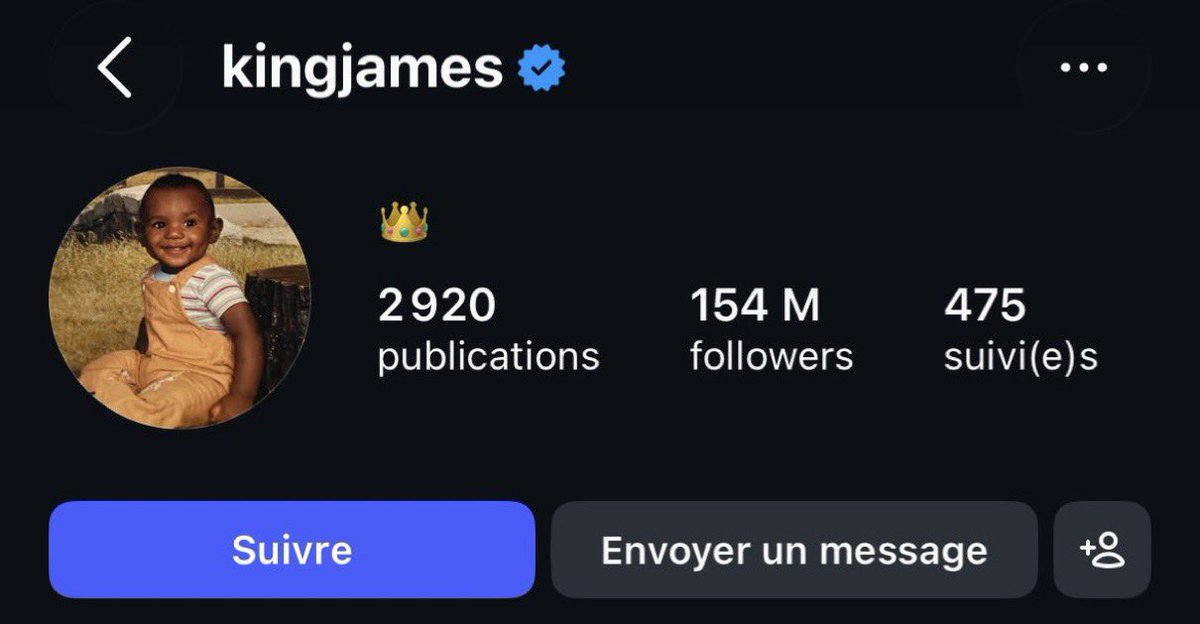
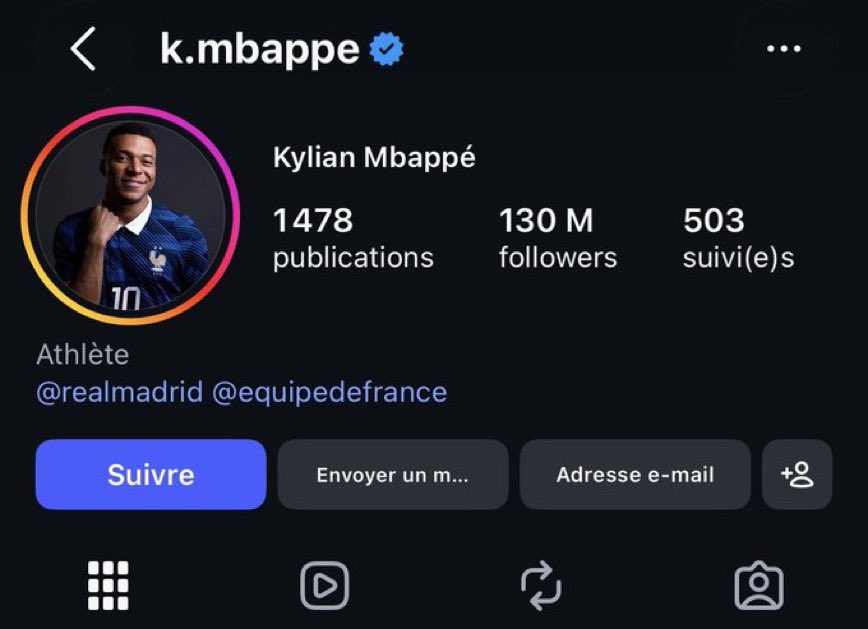
Comparing a 41 year old vs. a 27 year old is crazt.
LeBron is CR7's agemate and 3 years older than Messi.
Compare his popularly vs. CR7s or vs. Messis.

1
2
112
Watching these World Cup games, I am coming to a painful realization: Kenya is not really a sports country.
We participate in sports. We enjoy sports. We talk about sports. But for most of us, sports remain a hobby and a pastime.
Then you come to a World Cup and you encounter countries that breathe sports. Countries where football is woven into family history, national identity, and daily life.
I have never seen a Kenyan break down in tears because Harambee Stars failed to qualify for the World Cup. Heck, I have never seen people openly weep as our national anthem is being played before a match.
Yet here, I have watched grown men cry. I have seen fathers embrace their children as an anthem echoed through a stadium. I have seen strangers sing in unison with tears streaming down their faces because a football team represents something bigger than football.
Maybe that is why sports administration is often treated as a feeding trough back home. Watu tu ni kukula. Deep down, they know there will be little public outrage because sports is not a matter of life and identity for most Kenyans. It is entertainment.
And that brings me to another observation.
What is happening on the ground is very different from what some commentators and pundits predicted.
We were told there would be empty seats. We were told fans would stay away. We were told this World Cup would struggle to capture the imagination of supporters.
The reality could not be more different.
Every game feels like a festival. Stadiums are packed. Airports are buzzing. City streets have become meeting grounds for cultures from every corner of the world. Mexicans, South Africans, Brazilians, Japanese, Argentinians, Moroccans, Americans: everyone sharing songs, food, stories, and laughter.
I have seen Mexicans teaching South Koreans how to down a bottle of tequila.
I have seen Curaçao women embracing Senegalese men.
I have the Dutch showcasing their dances.
I have seen Norwegians turn an escalator into a Viking ship.
I have seen Boston police dancing with Cape Verde fans.
I have seen Scots bringing their culture to Fenway Park, turning a baseball game into a celebration, because right now, all of Boston is breathing Scottish air.
I have seen Ivory Coast and Ecuador fans tailgating together and playing flip cup, never mind the two countries faced each other in a tough group match
And I have seen a Cape Verde goalkeeper’s heroics send his Instagram followers from 45K to 10 million. That is more than Patrick Mahomes-the NFL’s biggest star-has.
What we are witnessing in this World Cup is far more than a football tournament. It is a cultural immersion. It is humanity gathering around a common passion.
And above all, it is people simply having fun.
May the day break.
1
1
46
This is like the Knicks coming back from down 29 to win!
Jun 15

Anyone watching the World Cup right now?!
How the hell is Spain gonna end this game at 0-0!?!?
Unbelievable.
45
You are probably wondering where all the fans cheering for Iran at SoFi Stadium in Los Angeles came from.
Well, Los Angeles is widely regarded as having the largest Iranian community outside Iran.
In fact, some people even call the city “Tehrangeles.”
The Iranian community is affluent, influential, and deeply woven into the fabric of Southern California. Many live in some of the region’s most exclusive neighborhoods, including Beverly Hills, Calabasas, and Westwood
May the day break
1
183
This aged like milk

No disrespect but New Zealand Iran might be one the least enticing sport events ever
77
They have 3 divisions. AI division lost them money, but it’s also the one investors seem keen about
Most investors do not buy the past, they go for what the company will be in future
Jun 15

This company lost $5 billion last year.
What makes it worth $2.5T right now?

1
60
Los Angeles alone has over 700K Iranians. They are affluent and powerful. Some people call LA “Tehrangeles”
Jun 16

Haha they denied Iran tickets but stadium is full of people cheering them haha
1
13
80
4,969
Germany beat Brazil 7-1 in a semi final game
You don’t follow football. And it shows
Jun 14

This Germany Curacao game shows why the expanded World Cup is so embarrassing. Can you imagine a serious team losing 7-1 to Germany before all these new teams were let in?
1
106
MxM retweeted

Jun 15
Yan Diomande just reminded us why he is 2025/26 Bundesliga YPOTY.🧡
1
2
10
367
More than 1 million people in America know that the capital of Cote D’voire is Ouagadougou…
Jun 15

There can’t be more than 11 people in the United States who knew what Côte d'Ivoire was before the World Cup.
1
3
516
Football brings the world together. And the winner is a world champion!

1
4
203
You could have won the Spurs the trophy. Those stretches the team couldn’t buy a basket, I believe you could have found a way to the rim or gotten others involved
Jun 14

Jalen Brunson thank you!!! Don’t run away from “small” guards! You can win with them too. Just gotta believe and give em a real opportunity
2
315
The Knicks snatched their soul
How do you lose double digit leads almost every game!
Jun 14

Yeah, Spurs don’t have it in them anymore. Knicks have them waddling
1
1
925
Fox and Kornet man!
Jun 14

Fox scores but cancels that with fouls and TOs
1
86
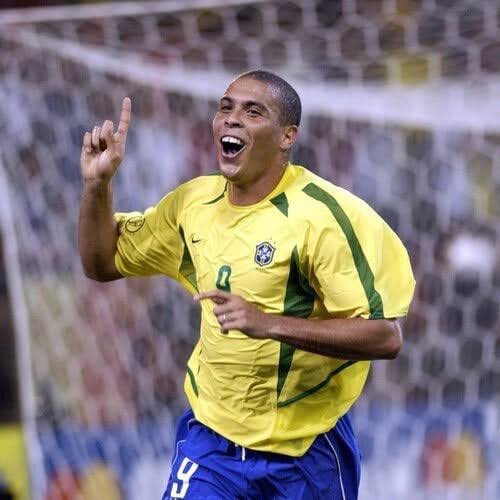
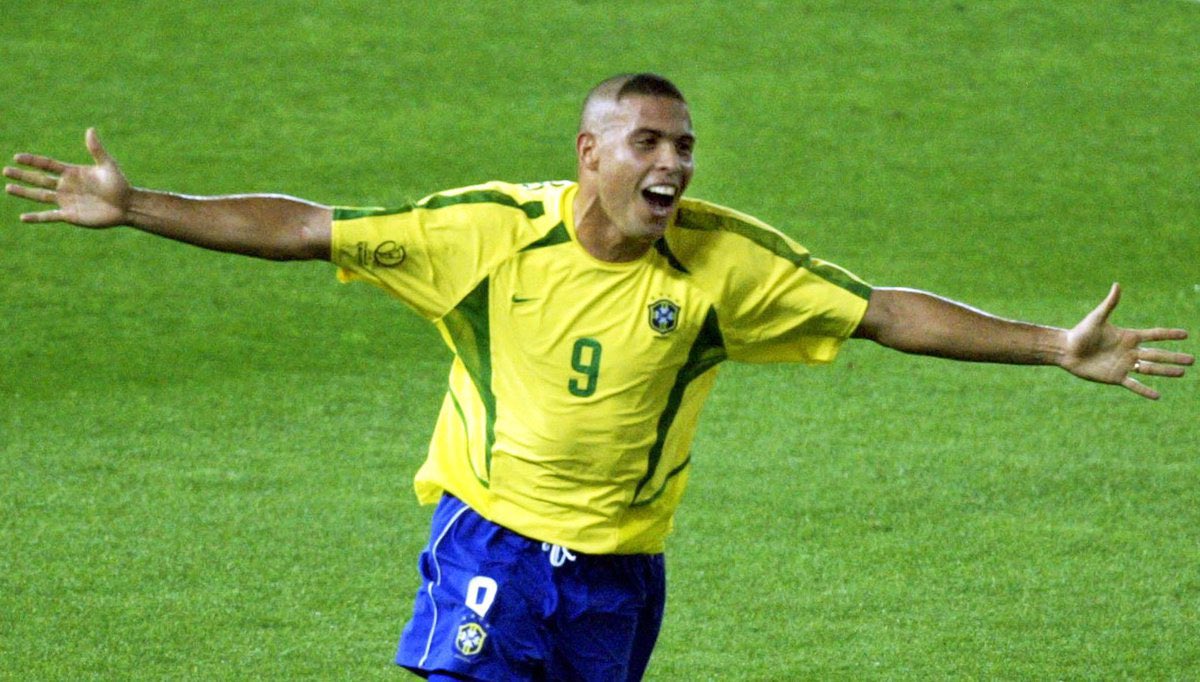
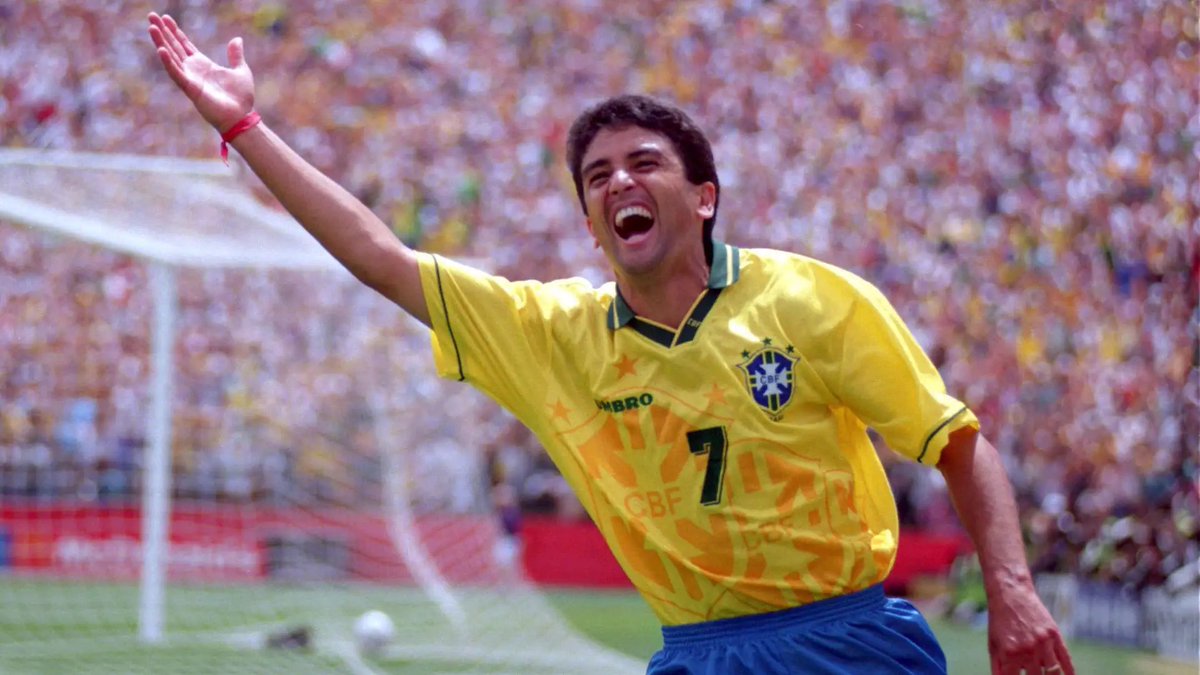
Brazil as we knew it ended the day they stopped producing footballers with names that sounded like characters from a legend.
Back then, Brazil’s most feared players either had a five-letter name or ended with an “o.”
Ronaldo. Romario. Rivaldo. Bebeto. Cafu. Zico. Juninho.
Ronaldinho. Dunga. Rai. Blanco. Robinho. Kaka. Pato
You heard those names and immediately knew someone was about to get dribbled into another dimension.
Today, Brazil lines up with Douglas, Gabriel, Bruno, Lucas and Matheus.😩😩
Nothing wrong with those names. They are fine footballers too.
But where is the magic? Where is the mystery? Where is that skinny kid from a beach in Rio who only needs one name because the whole world already knows who he is?
Brazil was different when its footballers sounded like artists, poets and street magicians. They played as though the ball owed them money.
Go back to your roots, Brazil.
May the day break.
#brasil
1
4
2
762
The extender!
Jun 13

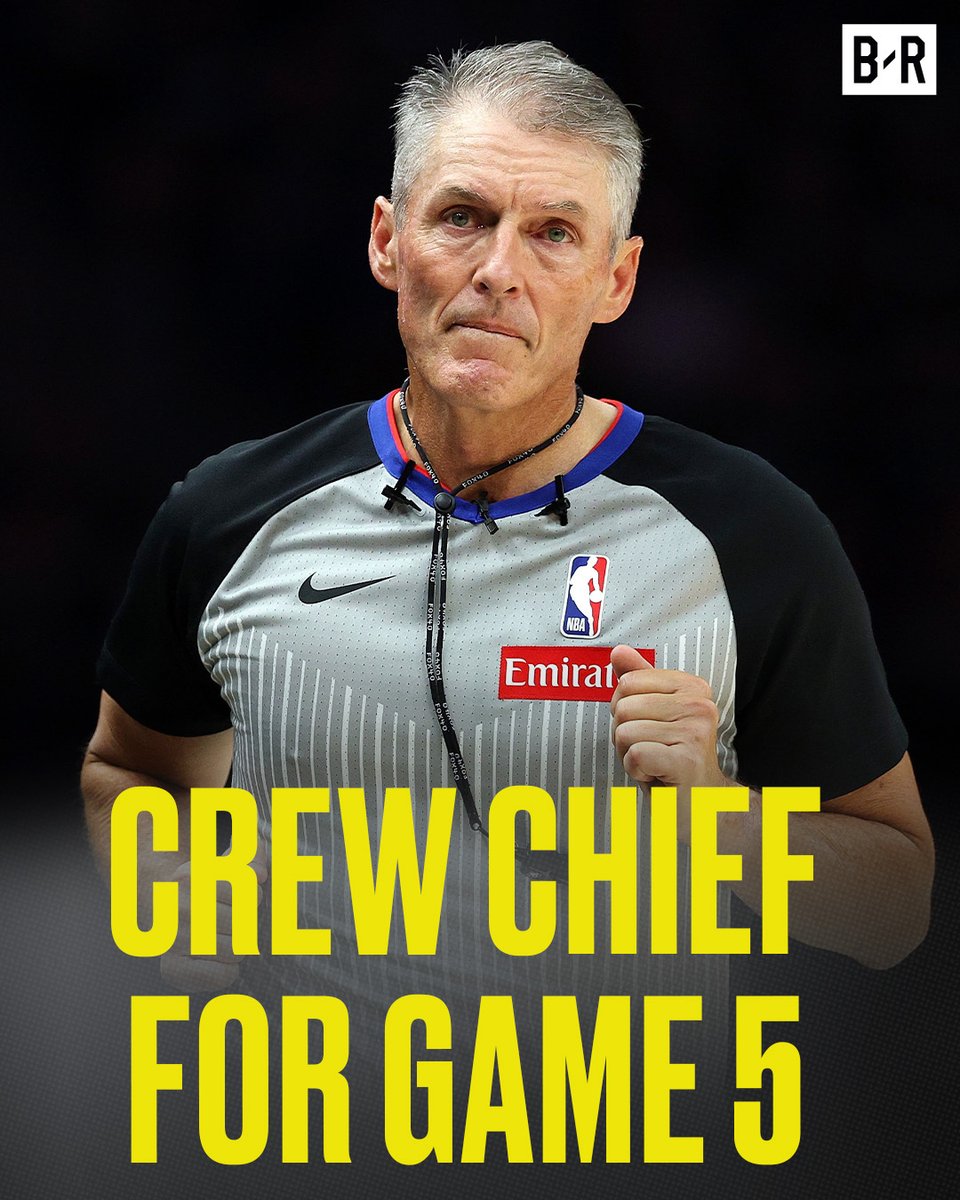
Scott Foster has been named crew chief for Knicks' potential NBA Finals clincher vs. Spurs in Game 5 👀
28