
Inspiring a lifelong love of science in everyone - in museums, classrooms and online. We believe in a world where science belongs to everyone.
Joined April 2009
- Tweets 15,438
- Following 1,823
- Followers 51,886
- Likes 7,851
5,658 Photos and videos
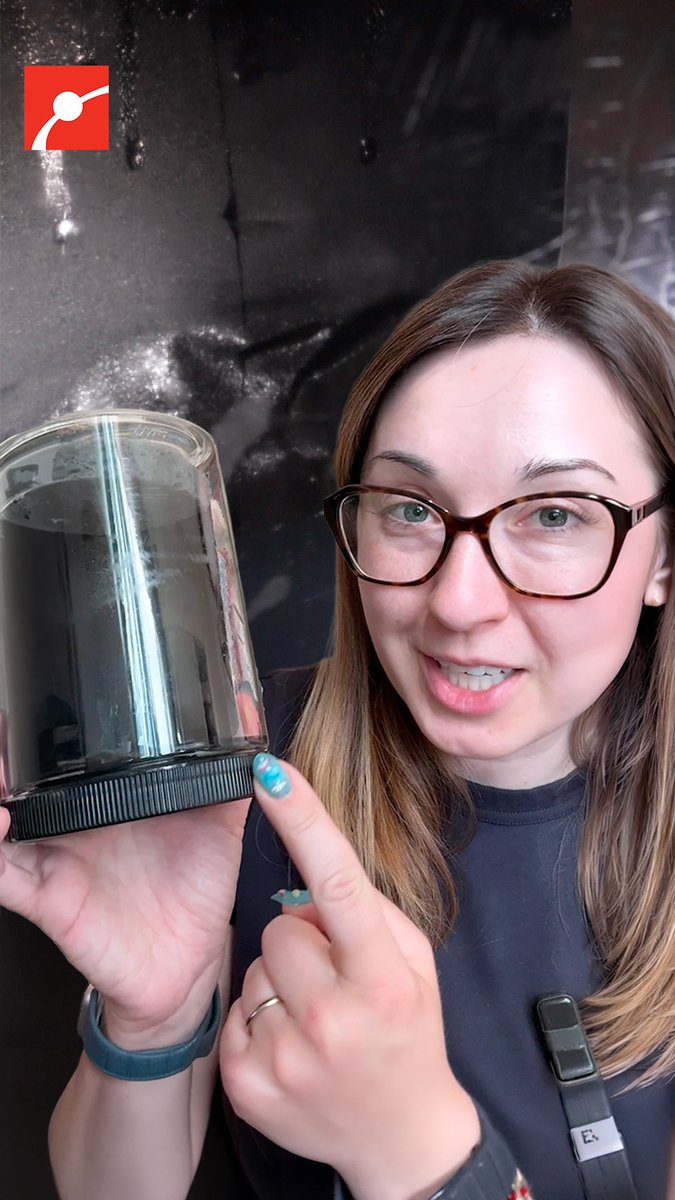
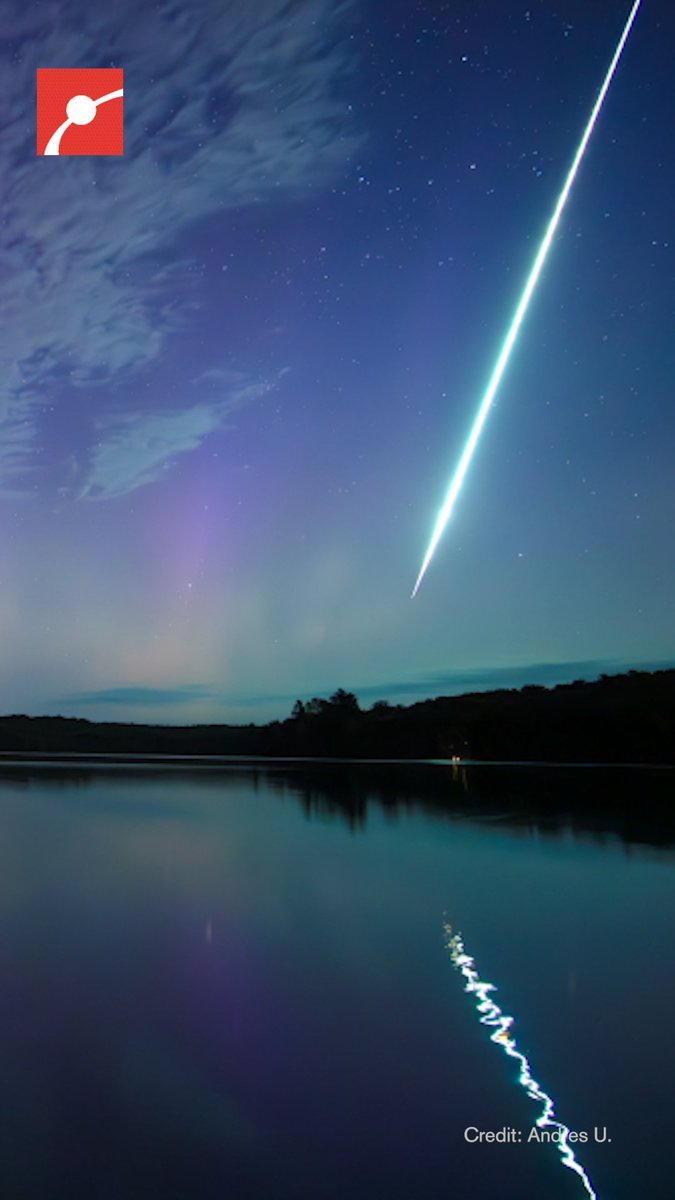

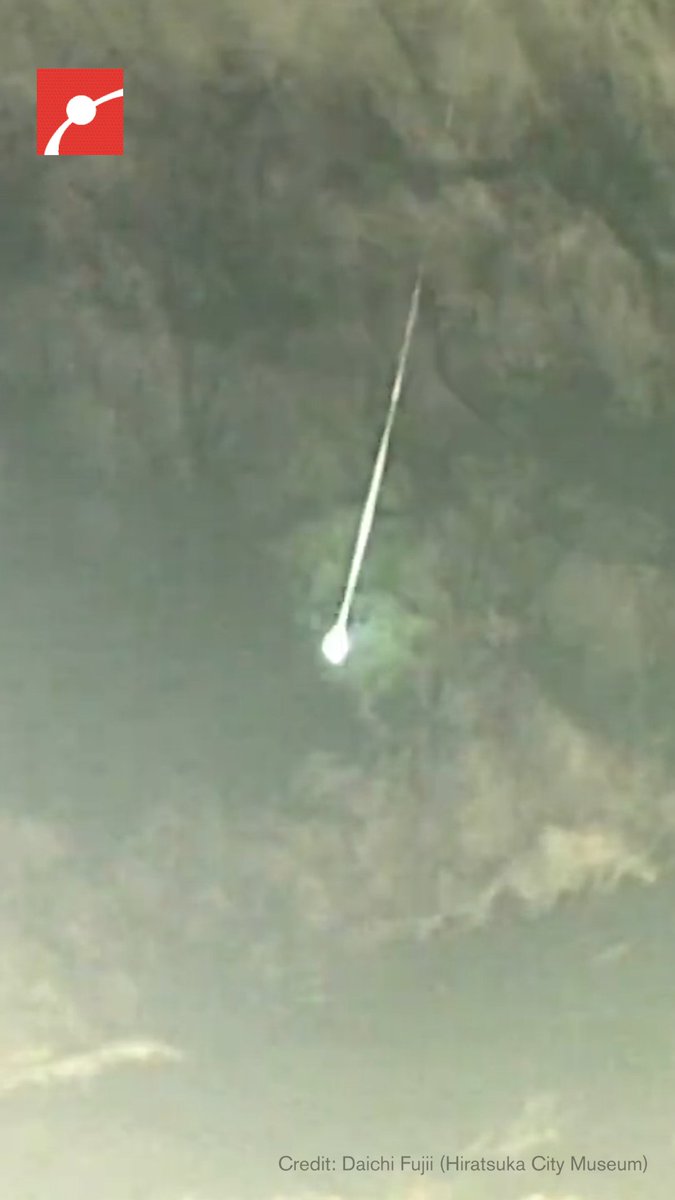


You are constantly bombarded with invisible cosmic rays. An upcycled jar can make them visible!
@AlexDainis shows us how with this science experiment! The streaks you see are tracks of cosmic rays and charged particles passing through isopropyl alcohol mist. To see the best results, put your container in a dark area. The big negatively charged muons will leave large tracks, while electrons and positrons leave tiny curly ones!
7
16
1,246
Crying over onions hits different when you know what's inside 🧅🔬
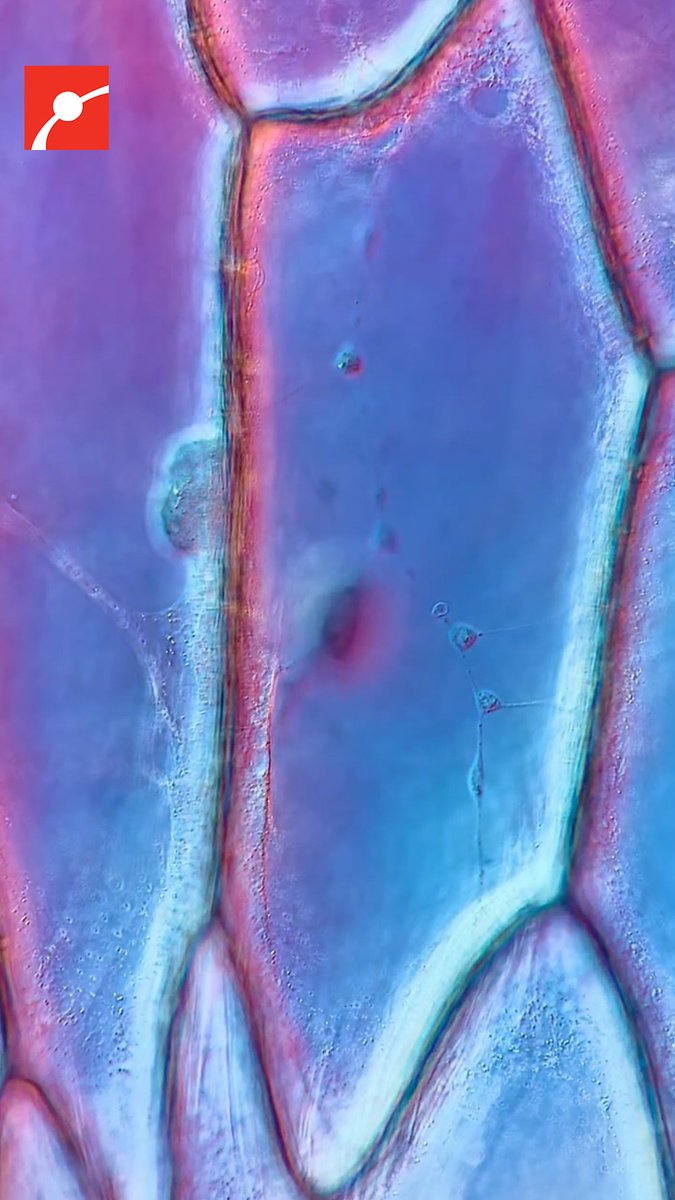
Our friend Chloe Savard, known as tardibabe on Instagram, takes us into the inner skin of an onion, peeled down to a single cell layer, so thin that light passes straight through it. That's what makes it perfect for microscopy.
Those glowing borders are rigid cell walls, and the specks drifting inside are organelles working around the clock. The giant, clear space that fills most of each cell is the vacuole; onion cells have enormous ones. It stores water, nutrients, and waste, and it's basically what gives an onion its crunch.
That little oval structure you can spot floating inside a cell? That's the nucleus, the control room, holding all the DNA. The tiny dot within it is the nucleolus, which builds the ribosomes that make every protein in the cell. The purple glow comes from polarized light, which turns a transparent sliver of onion into something that looks like stained glass.
Life is everywhere. Even on your cutting board.
#science #microscope #microscopy #microscopicworld #biology
1
1
3
713
Sources
Alberts, Bruce, et al. Molecular Biology of the Cell. 6th ed., Garland Science, 2014.
.
Reece, Jane B., et al. Campbell Biology. 11th ed., Pearson, 2017.
.
Taiz, Lincoln, et al. Plant Physiology and Development. 6th ed., Sinauer Associates, 2015.
176
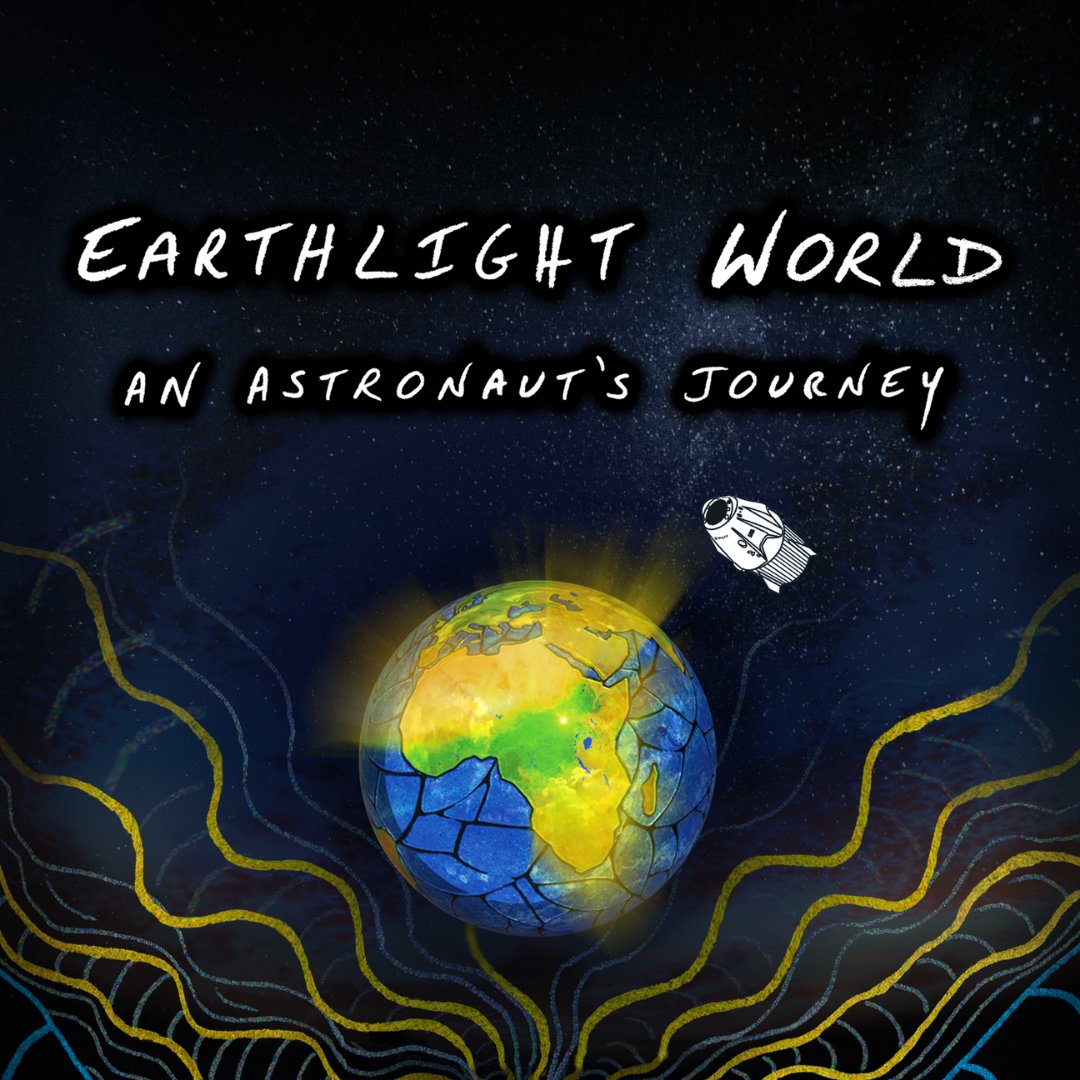
On June 13, join astronauts Sian Proctor, Cady Coleman and celebrated author Frank White for the world premiere day of our newest Planetarium show Earthlight World: An Astronaut's Journey.
Get tickets: bit.ly/4uvfnSk
3
194
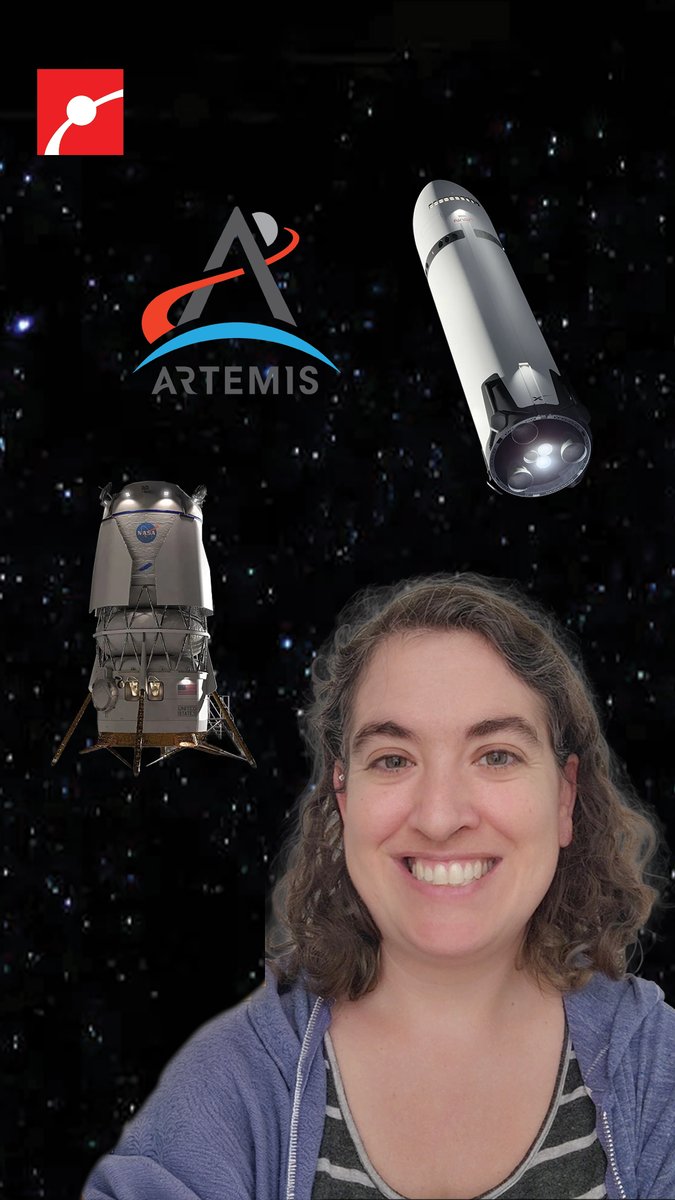
Artemis III is @NASA’s most ambitious mission yet. 🚀🌕
@NASA just revealed a major update to the Artemis III mission. Instead of choosing between @SpaceX’s Starship and @blueorigin’s Blue Moon Mark 2 lunar landers, NASA plans to test both. The mission will feature three launches, multiple dockings with the Orion spacecraft, and two weeks of orbital operations and Earth science research.
If all goes according to plan, Artemis III could redefine the future of human space exploration when it launches in 2027.
#NASA #ArtemisIII #BlueOrigin #SpaceX #Space
3
11
942
What was the key to understanding electricity? 🪁🔑
On June 10, 1752, Benjamin Franklin conducted his famous kite experiment. He flew a kite with a key affixed to it near an oncoming storm, which induced a charge on the wet kite string. This revolutionary experiment showed that lightning was a form of electricity!
1
3
337
Jun 9
The Arietids peak on June 10! 🌠
This meteor shower lasts from May 29 until June 17, and is famously most visible during the daytime. For the best viewing conditions, head far away from city lights around an hour before sunrise. If you’re lucky, you could see an earthgrazer or even up to 200 meteors an hour!
1
5
372
Jun 8
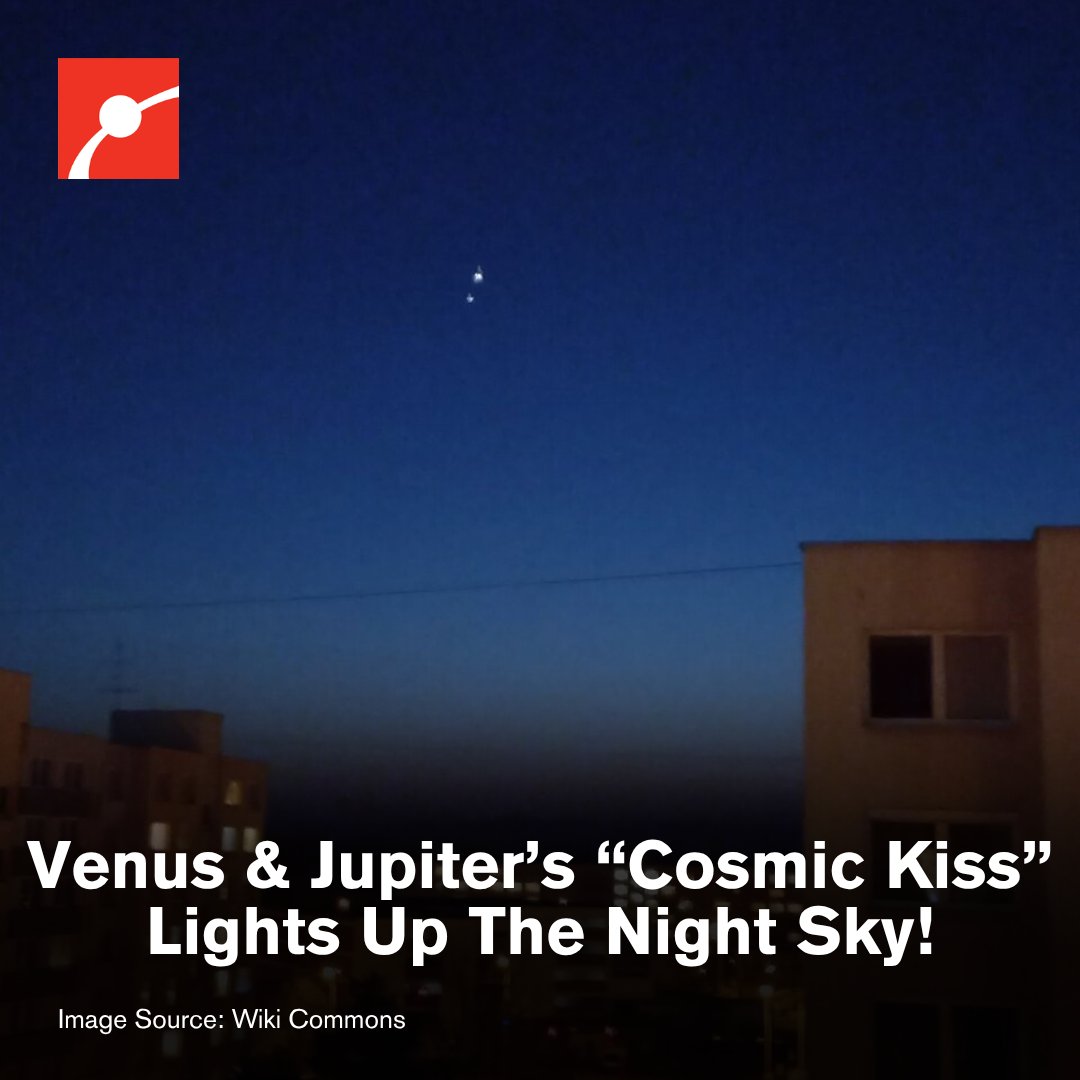
A planetary duo is visible in the night sky right now! 🪐
Venus and Jupiter are appearing close together in the western sky tonight, June 8, going into tomorrow, June 9. Two of our Solar System's brightest planets will look like neighboring stars, and this is the closest they'll appear in the Northern Hemisphere until 2028!
To catch this celestial event, step outside 45 minutes after sunset, face west/northwest, and look low on the horizon. Venus sits to the right, Jupiter to the left. Make sure you have a clear view to the west, trees or buildings can block the pair since they sit low in the sky.
Did you catch a glimpse? Share your photos below!
1
1
4
267