
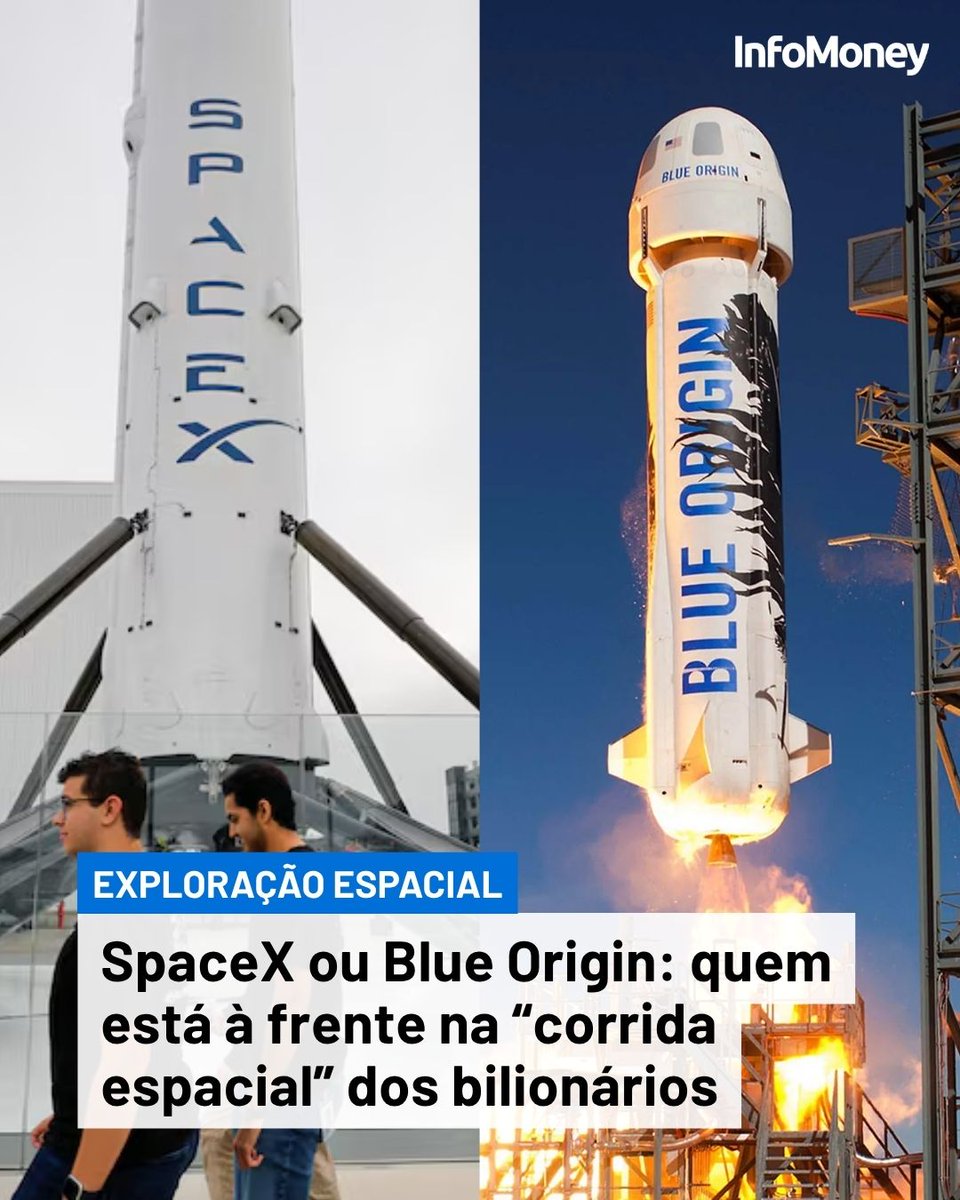
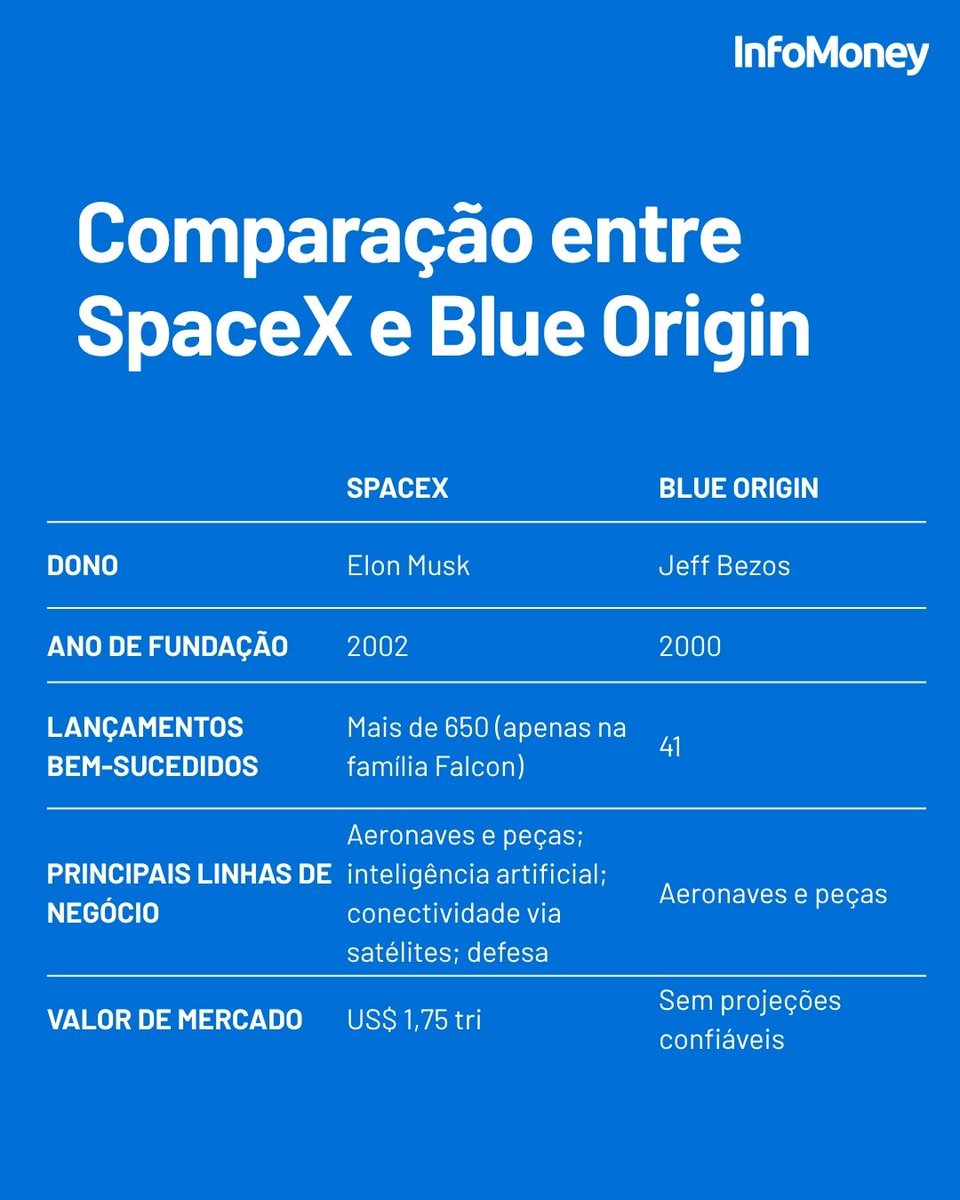
Com IPO, SpaceX espera valuation de US$ 1,75 trilhão enquanto Blue Origin tem avaliação de mercado nebulosa
Leia mais no site do InfoMoney: infomoney.com.br/business/sp…
Foto: Mike Blake/Reuters e Divulgação/BlueOrigins
#BlueOrigin #SpaceX #ElonMusk #JeffBezos
1
41

Naja es ist Elon. Davonn kann man halten, was man möchte.
Den letzten Live-Stream der #NASA zum Thema Mond und Besiedlung mit SpaceX und BlueOrigin fand ich dazu schon wichtig.
Ein Freund von mir hat nur 1e Aktie bekommen.
1
2
16


When @blueorigin is your side chick you know life is golden.
@SpaceX you were always so good in space
#ToMars
2

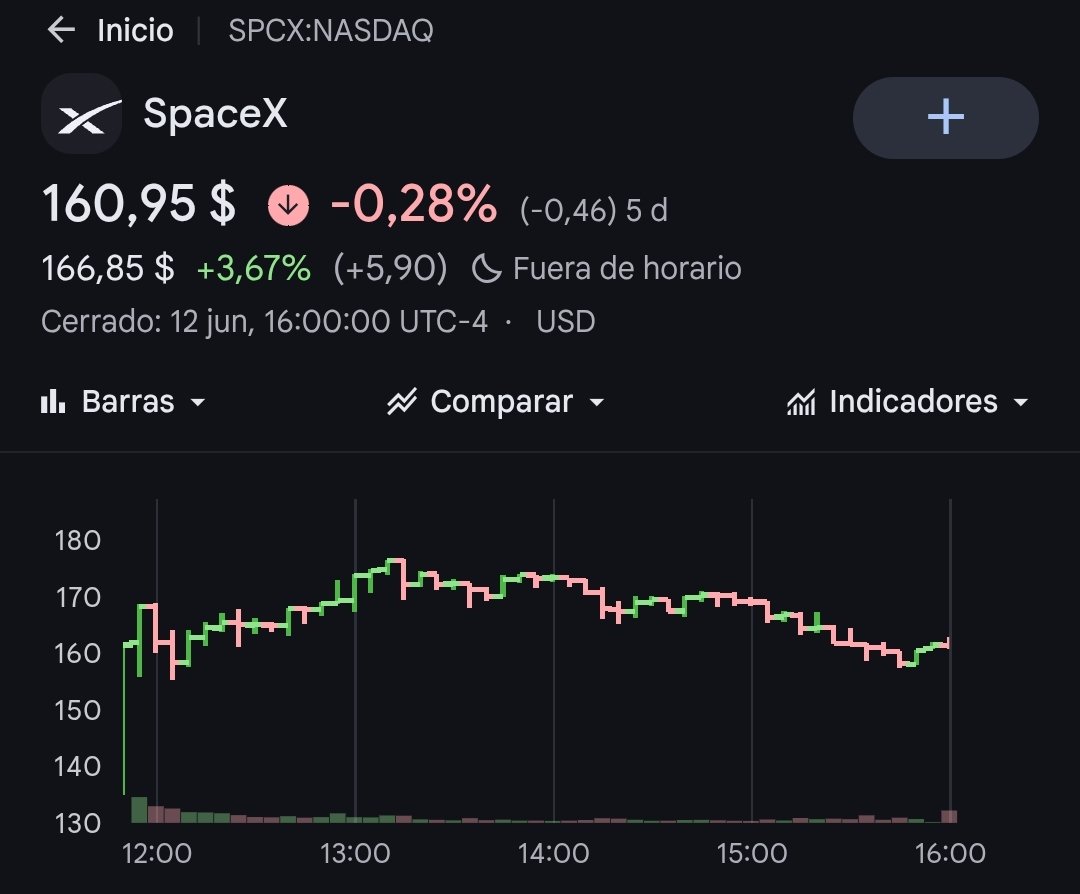
Que pasaría con las acciones de space x si de un momento a otro, toda la tecnología en la cual han invertido años se queda obsoleta de golpe?
Va quedando poco tiempo...
@SpaceX
@elonmusk
@blueorigin
16
savvvi retweeted

20 Jul 2021
Picture perfect landing in the West Texas desert! #NSFirstHumanFlight
750
2,468
32,855


307 new roles opened today across @anduriltech, @blueorigin, @inversionspace, @shieldaitech, @anthropicai, and 92 more.
buildlist.xyz/jobs
5/5
2
Rumpel Goldstein retweeted

The Awakening Has Begun.🎺
@BigelowInst
@GarryPNolan
@StuartHameroff
@BobMcGwier_N4H
@BrandonFugal
@JackSarfatti
@chrisbledsoeufo
@elonmusk
@JeffBezos
@SpaceX
@blueorigin
@NASA
#Earth #Mars #physics

1
1
2
2,320

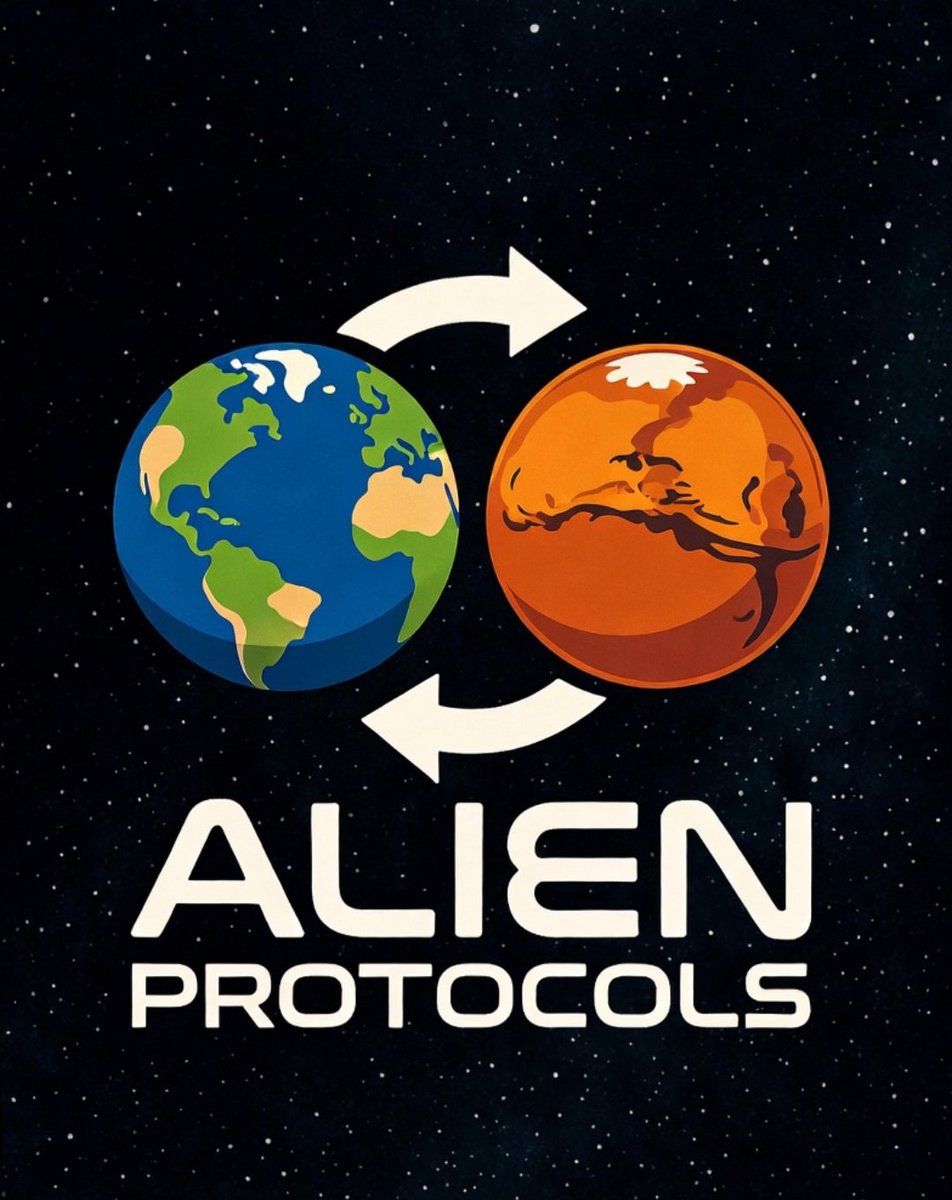
Mars was an Earth.
Earth will be a Mars.
All solar systems have dynamic evolutionary processes. The accretion of suns and planets convect metals within their cores, spawning impermanent magnetospheres.
@elonmusk
@JeffBezos
@SpaceX
@blueorigin
@NASA
#Earth #Mars
#physics
2
1
2
100

Artemis 3 was delayed slightly because the mission relies heavily on SpaceX and BlueOrigin scheduling and technology.
Nothing at all to do with DOGE anything. Did DOGE cuts make you stub your toe as well?
10


בפרט עתה. כאשר בלו התפוצצה וסרגל זמנים שלה נדחה בשנתיים לכל הפחות, ספייס תתפוס עוד נתח שוק. בפרט בתחום התעופה. ששם כאשר אתה מקבע את הטכנולוגיה המישור וכו (יקרה להפליא) זו כנראה תהיה חתונה קתולית
( כל מטוס ממוצע 100 אלף דולר, כמדומני)
16

You don't appear to have any background to understand the facts, but @SpaceX manages to do what NASA and the enormous legacy space contractors cannot achieve - cost-effective space payload launches.
You need to consider how much SpaceX will save the American taxpayers, versus letting DEI-addled NASA and bloated contractors doing the same work.
And what @elonmusk has achieved is not trivial. Just look at @blueorigin for instance. They will likely succeed too, but it is an extremely difficult business.
4
Daniel retweeted
Jun 11
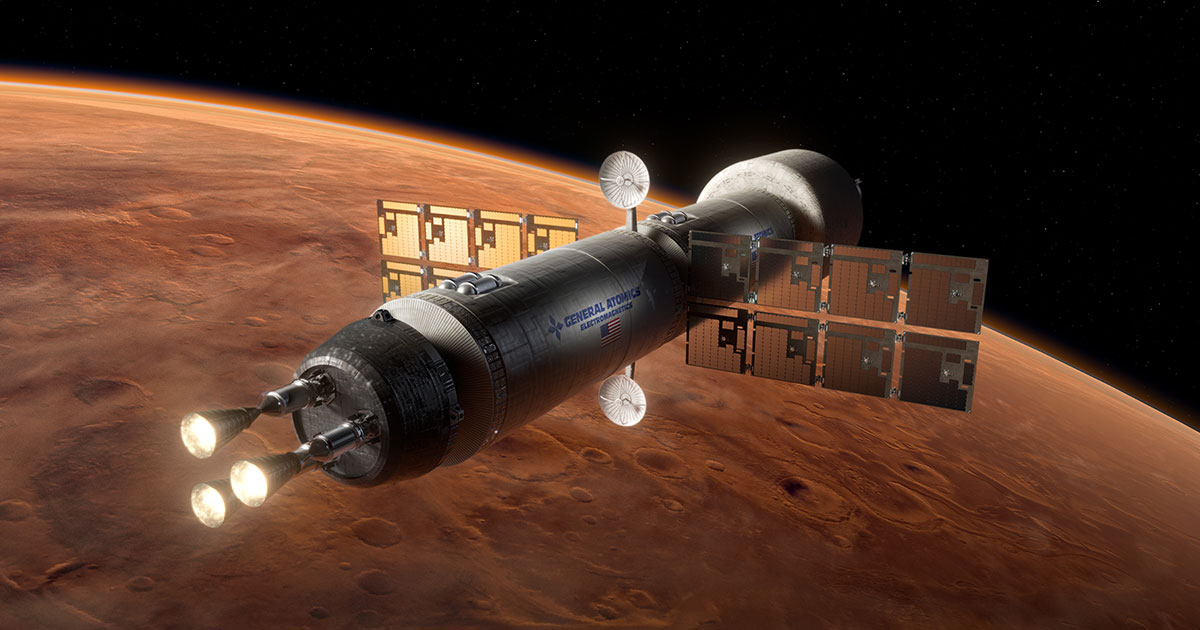
Coming soon... Blue’s Chief Scientist Steve Squyres joins the Ascending Node podcast to discuss Blue Ring, the spacecraft that's redefining what's possible for in-space mobility. All-in-one hybrid propulsion, unmatched versatility, and mission-changing innovation.
15
72
386
80,059

16h
Recap:
Tugs will enable 50% more landed mass on the lunar surface compared to sending lunar landers directly on a Trans-Lunar Injection (TLI) trajectory. The general concept is straightforward: a tug and lunar lander are launched together as a stack into Low Earth Orbit (LEO). The current Falcon Heavy limit in partially expendable mode is 57 metric tons (MT), and landed lunar mass scales directly with LEO launch capacity.
Once in orbit, the tug performs TLI and Lunar Orbit Insertion (LOI). After separation, the lander remains in a circular Low Lunar Orbit (LLO) until it is commanded to descend, while the tug executes a Trans-Earth Injection (TEI) and uses aerobraking to reenter LEO.
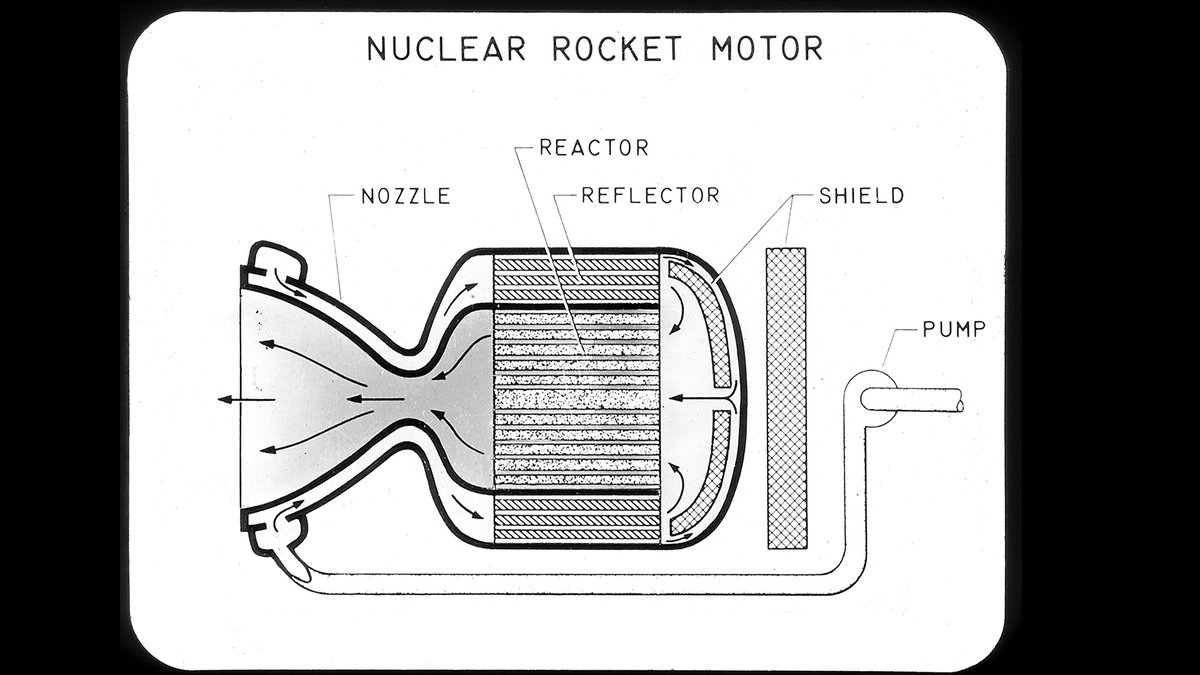
I also have concepts for a reusable heat shield that would allow the same tug to make multiple round trips between LEO and LLO. This architecture would require on-orbit refueling with liquid hydrogen (LH₂) and a Nuclear Thermal Propulsion (NTP) engine on the tug. I assumed an Isp of 800 s for the tug and 350 s for the lander. All of the required technologies either already exist or are just over the horizon.
Overall, tugs would dramatically accelerate the buildout of lunar infrastructure compared to traditional approaches.
Background:
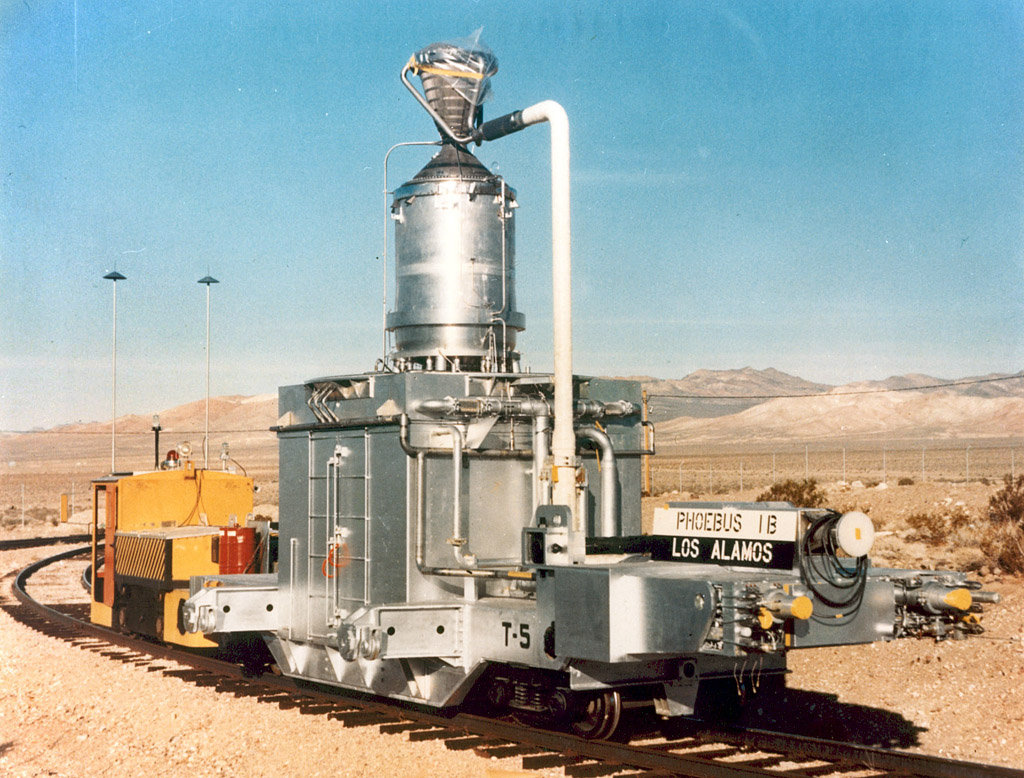
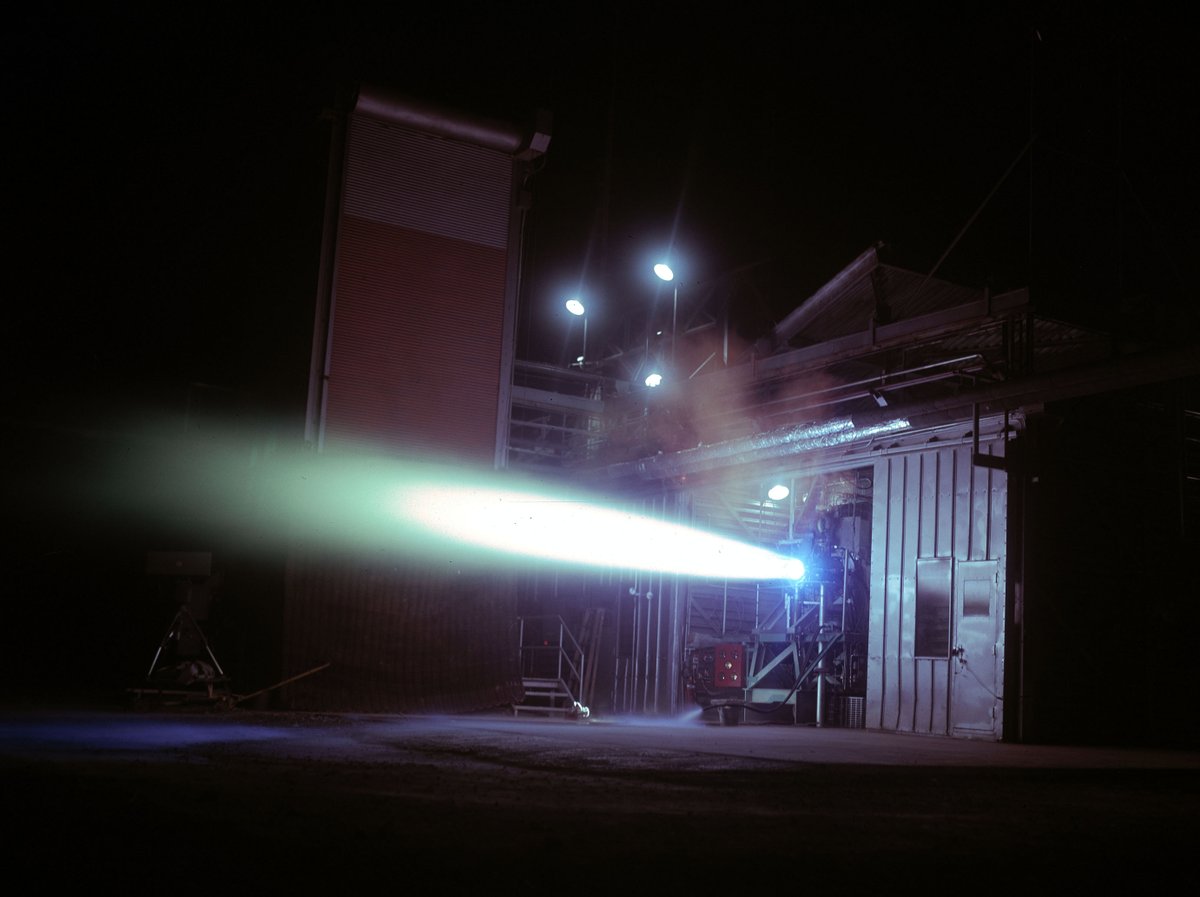
Before Nixon's OMB killed the program in January 1973, @NASA had a nuclear rocket engine research program at Plum Brook Station (PBS) in Sandusky, OH. Their hot-fire test facility was located at the Nuclear Rocket Development Station (NRDS) in Jackass Flats, NV. They learned a lot about nuclear rocket propulsion from 1961 to 1972. They had fires and explosions along the way but managed to build several different engines. These included the Kiwi, Phoebus, and NERVA variants. The best one they produced, IMO, was the NERVA XE. It had an Isp of 811 s, a maximum thrust of 75,000 lbf, and a best thrust-to-weight ratio (TWR) of about four. Project Timberwind / SNTP (Space Nuclear Thermal Propulsion) developed in late 80's and early 90's under the SDI promised a TWR of around thirty. The most recent design, by @DARPA program Demonstration Rocket for Agile Cislunar Operations (DRACO 2020-2025) was just recently cancelled. The TWR for DRACO was much lower than previous designs because they used a significantly lower enrichment of the U235. They improved the materials science but shot themselves in the foot by switching from HEU to LEU. The earlier programs had used HEU and were showing real progress over time.
We gave up too soon on NTP in favor of NEP. NEP just does not have the thrust we need for deep space exploration and colonization!
🇺🇸 🚀 🦾
@NASAAdmin
@CrainTim
@Jason_Lil_Kim
@astrobotic
@blueorigin
@SpaceX
2
87

500 seconds then out of fuel, Chemical Rockets
Combustion alone, a dead end, Toyota HSD PHEV
Mix piston Atkinson cycle in PSD w/ 2 motor generators
Rockets @SpaceX @BlueOrigin need fusion power FRC pulse magnetic direct energy capture for ION drive with ISP of 10K or more
1
1
20