I debunk false claims pertaining to history, religion, and politics. I set the narrative right, and turn the tables when needed. Did I mention my poetry?
Joined April 2025
- Tweets 6,916
- Following 48
- Followers 256
- Likes 230
2,296 Photos and videos


Pinned Tweet

No, Mike you can't away with calling me dishonest and claiming that I got things wrong in my OP. You will have to respond.
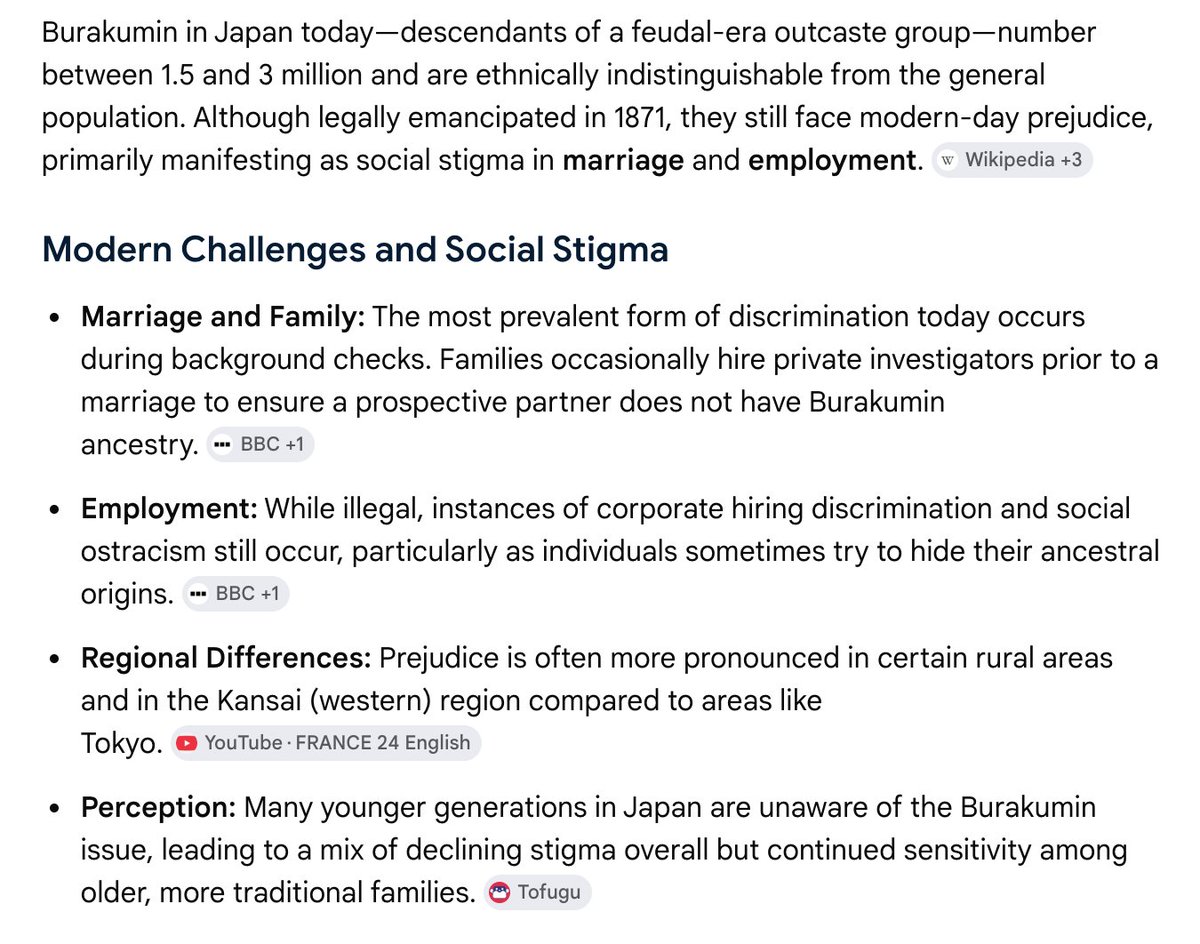
Here's my OP (SS1). Let's take my claims one by one, shall we?
1/3
1. Who denounced Copernicus's work after his death?
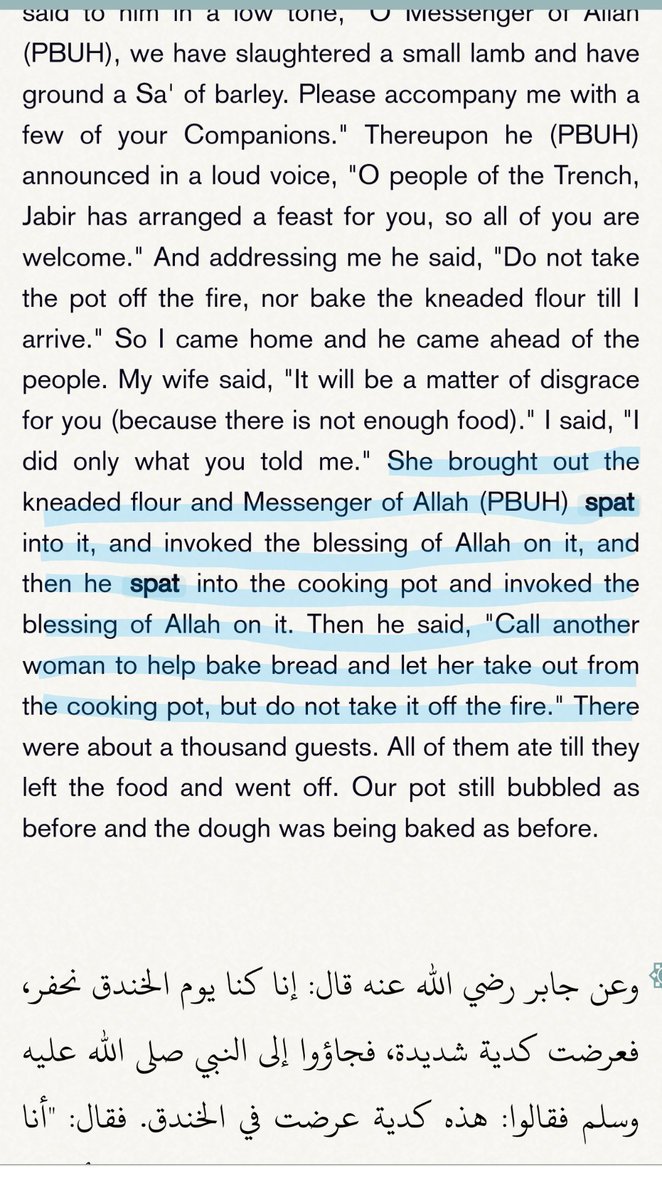
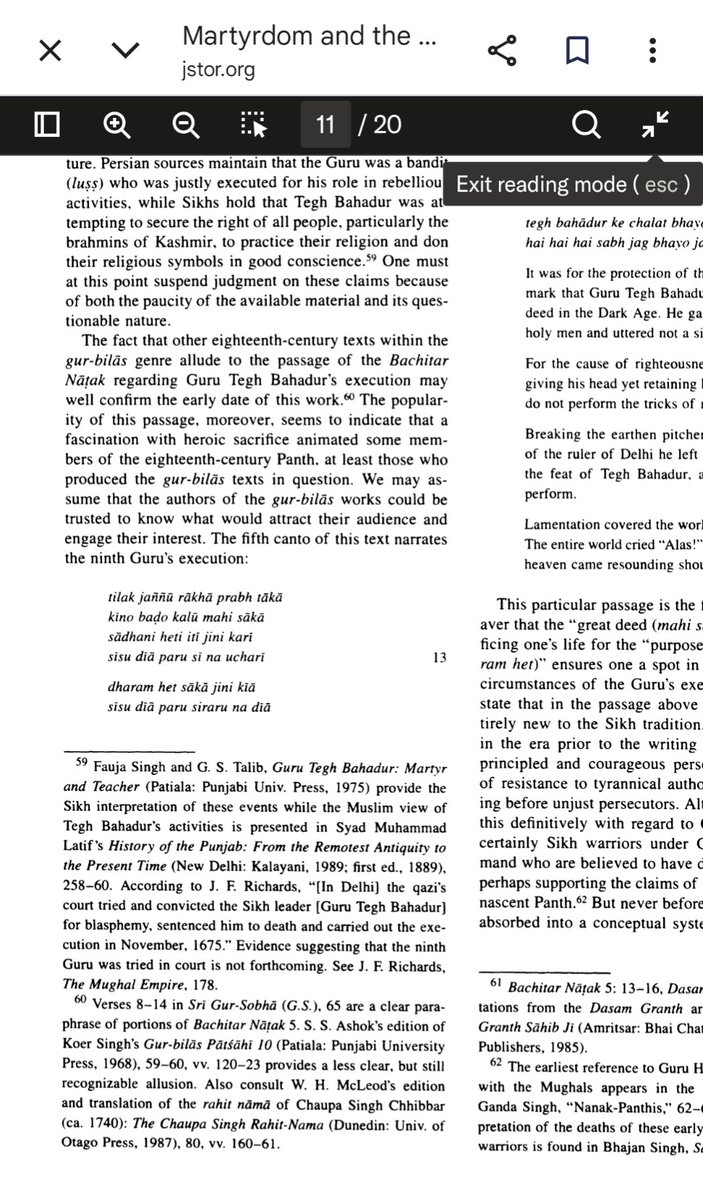
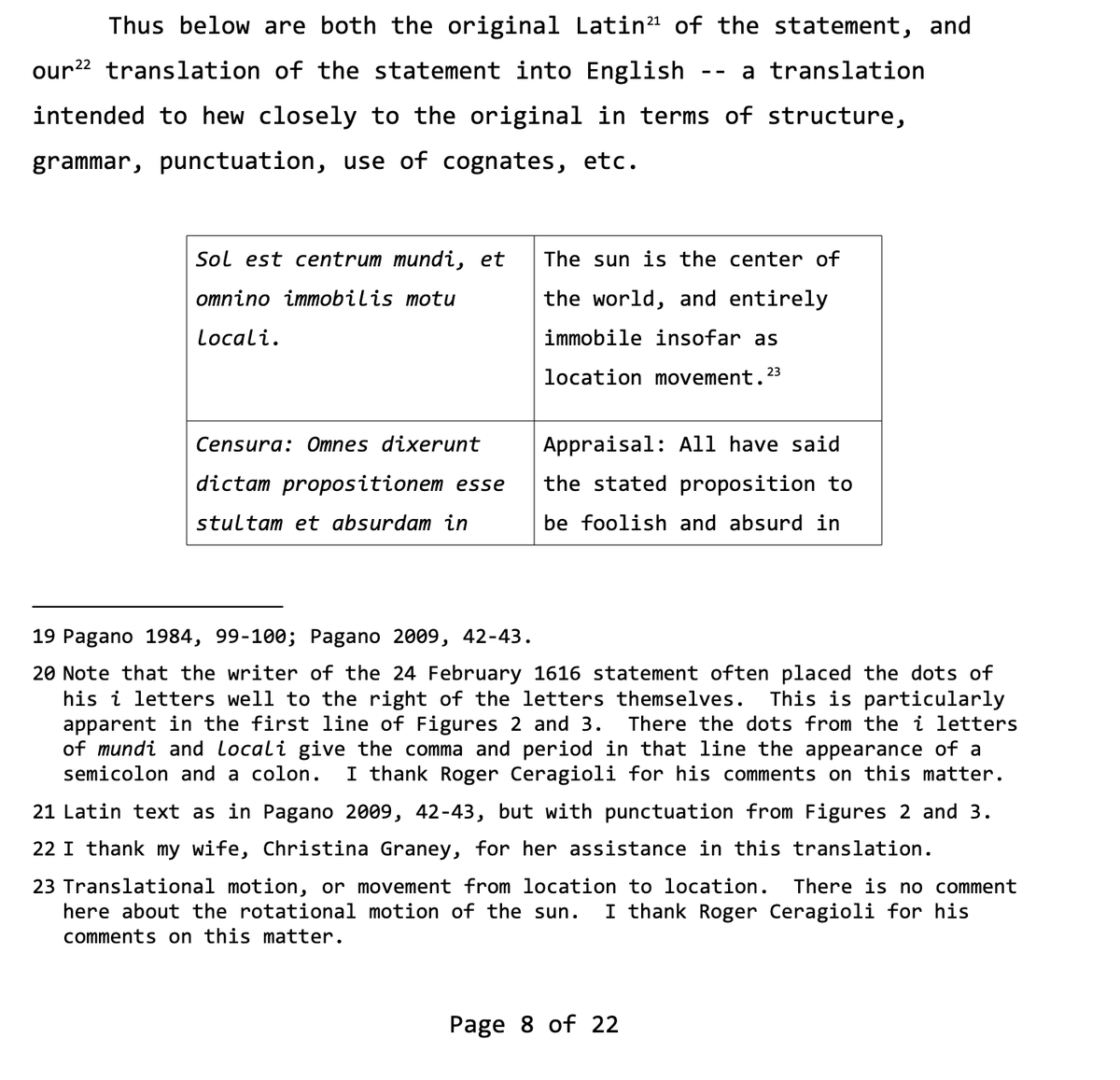
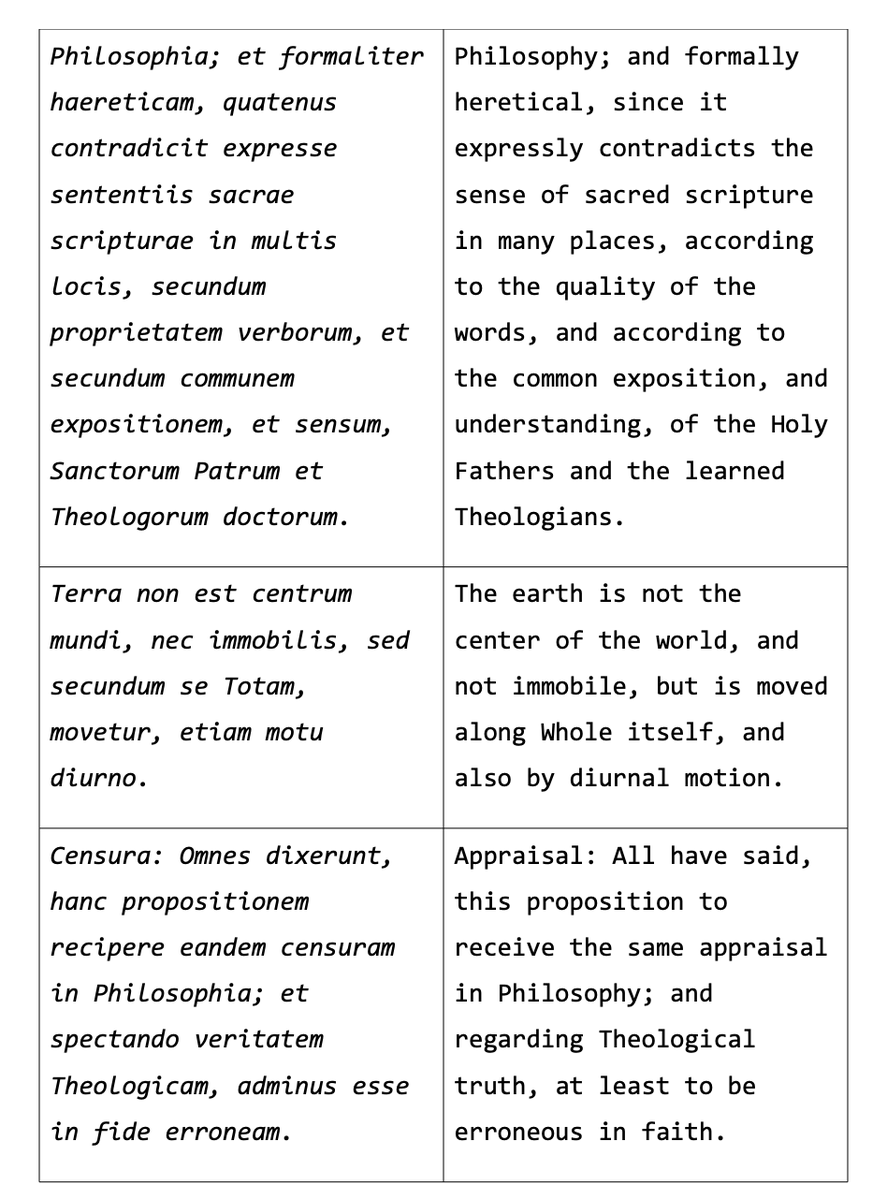
It appears that in Feb 1616. the Inquisition published a declaration (SS2 abd SS3) in which they said addressing Copernicus's opinions that:
The view that: The sun is the center of the world, and entirely immobile insofar as location movement
is "foolish and absurd in Philosophy; and formally heretical, since it expressly contradicts the sense of sacred scripture in many places, according to the quality of the words, and according to the common exposition, and understanding, of the Holy Fathers and the learned Theologians."
The view that: The earth is not the center of the world, and not immobile, but is moved along Whole itself, and also by diurnal motion.
is "to receive the same appraisal in Philosophy; and regarding Theological truth, at least to be erroneous in faith."
Since the inquisition was set up by the Catholic church, it Catholic Church was directly responsible for calling Copernicus's work heretical.
Your counter?
@grok assess the accuracy of this evidence as in independent judge.
1
1
376

Here's the split you asked for.
Historical estimates (scholarly):
Prehistoric rituals & beliefs: 40,000 years
Hinduism: ~3,500 years
Zoroastrianism: ~3,000 years
Judaism: ~3,000 years
Jainism & Buddhism: ~2,500 years
Taoism, Confucianism & Shinto: ~2,500 years
Christianity: ~2,000 years
Islam: ~1,400 years
Theological claims:
Islam: Since Adam; prior prophets preached monotheistic submission.
Hinduism/Jainism: Eternal traditions spanning infinite time cycles and universes.
Buddhism: Dharma in endless cosmic cycles.
1
22
Great question. I like the fact that you are asking the right questions. Why does the Quran describe non Muslims as the worst of creatures? Why does it threaten to punish them? Why do ur hadiths require the death of every last Jew for the Judgement? Why are Christians the ransom for Muslims out of hell?
About time Muslims realized that God doesn't hate non-believers, and so shouldn't his people, and kill innocent tourists for being Hindus.
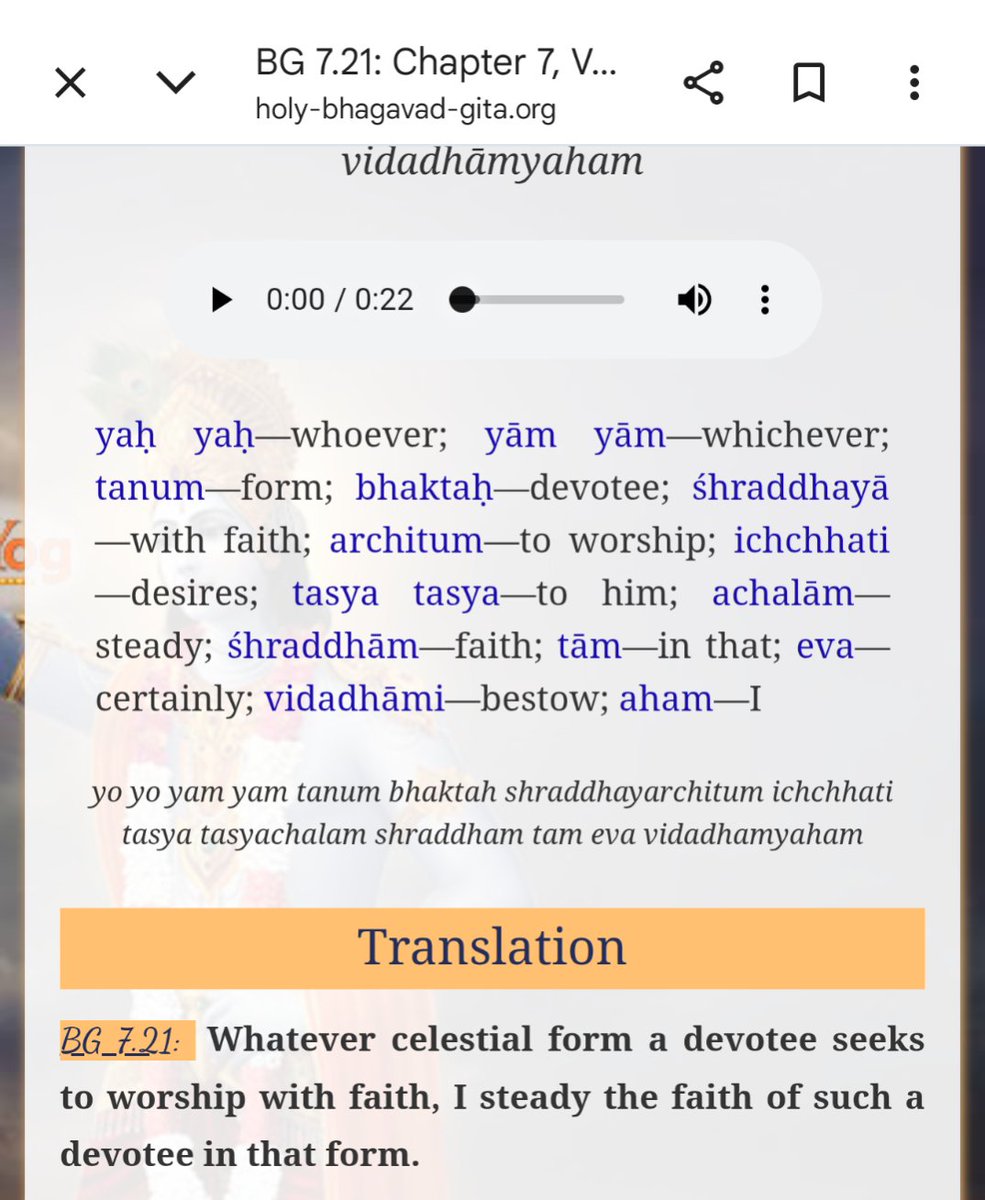
Find Krishna and you would have found Allah.
Jun 16

As a Muslim, I still don’t get it.
Why hate someone just because they don’t believe what you believe.
They didn’t choose your faith, you didn’t choose theirs.
You can disagree without turning it into hate.
If your religion needs you to lose basic respect for people just because they are different, then something has gone wrong in how you are practising it.
20
Oh but isn't the Quran valid for all times? Or are you saying it has to be reinterpreted based on global morality? Then what is the difference between the Quran and Das Kapital? Why are Muslim countries lowering the age of marriage to 9 then? Can you please ask them not to?

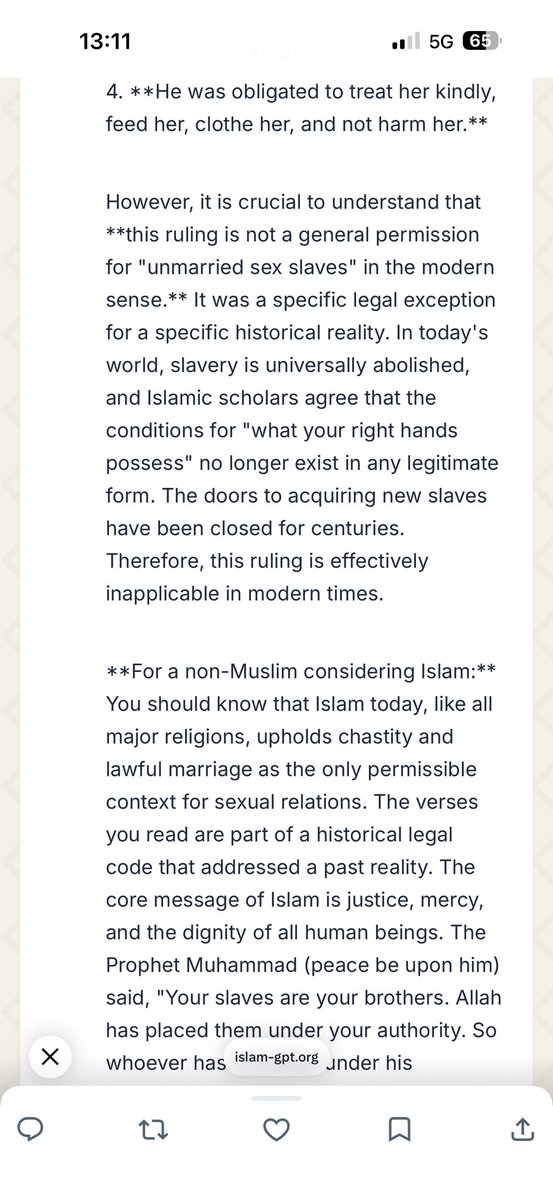
If you read this exert from an Islamic Scholar.
The verse in the Quran that islamaphobes love to use as a bat to beat Muslims with;
“What the right hand possesses” has no relevant meaning in today’s world as slavery is globally abolished.
But it was a ruling in a specific historical context that has no place in modern society 🤝
10
History has taught us that there never can be a monopoly of violence. And certainly no righteous leader within Islam. Barely years after Muhammad's death, the Arab world was riddled with fitnas, in which companions killed other companions, held them by their beards and slew them. Corruption and nepotism set in. Expert Quran reciting companions were forcibly thrown by Caliphs and their manuscripts forcibly seized and burnt. Muhammad's own wife went to war with his son-in-law.
And for the last 1400 years, Muslims have killed more Muslim civilians than people of other religions have.
Jun 16

Peace can only be maintained through a monopoly on violence exercised by righteous (i.e., Muslim) hands.
15
Again incorrect. The name was given by Persians who were Zoroastrians.
Jun 16

Hinduism is not a religion.
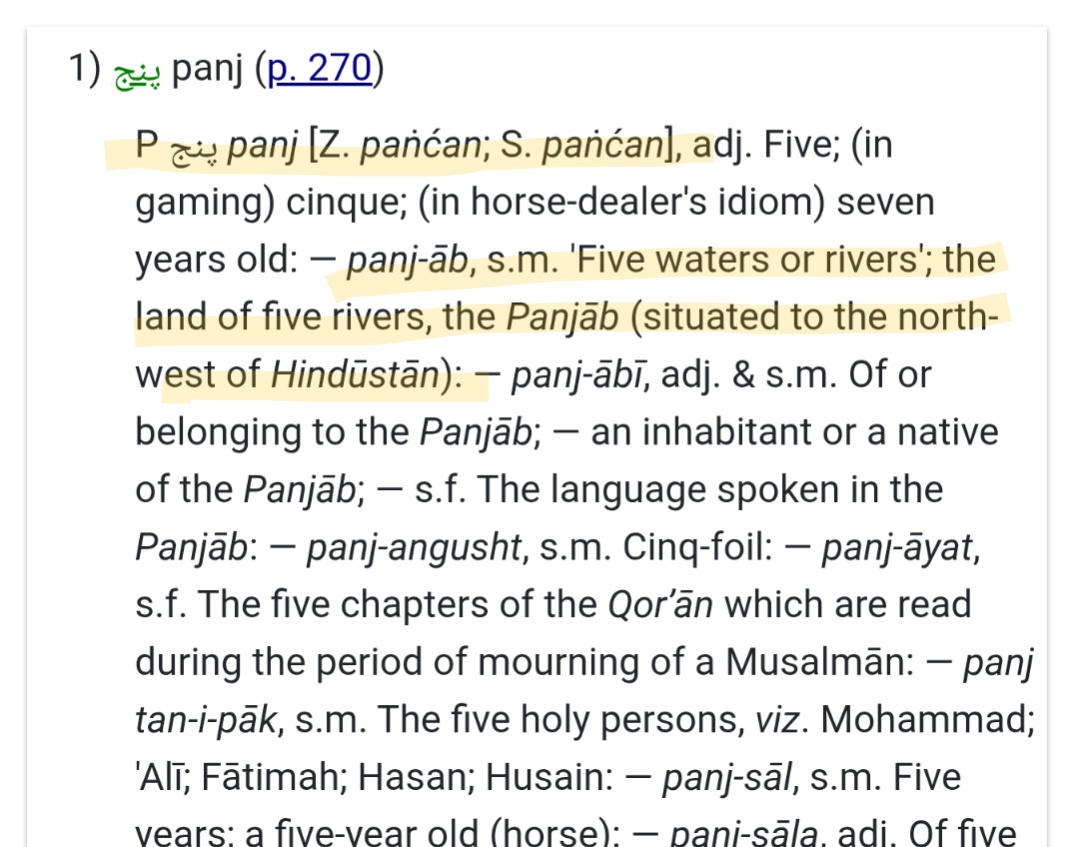
The name "Hindu" was given by Muslims through their pronunciation of the word Sindhu.
1
2
77
This is the problem with academia in the Islamic context. If you wondered why physics books in Pakistan teach that Allah created the universe, etc etc, it's because Muslims do not possess the scientific method any more (they did back in the Abbasid era). Here, the claim is apparently "based on historical estimates" but is dependent on a mythological character called Adam.
But the problems are:
1. Jews have a better claim on Adam than Muslims. They came with that story.
2. There is no historical evidence for Adam and no evidence that the world propagated from incest as the Quran teaches.
3. And if the ranking is based on mythological claims then let's apply it for all religions. Hinduism is eternal and believes that it existed even in the previous universes. Hence there is no start date. And in the context of the present universe and world, the first man was Swayambhu Manu, not Adam. Let's also add that here.
Jun 15

Top 10 Oldest Religions in the World
1. ☪️ Islam — Since Prophet Adam (AS)
2. 🕉️ Hinduism ~ 4,000 years
3. 📜 Zoroastrianism ~ 3,500 years
4. 🕎 Judaism ~ 3,000 years
5. 🌿 Shinto ~ 2,600 years
6. 🧘 Jainism ~ 2,600 years
7. 🌼 Buddhism ~ 2,500 years
8. ☯️ Taoism ~ 2,500 years
9. ⚖️ Confucianism ~ 2,500 years
10. ✝️ Christianity ~ 2,000 years
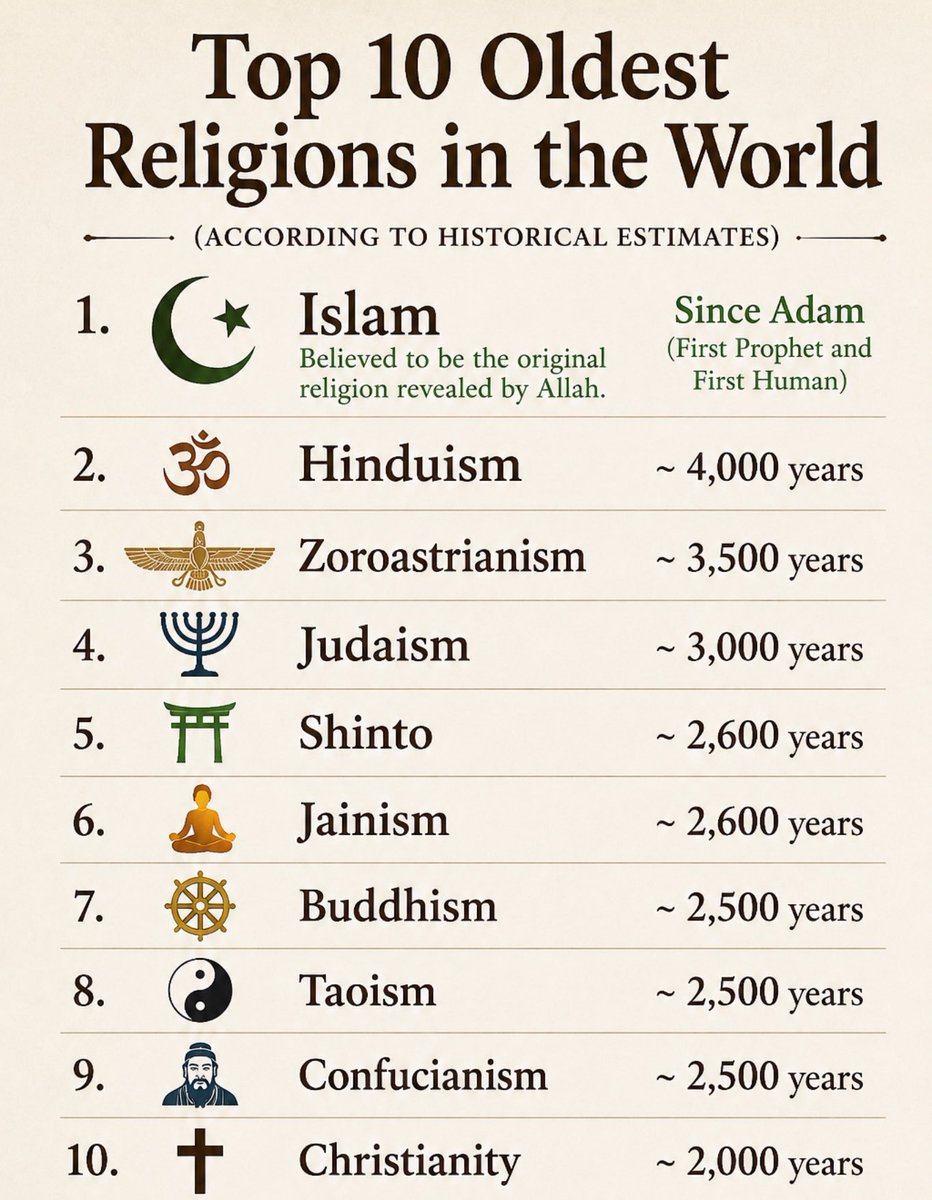
Community note
This is incorrect. The oldest religion still practiced today is Hinduism, which dates back to around 7000 BC. The oldest religion in general is religion practiced by paleolithic humans, some 200 000 years BC.
en.wikipedia.org/wiki/Timeline_…
oldest.org/religion/relig…
22
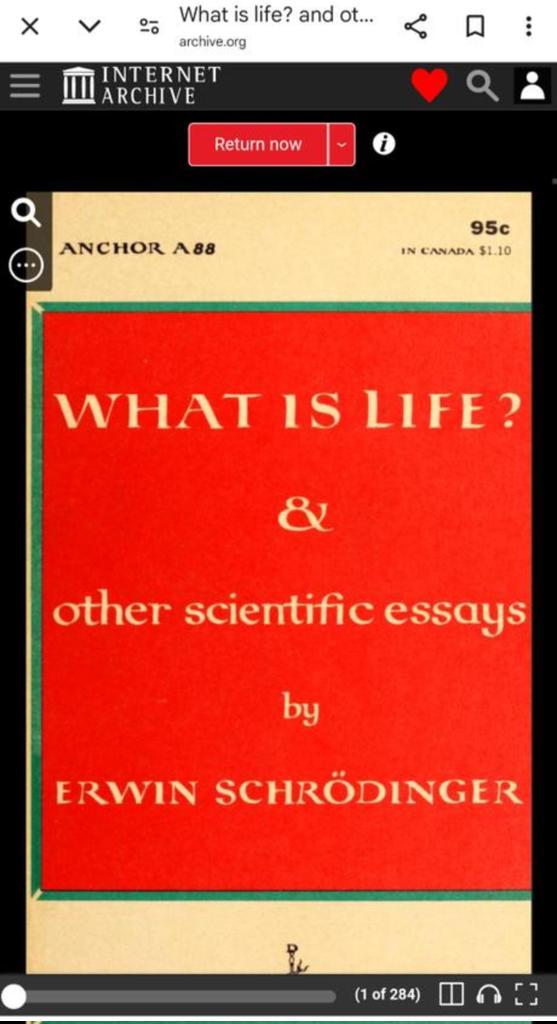
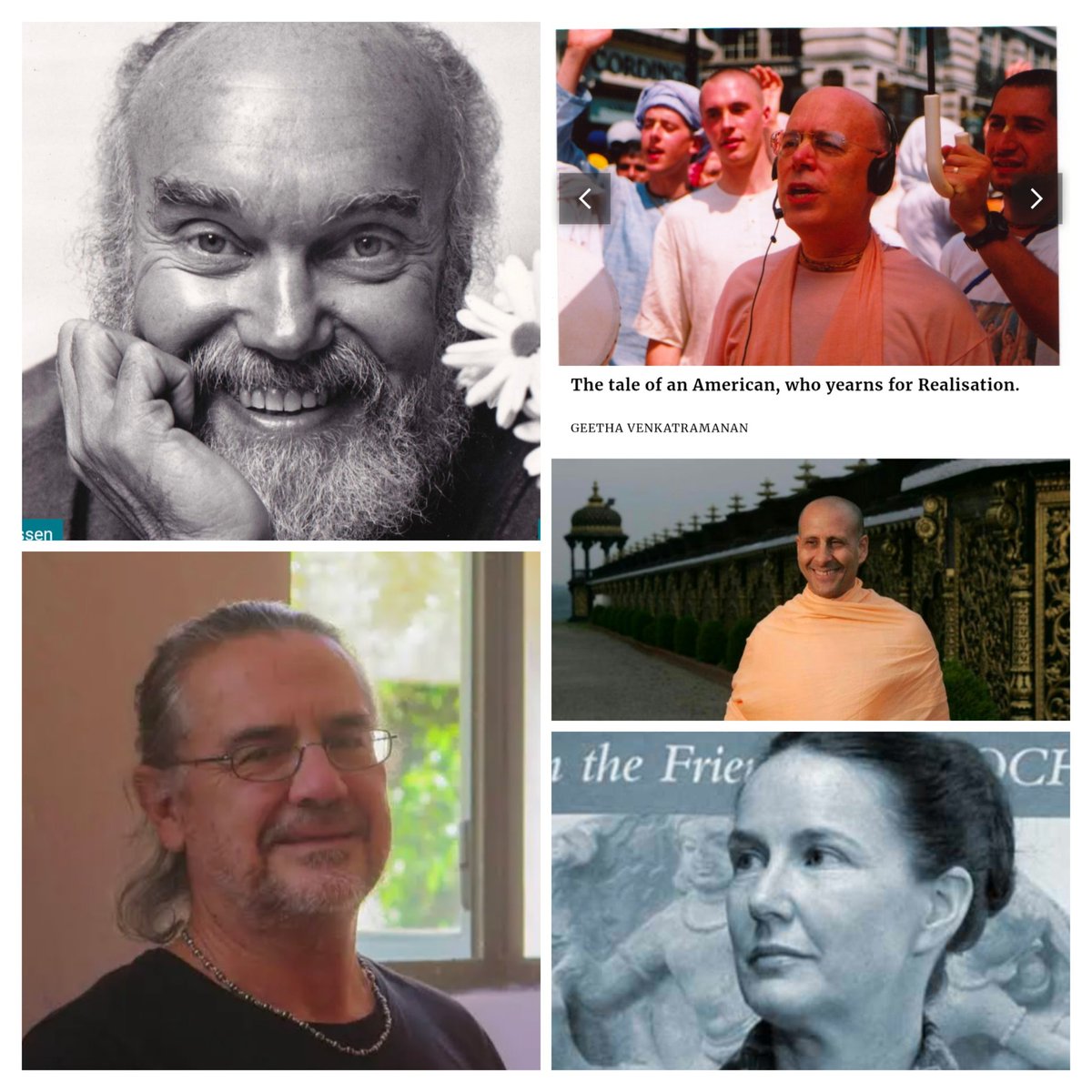
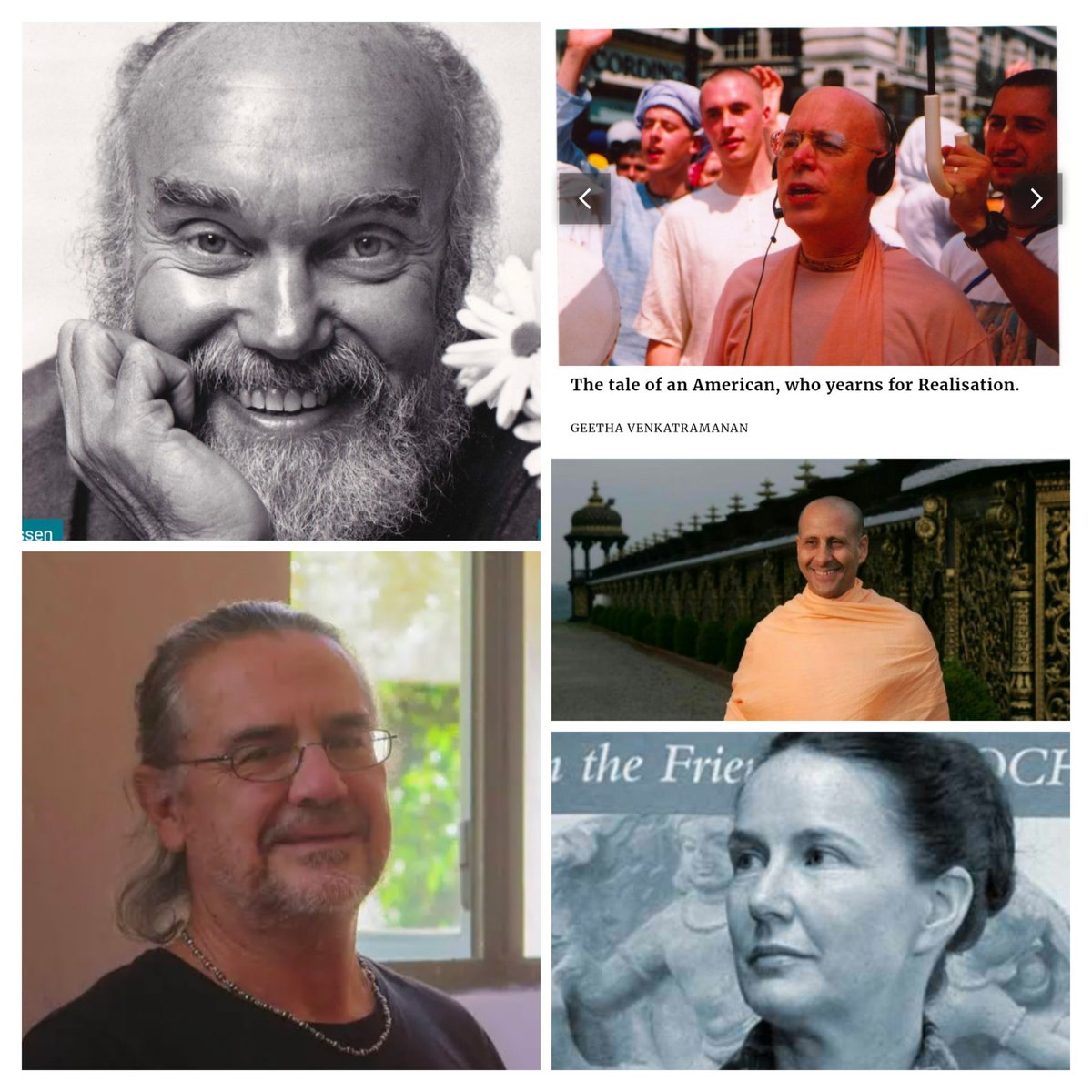
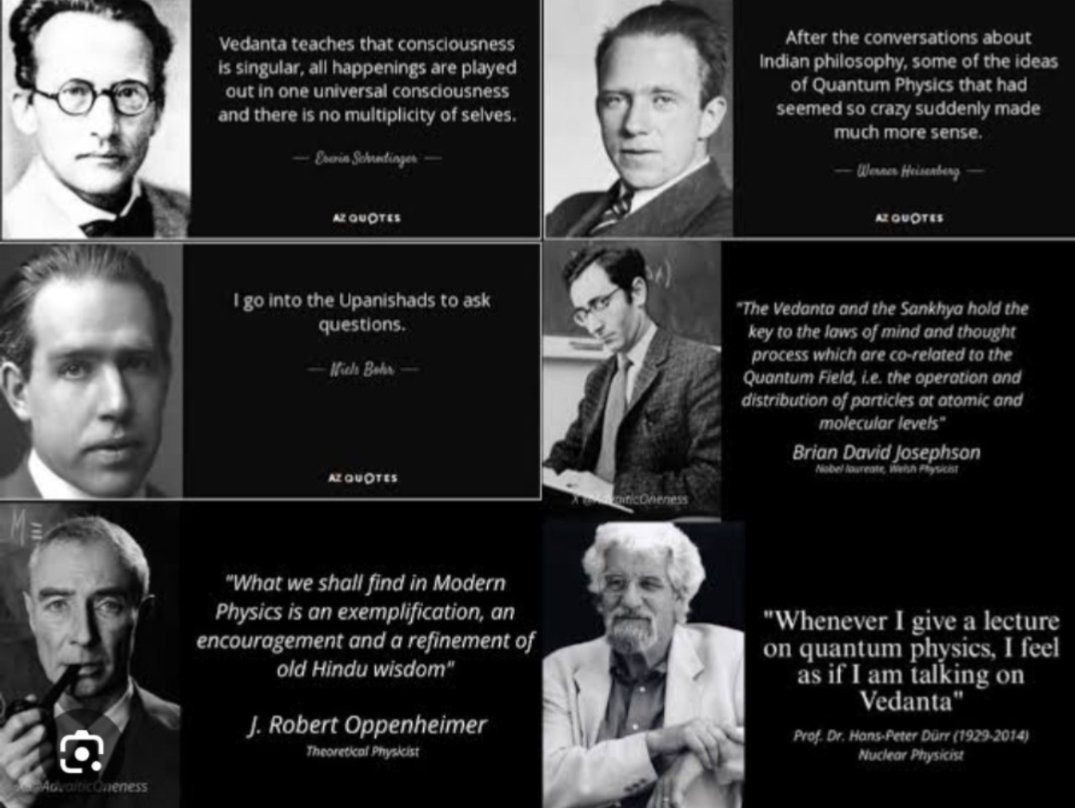
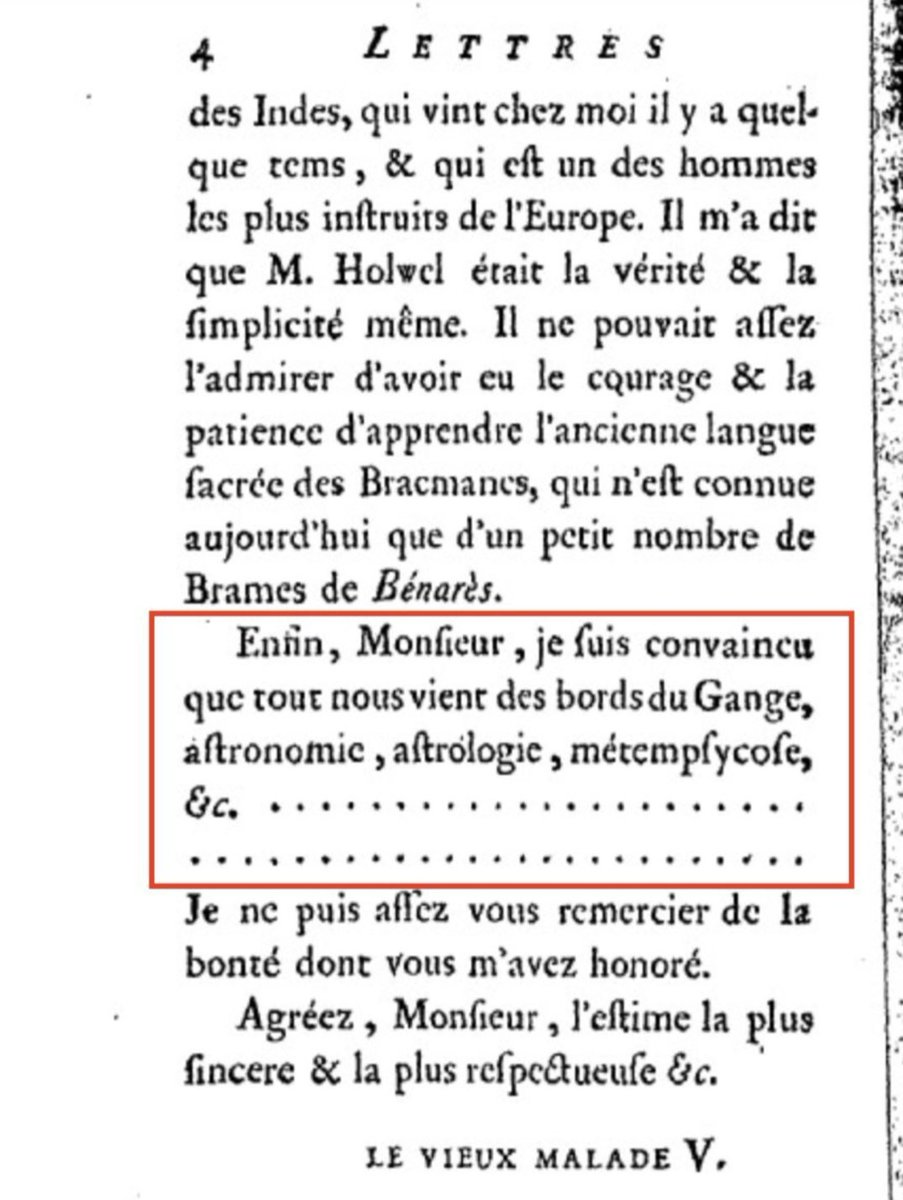
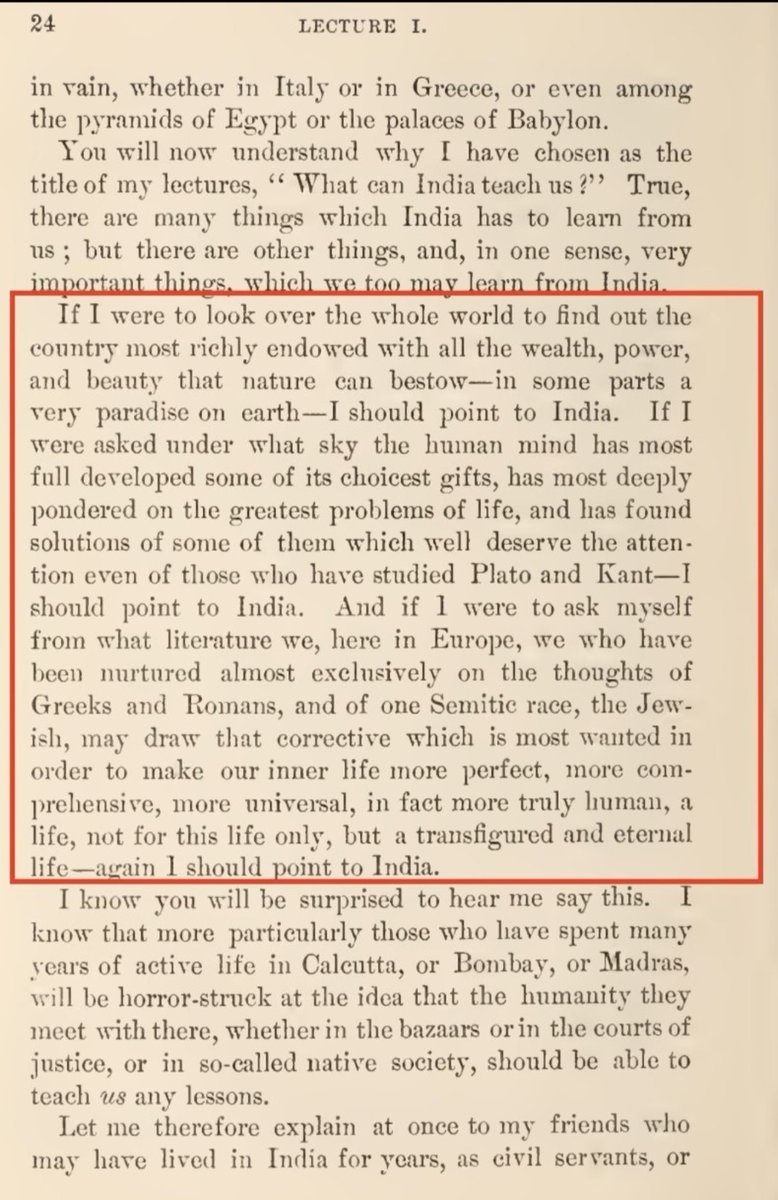
Several actually. Scientists, musicians, academics, billionaires:
- Richard Alpert
- Edwin Bryant
- Anuradha Dooney
- Albert Ford
- Samuel Evans Stokes
- E.C. George Sudarshan
- John Dobson
- Sharabhang Giri the Australian baba
- Voltaire
- Schopenhauer
- Schlegel
- The top 1% of any population is bound to be attracted to philosophical Hinduism. This includes atheists, as you can clearly see in the case of the likes of Alex O'Connor.
Jun 13

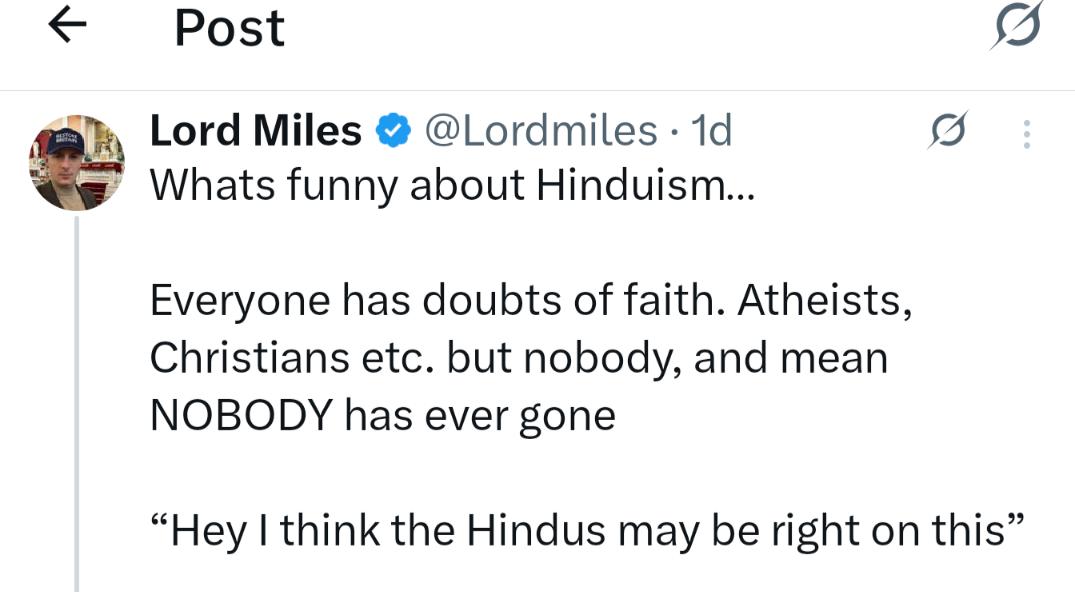
Whats funny about Hinduism…
Everyone has doubts of faith. Atheists, Christians etc. but nobody, and mean NOBODY has ever gone
“Hey I think the Hindus may be right on this”
Because their monkey blue 20 headed elephant God with poop throwing festival is so laughable.
Do you know a single non Indian who has converted to Hinduism? Exactly.
2
3
190
False, Muhammad is integral to Islamic identity and there was no Islam before Muhammad.
Let's see this with a simple demonstration:
A unitarian Christian who believes in ONE GOD and the judgement day, and all the prophets until Jesus is NOT a Muslim because he denies Muhammad.
An Ahmediyya who believes in ONE GOD and judgement day, and the pillars of Islam and even in Muhammad's prophethood, but believes that Mirza Ghulam Ahmed Qadiyani was the next prophet, is also not considered a Muslim by trads.
Hence, more important than Allah and all the other articles of faith is the belief in Muhammad as the last prophet, making Islam a personality cult.
Besides, you invoking Adam is not a historical or archeological claim, it is a mythological one. Jews will claim him too while denying Islam. A Hindu would claim humanity started with Manu. So ultimately, these would just be mythological claims hurled at one another with no way to ascertain which is true.

evident for kalimah?
the kalmah translates to " There is no God but Allah and Muhammad is the messenger of Allah"
In islam we believe that Muhammad (PBUH) is last messenger of Allah.
that implies there were prophet before Muhammad.
the first prophet being Adam (AS)
2
69
Ignorance is a commodity on X.
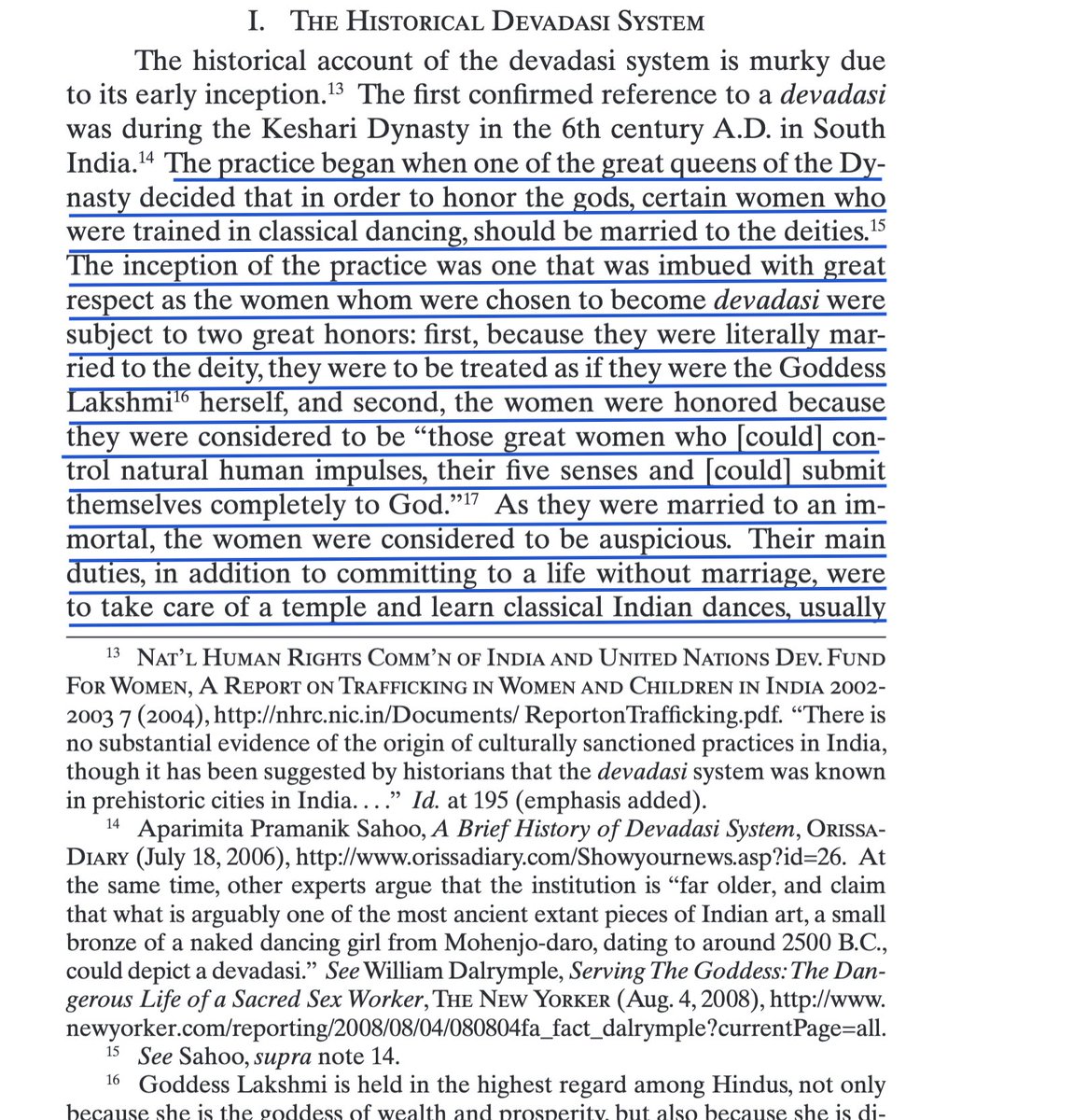
Devadasis were not prostitutes. They were temple dancers and literal wives of the divine. They danced to celebrate the deity. Music and dance had always been a method of worship. They enjoyed great wealth and power and hence, did not need to resort to prostitution.
The sexual exploitation of such women started only with the decline of Hindu patronage of the temples, specifically during Islamic and British rule.
Given that little kids are still sexually exploited in monasteries, churches and madrasas, it is weird that one does not know the difference between religious teachings and human criminality.


Nice topic, which got me into some reading up.
The British banned it not because they had a dislike for Bharatanatyam but because Hindoo was turning the temple into a den of prostitution by exploiting these temple nautch girls (Devadasis).
There was a point of time in history when the temple was both a place of worship as well as a dance-bar cum randikhana for the Hindoo.
Thanks to the British, Hindoo temples are much better now to visit and all of you should visit some of these ancient temples once. Especially the Nataraja temple in Chidambaram, where every February, there's a festival of classical arts.
31
110
2,002
Ah the same stupidity. If you invoke Adam, I invoke Manu. While Manu was absolutely a Vedic Hindu, Adam was not Muslim because he never said the Kalimah (because there was no Muhammad) and so the Jews get to claim him. Moreover this post is based on history and archeology, not mythology.

Not older than first man on the earth who was Muslim
Prophet Hazrat Adam AS
Lindus need to stop doing this shit again and again 🤡
3
54
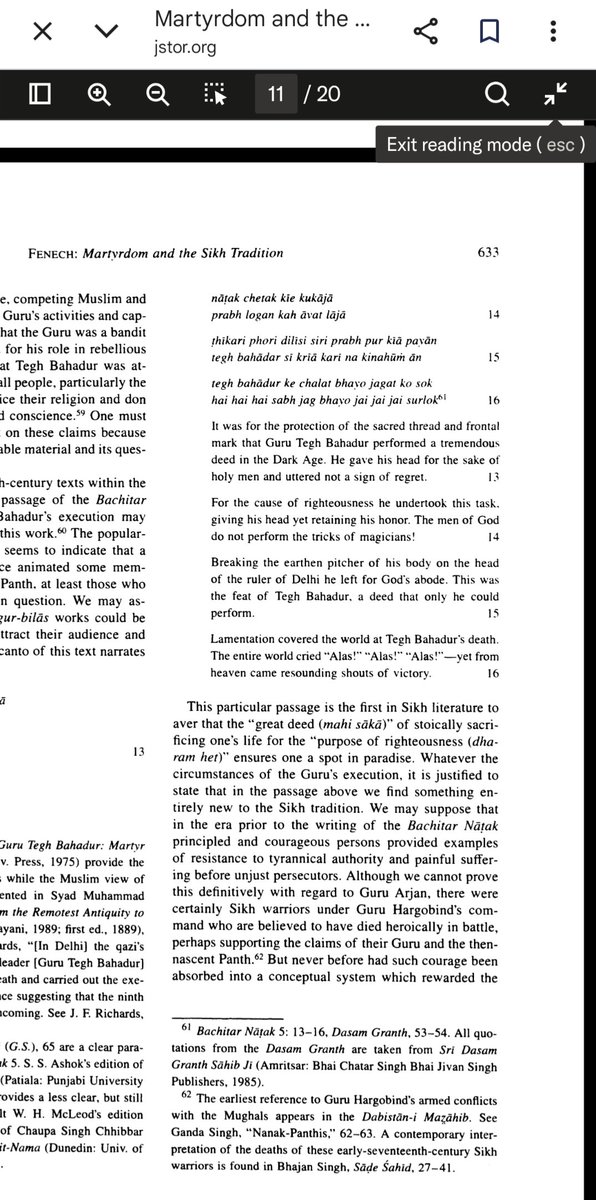
But this is how his death is widely described (source Fenech: Martyrdom and the Sikh Tradition):
"It was for the protection of the sacred thread and frontal mark that Guru Tegh Bahadur performed a tremendous deed in the Dark Age. He gave his head for the sake of holy men and uttered not a sign of regret."
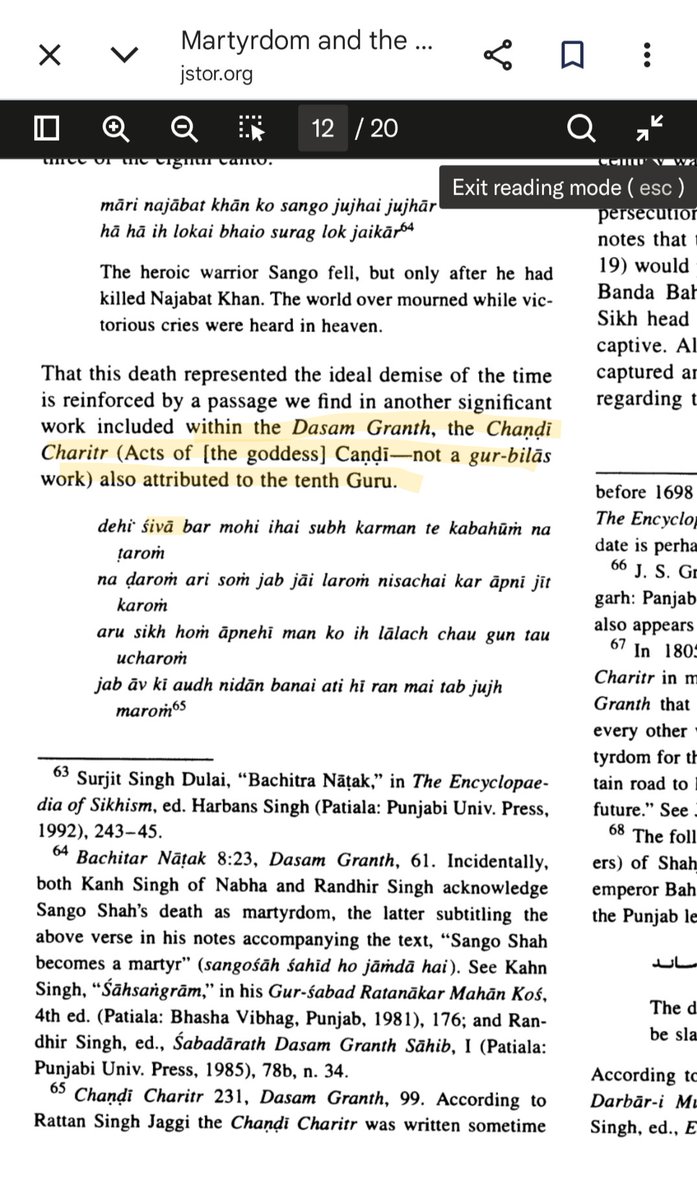
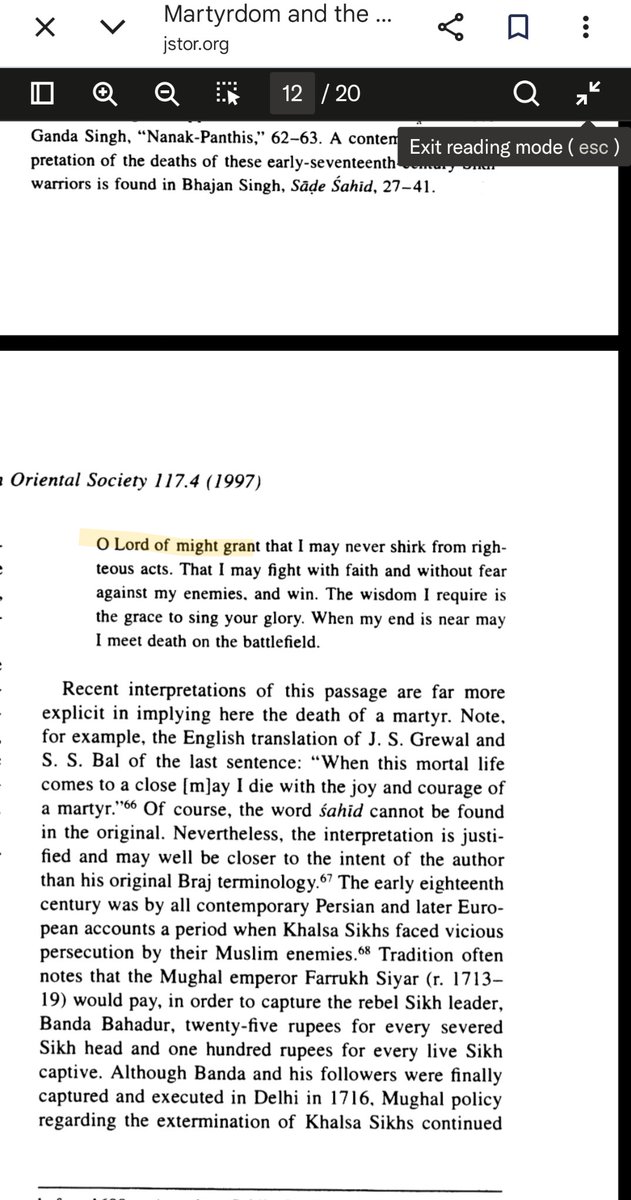
And this is what Guru Gobind Singh "the idol breaker" wrote. (Same source)
Dehi "Siva" bar mohe ihai subh karman ke kabhun na tarun.
He said this in a text named Chandi Charitr, invoking the warrior Goddess.
Muslims killed the Sikh Gurus and now are misrepresentating their syncretic teachings
Jun 11
This is a forgery.. Guru Tegh never said this. On the contrary, his son, Guru Gobind, wrote the following to Emperor Aurangzeb:
"I vanquished the vicious hill chiefs, they were idol-worshippers and I am idol-breaker."
— Zafarnamah; verse 95.
1
85
Yeah, the typical Muslim problem of living in the 18th century. Snap out of your historical reverie and take charge of the mess you are in globally today.
Manipur adopted hinduism as a state religion in the 18th century (something no modern state or country living in 21st century reality ever will do).
When you adopt a state religion, you implement a uniform religious code. What do you think will happen to me if I went to Saudi Arabia today and ate a hamburger standing in a public market during Ramadan?
Besides, Manipur is not alien to India. The Meitei population of Manipur took a conscious decision to convert to Hinduism from Sanamahism forming the beautiful people that have been the guardians of Manipuri art and culture - a unique blend of Hindu, Sino-Tibetan and tribal aesthetics. When Christianity entered the north east tribal belt, it changed the social fabric yet again.
"Hindus don't tend to impose their religious practices into the lands they emigrate to."
Yes, they do not at until they acquire political power. For example, once they gained powerw in Manipur in 1700s, they carried out religious persecution, including the imposition of a meat ban. The Manipuris were even flogged for consuming meat.
Their temples and idols broken, priests exiled, fined for keeping a poultry farm.
2
95
The virus that thrives in its own echo chamber and runs when challenged.

29
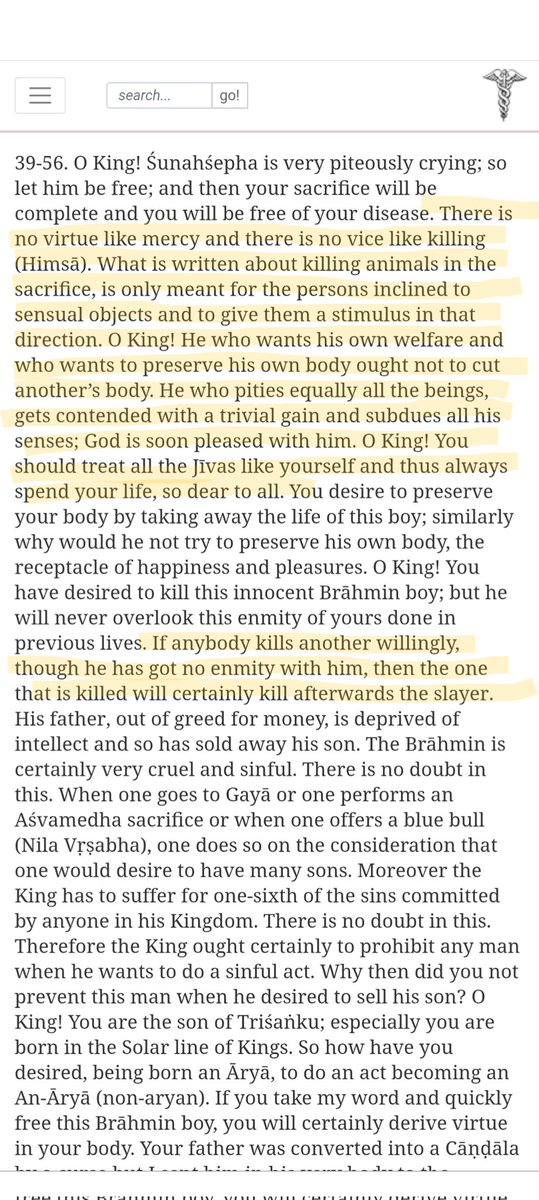
While scum like Abraham do exist, this is totally against the religious teachings of the Devi herself and the culture.
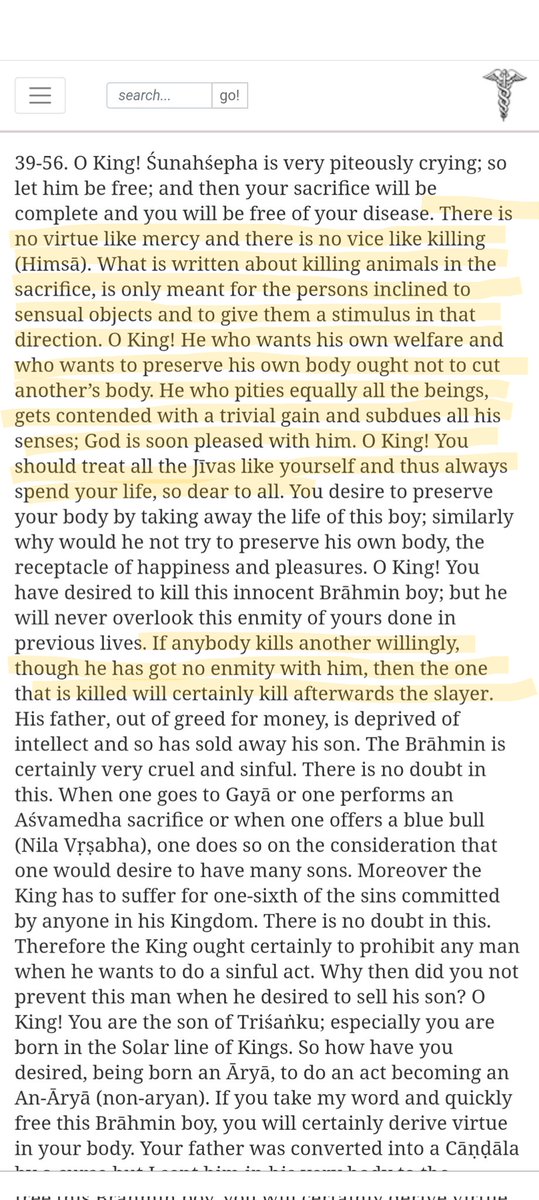

Imagine all the undiagnosed cases of schizophrenia in history where it overlapped with shit like this being a cultural norm, cases that led to child sacrifice endless times and they’re just like “meh but Kali told him to do it.” As though this was an acceptable answer.
1
51
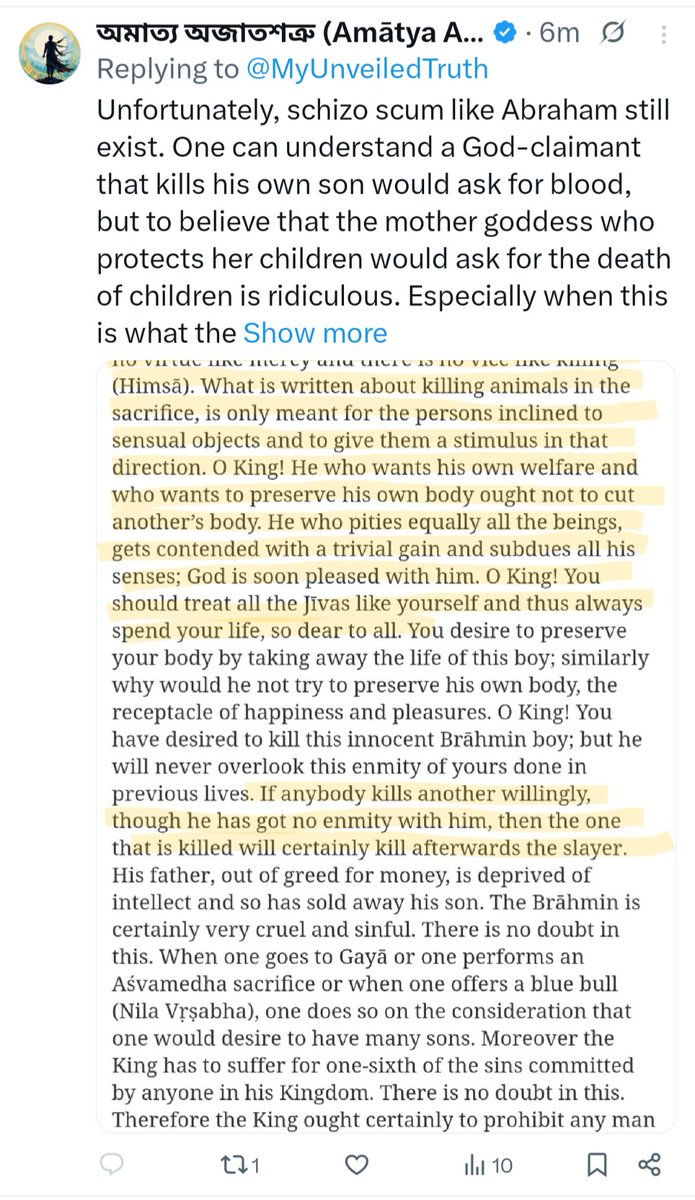
Unfortunately, schizo scum like Abraham still exist. One can understand a God-claimant that kills his own son would ask for blood, but to believe that the mother goddess who protects her children would ask for the death of children is ridiculous. Especially when this is what the Devi Bhagwatam - her own book - says:
1
51
What society, in the 21st century, sitting in a western democracy, believes that the sole reason for women's existence is to have fresh eggs, even at the cost of an education and a career? Disgusting!
youtube.com/shorts/iGH6mrfP7…
36
"Yoga's origins are not in Hinduism, in fact Yoga predates Hinduism by at least 500 years"
Yoga is not just a posture, lady. Yoga is a philosophy developed in the Sanskrit language in texts called Yoga Sutras. Even if the IVC people practiced yogic postures. yoga did not exist as a philosophy back then.
However, what is important to note is that Yogic posture is unique only within India.
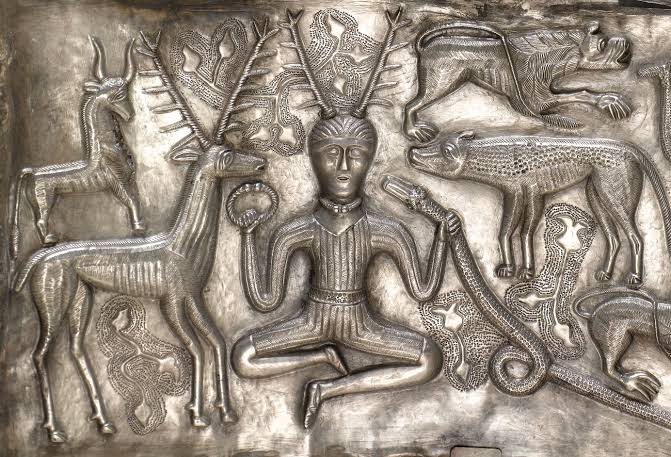
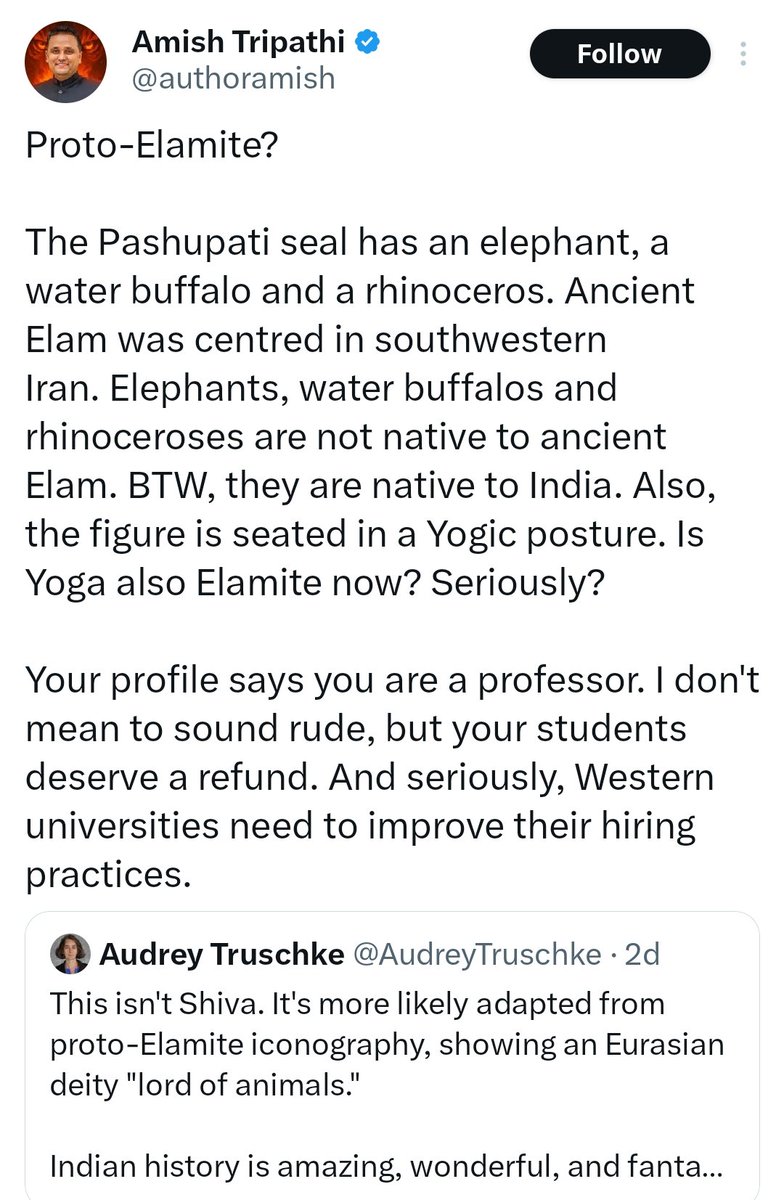
While meditative postures are depicted in Celtic art as well (the Cernunnos cup which is very similar to the Pashupati seal - SS1), the posture there was a more relaxed cross-legged one.
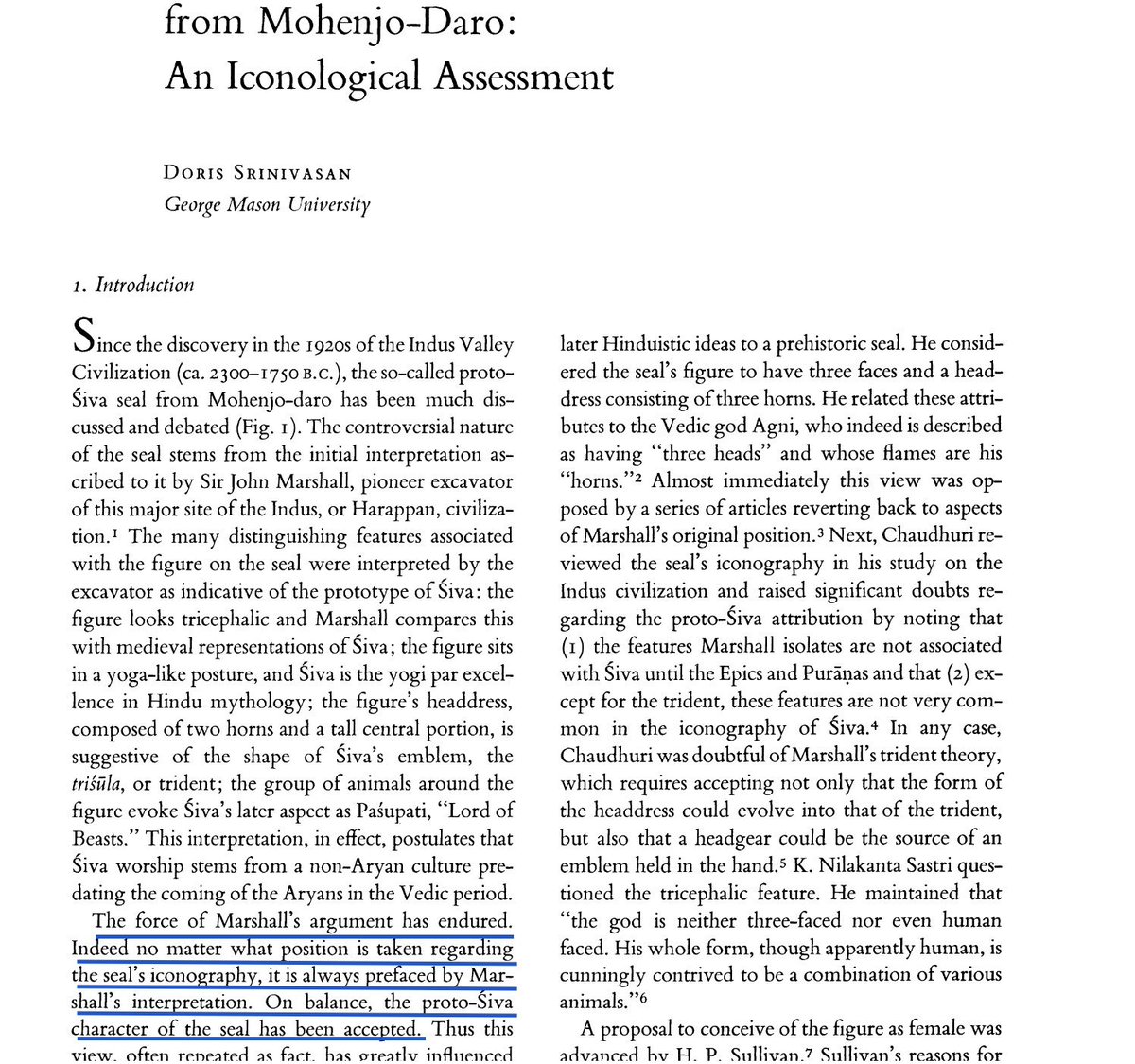
The Pashupati seal (yes, let us call it what the scholars call it, and I would remind you of what Doris Srinivasan about scholars accepting its proto-Siva identity - SS2) describes a specific posture called the Mulabandhasana - SS3.
This actually gives a strong suggestion of the continuity of Yoga as a practice until it was codified into a philosophy in the post Vedic period.
@authoramish

May 30

Amish, you're an idiót! Yoga's origins are not in Hinduism, in fact Yoga predates Hinduism by at least 500 years.
Yoga is evidenced in Indus Valley and then adopted by the Vedic people arriving in waves from 1500 BCE. Read the Atharva Veda if you have half a brain and this should become clear as a day!!
Therefore, the figure is not Hindu simply because it sits in a yogic posture. There's no Hinduism/Vedic religion in the Indus Valley, or anywhere else in the Indian subcontinent before 1500 BCE.
Furthermore, Shiva as a yogi is a Puranic construct, the Vedic Rudra, which comes before Shiva is not a Yogi. If seal 420 figure was some form of Shiva it would be closer to Rudra in its form and features and not to the Puranic attributes of Shiva, who comes chronologically after Rudra.
4
115
You contradicting yourself by stating that the Vedic culture and the IVC culture developed in different eras.
Pagan elements were included in Judaism because the people were the same that went from Canaanite paganism to Judaic monotheism. Similarly, Christianity developed among Jews, Islam among Arabic pagans and Christians, incorporating elements of both.
Using these examples prove that either there was ethnic continuity or direct interaction and cultural exchange.
The differing levels of genetic integration in the subcontinent actually points to both being true.
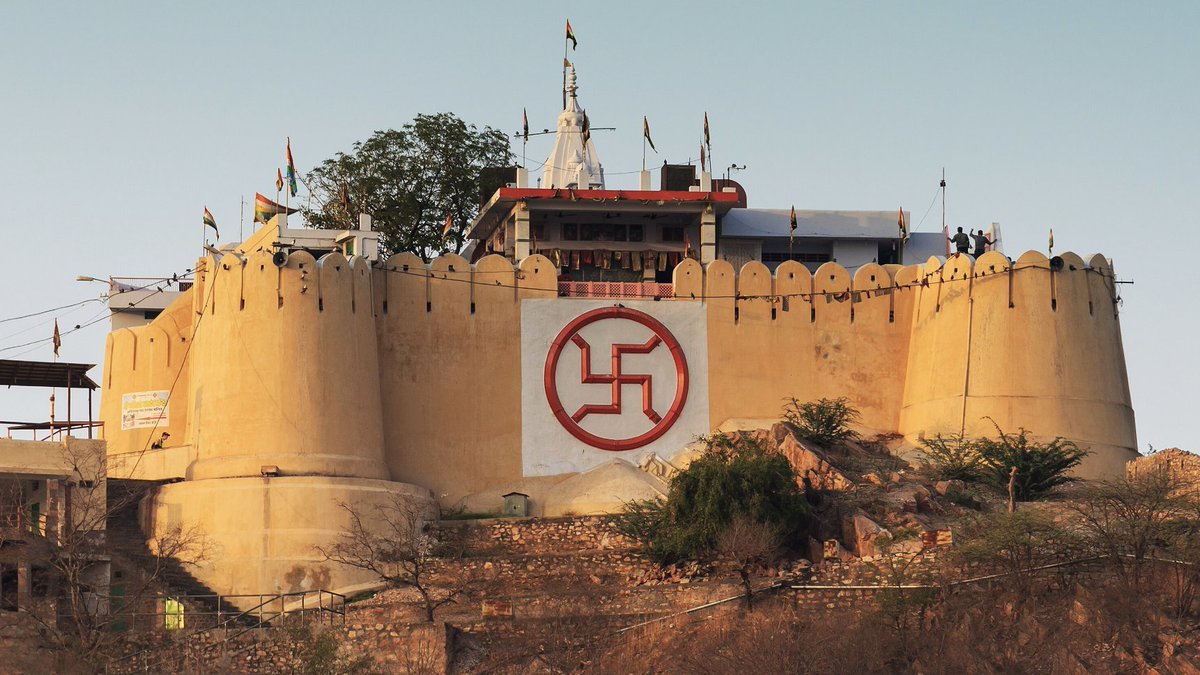
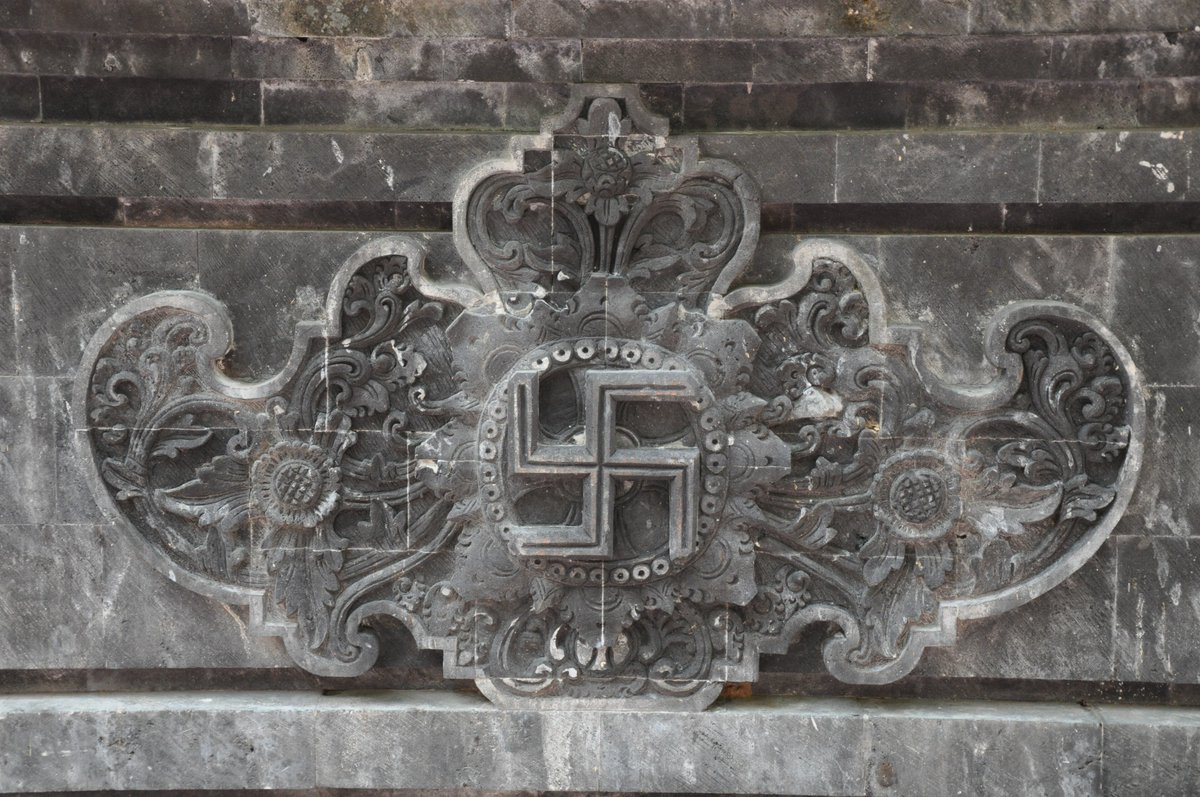
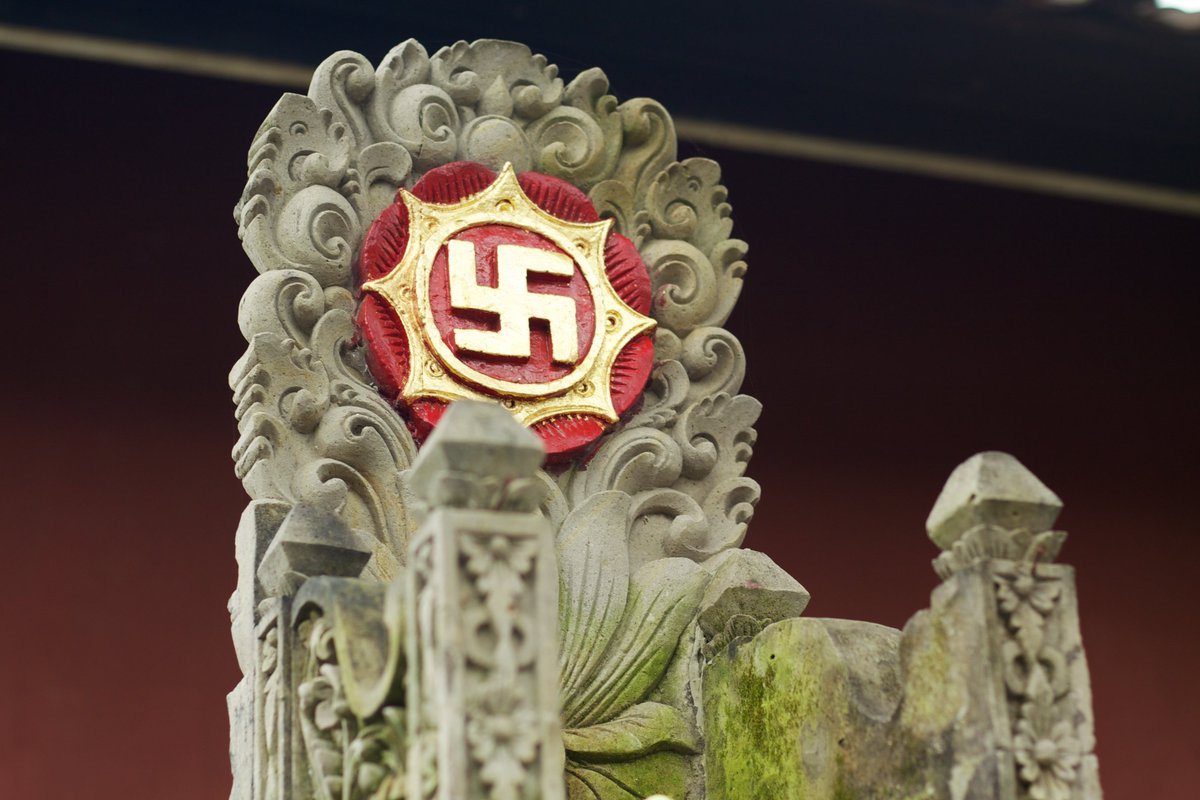
The dots in the Swastika were a recent addition. Old swastikas in the Aryan period did not have them either. In fact, for a long time, traditional Hindus were reluctant to include the fourth Veda, so that explanation for the four dots does not even work. Here are perfectly Hindu Swastikas that do not possess any dots.
Jun 2

Just as Judaism adopted elements of Paganism, then Christianity adopted Judaism, and finally Islam adopted elements of Christianity, the Vedic period (precursor to Hinduism) adopted some elements of previous civilisations, like the IVC.
This doesn't mean they were modern Hindus with the same widespread rituals and traditions they have today.
Vedas were composed after the gradual decline of the IVC, and since both civilisations regionally existed next to each other (but in different eras), the Vedic culture borrowed some elements from the IVC, which came before.
It was not the other way around, nor does it prove that the Vedas were composed during the mature Harappan period and that these symbols held the same meaning for the people of the IVC as it does for Hindus today.
The Swastika seal you posted also lacks four dots that are widely used by Hindus today, often symbolising the four Vedas (Rig, Yajur, Sama, Atharva).
They didn't exist during the mature IVC period, hence these dots are not present in old Swastika seals.

1
1
5
185
Irrelevant.
- the Vedas' antiquity is academically accepted based on linguistics and archeology. It is not possible to recreate a document in archaic Vedic Sanskrit without knowing all Indo European languages and some guy in the 11th century could not have done that. For example, "Nakta" for night or "apa" for water or "bhargo" for splendor, etc is not used in classical Sanskrit. But they appear in the Vedas. We know that these words have western cognates - Nacht in German, aab in Persian, fulgor in Latin. To "invent" these words, one would have to know about all Indo European languages and the relations between them.
- a lot of ancient manuscripts referring to the Vedas or quoting them exist. The Spitzer manuscript had Vedic references that are unchanged. The 7th century BCE Nirukta and Nighantu quote Vedic verses which are exactly the same as the ones recited today. Hence again, no doubt about Vedic continuity.
- the survival of certain manuscripts indicates that there would have been older manuscripts they were copied from, which did not survive in India's heat and humidity. The absence of evidence is not the evidence of absence.

"you find the last written copy (of Vedas) 5000 years ago"
Fact check: The surviving copies of oldest complete Bible manuscript and the oldest complete Quran manuscript are older than the oldest copy of a Vedic fragment ever discovered. 🧵
1
61
Reasonable position from a Western standpoint.
However, the reality of India and Pakistan is that Pak was founded on the idea that Muslims were a separate nation from autochthonous Indian populations as a Muslim was technically part of the Ummah - an Islamic super-nation.
Hence, it is a touchy subject for Indians. Their leaders claimed Muslims were a separate nation, and ours carved one out for the Pakistanis, only to have the Pakistanis then start claiming the Indic heritage that their leaders argued they needed to divorce from.
That, and the general lack of awareness among the Pakistani population of the number and scale and even antiquity of IVC sites in India and of the fact that the Ghaggar - Hakra (paleo-Sarasvati) basin was also involved, is very annoying.

Reasonable position from a Western standpoint.
However, the reality of India and Pakistan is that Pak was founded on the idea that Muslims were a separate nation from autochthonous Indian populations as a Muslim was technically part of the Ummah - an Islamic super-nation.
Hence, it is a touchy subject for Indians. Their leaders claimed Muslims were a separate nation, and ours carved one out for the Pakistanis, only to have the Pakistanis then start claiming the Indic heritage that their leaders argued they needed to divorce from.
That, and the general lack of awareness among the Pakistani population of the number and scale and even antiquity of IVC sites in India and of the fact that the Ghaggar - Hakra (paleo-Sarasvati) basin was also involved, is very annoying.
1
111