NASA’s favorite (habitable) planet. 🌎💚 Studying Earth from ground to orbit.

Joined March 2009
12,152 Photos and videos
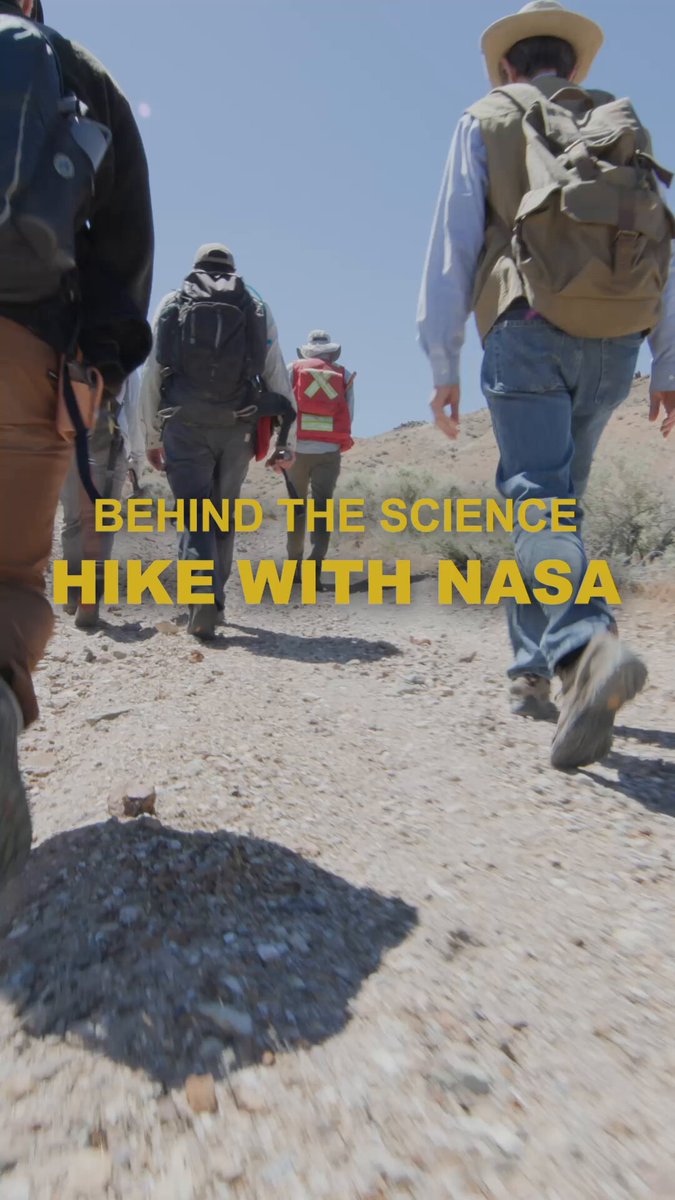
Sometimes doing science involves taking a hike 🥾 @nasa @usgs GEMx scientists hiked in California to study minerals near Earth’s surface. The data they collected on the ground will help verify similar measurements from an instrument on an aircraft and the @Space_Station.
5
30
162
16,578
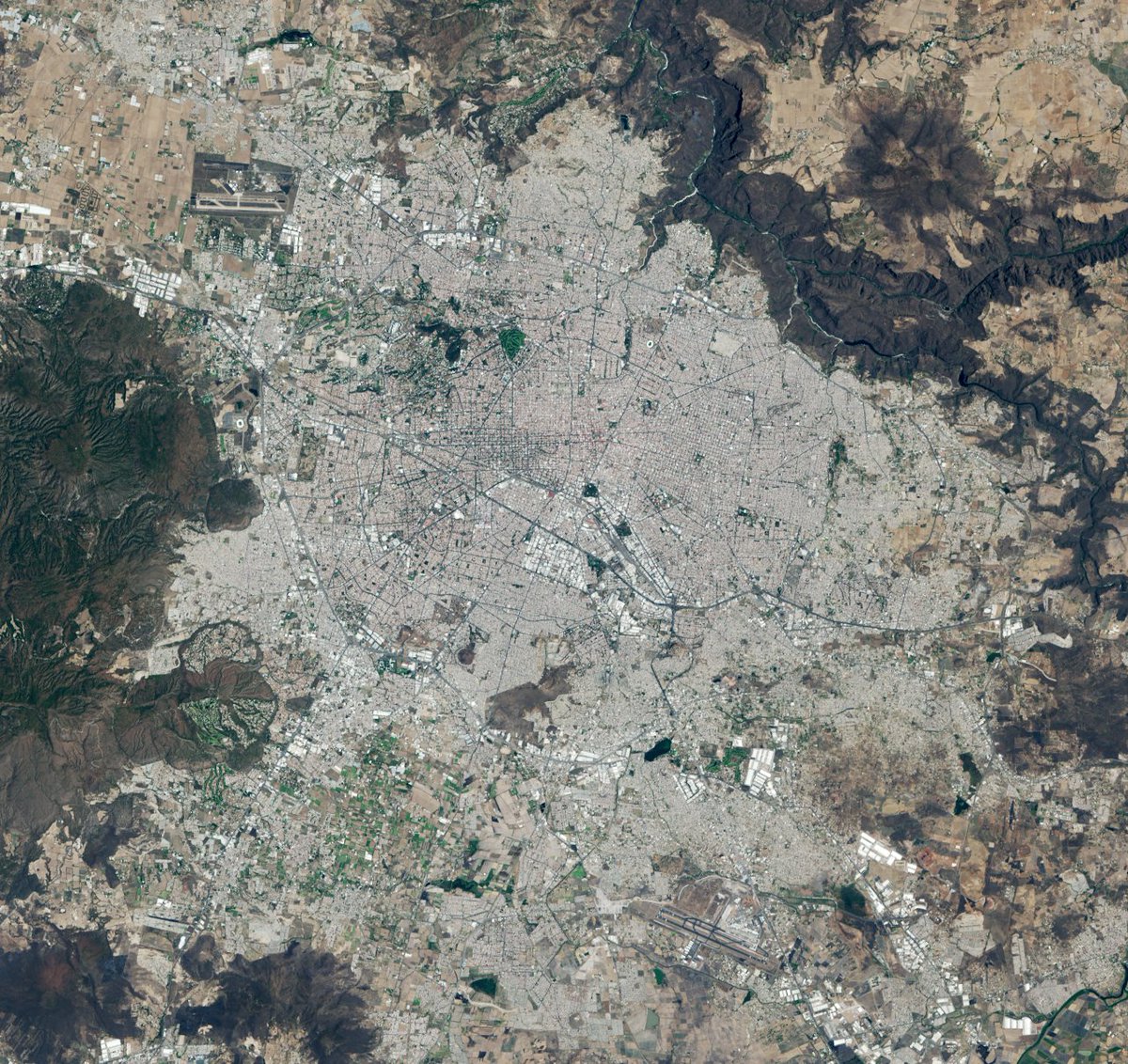
Can you spot one of the #FIFAWorldCup stadiums? 🏟️ This is a @nasa @usgs satellite image of Guadalajara, Mexico, which will host four first-round matches of the 2026 World Cup.
49
241
2,106
219,933
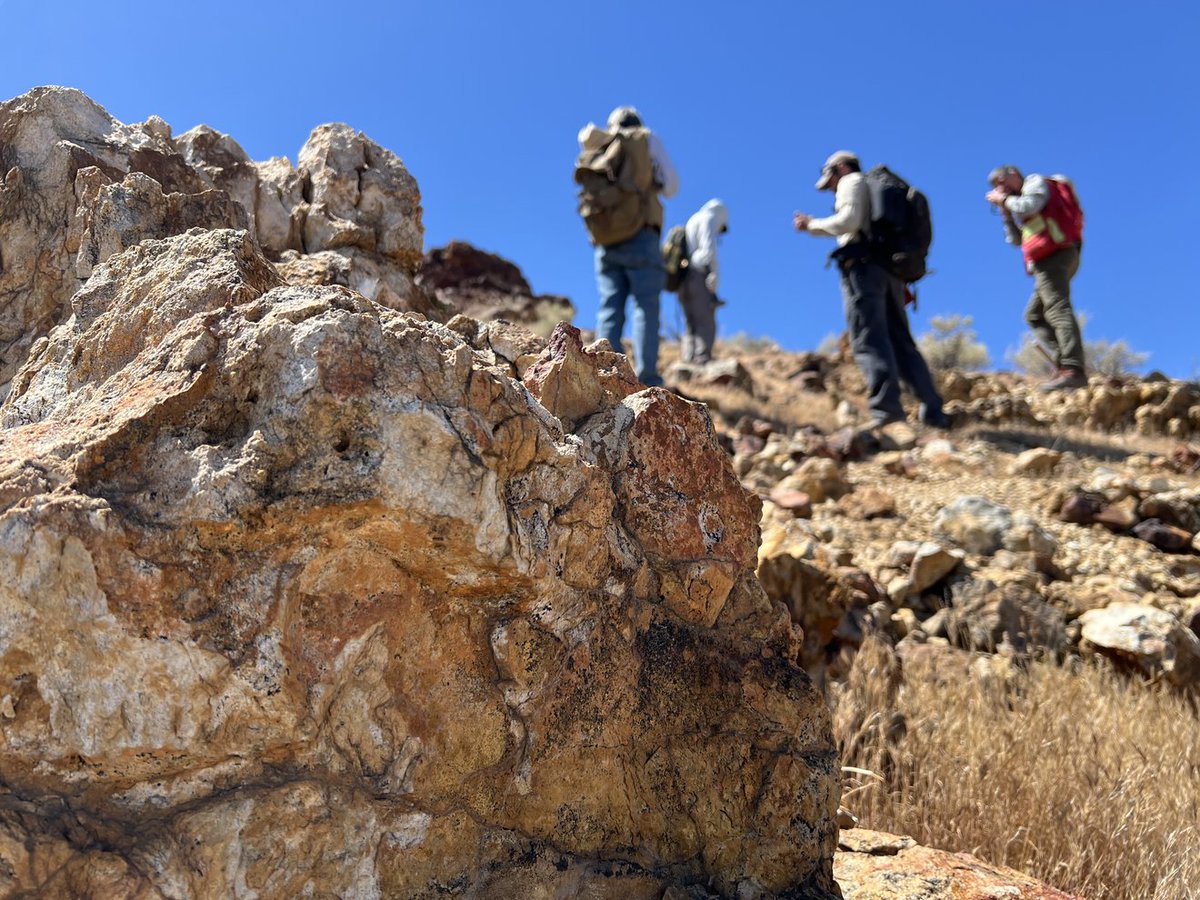
It’s like CSI…but with rocks 🕵️‍♀️🪨 Scientists hiked into the Mojave Desert to investigate a mineral “fingerprint” detected by a NASA sensor. Topaz was hiding in plain sight, which could hint at something more valuable underground known as porphyry copper.
11
74
403
34,927
The sensor that detected topaz analyzes reflected sunlight from a plane to identify chemicals and minerals by their unique spectral fingerprints. The latest model, AVIRIS-5, is flying with the @NASA-@USGS GEMx project to map critical minerals across the American West. go.nasa.gov/4ux4M9x
1
5
41
8,113
Calling all soccer fans! ⚽ During the #FIFAWorldCup, you can help @NASA gather science data by taking photos and temperature measurements at your local field, park, or wherever you play soccer. Get started: go.nasa.gov/4fzniu6
14
81
223
26,529
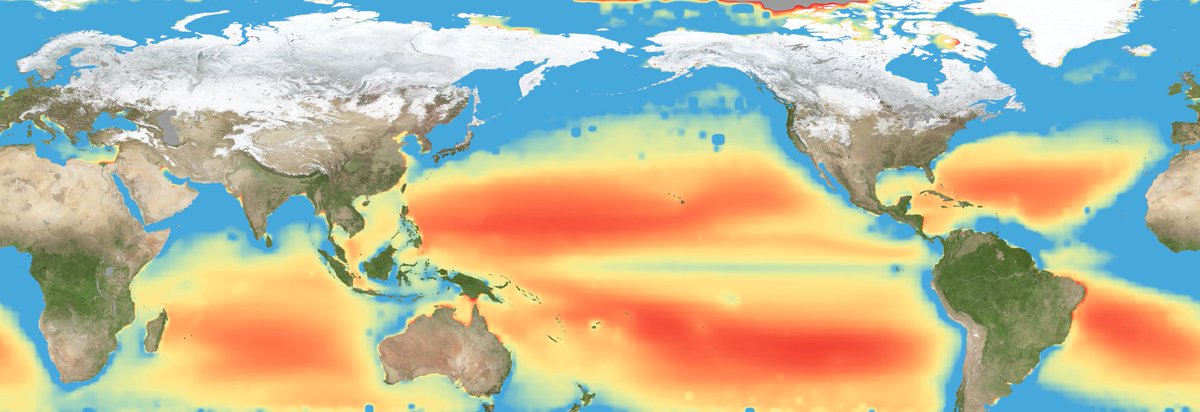
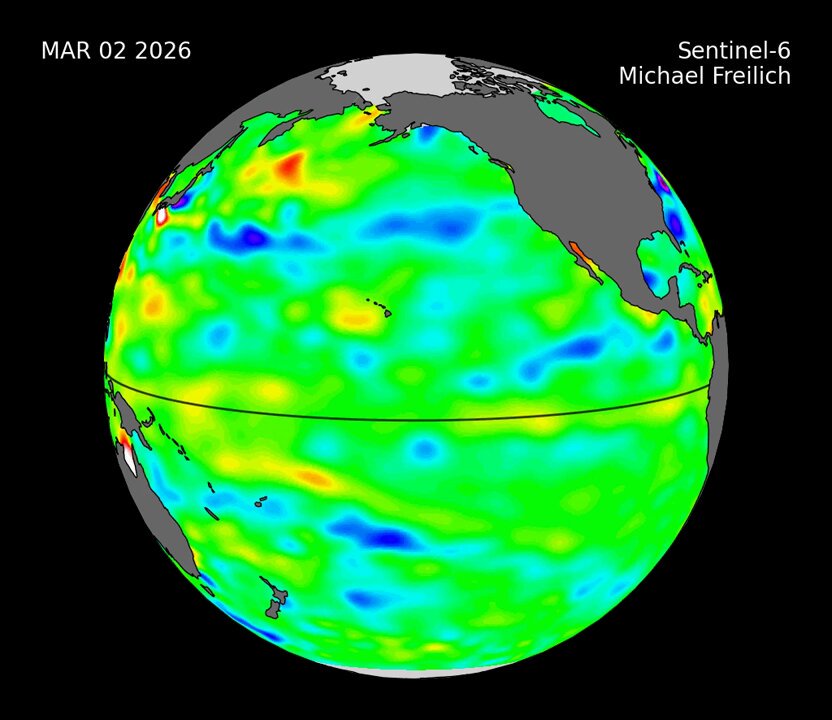
Warm waters may be causing nutrient stress in the ocean. NASA satellite data helped scientists study phytoplankton — the base of ocean food webs — and see where nutrients may be harder to reach. The result is a global map of where they’re thriving or struggling.
13
103
456
23,636
On the map, red shows areas with the highest nutrient-related stress. The study found this stress is tied to seasons and major weather cycles such as El Niño and the Pacific Decadal Oscillation, which lead to warming waters in the Pacific Ocean. More: go.nasa.gov/4gcHUIP
2
11
62
9,220
Groundwater aquifers in Brazil are declining, according to a new study using NASA data. Drought, deforestation, agriculture, mining, groundwater use and other factors are straining the aquifers that supply more than half of the country’s water. go.nasa.gov/4ogS2Ce
11
72
226
15,057
Houston, prepare for Earth joy!🌎 Today NASA announced the crew for the Artemis III mission, which will fly in low Earth orbit. They’ll demonstrate rendezvous and docking capabilities with commercial human landing systems, a critical step in our return to the lunar surface.
21
299
1,930
37,197
Earth Joy 🌎🥹
Jun 9
Replying to @NASA
“While Artemis II was all about Moon Joy, Artemis III will be all about Earth Joy.” @NASAScience_ lead Nicky Fox explains how Artemis III will advance our scientific objectives for future crewed lunar landings.
4
73
666
27,981
NASA Earth retweeted
Jun 9
LIVE: Meet the crew of our next Artemis mission. We're sharing the latest updates on Artemis III: x.com/i/broadcasts/1DxleekBr…
487
2,070
7,370
1,224,758
Don’t you want to just dive in? 🌊 #WorldOceanDay
6
97
509
24,401
Thanks to satellites like PACE and SWOT, we can now study the ocean at a level of detail we couldn’t before. NASA’s Earth-observing instruments help scientists see how the ocean supports life and affects our temperature, weather, climate, and food supply. go.nasa.gov/4fyeWmC
2
13
50
7,903
NASA Earth retweeted
We live on a water planet. Celebrate World Ocean Day by exploring Earth from the perspective of our ocean monitoring satellite, PACE. From dust and smoke in the atmosphere to life on land and in the water, PACE gives us a whole new way to see the seas. go.nasa.gov/4ueqtuE
4
34
127
17,340
Good news for mangrove forests! 🌳 Mangrove forests, which had been shrinking for years, began to expand in 2010. A new study using Landsat observations reveals forest gains accelerated in the past decade and have nearly offset earlier losses.
8
62
318
20,271
The decline has largely reversed due to conservation efforts and the natural propagation of mangrove plants, but the forests still face threats from storms, erosion, pollution, and deforestation in many regions. More: go.nasa.gov/4apVIvJ
2
10
41
8,721
Wildfires are creating unhealthy air far from active flames. According to a new NASA study, wildfires have worsened ground-level ozone pollution across much of the U.S. since 2015. NASA’s satellite data and models help track air quality patterns across states and fire seasons.
20
171
525
35,532
Wildfires emit gases that can react in sunlight to form surface ozone. Though ozone high in the atmosphere shields Earth from UV radiation, surface ozone near the ground can irritate lungs and worsen respiratory diseases. Learn more: go.nasa.gov/4x7aqBA
1
11
43
9,041