
This account has been sunset. Follow us on @NASAUniverse for all future exoplanet updates.
- Tweets 8,863
- Following 95
- Followers 1,379,812
- Likes 3,352
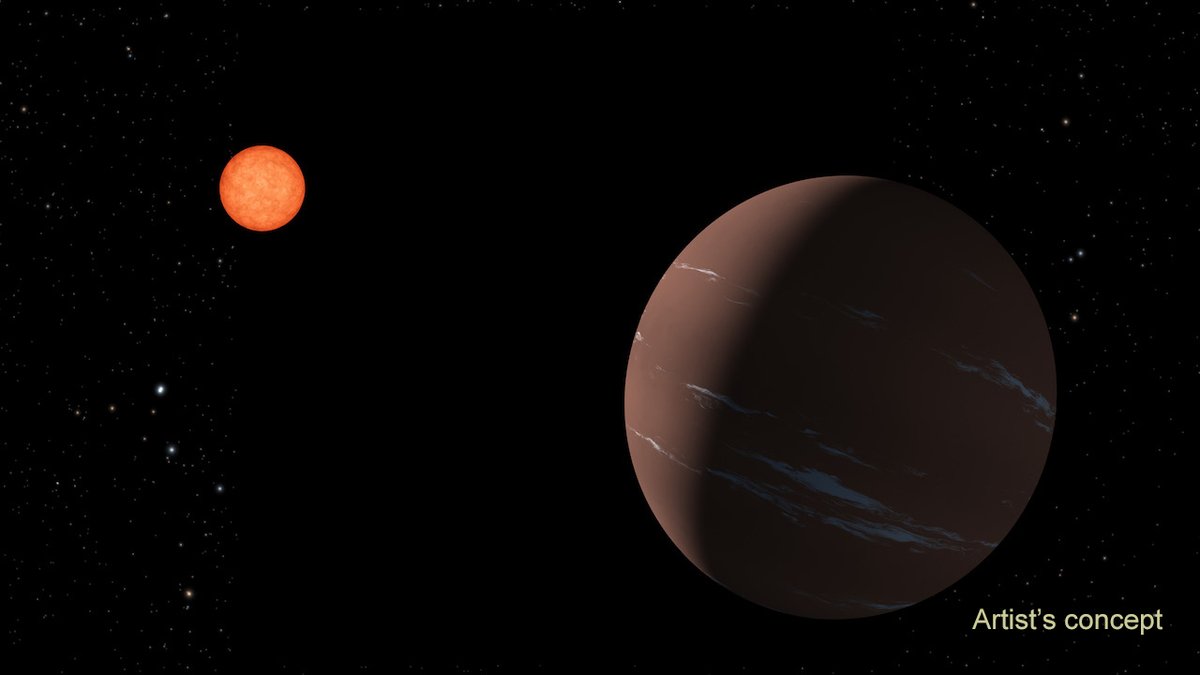
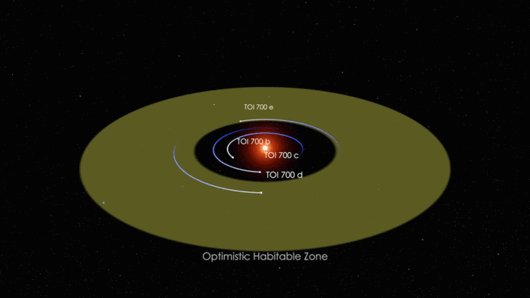
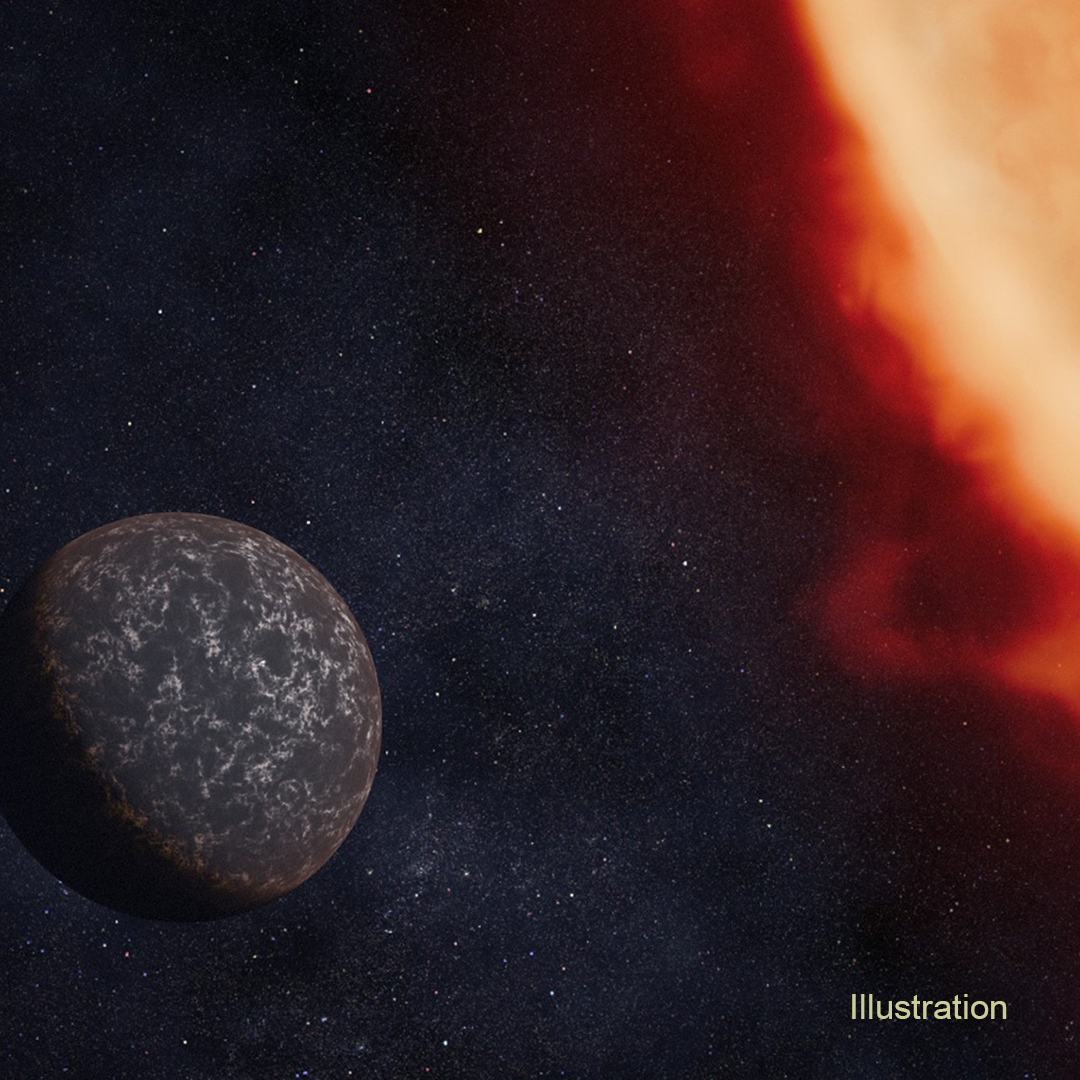
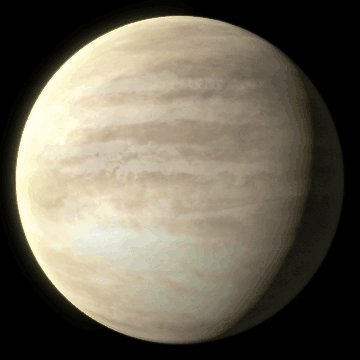

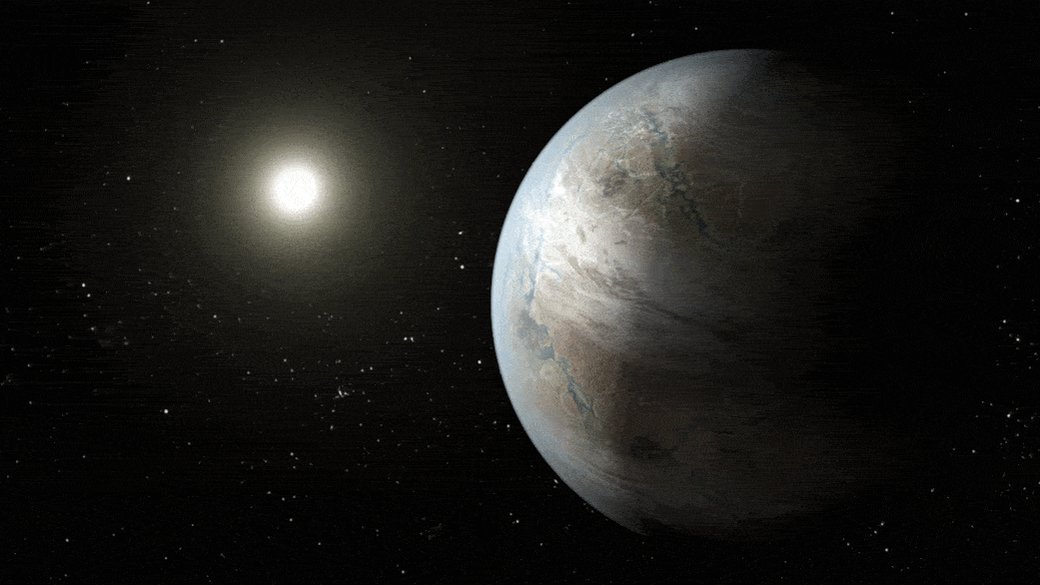
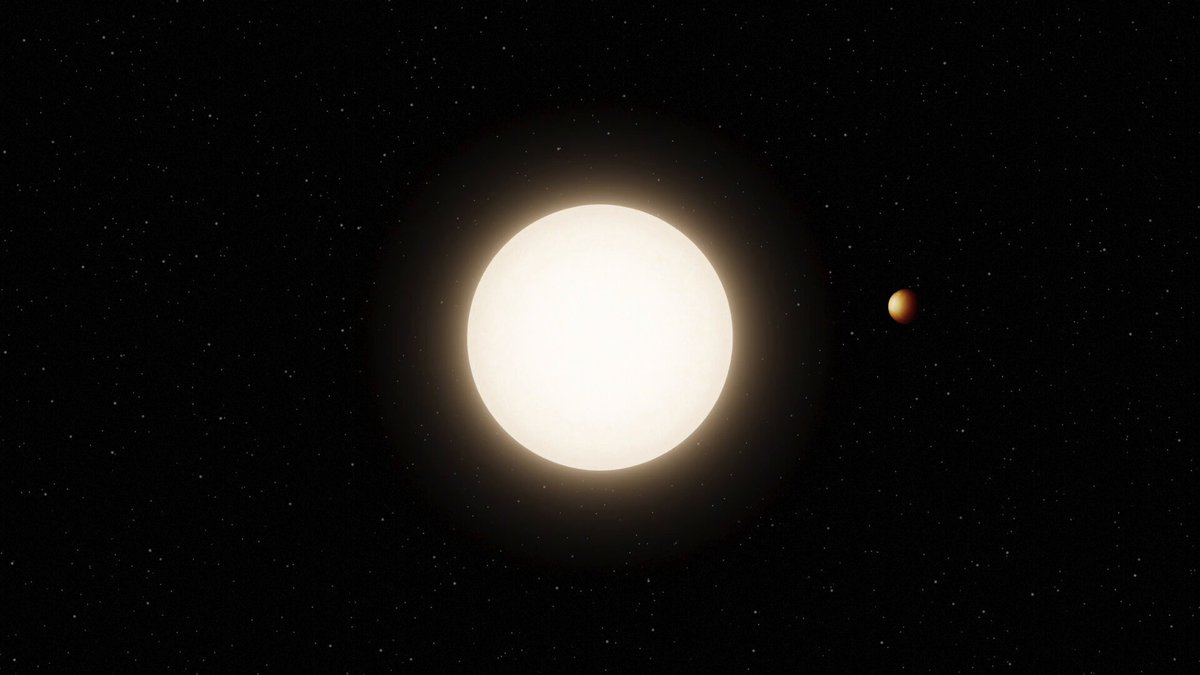


ALT An artist’s concept shows one way that planet TOI-715 b, a super-Earth in the habitable zone around its star, might appear to a nearby observer. On the right lower foreground, this illustration shows a 'super-Earth' – a planet larger than Earth but smaller than Neptune – with a brownish atmosphere flecked with white, horizontal strips of cloud. The planet's left side is partially lit by its reddish parent star, a red dwarf, smaller and cooler than our Sun, seen in the upper left of the image. It is labeled Artist’s concept in the bottom right corner.
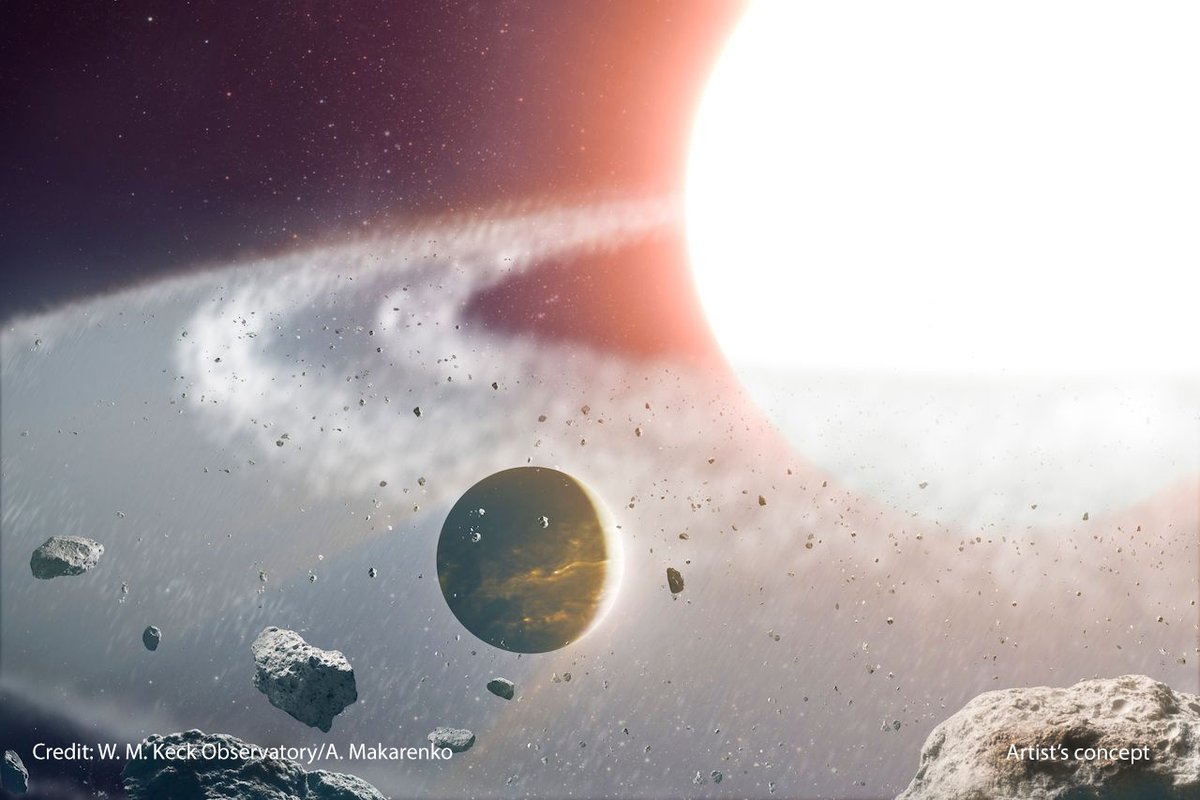
ALT An artist's concept depicts a giant exoplanet in the path of a red giant star's destruction.


ALT A blue robot stands on the left with a red bird perched atop its left hand. The text reads: The 12-hour #OneMillionActsOfScience Palooza Hosted by the scistarter team Monday, APril 15th, 2024, 10a to 10pm EDT.
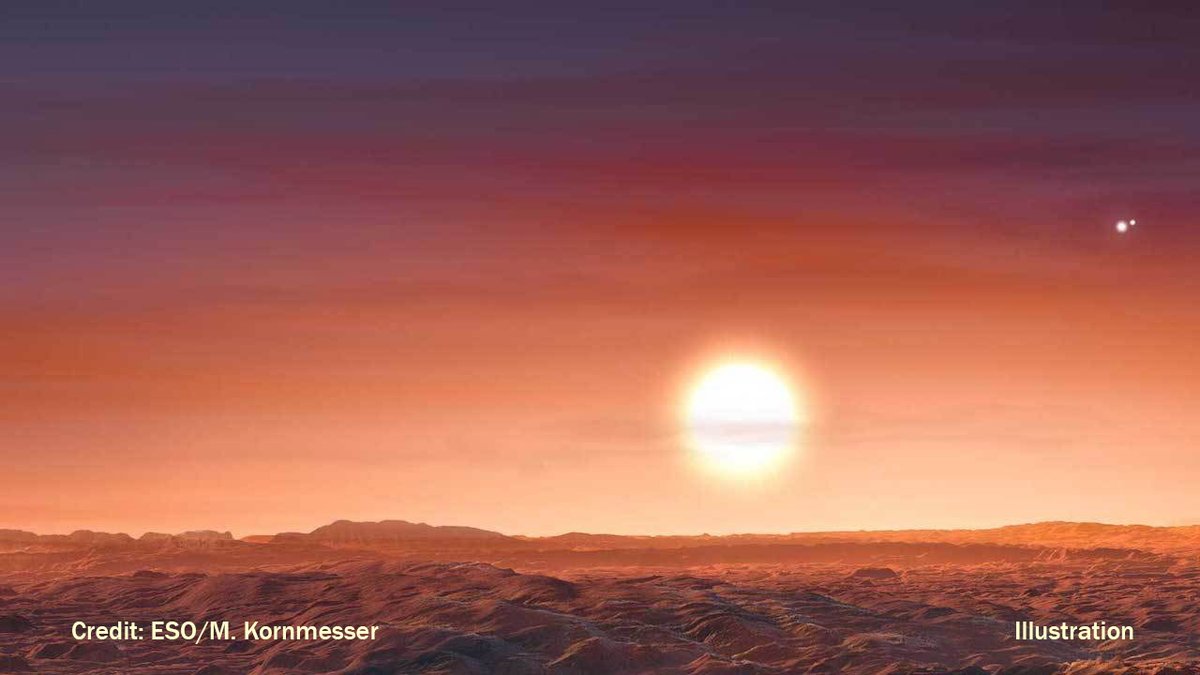
ALT An artist's concept depicts the imagined view from the surface of a terrestrial exoplanet. The surface is rocky with hills or mountains on the horizon. The shy is dusky with one large star low on the horizon, with two other stars in sky, higher and farther away. It is labeled Illustration and the credit is ESO.
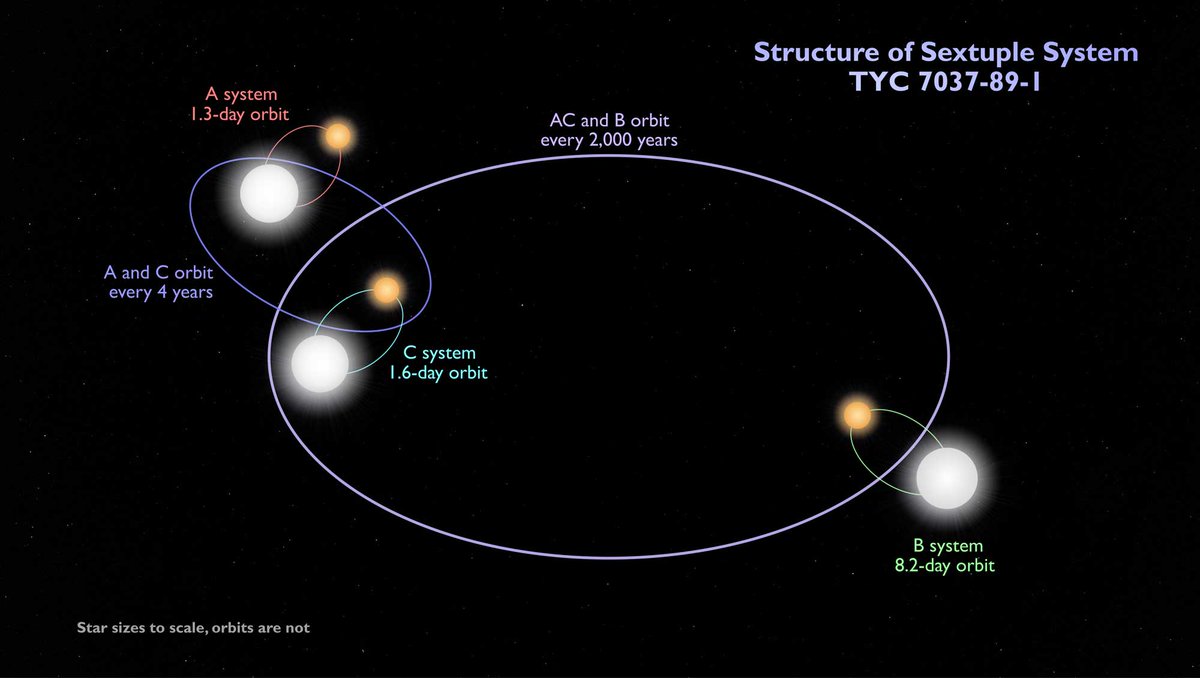
ALT Eclipsing binary schematic headlined Structure of Sextuple System TYC 7037-89-1. This schematic shows the configuration. The inner quadruple is composed of two binaries, A and C, which orbit each other every four years or so. An outer binary, B, orbits the quadruple roughly every 2,000 years. All three pairs are eclipsing binaries. The orbits shown are not to scale. Credit: NASA's Goddard Space Flight Center
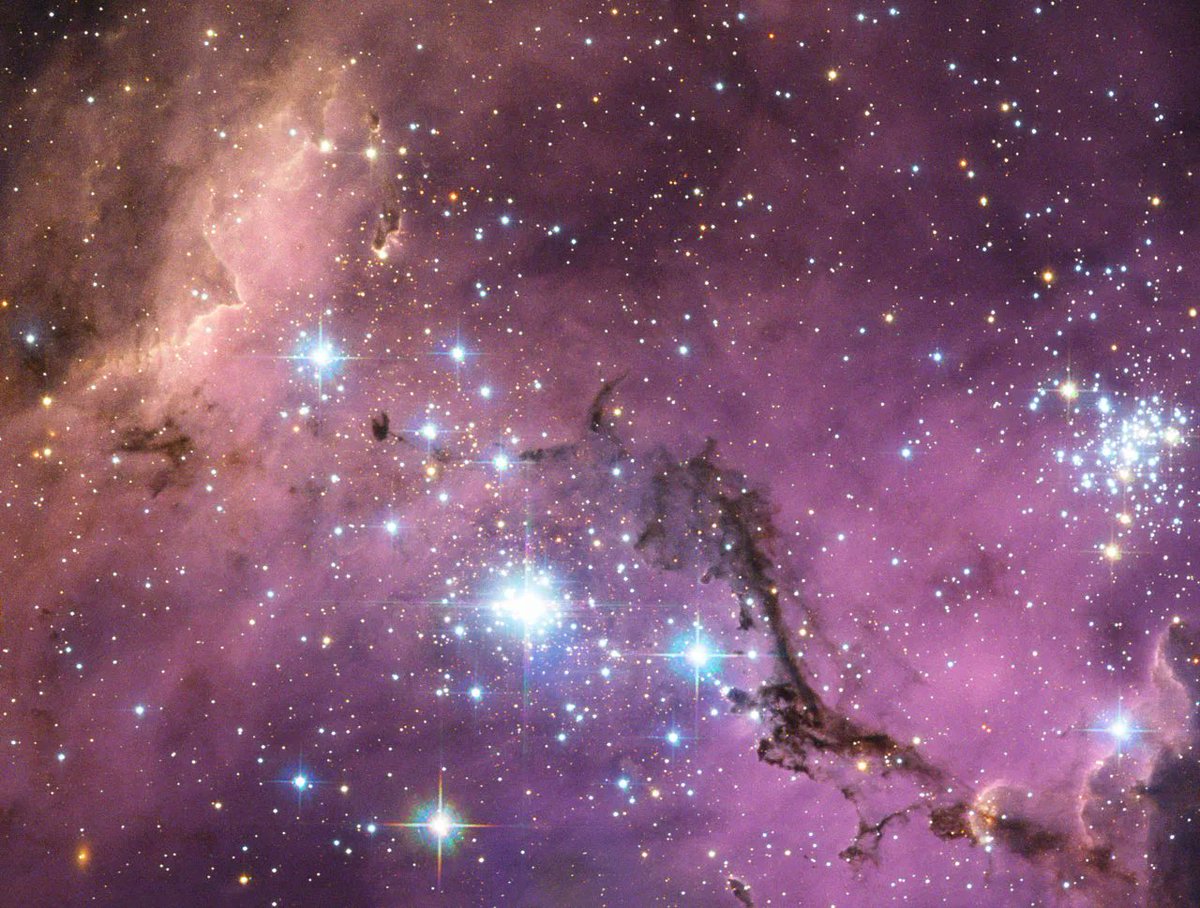
ALT The Large magellanic cloud shines in purple with black streaks in this image from @NASAHubble. The gas and dust is purple and new stars shine in white and blue.

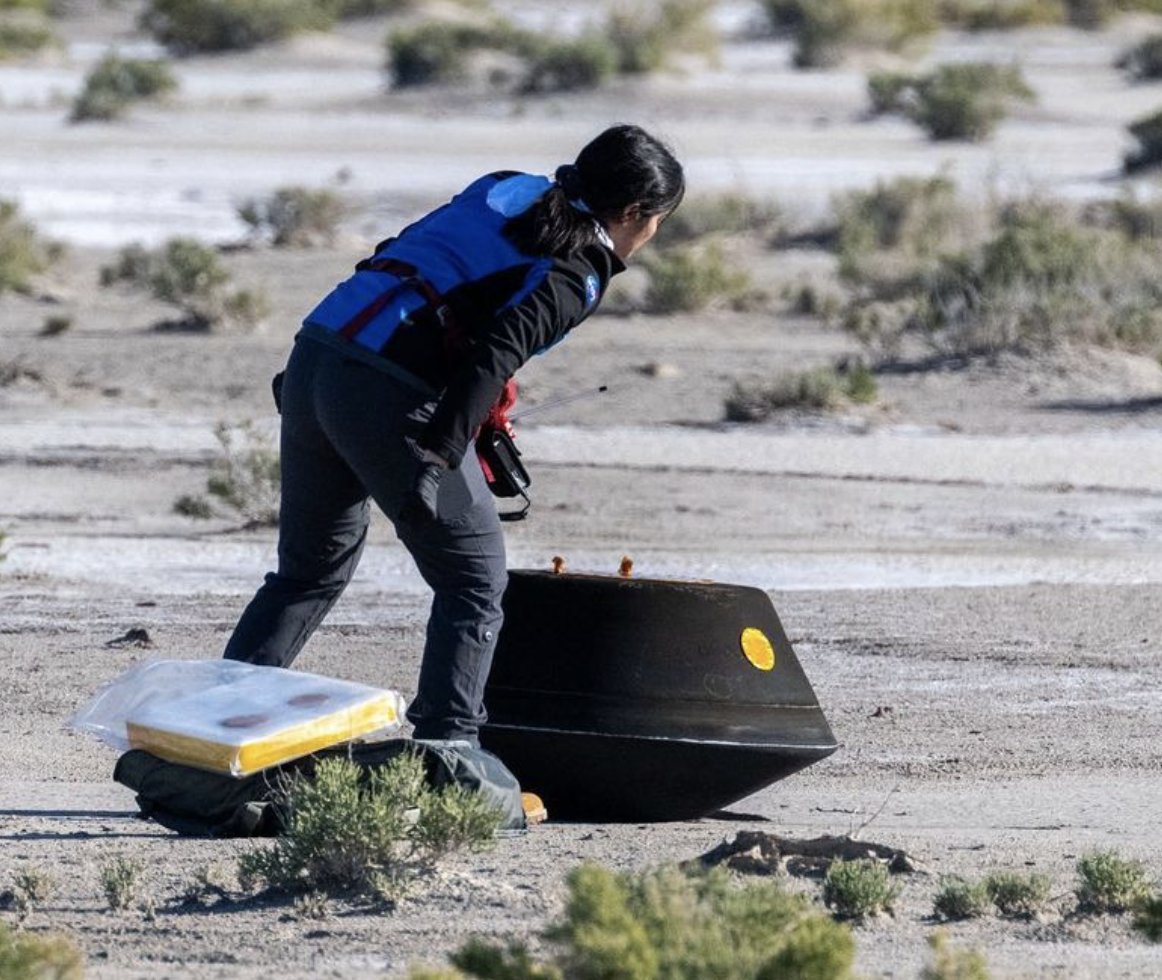
ALT An engineer attends to the OSIRIS-REx sample return capsule soon after its landing in the Utah desert. The capsule is about the size of a large truck tire, charred black from reentry, and rests on flat, bare, salty soil with a few scrub plants nearby.
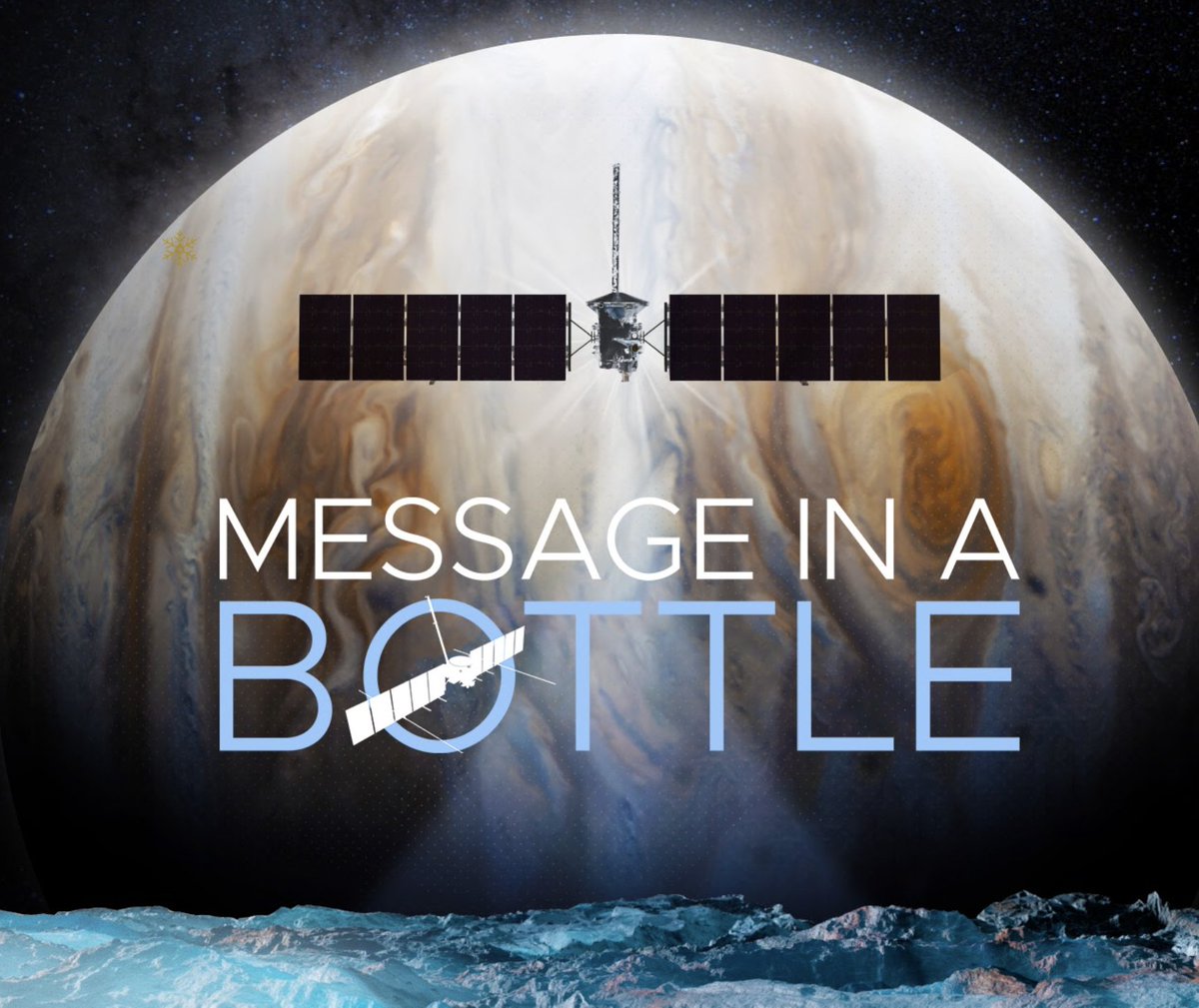
ALT An illustration of the icy surface of Europa, the Europa Clipper spacecraft with its large solar panel wings, and Jupiter in the background. Text reads: Message In a Bottle