This account is now archived.
For future news about NASA technology in your life, visit @NASA_Technology or spinoff.nasa.gov. There's always more space in your life than you think!
ALT Spinoff 2025: A series of images related to NASA Spinoffs, including a house, an astronaut on the ISS, a statue, two engineers examining a component, a beaver, and a satellite image, each punctuated with part of the sentence "There's more space in your life than you think!"
Reminder: This account will soon be archived. Please follow @NASA_Technology and visit spinoff.nasa.gov to continue reading about the benefits of NASA innovations on Earth.
NASA is shrinking its social media footprint, including Spinoff, but sharing NASA innovations benefitting life on Earth is important as ever. Future news and updates about space in your life will continue on @NASA_Technology and will always be available on spinoff.nasa.gov
ALT The NASA Spinoff Social Media Icon, featuring the name of the account towards the top and concentric circles at the bottom
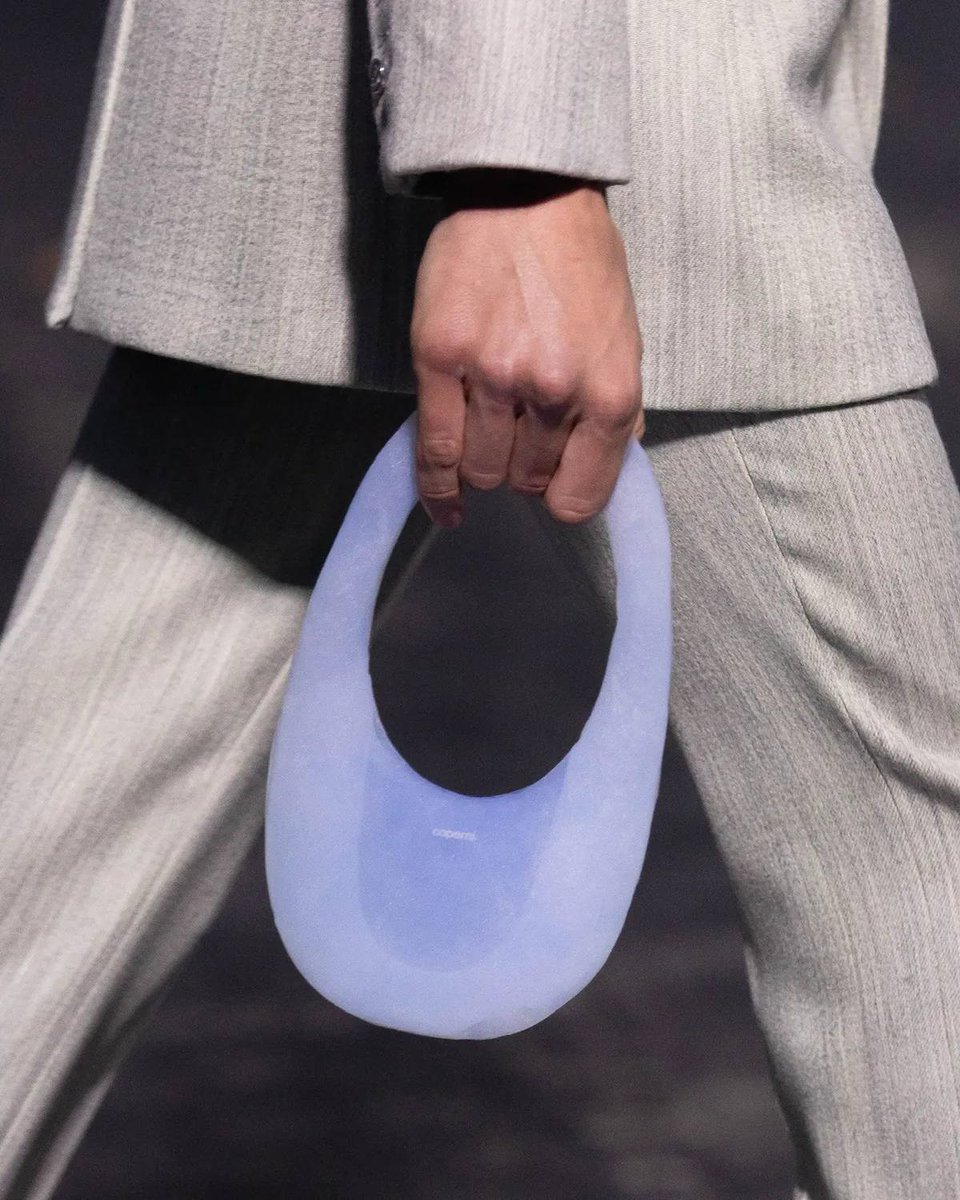
Aerogel is SO hot right now.
@NASAJPL used this incredible material to catch dust from a comet, here's how an artist used help from a NASA scientist to bring aerogel to the catwalk. go.nasa.gov/4kTOPWs
ALT A model holds a small purse made of aerogel, with a softly transparent blue color and adorned with the logo of the Coperni fashion brand.
NASA is shrinking its social media footprint, including Spinoff, but sharing NASA innovations benefitting life on Earth is important as ever. Future news and updates about space in your life will continue on @NASA_Technology and will always be available on spinoff.nasa.gov
ALT The NASA Spinoff Social Media Icon, featuring the name of the account towards the top and concentric circles at the bottom
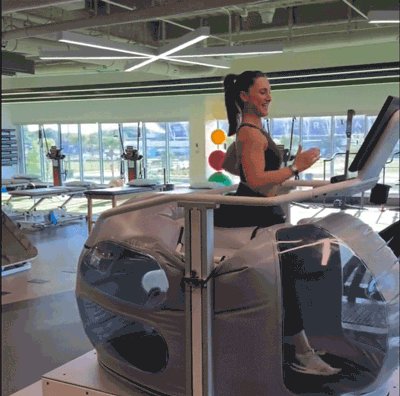
Who knew walking on air could have its benefits?
A treadmill designed by a NASA engineer uses air pressure to reduce the force of gravity and help people walk again after traumatic injuries: go.nasa.gov/3FEAzBQ
ALT A video of a woman running on a treadmill, a large bubble-like structure attached to the treadmill surrounds her lower half. Other treadmills and exercise equipment are seen in the background.
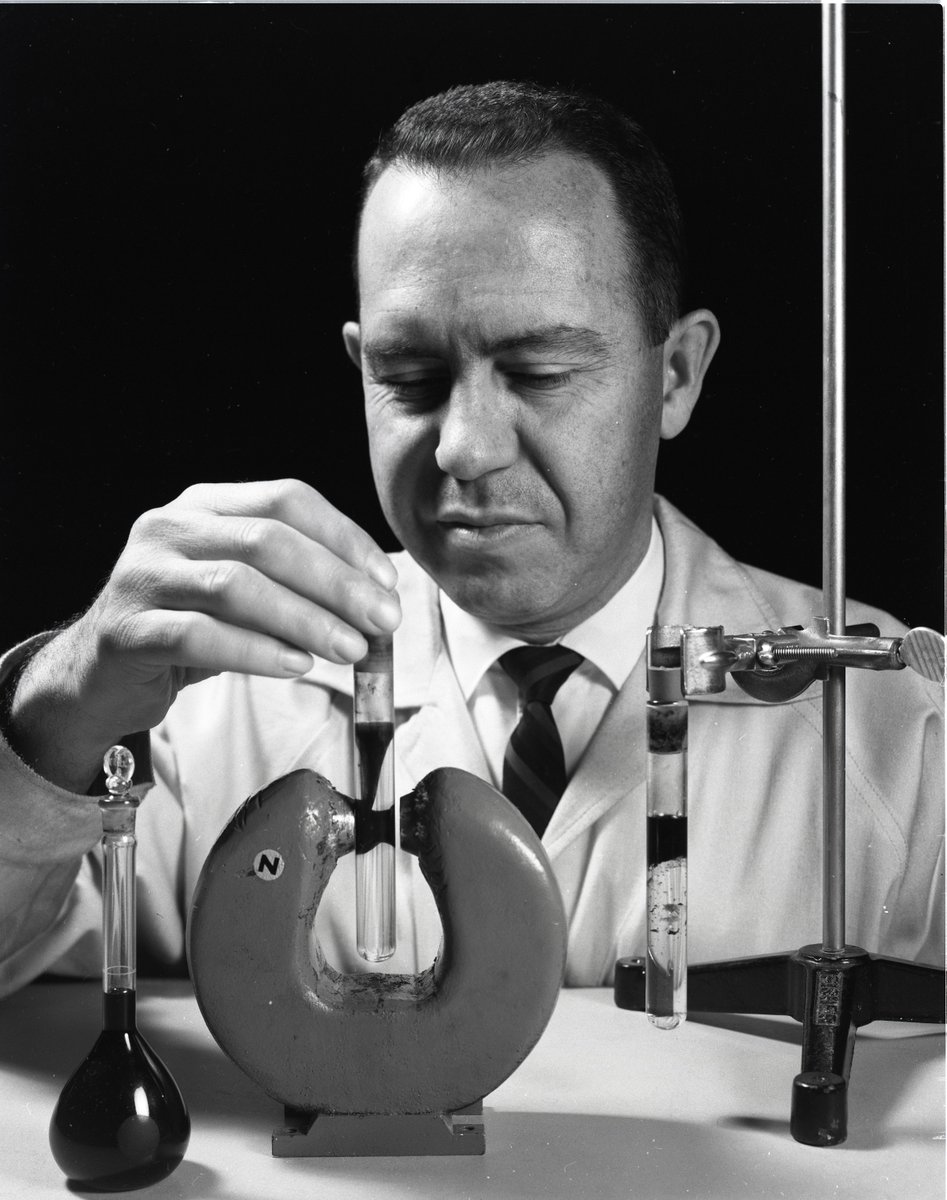
In the 1960s, a NASA Glenn engineer developed a magnetized fluid to move fuel in microgravity.
While it wasn’t used in spaceflight, the invention led to ferrofluids — a breakthrough material now used in semiconductor manufacturing, waterproof seals, medical research, and even art installations.
More on how @NASA research fuels progress on Earth in this @NASAspinoff feature: go.nasa.gov/4m8ZyxE
ALT A black-and-white image of NASA researcher Stephen Papell, the inventor of ferrofluids. He wears a lab coat and works with various vials and scientific equipment on a table. Credit: NASA/John Marton
Introducing the newest inductees into the NASA Inventors Hall of Fame!
These innovators at @NASAglenn, @NASA_Langley, and @NASA_Johnson have designed technologies that both enable space exploration and improve life on our planet. Read more: go.nasa.gov/3H2famr
ALT On a sylized background depicting circuits, a cartoon image of a dark-skinned individual standing at a podium, holding a lightbulb shaped award.
It's Small Business Week!
The Small Business Innovation Research program has been one of the largest incubators of spinoff technologies. From ultra-efficient insulation to virtual reality software, here are some ways @NASA helps small businesses thrive: go.nasa.gov/4d60v5U
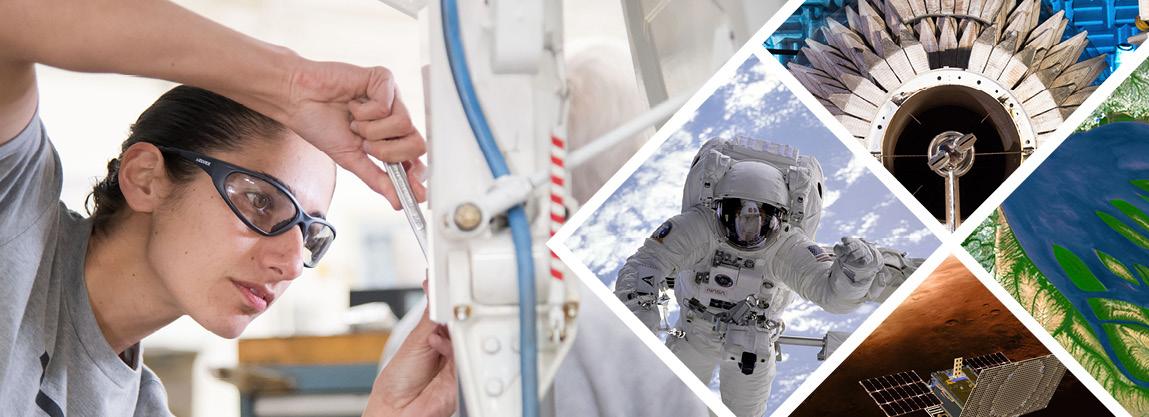
ALT A collage of images relating to SBIRs: A woman wearing safety glasses while working on fixing a machine, an astronaut on a spacewalk, a satellite in orbit, a jet engine, and a image of wetlands from space.
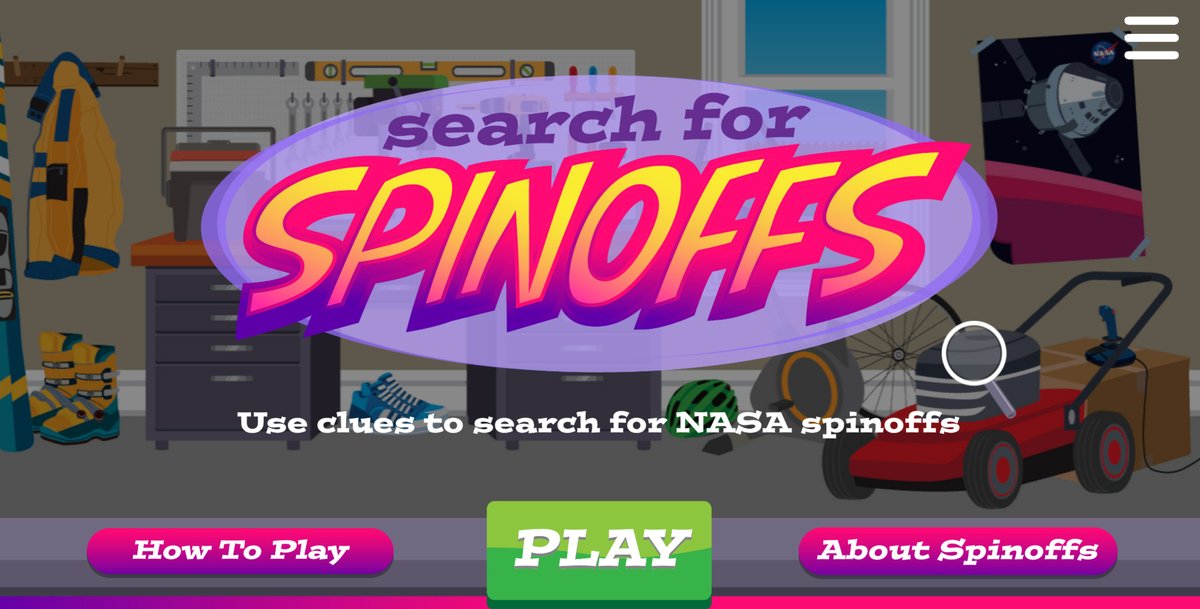
Did you know that NASA technology can be found all around you? 🔎
Check out the Search for Spinoffs game to see if you can find all the examples of @NASAspinoff technology. Then see how many are also found in your home! 🏠
nasa.gov/specials/kidsclub/g…
How did @NASAAmes help advance artificial intelligence?
AI originally developed for automating satellite communications is now helping build 5G networks and smooth transportation logistics: go.nasa.gov/4jxy3MJ
ALT In a data center, a male IT Technician stands and looks at a laptop next to a server rack. Credit: Getty Images
From space to your neighborhood! 🔋
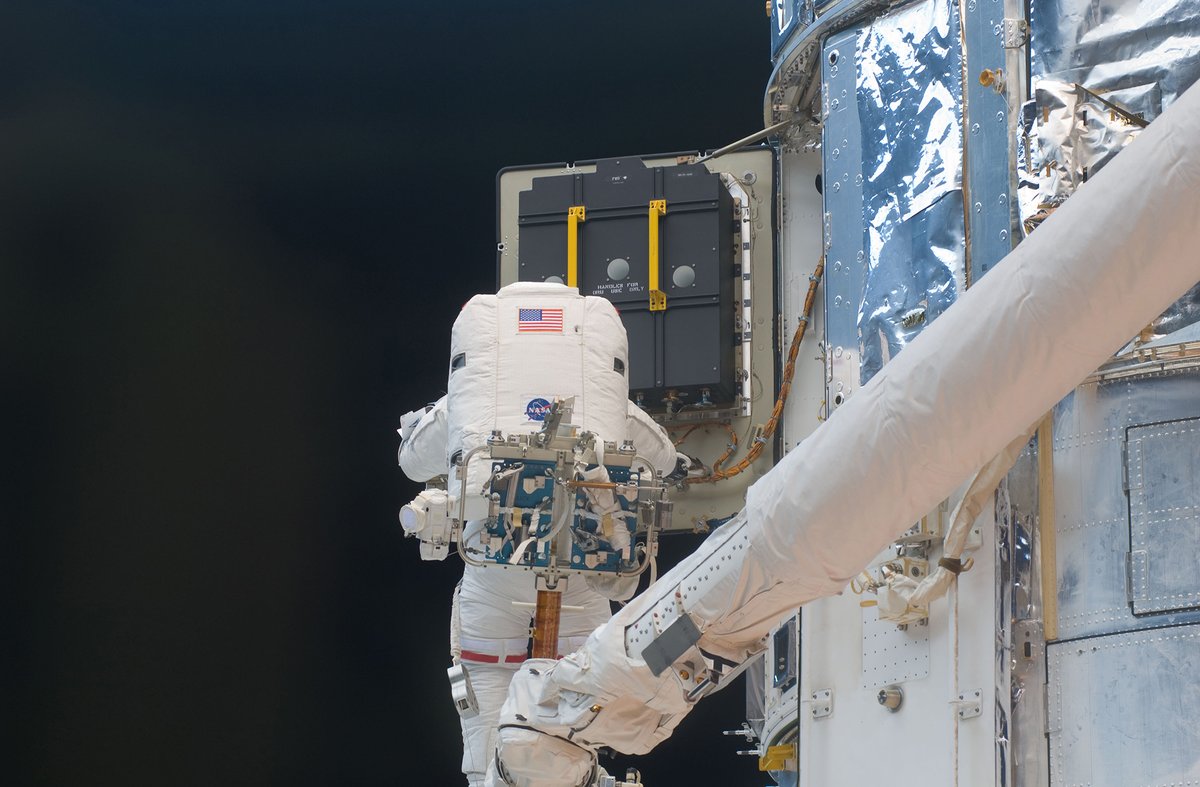
Nickel-hydrogen batteries — once used to power missions like @NASAHubble and the International @Space_Station — are now storing renewable energy here on Earth.
Thanks to research done here at Glenn, this space-proven tech is now more affordable and can be used at power plants, businesses, and homes: go.nasa.gov/4aYKWvJ
ALT Astronaut John Grunsfeld replaces the Hubble Space Telescope’s original nickel-hydrogen batteries in 2009. Credit: NASA
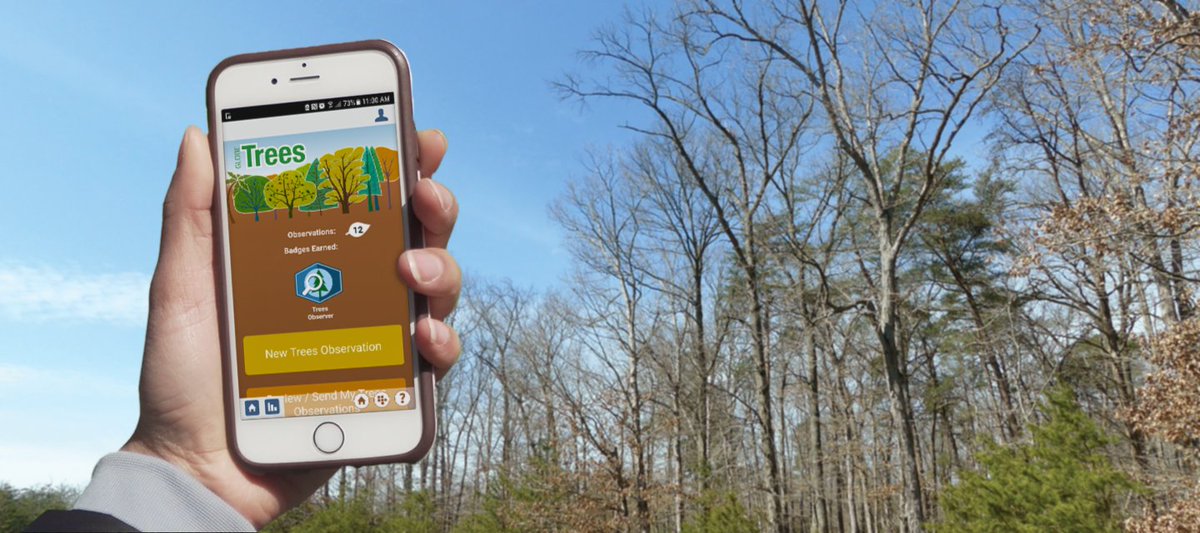
Happy Arbor Day! 🌲🌳
Celebrate by hugging a tree and then measuring it with the @GLOBEProgram's Observer App! By collecting data - like tree height & circumference - you can help scientists better understand our global ecosystem. #CitSciMonthobserver.globe.gov/do-globe-…
ALT A hand holds a mobile phone displaying the GLOBE Trees app up to a bank of leafless trees in the distance
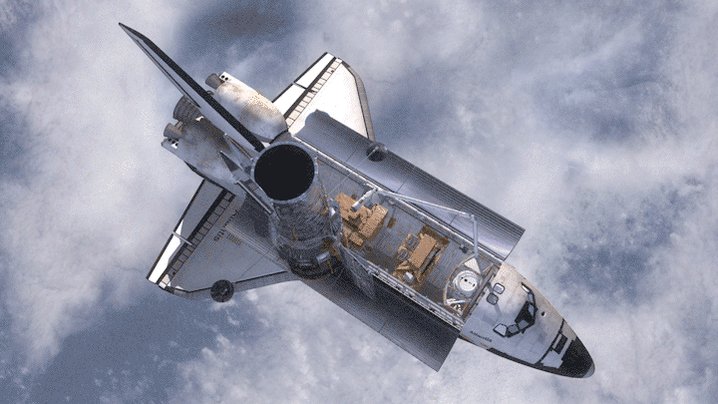
35 years later, how has @NASAHubble directly impacted your life?
From mammograms to color-matching paints, here are some of the everyday technologies that looking into space brought back to Earth: go.nasa.gov/3GqpbcX
ALT An animated artist’s rendition of the space shuttle Atlantis releasing the Hubble Space Telescope away from its robotic manipulator arm in orbit.
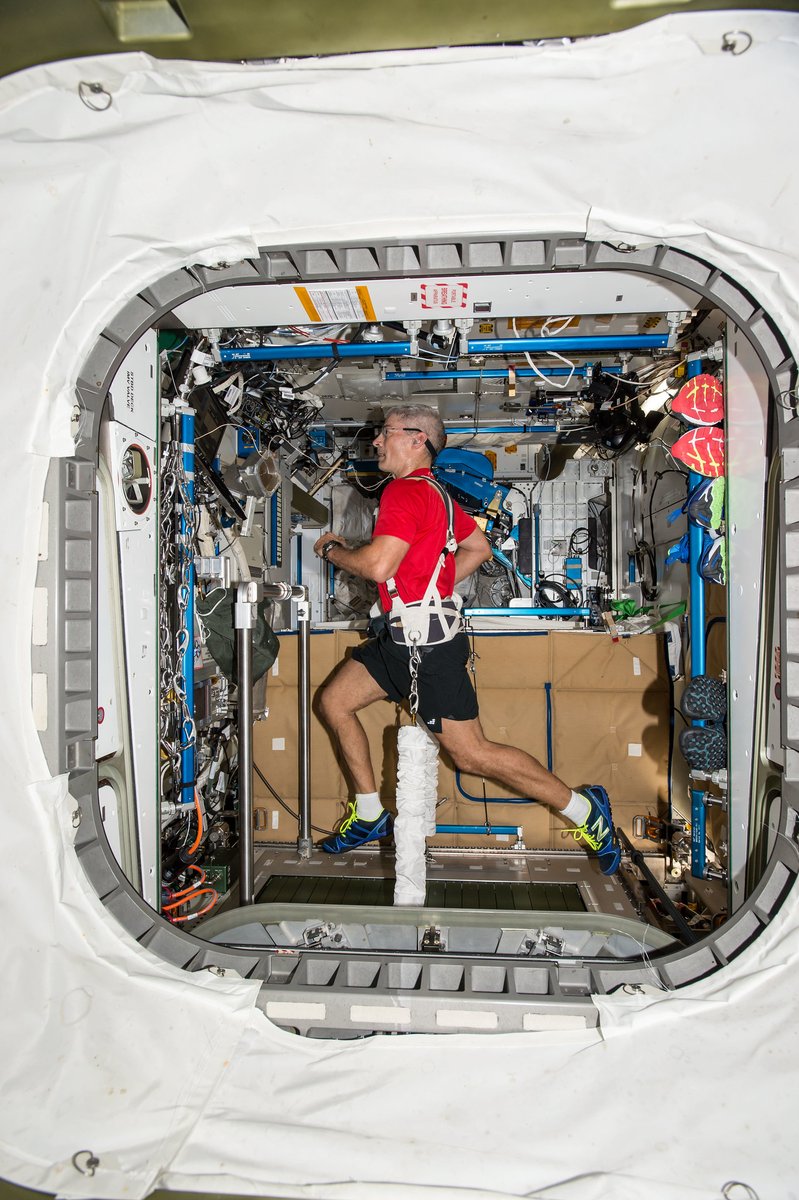
Patient recoveries on Earth are getting a boost from space tech! 🏃
Learn how exercise equipment to keep astronauts fit in microgravity led to the development of an anti-gravity treadmill that's helping Earth patients regain their strength. spinoff.nasa.gov/Space_Tech_…
ALT NASA astronaut Mark Vande Hei jogs on a treadmill inside the space station. Photo credit: NASA
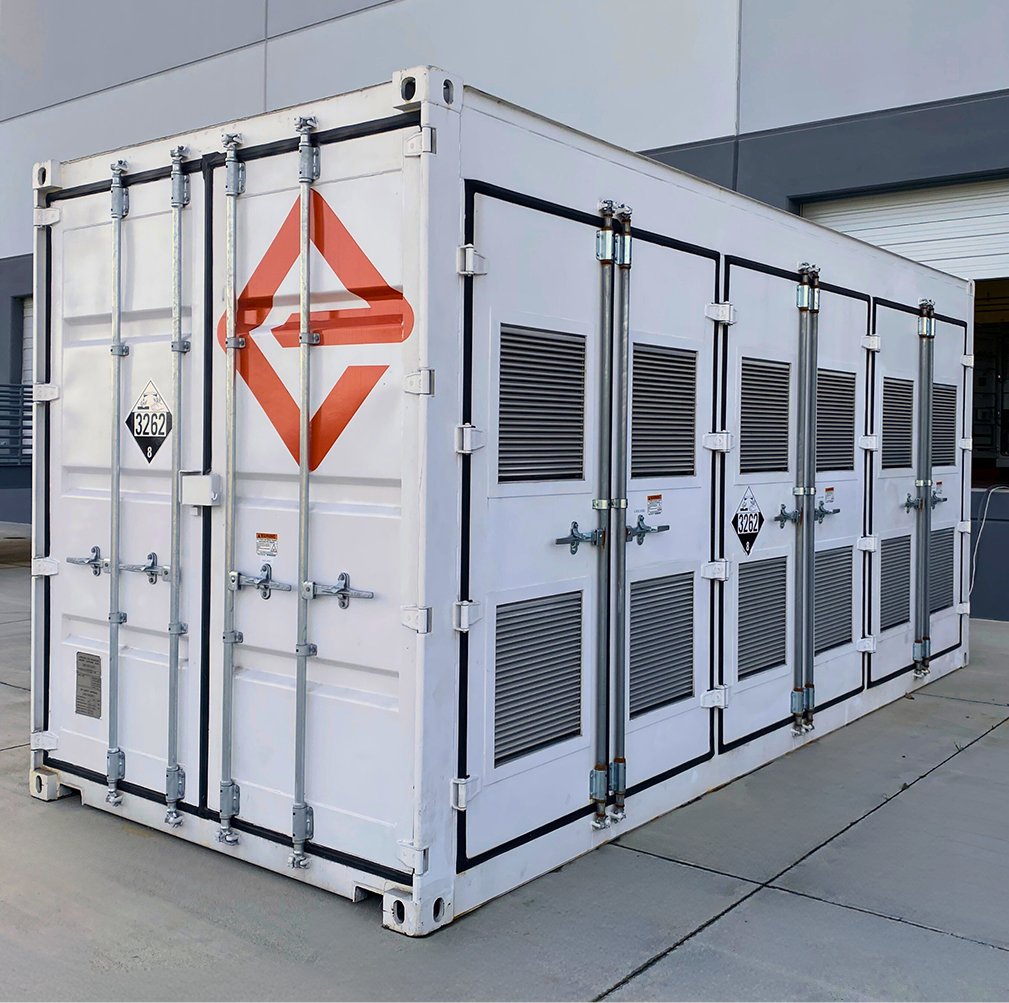
Whether on the ground or in deep space, it's important batteries are reliable.
The nickel-hydrogen battery technology pioneered by @NASA now allows power generated by intermittent sources to be delivered on demand: go.nasa.gov/4jKucLJ
ALT A white shipping-container-like enclosure, filled with batteries and adorned with the logo for Enervenue, sits next to a building
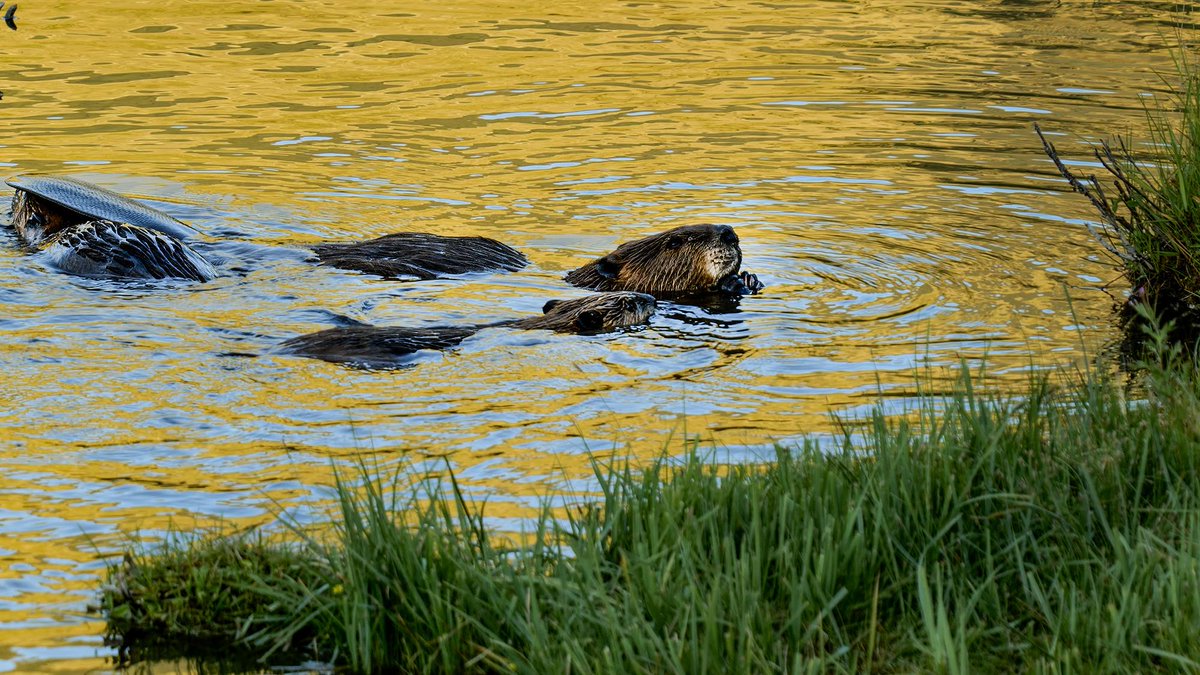
This #EarthDay, read about how @NASA data helps everyone on Earth – from researchers exploring ways to restore ecosystems after wildfires, to the beavers that are making it happen: go.nasa.gov/4lIIJcD
ALT Near the grassy bank of a stream, A beaver family swims and nibbles on aspen branches in Spawn Creek, Utah. Their tails and heads are poking out from under the water. Credit: Sarah Koenigsberg
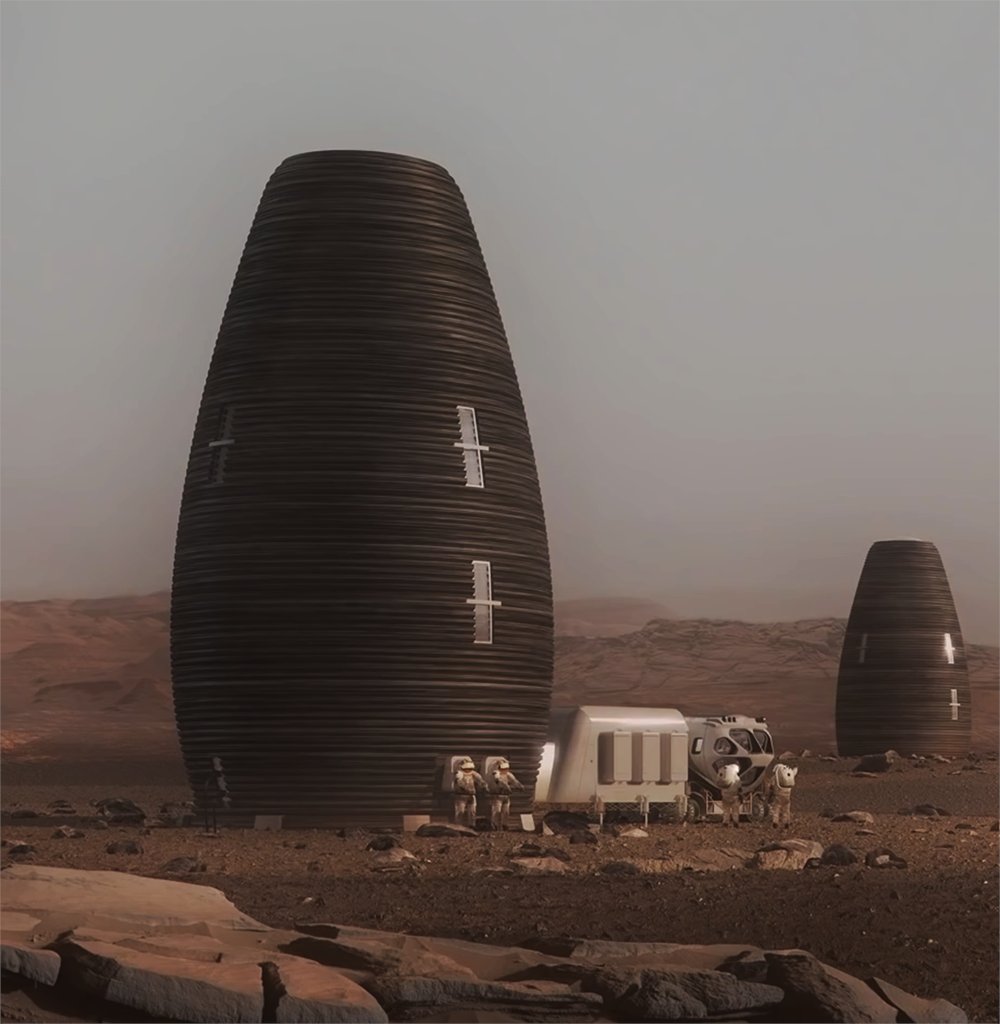
After winning @NASAPrize's 3D-Printed Habitat Challenge, AI SpaceFactory Inc. has gone on to commercialize two separate 3D printers.
This @NASAspinoff is making large-scale 3D printing more accessible on Earth.
Read more: spinoff.nasa.gov/Dust-Powere…
ALT This is an artist concept of AI SpaceFactory's won 3D printed habitat structure designed for Mars for NASA’s Centennial Challenge which they won in 2019. Credit: NASA
We're picking up some good vibes from you 😎
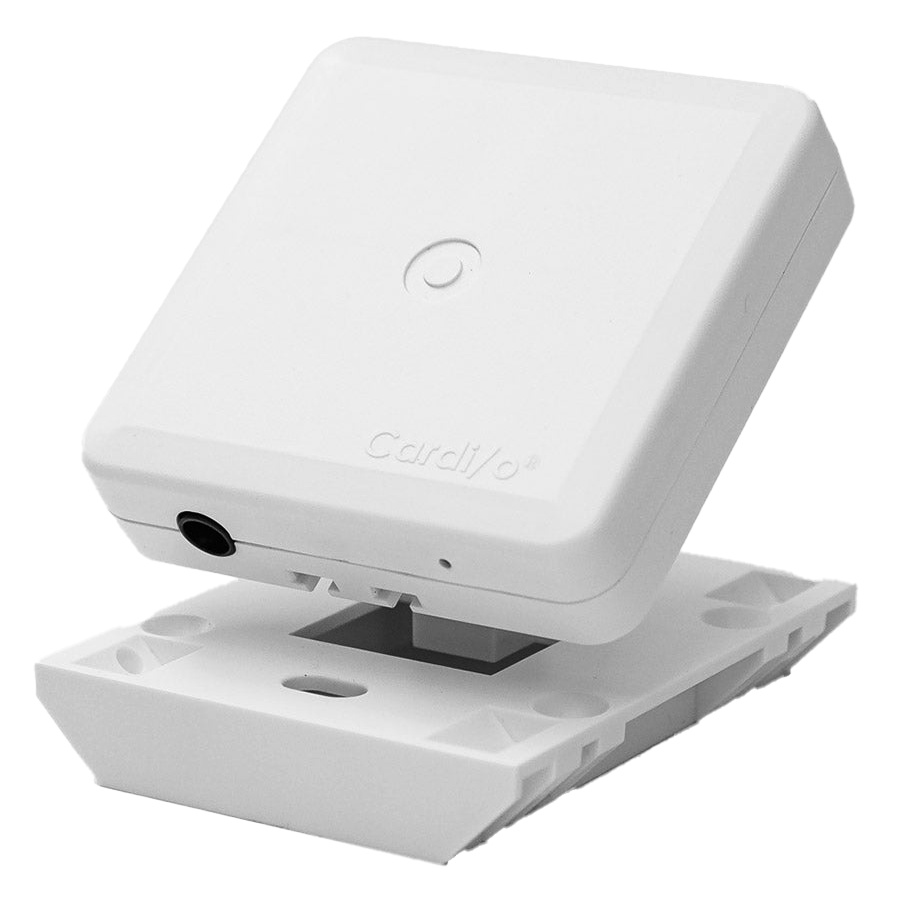
Small vibrations made by the human body can signify vital signs such as heart rate and respiration. NASA research into using radio waves to detect life signs resulted in a wall-mounted home health tracker: go.nasa.gov/43KbkIe
ALT A square shaped device on a trapezoidal mount, "Cardi/o" is imprinted on the surface