
We've moved! For updates on the Neil Gehrels Swift Observatory, please follow the @NASAUniverse account. You can always keep track of us at nasa.gov/swift
Joined December 2011
- Tweets 304
- Following 75
- Followers 7,187
- Likes 10
105 Photos and videos


Pinned Tweet

13 Dec 2019
We've moved! For the latest updates on the Neil Gehrels Swift Observatory, please follow the @NASAUniverse account. You can always keep track of us at nasa.gov/swift.
1
6
21 Nov 2019
OK, wrapping up #Swift15. Thanks to @reginacaputo and @JoshuaSchlieder for help with all the Tweets. We'll leave you all with the 10 year anniversary video (new one coming next year!) and looking forward to many more years of discovery and exploration.
svs.gsfc.nasa.gov/10171
2
11
21 Nov 2019
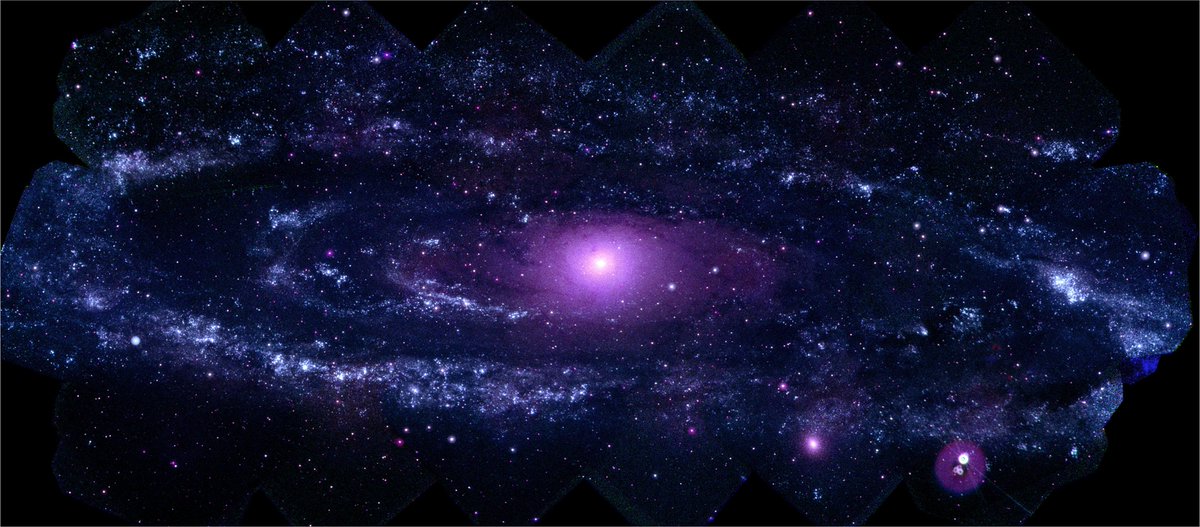
And of course Swift is much more than just GRBs and supernovae. Here are a few representative examples of some of the broad science the community is undertaking for #Swift15Science: Hot, young and blue stars sparkle in Swift’s ultraviolet view of our neighbor the Andromeda galaxy
3
11
24
21 Nov 2019
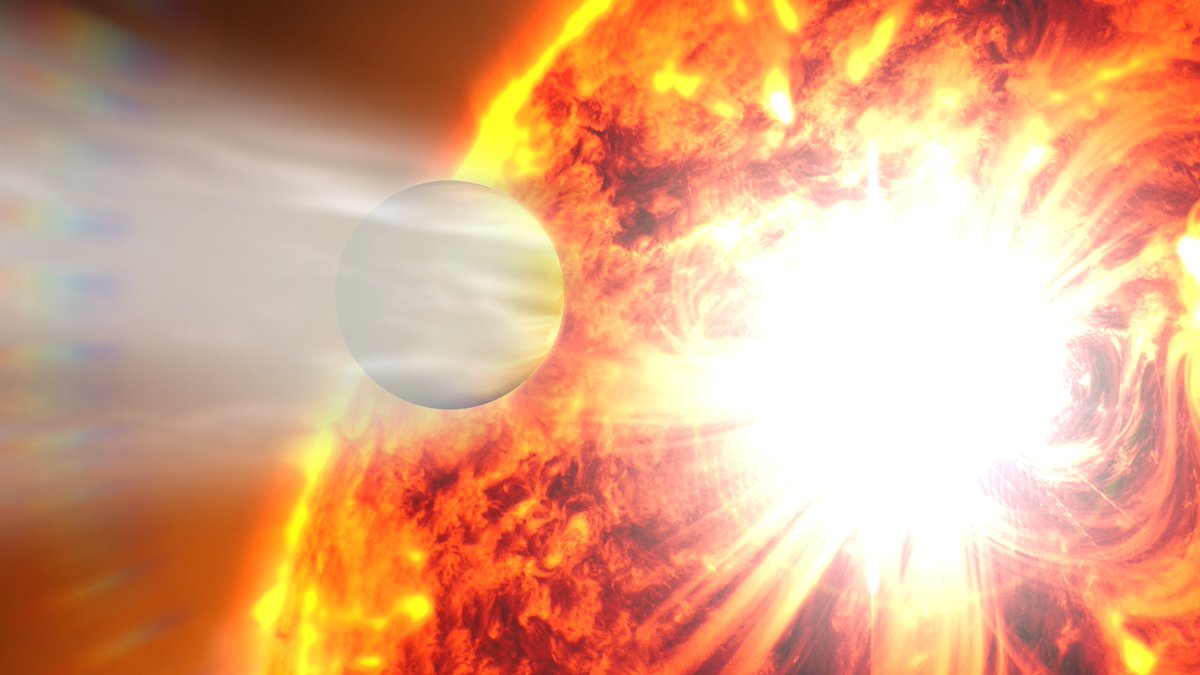
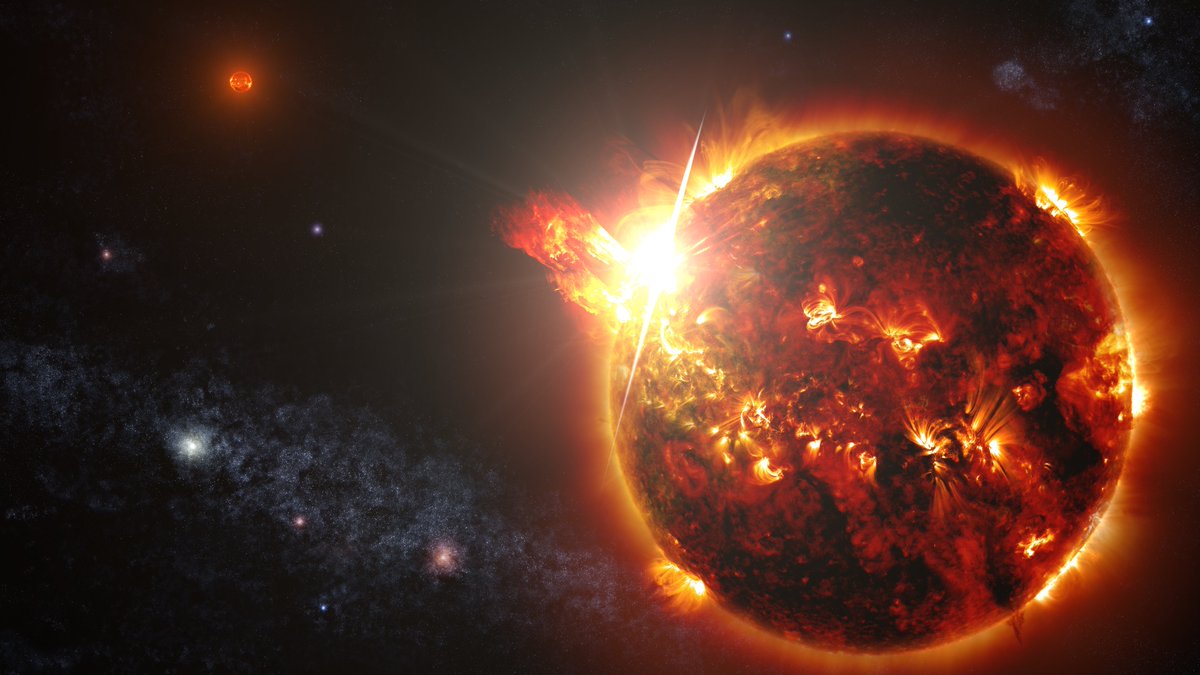
Did you know that Swift studies exoplanet systems? Here's an X-ray flare from the host star (HD 189733b) of a hot-Jupiter just before it transits #Swift15Science
svs.gsfc.nasa.gov/11019
1
1
11
21 Nov 2019
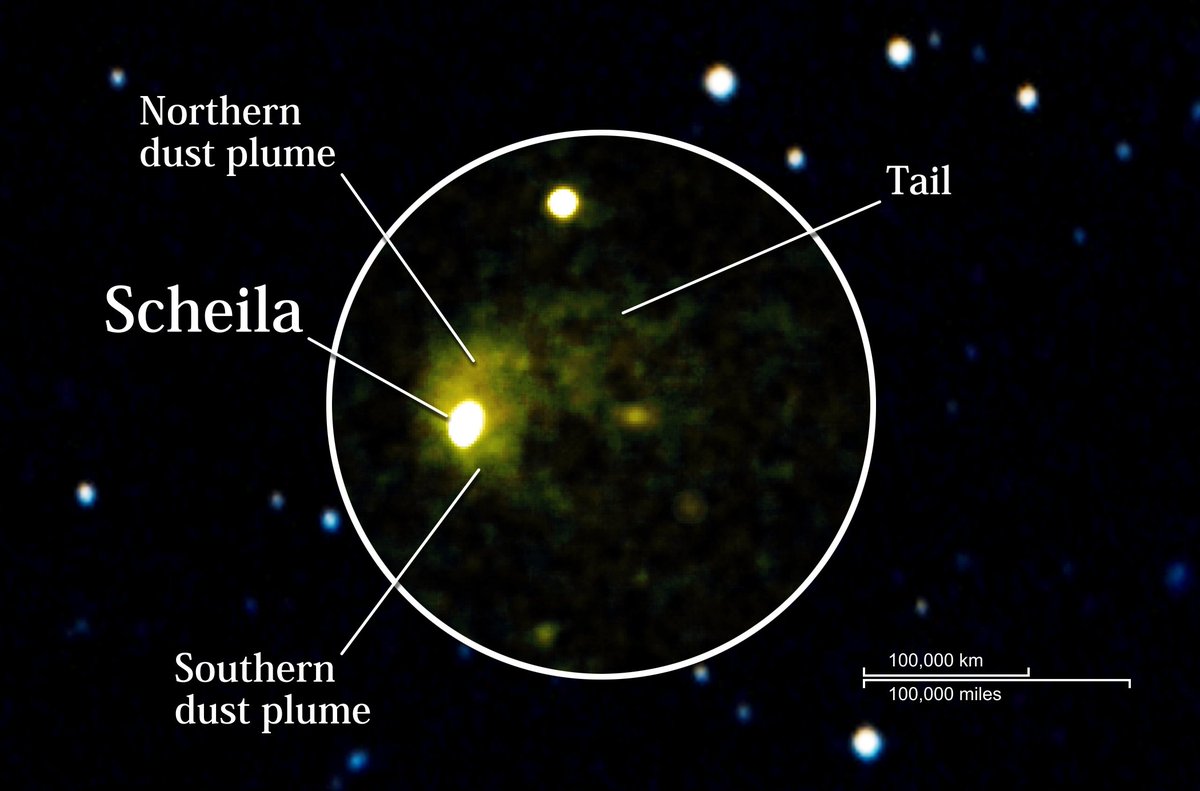
And even closer to home - comets! Swift and @NASAHubble caught a brightening from Asteroid Scheila after it collided with a smaller asteroid.
svs.gsfc.nasa.gov/10747
2
12
21 Nov 2019
More fun cosmic explosions for #Swift15Science 🎇🧨🎆 -
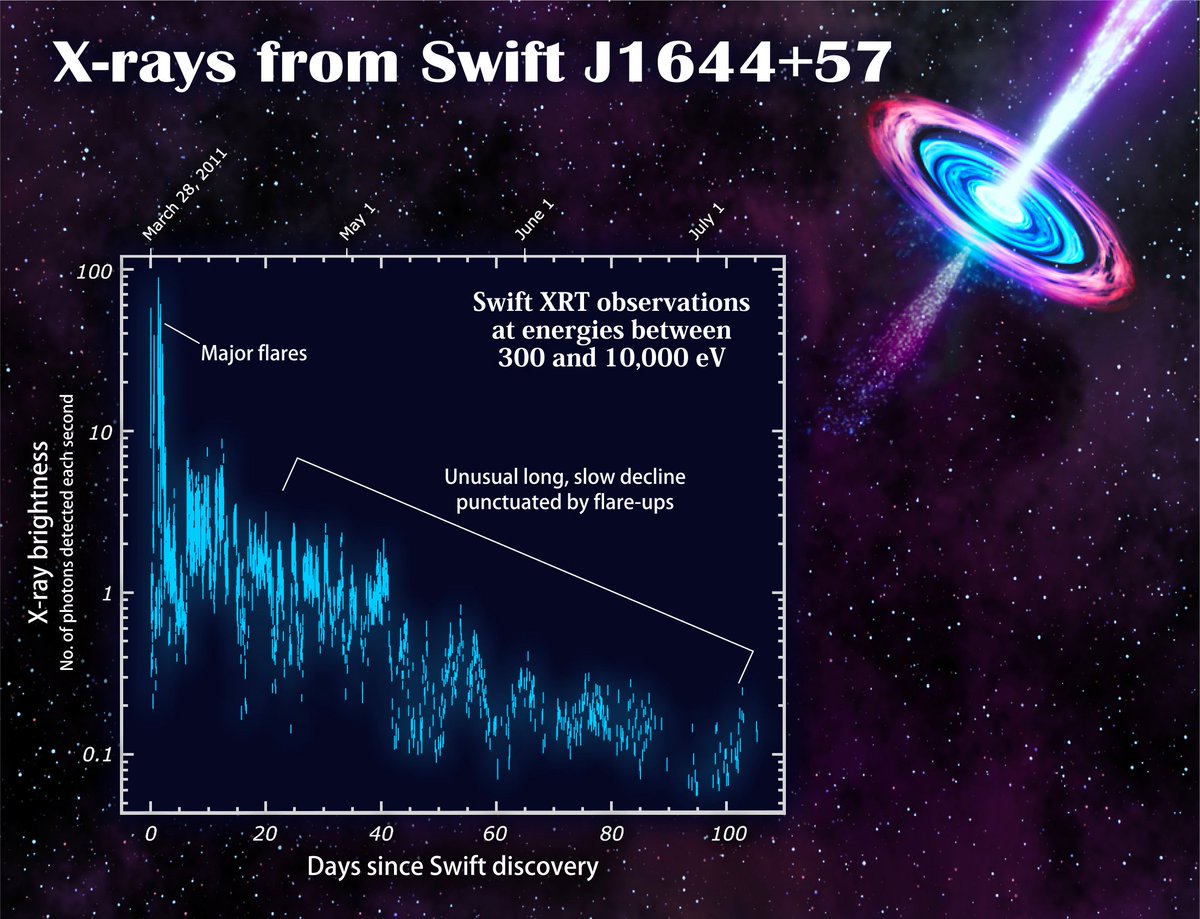
Swift J1644 57: an unlucky star wanders too close to a supermassive black hole and is shredded to bits. The resulting tidal disruption event also marks the birth of a relativistic jet.
nasa.gov/mission_pages/swift…
1
2
3
21 Nov 2019
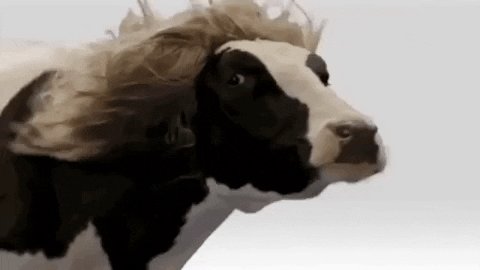
AT2018cow: A mysterious “cow” observed by Swift explodes 10 times brighter than a typical supernova. 🐮🐄🐮
svs.gsfc.nasa.gov/12855
2
4
21 Nov 2019
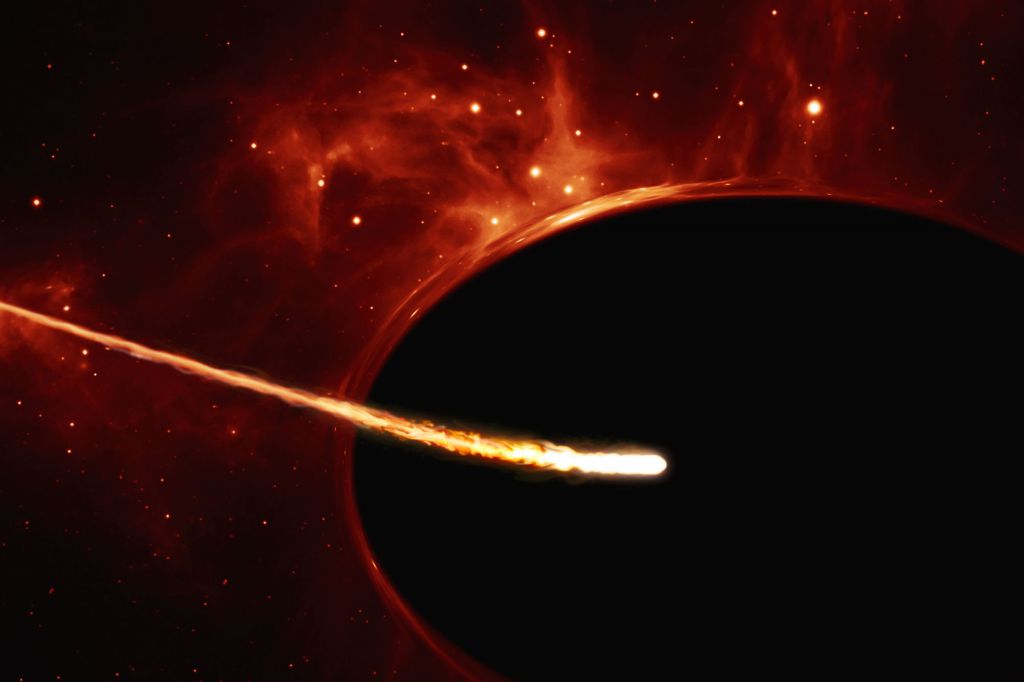
ASASSN-15lh: A mysterious transient from @SuperASASSN. The most luminous supernova yet discovered? An extremely energetic tidal disruption event? The jury may still be out on this one ...
4
21 Nov 2019
Some more fun GRB science for #Swift15Science - Still the most distant (spectroscopically confirmed) GRB at z = 8.2, when the Universe was just 600 million years old and around the time that reionization was taking place, GRB090423.
en.wikipedia.org/wiki/GRB_09…
1
2
2
21 Nov 2019
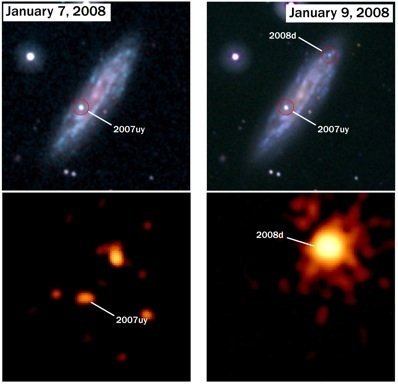
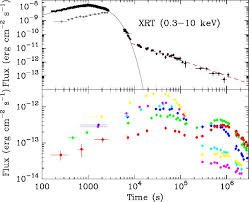
GRB060218 - Still the second nearest GRB detected by Swift, joint observations by the XRT and UVOT captured the prompt "shock breakout" of the progenitor star, as well as the associated H- and He-poor supernova SN2006aj (Figure from Campana et al. 2006).
en.wikipedia.org/wiki/GRB_06…
1
1
2
21 Nov 2019
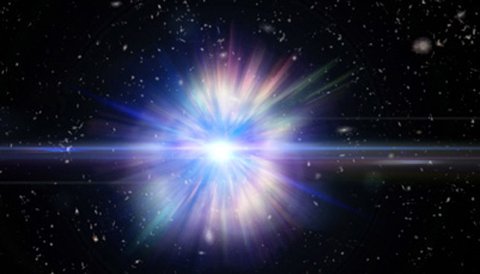
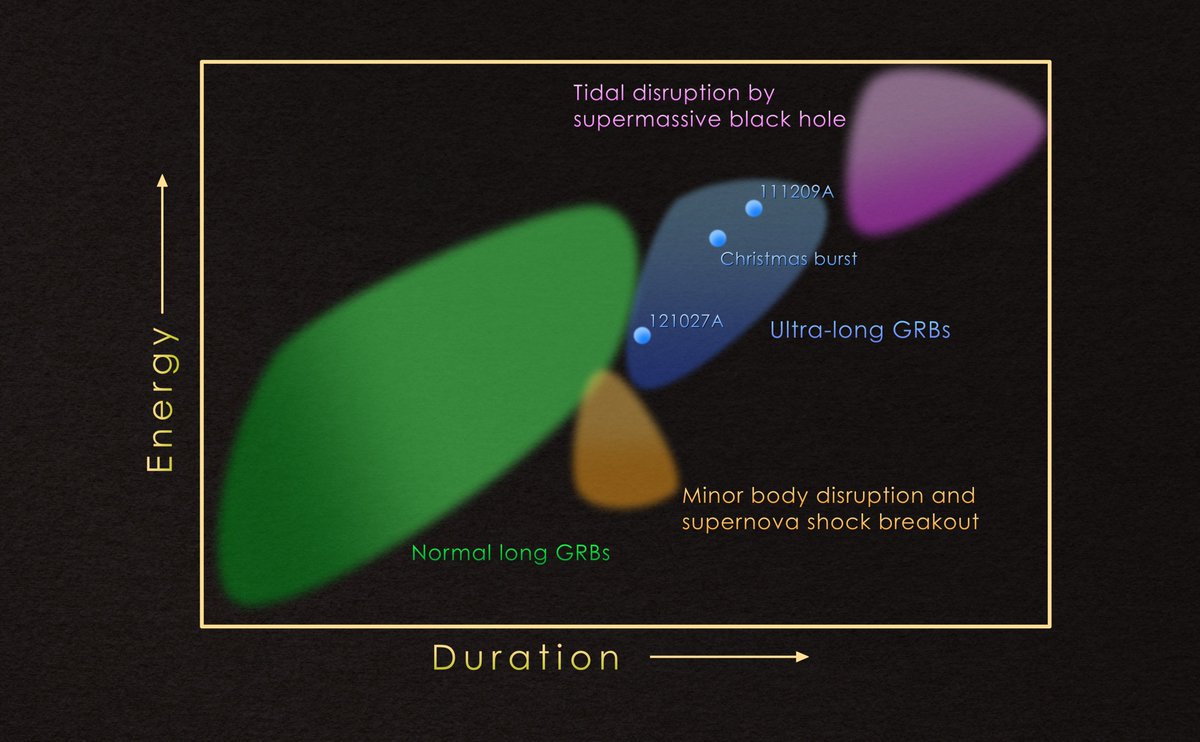
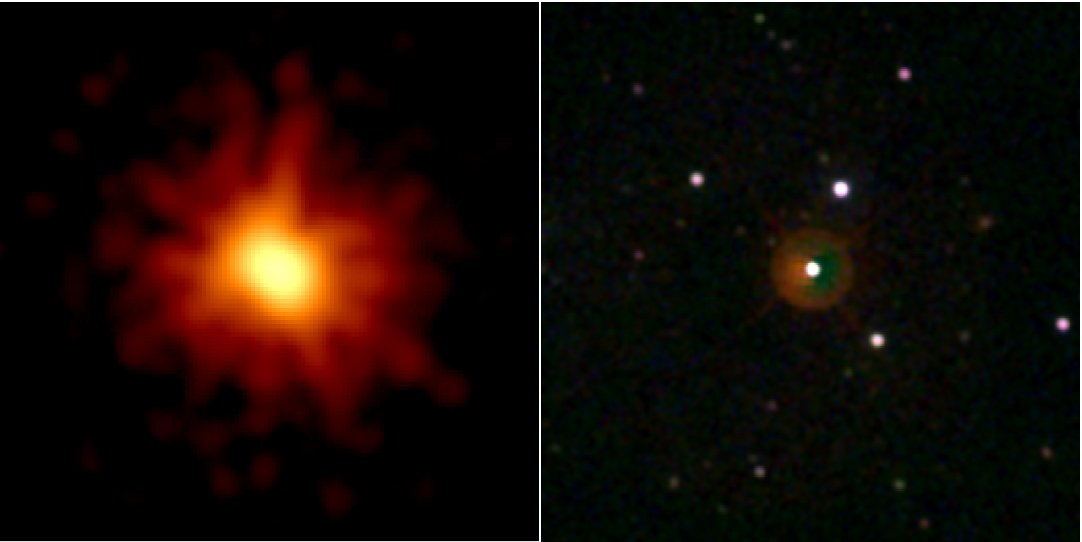
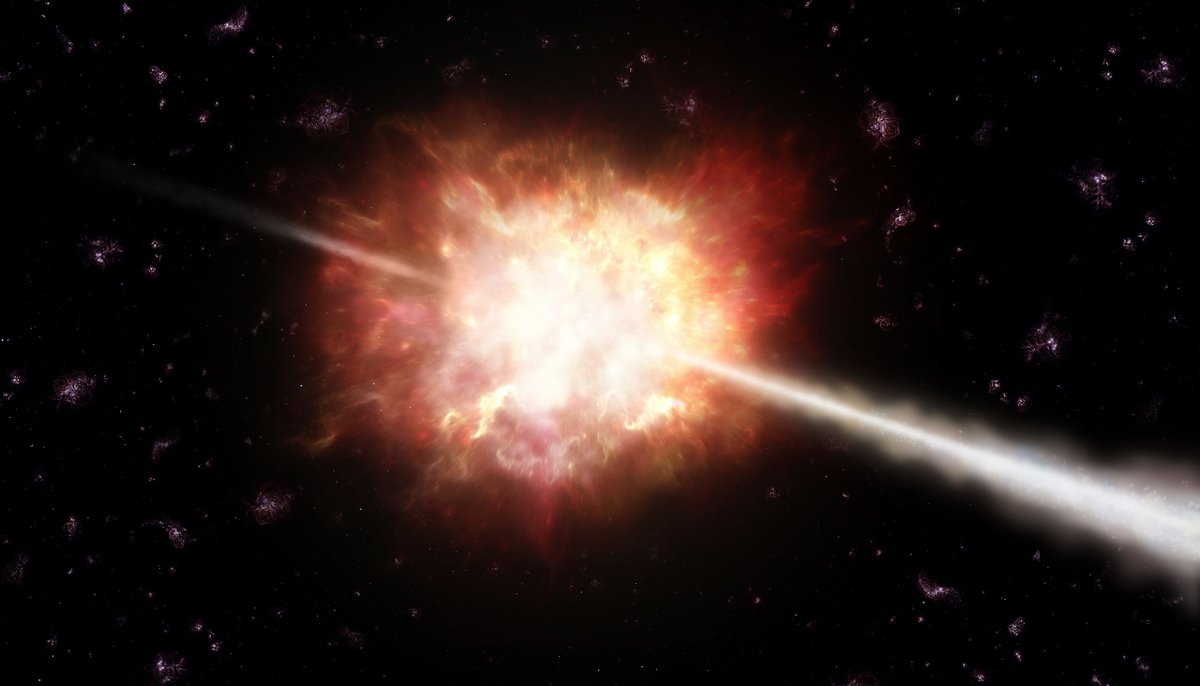
More GRB #Swift15Science - a new class of ultra-long (> 10,000 s) GRBs, possibly powered by the explosion of blue supergiant stars.
svs.gsfc.nasa.gov/11250
1
1
21 Nov 2019
Some #Swift15Science to wrap up our 15th "birthday" - the association between short-duration gamma-ray bursts and binary neutron star mergers. This was a decade effort leading up to the multi-messenger era - let's walk through some of the key results ...
youtu.be/x_Akn8fUBeQ
2
5
11
21 Nov 2019
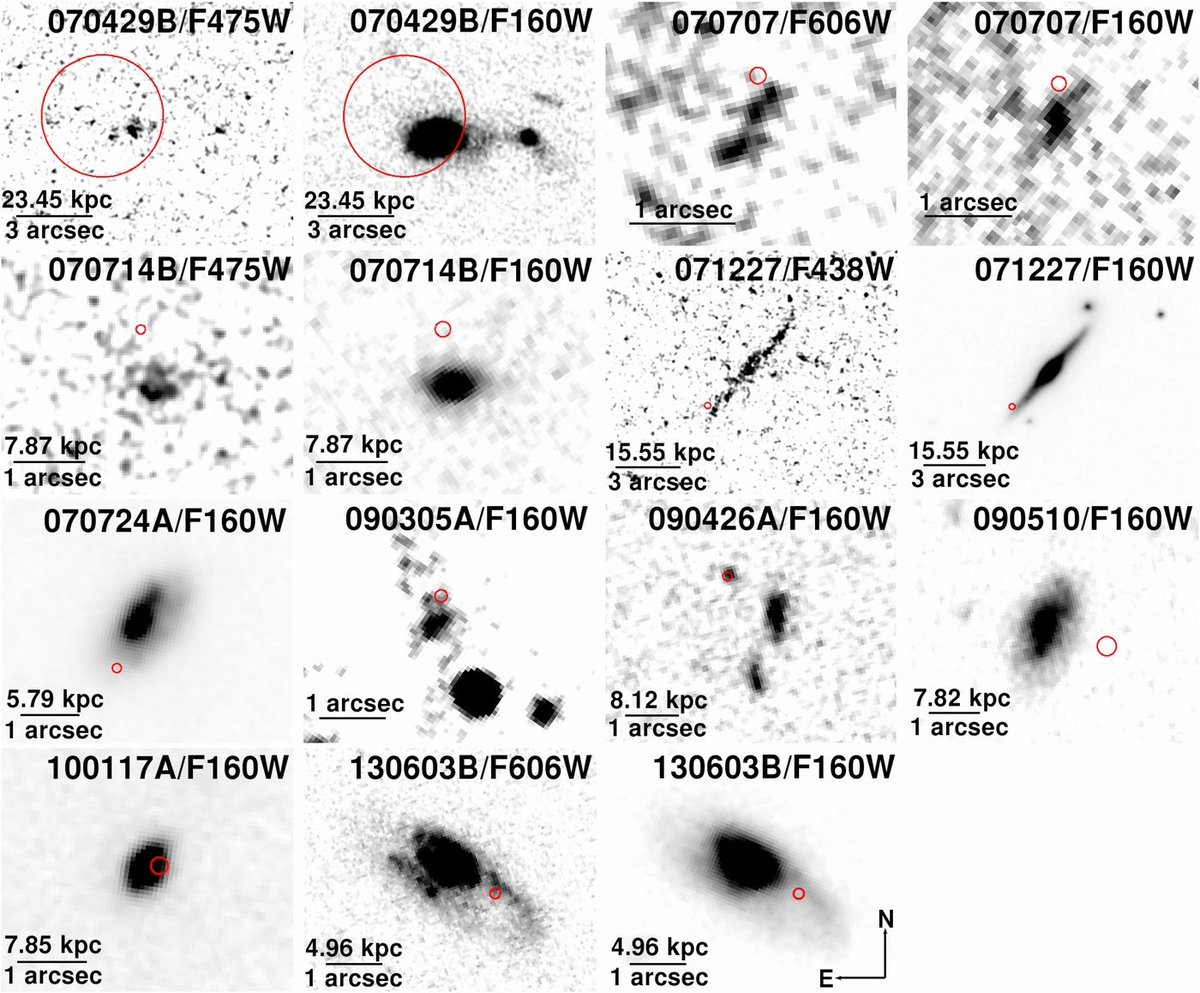
Guided by our theorist friends, we searched for the smoking gun signature of binary neutron star mergers - the formation of heavy r-process elements in a rebrightening known as a kilonova. Tantalizing evidence came from a Swift-detected GRB in 2013 ...
hubblesite.org/contents/news…
1
5
21 Nov 2019
And the final irrefutable evidence came from the joint detection of gravitational waves (@LIGO and @ego_virgo) and a gamma-ray burst (@NASAFermi and @ESA_Integral) from GW170817. Definitely the most remarkable cosmic fireworks show we've seen 🎆🧨🎇!
svs.gsfc.nasa.gov/12740
2
5
20 Nov 2019
And now, for #Swift15 some science highlights from the last 15 years. It's critical to note that Swift doesn't exist in a vacuum, but is part of a portfolio of facilities in space (@NASAFermi, @chandraxray, @NASANuSTAR, @NASAHubble, @NASA_TESS, @ESA_XMM, @ESA_Integral) ...
1
3
9
20 Nov 2019
and on the ground (@SuperASASSN, @ztfsurvey, @PanSTARRS1, @fallingstarIfA, @MAGICtelescopes, @VeritasGammaRay, @hesstelescopes, @LIGO, @ego_virgo, @uw_icecube, and too many others to mention). We wouldn't be anywhere near as scientifically productive without such great friends!
1
5