
Joined September 2022
- Tweets 14
- Following 108
- Followers 23
- Likes 18
2 Photos and videos
Pinned Tweet

5 Oct 2022
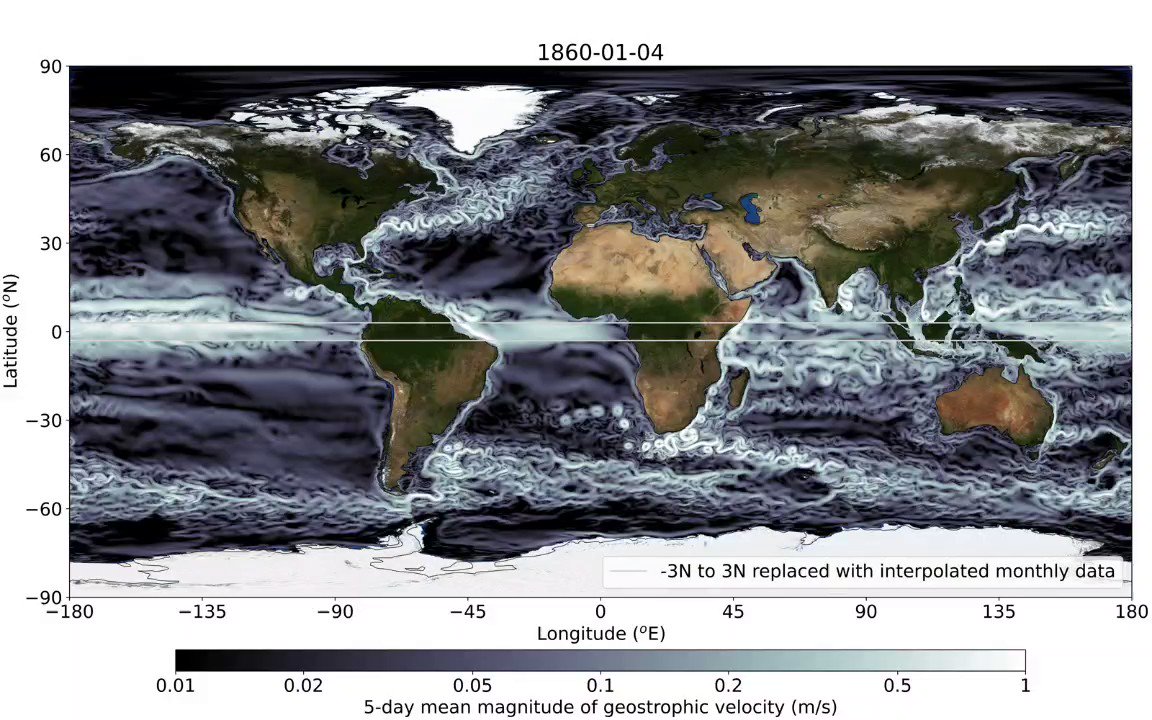
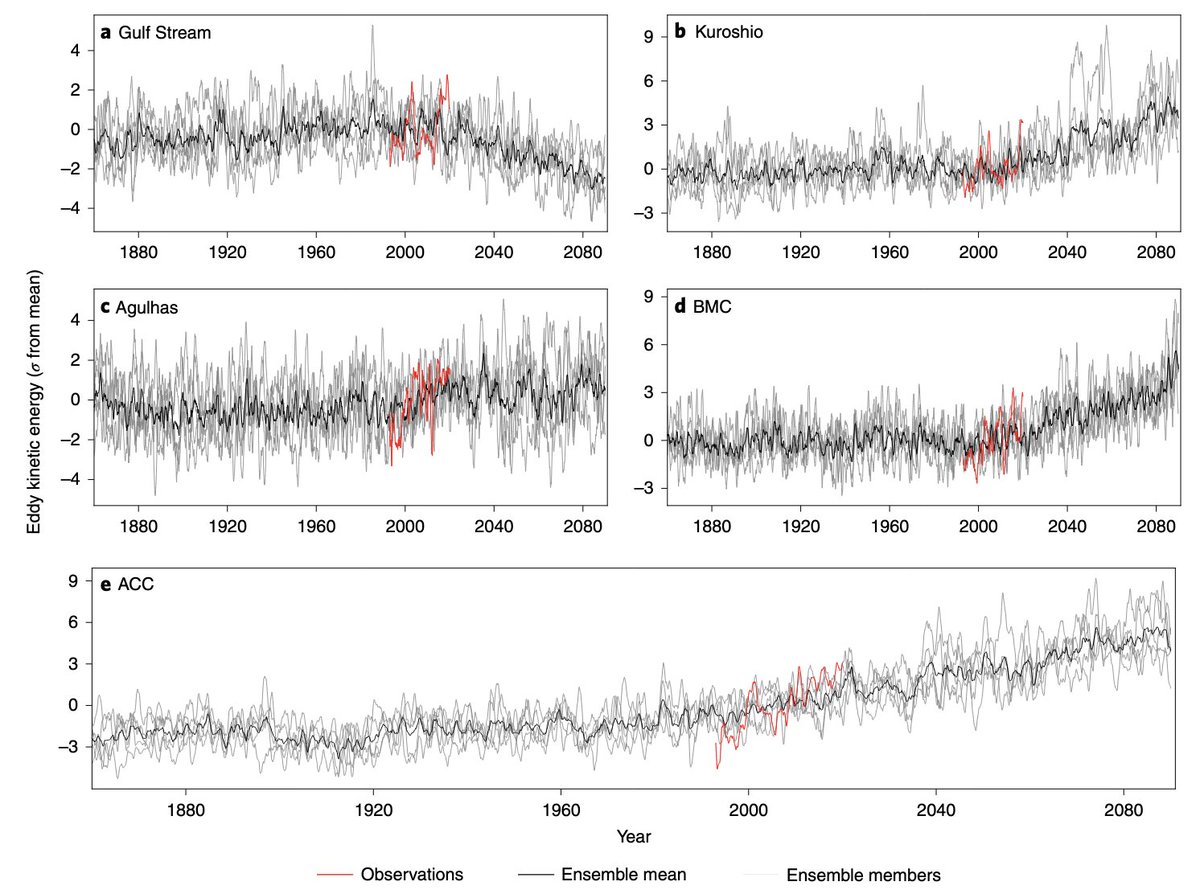
Long-term evolution of ocean eddy activity projected under climate change using a multi-resolution ocean model in #CMIP6 - check out my latest paper just published in @NatureClimate
doi.org/10.1038/s41558-022-0…
@thomas_rackow @JungAwi @QiangWang_AWI
1
3
13
Nathan Beech retweeted

22 Jan 2024
🔴 A NEW PAPER IS OUT!
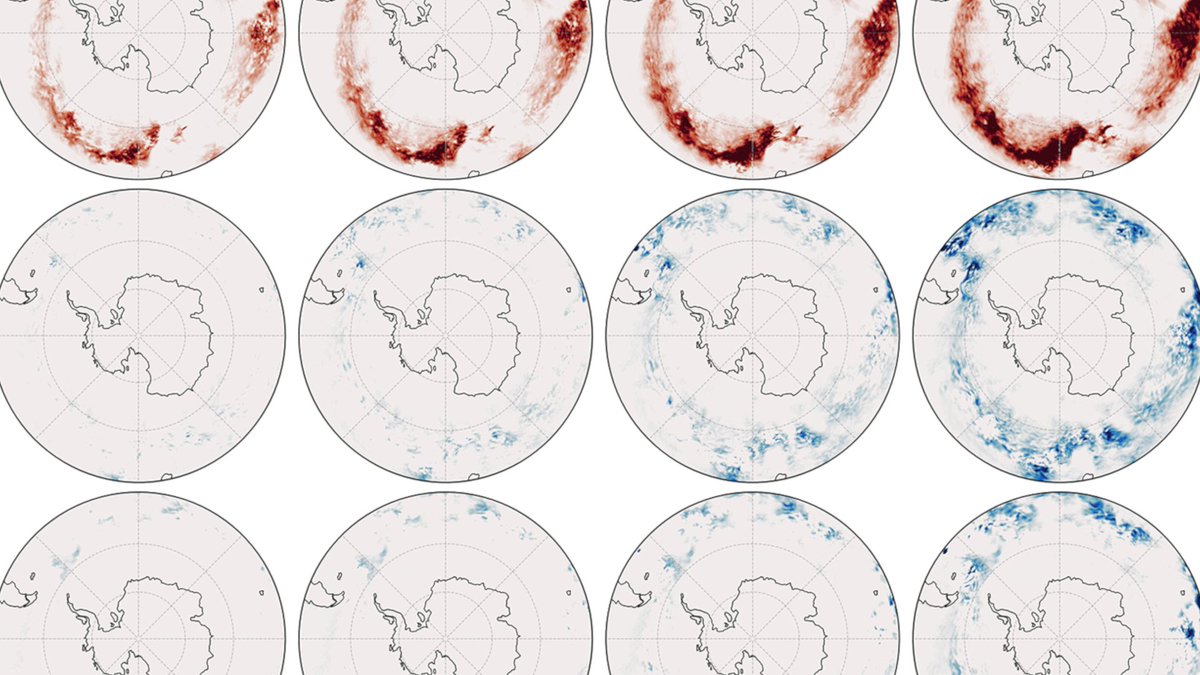
📖"Exploring the ocean mesoscale at reduced computational cost with FESOM 2.5: efficient modeling strategies applied to the Southern Ocean"🌐
➡️Read it here: eerie-project.eu/publication…
1
5
161
Nathan Beech retweeted

22 Jan 2024
Our new study on km-scale modelling is out today @EGU_GMD, led by @NB_sci @AWI_Media
We applied efficiency-maximising strategies to allow for past, present & future climate simulations with well-resolved ocean mesoscale (3km) in the Southern Ocean
👉doi.org/10.5194/gmd-17-529-2… @ECMWF
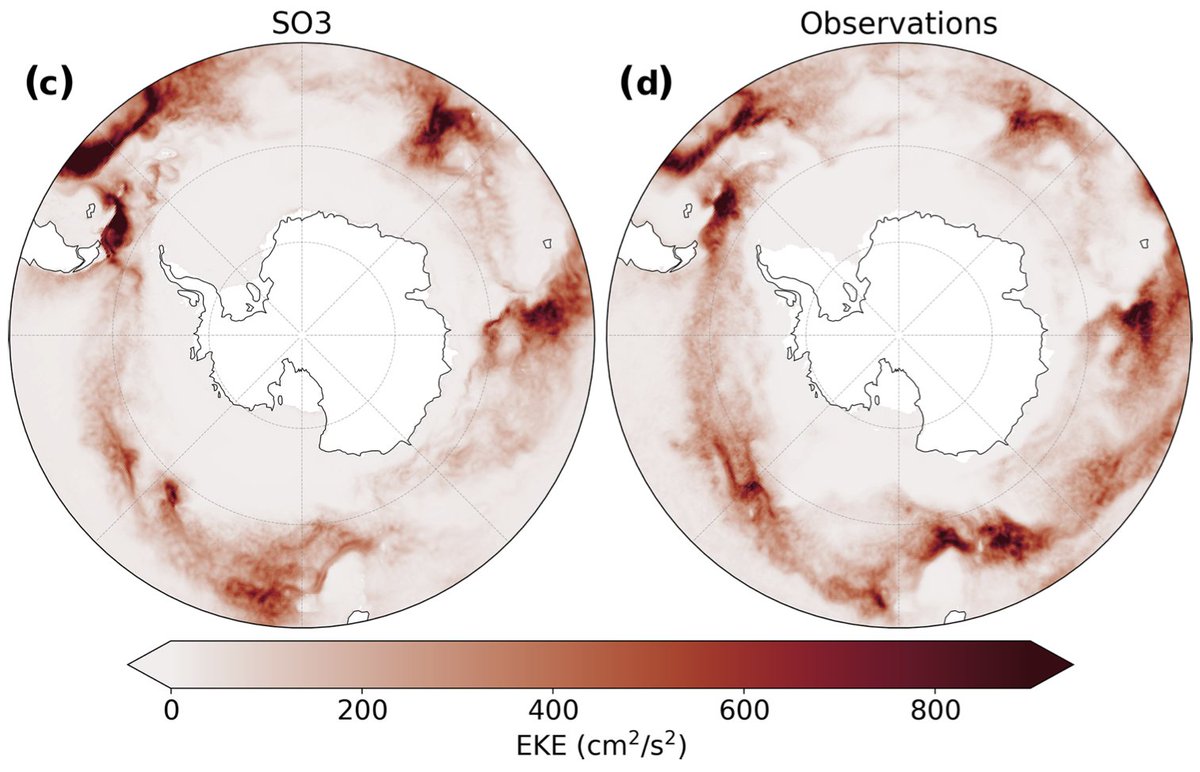
ALT Mean eddy kinetic energy between 2016-2020 in (left) 3km simulations, SO3, and (right) in a gridded satellite altimetry dataset.
3
15
2,140
Nathan Beech retweeted

18 Apr 2023
Are you looking for an opportunity to share recent findings in Marine and Polar Data Science?
@PatriciaSchntag and I host a session at @icymare 2023 best suited for this, session 1.3. 💻🦭🐻❄️🧊🌊

5
4
539
Nathan Beech retweeted

27 Feb 2023
The #AWI-led #EERIE project aims to improve Earth system models using supercomputers. The focus is on the simulation of ocean eddies. The EU is funding the project with 10 million euros. @JungAwi
awi.de/en/about-us/service/p…
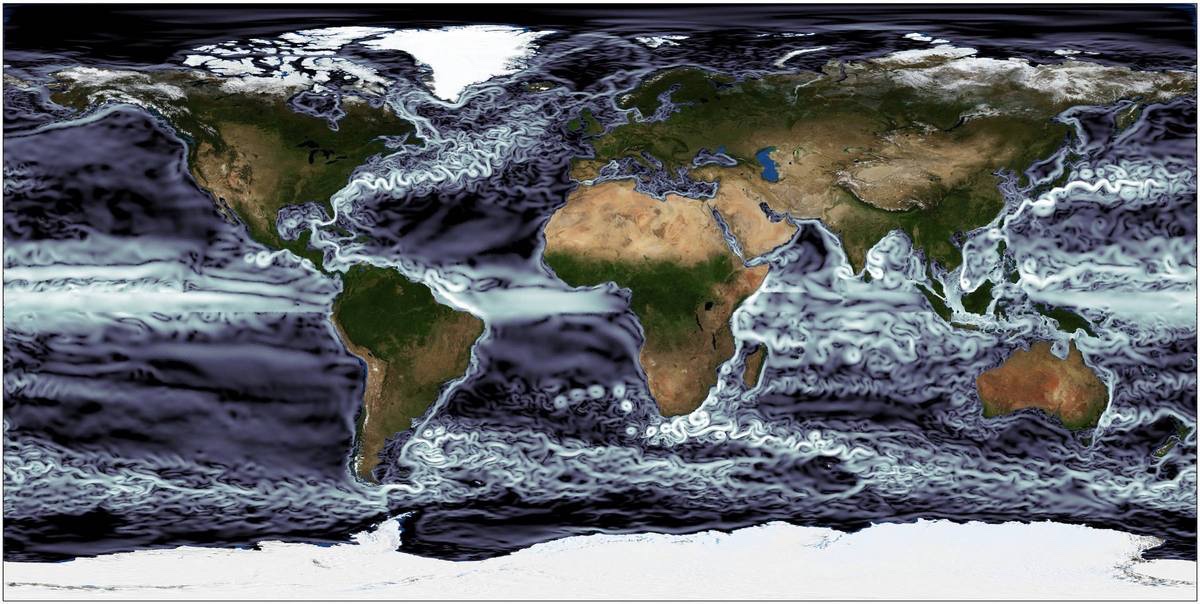
ALT Global map of eddies (Graphic: Nathan Beech)
1
3
17
4,205
7 Nov 2022
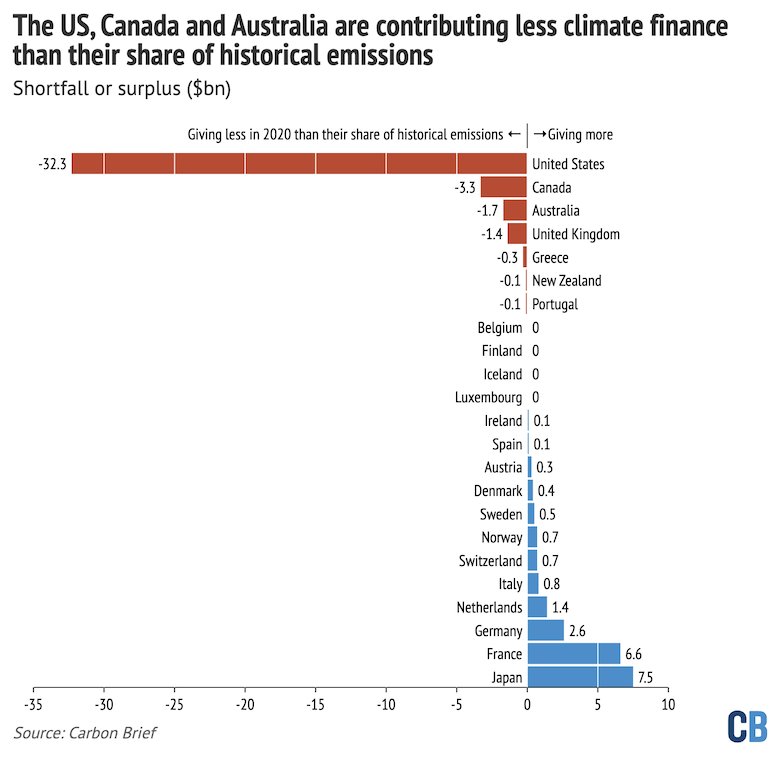
Every time COP comes around it's interesting and frustrating to observe the difference between rhetoric and action. Unfortunately #Canada tends to be one of the major hypocrites. Will #COP27 be different? @JustinTrudeau
@s_guilbeault
@JonathanWNV
carbonbrief.org/analysis-us-…
1
Nathan Beech retweeted
14 Oct 2022
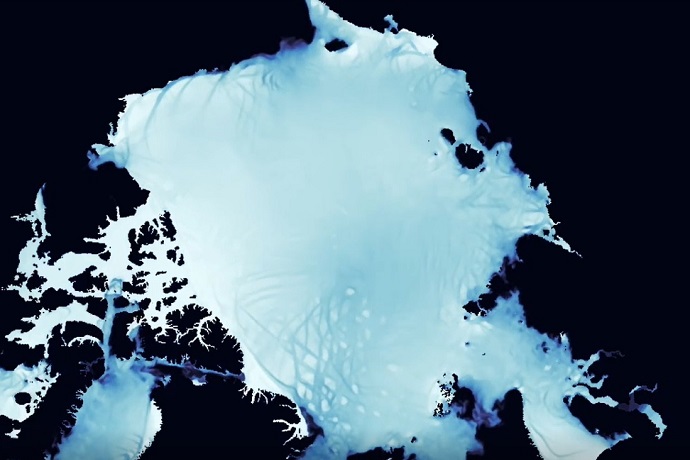
Our @nextgems_eu activities have demonstrated that IFS-FESOM/NEMO @ECMWF @AWI_Media & ICON @MPI_Meteo are capable of running global coupled simulations finer than 5km, with sufficient throughput on state-of-the-art supercomputers. Exciting times ahead!
@CSCfi @BSC_CNS #DestinE

🌍🌐We look forward to working with Finland's @CSCfi who will lead an international partnership to implement Destination Earth's Climate Change Adaptation Digital Twin, supporting the European Union's efforts on #ClimateChange.
#DestinE #ECMWFDigitalTwins stories.ecmwf.int/finlands-c…
9
28
5 Oct 2022
Long-term evolution of ocean eddy activity projected under climate change using a multi-resolution ocean model in #CMIP6 - check out my latest paper just published in @NatureClimate
doi.org/10.1038/s41558-022-0…
@thomas_rackow @JungAwi @QiangWang_AWI
1
3
13
5 Oct 2022
A great editorial from @NatureClimate featuring our paper explores the wealth of scientific discoveries still being made in the global oceans.
doi.org/10.1038/s41558-022-0…
1
1
5 Oct 2022
And an article detailing our findings and alongside another new paper in #NatureClimateChange
doi.org/10.1038/s41558-022-0…
1
Nathan Beech retweeted
4 Oct 2022
Diving In - Read the @NatureClimate Editorial including our recent paper on long-term ocean eddy evolution :
nature.com/articles/s41558-0…
@NB_sci @QiangWang_AWI @JungAwi @AWI_Media
29 Sep 2022

Our new study is out today in @NatureClimate , led by Nathan Beech @AWI_Media :
Long-term evolution of #ocean #eddy activity in a warming world - we provide long-term context to the limited satellite data record
nature.com/articles/s41558-0…
3
7
Nathan Beech retweeted

29 Sep 2022
Western boundary currents are the amplifier of climate change, which are experiencing the most noticeable warming. Now, with the aid of satellite observation and high-resolution model simulations, scientists have uncovered new details of their changes.nature.com/articles/s41558-0…
1
6
30
Nathan Beech retweeted

29 Sep 2022
Ocean eddy activity in a warming world | Nature Climate Change nature.com/articles/s41558-0…
1
13
63
Nathan Beech retweeted
29 Sep 2022
Our new study is out today in @NatureClimate , led by Nathan Beech @AWI_Media :
Long-term evolution of #ocean #eddy activity in a warming world - we provide long-term context to the limited satellite data record
nature.com/articles/s41558-0…
2
15
73
Nathan Beech retweeted

29 Sep 2022
A nice study by Nathan Beech tells about how ocean eddy activity will change in a warming world, using AWI-CM CMIP6 output.nature.com/articles/s41558-0…
1
1
14