
Interim Director of Operations at @IntersectMBO helping the community to drive the future of Cardano through decentralized governance!
Joined January 2024
- Tweets 139
- Following 639
- Followers 372
- Likes 1,216
6 Photos and videos

Nick Cook retweeted

Feb 17
Breaking the Barriers of Global Settlement
The first cup of coffee paid for with $USDA on Cardano has been served in Kenya, settled in real-time, directly to this merchant’s M-Pesa wallet in Nairobi.
This pilot confirms that the Cardano network can handle the speed and integration required for everyday retail.
And that's not all. This demo is just one piece of a larger infrastructure. This wallet pilot already supports:
> Instant Fiat-to-Fiat: Seamless transfers across Africa.
> USDA-to-Fiat: Direct conversion for real-world spending at almost every retailer
> Multi-Currency Support: Instant payments to 7 different fiat currencies.
Using a credit card internationally would have cost over 14% in fees, plus 5 days in settlement for the Merchant.
With USDA, fees were under 1% and settled instantly.
Our goal is to bring this liquidity to emerging markets worldwide, removing the friction of traditional cross-border payments.
The wallet is entering final stages of testing and will launch in the coming weeks.
30
62
272
18,203
Nick Cook retweeted
Feb 13
The Cardano Africa Tech Summit has wrapped up, and it's a bittersweet moment. We have been overwhelmed by the demand and support for $USDA.
The conversations we had this week confirmed what we already believed: Africa doesn't need to wait for legacy financial systems to catch up.
Builders here are ready for stablecoin infrastructure that actually works for them.
@Shantnoo6 took the stage with @NC_IntersectMBO, @BRIGHTZEED, @planetmaaz, and @AI4Peace for our "Turning Blocks to Solutions" panel, and the response said it all. Real questions.
Real use cases. Real urgency.
We'll be sharing much more about the collaborations and partnerships that came out of this trip.
Stay tuned, you're gonna love what comes next.
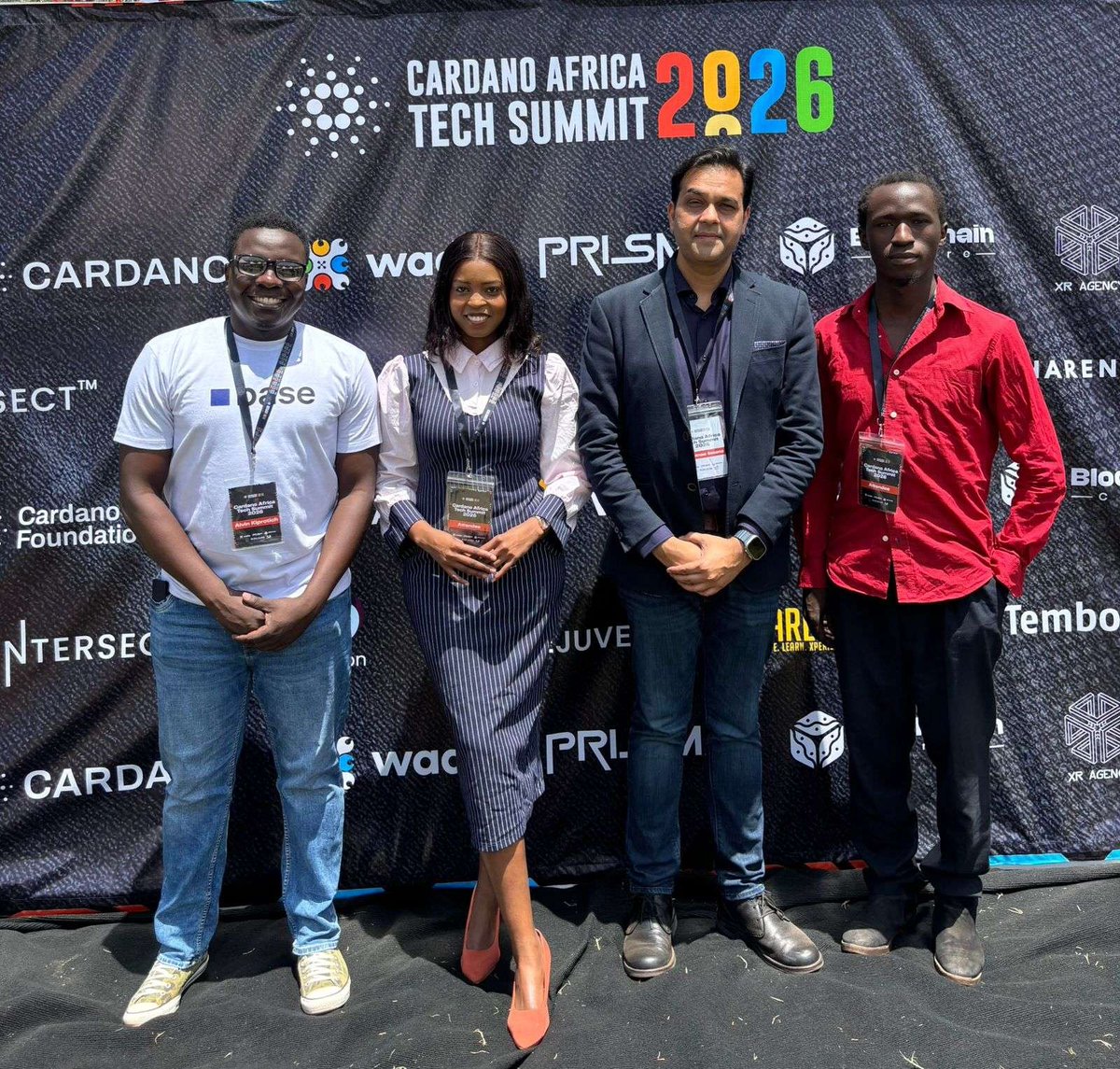
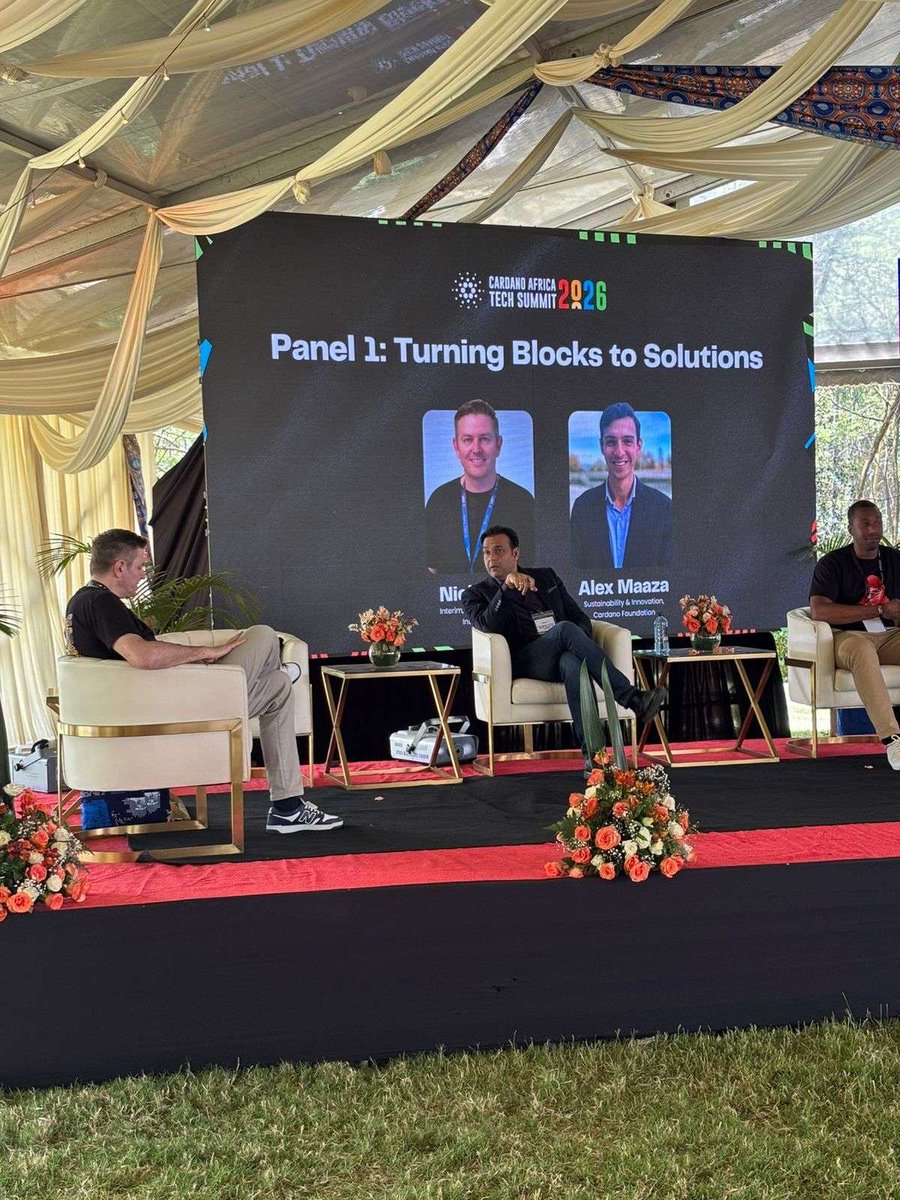
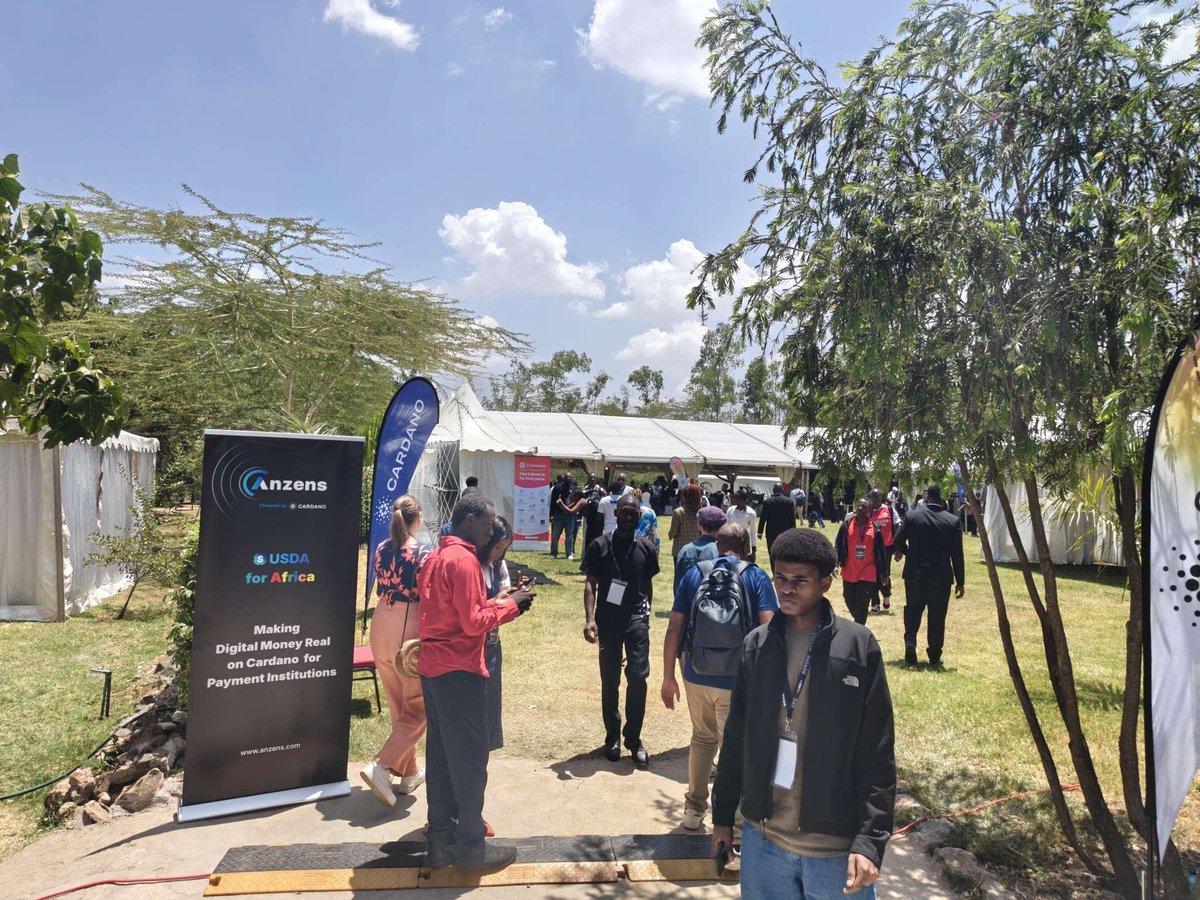
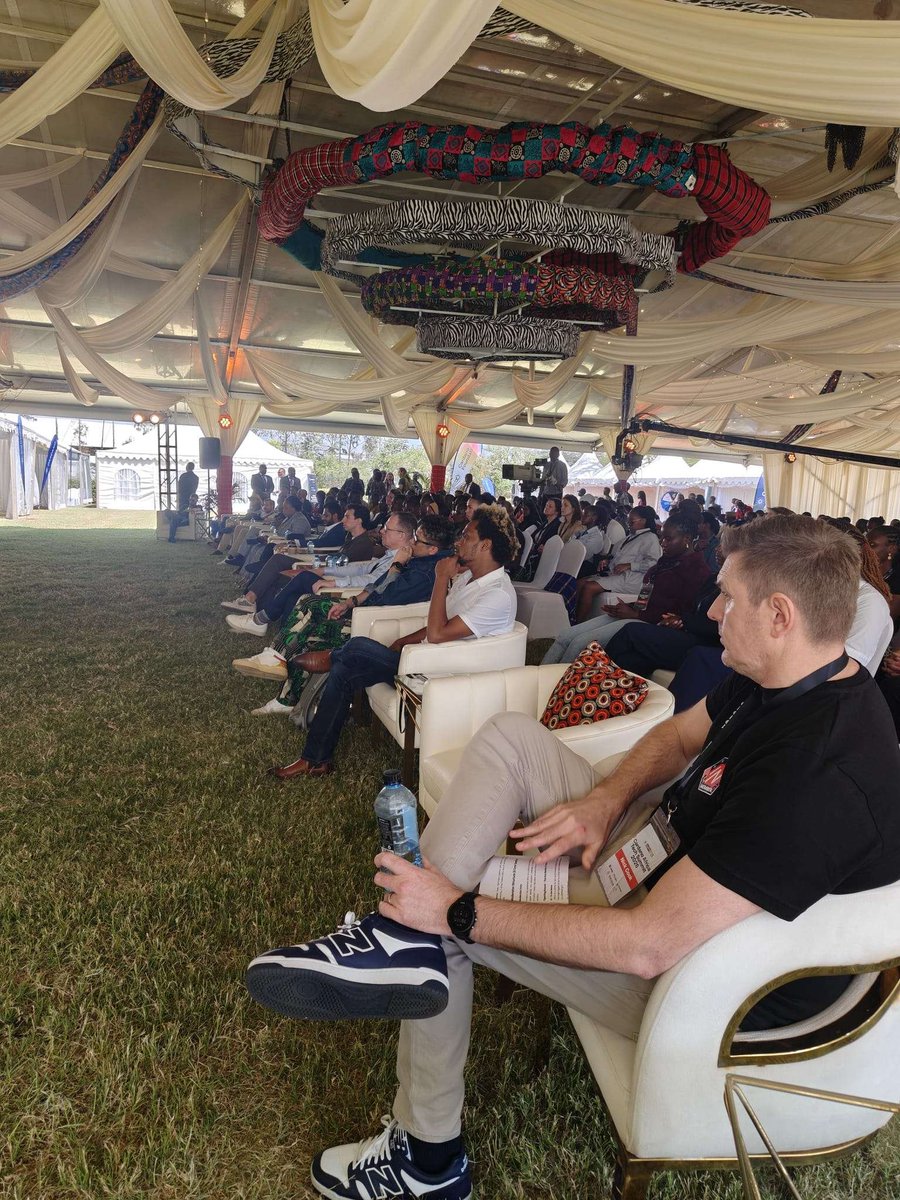
1
10
34
1,722
Nick Cook retweeted

14 Oct 2025
With the consent of his family, we're deeply saddened to share the news that Max van Rossem has passed away while in Japan. He died peacefully in his sleep from heart failure.
Max was a much-loved member of the Cardano community, always thoughtful, generous, sharp-minded, and deeply committed to those he worked alongside.
He made significant contributions to the development of Cardano’s constitution and to many of the governance discussions and optimizations that will help shape the network’s future.
Many of us will be deeply saddened by his passing. At this time, we ask that everyone continue to respect the privacy of his family and the grief of his close friends, as they navigate this unimaginably sad and hard time.
Our thoughts are with all who knew and loved Max.
116
55
562
120,272
Nick Cook retweeted

4 Sep 2025
Hey Cardano!
Calling all Stake Pool Operators! We're hosting a series of focused discussions to map out the current SPO landscape, understand your needs, and dive into the incentive mechanism.
This project is funded by the community & administered by @IntersectMBO. Your feedback is crucial.
Sessions are limited to 15 participants to keep the conversation focused.
All schedules and registration: luma.com/calendar/cal-8l2Uv4…
#SPOs #Staking #Blockchain #Governance
6
25
82
30,466
Nick Cook retweeted
29 Aug 2025
Hey!
Here are the numbers directly from the node:
Epoch 579
DRep: 78.19%
SPO: 53.71%
Epoch 578
DRep: 69.21%
SPO: 38.77%
The governance action will be enacted after one more full epoch, at the epoch boundary of 580/581.
- The proposal reached the threshold in the current epoch (579). However, due to the maximum term length of 146 epochs, the Constitutional Committee (CC) term cannot exceed epoch 725 at this time. The proposal has some new CC members with their terms set to epoch 726.
- In the next epoch, 726 will fall within the maximum term limit, so ratification is expected at the 579/580 boundary, with enactment at the 580/581 boundary.
- To prevent future confusion, the node will expose a query to show it's calculations, making the process transparent. This will require some refactoring and won’t be available immediately.
We will also draft a CIP to standardize how these calculations should be performed so that tools can have an easier life implementing dashboards, and reports.
1
12
33
3,124
Nick Cook retweeted
28 Aug 2025
Intersect Update - We're aware of discrepancies in how community tools report the governance action to replace the Interim Constitutional Committee, with different tools displaying the action in different states.
Intersect and partners are investigating to ensure clarity and accuracy, and we’ll share an update once the cause is confirmed.
4
10
50
2,127
Nick Cook retweeted
21 Aug 2025
Time to vote!
The interim CC expires Sept 6. To keep Cardano’s on-chain governance fully operational, we need 67% from DReps and 51% from SPOs. Cast your vote before Sept 1.
See the update-committee action ➡️ bit.ly/update-the-cc
Voting guides ➡️ bit.ly/voting-guides
21
60
3,251

10 Aug 2025
2
19
224
8 Aug 2025
7
147
Nick Cook retweeted
8 Aug 2025
It’s been a hot week already at @RareEvo. With the main event kicking off tomorrow, here’s what to catch over the next couple of days:
1⃣ Committee members will be presenting what they think are the next set of challenges and priorities for the Cardano ecosystem.
2⃣ Join us for the first in-person board meeting with the executive team on Friday at 09:30 in Room Siena at Caesars. Afterwards, swing by our booth at 15:00 for a "meet the board" hour!
3⃣ All weekend, we’re teaming up with @claymates at our booth for exclusive merch and more. Come meet the Clay team and say hi!
4⃣ Hydra is back in action, and we’re proud to support @DripDropz_io with their vending machine demo. Collect points and redeem for serious prizes 👀
5⃣ And there's more partnerships - meet the team behind @thecardanocard and get the latest on their roadmap.
6⃣ On Saturday from 13:00 (local time), tune in live as @JBriggsLondon, @Quantumplation, and @IOHK_Charles dive into treasury management, smart contracts, and effective administration.
See you there!
12
24
72
8,248
8 Aug 2025
Today is a momentous day for Cardano and the community. At today’s epoch boundary, @IntersectMBO was one of 30 budget proposals which have now been ratified. Whilst the path was certainly not linear, today serves as a huge proof point that Cardano’s governance is working. This is a success that we should all share in and celebrate.
Over the last few months, we’ve done a lot of listening and refocusing on direct ecosystem and Intersect member engagement. We’ve received a great deal of positivity in our efforts here and would like to thank everyone for their renewed support. The passing of our proposal demonstrates a level of trust to continue moving forward in our role to act as a facilitator and coordinator, implementing and strengthening Cardano governance.
A huge thank you to those who have provided support, constructive criticism and simply your valuable time to help us reshape Intersect. We still have a way to go on our journey of transformation and continual improvement to ensure that we deliver the best Intersect for Cardano and you, the community and are committed to doing this over the next 12 months!
@Cardano @RareEvo
7
38
1,058
Nick Cook retweeted

12 Jul 2025
We are setting up for the grand finale of the 1st Inter-University Blockchain Hackathon in Sri Lanka!
UniHack 2025!

1
5
23
555
25 Jun 2025
Attending the #Tokenization and #Stablecoins London Meetup organised by the @linuxfoundation Decentralized Trust.
LF Decentralized Trust youtube.com/@lfdecentralized… via @YouTube
4
195
22 May 2025
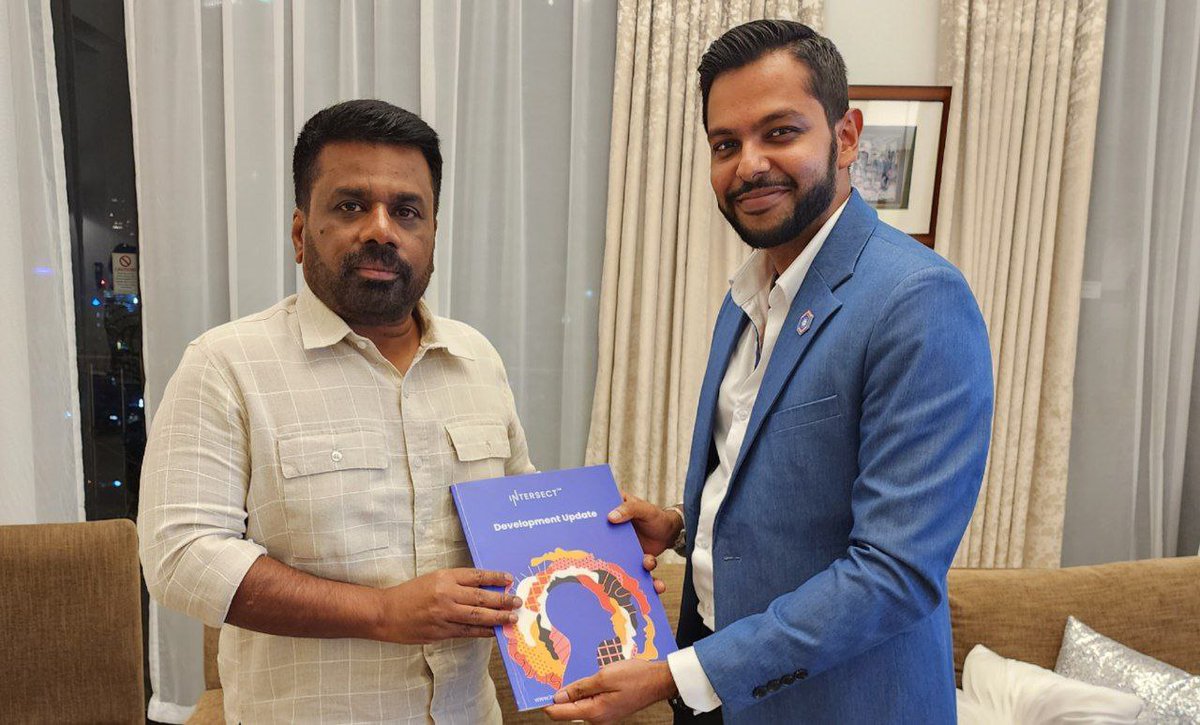
I wanted to showcase some of the reach and work being done by the @IntersectSriL hub run by @Coin_Ceylon. The President of #SriLanka can enjoy the @IntersectMBO Development Update as some light bedtime reading!
@OfficialKavinda and the team are making real headway on #Blockchain and #BlockchainTechnology awareness in Sri Lanka and driving @Cardano adoption in universities. Another demonstration of the value of Cardano Community Hubs 🇱🇰
22 May 2025

It was a pleasure to meet with the President of Sri Lanka H.E. President Anura Kumara Dissanayake @anuradisanayake and discuss the transformative potential of Blockchain Technology in Sri Lanka. Grateful for the opportunity to share the @IntersectMBO Development Report and highlight the work being done by @Coin_Ceylon x Intersect #SriLanka Hub in driving education, awareness, and real-world adoption through the @Cardano ecosystem.
Excited for the plans ahead as we build together for a more transparent and inclusive future. 🇱🇰#Cardano
2
4
30
878
Nick Cook retweeted

21 May 2025
Treasury withdrawals...
Over the past week or so I’ve been speaking with committee members, vendors, the community at large, and many others here on X about how Intersect should approach Treasury Withdrawals in relation to our current Budget Info Action. It’s a nuanced and challenging topic, with competing needs and views from every direction. There are pros and cons at every turn, and ultimately some form of compromise will be necessary.
Bear with me on this post...
First, we have what I believe is a majority of DReps expressing a desire for greater granularity at the Treasury Withdrawal stage. I get it. While the off-chain process via Ekklesia had excellent participation, it shouldn’t outweigh the importance of on-chain governance. A single Budget Info Action followed by a single withdrawal puts too much weight on the off-chain process and leaves DReps with an ultimatum, and I’ve always disliked ultimatum-style governance.
On the other end of the scale, submitting 39 individual governance actions places a huge burden on the ICC, who take their responsibilities seriously (as they should), and would require 3.9 million ada in deposits. That’s something Intersect cannot currently support given our tight runway.
So, if a single withdrawal is unpalatable and 39 is inefficient and unrealistic, where is the middle ground? Most feedback has pointed to grouping into around five Treasury Withdrawals, either by category or by Ekklesia approval bracket.
I also think that, longer term, Intersect can help streamline how off-chain processes feed into on-chain decision-making. But right now, Intersect is dominating the budget cycle, understandably so in year one, and while we can be forgiven for trying, it doesn’t mean we need to force a full budget through without adjustments. In the future, I’d like to see Intersect offer a simple budget path as one of many options. Notwithstanding the direct-to-chain route without any coordination.
Second, there’s growing discussion around how much to request from the Treasury in 2025. Timelines help us plan, but they can also reduce these decisions to cost alone, when this is really about delivering value. The NCL is important, but we also need to acknowledge this is year one. For Intersect and for many vendors, it’s about building credibility, not just delivering outputs but demonstrating responsibility.
That’s why we’re now considering what six months of funding looks like for each proposal, enough to get things underway, and staggering the remainder for later. But this needs to be balanced carefully.
Last, we have real and valid needs to support vendors who are poised to deliver game-changing features for Cardano, directly on the protocol and more broadly through initiatives like events. These teams need confidence that, once funding is approved, they can deliver without hitting cliff edges. I know how difficult it is to run Intersect on a three-month runway, and that’s our reality right now. Building serious value takes time. If we don’t get this right, we risk a situation where teams focus more on lobbying than building, and that’s not how we attract the best organizations or deliver on Cardano’s potential.
So, what do we do? I’ve been asked directly, what’s the plan? But the truth is, it shouldn’t be my plan alone. I may be Executive Director, but I see my role as lead coordinator. Intersect must act with our members and the broader ecosystem in mind.
Here’s where we are likely heading, and what we’ll put to a poll on Ekklesia in the coming days so we can make a decision with some stats to back it:
1. Treasury Withdrawals grouped by category (e.g. core protocol, marketing) or by Ekklesia support brackets (e.g. 50 to 60 percent, 60 to 70 percent, etc.)
2. The first set of withdrawals would fund around six months of delivery, roughly 175 to 190 million ADA, acknowledging some proposals require more capital upfront to start work, pay deposits for venues etc, and build capacity
3. After the first few months of delivery, we would submit the remaining Treasury Withdrawals aligned to the original budget proposal. These would serve as a second opportunity for on-chain approval. This approach gives us a clear path of continuity, while still respecting governance and compliance with the NCL
I want us to move forward, whether that means approving the budget and its withdrawals to fuel Cardano’s next chapter, or revisiting the approach if DReps believe that’s necessary. What matters is that we take this step together, grounded in compromise and shared responsibility.
Balancing these needs are hard, but a necessary pursuit to move Cardano forward.
14
26
97
15,672
Nick Cook retweeted

20 May 2025
Update on the @IntersectMBO Board of Directors recent meetings.
🔥 board.docs.intersectmbo.org/…
Here are some of the highlights from the link above.
May 1, 2025 – Regular Board Meeting
After receiving feedback from the Cardano Community that the Intersect proposed budget was too high and not detailed enough, a revised budget proposal was presented, reducing the request from 20 million ADA to 15.75 million ADA. The proposal emphasized quarterly fund releases and personnel cost reductions.
Discussions included contingency planning, technical audit requirements, and the need for enhanced transparency to bolster community support. A commitment was made to provide the community with the necessary information to understand how Intersect works and how funding its funding can be justified for the organization.
Updates were provided on organizational changes, including the transition following key staff departures and the need to have a community-focused transition for the organization. Election updates and the importance of clear communication with the Intersect Steering Committee (ISC) were also addressed.
May 8, 2025 – Special Session of the Board
The board discussed structuring an open and inclusive recruitment process for a new Executive Director, involving community input in shaping the job description and reviewing applicants. This would be part of an overall effort to reform and enhance the governance standards to better include member and community voices.
Improvements to the governance of funds managed by Cardano Development Holdings (CDH) were proposed, including implementing a new multi-signature model and establishing an oversight committee for increased transparency. Including new members in CDH oversight will better assure the community that its interests are being served. Updates were shared on selecting a new third-party custody provider for crypto assets and clarifying legal support.
A proposal to expand the Board from five to seven members was discussed, aiming to increase community-elected seats from two to four and extend term lengths from one to two years. Terms for the Seed member seats will expire in 2026 and these could be replaced with sustaining membership seats that may or may not include the original seed members.
May 15, 2025 – Special Session of the Board
The board reviewed an early draft of the job description for the Executive Director role, aiming to align it with Cardano community values. Plans were made for further refinement and community feedback.
There was broad support to expand community representation on the board, with discussions on necessary bylaw changes and improving the election process.
Operational and financial updates included steps to improve fund and asset management, income received, and audit planning. Security considerations were discussed, focusing on operational security and addressing board-level concerns.
The board addressed concerns about working group conduct and culture, emphasizing the importance of respectful collaboration. While there are some tensions within some of the groups it is considered essential to follow up with opportunities for reconciliation.
Discussions on the budget process and governance actions included structuring treasury withdrawals and aligning categories with community expectations. The Interim Executive Director will be working on a more detailed proposal taking into account feedback from community stakeholders.
Closing Thoughts
In my opinion, Jack Briggs has been doing an excellent job in his first weeks as Interim Executive Director with key support coming from Interim Director of Operations Nick Cook. Their responsiveness to questions from the Board and dedication to including stakeholder feedback has been essential in helping Intersect chart a course that will serve the Cardano Community.
The Intersect Board of Directors remains dedicated to representing all of our Members and taking into account the needs of our stakeholders holding Ada and serving as DReps as we continue reforms to the organization. We appreciate everyone who has stepped forward to serve on Committees, provide vital guidance during the Budget process, and lended support to Intersect leaders as they serve in their roles!
8
26
84
39,027
19 May 2025
19 May 2025

GM DReps.
おはようございます、DRepの皆さん。
Can’t sit through every X Space?
全てのXスペースを聞くのは難しいですか?
Not sure what mattered—or what you missed?
何が重要だったのか、見逃したのか分からない?
Too many threads, too little time?
情報が多すぎて、追いつけない?
So we made something short, strong, and useful—to kickstart your day dRep maxxing.
そこで、私たちは短く、力強く、実用的なものを作りました。
あなたのDRep活動を後押しする一杯です。
The Double Espresso Dispatch is a first-edition experiment—built to distill signal from X Spaces, governance discussion, and key data.
Double Espresso Dispatch(ダブル・エスプレッソ・ディスパッチ) は、Xスペース、ガバナンスの議論、重要なデータから要点だけを抽出した初の実験的フォーマットです。
It’s a collaboration between DRep Forum mods—led in Japanese by @btbfpark, who operates @SPOJapanGuild (Japan’s largest SPO Guild), and co-created with English-speaking mods @EzeEsther_ and @benohanlon.
これはDRep Forumモデレーターによる共同作成であり、
日本語版は日本最大のSPOギルド@SPOJapanGuildを運営する@btbfparkがリードし、
英語版は@EzeEsther_と@benohanlonが共同で制作しています。
🇬🇧 English: drepforum.substack.com/p/dre…
🇯🇵 日本語版: drepforum.substack.com/p/dre…
If people read, share, and send feedback—we’ll keep going and improve it.
If not, we’ll assume it’s not needed and shut it down.
リツイート、購読、フィードバックがあれば、継続・改善していきます。
なければ、不要と判断して終了します。
Short. Strong. Cross-community.
短く、力強く。日本語と英語、両方のコミュニティをつなぐ試みです。
Seen something worth sharing? DM us.
シェアしたい有益な情報があれば、ぜひDMで教えてください。
Want to shape what comes next? Let us know.
続けるべきか、ぜひ教えてください。
Not in the DRep Forum yet? Join here: x.com/i/communities/17602363…
まだDRep Forumに参加していない方はこちらから:
x.com/i/communities/17602363…
1
3
369
16 May 2025
Make sure you don't miss out! Clay is the way! 👇
5
91