
Dad, husband, brother, son, friend, talent agent.
Joined February 2009
- Tweets 25,732
- Following 704
- Followers 1,865
- Likes 20,433
1,310 Photos and videos








Jun 5
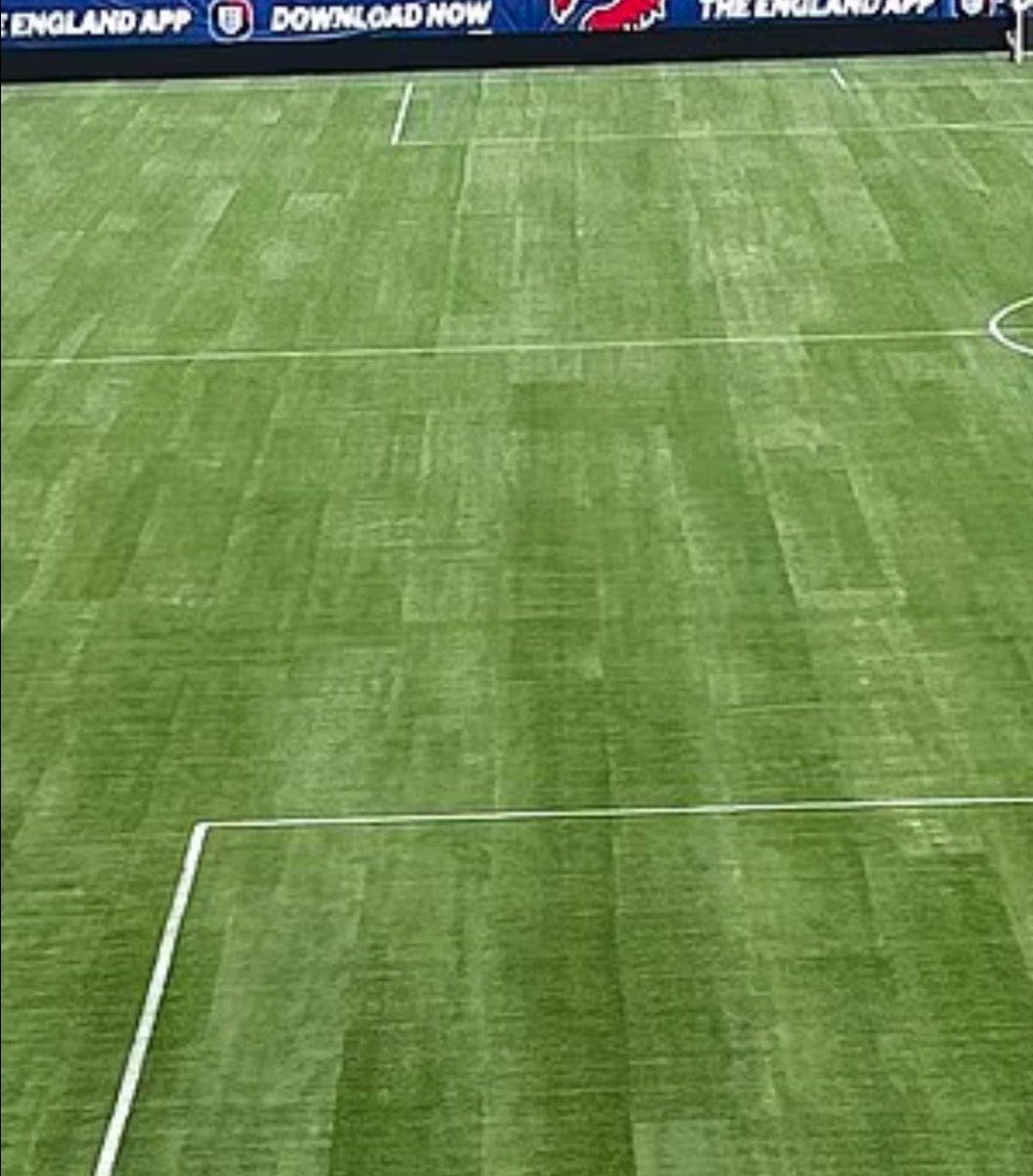
My lawn looks better than this and I'm fighting creeping buttercup with a kitchen fork.
Jun 5

🔍 Exclusive pics of tomorrow’s playing surface in Tampa that awaits England
👇 Full story below w/ @MikeKeegan_DM
69
Nick Canham retweeted

May 27
I’m making a show about buildings.
The concept is simple: do for the man-made world what Planet Earth did for the natural world.
But, when I pitched the idea, the answer was that nobody would watch it.
So I released a pilot episode on YouTube. It’s got 5.4 million views, 379k likes, and 23k comments.
People are interested, and now it’s time to make the full show.
Six episodes, filming in the UK, France, Belgium, Germany, Italy, and the USA, and releasing on a streaming service like HBO, Netflix, or Prime.
Why does this show matter?
First: we’re surrounded by buildings all the time. Look around yourself, right now… what do you see? Buildings are the logical conclusion of everything a society believes in. That’s the real focus of this show: not the buildings themselves, but what they say about us.
Second: there’s global dissatisfaction with modern architecture. This feeling gets written about online, but nobody’s given a voice to it on film or TV. That’s what this show will be. But this isn’t just about criticising modernity. That’s easy. This is about learning from the past in order to understand and improve the present, for everybody.
Third: there’s a drought of high-quality culture shows. When I spoke to film executives they said that only documentaries about sports, music, or true crime get funded. That’s a colossal missed opportunity. Galleries are always full, content about architecture goes viral online all the time, and people spend their precious holidays visiting beautiful cities.
Why no shows about architecture, then?
Tourists flock in their millions to see (for example) the buildings of Antoni Gaudí in Barcelona. But, if you asked those same people if they’re interested in “architecture”, they’d probably say no.
To put that another way: not many people want to watch “a show about architecture”, but lots of people want to watch a show that illuminates the real world they’re living in, each and every day.
What will the show be like?
Six episodes, going chronologically through history and arriving at the present, each focussing on the architecture and design of a specific period:
1. Middle Ages
2. Renaissance
3. Enlightenment
4. The Nineteenth Century
5. Art Nouveau & Art Deco
6. Present Day
But, in each case, the point isn’t just to learn about that era; the point is to learn about our modern world through those eras and what they’ve left behind. If you watch the pilot episode (included below) you’ll see what I mean.
So the show’s not really “about” the past; it’s about the twenty-first century.
That’s why it’s called The Modern World.
When you think of a typical history show there are loads of interviews, stock footage, archive photos, historical recreations, and graphics. We’re doing none of that. Everything will be filmed on location, because we’re telling our story only through the real world that exists right now. And, rather than going to the most obvious places, we’ll focus on buildings that aren’t well-known but should be more famous.
But that’s all big picture; what will it be like on screen?
Buildings used to look different in every country, and now they look the same. Why? Because the weather is different everywhere, and buildings were always a way of dealing with that weather, using local materials. Now we have air conditioning and we ship concrete around the world, so we don’t need to design our buildings with regard to local weather or rely on local materials.
Look at really old clocks and you’ll notice something: they don’t have a second hand… because it was only invented 300 years ago! Then you look at the present and you realise we’re surrounded by timers, by seconds ticking down and ticking up relentlessly. If we’re looking for a cause of our anxiety-inducing culture, that might be it.
When you spend time with the sun-softened bricks and time-warped timbers of old cities you notice that synthetic materials like plastic have taken over. When we’re surrounded by things that feel temporary, how do you think it makes us feel?
It’s only by seeing 19th century train stations, designed like cathedrals, that you realise tradition and technology aren’t enemies. New things don’t have to look boring: if the Victorians had designed AI data centres, they’d look like Medieval castles.
In the 1920s, at the zenith of Art Deco, people believed technology would uplift humanity. That’s why they decorated their buildings with statues inspired by electricity. Only by seeing their enthusiasm can we realise our own cynicism, and perhaps begin to fix it.
All of that… and much, much more.
But, above all else, this show is about a way of seeing. If you want to understand any society then you need to look at what it creates, not what it says about itself.
There’s a worldview in every single object; our skyscrapers are designed the same way as our phones. Learn to look at this world, to notice its details, and everything else starts to make sense.
What now?
I’ve been quiet online recently because I’ve been researching and working on scripts for six full-length episodes. Production begins when we’ve raised the funding.
The Modern World is coming.
288
863
7,891
1,579,042
Nick Canham retweeted

May 25
Can I bum a fag?
May 24

What’s a harmless British word that can mean something completely different depending on where you grew up?
99
962
27,348
948,218
Nick Canham retweeted

May 19
Reader, she wrote it

The Online Safety Act should be repealed.
The principle at its core, to protect children and young people has been abused and used for political advantage.
Read my column here ✍️⬇️
mol.im/a/15828899
Community note
Nadine Dorries was the MP who introduced the Online Safety Act
gov.uk/government/new…
124
2,618
23,925
762,274

Nick Canham retweeted

May 8
I predict:
Birmingham - loss
Portsmouth - loss
Blackburn - loss
Lincoln - loss
Burnley - win
Watford - loss
Norwich - loss
That's not Labour tonight. It's Tottenham next season.
159
722
15,496
392,769
Nick Canham retweeted

May 3
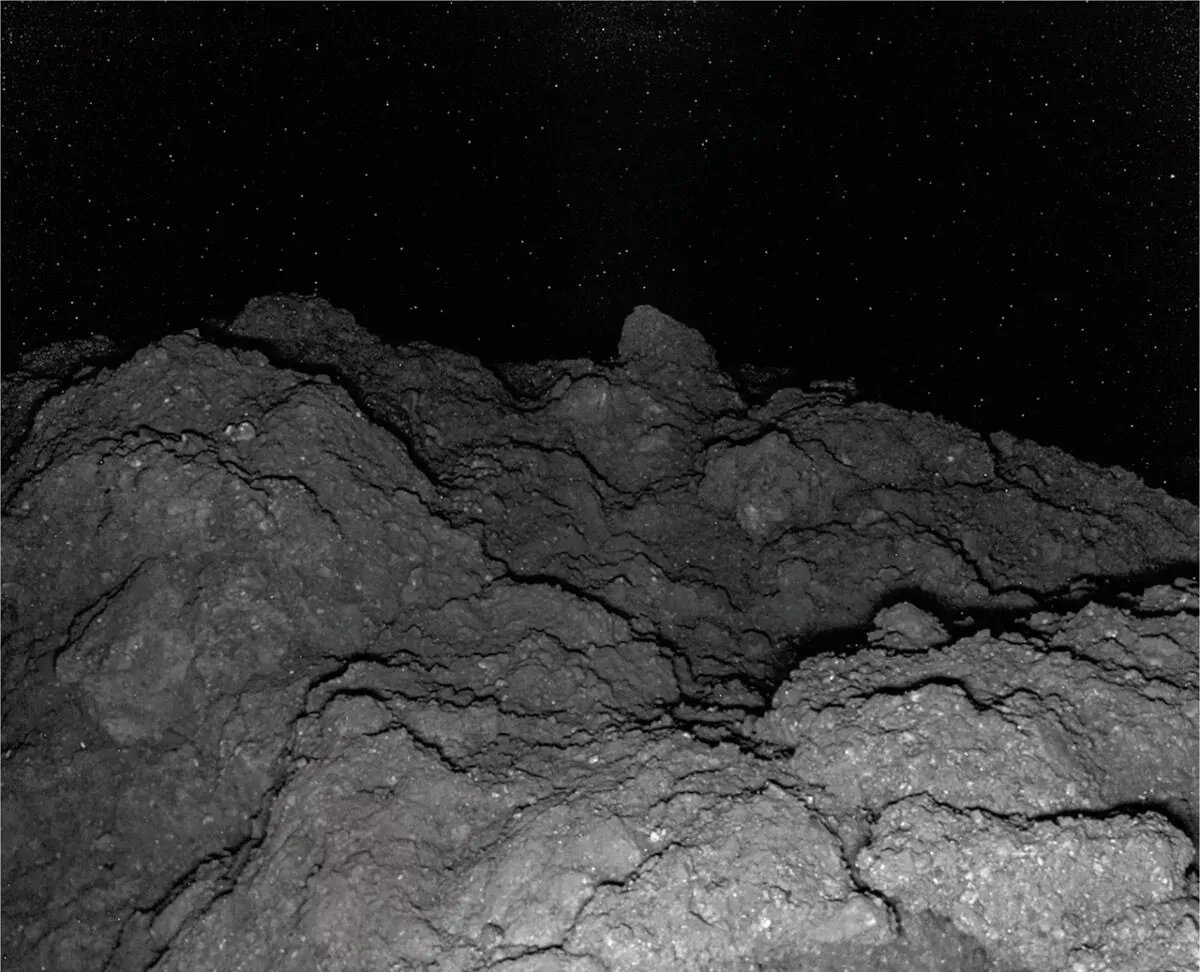
That picture was taken by a robot the size of a shoebox, sitting on a rock 186 million miles from Earth. The robot worked for 17 hours, then died. It will sit there for the next 40 million years.
The rock is an asteroid called Ryugu. It has been drifting through space since the planets formed. In 2014, Japan launched a spacecraft called Hayabusa2 to go meet it. Inside the spacecraft was a tiny lander called MASCOT, built jointly by the German and French space agencies.
For almost four years, the spacecraft chased the asteroid. When it finally caught up, it lowered itself to about 50 meters above the surface and dropped MASCOT.
The fall took six minutes. Ryugu has almost no gravity. A person standing on it would weigh about as much as a paperclip. So MASCOT drifted down slower than a walking pace, hit a boulder, and bounced eight times before coming to rest.
Then it had a single small battery and a job to do. It carried a camera, a thermometer, a tool that measures magnetic fields, and a small instrument that could figure out what the rocks were made of. It used a tiny metal arm tucked inside its body to throw itself across the surface, hopping a few different times and taking pictures along the way. Scientists later named the area Alice's Wonderland, because the rocks were stranger than anyone had expected.
After 17 hours and 7 minutes, the cold of the asteroid's night drained the battery. MASCOT went silent. Seven years later, it still is.
The rock is made of material older than Earth. In 2020, the spacecraft dropped a sealed capsule of asteroid dust into the Australian desert. When scientists opened it, they found all five of the chemical building blocks of life inside. The same molecules that, given water and a few billion years, eventually built every plant, every animal, every person you have ever met.
That recipe has been out there in the solar system for 4.6 billion years. Our species has been around for about 300,000 of those.
A small machine our species put together is now resting on a piece of the early solar system. Long after every pyramid has crumbled to dust, long after every cathedral has fallen, long after every word written by anyone you have ever known has been forgotten, that little robot will still be there.
May 1

People don't realize humans have already landed on an asteroid.
A small German robot, dropped from a Japanese spacecraft, landed on a flying rock 200 million miles from home — and took this picture standing on it.
Then went quiet.
Somewhere out there, a piece of human engineering is sitting on a flying boulder, drifting endlessly through the solar system.
It will outlive everything you have ever known.
10
115
668
137,250
Apr 16
This is perfect.
Apr 16

Pete Hegseth quoted a fake Bible verse from Pulp Fiction during a Pentagon sermon.
121
Nick Canham retweeted

Apr 14
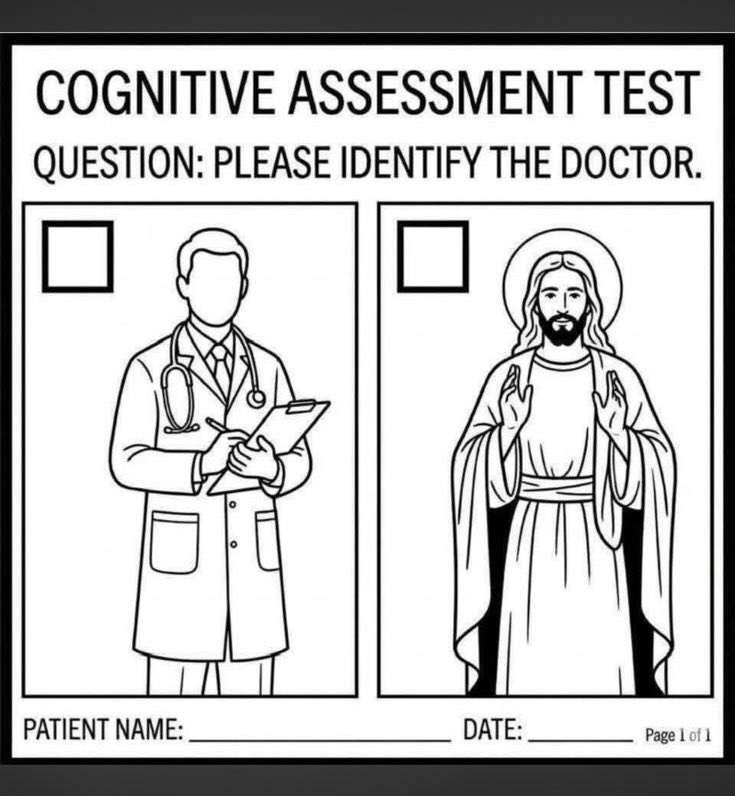
Can you pass this test ???
91
603
2,784
62,471
Apr 13
The tone-deafness of this Tweet is astonishing! Also, can we see proof that Trump paid for this and left a tip.
Apr 13

Sharon Simmons saved $11,000 in the last year thanks to No Tax on Tips. This money will go toward her husband's cancer treatment. 💛

98
Nick Canham retweeted

Society “you’re too old”
Artemis 2 Crew: “hold my beer”

496
8,598
58,332
1,393,265
Nick Canham retweeted

I appreciate the informality of this missive, with Trump resorting to the more colloquial Fuckin’ -with an apostrophe- as opposed to the long-form “Fucking” more typical of written Presidential communiques

133
637
7,012
274,286
Nick Canham retweeted

Apr 4
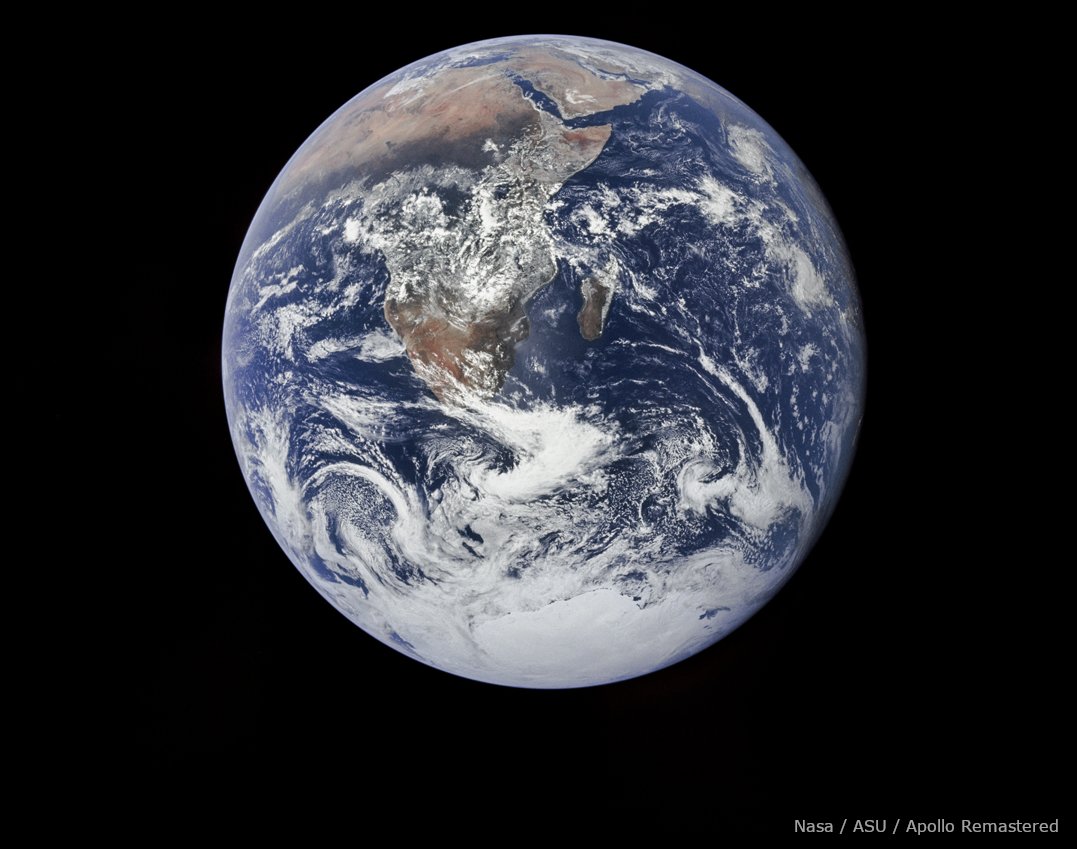
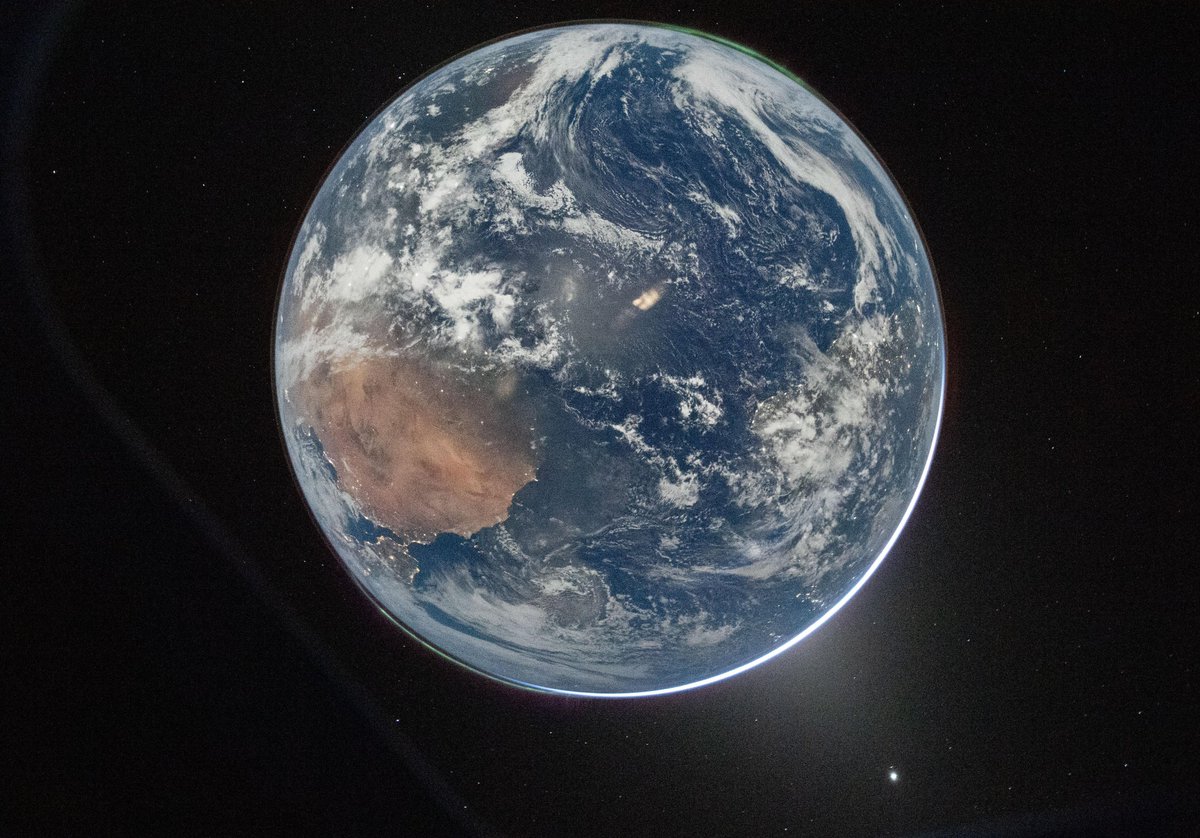
This thought just hit me hard…
Left photo, my father is somewhere there and I’m not.
Right photo - I’m there but he isn’t.
Time moves forward slowly and quietly replacing us - temporary passengers on this beautiful spaceship

Left - Apollo 17, 1972
Right - Artemis II, 2026
Two photographs taken by one of us, of all of us, over half a century apart.
What's changed?
162
5,744
37,694
938,790
Nick Canham retweeted

Apr 2
Bondi was awful, but no worse than Patel. Noem was terrible, but no worse than Hegseth. Funny that it’s only the women who get fired.
1,422
8,735
59,391
834,722
Mar 23
The Apocalypse is approaching from a strange direction.

#CorkTraffic Reports of four horses, including one foal, loose on Old Youghal Road near the Barn Restaurant. Take care on approach.
1
114
Nick Canham retweeted

Do you have a ticket for the World Cup in the USA?
Sell it.
Mar 22

Trump: "On Monday, ICE will be going to airports to help our wonderful TSA Agents"

615
4,113
15,009
418,967
Nick Canham retweeted

Who among us can forget when Frank Spencer unilaterally rejected the Good Friday Agreement and masterminded a series of paramilitary attacks alongside both the Continuity and Real IRA?

5
10
75
10,756
Nick Canham retweeted

Mar 19
The real story is the sharp increase in unemployment among 18-24yo men - to a staggering 17.2%, up from 16.1% in last month’s data.
It was 13.8% in a comparable period a year ago.
Mar 19

🚨 BREAKING: The UK unemployment rate has risen to 5.2%
131
604
3,213
324,514
Nick Canham retweeted

Genius ...

1
1
1
613
Nick Canham retweeted

Mar 1
Since we’re listing statistics, let’s finish the set properly.
Prison population:
Men – 96%
Sex offenders in prison:
Men – 98.5%
Prosecutions for sexual offences:
Men – 98%
Domestic homicide perpetrators (UK):
Men – ~90%
Overall violent crime:
Men – 85%
So if we’re going to argue that society “runs because of men,” we should also acknowledge the parts of society that fall apart because of them.
Mar 1

Women: “We don’t need men.”
Military -95% men
Firefighters - 97% men
Coal Miners - 95% men
Ship Captain -96% men
Welders-94% men
Truck drivers -90% men
Construction -92% men
Oil rig workers -96% men
Fishermen - 97% men
Surgeons -82% men
Engineers -89% men
The world goes around because of men.
262
1,470
10,080
168,889