Designed to maximize ROI and provide simplified delivery of all your fertility needs.
Joined December 2020
- Tweets 237
- Following 475
- Followers 531
- Likes 1,383
72 Photos and videos












6,700 cows. 85 employees. Countless lessons for agriculture. 🥛🎙️Episode 15 is now live!
This week we're joined by Stratton Kraft of Kraft Family Dairies.
🎧 Listen now:
Spotify | Apple | YouTube (link in bio)
48
Episode 14 is now live!
This week we're talking volunteer corn, early-season nematodes, herbicide decisions, planter performance, hail damage, and the importance of getting out and scouting your own fields.
🎧 Listen now:
Spotify | Apple | YouTube (link in bio)
19
Episode 13 is now live! This week we're diving into soil biology, crop stress, nutrient efficiency, and how growers can make tough soils work harder.
🎧 Listen now:
Spotify | Apple | YouTube (link in bio)
38
Planter Products Part 2 is here!
We’re breaking down what’s actually helping crops get off to a stronger start… and what may not be worth the money.
🎧 Listen now:
Spotify | Apple | YouTube (link in bio)
73
Episode 8 is LIVE – Nextgen Fertilizers Podcast
Apple : podcasts.apple.com/.../episo…...
Spotify: open.spotify.com/episode/3Uf…
YouTube: youtu.be/uHk-QRsgCVU
1
25
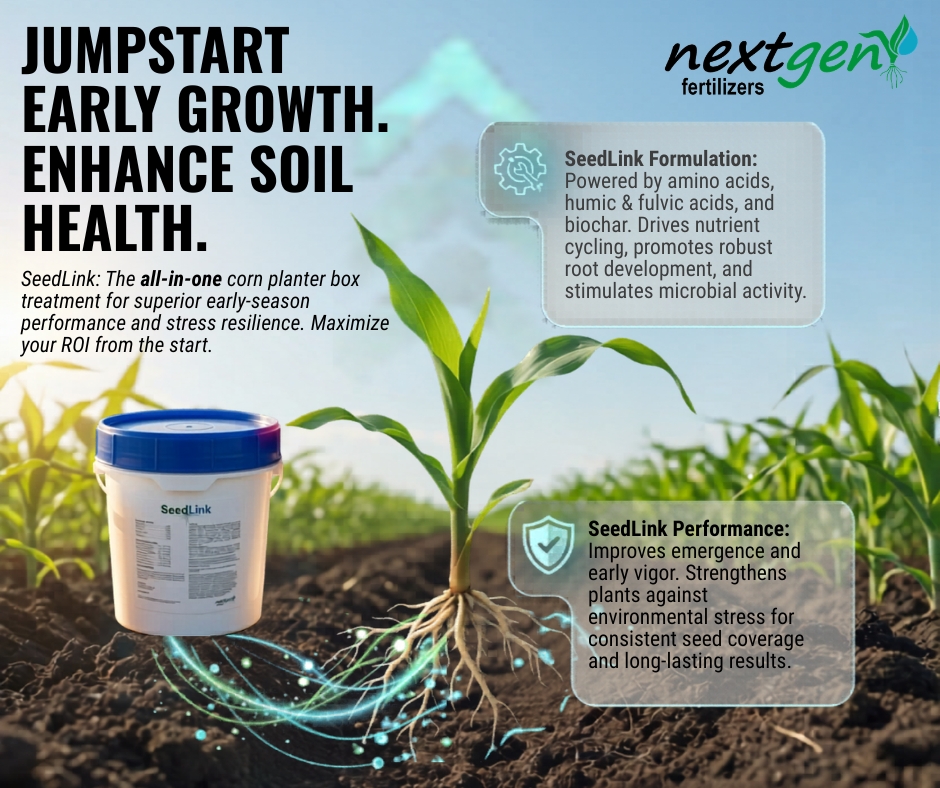
🌱 Jumpstart Early Growth with SeedLink
SeedLink is an all-in-one corn planter box treatment designed to enhance soil health and drive stronger early-season performance.
Reach out to the Nextgen Fertilizers team to get SeedLink into your program this season.
31
📷 NEW EPISODE 📷
Episode 6 is live — why silage is delivering some of the most consistent ROI in the field.
Spotify: open.spotify.com/episode/2DD…...
Apple Podcasts: podcasts.apple.com/.../the..…...
YouTube: youtu.be/jtexmmo5waE
#NextGenFertilizers #PivotBio #AgPodcast #Silage
1
38
Nextgen Fertilizers retweeted

Mar 29
🚨 Stolen Trailer – Please Share 🚨
A white 2023 Titan 24’ stock trailer was stolen approximately 1.5 miles south of Eckley, Colorado, sometime between March 25 and March 27.
If spotted or if you have any details, please call or text 970-630-0198. Help the local sheriff.
1
4
12
1,136
Nextgen Fertilizers retweeted

Mar 29
One of the most profound behavior changes I've had as an entrepreneur, which was against my nature, was to stop seeking out opportunities when I still had problems I needed to fix within my business.
You have to switch from shiny object syndrome to golden BB obsession.
Fixing a hundred small things is more boring but creates the outsized outcomes the shiny object syndrome promises but never delivers.
275
191
2,650
86,497
🌱 5 EPISODE IS LIVE
What is your soil really telling you?
🎧 Listen now:
Spotify: open.spotify.com/episode/7I2…
Apple Podcasts: podcasts.apple.com/us/podcas…
YouTube: youtu.be/yXmd2u9piKI
#NextGenFertilizers #AgPodcast #SoilHealth #Farming #Agronomy #FarmSmart
1
20

Mixing our PROVEN® G3 Dry product for corn couldn't be easier or more convenient for growers!
This new dry application delivers Pivot Bio's weatherproof nitrogen directly on each seed you plant, combining the same locked-in microbial nitrogen performance with a premium dry carrier that includes micronutrients to support early growth and root development.
Contact your local Pivot Bio representative for availability and details on recommended use.
#plant26 #grow26 #PivotBio #PROVENG3 #PROVENit #fertilizer #nitrogen #farmX #Farmtok #farming
2
1
379
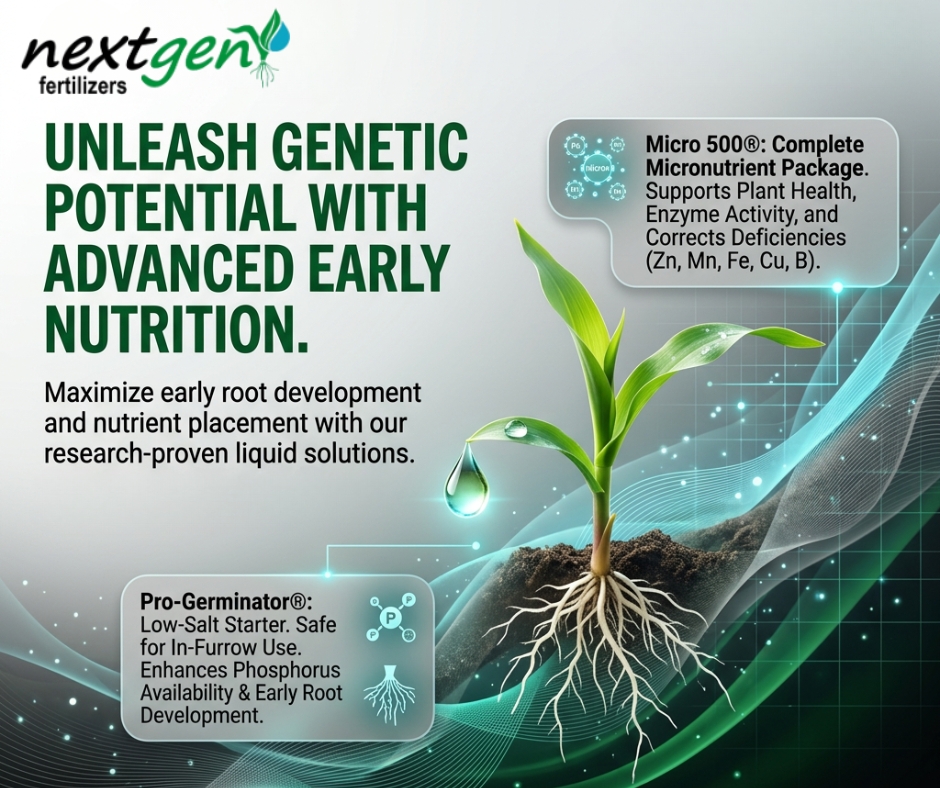
Start your crop strong
NextGen Fertilizers delivers elite early nutrition from AgroLiquid to drive root growth and nutrient uptake early. Micro 500® Pro-Germinator® fuel strong starts and season-long performance.
Contact us to learn more. #PlantingSeason #CropNutrition
55
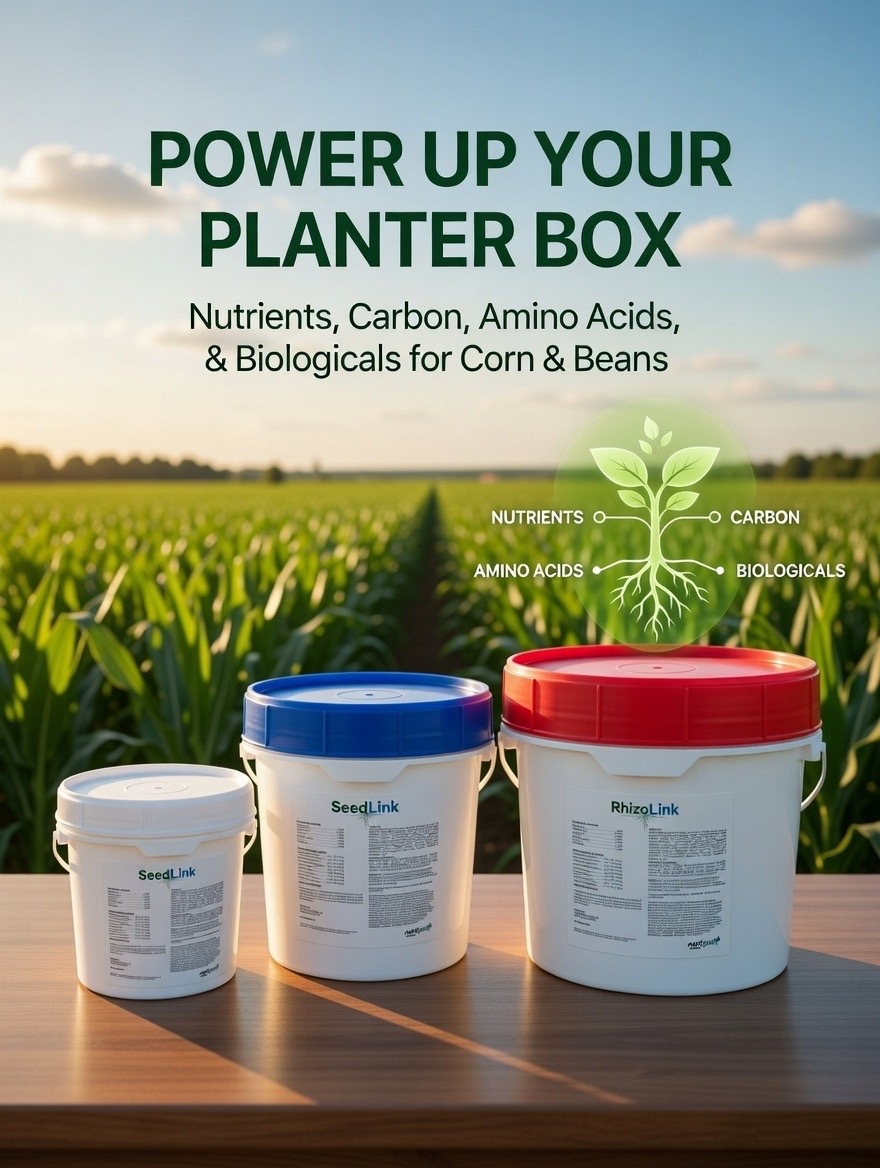
🌱 POWER UP YOUR PLANTER BOX THIS SPRING 🌱
Our lineup of nutrients, carbon, amino acids, and biologicals is designed to support strong early growth in corn and beans.
👉 Learn more about our products: nextgenfertilizers.com/produ… or give us a call: 308-250-0670
30
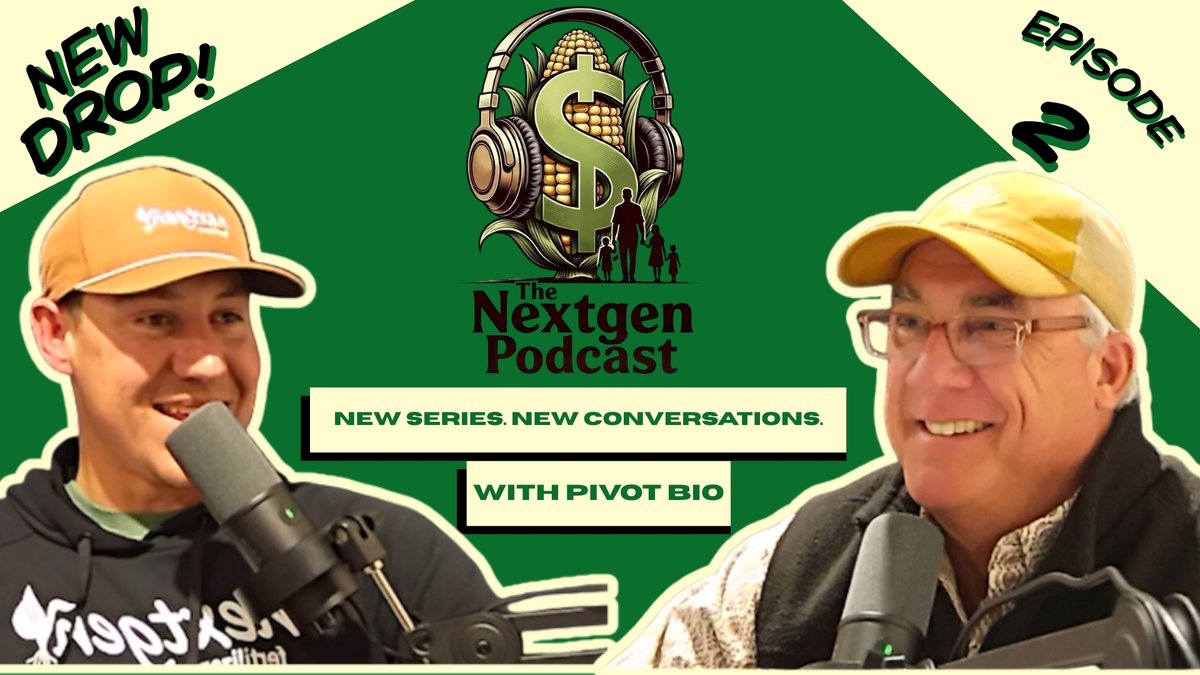
🎙️ NEW EPISODE: The NextGen Podcast – Episode 2
After the breakthrough science behind Pivot Bio’s nitrogen-fixing microbes… what came next?
🎧 Listen now:
▶️ YouTube: youtu.be/vptvPgVkwM0
🎧 Spotify: open.spotify.com/episode/77w…
🍎 Apple Podcasts: podcasts.apple.com/us/podcas…
1
1
53
We know times are tough and margins are tight across agriculture, which makes planning even harder. That’s why we’re taking action. Pivot Bio has lowered our price and increased U.S. production to help ensure availability during peak planting. Our goal is simple: be a dependable partner and provide a stable, domestically produced source of nitrogen that helps strengthen the foundation of your fertility program.
businesswire.com/news/home/2…
#plant26 #grow26 #fertilizer #cropnutrition
2
9
14
1,067
Nextgen Fertilizers retweeted

Mar 5
3
2
43
6,567
NEW PODCAST LAUNCH: The NextGen Podcast
Episode One is available now!
Listen now:
YouTube: youtube.com/watch?v=KPpbYNeA…
Apple Podcasts: podcasts.apple.com/.../pivot…...
#NextGenPodcast #Nitrogen #AgInnovation #BiologicalNitrogen #PivotBio #NextGenFertilizers
1
65
Nextgen Fertilizers retweeted

Jan 16
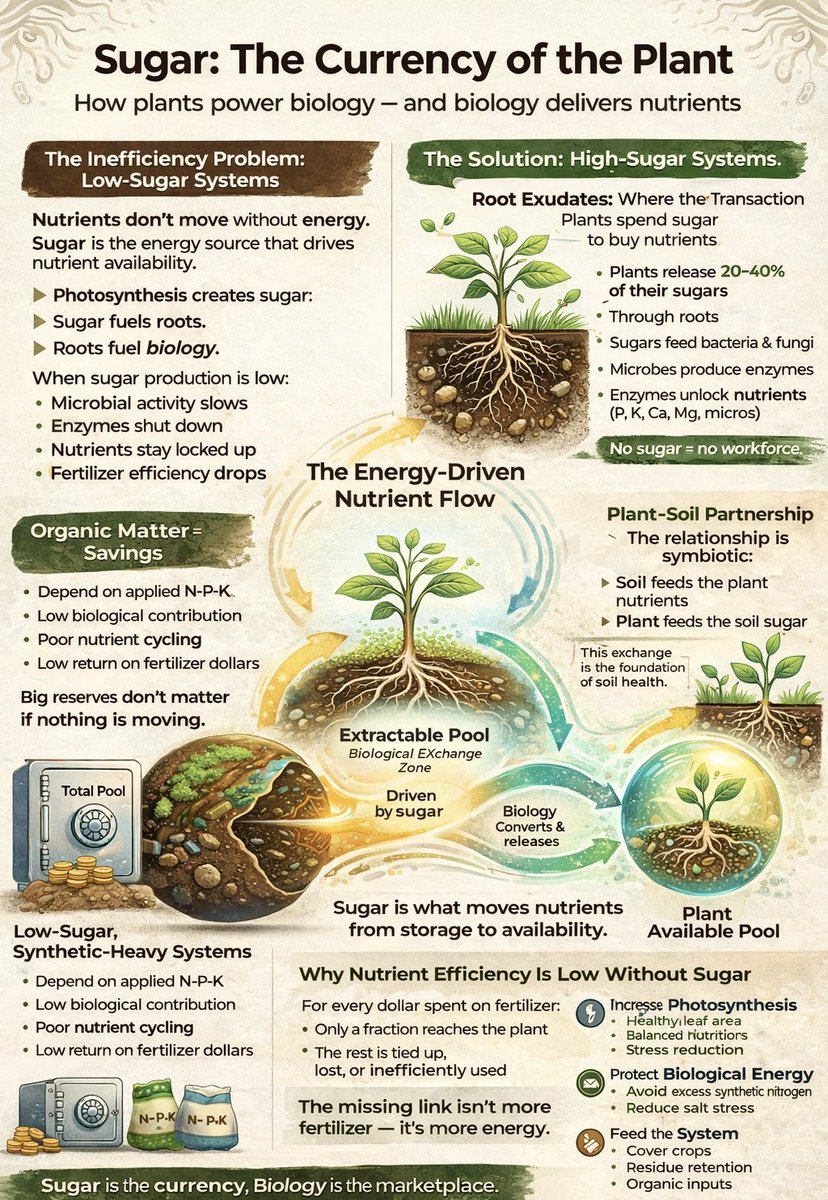
Most fields don’t suffer from a true nutrient shortage, they suffer from a nutrient access problem. Decades of fertilizer application have built large nutrient reserves in the soil, but without energy, those nutrients stay locked up. That energy starts with plant-created sugar, which is the currency of the plant. Through photosynthesis, plants produce sugar and spend it through their roots to power nutrient uptake and biological activity. In the soil, that energy shows up as WEOC (water-extractable organic carbon) — the currency of the soil that feeds microbes and drives nutrient exchange.
This message isn’t about eliminating fertilizer or ignoring crop removal. It’s about a systems approach that improves how nutrients cycle and move. When sugar production increases and WEOC is present, biology becomes active, enzymes function, and stored nutrients begin to flow into plant-available forms. That’s how fertilizer efficiency improves over time. Growers don’t simply decide to use less fertilizer, they EARN the right by building a system where nutrients are unlocked, not wasted, and every input works harder.
1
8
48
5,352
Nextgen Fertilizers retweeted

Jan 16
"The Clock Is Ticking for Glyphosate"
Good review of possibilities resulting from an expected US Supreme Court consideration of the many Bayer-glyphosate law suits. open.substack.com/pub/thebre…
3
1
4
5,241