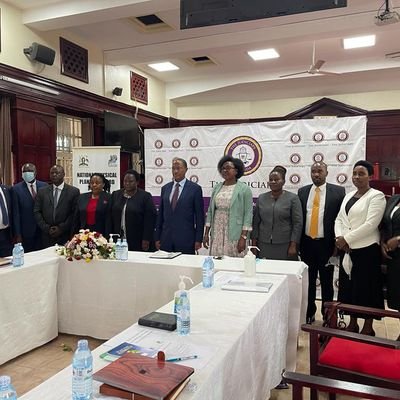
The National Physical Planning Board Uganda, Is a body corporate of the government arm that oversees the well planned cities, Industrial parks, etc
Joined August 2020
- Tweets 343
- Following 772
- Followers 1,847
- Likes 802
142 Photos and videos



National Physical Planning Board Uganda retweeted

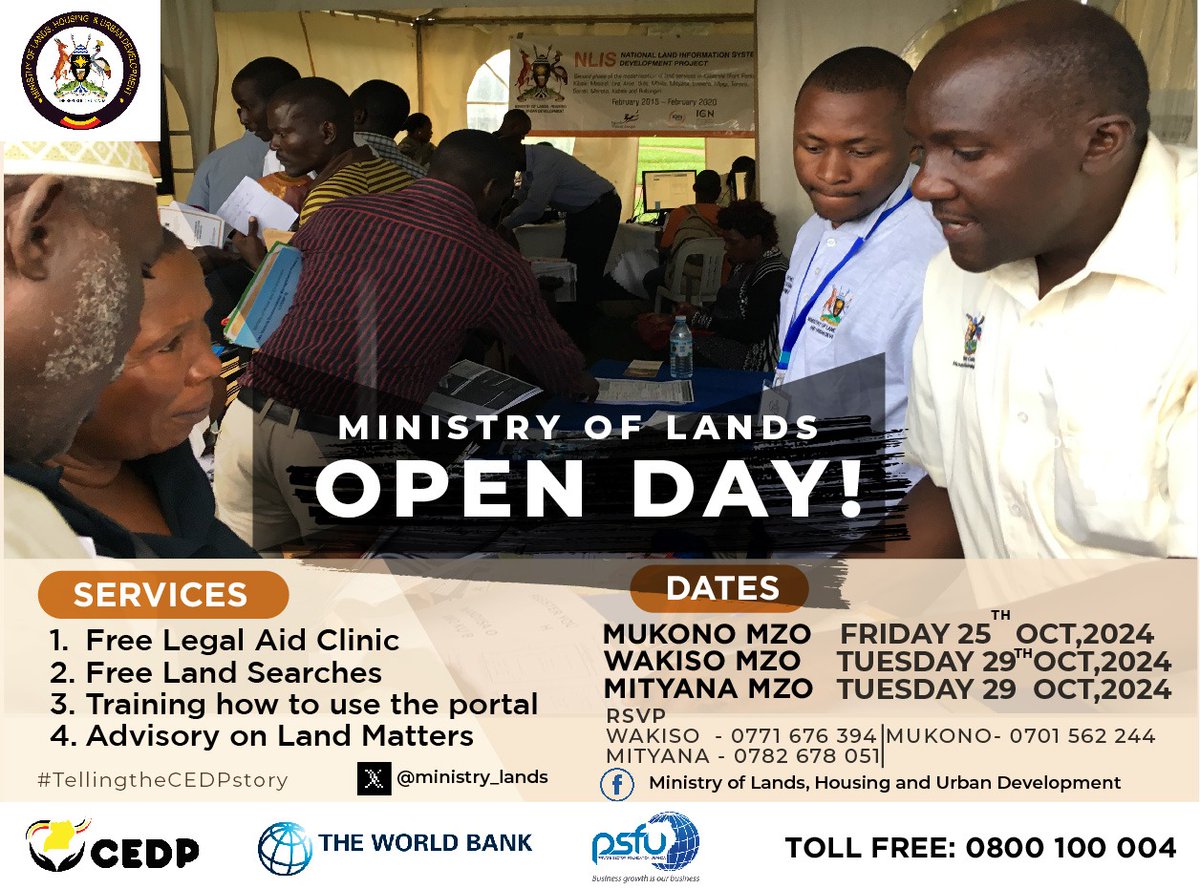
Join us on any of these days, and be part of the @ministry_lands open Day for free legal services, land searches, and expert advice on land information services—empowering the public with knowledge! 🏡 #LandServices #OpenDay"
#TellingtheCEDPstory
9
24
2,053
National Physical Planning Board Uganda retweeted
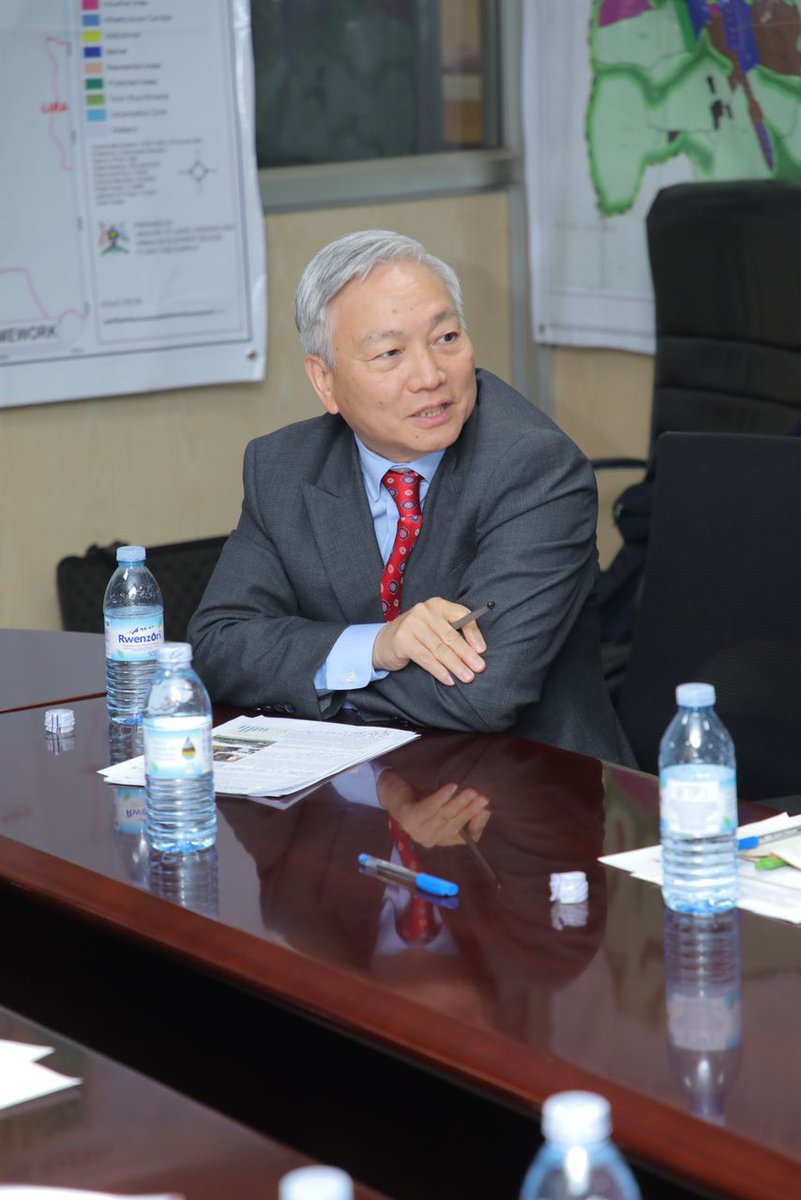
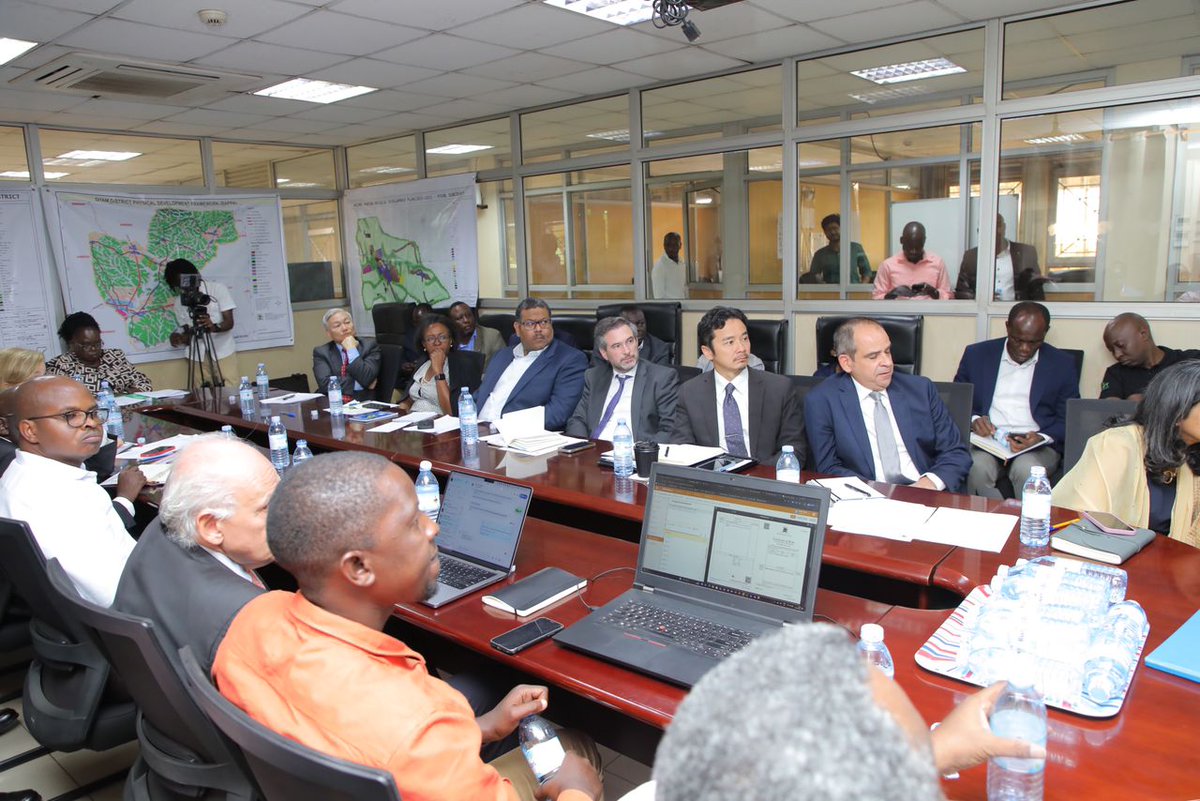
Mr. Qimiao Fan, @WorldBank Country Director for Kenya, Uganda, Rwanda, and Somalia, emphasized the critical role land plays as a factor of production and its importance in enabling citizens accessing finance. Effective land management is essential for a country’s development, he said, and thanked the Government for making it a key priority. He expressed gratitude to @ministry_lands for the efforts in modernizing systems to secure land tenure, particularly highlighting the innovations in land administration under the @cedp_uganda project.
Mr. Fan acknowledged the impressive revenue generated from land searches and transfers, but he stressed that this should not be the sole measure of success because as a public service, the primary goal should be to provide the public with easy and accessible land search services, ensuring efficiency and transparency in all land transactions.
He also commended the batch processing system as a key innovation, and that the tool should be able to aid the country in completing all land mapping processes, contributing to secure land tenure and enabling people to use their land as collateral for accessing finances. With an increasing urbanization in the country, Mr. Fan noted the rising value of land and the importance of ensuring every piece of land is secure so that all land disputes are minimized.
Furthermore, he emphasized the need to ensure essential infrastructure, such as houses and hospitals, is titled, to make it easier for the government to acquire land for development purposes and offer fair compensations during infrastructure development projects. Mr. Fan concluded with hope that these systems, especially the Land Information System (LAVMIS), will improve the country’s economic competitiveness and ensure that every landowner has secure tenure.
#TellingtheCEDPstory
@WorldBank @WorldBankAfrica @cedp_uganda @PSF_Uganda
2
3
17
1,339
National Physical Planning Board Uganda retweeted
How to create an account on the Ugnlis App. The account you create will enable you to load credit which will be used to carry out searches and other land transactions. The account will also provide a record of your previous transactions. Download the app today and create your account.
#TellingtheCEDPstory
#UgNlis
#LandsApp
8
35
55
3,677
National Physical Planning Board Uganda retweeted

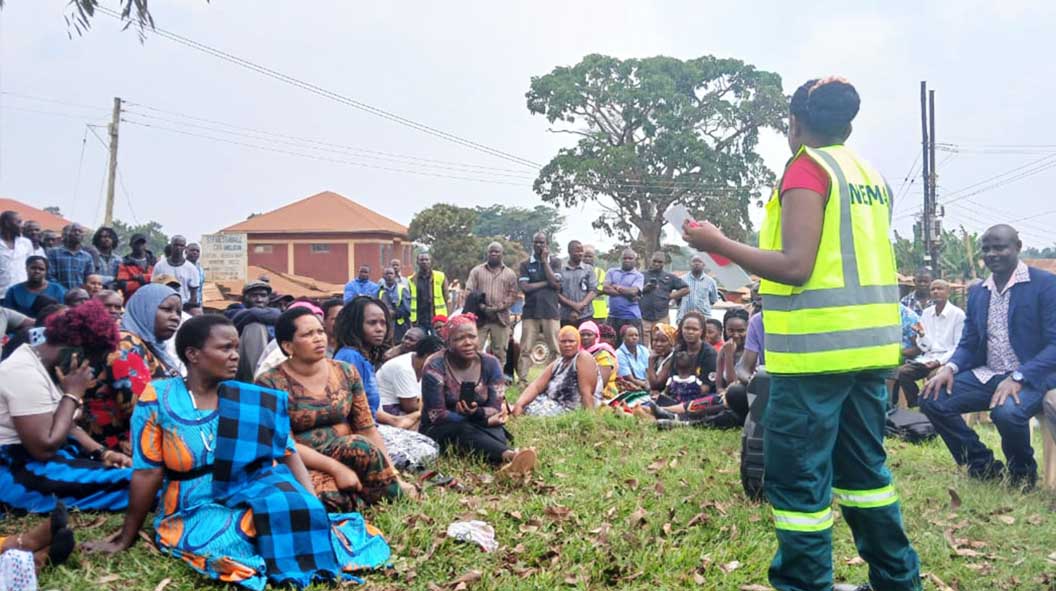
NEMA sensitizes communities neighboring Nambigirwa wetland on sustainable wetland mg't in preparation for the upcoming restoration. Villages sensitized includes Buzzi A, Namulanda A, B and C, Nganjo, and Dewe in Kajansi Town Council, Mpala - Katabi town council in Wakiso.
8
14
43
2,081
National Physical Planning Board Uganda retweeted

15 Aug 2024
NBCAwards2024: Vote now for building committees that have championed digitilisation of thier processes for effective building control and discharge of thier duties on time. awards.nbrb.go.ug @ERBUganda @ARBUganda @GggiUganda @UNABSEC_UG @UgArchSociety @SurveyorsofUG
4
12
500
National Physical Planning Board Uganda retweeted
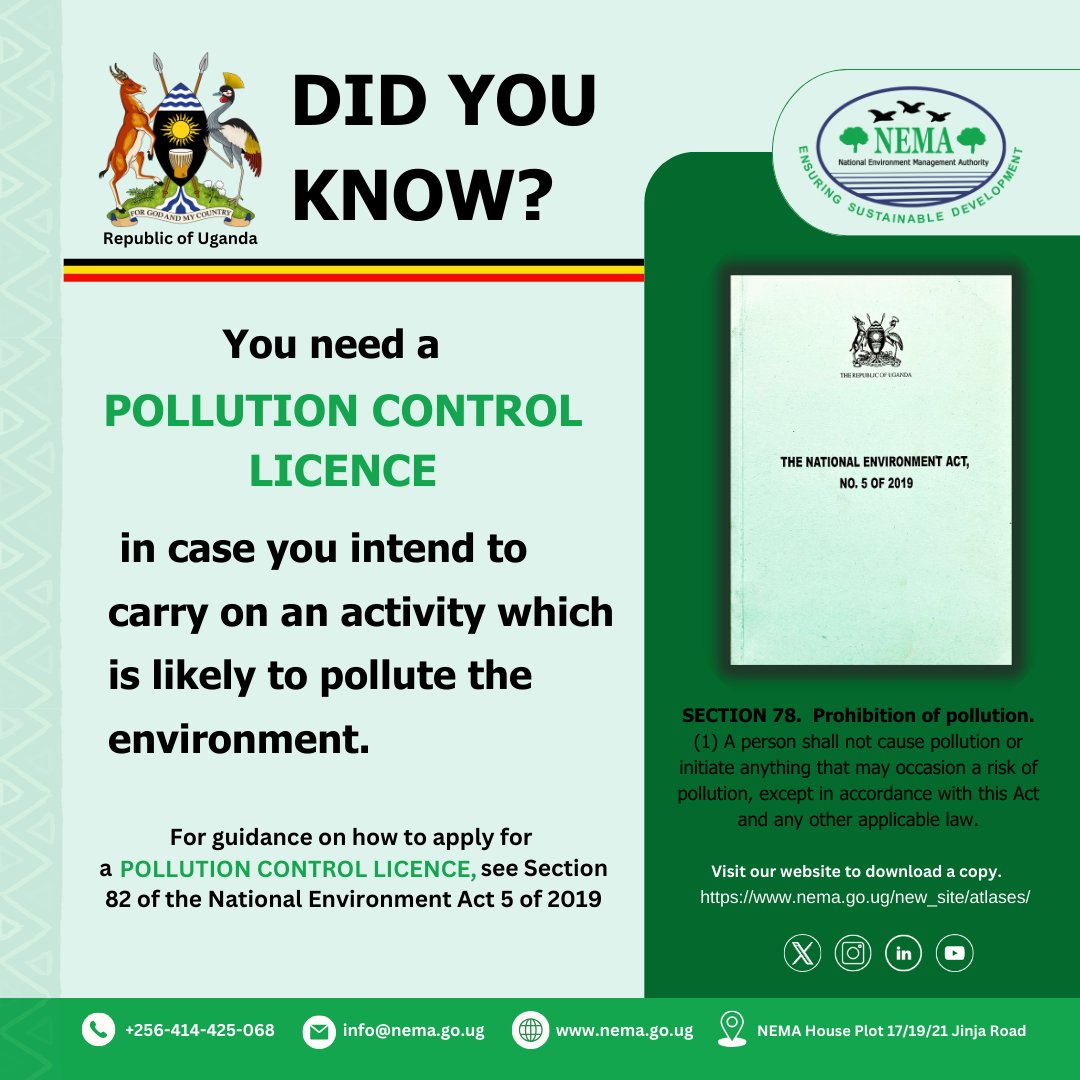
A person shall not cause pollution or initiate anything that may occasion a risk of pollution, except in accordance with the National Environment Act, Cap 181 and any other applicable law. Seek guidance in case you intend to carry out an activity that may pollute the environment.
5
41
63
2,904
National Physical Planning Board Uganda retweeted
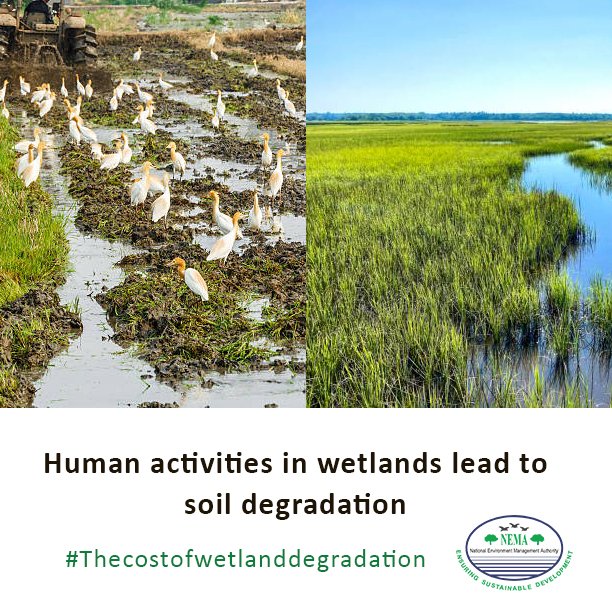
Wetlands prevent siltation of water bodies by slowing direct runoff of water and debris into lakes and rivers. Degraded wetlands cannot provide this service.
#Thecostofwetlanddegradation
#Protectwetlands
20
38
97
5,190
National Physical Planning Board Uganda retweeted
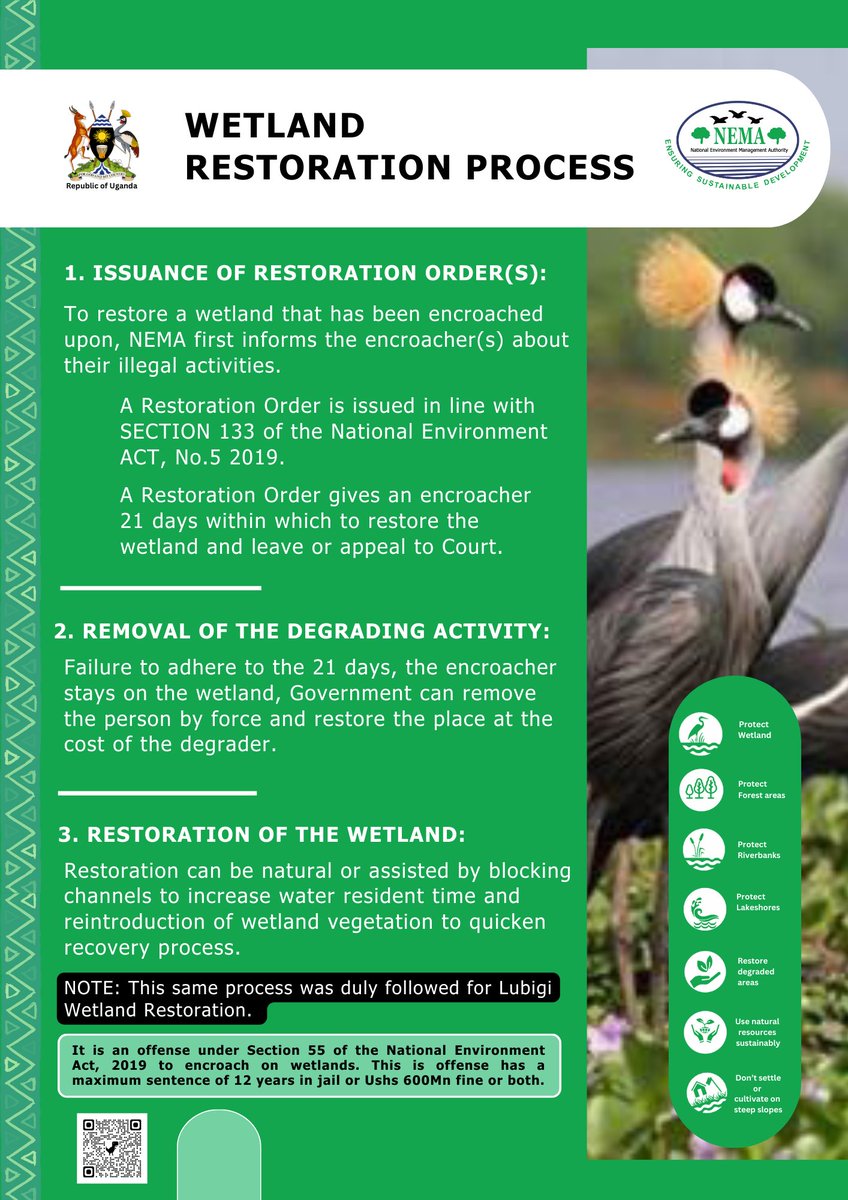
Wetland Restoration Process!
10
38
111
7,373
National Physical Planning Board Uganda retweeted

29 Jun 2024
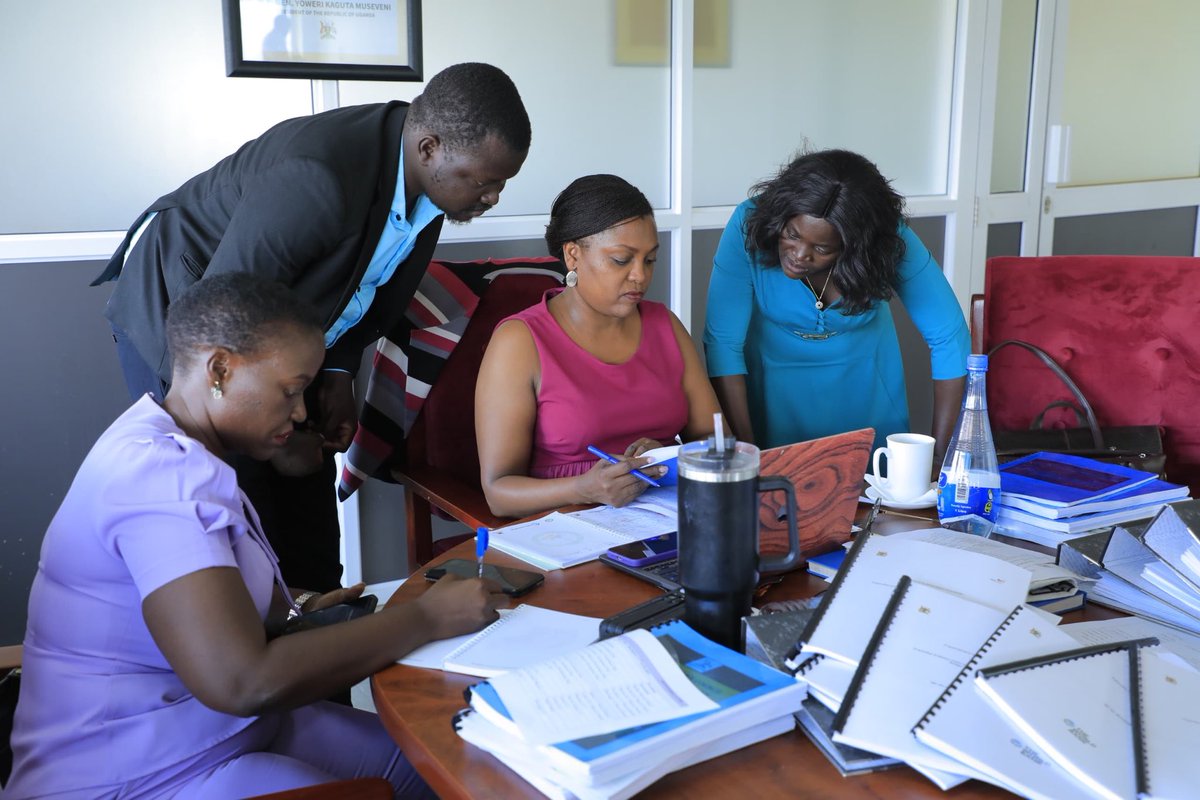
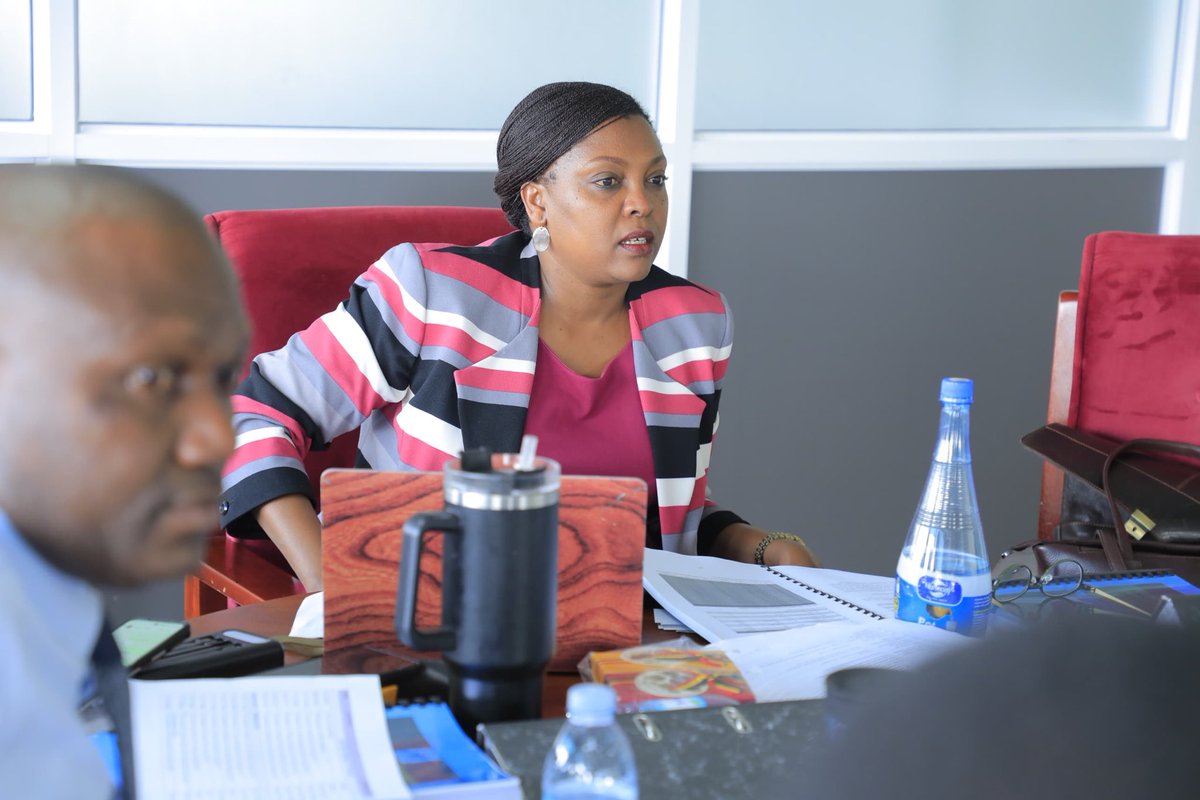
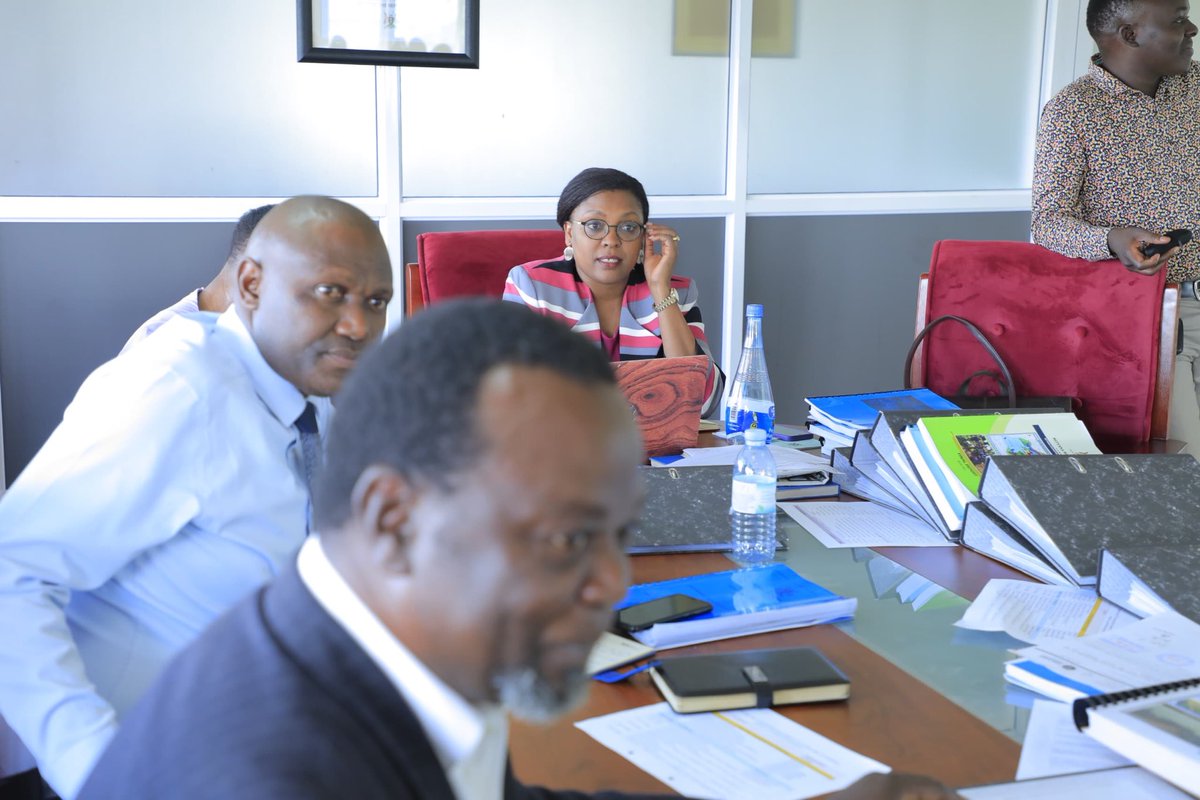
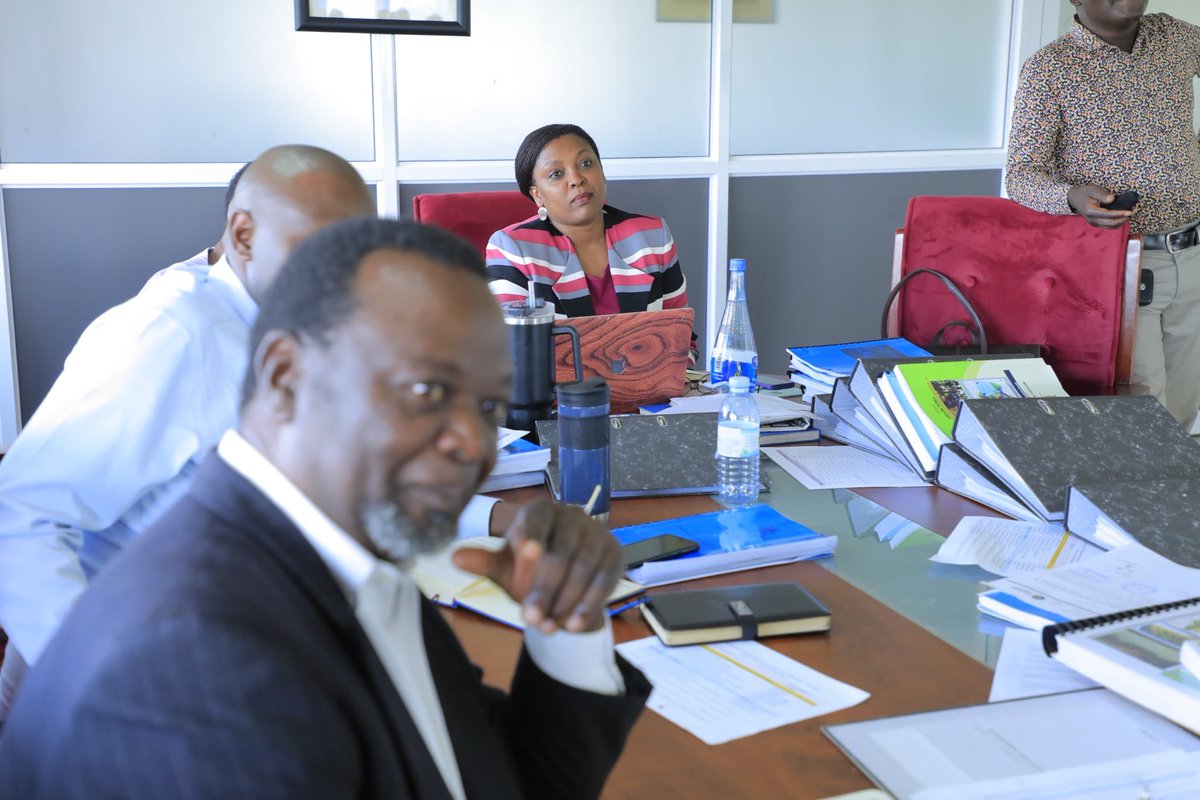
It was exciting to listen to the spatial dreams of 34 local governments as they presented their plans. It was even more exciting that some LGs prepared the plans without consultancy services. This way, every LG with a physical planner can ably prepare a PDP at a minimal cost.
4
8
43
2,444
National Physical Planning Board Uganda retweeted
8 Jun 2024
Are you about to or still constructing that structure without a development and building permit? Please consult your local government (District Urban and Local Councils..), before you develop any piece of land. If you already commenced without permission, please halt & consult!
20
26
142
10,159
National Physical Planning Board Uganda retweeted
11 Jun 2024
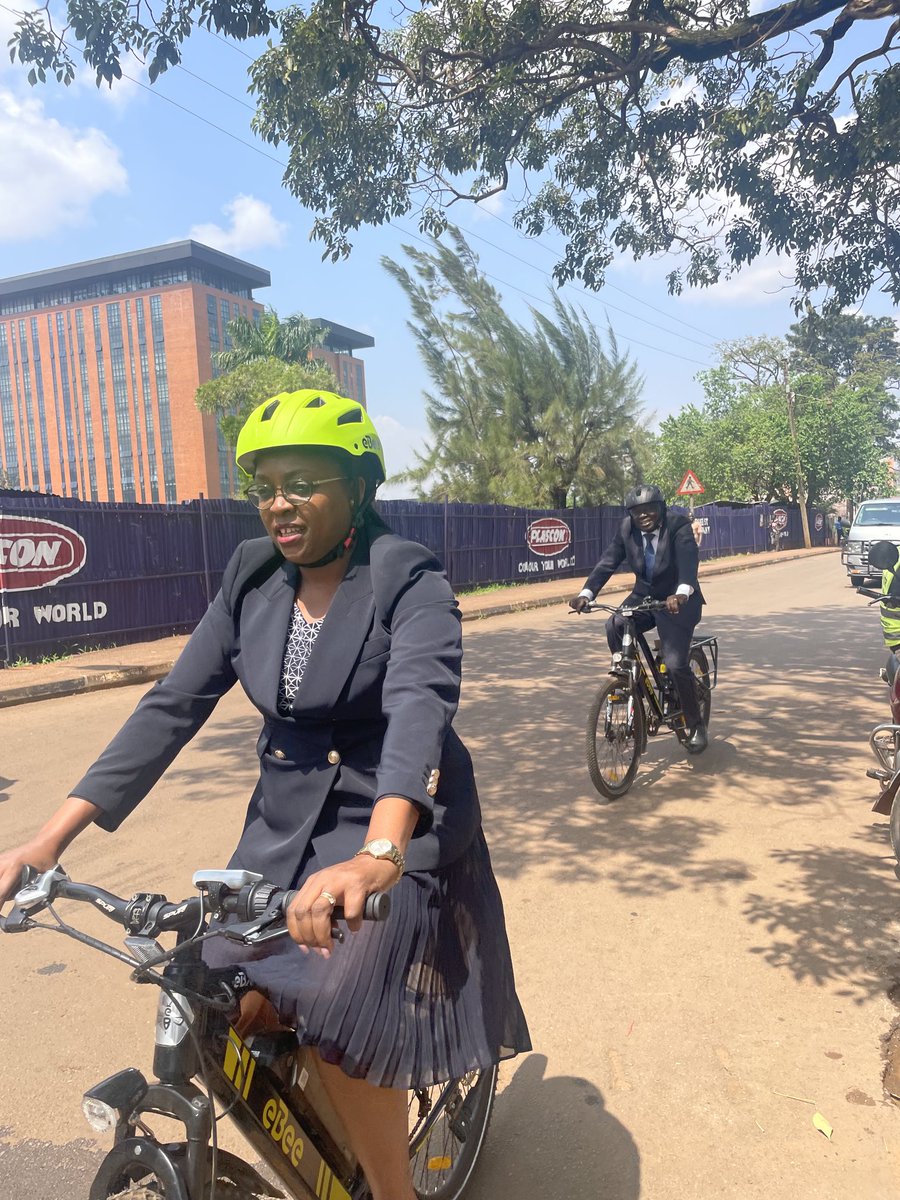
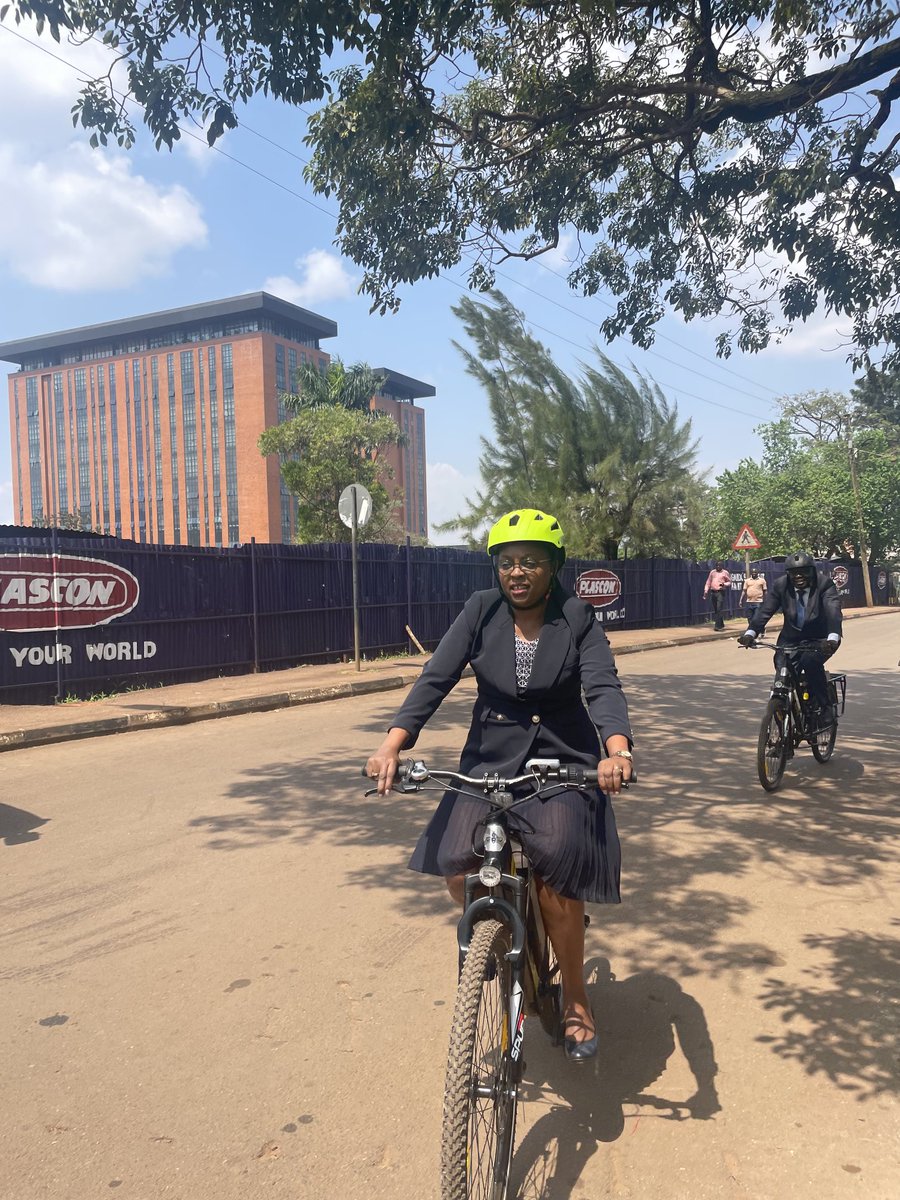
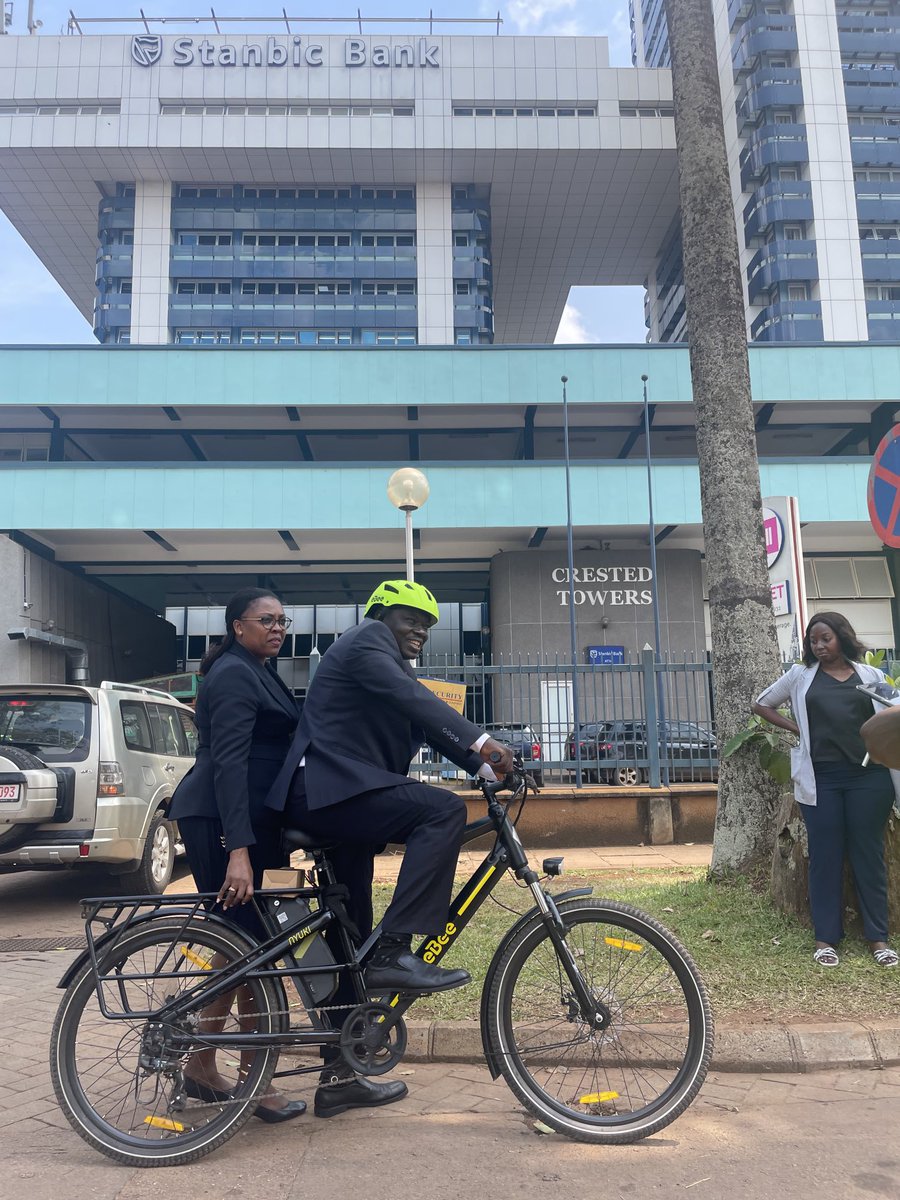
Thank you @eBee_Uganda for paying us a visit today @NPPBUG . It was an exciting experience with your e-bicycles. Keep up the good work.
4
20
113
5,506
National Physical Planning Board Uganda retweeted
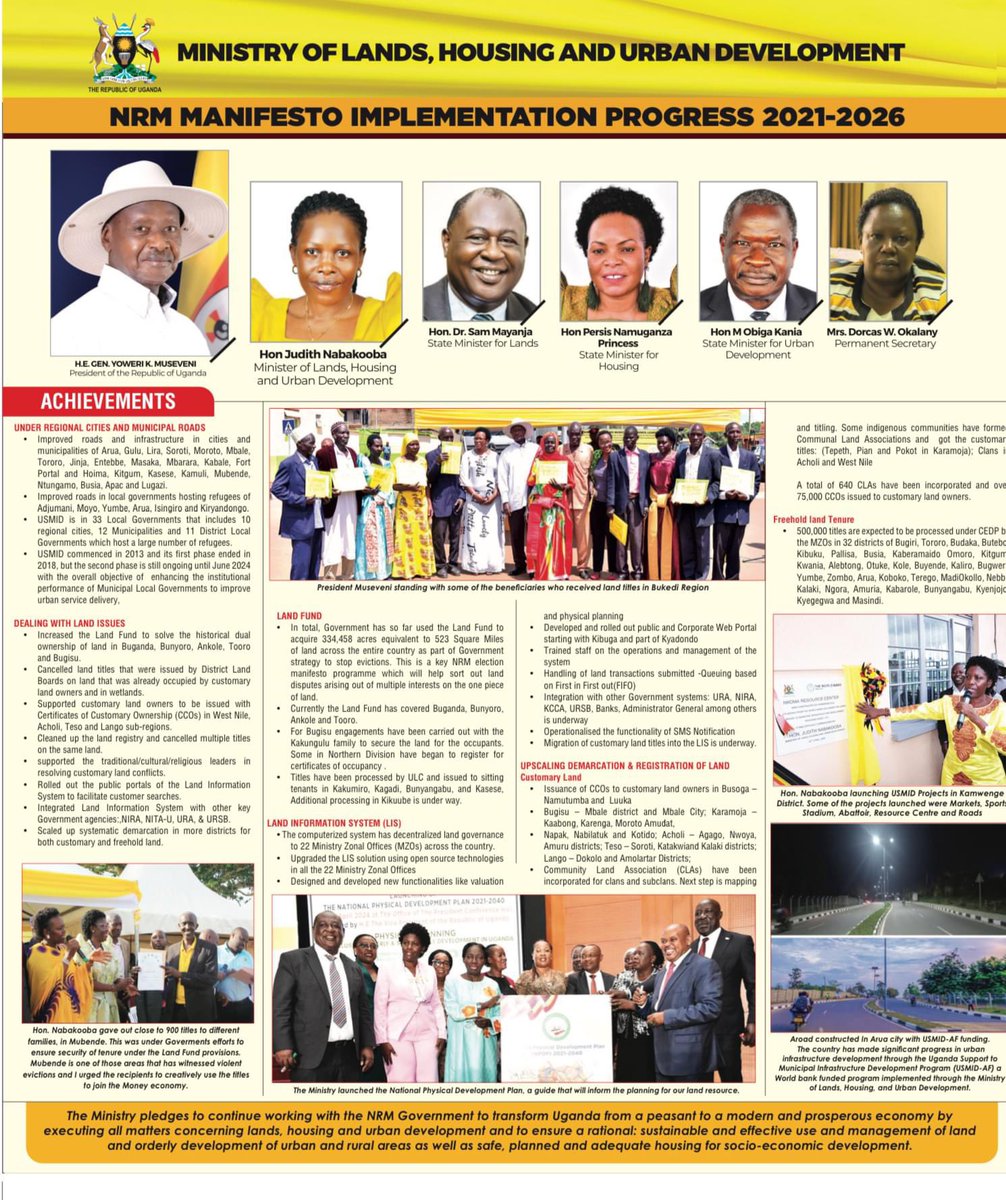
The achievements of the Ministry of Lands, Housing and Urban Development as regards to the manifesto.
3
9
18
2,643
National Physical Planning Board Uganda retweeted
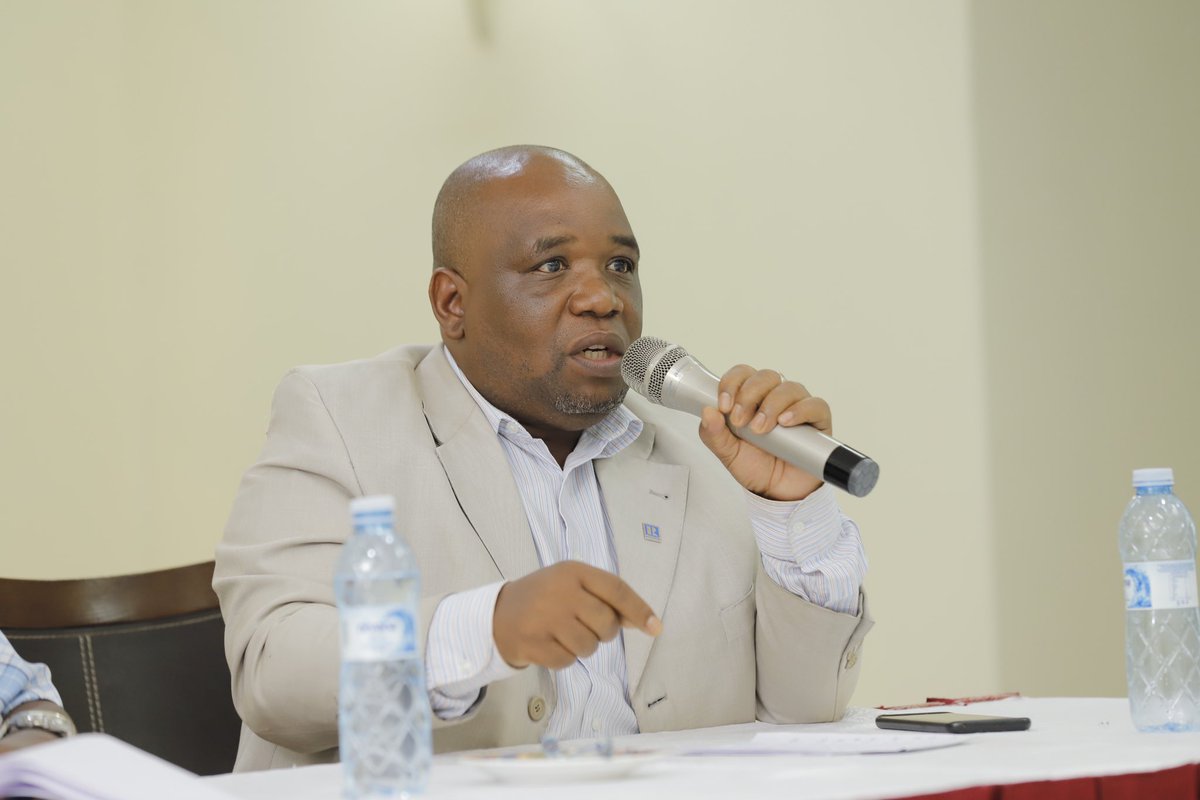
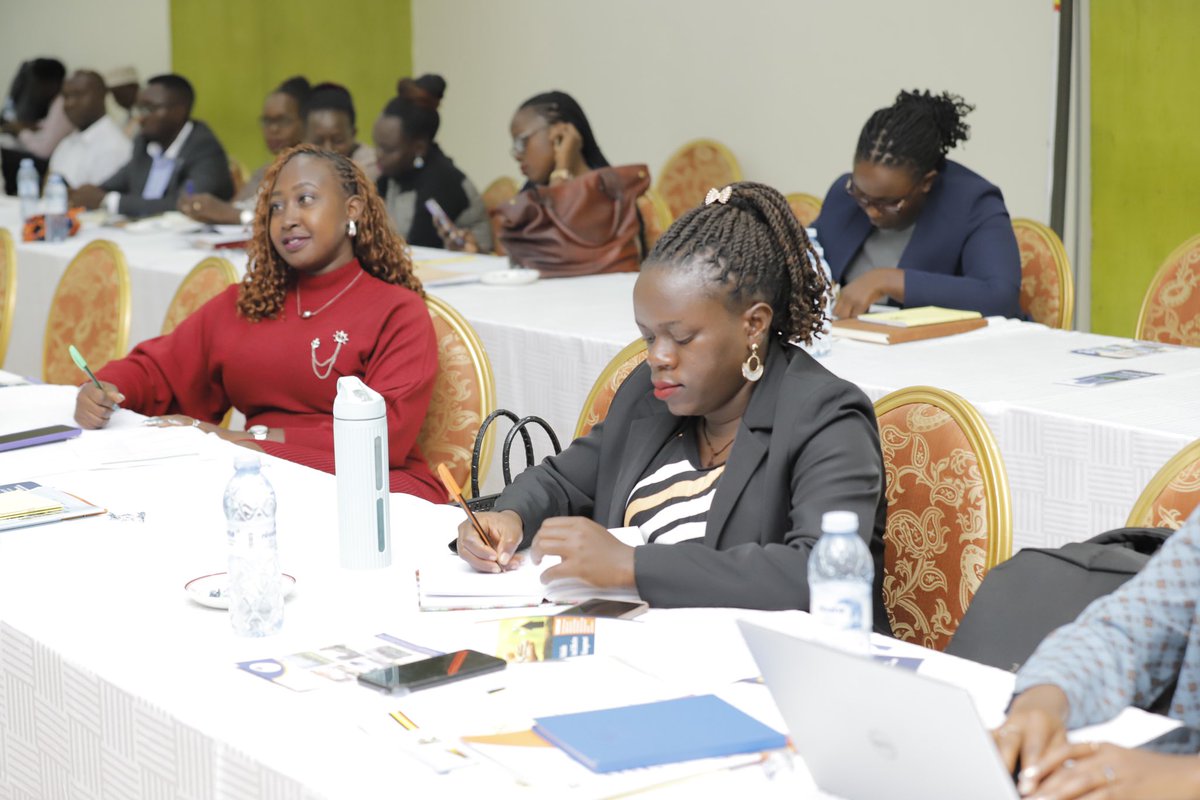
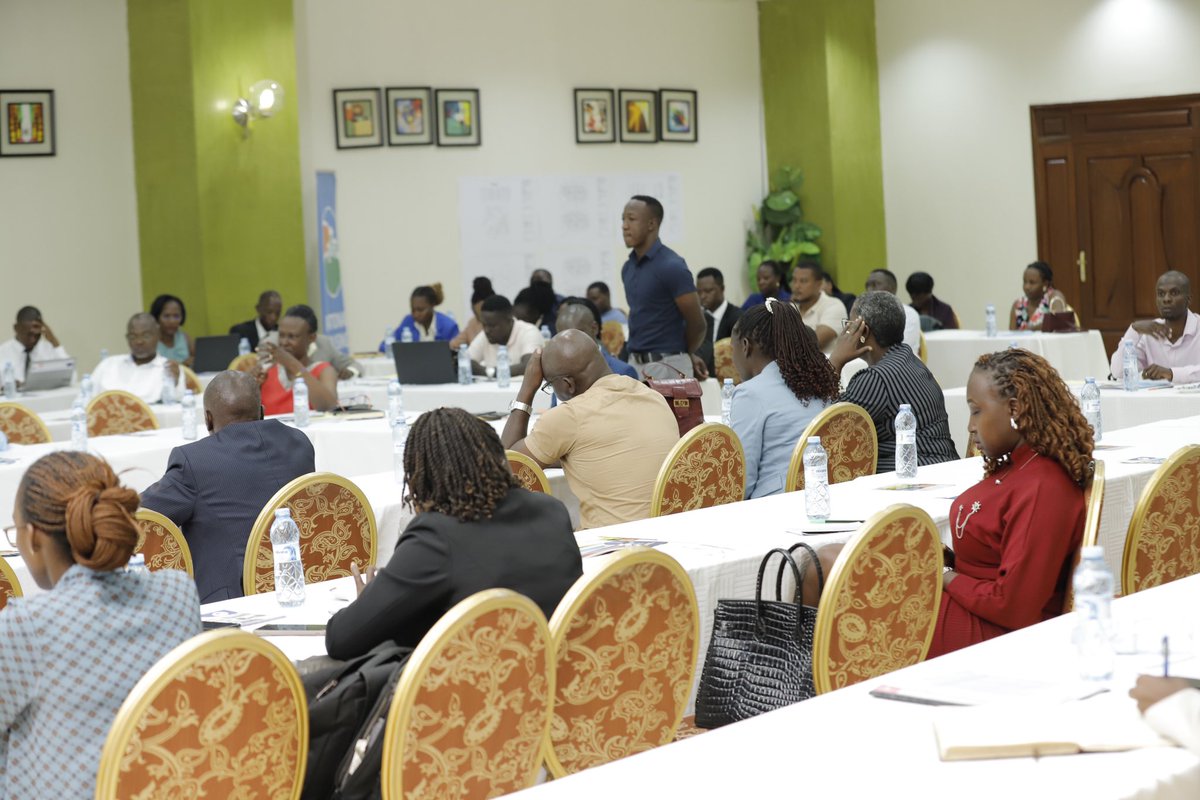
Mr. Arinaitwe Nicholas, Executive Director of REIEA, presented to the attendees on Day 2 of the administration of condominium properties workshop. He explained that condominium properties are large complexes with individual units owned separately, allowing for a mix of private ownership and shared responsibilities. This setup provides for the division of buildings into individual units, with common areas managed collectively.
He highlighted that the development of condominium properties is driven by land scarcity in desirable areas, rising construction costs, high population growth, and a strong desire for property ownership. However, since its introduction in Uganda in 2001, the concept has progressed slowly due to poor public awareness.
Nicholas emphasized the importance of governance in condominium properties. Governance involves decision-making, rule-setting, and enforcement to ensure harmonious living. It includes various administrative functions derived from the Condominium Act of 2001, ensuring that the community operates smoothly and conflicts are minimized.
He outlined the roles of stakeholders, which include unit owners, developers, occupants, managing agents, service providers, local authorities, and the corporation's board. Effective governance requires clear rules to manage relationships and shared responsibilities among these stakeholders.
The corporation, formed by unit owners, manages common property, administrative funds, and fees. It ensures compliance with legal notices, enforces laws, and addresses member complaints. The board, elected during the AGM, oversees the corporation’s functions and handles responsibilities such as meetings, conflict resolution, and property maintenance.
Nicholas pointed out that owners face certain limitations, such as restrictions on structural alterations, pets, noise, and parking, to maintain order and ensure the upkeep of common areas. He also discussed common expenses, which cover utilities, management fees, landscaping, maintenance reserves, and security services.
Violations of rules result in penalties and fines, potentially involving legal action, emphasizing the need for members to consistently observe all regulations. To facilitate efficient property management, Nicholas introduced the Condominium Property Management System (PMS), a software designed to handle property operations and administrative tasks. PMS centralizes management functions, enhances communication, automates routine tasks, and supports financial transactions and maintenance activities.
Implementing a new PMS involves setting clear goals, migrating data, customizing the system, training users, conducting pilot testing, launching the system fully, and continuously monitoring and collecting feedback for improvements.
In conclusion, Nicholas stressed that condominium properties combine community living and ownership, necessitating clear rules and regulations. Efficient management, particularly for large portfolios, requires the use of PMS to ensure effective functionality and transparency.
9
14
1,569
National Physical Planning Board Uganda retweeted
28 May 2024
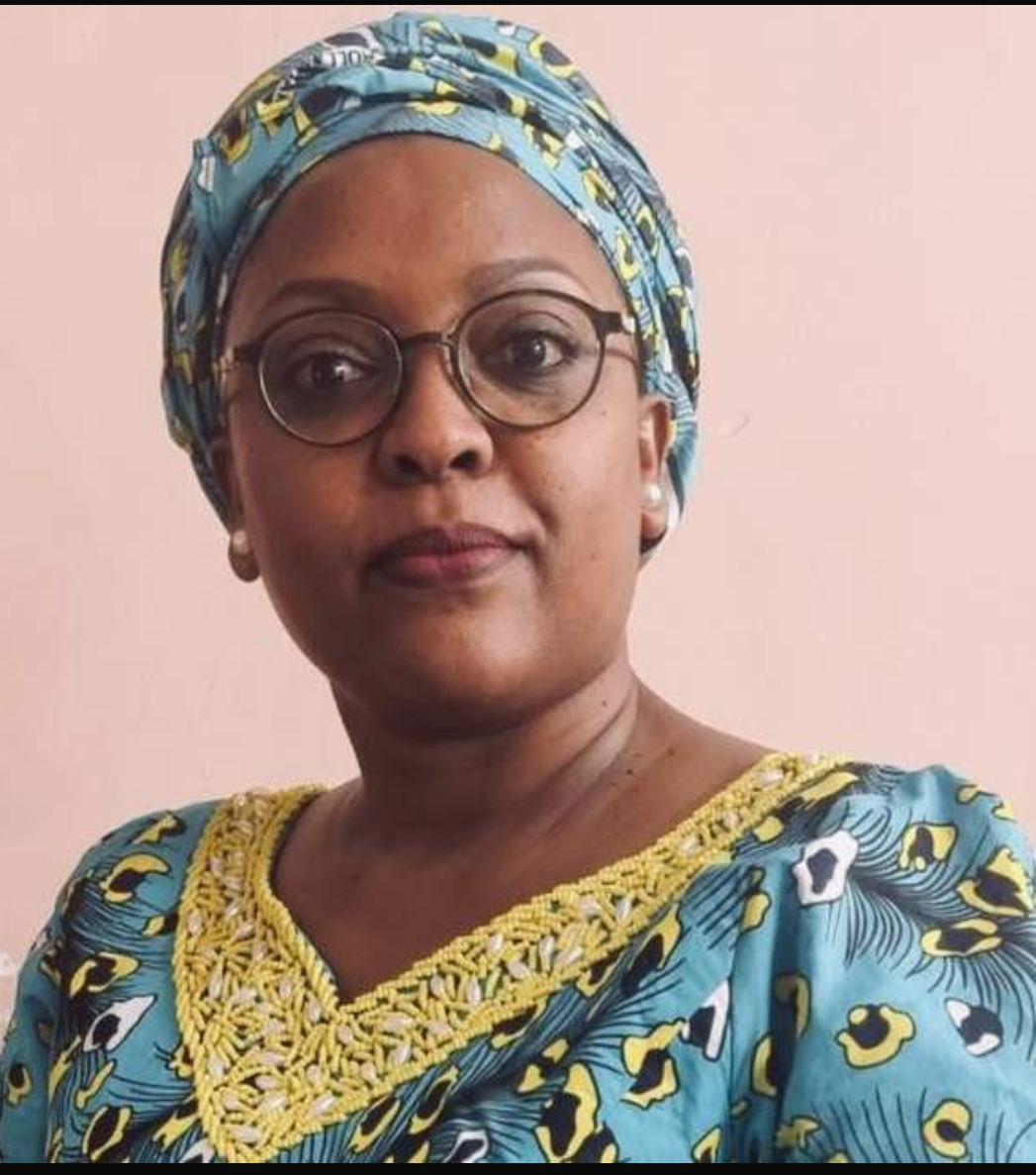
To God be the glory! One year younger… still counting… I am 40 again. 🫣😂😍😍😍.
167
43
790
33,960
National Physical Planning Board Uganda retweeted
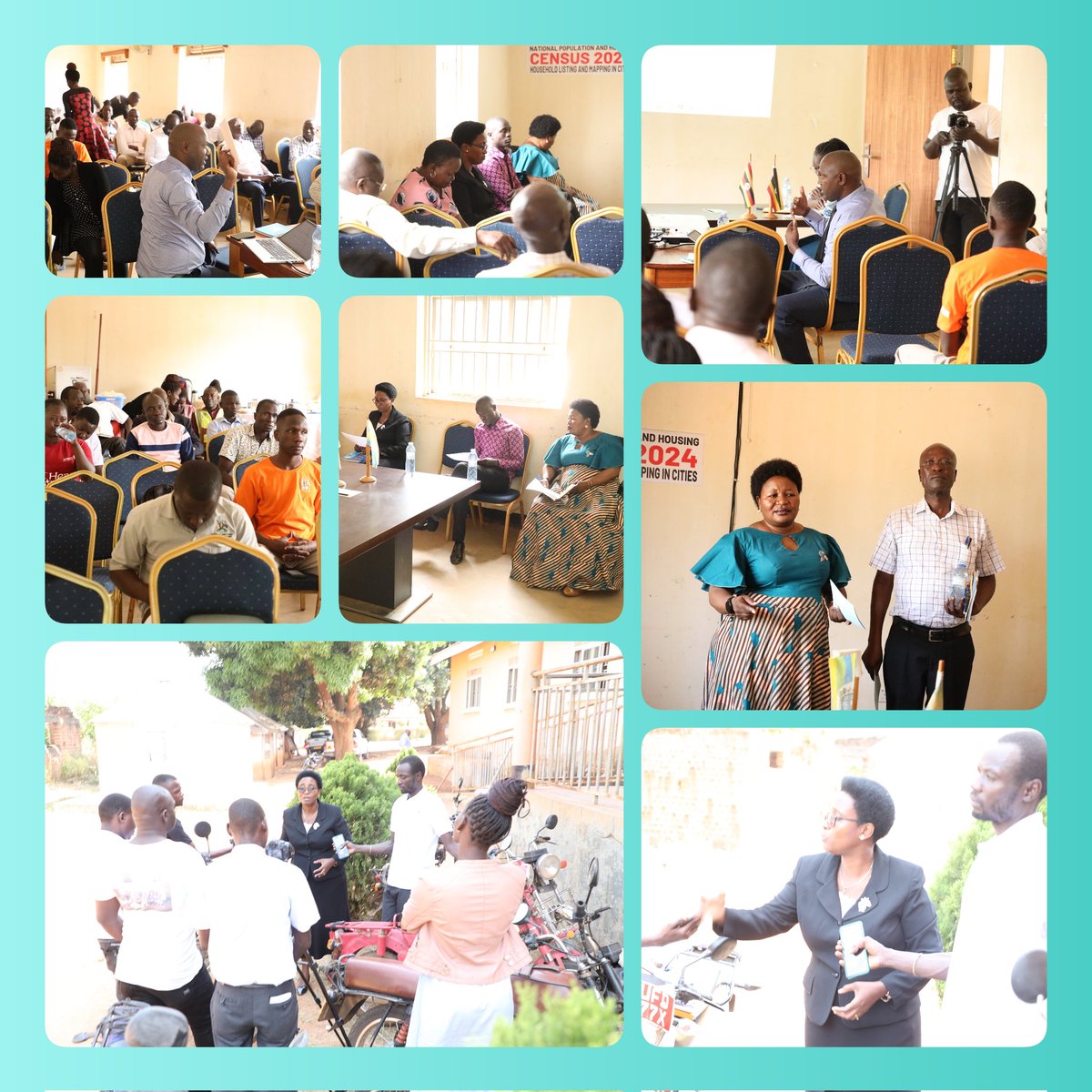
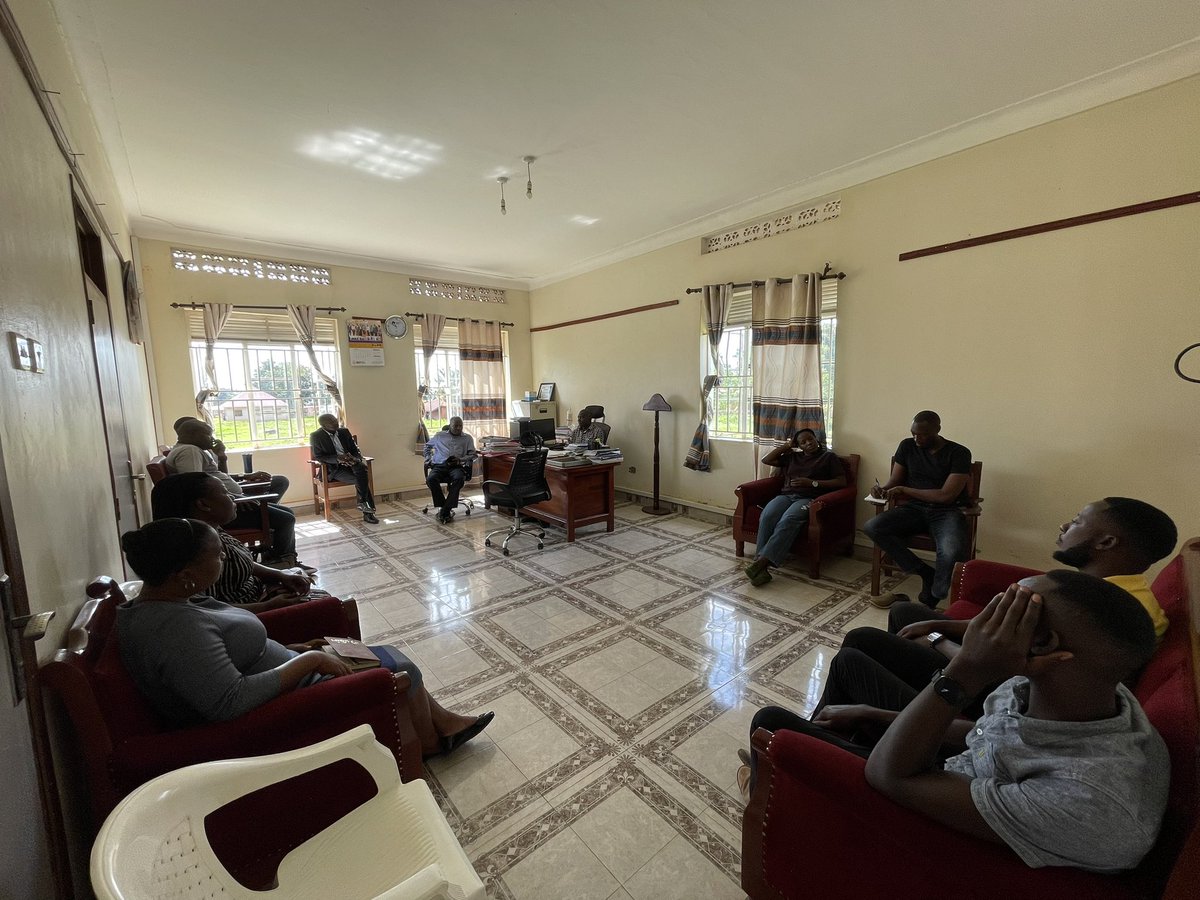
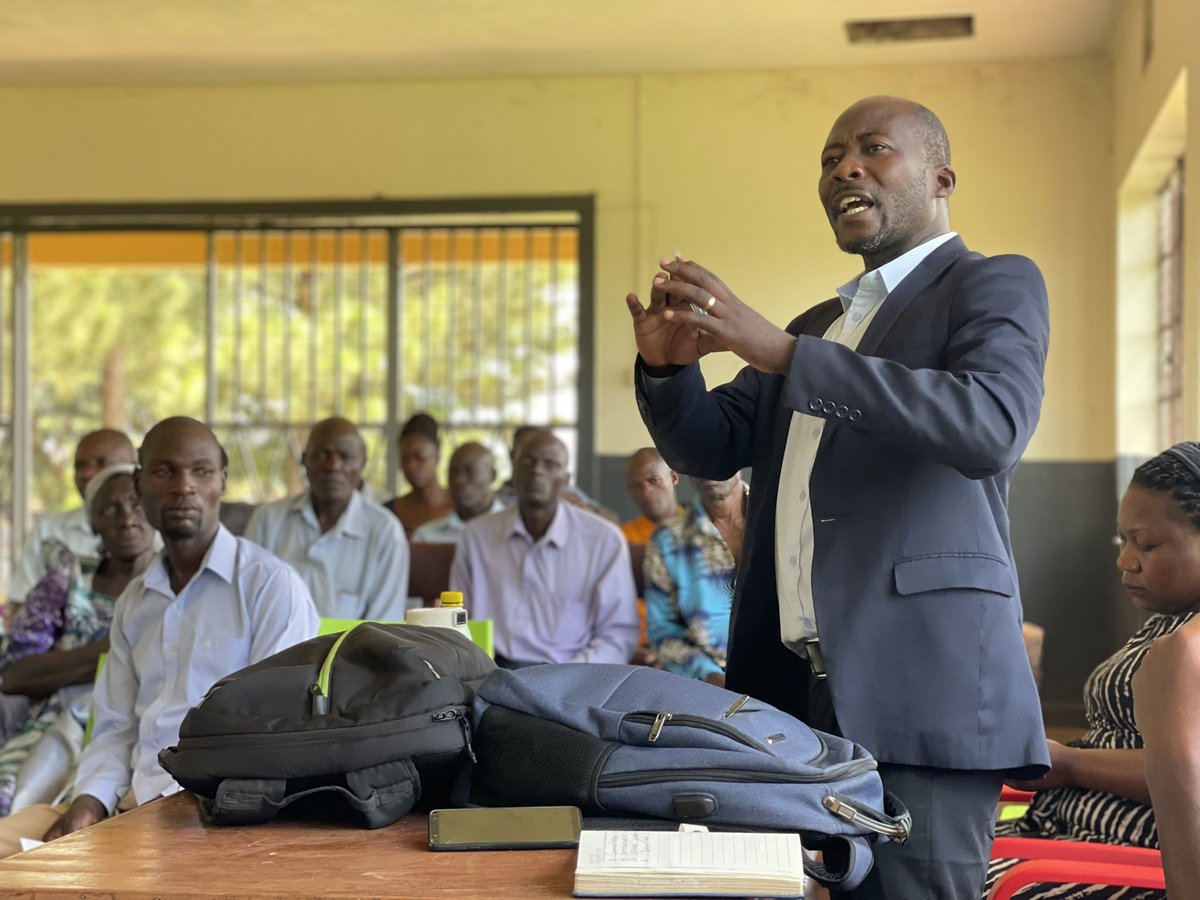
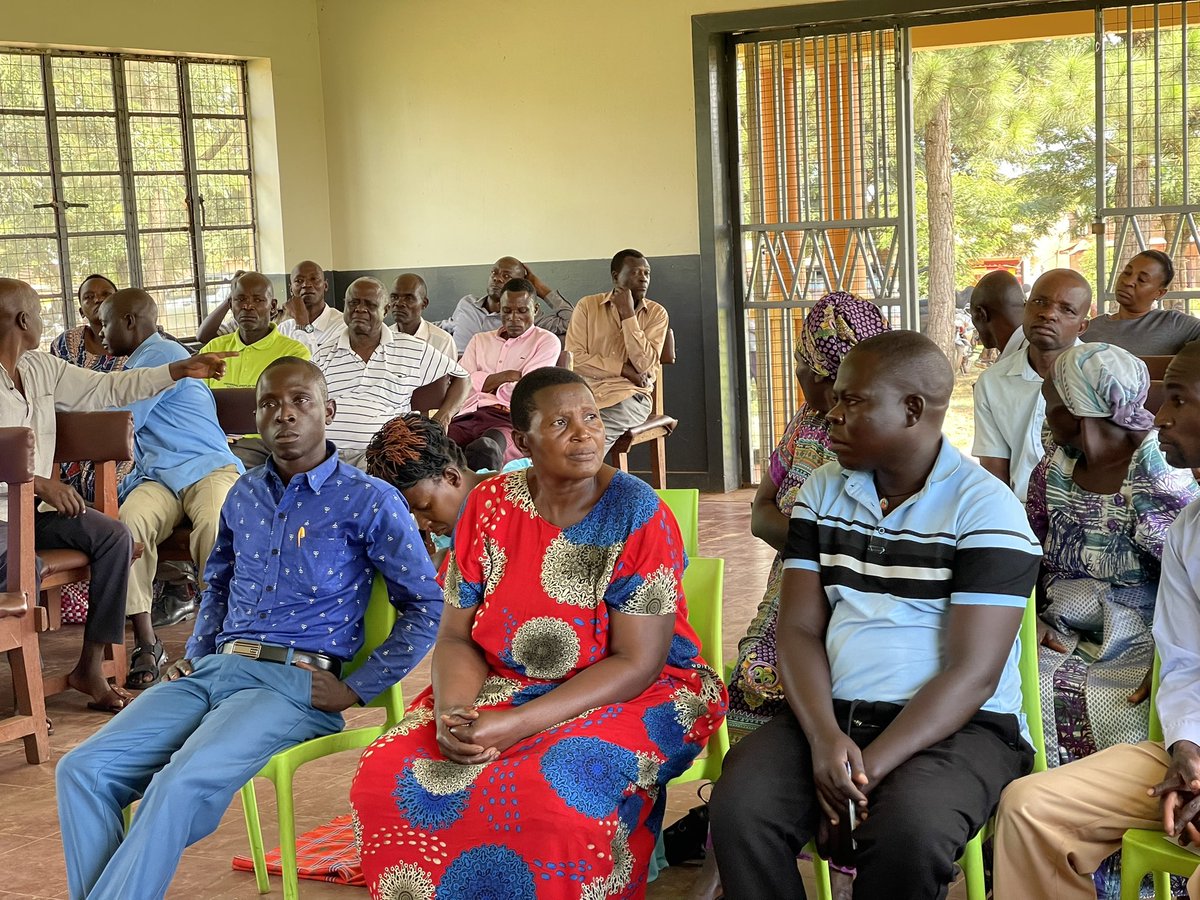
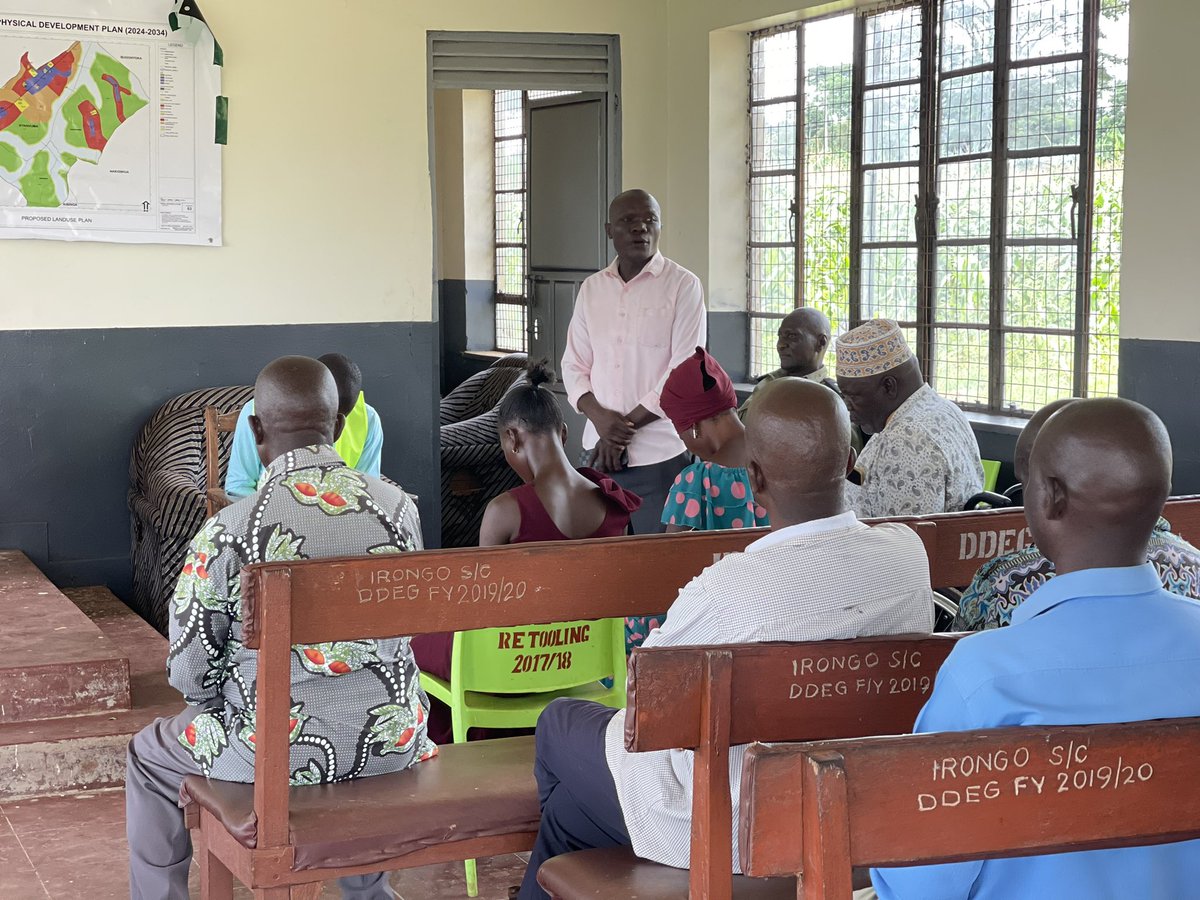
The Ministry’s team of Physical Planners recently concluded the presentation of the Physical Development Draft Plans in the sub-counties and parishes of Waibuga, Irongo, Bukanga, Nawampiti, and others in Luuka District. The local government leaders were receptive and raised various queries, which the Ministry team addressed comprehensively.
The presentation of physical plans is one of the key processes in the physical planning process. The purpose is to ensure stakeholders are able to appreciate the plan and accordingly implement the plan.
Physical planning involves the systematic mapping and zoning of regions to ensure orderly and sustainable development. This process is conducted by professional physical planners and in Uganda is overseen by the National Physical Planning Board
1/4
4
4
11
1,187

24 May 2024
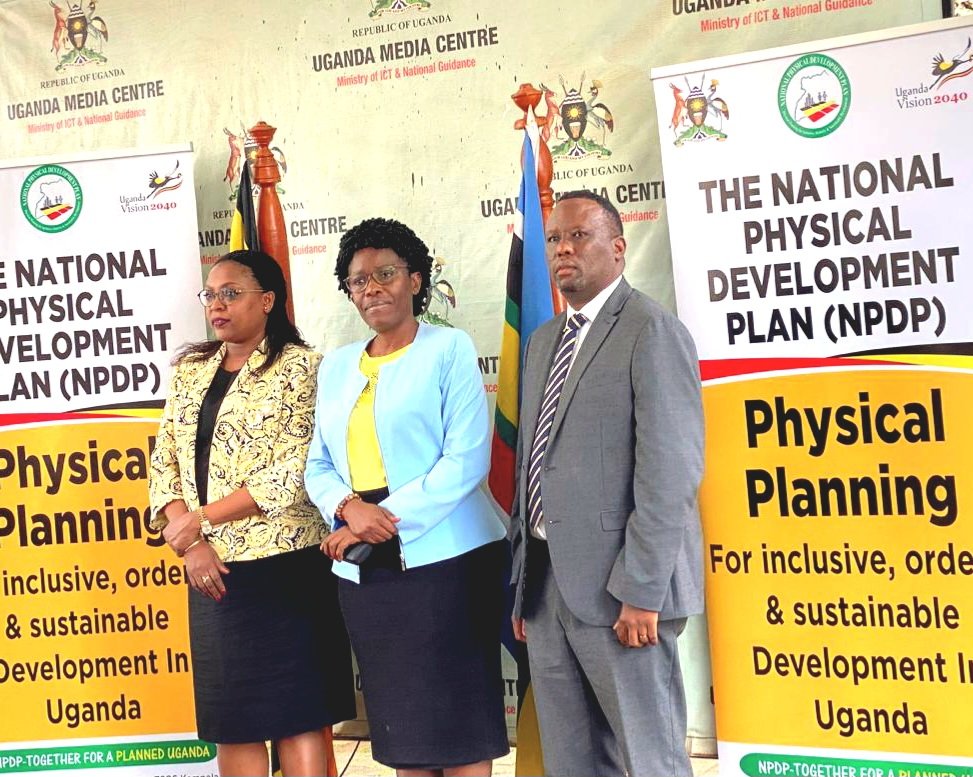
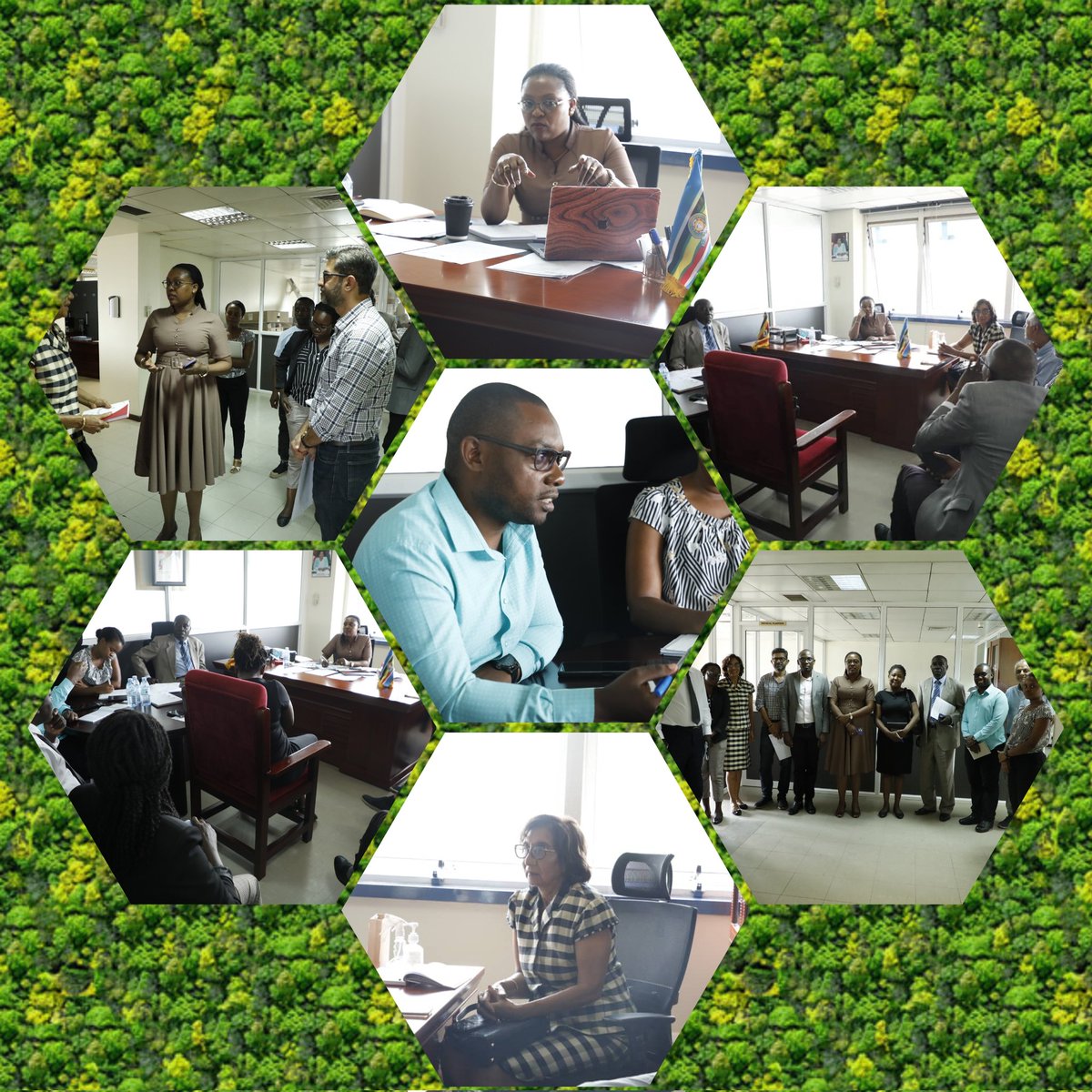
@NPPBUG has today held an engagement with @KCCAUG and representatives from the Kololo community to find a place for a joint task force 2 address noise pollution emanating from the music from the bars and restaurants in Kololo and the surrounding areas.@mandyug
@UgandaMediaCent
3
3
7
952
24 May 2024
Among the many complaints that were reported to @NPPBUG by different residents of Kololo and Kampala, generally,three distinguished stakeholders participated in today's engagement, where the current issues on noise pollution were discussed. @GCICUganda
@Parliament_Ug
@GovUganda
2
1
117
24 May 2024
The way forward generated will be used for follow-up in order to come up with a lasting peaceful solution, the high level noise from the bars and restaurants has created in Kampala.

1
1
96
National Physical Planning Board Uganda retweeted
6 May 2024
Amazing to see e-Bee make great strides for e-mobility, with the e-bicycles. No excuse about our beautiful hills in Kampala. Let’s embrace such sustainability innovations.

12
23
106
7,227