
5,013 Photos and videos







Jay retweeted

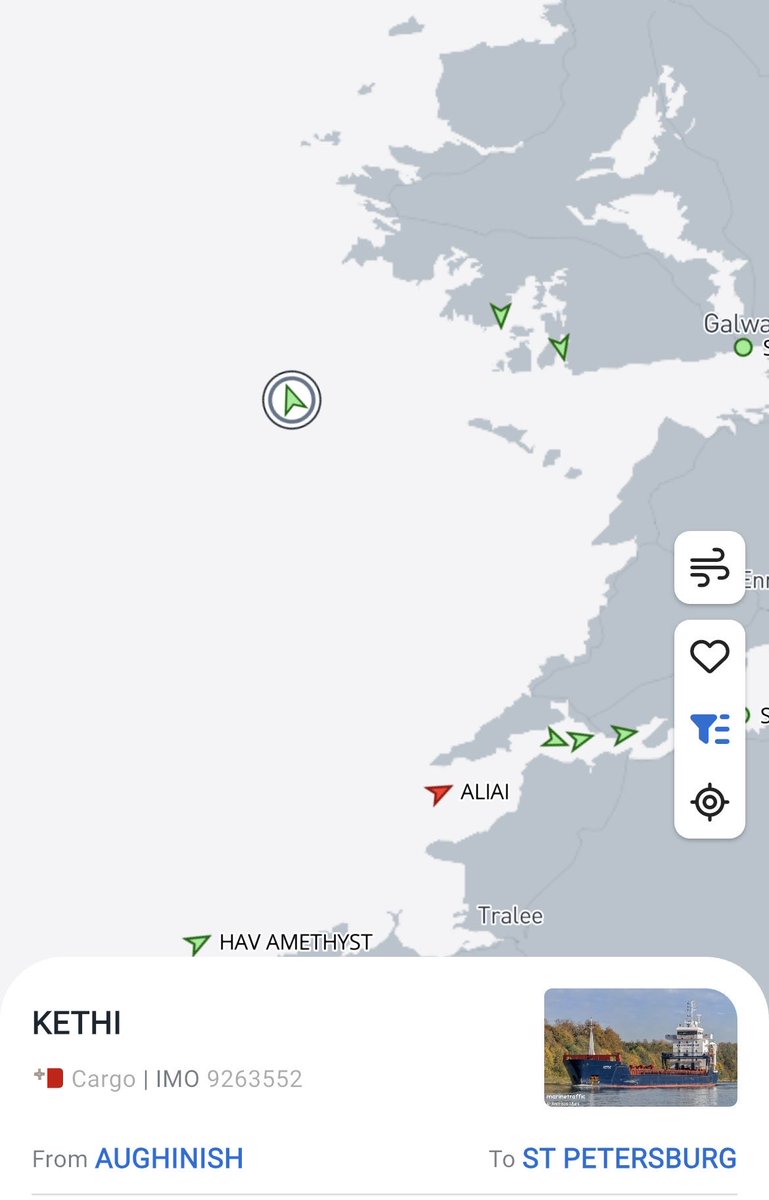
🚨During the night, Estonian owned (Hansa) ship KETHI departed Aughinish with Alumina bound for Russia
This is the 31st vessel to do so since 14 March when we started continuous monitoring
Tonnage: DWT 8370 - Est Alumina 7533 - Est Aluminium potential 3767
3
55
86
759

Jay retweeted

Ukrainian attack drones hit a major Russian oil depot in Rybinsk this morning, setting multiple tanks ablaze.
Seen here, a Ukrainian attack drone flies towards the already burning Russian depot, descends, and then smashes into another oil tank.
136
910
6,876
200,372

Jay retweeted

Reap the whirlwind you horrible orc bastards.
Glory to Ukraine 🇺🇦
3
5
21
249
Jay retweeted

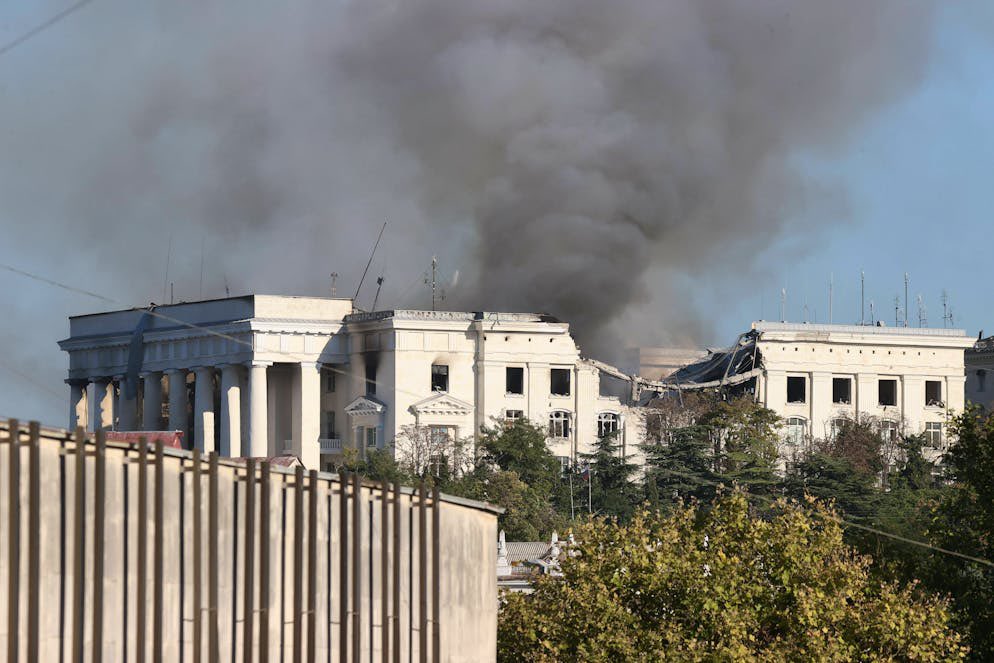
The Black Sea Fleet elite appear to be running away from Crimea ...

Del fatto che la situazione in Crimea sia fuori controllo sono ormai consapevoli anche i russi. Secondo le informazioni raccolte da ATESH, i vertici del comando della flotta del Mar Nero di Sebastopoli starebbero già mettendo al sicuro le proprie famiglie a Novorossiysk, nel territorio di Krasnodar, nella Russia continentale.
La notizia data dal gruppo partigiano, se confermata, avrebbe del clamoroso, dal momento che il trasloco, che nel comunicato viene descritto come piuttosto frettoloso, starebbe avvenendo senza che siano arrivate direttive in tal senso (e che plausibilmente nemmeno arriveranno), amplificando però l’idea che si tratti di una schettiniana fuga da una nave che affonda.
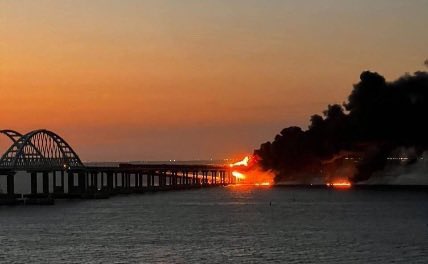
ATESH collega infatti lo spostamento all’attacco sferrato il 27 maggio le Forze di Difesa dell'Ucraina contro il quartier generale dell'aviazione della Flotta del Mar Nero della Federazione Russa in via Gogol a Sebastopoli (l’immagine è di un attacco avvenuto nel settembre 2023). Da allora, i colpi nella penisola soprattutto contro i sistemi di difesa si sono intensificati e la situazione logistica per gli occupanti in Crimea è drasticamente peggiorata.
“Secondo informatori militari - si legge - “alcuni ufficiali si stanno già occupando delle questioni pratiche del trasferimento senza attendere ordini ufficiali: stanno trasferendo le loro famiglie, si stanno sbarazzando dei beni che non possono portare con sé e si stanno sistemando in una nuova abitazione a Novorossiysk. All'interno dei vertici della flotta, l'atmosfera è cupa: chi comprende veramente la situazione preferisce non intervenire.”
Si tratta di un colpo d'immagine e simbolico devastante. Sebastopoli non è una base qualunque. Per la narrazione del Cremlino è la "città della gloria militare russa" e il cuore pulsante della pretesa storica sulla Crimea (nonché quella dalla quale ebbe inizio l’occupazione illegale del 2014). Ammettere, anche solo nei fatti, che Sebastopoli non è più sicura per i comandi di vertice della Flotta mina la retorica della Russia come potenza dominante nel Mar Nero e l'idea che la Crimea sia "protetta per sempre".
Dal punto di vista operativo le conseguenze potrebbero essere altrettanto importanti. Spostare i centri decisionali a oltre 300 chilometri di distanza (in linea d'aria) e separati dallo Stretto di Kerch complica drasticamente la reattività e il coordinamento delle operazioni in tempo reale, specialmente per il supporto aereo e la difesa costiera della Crimea. L'attacco ucraino del 27 maggio ha inoltre fisicamente distrutto o reso inutilizzabili infrastrutture di comunicazione protette. Ricostruirle o adattarle a Novorossiysk richiede tempo, risorse e espone i nuovi siti a problemi di intercettazione o vulnerabilità simili, dato anche che lo stesso porto porto della Russia continentale è stato ugualmente attaccato varie volte da droni aerei e marini.
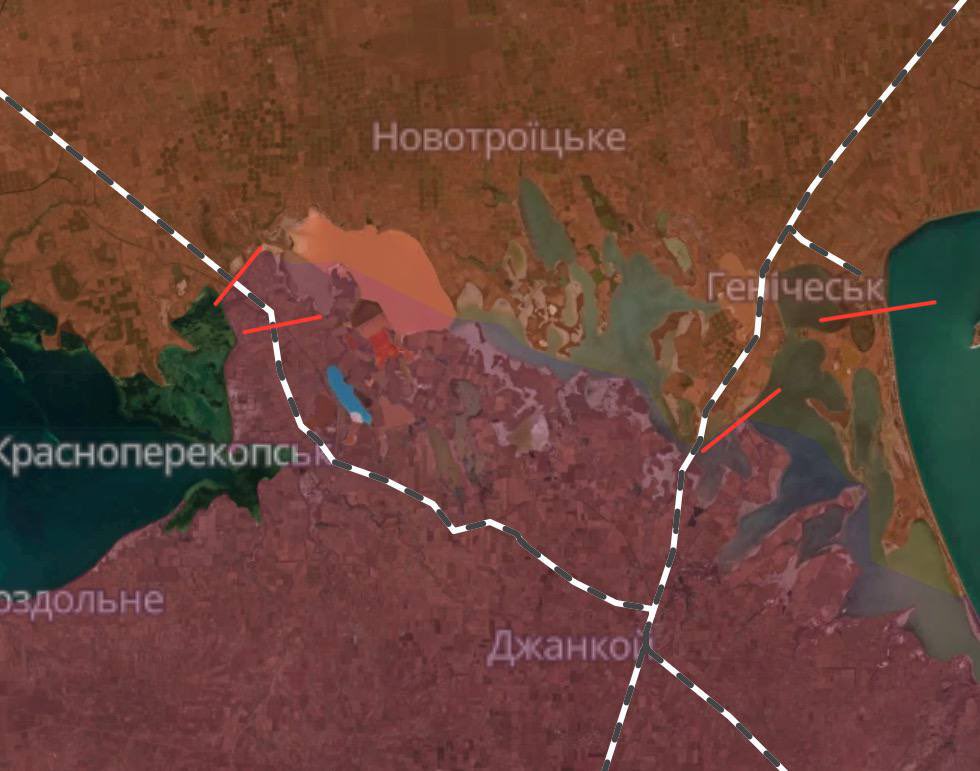
Il fatto che una penisola che Mosca rivendica come propria, tanto da installarvi il comando della Flotta del Mar Nero, si stia trasformando in un avamposto sempre più isolato (con i ponti del nord quasi del tutto compromessi e quello di Kerch sotto costante attacco) da controllare “da remoto” la dice lunga sulla distanza che c’è tra propaganda di Stato e la realtà sul campo.
3
17
150

Jay retweeted

13 Jul 2025
Yet another multilingual (English, French, German) Russian disinformation campaign on TikTok, falsely claiming that the people of Odesa overwhelmingly support Russia.
In reality, the video was recorded in Khabarovsk, Russia - 8,600 km from Ukraine.
523
4,506
20,931
660,851
The truth about BIOLABS and the disinformation surrounding it. 👇
14h

This video was published in January 2020.
And that timing matters, because it shows Russian “Ukrainian biolab” propaganda did not magically appear after the 2022 invasion. Moscow had been dragging this corpse of a conspiracy around for years, especially against Ukraine, Georgia, Kazakhstan, and other post-Soviet countries that dared to cooperate with the West.
The video explains the U.S. Biological Threat Reduction Program as exactly what the name says: a threat-reduction program. Its purpose was to help partner countries secure dangerous Soviet-era pathogens, improve disease detection, strengthen public-health laboratories, and stop natural outbreaks from becoming regional security disasters. In Ukraine, the official priority was to consolidate and secure pathogens and help detect and report disease outbreaks before they became wider threats. The U.S. Defense Threat Reduction Agency also states that the work was peaceful, subject to export-control and vetting processes, and did not sponsor gain-of-function research or human experimentation.
The video also makes clear why Russia hated these labs: not because they were secret weapons sites, but because they represented Western cooperation with countries Moscow still treats like stolen property. Georgia’s Lugar Center is the perfect example. Russia smeared it as a U.S. proxy bioweapons facility, while Georgia opened it to international review. In 2018, 22 experts and observers from 17 countries inspected the Lugar Center under the Biological Weapons Convention framework and found transparency around its activities. Russian experts were invited, then refused to participate, because obviously the propaganda works better when you never look at the evidence.
So the Russian narrative is not “skepticism.” It is geopolitical sewage with a lab coat thrown over it. The same machine that calls invasions “liberation” and civilian massacres “staged” also tried to turn public-health laboratories into cartoon villain bioweapon factories. The goal was not truth. The goal was fear, confusion, and poisoning public trust in countries moving closer to the West.
The whole point of the video is transparency: these projects were not classified, scientists were encouraged to publish, international experts were invited in, and the work was described as peaceful public-health cooperation. Russia’s claim was the opposite: secret U.S. bioweapons plots on Russia’s borders. One side offered inspections, publications, and open cooperation. The other side offered paranoia, state media hysteria, and the usual Kremlin swamp gas.
This is basically pre-2022 evidence that the “Ukrainian biolab” panic was never a serious argument. It was an old Russian disinformation weapon, reheated when useful, then thrown into the invasion narrative to make Russia look like the victim while it was the aggressor.
42
Jay retweeted

14h
This video was published in January 2020.
And that timing matters, because it shows Russian “Ukrainian biolab” propaganda did not magically appear after the 2022 invasion. Moscow had been dragging this corpse of a conspiracy around for years, especially against Ukraine, Georgia, Kazakhstan, and other post-Soviet countries that dared to cooperate with the West.
The video explains the U.S. Biological Threat Reduction Program as exactly what the name says: a threat-reduction program. Its purpose was to help partner countries secure dangerous Soviet-era pathogens, improve disease detection, strengthen public-health laboratories, and stop natural outbreaks from becoming regional security disasters. In Ukraine, the official priority was to consolidate and secure pathogens and help detect and report disease outbreaks before they became wider threats. The U.S. Defense Threat Reduction Agency also states that the work was peaceful, subject to export-control and vetting processes, and did not sponsor gain-of-function research or human experimentation.
The video also makes clear why Russia hated these labs: not because they were secret weapons sites, but because they represented Western cooperation with countries Moscow still treats like stolen property. Georgia’s Lugar Center is the perfect example. Russia smeared it as a U.S. proxy bioweapons facility, while Georgia opened it to international review. In 2018, 22 experts and observers from 17 countries inspected the Lugar Center under the Biological Weapons Convention framework and found transparency around its activities. Russian experts were invited, then refused to participate, because obviously the propaganda works better when you never look at the evidence.
So the Russian narrative is not “skepticism.” It is geopolitical sewage with a lab coat thrown over it. The same machine that calls invasions “liberation” and civilian massacres “staged” also tried to turn public-health laboratories into cartoon villain bioweapon factories. The goal was not truth. The goal was fear, confusion, and poisoning public trust in countries moving closer to the West.
The whole point of the video is transparency: these projects were not classified, scientists were encouraged to publish, international experts were invited in, and the work was described as peaceful public-health cooperation. Russia’s claim was the opposite: secret U.S. bioweapons plots on Russia’s borders. One side offered inspections, publications, and open cooperation. The other side offered paranoia, state media hysteria, and the usual Kremlin swamp gas.
This is basically pre-2022 evidence that the “Ukrainian biolab” panic was never a serious argument. It was an old Russian disinformation weapon, reheated when useful, then thrown into the invasion narrative to make Russia look like the victim while it was the aggressor.
37
398
956
16,685

Jay retweeted

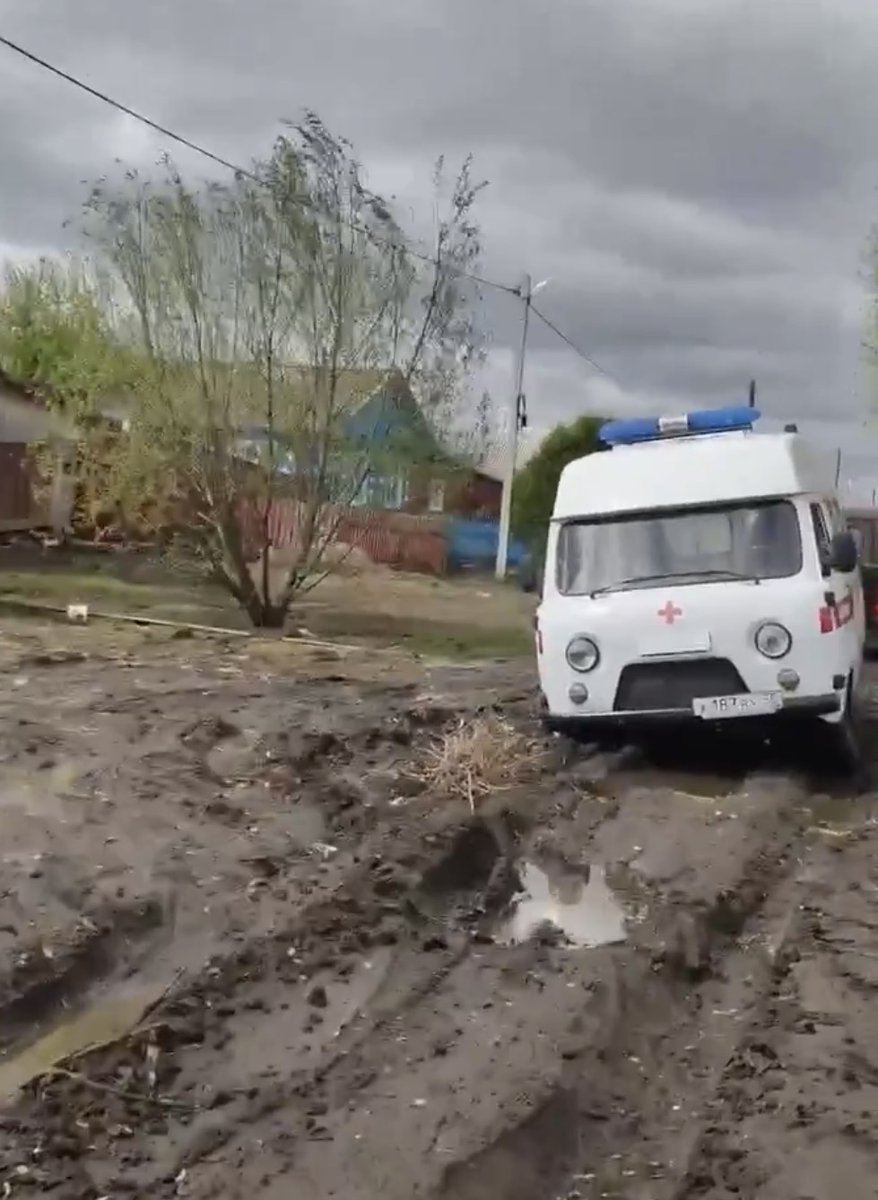
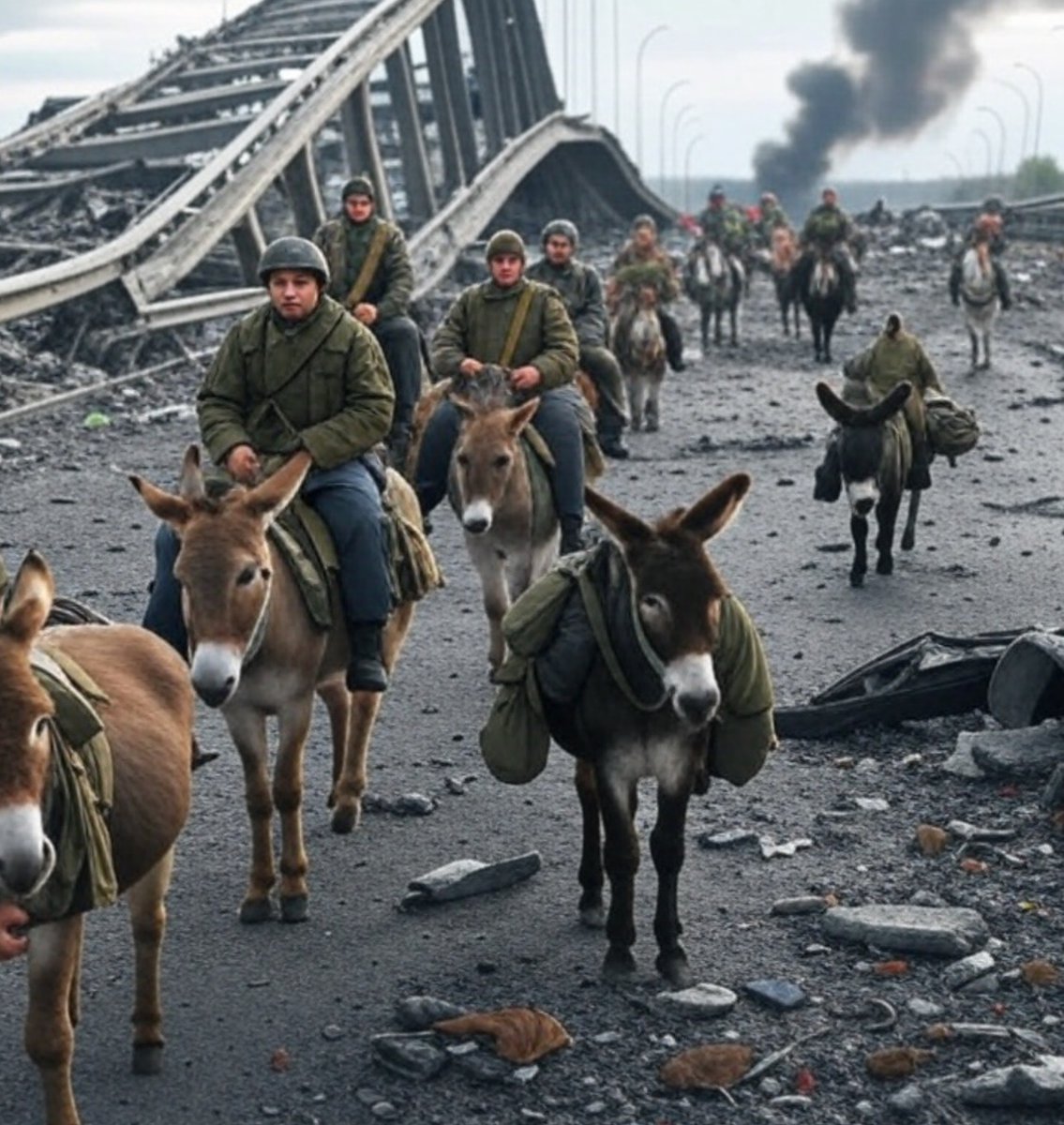
No petrol in Crimea. People will have to walk to the Kerch Bridge.

6
42
181
2,374
Jay retweeted

12h
🇺🇦23:30 | 13/06
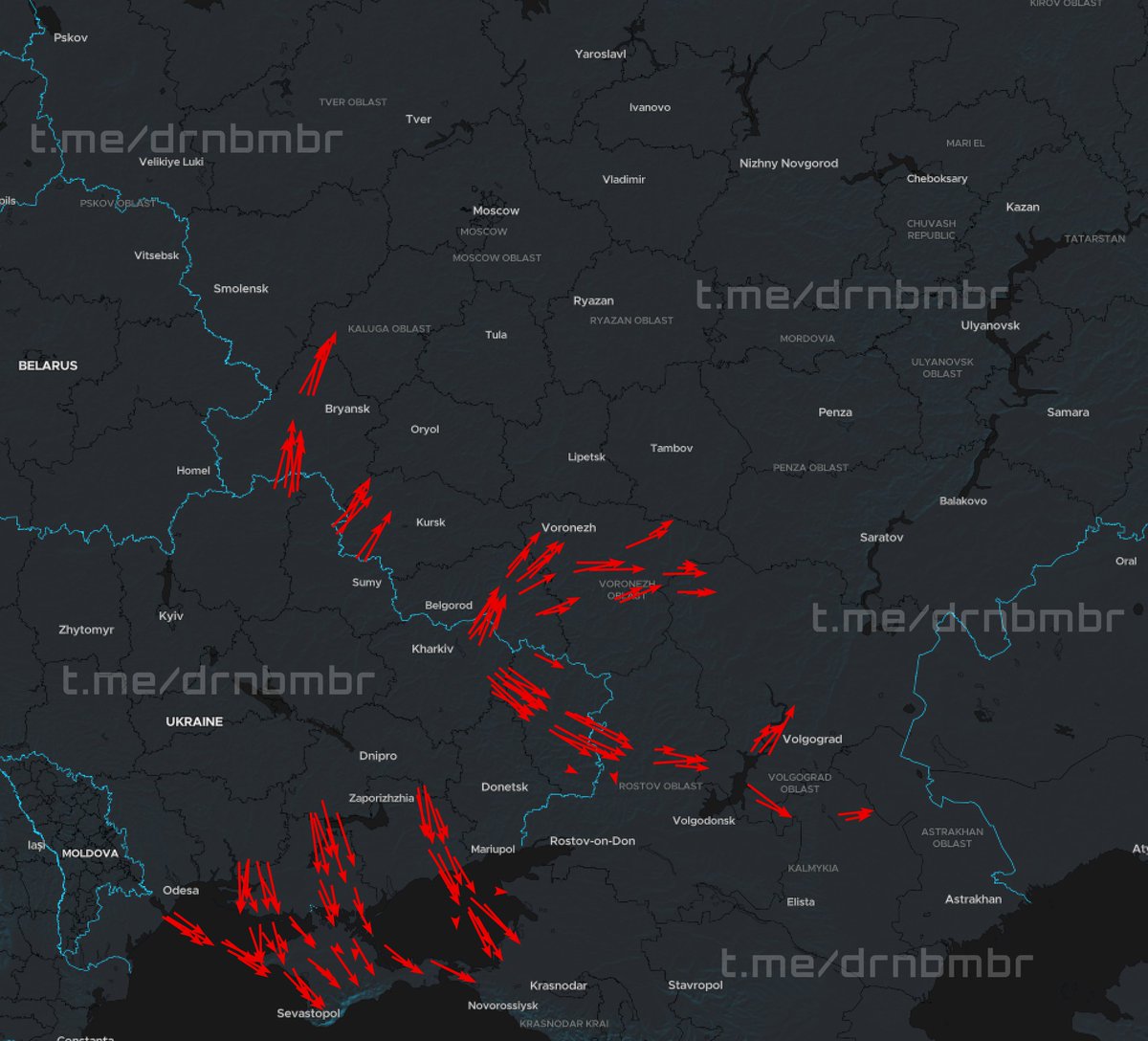
Approximate flight routes of our UAVs:
🔴 Red arrows — directions of strike UAV movement;
According to Russian sources, around 300 drones were reported, though these estimates and the displayed routes remain highly approximate.
14
199
717
37,136
Jay retweeted
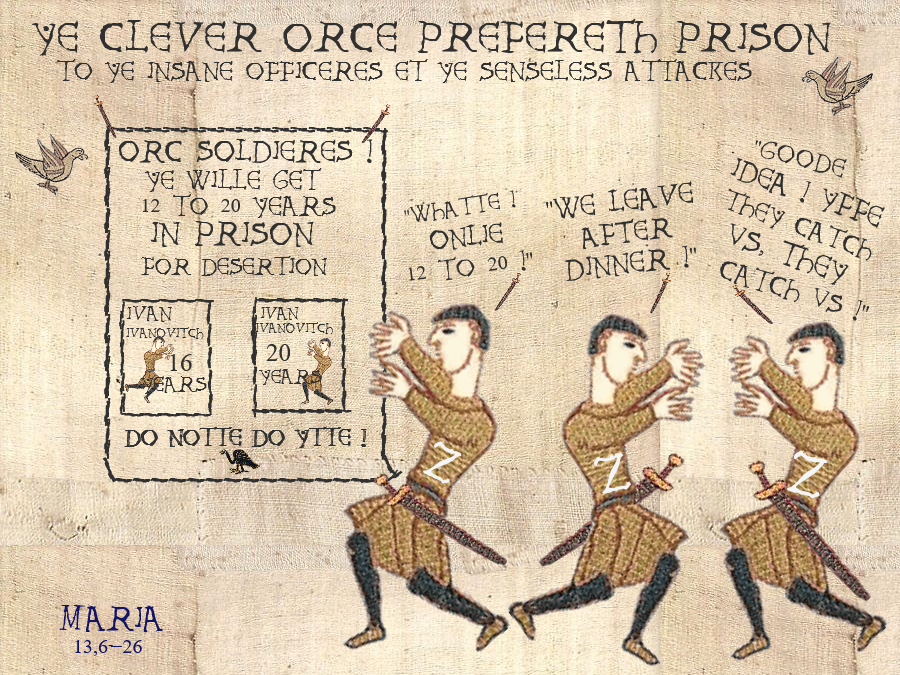
Intelligent orcs prefer long prison sentences to certain death and continue to desert.
2
24
77
363
Jay retweeted
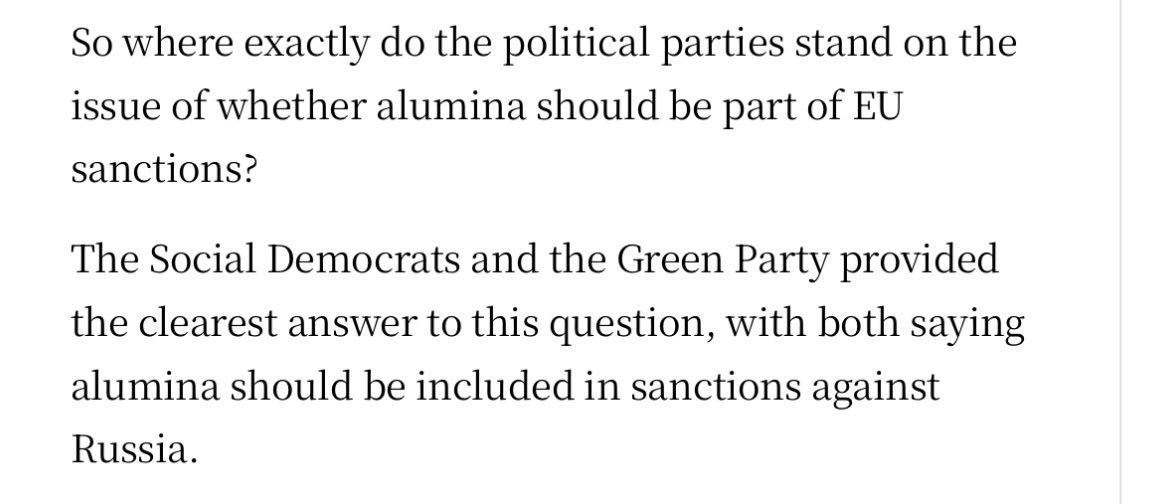
🚨According to the Irish Times, there are now two Irish political parties officially calling for sanctions on Aughinish Alumina’s trade with Russia: The Social Democrats and Green Party
#Alumina22
19
264
818
8,578
Jay retweeted

Jun 12
1
3
15
576