The Nat'l Sports & Society Survey (NSASS) surveyed 3,993 US adults, focusing on sports-related behaviors, attitudes, and links to well-being. PI: Chris Knoester
Joined October 2019
- Tweets 378
- Following 31
- Followers 41
- Likes 214
72 Photos and videos
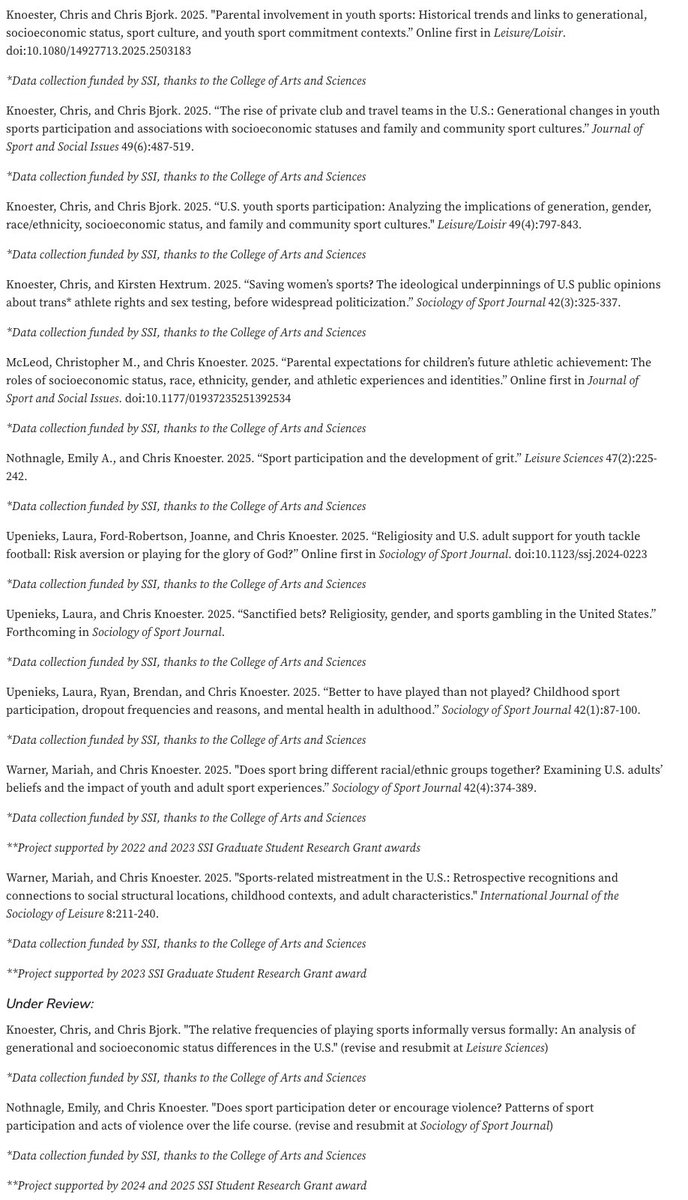
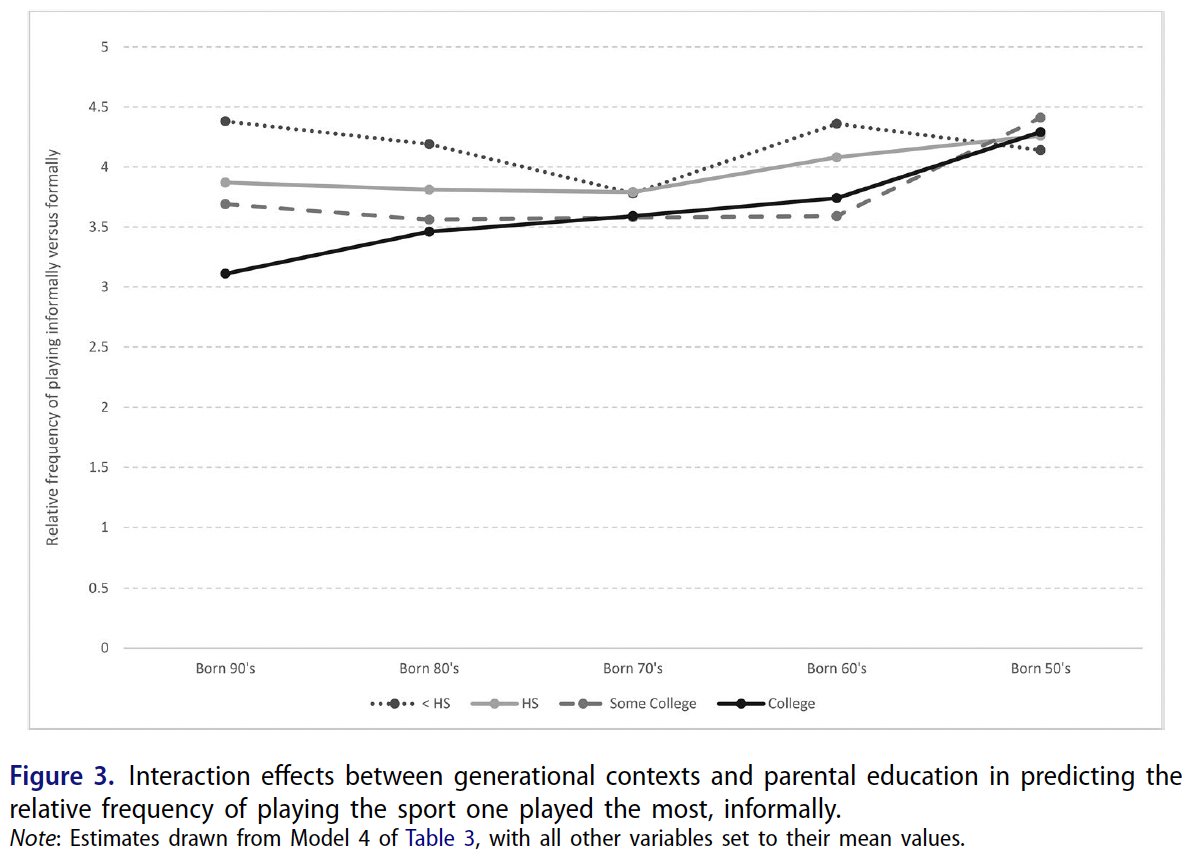
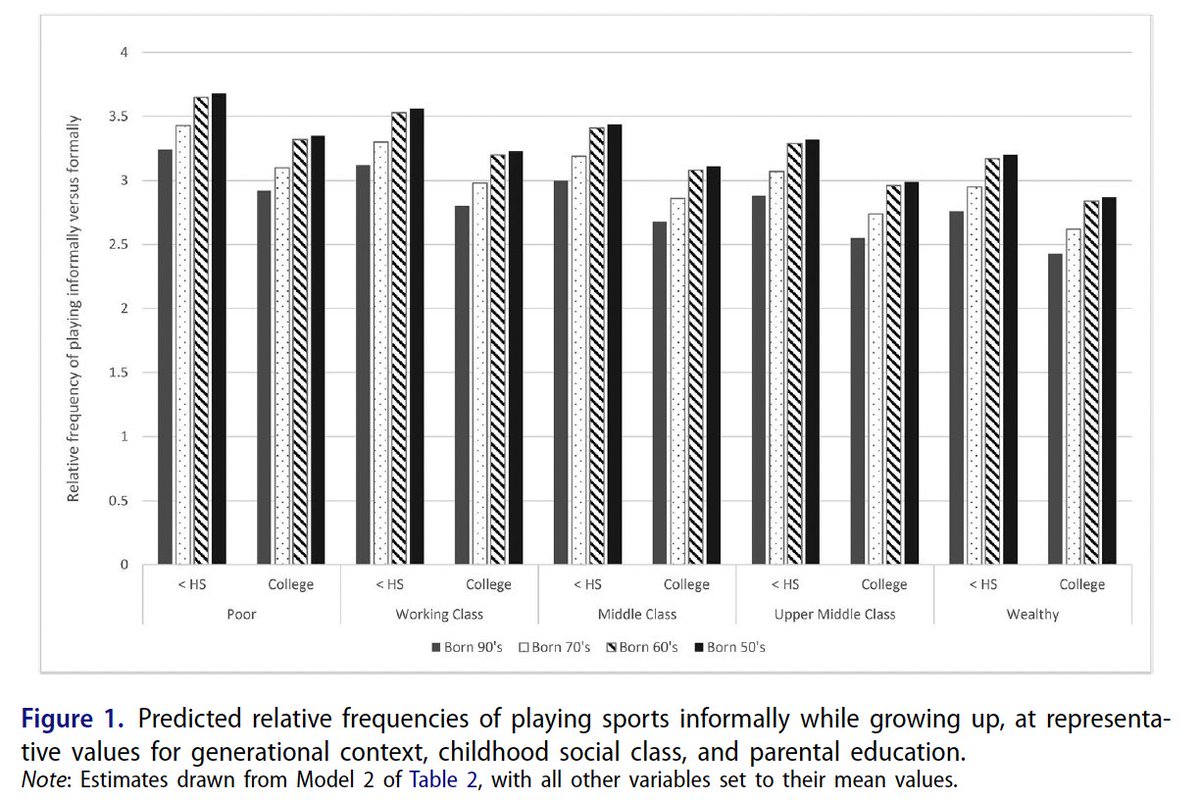
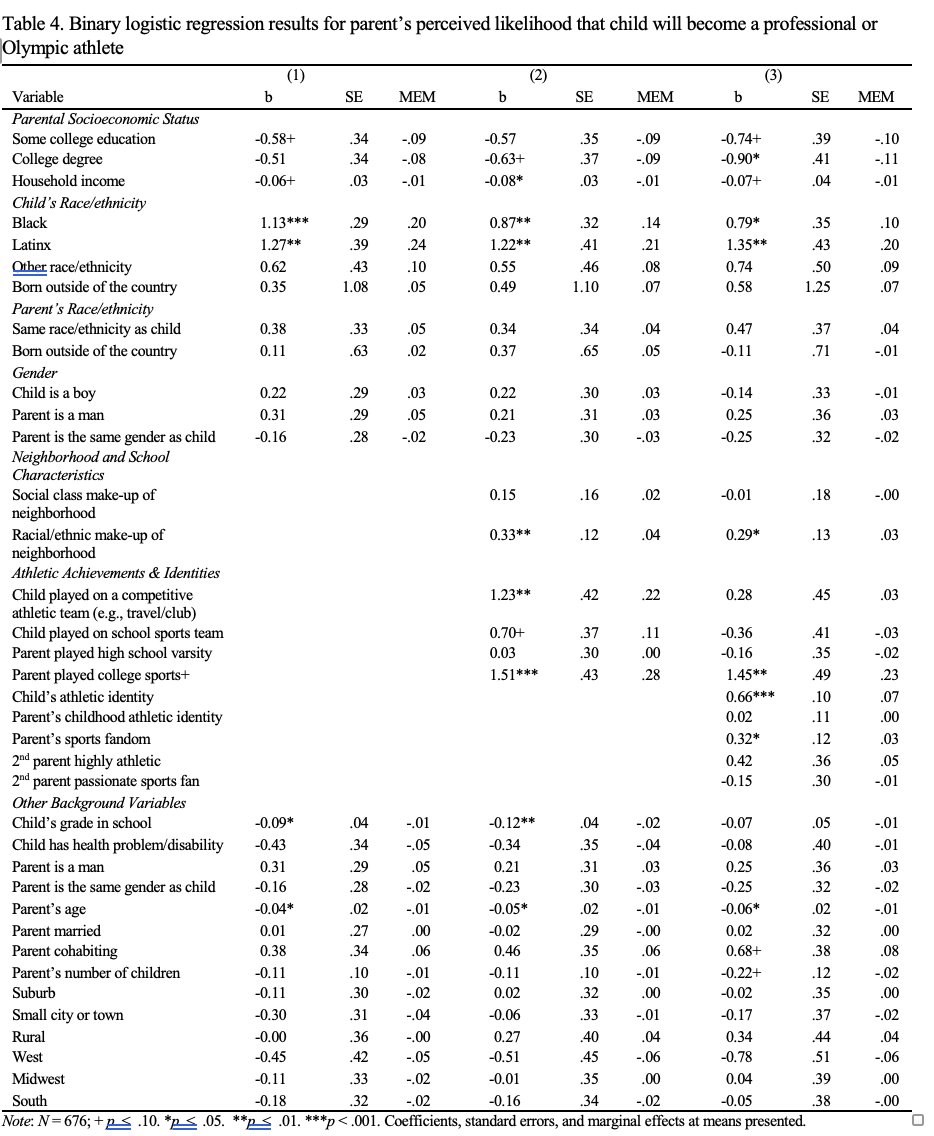
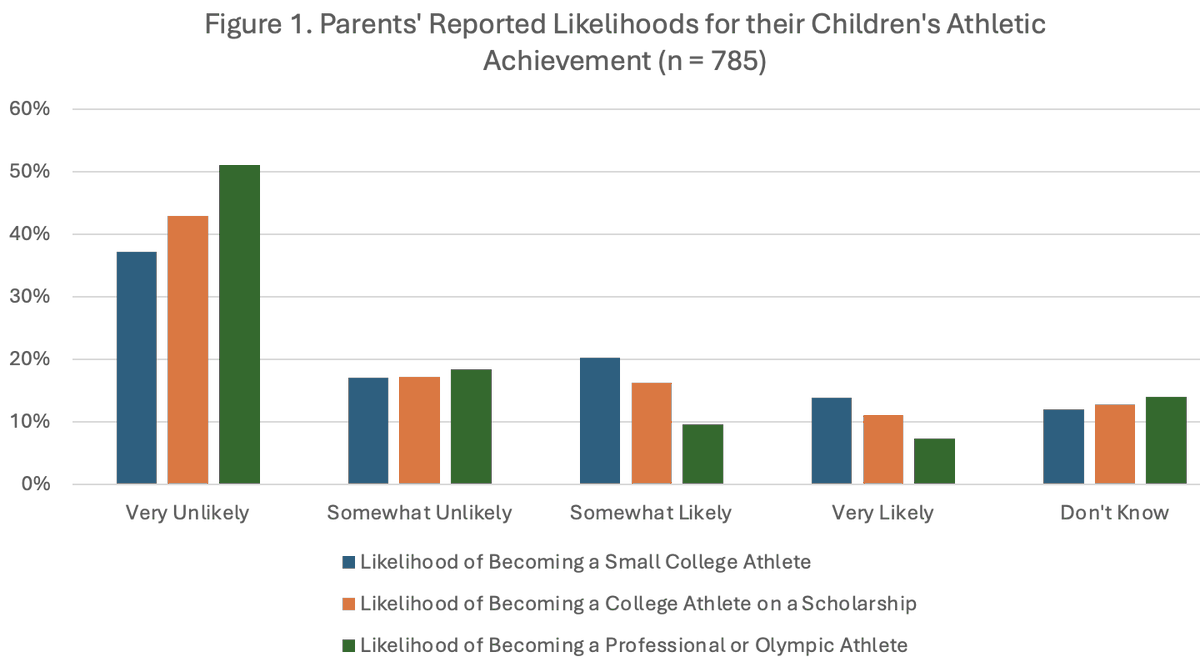
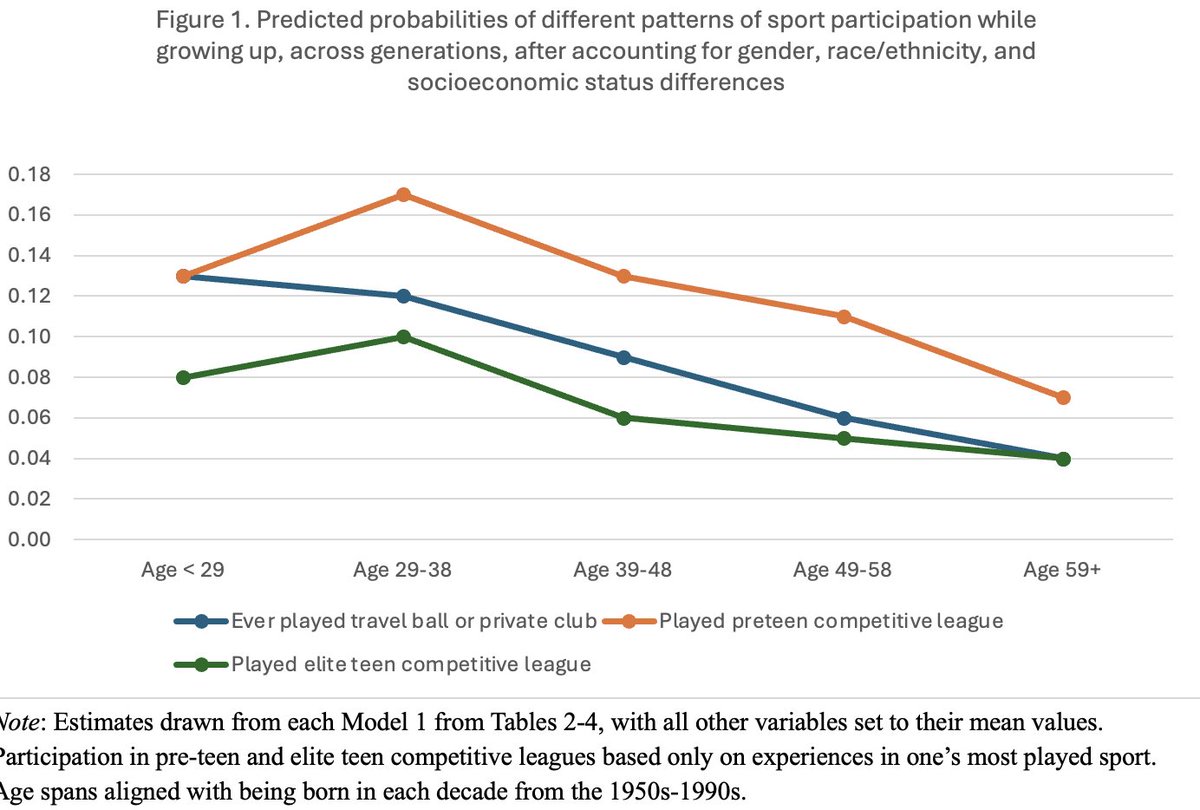
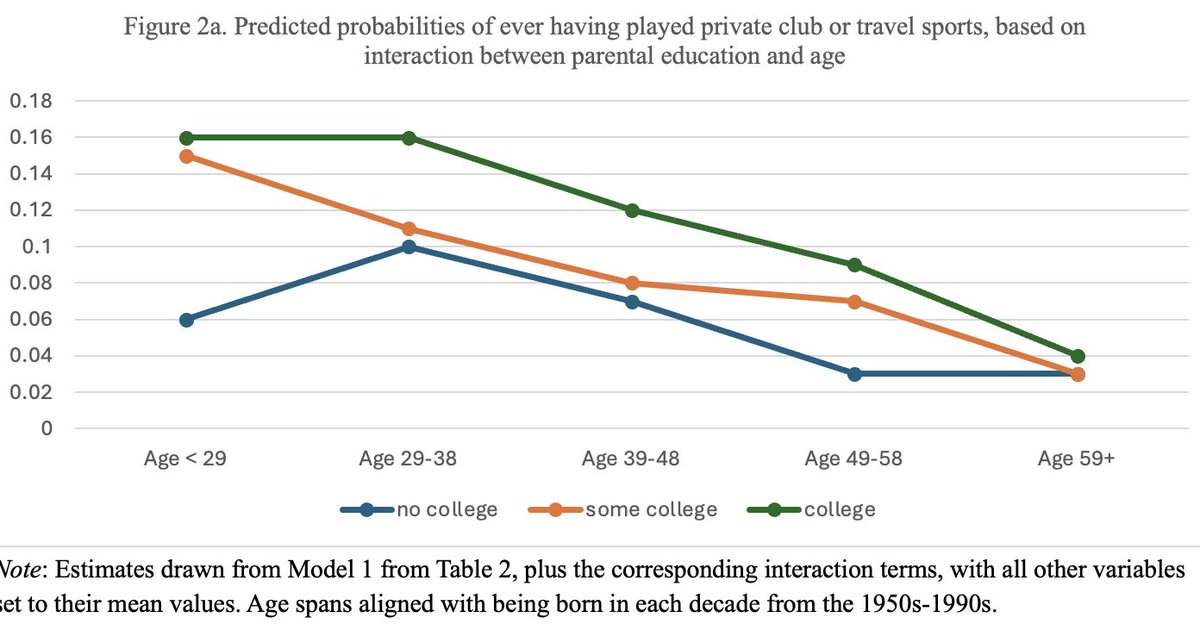
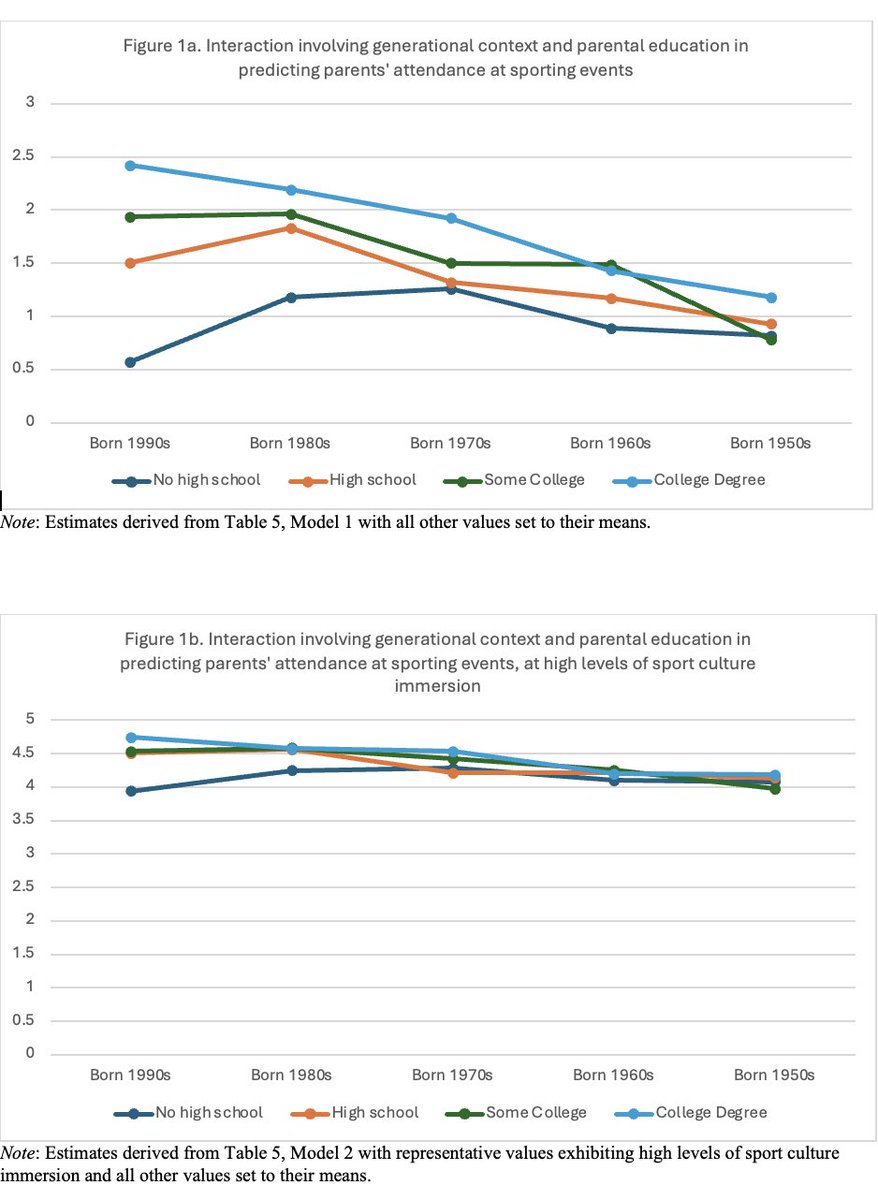
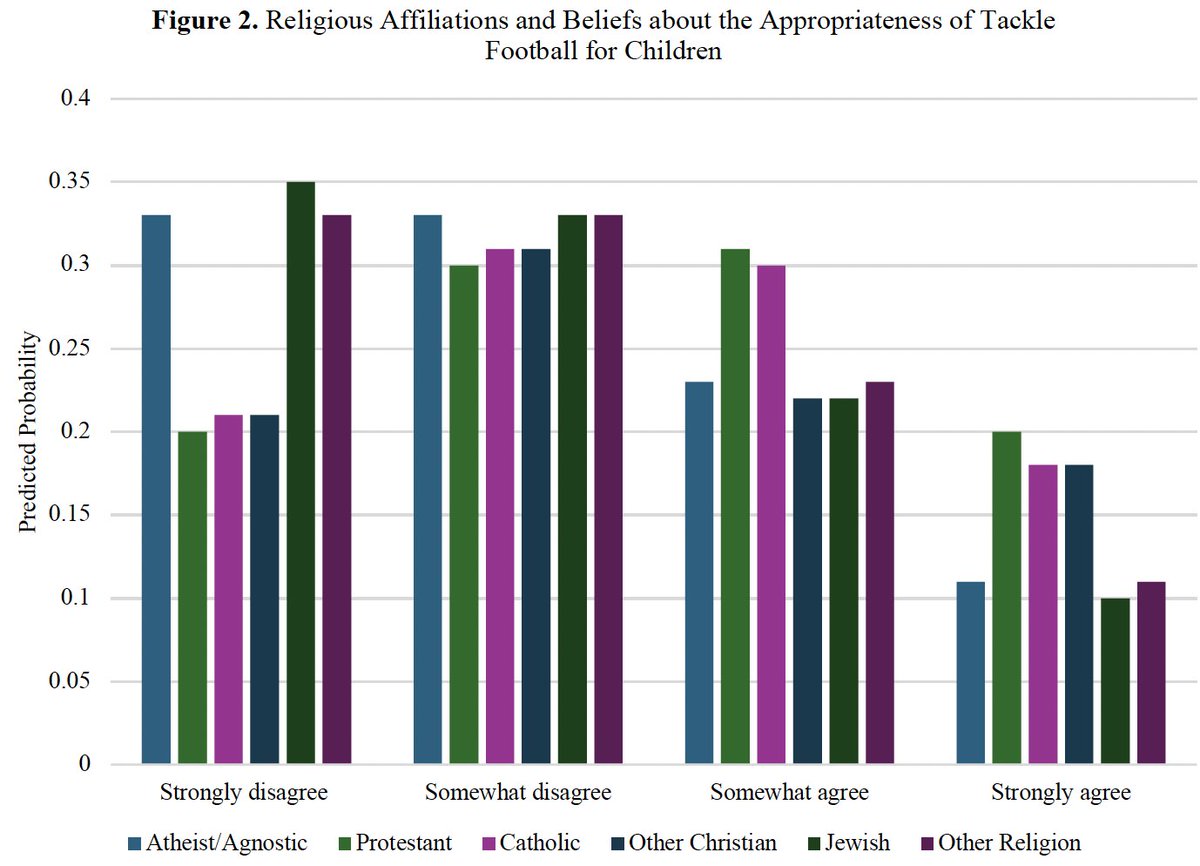
Related to youth sports participation trends: “There’s the glass-half-full story, that more people are being exposed to and participating...and the glass-half-empty story, that the increase is overwhelmingly a result of people playing and then dropping out.” Knoester observed.
Jun 12

As cities partner with developers to build new coaching and competition facilities for kids’ leagues, public options for outdoor recreation feel the strain. Read more: bloom.bg/4uCM9Rz
📷️: Garrett Rowland
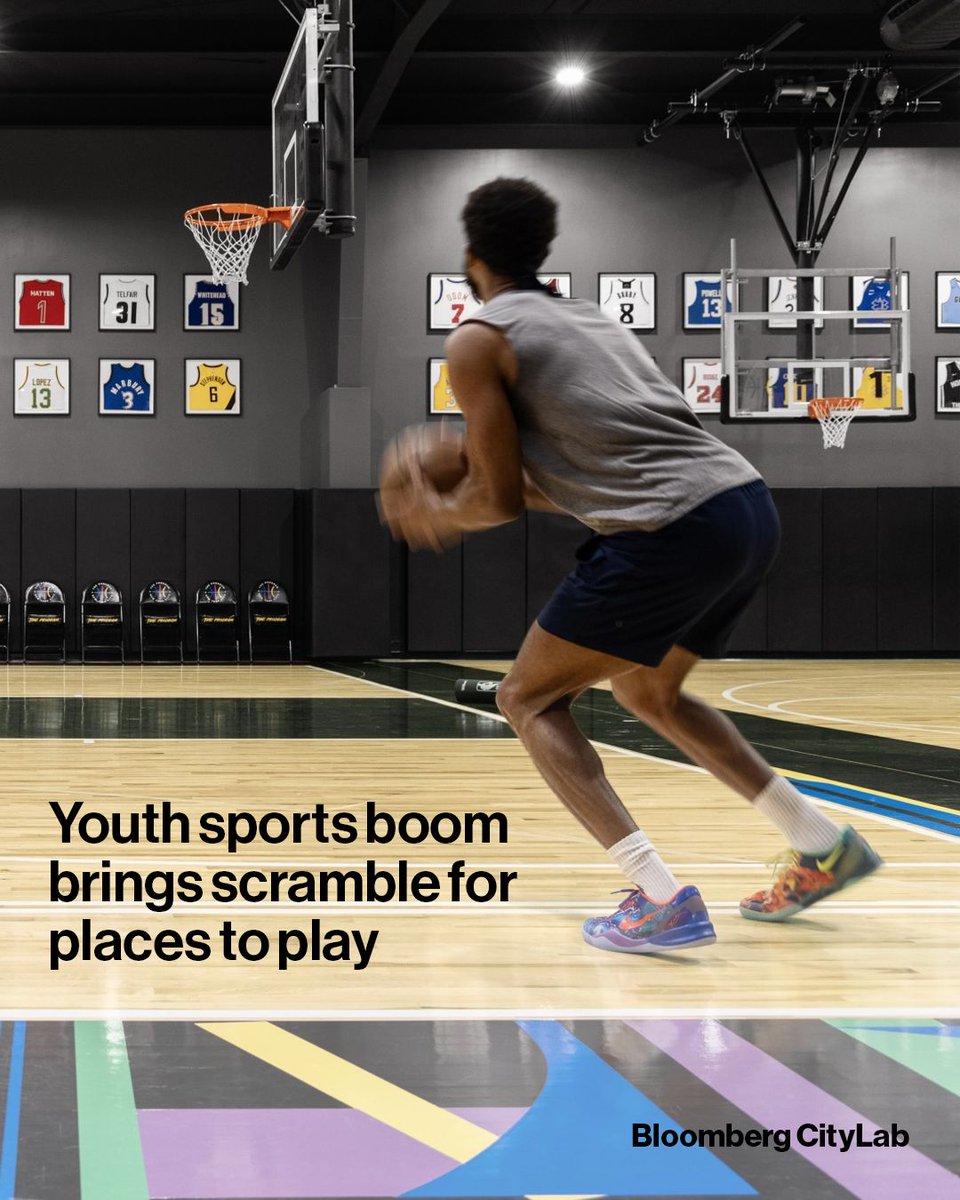
1
162

Jun 7
"The explosive rise of club and travel teams, with children born in the 1990s three times as likely to participate in them as those born in the 1950s, according to a new study from Ohio State, which has led to a dearth of community coaches, said Barsotti." doi.org/10.1177/019372352513…

Philly wants more community sports programs for kids. What’s lacking? Dedicated coaches. ebx.sh/91UxtL
1
49
Jun 6
Nice to see integration of @NSASS2017 analyses and commentary from Chris McLeod and Chris Knoester, focusing on parental expectations, in this writeup of new GOALS data from the NCAA on NCAA college athletes’ own expectations of becoming a pro and/or Olympic athlete.
Jun 6

How many college athletes think they’ll become pros?
NCAA study reveals expectations on reaching the next level. | By @dennisromboy
1
40
May 31
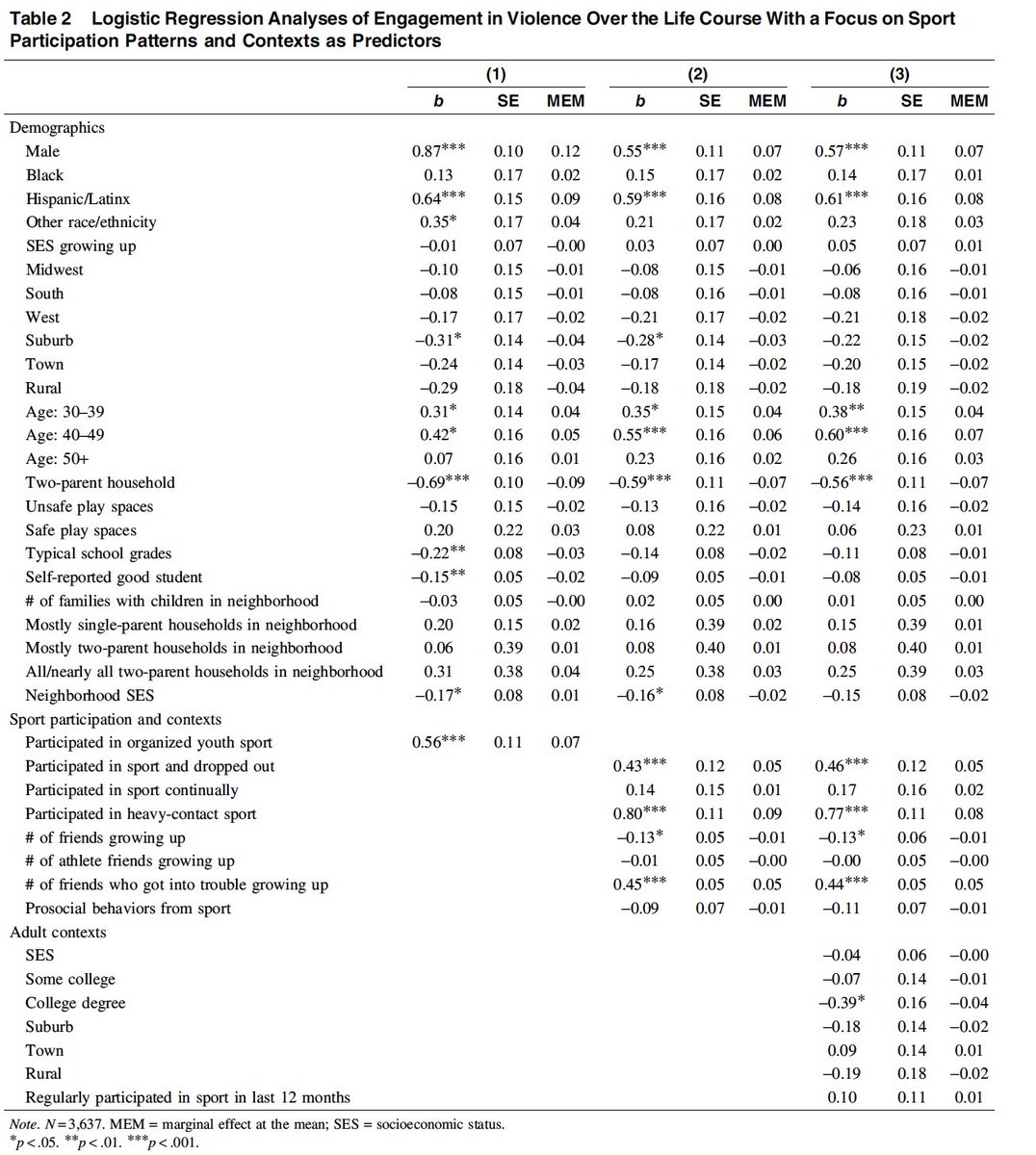
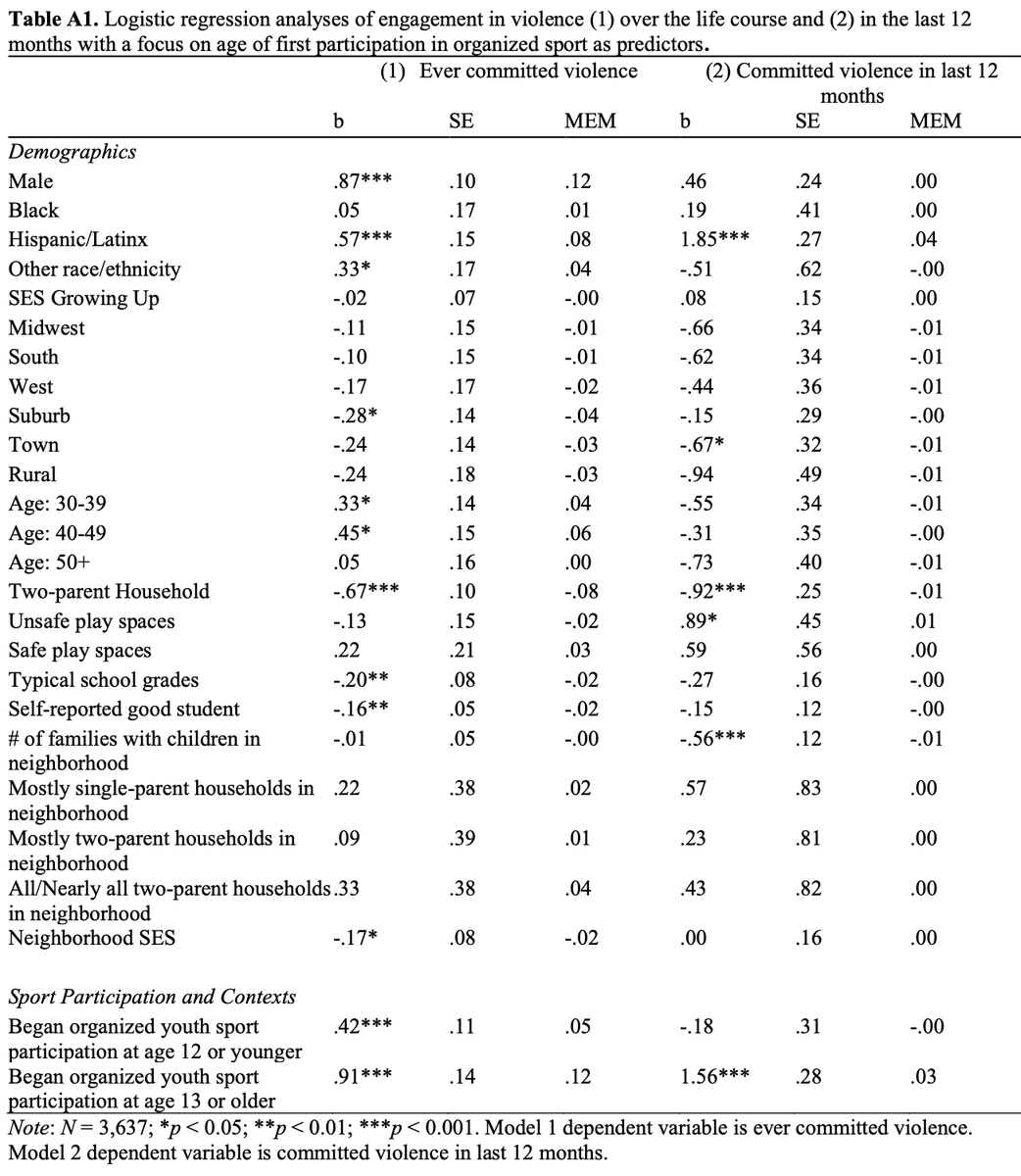
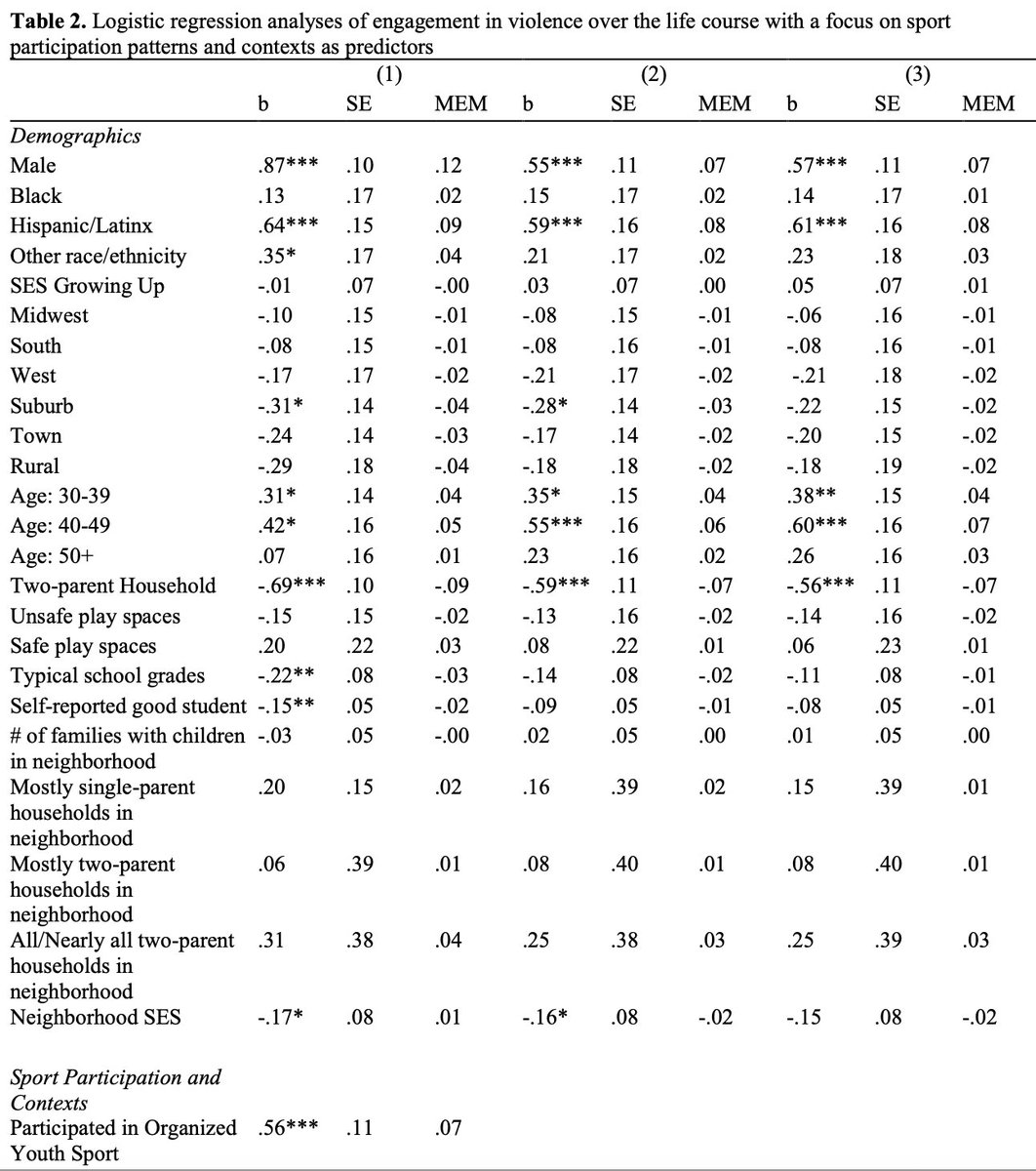
New @NSASS2017 research by @emnothn and Chris Knoester on sports participation over the life course and the likelihood of committing acts of violence, published in @SSJ_Journal.
@Human_Kinetics @SportsSociety @ChrrOSU doi.org/10.1123/ssj.2025-014…
1
1
48
May 31
Subsequent results revealed that playing org youth sport and dropping out was uniquely and positively associated with ever committing violence. Associations with recent violence were apparently being driven by youth who first played organized sports during their teenage years.
1
86
May 31
Playing heavy-contact sports was also positively associated with ever committing violence. Thus, it seems that organized youth (& adult) sport participation is not a very effective social control for violent behavior. In fact, sports may commonly encourage violent behaviors.
15
May 31
As we wrap up another Academic Year, a few NSASS updates:
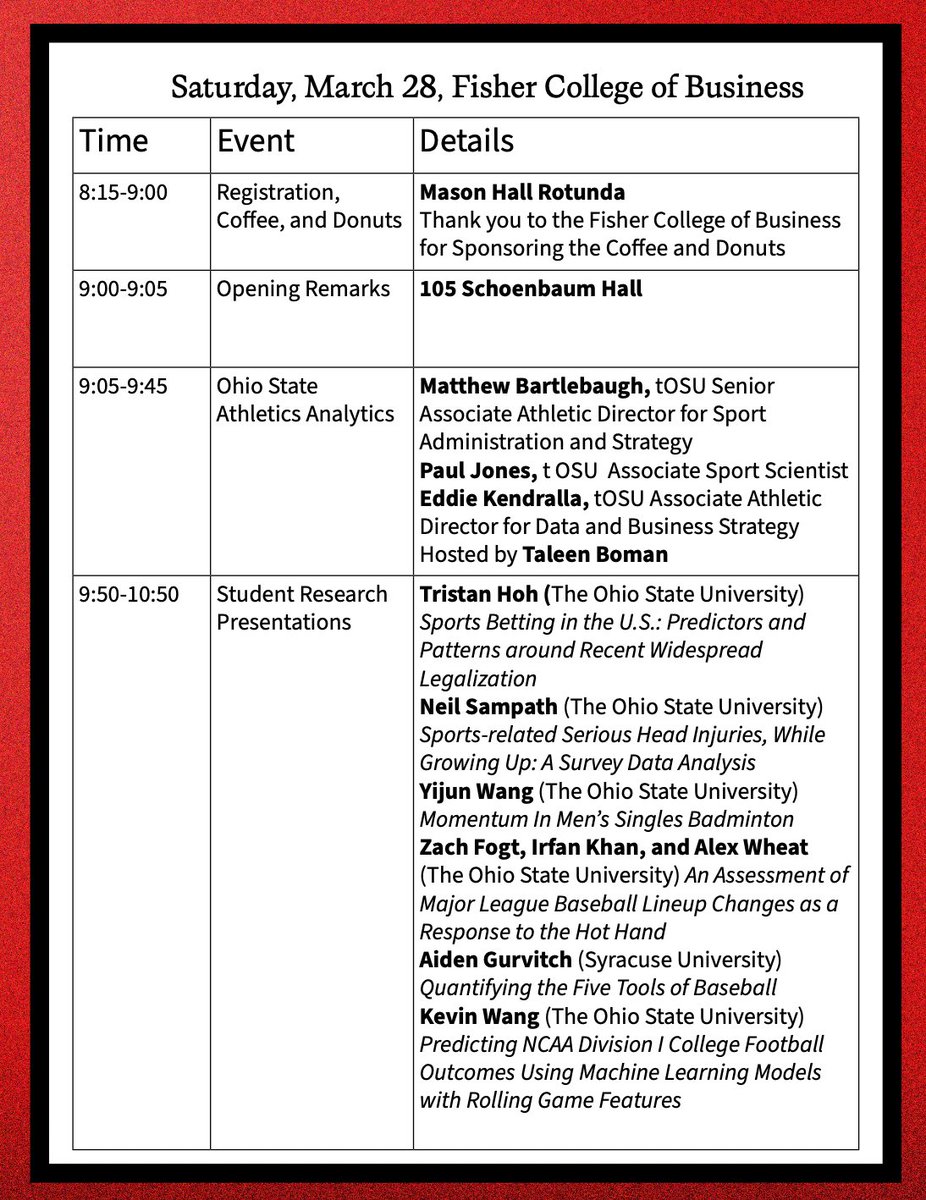
a) Congrats to Tristan Hoh & Neil Sampath for their @NSASS2017 research & presentations! Both presented wonderfully at the 8th @SportsSociety Undergrad Research Fair/6th Sports Analytics Conference! sportsandsociety.osu.edu/eve…
1
1
49
May 31
c) @SportsSociety released '25 Research report (sportsandsociety.osu.edu/res…), as it continues to emerge as a hub for fascinating, cutting-edge and impactful interdisciplinary sports & society work; with major NSASS investments and contributions
1
17
May 31
d) Finally, @LeeLower1 received Departmental seed funding to begin work on a National Disability & Sport Project, starting w/ 20 in-depth interviews & quantitative data analyses of @NSASS2017 respondents. Kelly Tanner & @ChrrOSU are supporting this exciting & important project.
1
64
@NSASS2017 retweeted

Brehm: Have youth sports gotten out of control? startribune.com/kids-sports-…
7
2
5
3,922
@NSASS2017 retweeted

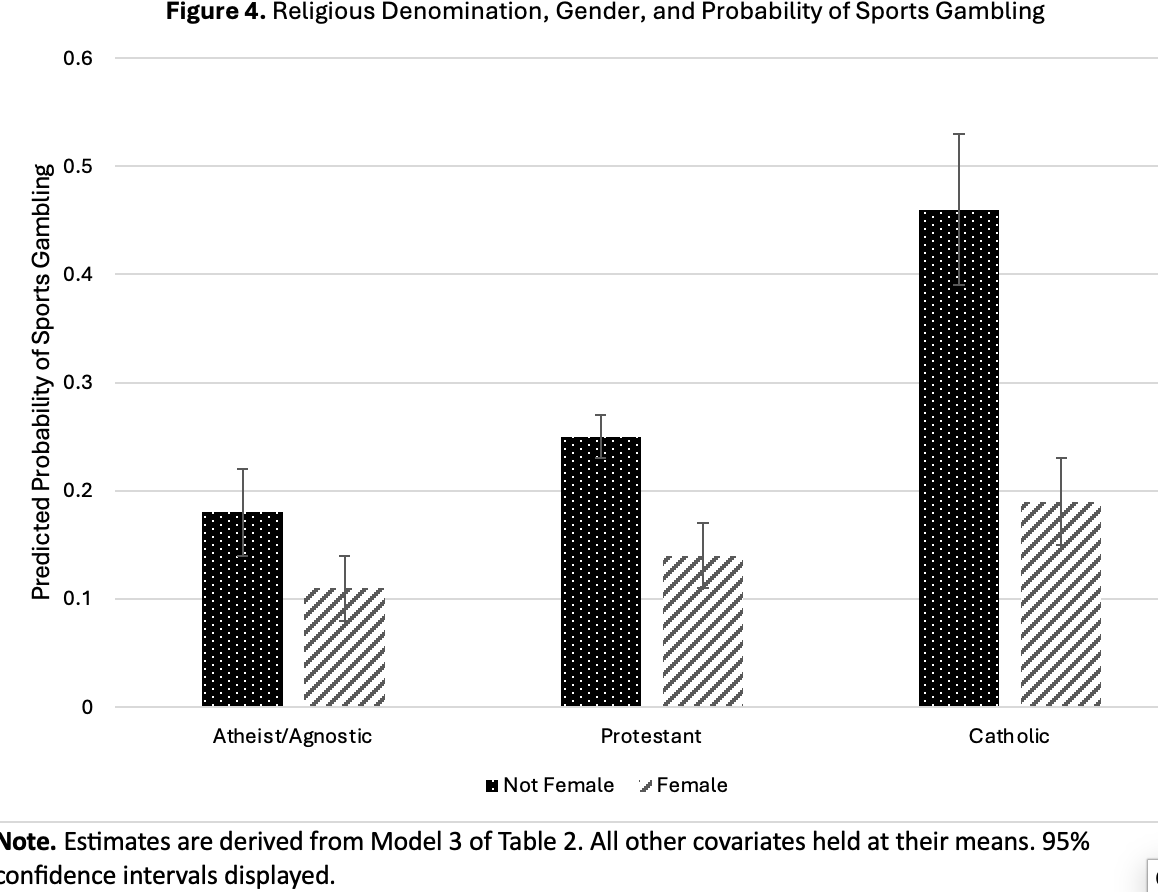
A study done by Ohio State University found that Catholic men are the most likely to bet on sports. @krisdanjohnson recounts his side of the story.
Read here: casinobeats.com/2026/05/07/o…

4
6
75
May 6
Appreciate the additional coverage by @LydiaTaylrr @SpectrumNews1OH
(foundational research link is doi.org/10.1123/ssj.2025-013…, from @SSJ_Journal)
@ChrrOSU @SportsSociety @ASCatOSU @LauraUpenieks

A new study from the Ohio State University shows having a religious affiliation generally doesn't stop people from sports betting. spectrumnews1.com/oh/clevela…
1
2
298
Apr 30
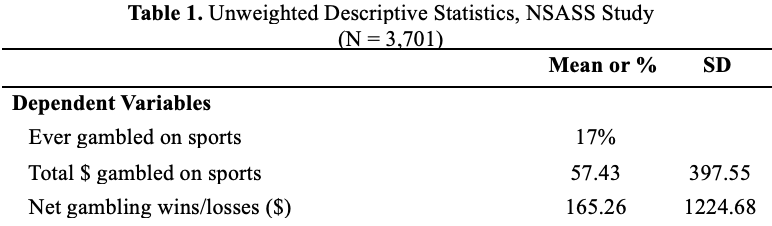
New research by @LauraUpenieks & Chris Knoester on religiosity, gender, & sports gambling published in @SSJ_Journal. Finds modest levels of sports gambling around Supreme Court’s overturning of the Professional and Amateur Sports Protection Act (PASPA).
doi.org/10.1123/ssj.2025-013…
1
2
61
Apr 30
Suggests, sports gambling was relatively common & low stakes in '18ish. Religiosity did not automatically curb sports gambling. Instead, interacted w/ gender & denomination id's, w/ Catholic men & occasional attendees being particularly likely to gamble.
1
41
Apr 30
Need to continue to seek to understand how religiosity & gender shape behaviors—including risky behaviors. Moreover, trace how sports gambling, and its connections to religiosity & gender, has changed with the apparent & dramatic increase in sports gambling in more recent years.
31