
Securing digital assets and global infrastructure for the post-quantum era.
Joined February 2022
- Tweets 3,210
- Following 269
- Followers 247,977
- Likes 3,390
1,090 Photos and videos








Pinned Tweet
From the earliest forms of defense to the rise of the internet, blockchain, and AI, each era has required a new standard.
As the quantum threat becomes imminent, the foundations must be rebuilt for it.
Naoris Mainnet is Live.
276
374
3,325
11,335,961
Attention Naorians 📢
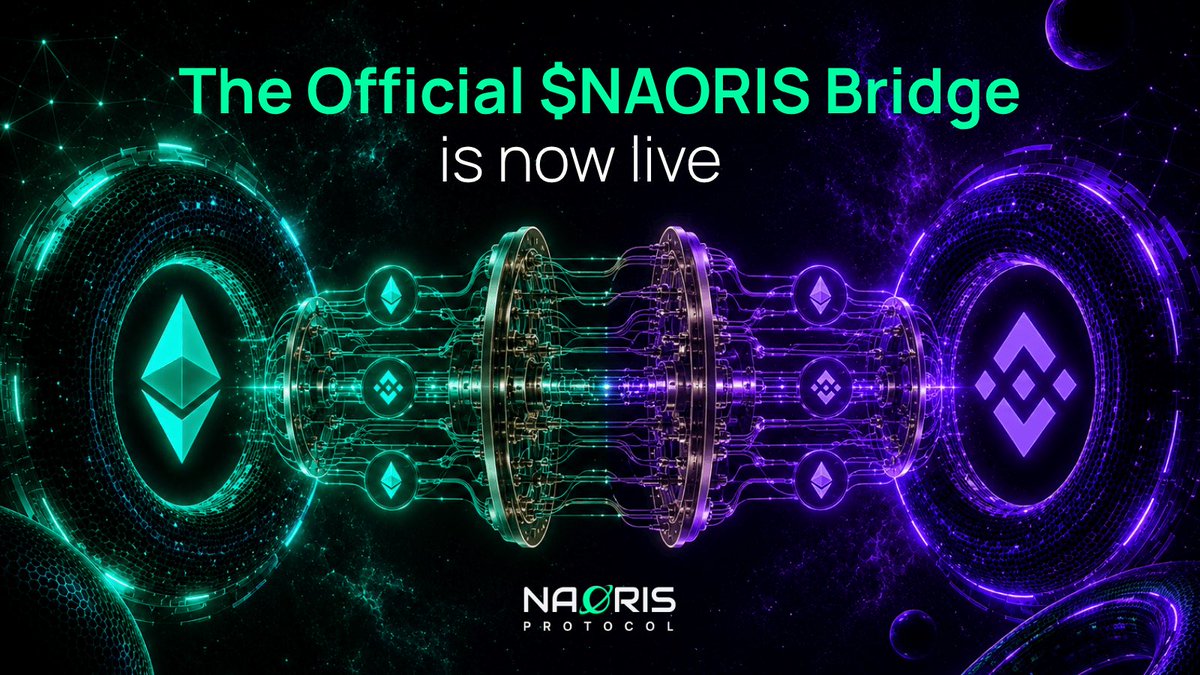
We're pleased to share that the official $NAORIS Bridge is now live.
You can now seamlessly bridge $NAORIS between Ethereum and BNB Smart Chain (BSC) through the official Naoris Bridge.
Many members of the community have asked for improved cross-chain accessibility, and we listened.
As the ecosystem continues to grow, making it easier for users to access, move, and participate across major blockchain ecosystems remains an important priority.
This is another important piece of infrastructure now in place as we continue expanding the Naoris ecosystem.
Access the bridge:
🔗bridge.naorisprotocol.networ…
More ecosystem updates soon.
30
24
156
9,646
Naoris Protocol retweeted

Jun 8
In the age of evolving computational threats, compromise is defeat.
Join @worldlibertyfi , @MovaChain , and @NaorisProtocol in the ultimate cryptographic leap:
#ChooseTheFutureOfFinance.
This isn't just a campaign. It’s the first global checkpoint toward the next-generation account security standard.
60 seconds to bind your consensus.
Become a certified Future Finance Signer.
🔗 Secure the horizon: fofk.movachain.com/
105
52
453
117,269
Naoris Protocol retweeted

Jun 5
The US National Security Agency estimates scalable quantum attacks are 2-5 years away. Most of Web3 is secured by ECDSA, the first cryptography quantum will break.
Tracking projects like @NaorisProtocol, already running post quantum cryptography on a live mainnet.
Jun 2

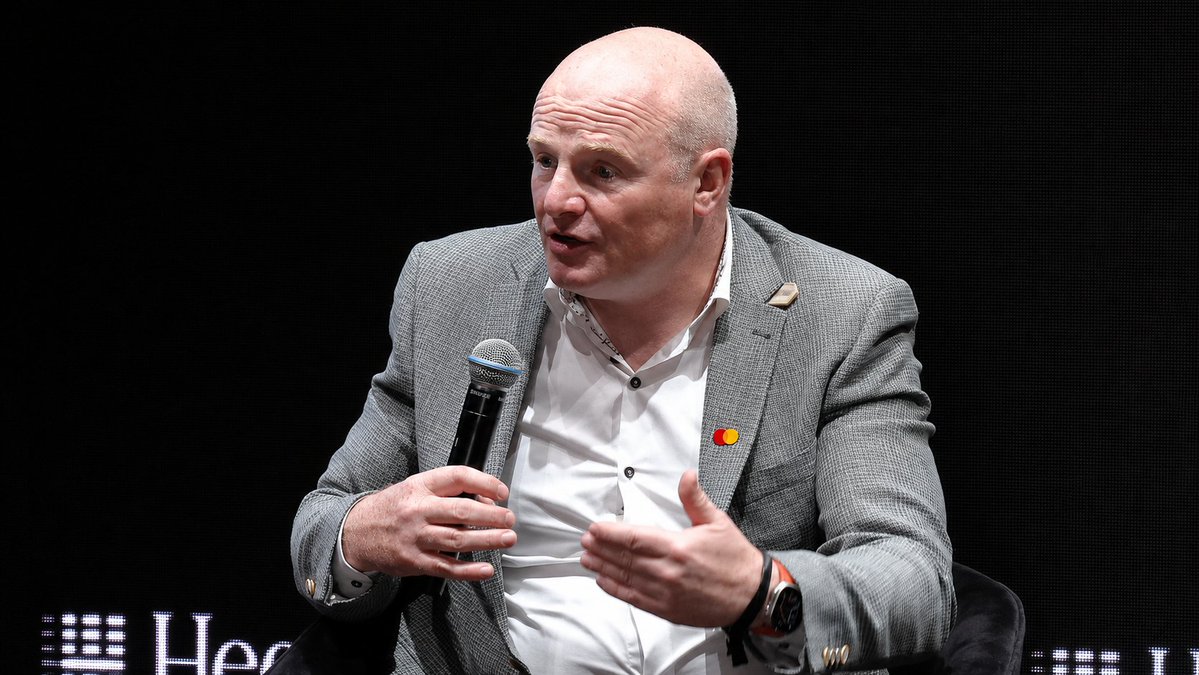
🔥 LATEST: “We’ve been running quantum computers for 5 years now. It’s both a threat and an opportunity,” says @Mastercard CIO Ken Moore.
9
16
143
20,524
Naoris Protocol retweeted
Jun 5
The arrival of $100 million USD1 natively on #MOVA marks a defining moment for the future of institutional finance.
It signals the beginning of institutional-scale adoption for the next generation of financial infrastructure.
Powered by @NaorisProtocol’s post-quantum trust and validation layer, MOVA is establishing three critical pillars for compliant, real-world financial operations:
💳 PayFi & Payroll Infrastructure
Enabling programmable B2B payments, automated invoicing, and seamless cross-border settlement.
🏦 Institutional-Grade RWA Infrastructure
Providing a secure, long-term settlement foundation for tokenized real-world assets designed to operate across multi-decade investment horizons.
📊 Continuous Proof of Reserves (PoR)
Delivering real-time, on-chain reserve transparency secured by post-quantum cryptographic verification.
The foundational framework for sovereign-scale capital, institutional finance, and next-generation stablecoin infrastructure is now taking shape.
Builders, institutions, and innovators — what will you deploy first on MOVA? 🛠️
93
176
404
30,748
Secured by Naoris.
Jun 3

The noise is fading. The builders are stepping up.
While others face scrutiny, World Liberty is building the future.
USD1 is coming on @MovaChain
secured by Naoris Protocol.
32
41
183
9,716
Bonjour mes amis! 🇫🇷
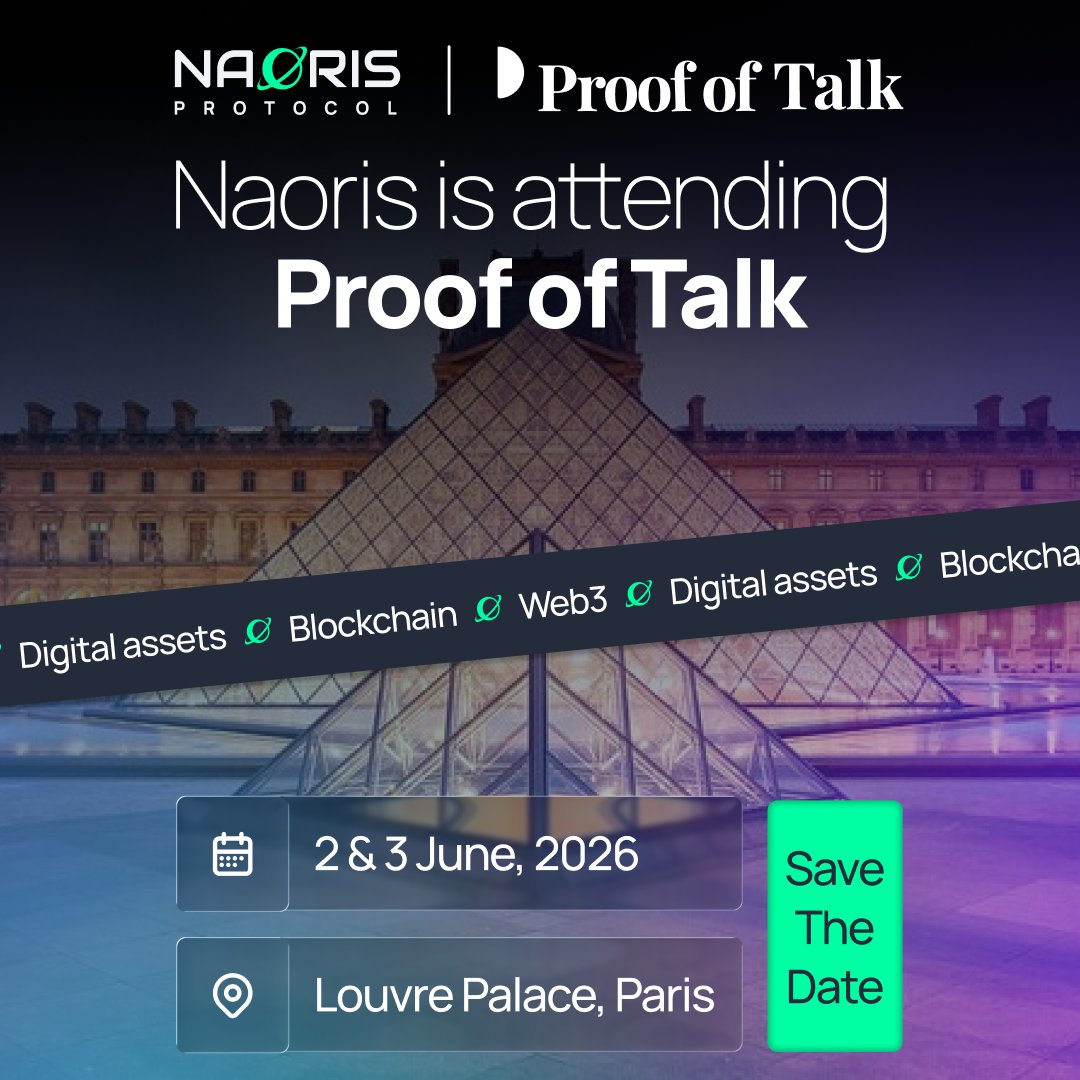
Our team will be on the ground at @proofoftalk at the iconic Louvre Palace in Paris on June 2–3, 2026, as the conversation around quantum computing and post-quantum infrastructure continues to gain momentum.
If you're attending and would like to connect with the Naoris Protocol team, send us a DM 👋
See you there.
36
43
338
6,162

May 21
Slowly, then suddenly.
May 21

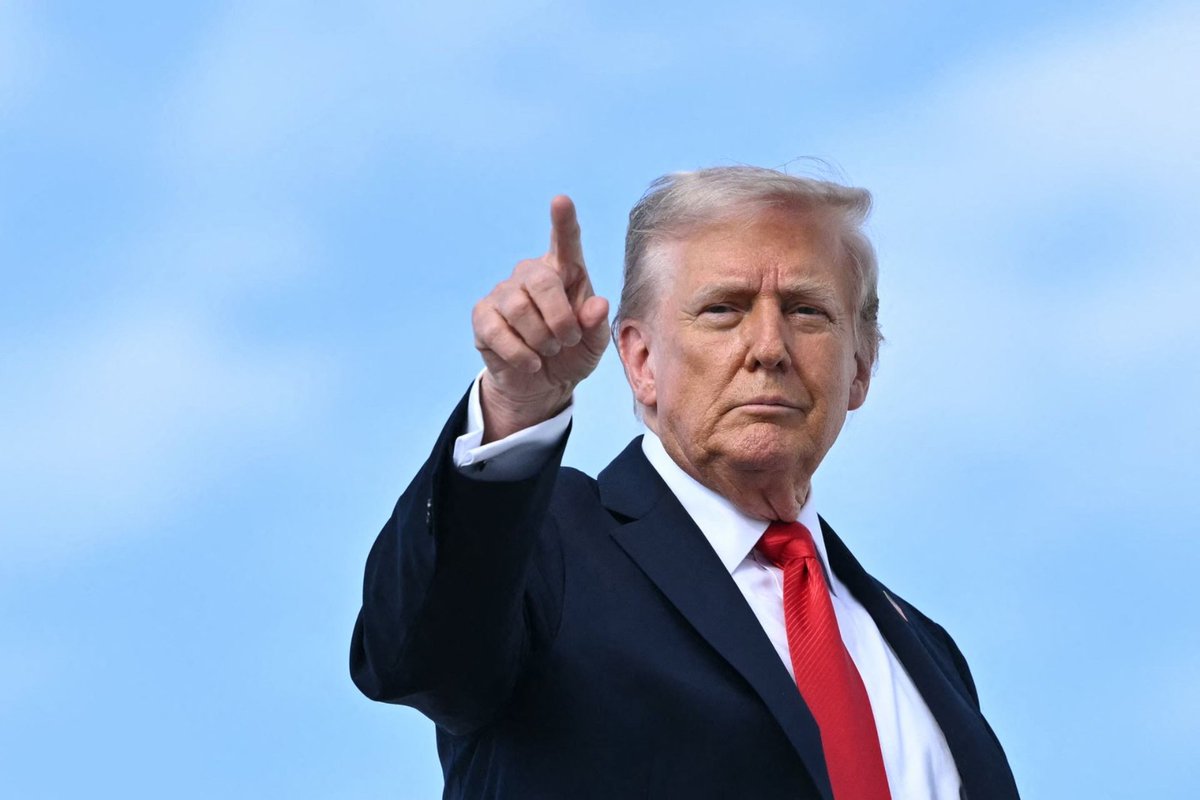
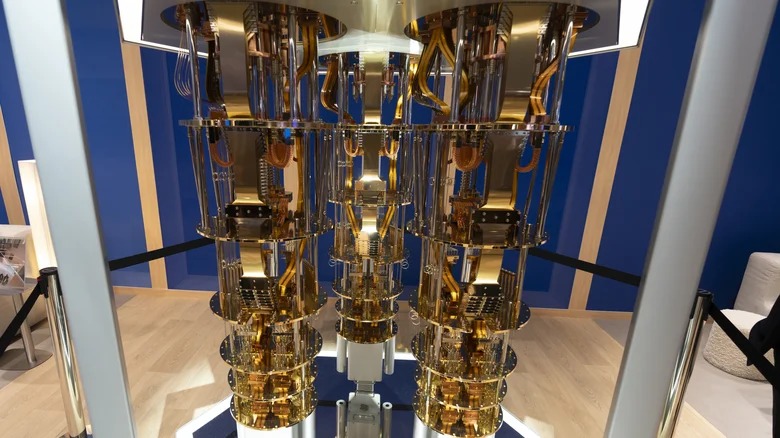
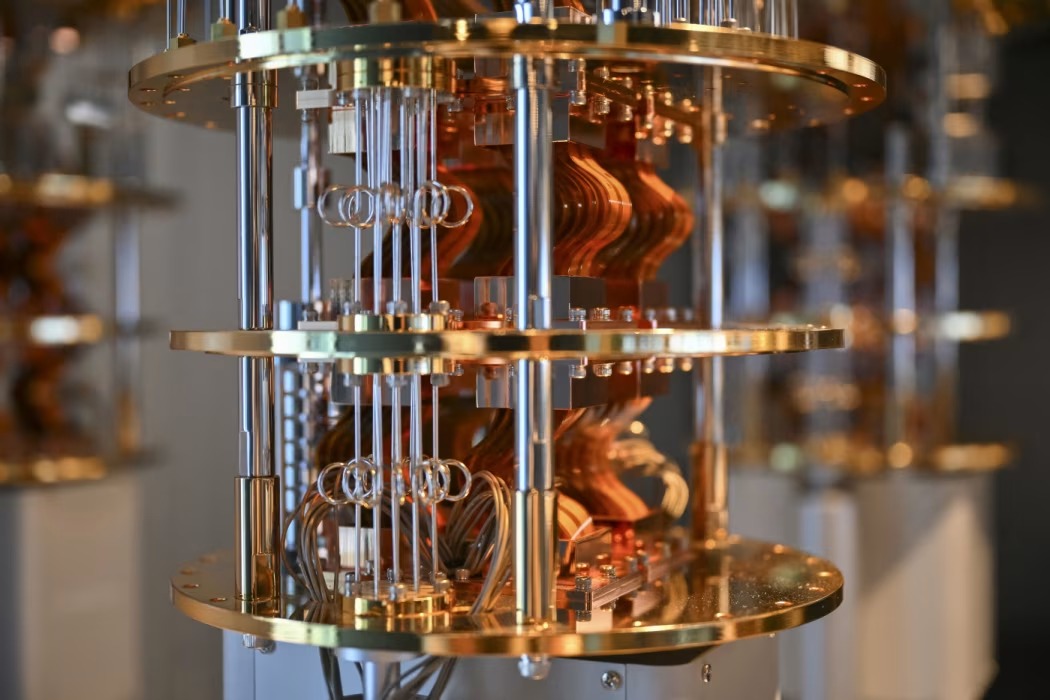
🇺🇸 The U.S. government is now a direct shareholder in quantum computing.
The Trump administration is taking $2 billion in equity stakes across nine quantum companies, including a new IBM venture.
The explicit goal: counter China's quantum advancement before it becomes a national security problem.
This is significant. Governments don't take equity positions in speculative tech. They do it when the technology is too important to lose.
Quantum computing breaks current encryption standards, accelerates drug discovery, and rewrites financial modeling at a level classical computers can't touch. Whoever leads this race sets the rules.
Washington just decided it's not leaving that to the private sector alone.
Source: Reuters
22
33
240
10,519
May 20
🇪🇺 Europe’s quantum push is accelerating.
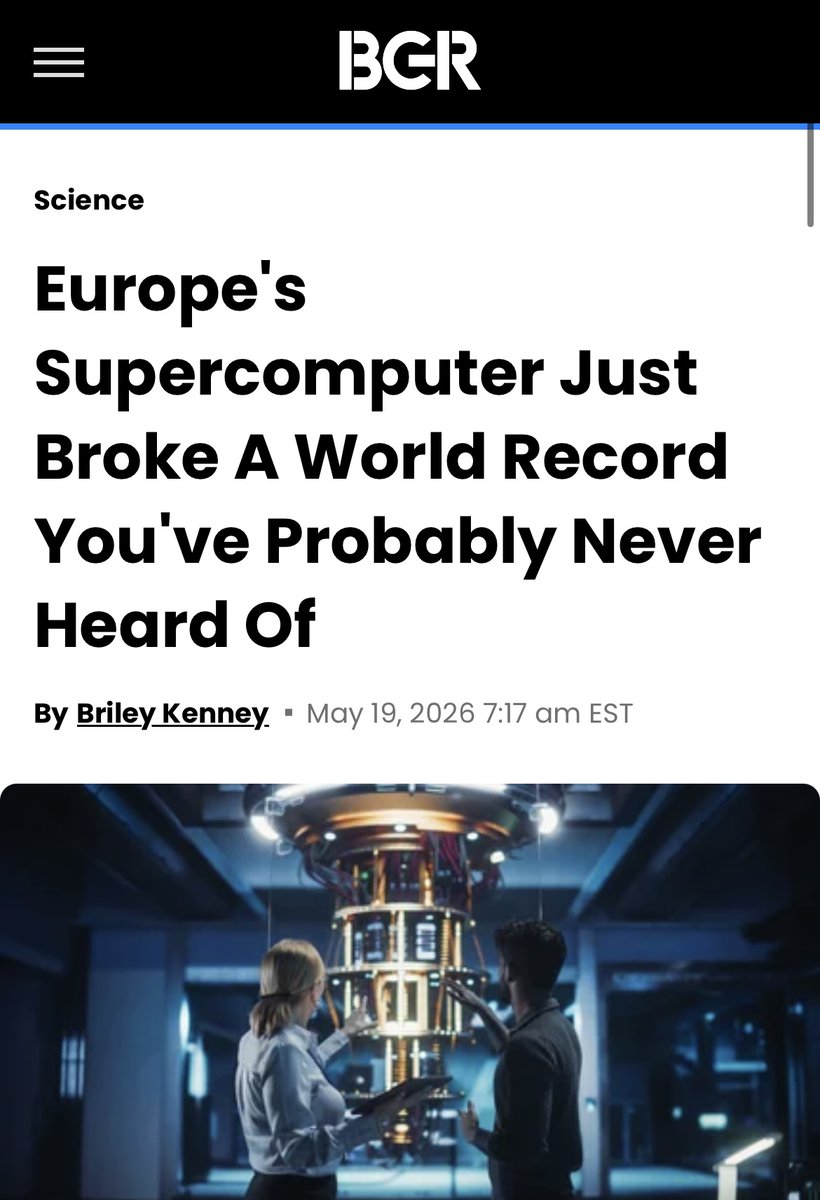
JUPITER, Europe’s new exascale supercomputer developed through the EuroHPC initiative, has reportedly set a new world record for quantum simulation at the 50-qubit level.
Why does this matter?
Because breakthroughs in quantum computing are no longer happening only through quantum hardware itself.
Advanced simulation systems, hybrid HPC architectures, error correction research, and mathematical optimisation are all accelerating the path toward practical quantum capability.
The timelines are compressing from multiple directions at once.
And this is becoming a global shift:
→ China accelerating quantum deployment
→ Google bringing forward post-quantum migration timelines
→ NIST advancing a second wave of PQC signature candidates
→ Governments and institutions rapidly expanding quantum investment and infrastructure strategies
The industry is waking up to the same reality:
Today’s cryptographic assumptions will not hold indefinitely.
That matters enormously for blockchain infrastructure.
Digital assets, validators, wallets, and financial systems still rely heavily on ECDSA-based security models designed for a pre-quantum world.
Retrofitting security later becomes exponentially harder than designing for it from the start.
That is the direction Naoris was built around.
A post-quantum infrastructure layer designed to secure digital assets, networking, validators, and system communication before the industry is forced into reactive migration.
Slowly, then suddenly.
24
34
375
44,949
May 20
2
18
2,827
May 18
📢In August 2024, NIST finalized its first post-quantum cryptography standards:
• ML-KEM (FIPS 203)
• ML-DSA (FIPS 204)
• SLH-DSA (FIPS 205)
➡️Last week, NIST advanced a second wave of PQC signature candidates, including:
SQIsign, HAWK, MAYO, FAEST, SNOVA, MQOM, SDitH, QR-UOV, and UOV.
The goal is clear:
improve efficiency, reduce signature overhead, and diversify the mathematical foundations behind post-quantum security itself.
Because the industry is realising something important:
There is no perfect one-size-fits-all replacement for ECDSA.
The great quantum awakening is now happening before our eyes.
Governments, enterprises, financial institutions, and blockchain ecosystems are beginning to realise that today’s ECDSA cryptography will become obsolete in a quantum environment.
And the transition away from it is not a simple cryptographic swap.
It is an infrastructure-level redesign.
This is exactly why Naoris was architected around NIST-standardized post-quantum cryptography from inception.
Naoris uses:
• ML-DSA (FIPS 204) for post-quantum transaction authorization and validator security
• ML-KEM (FIPS 203) for quantum-safe key exchange and encrypted node communication
• SLH-DSA (FIPS 205) as a hash-based fallback security layer built on entirely different mathematical assumptions
Why ML-DSA?
Because blockchain infrastructure prioritizes:
– verification throughput across validators
– deterministic integer arithmetic
– implementation safety
– interoperability with emerging standards
– operational reliability at scale
Verification happens across every node, every block, every epoch.
For blockchain infrastructure, that matters more than simply minimizing signature size.
Naoris also separates security models by operational role:
• ML-DSA-87 secures validator block signing and chain integrity
• ML-DSA-65 secures DPoSec communication sessions between consensus and execution layers, reducing overhead while maintaining quantum resistance
The deeper challenge is that post-quantum migration impacts far more than transactions.
It affects validators, networking, consensus, replay protection, key management, and long-term trust assumptions across the entire stack.
NIST’s latest announcement reinforces something important:
Post-quantum migration will not be a single upgrade.
It will redefine the cryptographic foundation of the entire industry.
29
35
386
7,420
May 13
🚨The Quantum Race is entering a new phase.
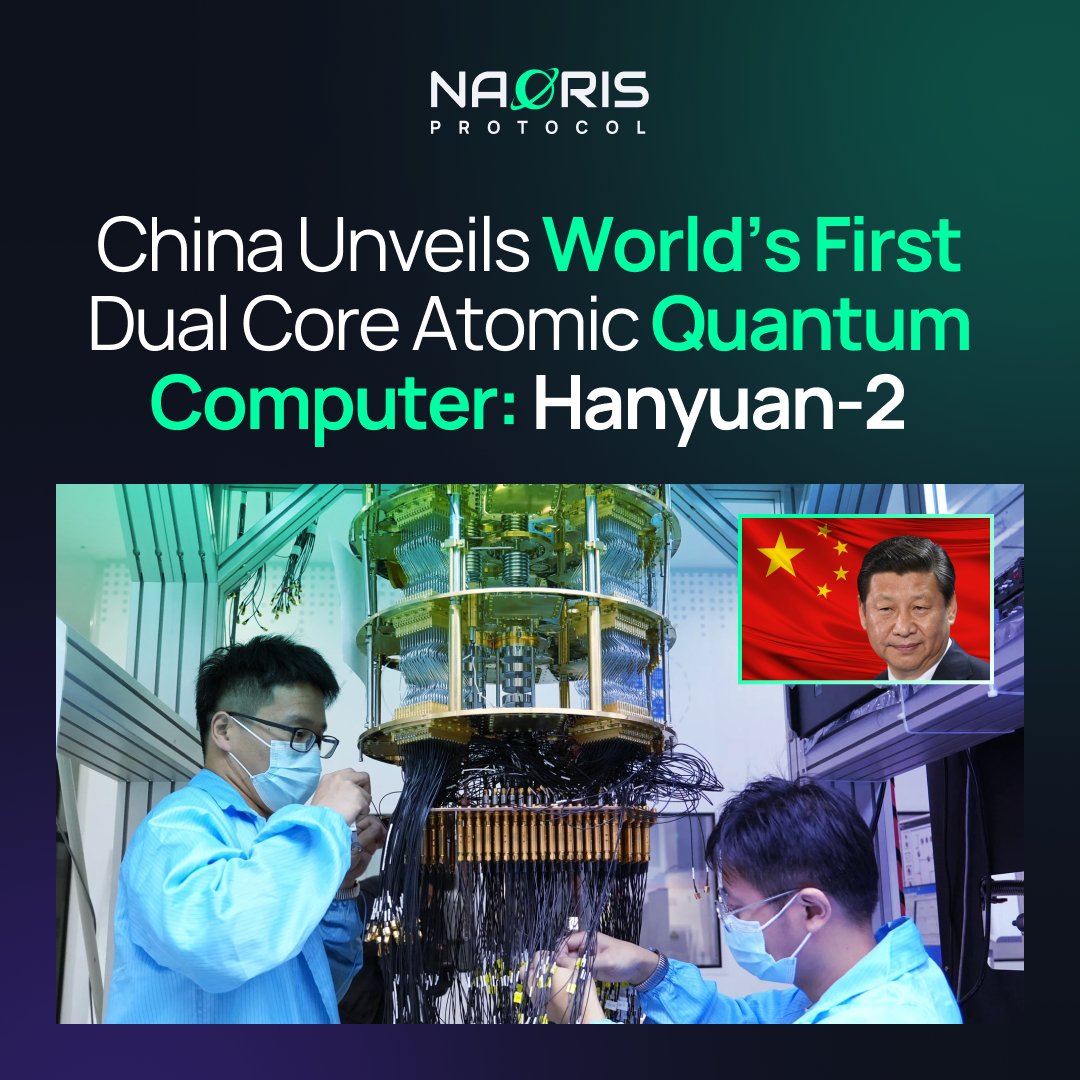
CAS Cold Atom Technology, a Chinese quantum company based in Wuhan, has unveiled Hanyuan-2, described as the world’s first dual core neutral atomic quantum computer.
Why is this significant?
Because quantum computing has historically struggled with scalability, stability, and qubit interference, limitations that have slowed the path toward practical real world capability.
Hanyuan-2’s dual core architecture is designed to address those challenges by allowing two independent quantum cores to operate either in parallel for higher efficiency, or together to create more stable logical qubits.
The system reportedly combines 200 qubits across rubidium based neutral atom arrays and operates without the highly complex ultra low temperature cooling environments traditionally required for quantum systems, helping lower deployment barriers significantly.
In simple terms, this is another step toward quantum systems becoming more scalable, practical, and deployable.
As China accelerates its quantum leap, nations around the world are also rapidly expanding investment, infrastructure development, and post quantum initiatives.
And the acceleration is happening across every layer:
⚙️ Hardware advances are increasing capability and stability
🧠 Breakthroughs in mathematics are reducing qubit requirements
🔗 More efficient architectures are changing previous assumptions
🔐 Urgency to quantum proof infrastructure is accelerating rapidly
Combined with Google accelerating its post quantum migration timeline, and recent Caltech research suggesting far fewer qubits may be needed to threaten existing encryption, the direction is becoming increasingly clear.
For blockchain and digital infrastructure, this changes the equation entirely.
Retrofitting security later becomes exponentially harder than building it in from the start.
That’s why @NaorisProtocol was designed to be post quantum from day one.
34
39
374
9,461
May 13
The next generation of developers won’t build on yesterday’s infrastructure.
Coming soon.
26
30
349
8,091
May 11
👀
May 11

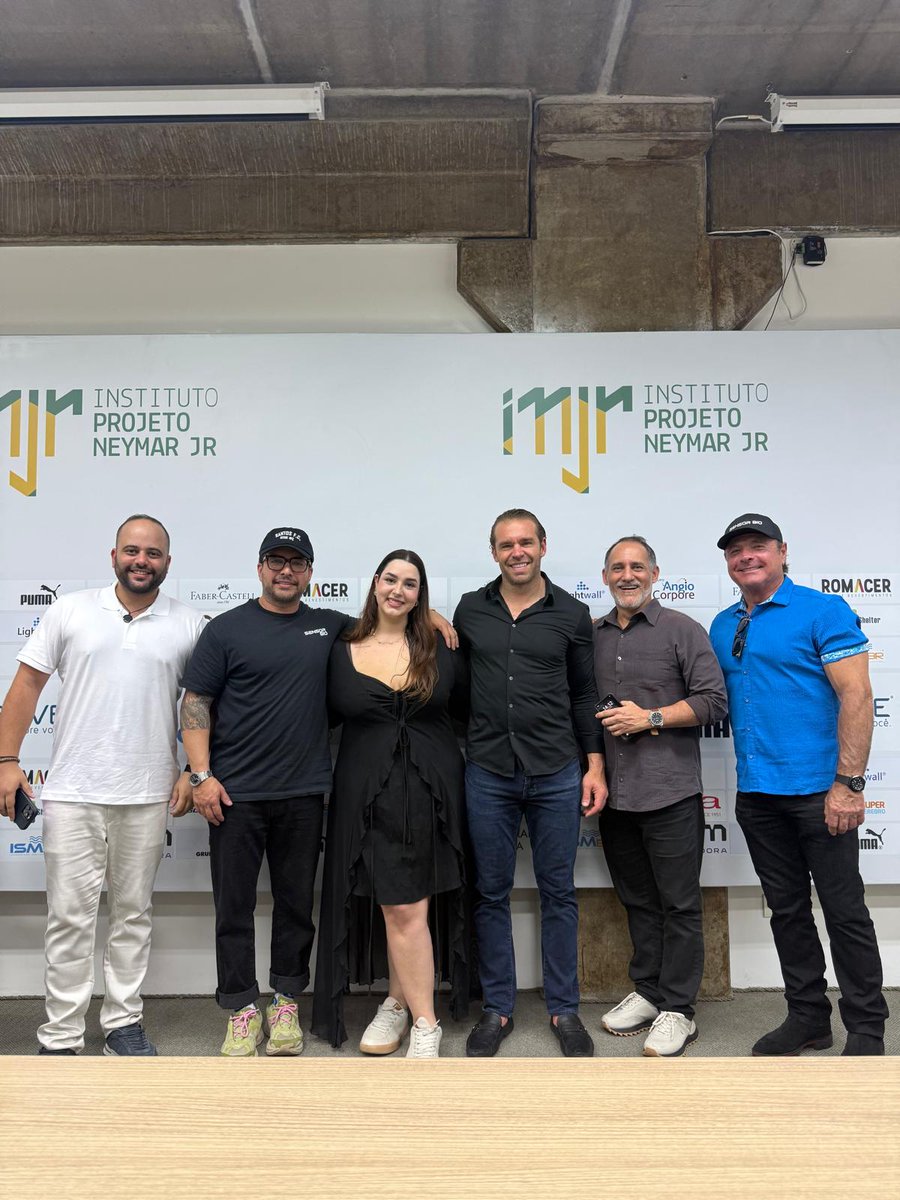
A few days in Brazil that I won't forget.
Visited the @InstitutoNJr and spent real time with Neymar, his father, and Falcão, alongside the SENSOR BIO team, Spencer Rives, Victor Sanchez, and @mateenaini.
But what stayed with me most wasn’t the names in the room.
It was the mindset.
People who built empires from nothing — still showing up curious. Still building. Still asking better questions. Still betting on what’s next.
There’s a different kind of energy around people who refuse to coast.
That energy was everywhere in Brazil.
Something big is taking shape between the Neymar ecosystem, @NaorisProtocol, and SENSOR BIO.
More to come. Soon.



22
25
316
6,718
Naoris Protocol retweeted

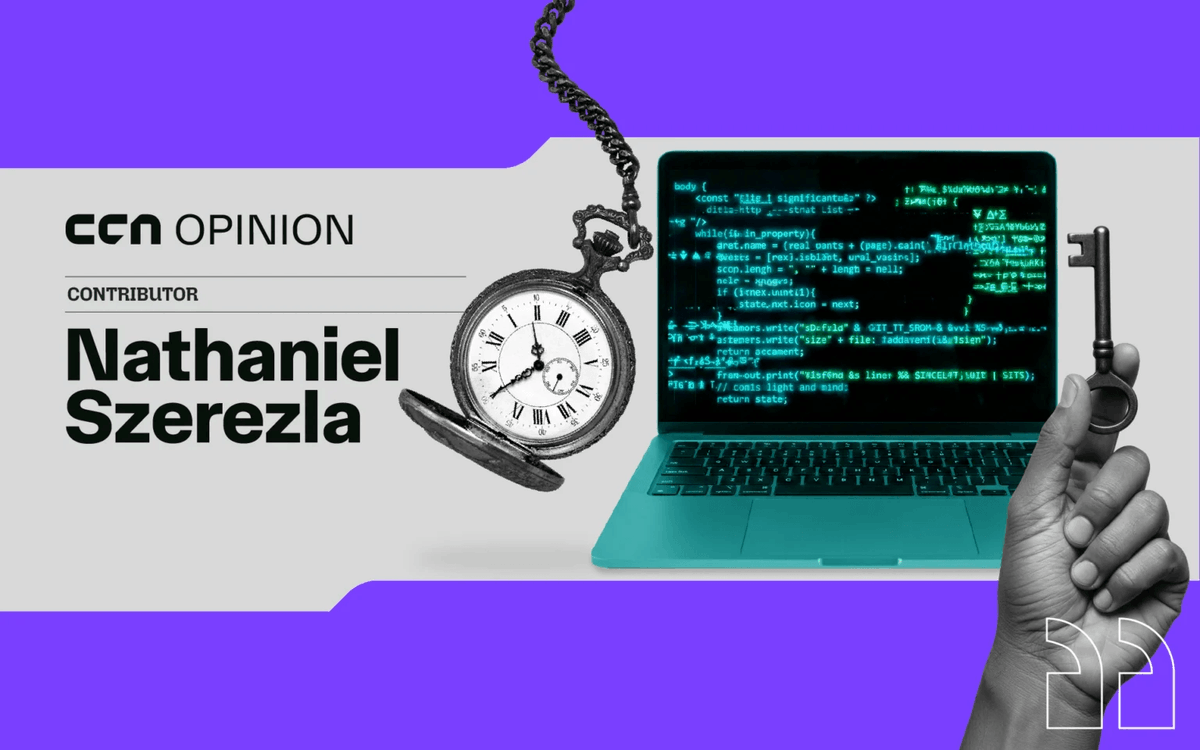
#Bitcoin’s biggest quantum risk may not come from a sudden attack, but from waiting too long to prepare ⚠️
In a CCN op-ed, Nathaniel Szerezla (@NatSzerezla), Chief Growth Officer at @NaorisProtocol, explains why BIP-361 and post-quantum cryptography could become critical for Bitcoin’s long-term survival.
10
27
313
4,978

NAORIS, ZEC, AND CELL RALLY AS QUANTUM-RESISTANT NARRATIVE HEATS UP
@NaorisProtocol's $NAORIS is up 43.9% on the week at a $72M cap, $ZEC is up 18.6% at $421, and $CELL is up 10.6%. Naoris' mainnet went live in April with NIST-approved Dilithium-5 encryption.
Combined with @paradigm's PACTs proposal and Bitcoin Core v31 shipping, quantum is no longer sci-fi narrative. It's a tradable theme.
64
68
220
29,262
🐎 Spot of polo, anyone?
We’re proud to be sponsoring the 4th edition of the @cryptopolocupx on May 9, at the Santa Clara Polo Club in Palm Beach, Florida 🇺🇸
Looking forward to an incredible event bringing together leaders from across crypto, technology, finance, and culture for a great day on and off the field.
32
36
413
9,715
“The nation that leads in quantum will set the rules of the road for the next generation of technological innovation.”
Chairman @RepBrianBabin makes the stakes clear.
“Quantum technology is not a distant concept… it is a foundational capability that will shape the future of computing, communications, energy, and national security… it will define which nations lead, and which fall behind.”
The National Quantum Reauthorization Act builds on the 2018 initiative, but the focus is shifting. Less emphasis on basic research, more on applied systems, deployment, and commercialisation. Government, industry, and academia being aligned to move faster. NASA now being brought into the strategy, extending this into space-based research and applications.
In terms of competition, he names it directly.
The Chinese Communist Party has already identified quantum as mission-critical and is moving aggressively to deploy systems at scale.
“If we fail to keep pace, the consequences will be significant… impacting cybersecurity, military readiness, and economic competitiveness.”
The conversation moves from capability to consequence.
Quantum advances unlock new systems across computing, communications, energy, and materials. At the same time, they put pressure on the foundations those systems rely on.
Encryption. Identity. Financial infrastructure. Blockchains. Crypto. Digital assets.
Among the first directly exposed.
All built on cryptographic assumptions that do not hold in a quantum environment.
This is where sovereignty shifts.
It used to be defined by land.
Now it is defined by technological capability, data, and trust.
Quantum introduces a new level of offensive capability.
Without quantum-safe security, that capability introduces fragility across the systems it touches.
This is the gap now coming into focus.
Nations are accelerating investment, legislation, and deployment. Far less attention has been given to how infrastructure remains secure once those capabilities are in place.
That is the problem Naoris has been working on.
Post-quantum infrastructure designed to secure digital assets, blockchains, and critical systems so they can operate in a quantum environment, without needing to be rebuilt from scratch.
Leadership in quantum will not be defined by capability alone.
It will be defined by who can secure it.

“Quantum technology is not a distant concept—it is a foundational capability that will shape the future of computing, communications, and national security.”
Chairman @RepBrianBabin opened today’s markup of the National Quantum Initiative Reauthorization Act by underscoring what’s at stake—and why maintaining U.S. leadership in this critical field matters.
Watch ⬇️
26
52
366
7,247
Apr 29
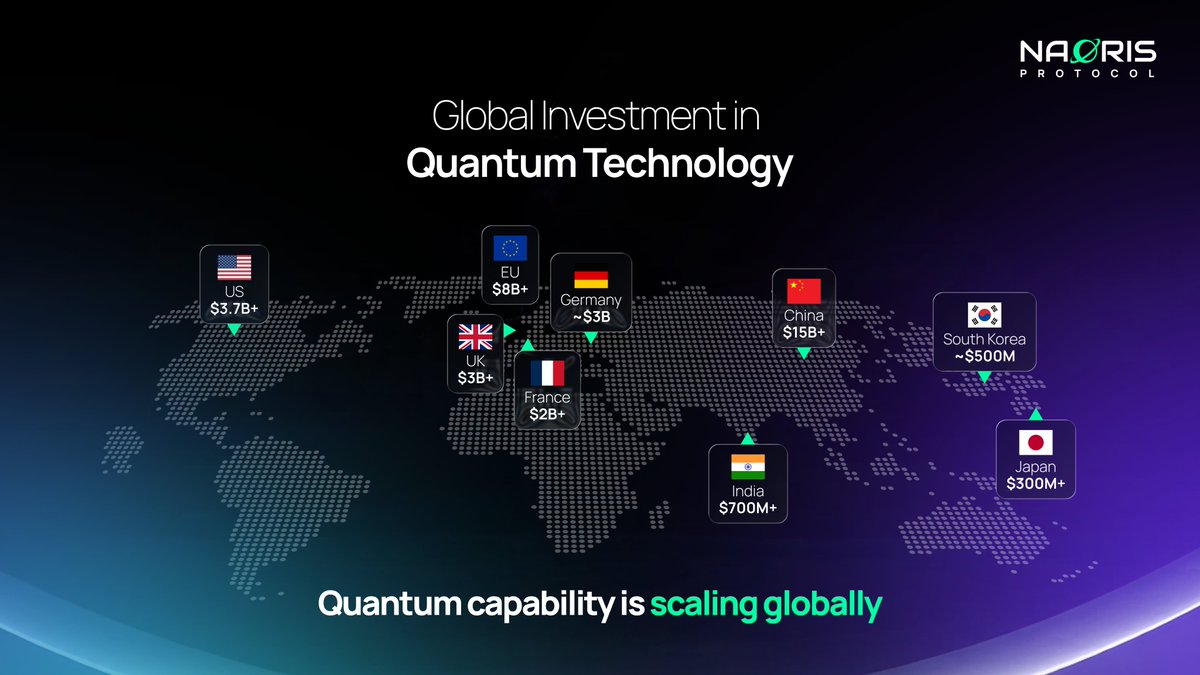
Nations continue to accelerate investment in quantum technology:
🇨🇳 China: $15B
🇪🇺 EU: $8B
🇺🇸 US: $3.7B
🇩🇪 Germany: ~$3B
🇬🇧 UK: $3B
🇫🇷 France: $2B
🇨🇦 Canada: $1B
🇯🇵 Japan: $300M
🇰🇷 South Korea: ~$500M
🇮🇳 India: $700M
🇦🇺 Australia: $1B
🇮🇱 Israel: $300M
Quantum systems are scaling in power and stability, bringing real-world capability closer than expected.
But while nations race to build quantum capability, post-quantum security remains unsolved at the infrastructure level.
Blockchains still rely on ECDSA.
That means exposed public keys, static signatures, and long-term assumptions about cryptographic hardness.
Those assumptions don’t hold in a quantum environment.
This is not just a research problem. It’s an infrastructure problem.
The next phase of crypto depends on whether trust can be redefined at the cryptographic layer.
With mainnet rolling out in phases, Naoris introduces a post-quantum L1 where transactions, validators, and system integrity are secured with NIST-standardized cryptography.
The shift isn’t narrative. It’s architectural.
Slowly, then suddenly. $NAORIS
29
49
400
14,573
Apr 27
The recent Kelp DAO exploit exposed a deeper problem.
One of the main reasons the industry still cannot progress at the pace it should:
It cannot verify trust across its own infrastructure.
A forged cross-chain message, exploiting LayerZero’s DVN, was accepted as valid. Funds moved through Aave, Compound, and into ETH.
We’ve seen this pattern before across bridges, DeFi, and protocols like Drift Protocol.
Different systems. Same weakness.
Messages are trusted. Validators are trusted. Systems execute.
Nothing proves they are secure in real time.
This is the gap.
We built Naoris to address it at the foundation.
Through dPoSec (Decentralized Proof of Security), nodes, validators, and systems must continuously prove their integrity before trust is extended.
Not just transaction validation...
System-level validation
With mainnet rolling out in phases, this moves from theory toward real infrastructure.
Trust is no longer assumed. It is verified.
Full breakdown 👇

28
38
366
14,979