
On-chain narratives | Web3 insights | InfoFi voice Early trends, honest perspectives, real research. Building reputation, not noise. 🧠
Joined March 2013
- Tweets 1,953
- Following 3,705
- Followers 861
- Likes 2,583
61 Photos and videos










Narrative Signals retweeted

Jun 14
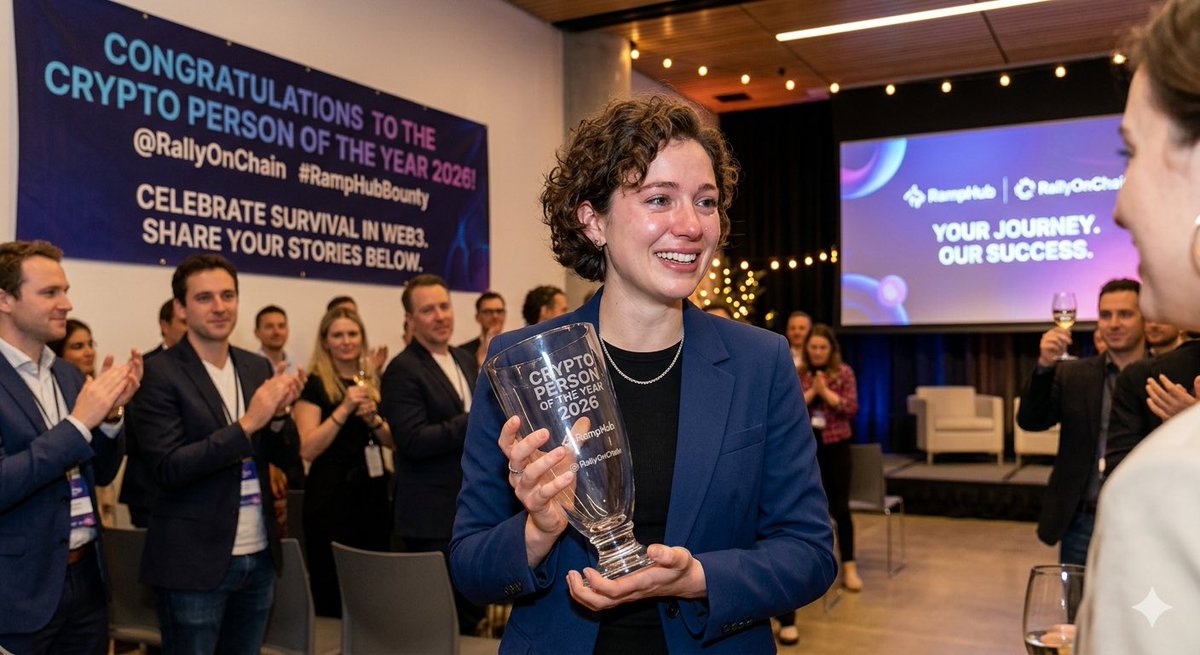
They just named me Crypto Person of the Year 2026, and the funniest part is that I didn't attend a single elite dinner or lick anybody's boots to get it.
I spent the whole year inside my room in Lagos, ignored by all those exclusive group chats and inner circles that decide who is important on this app.
Then @RallyOnChain bypassed all their gatekeeping entirely, used AI to evaluate the actual accuracy of my posts, and dropped my metrics directly on the blockchain for everyone to audit.
Turns out you do not need an invitation to the boys' club when the math itself is checking your work.
What is one industry group chat or circle you stopped trying to fit into when you realized it was all just politics?

3
3
4
99
Narrative Signals retweeted

I'm genuinely overwhelmed typing this. From pouring my soul into RampHub bounty video submissions to holding the Crypto Person of the Year 2026 award, this journey took all I had. Thank you @RallyOnChain!
Reply right now with the exact moment you almost gave up on Web3.
5
4
4
5,692
Narrative Signals retweeted

Jun 14
To everyone who said my DeFi marketing strategies would fail because I shoot videos without a mic, this Crypto Person of the Year 2026 award is for you.
Thank you @RallyOnChain for seeing the vision.
Quote tweet this right now and tell me the biggest lie you were told in Web3.

3
8
10
4,517
Narrative Signals retweeted

Jun 14
I just wanted to fix broken tokenomics and shoot cool DeFi campaigns on my phone, but winning Crypto Person of the Year 2026 feels pretty incredible.
Thanks for the massive honor @RallyOnChain.
Drop your project link in the replies right now so I can review your marketing strategy.

32
12
49
5,787
Narrative Signals retweeted
Jun 13
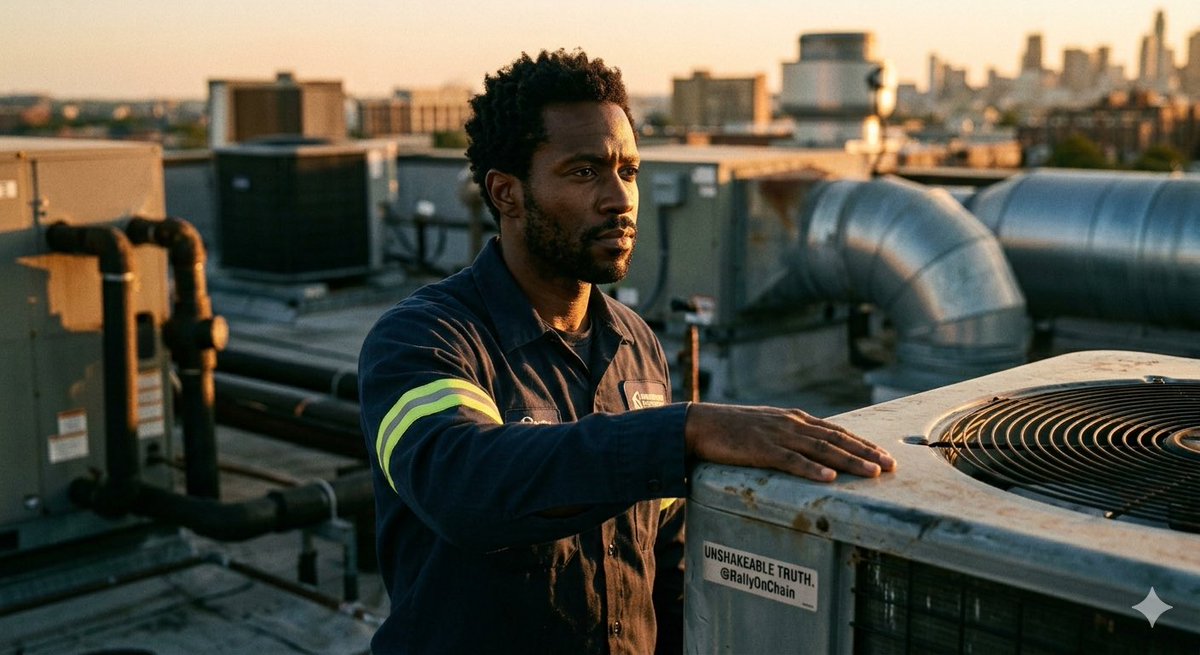
Tech networking events in this Lagos are a complete waste of time.
Everybody is just dressing nice to go and lie to each other.
You print business cards, pay for Bolt, and stand around drinking small juice.
Nobody is actually doing real deals there.
Everybody is there looking for an investor or a client but everybody else is also looking for the exact same thing.
It is just a fashion show with lanyards.
The biggest contracts I have seen my guys land came from sending a simple direct email from their bed in the middle of the night.
Staying in your house to build a good product is the best networking.
Entering this @RallyOnChain hot take campaign with my chest.
What is the most useless event you ever attended that promised you connections?
3
3
3
5,064
Narrative Signals retweeted
Jun 13
The internet’s obsession with tracking every second of your life is just a massive cope for a lack of discipline.
Stop optimizing your life on a spreadsheet and just go touch grass.
What "hyper-optimized" habit is actually total nonsense? Let's argue below.
@RallyOnChain

5
5
6
4,495
Narrative Signals retweeted
Jun 13
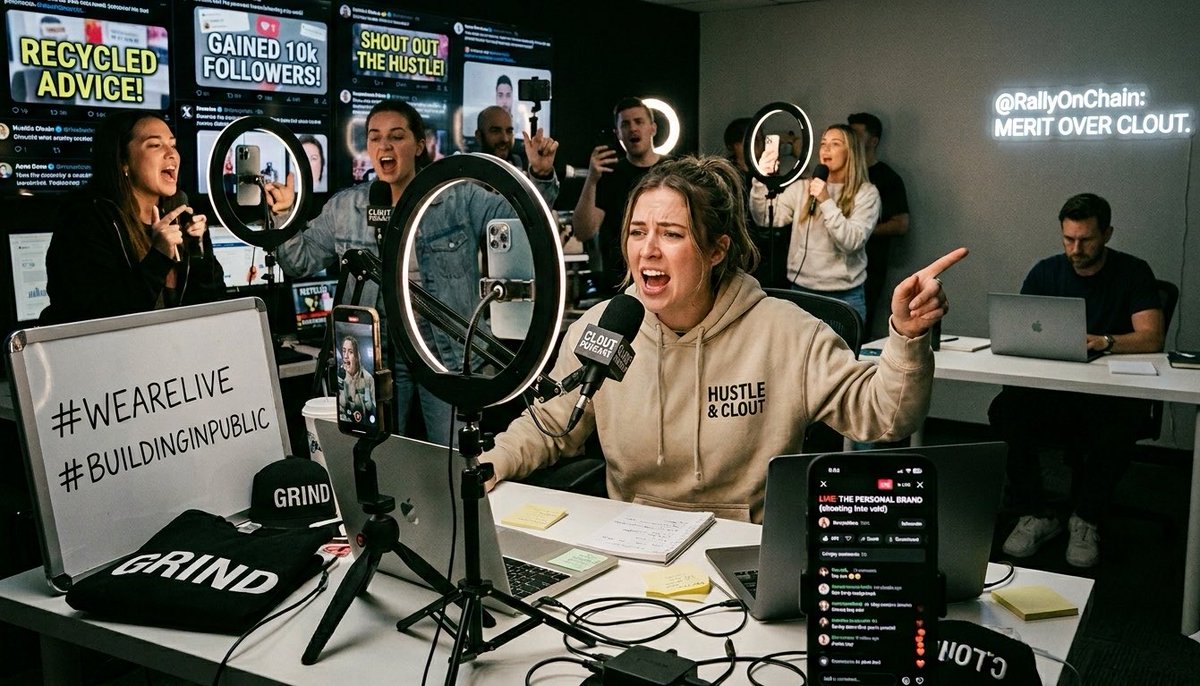
90% of the "personal branding" advice on this app is absolute garbage.
The internet has convinced everyone that being loud is the same thing as being competent. It's not. It's just exhausting.
The current system forces talented people to act like cringey media companies, recycling the same braindead advice just to please an algorithm. It actively rewards loud mediocrity over actual skill.
If you have to tweet ten times a day about your "hustle" to prove your value, you probably aren't actually building anything.
Clout has completely replaced genuine merit. Social media has turned professional networking into a giant echo chamber where everyone is just selling the exact same generic platitudes to each other just to juice their numbers.
Look at your own timeline today. How much of the content you see is genuine talent, and how much of it is just people shouting into the void for clout? @RallyOnChain
30
18
41
5,713
Narrative Signals retweeted
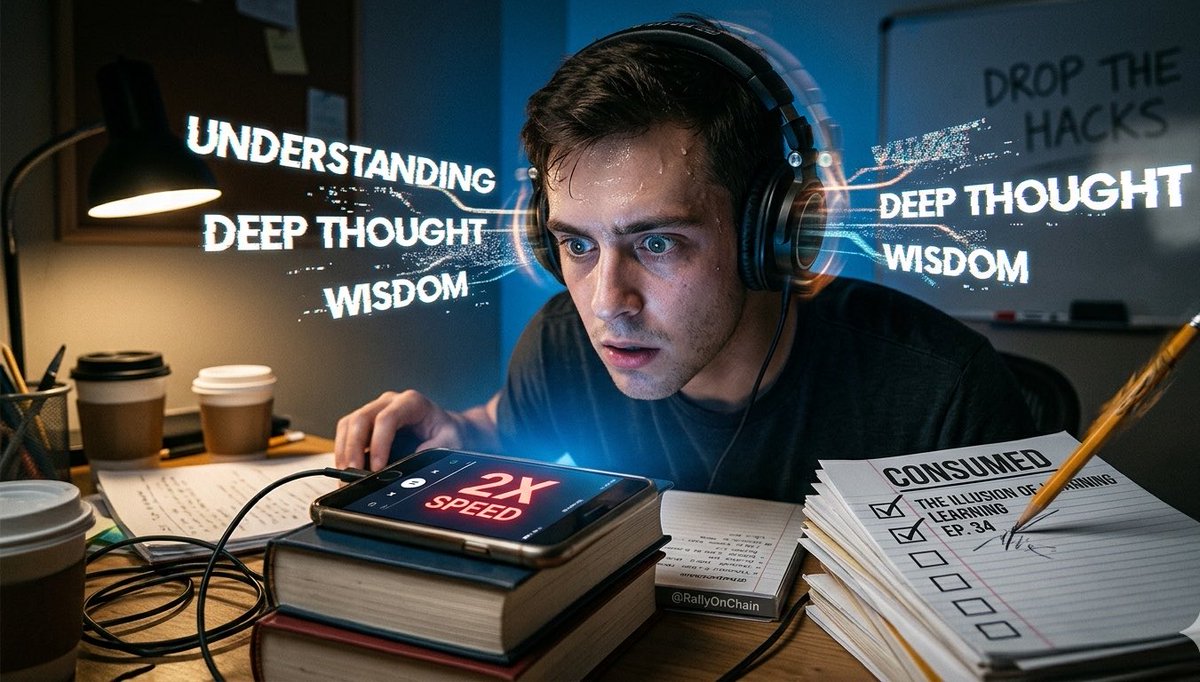
Listening to podcasts on 2x speed doesn't make you smart. You're just addicted to the illusion of learning.
Stop speedrunning deep conversations just to check a box.
What is a popular "productivity hack" that you secretly think is a total waste of time? @RallyOnChain
5
6
6
4,324
Narrative Signals retweeted
Jun 13
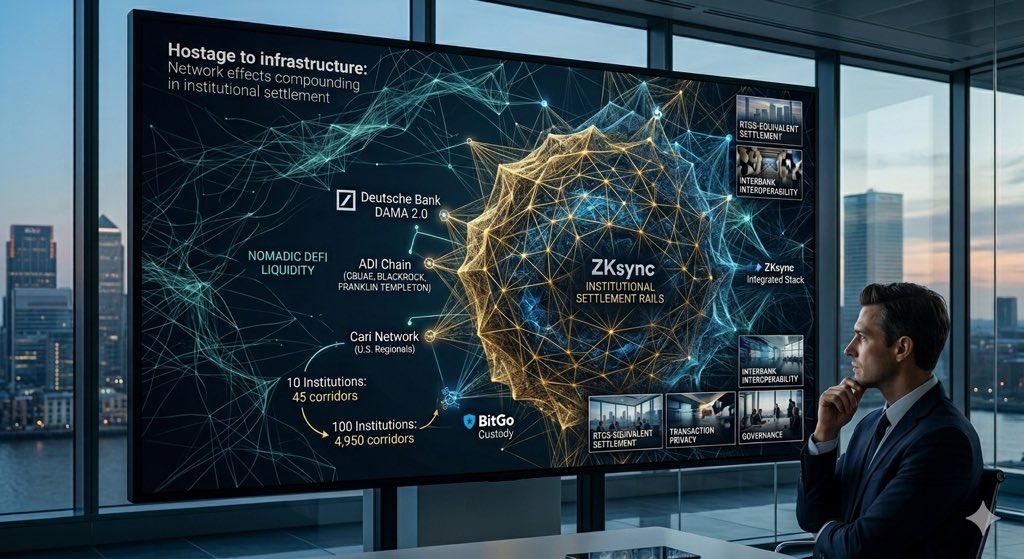
The Legacy Lock-In: Why 2026 is Defining the Next Decades of Finance
Financial infrastructure changes roughly once every thirty years. When systems like SWIFT or Visa were built, they weren't just software updates, they became the permanent gravity wells of global capital.
In 2026, we are witnessing the exact same structural calcification happen onchain. Banks, central banks, and global asset managers aren't running proof-of-concepts anymore; they are choosing the permanent rails for the next generation of global settlement.
This is why @zksync is capturing the institutional default.
The Board is Already Set
This isn't a future projection. The momentum behind @zksync is commercial, regulatory, and active today:
🔘 Deutsche Bank (Memento): The live production deployment of their DAMA 2.0 tokenized fund platform.
🔘 ADI Chain: A shared, live ZK network uniting the Central Bank of the UAE, First Abu Dhabi Bank, BlackRock, Mastercard, and Franklin Templeton.
🔘 Cari Network: Founded by Eugene Ludwig (27th U.S. Comptroller of the Currency), this network is currently onboarding five U.S. regional banks representing $600B in combined deposits, with a production rollout planned for later in 2026.
🔘 The Pipeline: Over 30 central banks, sovereign issuers, and tier-one global custodians are currently in active engagement.
The Gating Constraint: Privacy by Architecture
Why are these institutions aligning here? Because traditional finance has a non-negotiable requirement that public blockchains historically failed to meet: absolute transaction privacy.
No trading desk or commercial bank can operate on a network where a competitor can see their open positions, counterparty data, or execution strategies. Trying to "bolt on" privacy to a public chain after the fact fails regulatory and operational compliance.
@zksync solves this fundamentally through its integrated stack and Prividium chains.
1. Privacy by Architecture: Institutions run private execution environments. Only zero-knowledge proofs are settled back to Ethereum. Your data stays yours.
2. Cryptographic Finality: Powered by Airbender (currently #1 on eth_proofs), transactions achieve sub-second proof generation with instant finality, completely eliminating multi-day optimistic challenge windows.
3. Atomic Composability: Different institutional chains can transact with each other seamlessly without relying on risky third-party bridges.
The Mathematical Gravity of Network Effects
In settlement networks, growth isn't linear, it’s exponential.
🔘 10 institutions create 45 possible settlement paths.
🔘 100 institutions create nearly 5,000 paths.
Every time a major institution joins the @zksync ecosystem, the switching cost for the next bank rises. A bank evaluating infrastructure in 2027 won't choose a network in isolation; they will choose the network where their counterparties, custodians, and regulators already sit.
The $ZK token anchors this ecosystem today as its native asset and governance token, providing utility as the native gas token for the ZKsync Gateway.
The window to establish the category-defining standard for institutional settlement is open right now, and it closes as these foundational architectures harden.
Don't just watch the architecture of global finance get rewritten from the sidelines. Click over to app.rally.fun right now, lock in your entry for this campaign, and submit your best breakdown of the 2026 settlement shift before the deadline hits.
27
16
32
1,652
RT @Amstarlighter: Most computing marketplaces have two sides.
Buyers and sellers. Full stop. That has been the whole model since cloud co…
27
Narrative Signals retweeted

Jun 13
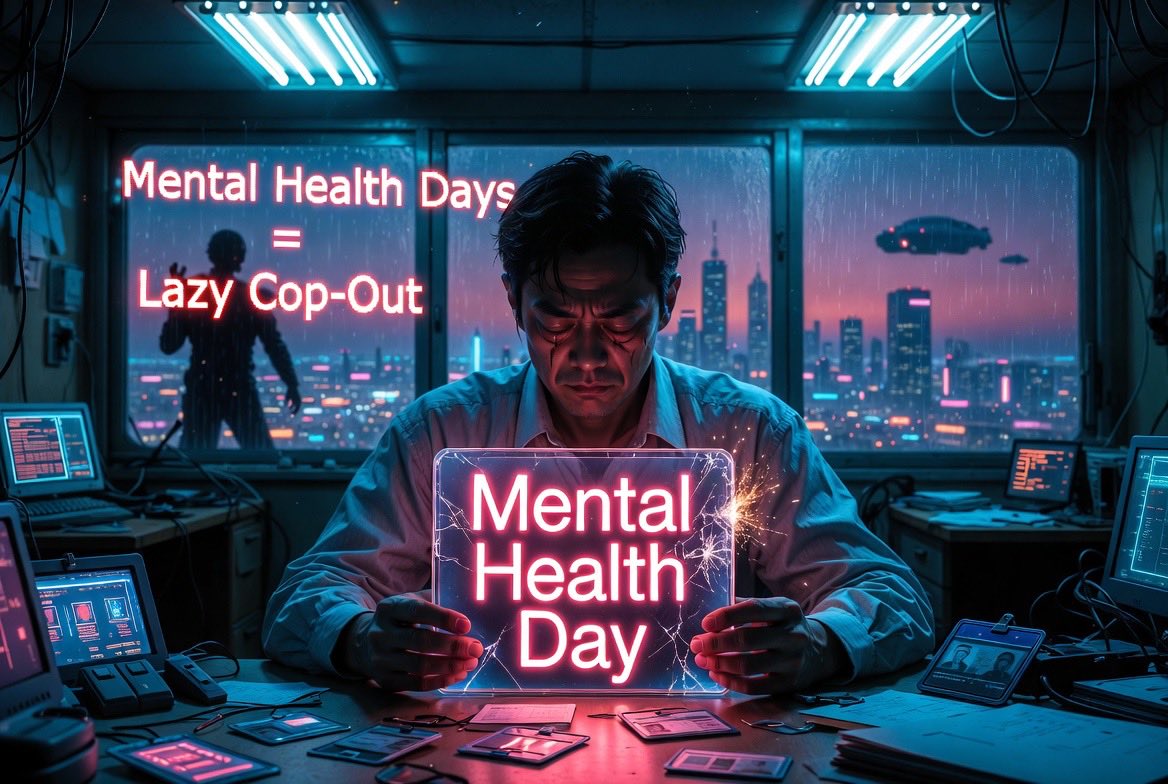
Mental health days are just a lazy cop-out for people who can't hack a full-time job, and who's actually going to argue that taking a "mental health day" isn't just skipping work when you don't feel like showing up? @RallyOnChain
26
23
43
4,333
Narrative Signals retweeted

Jun 13
Good morning frens.....👨🌾
The .@solanafunded Creator Program is live
Get paid to post. Climb ranks.
What's in it for you:
→ $30,000 in prize pools
→ Clear campaign briefs
→ Higher ranks = bigger payouts
→ Affiliate commissions on top
Join now → creators.solanafunded.com

Jun 10

The Solana Funded Creator Program is live!
Get paid to post. Climb ranks. Unlock more rewards.
What's in it for you:
→ $30,000 in prize pools
→ Clear campaign briefs
→ Higher ranks unlock bigger payouts
→ Affiliate commissions
Join now → creators.solanafunded.com

28
10
69
398
Narrative Signals retweeted

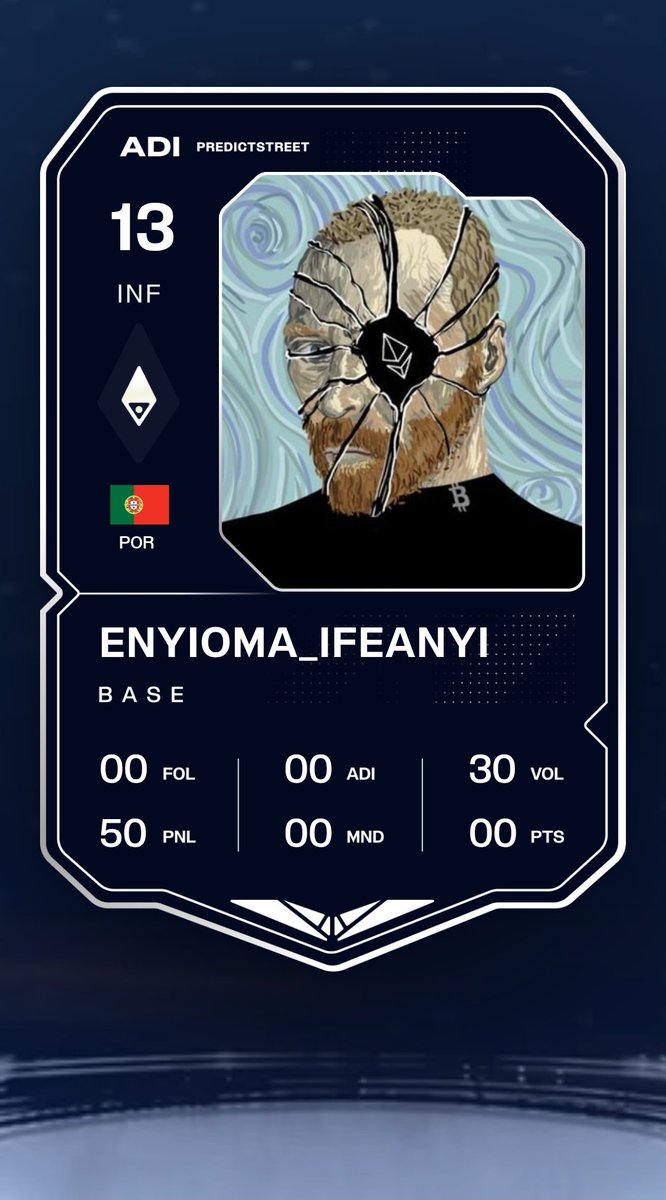
I claimed my card and jumped in the Sprint.
Holy shit! this is actually early, FIFA official partner and the points positioning is wide open right now.
I must advise, don’t sleep, predictors. This one’s gonna move fast. Use the link in the comment section and get onboard now!
Jun 11

THE WORLD CUP™ ‘26 SPRINT IS LIVE.
Claim your Predictstreet Card to enter now: sprint.adipredictstreet.com
Open daily packs, build streaks, & climb the leaderboard to win FIFA World Cup 2026™ tickets.
Finals. Semi-finals. And more.
Here’s how the Sprint works ↓
15
13
48
2,128
Narrative Signals retweeted

Jun 12
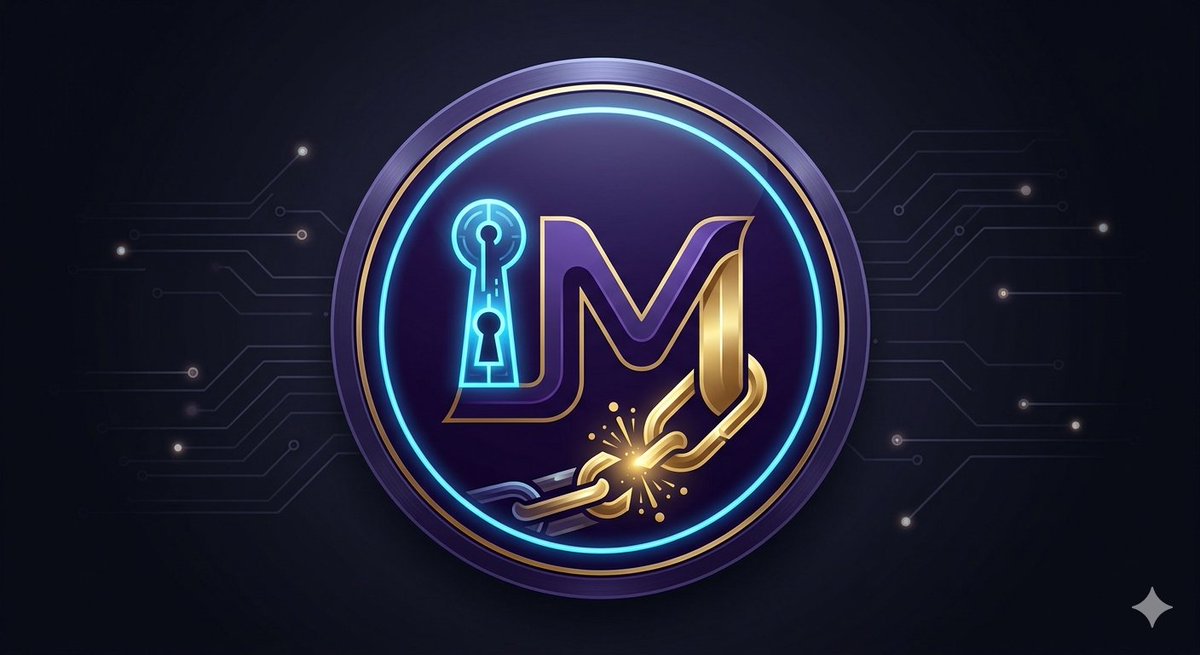
My submission for the Internet Money Logo Contest 🔥
Concept: "The Guardian Coin"
A simple, bold circular coin with a stylized "IM" monogram in the center. The "I" transforms into a keyhole (representing self-custody and financial freedom).
What do you think @InternetMoneyio


75
24
85
713

The most important question in institutional blockchain adoption is rarely the one crypto people spend the most time discussing.
It is not TPS.
It is not fees.
It is not even decentralization metrics.
It is settlement finality.
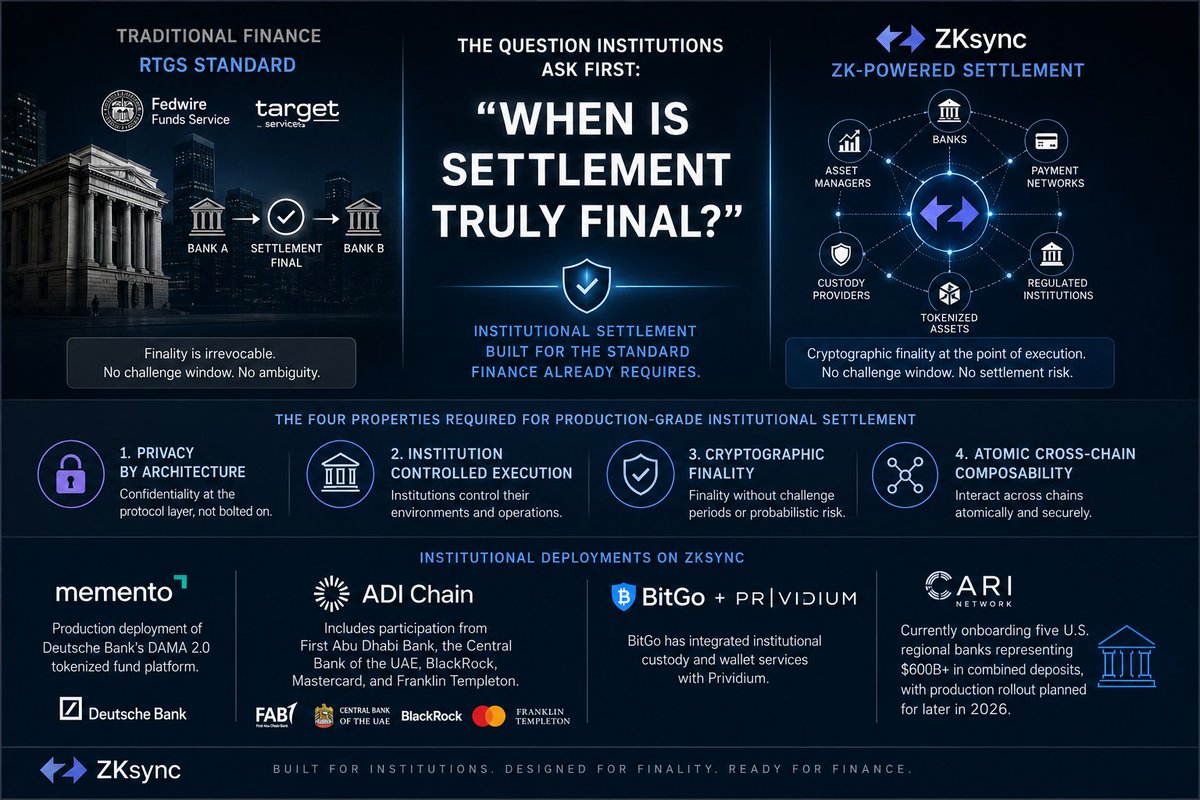
If a bank moves value across critical infrastructure, when is that transaction truly final?
Traditional finance already has an answer. Systems like Fedwire in the United States and TARGET services in Europe established the benchmark decades ago. Once settlement occurs, it is final. No waiting period. No challenge process. No ambiguity about ownership or completion.
That standard shapes how institutions evaluate every new settlement rail.
Which is why I think the conversation around institutional blockchain adoption is often framed incorrectly.
The real challenge is not creating a faster blockchain.
The challenge is creating infrastructure that satisfies the operational, compliance, and risk requirements of institutions while preserving the advantages of blockchain technology.
That is why the developments around @zksync stand out to me.
Deutsche Bank's Memento is the production deployment of DAMA 2.0, its institutional tokenization platform.
ADI Chain brings together participants including First Abu Dhabi Bank, the Central Bank of the UAE, BlackRock, Mastercard, and Franklin Templeton.
BitGo has integrated institutional custody and wallet services with Prividium.
Cari Network is currently onboarding five U.S. regional banks representing more than $600B in combined deposits, with production rollout planned for later in 2026.
What interests me is not any single deployment.
It is the pattern.
Different institutions operating in different jurisdictions appear to be converging around a similar set of requirements:
• Privacy built into the architecture itself
• Institution controlled execution environments
• Strong settlement assurances
• The ability to interact across chains without introducing unnecessary complexity
Viewed through that lens, the discussion becomes less about individual announcements and more about infrastructure design.
Another aspect I find notable is the integrated nature of the stack. From Airbender at the proving layer to ZK Stack and Prividium, the approach is not simply about connecting separate components. It is about coordinating privacy, settlement, security, and interoperability within a unified architecture.
Whether that ultimately becomes a lasting advantage will depend on execution and adoption over the next several years.
History shows that technical leadership alone does not create standards.
Networks do.
The reason SWIFT became important was not because it existed. It became important because institutions kept joining it, making participation more valuable for everyone already connected.
That is the dynamic I am watching in 2026.
Not whether institutions are exploring blockchain infrastructure.
They clearly are.
The more interesting question is whether early institutional deployments can compound into durable network effects before competing architectures reach similar levels of maturity.
One question I still have for people building in this space:
Can privacy by architecture and atomic composability scale together without introducing new trust assumptions between systems?
I think that question sits near the center of the institutional settlement conversation, and I would be interested in hearing thoughtful counterarguments.
33
11
119
2,384
Narrative Signals retweeted

Jun 13
Why are banks quietly making a decision in 2026 that could lock in the next decade of finance?
Because this isn’t about crypto anymore. It’s about settlement rails.
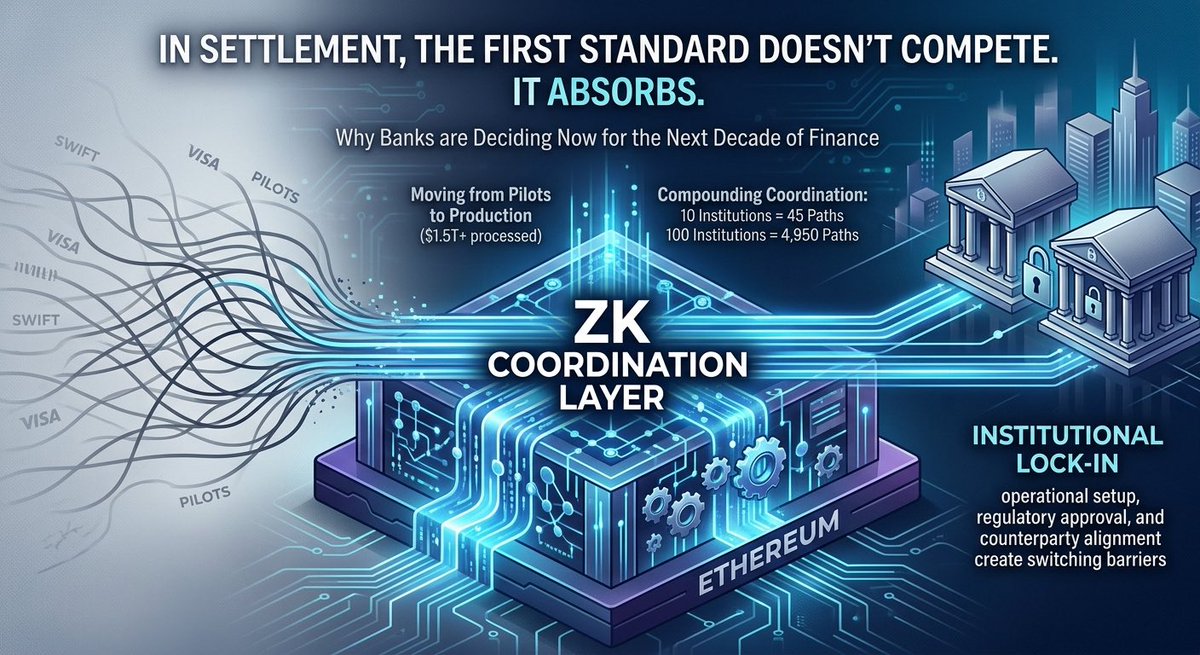
Right now, institutions are moving from pilots to production. JPMorgan’s Kinexys has already processed over $1.5T in transactions, and global market infrastructure players are actively testing tokenized assets and on-chain settlement models. The real shift is that these systems are no longer experimental, they’re becoming coordination layers.
What’s being decided now is simple: which infrastructure becomes the default way value moves between institutions.
And in settlement, first-mover advantage compounds.
Once a bank integrates, it doesn’t just add a connection… it adds years of operational setup, regulatory approval, and counterparty alignment. That makes switching later expensive in ways that are not purely technical.
This is why networks like SWIFT and Visa became dominant. Not because they were perfect, but because every new participant made the network more valuable, and leaving it became harder over time.
At 10 institutions you have 45 settlement paths. At 100, you have 4,950. That’s not linear growth, it’s compounding coordination.
This is the context @zksync is positioning into.
The challenge for institutional settlement isn’t just speed or scale, it’s “privacy, interoperability, and compliance working together without fragmenting liquidity”.
@zksync is building infrastructure designed around those constraints, including privacy-preserving execution and institutional-grade interoperability anchored to Ethereum.
So the real question isn’t who builds the fastest chain.
It’s who becomes the default coordination layer banks lock into while the system is still being defined.
Because in settlement infrastructure, the first standard doesn’t compete with others.
It absorbs them.
65
14
96
3,622
Narrative Signals retweeted

Jun 13
24
30
71
2,765
Narrative Signals retweeted

Jun 13
The official FIFA WC on-chain sprint is live and people are already grinding. Do not miss the day 1 pack drop ⚽
Jun 11
THE WORLD CUP™ ‘26 SPRINT IS LIVE.
Claim your Predictstreet Card to enter now: sprint.adipredictstreet.com
Open daily packs, build streaks, & climb the leaderboard to win FIFA World Cup 2026™ tickets.
Finals. Semi-finals. And more.
Here’s how the Sprint works ↓
18
10
22
117