
Crypto = Liquidity.
Joined February 2015
- Tweets 8,698
- Following 813
- Followers 726
- Likes 18,195
1,197 Photos and videos



Pinned Tweet

Mar 13
Attached are two key questions that I had in regards to $TX and #RWA. Answers derived from Vision and White Paper.
- What happens when a company tokenizes an asset on $TX?
When a company issues tokenized real-world assets (real estate, equity, royalties, etc.), it creates Smart Tokens on the $TX blockchain.
The protocol supports:
•Minting
•Burning
•Compliance controls (whitelisting, KYC, freezing)
•DEX trading pairs
$TX functions as the base infrastructure token.
- What happens to $TX when companies use the network?
Companies interacting with $TX will use $TX in several ways:
1️⃣ Gas / transaction fees
Every action requires $TX:
•token issuance
•transfers
•trading
•smart contract execution
This creates constant transactional demand.
⸻
2️⃣ Liquidity pairing
RWA tokens traded on the $TX DEX may require:
•$TX trading pairs
•market maker liquidity
This increases utility demand.
⸻
3️⃣ Staking requirement
Institutions may stake $TX to:
•operate validators
•participate in governance
•secure the network
This locks tokens out of circulation.
⸻
4️⃣ Compliance / token modules
Enterprise tokenization features use $TX infrastructure:
•programmable compliance
•issuance modules
•marketplace infrastructure
This creates ongoing operational demand
3
8
47
2,733
IL GALLO retweeted

🚀COMING SOON!🔥 $TX
We are excited to announce that @txEcosystem will be listed on @BiconomyCom! The #TX / #USDT spot trading pair will be available soon!🔥
About #TX:
TX is a purpose-built blockchain ecosystem powering the tokenization of real-world assets and private market opportunities. Through regulated infrastructure, global distribution channels, and integrated marketplace technology, TX enables issuers to bring assets on-chain and connect with investors worldwide. The platform supports tokenized equities, commodities, real estate, funds, and alternative investments while maintaining a strong focus on compliance and accessibility. TX’s mission is to make global capital markets more efficient, transparent, and accessible by creating the foundation for the future of tokenized finance.
Full details👉biconomy.zendesk.com/hc/en-u…
#BiconomyCom #BIT #Crypto #Blockchain #Trading #cryptomarket #cryptocurrency #cryptonews #cryptocurrencies #web3

11
35
76
1,556
IL GALLO retweeted

Jun 17
JUST IN: 🇺🇸 Fed Chair Kevin Warsh says the Federal Reserve has officially dropped forward guidance.
278
466
6,224
842,686
IL GALLO retweeted

Jun 17
Iran's Foreign Ministry Spokesperson: The US has committed to cancel all types of sanctions on Iran based on a schedule that will be discussed in upcoming talks - SNN.
2
9
48
13,555

IL GALLO retweeted

the greatest life hack is being delusionally optimistic.
believe your dreams are already accomplished. feel like they've already worked out. and start acting like it.
stop panicking, worrying, craving in desperation.
it's already yours.
10
78
813
20,739
Jun 17
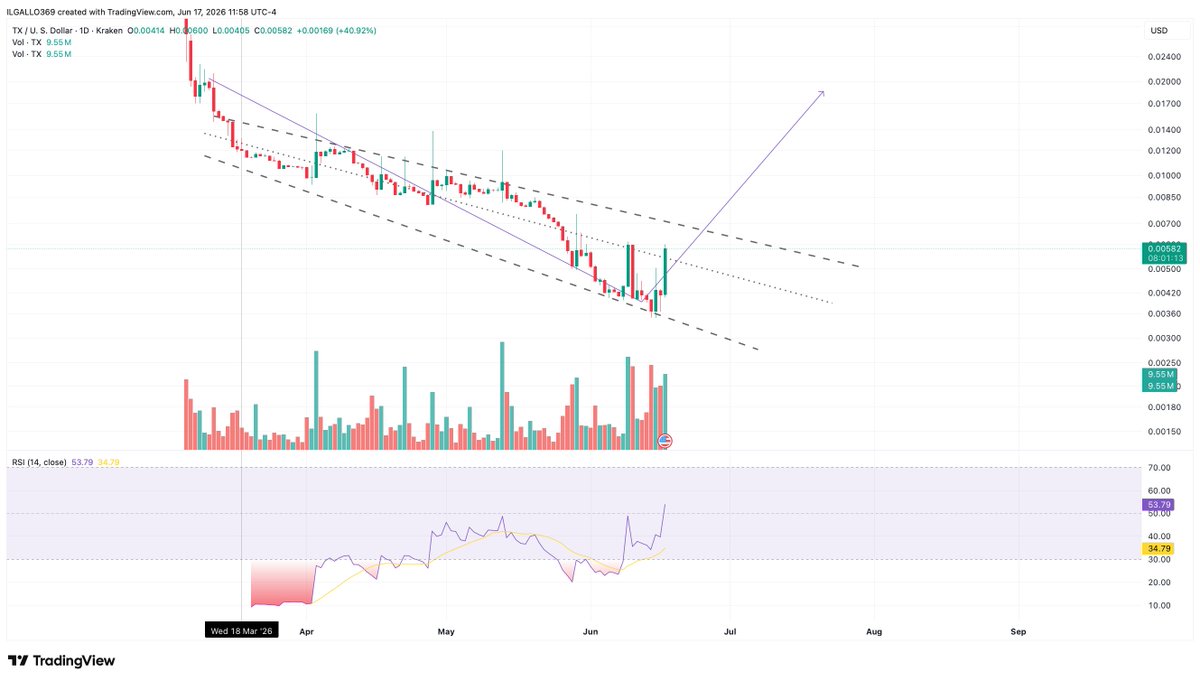
Haters gonna hate tx:native
Jun 16
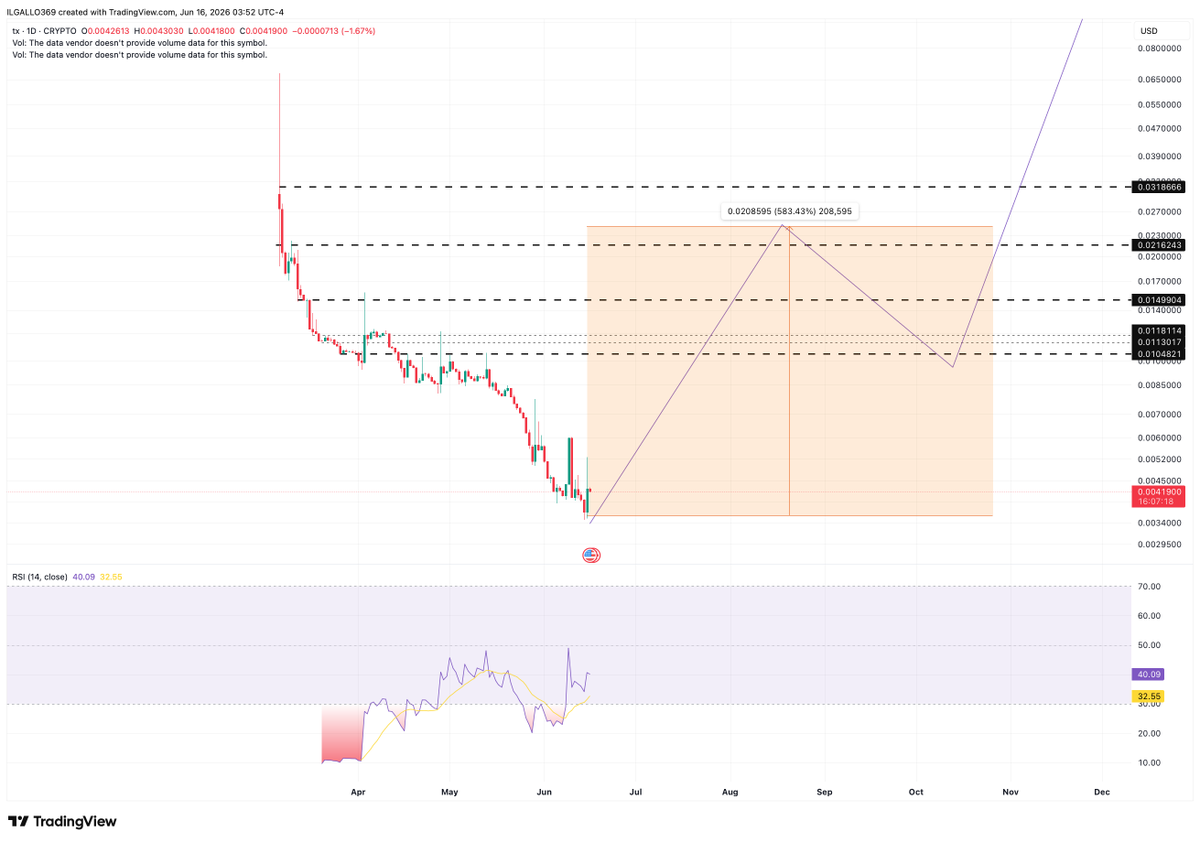
Since Inception the Daily RSI has not crossed 50. If that were to occur, would not be surprised to see price action for tx:native to knock 0.015 - 0.025
2
2
29
844
IL GALLO retweeted

Jun 16
We’ve been building something.
not telling you what yet.
but it’s fast

18
17
97
4,287
Jun 16
Since Inception the Daily RSI has not crossed 50. If that were to occur, would not be surprised to see price action for tx:native to knock 0.015 - 0.025
1
1
11
3,373
Jun 16
Jun 7
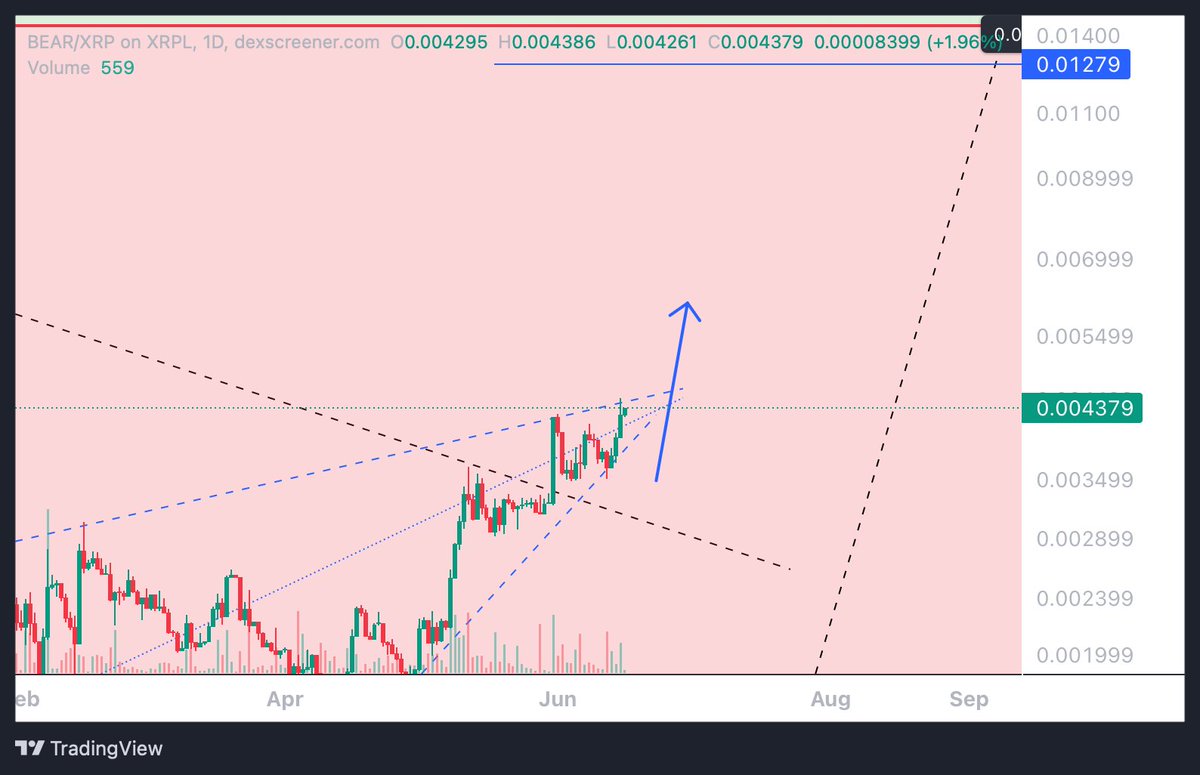
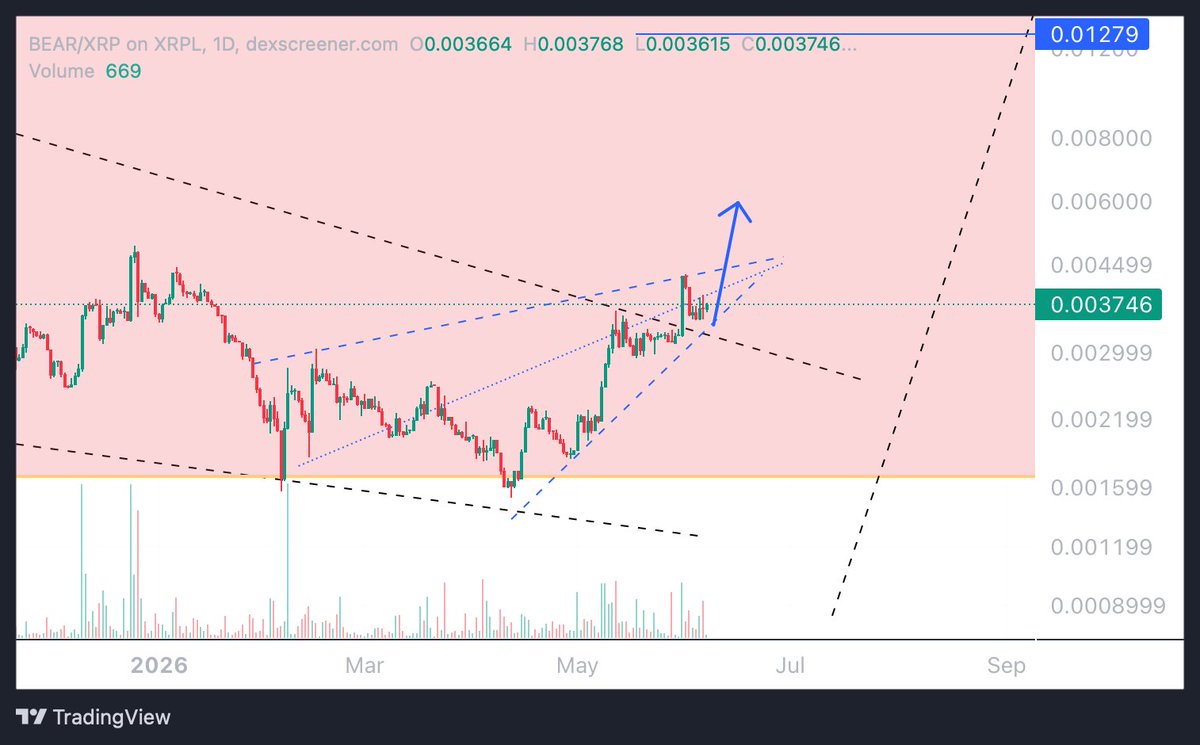
$BEAR is just waiting to come out of its cave. I'm estimating a 5x is realistic short-medium term. #XRPL #XRPmeme #Memeseason
82
Jun 15
✅

2
39
IL GALLO retweeted
Jun 14
JUST IN: UK, France, Germany and Italy ready to lift sanctions on Iran following peace deal with US.
369
1,262
12,478
554,958
IL GALLO retweeted
Jun 14
Something is moving beneath the surface.
Not Yet.
22
15
75
3,968
IL GALLO retweeted
Jun 14
Trump: we are very close to agreement that will bring peace to region, including Lebanon, and all sides should stand down
26
34
362
61,188