
New to X - not to the business -PR, HRIS, HCM systems whisperers, vendors don’t want you to follow. See behind the sales pitch.
Joined January 2026
- Tweets 90
- Following 330
- Followers 34
- Likes 107
4 Photos and videos



Pinned Tweet

Jun 4
HR leaders, you’ve seen many of these posts calling out “green dashboards = AI success.”
It’s half right.
But here’s what they’re not saying:
For those shiny outcomes (faster onboarding, zero admin drudgery, real compliance wins) to actually happen… you have to connect HR Payroll ERP productivity tools benefits the rest of the tech spaghetti.
That’s not a “nice-to-have.”
That’s months of heavy lifting, data mapping, API battles, testing, and ongoing maintenance most vendors gloss over.
The pitch looks effortless.
The reality is a full digital transformation project.
At @navis_delta
we see what’s underneath the nicely packaged pitch.
We read between the tea leaves.
So when you’re evaluating AI for HR, stop asking: “How many logins this month?”
Start asking:
What does real integration with my exact stack actually look like? Who’s doing the heavy lifting after the sales call? Show me the before/after numbers from a customer with my same mess of systems.
Because the winners aren’t the ones with the prettiest dashboard.
They’re the ones who actually made the connections work.
What’s the biggest integration headache in your stack right now? Drop it below
#HRTech #FutureOfWork #AIinHR #PeopleOps #HRLeadership

Logins went up. Adoption is trending green. The dashboard looks great.
And your HR outcomes look exactly the same as they did six months ago.
Adoption is not a business outcome. It never was.
The organizations pulling ahead aren't measuring who opened the platform. They're measuring what changed because of it. Time-to-productivity for new hires. Hours of admin work that no longer exist. Compliance tasks that were completed — not just got assigned.
The shift isn't from old HR to AI HR. It's from AI as a tool your team uses to AI as infrastructure your business runs on.
One of those gets tracked in a dashboard. The other shows up in your numbers.
Which one is your organization actually measuring right now?
#HRTech #FutureOfWork #AIinHR #PeopleOps #HRLeadership
56
The teams that document “nothing went wrong” during open enrollment or a big release are the ones who can actually justify headcount and budget later.
Most teams only get noticed when something breaks.
If you lead an HRIS or payroll team, start capturing the invisible work now. It matters.
3
Most modern HCM systems handle the federal SS wage base automatically. Problems typically surface with:
- Manual off-cycle payments
- Large one-time bonuses
- Multi-state employees (different state unemployment wage bases)
Q3 audit suggestion: Run a projection report of employees likely to hit $184,500 and verify the system is stopping withholding correctly.
2
Poll:
What’s the biggest post-go-live surprise that still haunts your team?
A) Reports that were “working” in testing but broke in production
B) Tax filings or remittances that suddenly needed manual fixes
C) Integrations that required daily babysitting
D) Employees asking “where did X go?” for months
3
Jun 15
One of the most expensive patterns I see: organizations treating the first 30–60 days like “we’ll figure it out after go-live.”
That’s not a strategy. That’s expensive discovery.
Which Delta Trap are you seeing play out in real time right now? Quote tweet it. @HRTechConf
5
Jun 15
Recent conversations keep circling the same truth: it’s rarely the #software that sinks an #implementation.
It’s compressed testing for fake deadlines, change management getting deprioritized the first time budget gets tight, and key stakeholders not being in the room when the real decisions get made.
Sounds familiar?
1
Jun 15
The 2026 @SocialSecurity wage base is $184,500. Once an employee reaches that amount, the 6.2% employee (and employer) portion stops being withheld for the rest of the year.
In Q3, pay close attention to the timing of large bonuses, commissions, or variable pay. A single large payment can push someone over the limit and change tax treatment.
How are you doing this today? Can your payroll system handle this automatically or do you have to manually track? Let us know.
22
Jun 14
#Implementation reality check: The organizations that will have clean, low-stress 2026 year-end reporting are the ones treating the new W-2 requirements as a mid-year configuration and data project and not a January scramble.
If you’re in the middle of an HCM implementation or optimization right now, make sure “qualified overtime tracking new Box 12 codes (TP/TT)” is on the requirements list.
2
Jun 13
Tipped employees add an extra layer with the new occupation codes in Box 14b. You need clean master data identifying which employees are in qualifying tipped occupations and map that correctly in your system.
This is classic HCM data quality work that often gets deprioritized until W-2 season becomes chaotic.
8
Jun 12
For #tax year 2025 there was transition relief (reporting was optional or estimated). That relief ends for 2026.
Accurate tracking must begin January 1, 2026 and continue through the full year. Q3 is your best window to configure, test, and validate the new data flows before year-end pressure hits. (see previous posts)
P.S.: Don't loose sight of the upcoming Open Enrollment season, we jokingly call #HR "hurricane season". Another time drain. Prepare early folks!
7
Jun 11
The new reporting supports the temporary deductions for qualified #tips and the premium portion of #overtime pay.
Only amounts that meet the specific “qualified” definitions get reported with these codes. Most legacy #HCM configurations were never built with separate tracking for “qualified overtime” vs. regular overtime.
Q3 project recommendation: Add the required fields and test a full pay period (or quarter) now while you still have time.
14
Jun 10
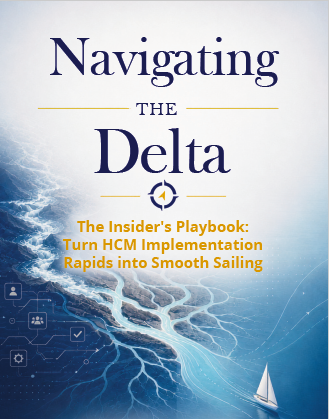
Cover drops in the next few days.
Once it’s ready I’ll start sharing more of the specific frameworks, checklists, and Delta Trap stories from the book.
For now, if any of these posts are hitting something you’re living through, quote post and say so. It helps more than you know. Many thanks!
7
Jun 10
Starting with tax year 2026 W-2s, employers are required to separately report qualified overtime compensation and qualified tips using new Box 12 codes:
1. Code TT = Total amount of qualified overtime compensation
2. Code TP = Total amount of cash tips reported to the employer
3. Box 14b = Treasury Tipped Occupation Code(s)
If your HCM, time & attendance, or #payroll system isn’t set up to capture and segregate this data cleanly today, you will face painful reconstruction work in December.
8
Jun 10
The first 90 days after #project go-live is the time when you discover everything you rushed or assumed.
The teams that handle this well, keep a small core group focused, maintain a living “things to improve” list, and stay in close contact with support and their consultant while they still have leverage.
Most teams disband the project group the week after #golive and then wonder why everything feels chaotic.
How did your last post-go-live period actually go?
#ProjectManagement
7
Jun 9
One #retail chain with 12 locations rushed their location strategy and setup to stay on the vendor timeline.
Six months later every multi-state payroll report was wrong, workers’ comp audits failed, and they spent big money and four months fixing it.
Foundational decisions don’t feel urgent until they become the only thing you’re working on. @HRTechConf
9
Jun 9
Quick Q3 2026 #compliance pulse check most teams skip:
1. Confirm every exempt employee still meets both the salary test AND the duties test under the restored $684/week rules.
2. Verify your HCM system’s overtime eligibility logic reflects the current federal applicable state mix.
3. Document the review date and findings.
This is the quiet work that prevents expensive wage-and-hour issues later.
8
Jun 8
We’ve spent the last several months turning everything we saw across hundreds of implementations into a practical map.
It’s called "Navigating the Delta".
It drops July 4th.
More on the specific traps and how to avoid them coming in the next couple weeks.
4
Jun 8
The DOL’s May 14, 2026 action was a technical amendment — it removed the vacated 2024 regulatory language and republished the operative 2019 text.
Enforcement posture returns to the more established framework, but the practical Q3 work remains the same: re-validate classifications, update HCM configurations, and document your review process.
5
Jun 8
If you’re the #payroll expert practitioner carrying the HCM implementation while still running payroll… I see you.
You’re not failing. You’re being asked to do something that’s structurally unreasonable for one person.
The ones who survive protect their calendar like it’s a client deliverable. Block the time. Document the decisions. Ask for help redistributing the small daily tasks.
What’s one thing that’s helped you (or could help you) protect your bandwidth on these projects?
4
Jun 7
A healthcare client accepted the vendor’s “Phase 1 simplification” on locations and tax groups.
After go-live they spent months manually fixing W-2s and tax remittances.
Final bill: over $250k in penalties and rework.
Some shortcuts aren’t shortcuts. They’re long ways around. @PayrollOrg
10