Take on the #TeamTalkChallenge and tell us how your team will use your Power for Good to stand up to bullying as part of #AntiBullyingWeek 2025✨
📅 Submit by Wed 16 July, 5pm via your school, youth club or sports coach!
Let your voice be heard 👇
Really pleased that this strong & ambitious Police and Crime Plan makes the explicit commitment to #ChildFirst building on the important work of @NealHazel & others that sets out what this could look like for MOPAC & in policing.
The @MayorofLondon has published his Police and Crime Plan 2025-29, setting out his priorities for making London safer for all. Read the Plan here: london.gov.uk/programmes-str…
"It is essential that those who work with children, work to the most up to date evidence base, called Child First, to ensure we do all we can to prevent children offending. This is crucial to building safer communities with fewer victims."
The @ChildrensComm has published a report on children's involvement in the disturbances in 2024.
Steph Roberts-Bibby, Chief Executive of the YJB, says:
"We welcome the Children’s Commissioner’s report discussing the involvement of children in last summer’s disturbances. 👇🧵
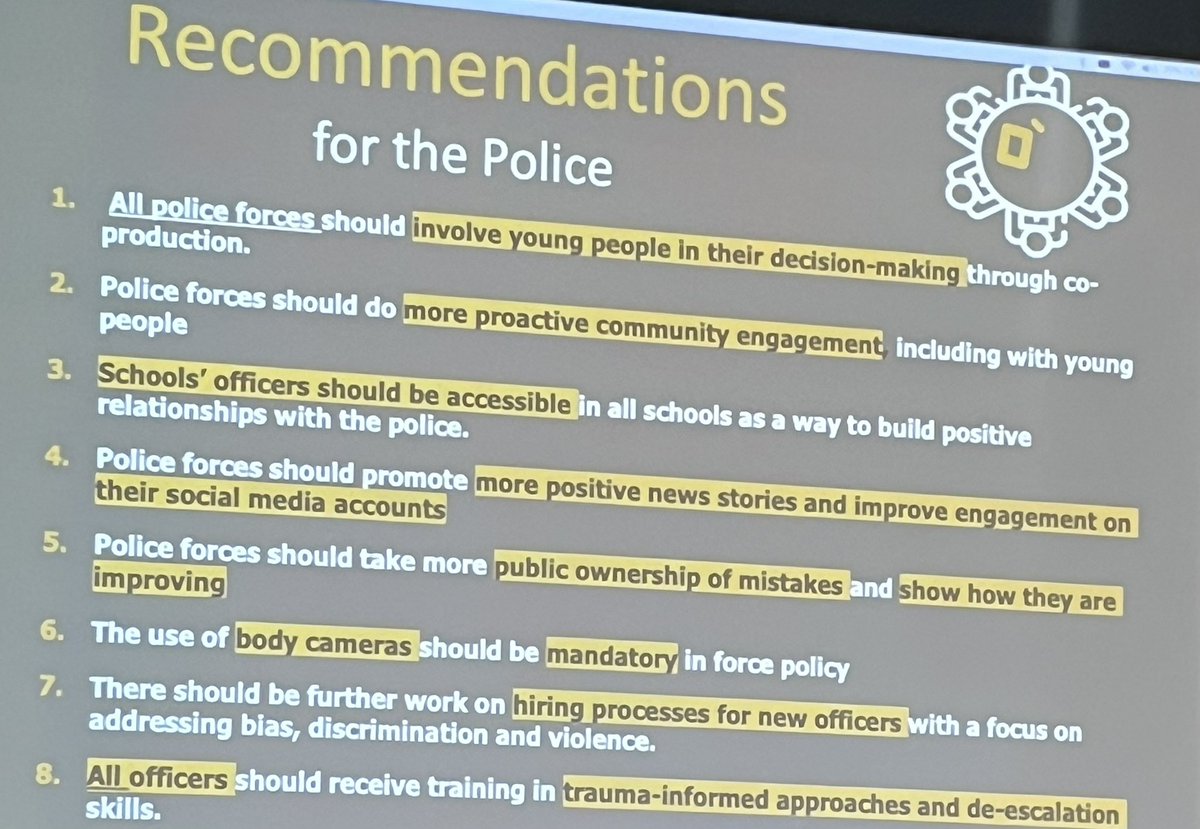
The Met have made a commitment to Child First in their Children’s Strategy. Details of what this could look like in practice is explored by @NealHazel & colleagues in this report. If the police want to rebuild trust with children, this evidence summary is key & is relevant beyond London. london.gov.uk/sites/default/…
This is such an important piece of work which really leads the way for #ChildFirst in policing & police oversight.
Huge thanks to @NealHazel & his colleagues for their work on this.
I do hope all with an interest in children & policing read it.
Really pleased that this comprehensive research led by @NealHazel has been published alongside the draft Police & Crime Plan. The report sets out considerations for both MOPAC & the Met Police as part of the commitment to #ChildFirstlondon.gov.uk/sites/default/…
#WorldChildrensDay asks us to listen to the future: children. We’re proud of the work we do at NCB so children and young people can speak directly to policymakers and share their needs and priorities. Find out more about #WCD2024: buff.ly/2EomBno
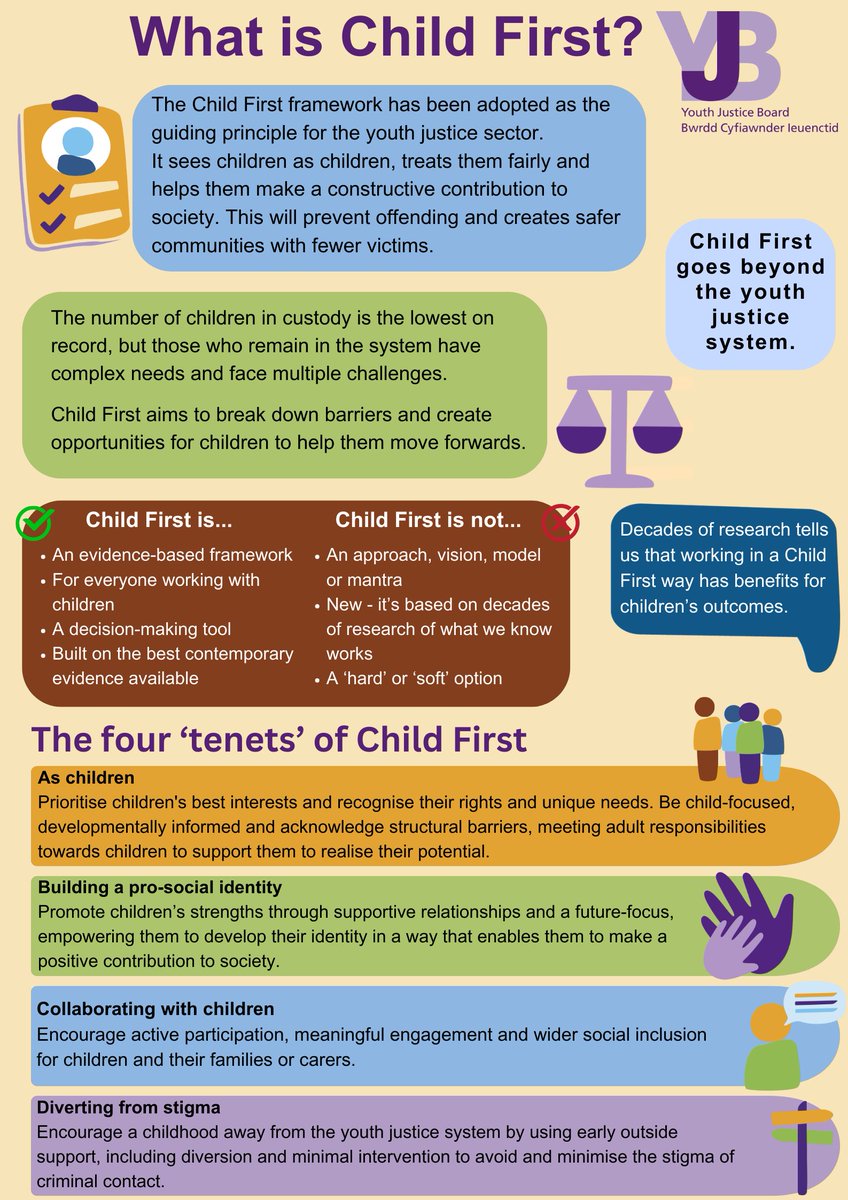
What is Child First?
Our new infographic is a handy visual guide to help you understand Child First and its four key parts 🎨
Please do share with colleagues that would find this useful! ⬇
#WorldChildrensDay#ChildFirst
It's the start of Children's Grief Awareness Week, which runs until Nov 24. This year's theme is #BuildingHope and will highlight work with children, young people & families to build resilience & offer strategies for bereavement support. (1/2) #CGAW24
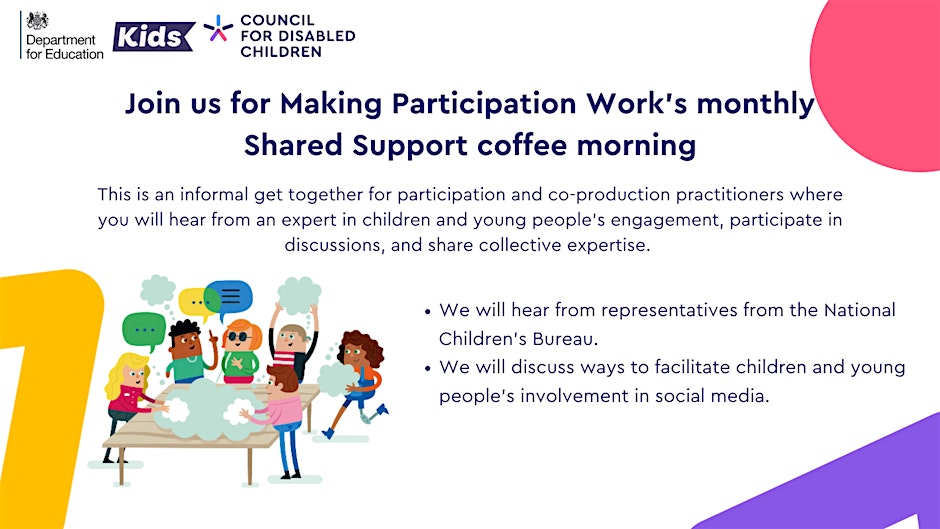
📢Don't miss your chance to book a place at family member @CDC_tweets' next Shared Support coffee morning where we'll be discussing how children & young people help create and shape the National Children’s Bureau’s social media content. Sign up here: buff.ly/48O7y0F
Check out Gateshead YJS's 'Digital Me' series, animated videos co-produced with children with experience of the YJS. 📹
The latest video 'One punch' explores serious violence and restorative justice, have a watch! 👀 👇
#ChildFirstyjresourcehub.uk/digital-me-…
The youth justice system can be difficult to navigate, especially for children and young adults. 🛣
Our Resource Hub has a range of accessible videos and guides designed to share with children and young adults.📽
Check them out!
yjresourcehub.uk/media-centr…#ChildFirst#Resources
In our new blog, Board member @LouiseShorter19 catches up with @NealHazel to discuss all things Child First.✍
Louise asks what we mean by 'positive outcomes', whether #ChildFirst works for all children & how it is contributing to safer communities.💜
gov.uk/government/news/child…
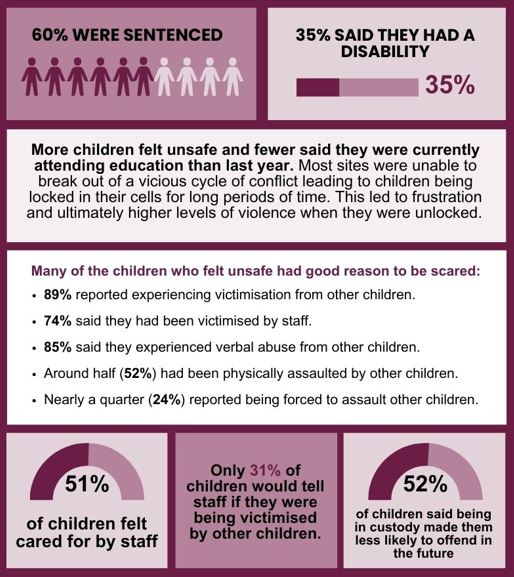
ALT 60% of children were sentenced and 35% said they had a disability.
More children felt unsafe and fewer said they were currently attending education than last year. Most sites were unable to break out of a vicious cycle of conflict leading to children being locked in their cells for long periods of time. This led to frustration and ultimately higher levels of violence when they were unlocked.
Many of the children who felt unsafe had good reason to be scared: 89% reported experiencing victimisation from other children, 74% said they had been victimised by staff, 85% said they experienced verbal abuse from other children, around half (52%) had been physically assaulted by other children and nearly a quarter (24%) reported being forced to assault other children.
51% of children felt cared for by staff, only 31% of children would tell staff if they were being victimised by other children and 52% of children said being in custody made them less likely to offend in the future.
📣 New Publication! My paper on the role of a trauma informed relationship based practice approach to supporting justice experienced girls who are also in care has now been published in the European Journal of Social Work! @tandfonline@UoS_HealthSoctandfonline.com/doi/full/10.…
The @HMIPrisonsnews annual survey of kids in YOI/STC is a staple for policy & academia.
This year's Intro will be widely cited. @charlie_taylor6 describes sites' "viscous cycle of conflict", w/ kids feeling uncared-for. He calls for key regime changes.
hmiprisons.justiceinspectora…