Postdoctoral Scholar @VCUHealth | Formerly @HarvardMed | Global Lead @Global_Nsurg | #Neurology #Neurosurgery | Instructor @NegidaAcademy

Joined November 2013
629 Photos and videos
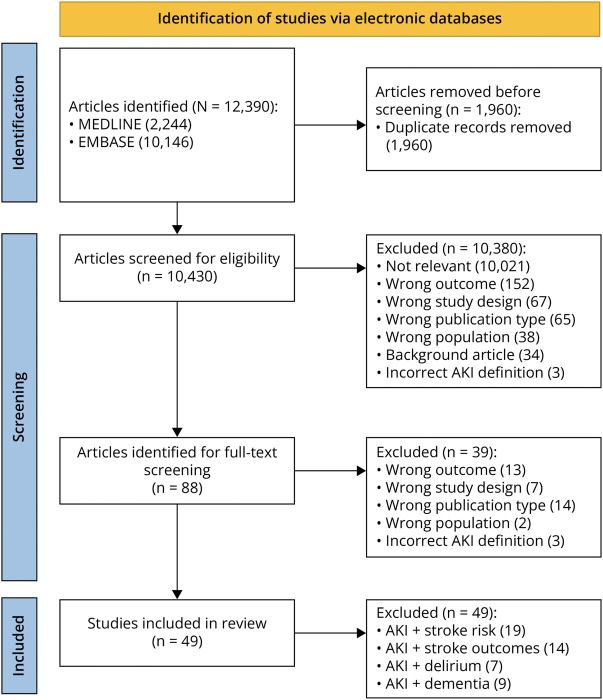
A new systematic review and meta-analysis in Neurology examines whether acute kidney injury (AKI) signals elevated risk to the brain. Across 49 studies and more than 11.2 million participants (over 1.27 million events), AKI was associated with higher risk of dementia (pooled adjusted HR 1.64, 95% CI 1.41-1.89), stroke (HR 1.35, 1.20-1.52), and delirium (OR 1.76, 1.42-2.17), with a graded increase across AKI stages. The findings position AKI as a potential marker of vulnerability to both acute and chronic brain injury and point the field toward mechanisms linking kidney and brain health. doi.org/10.1212/WNL.00000000…
1
3
176
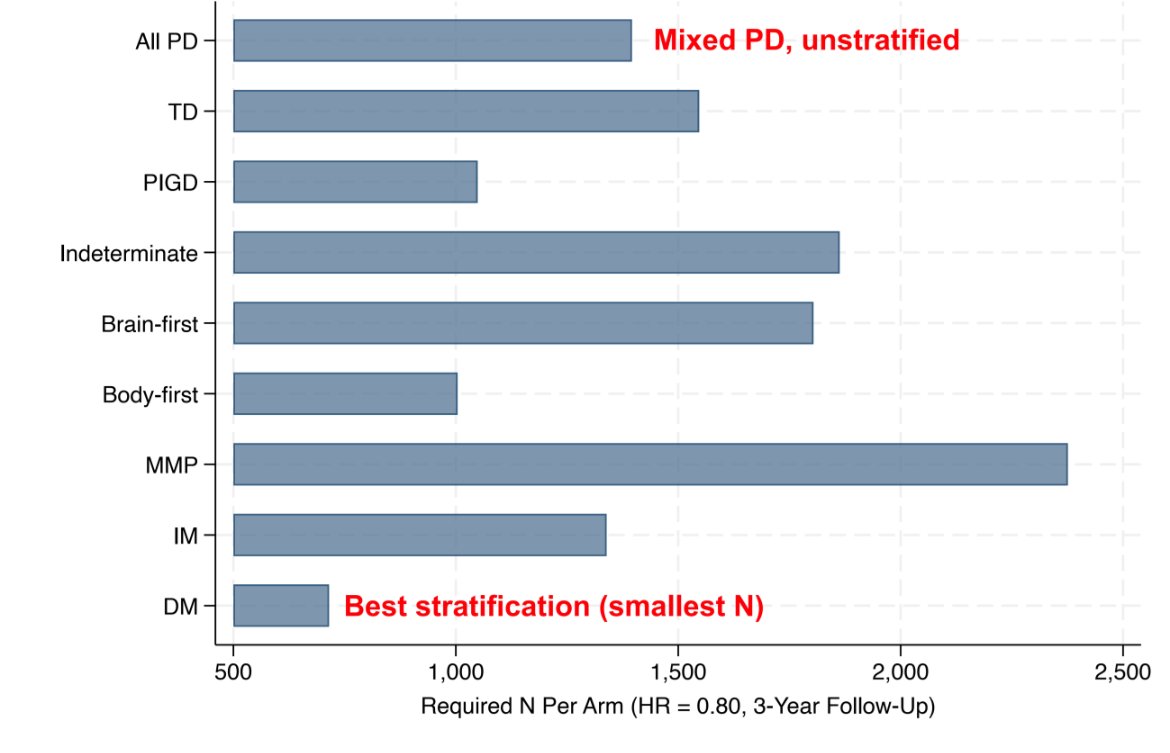
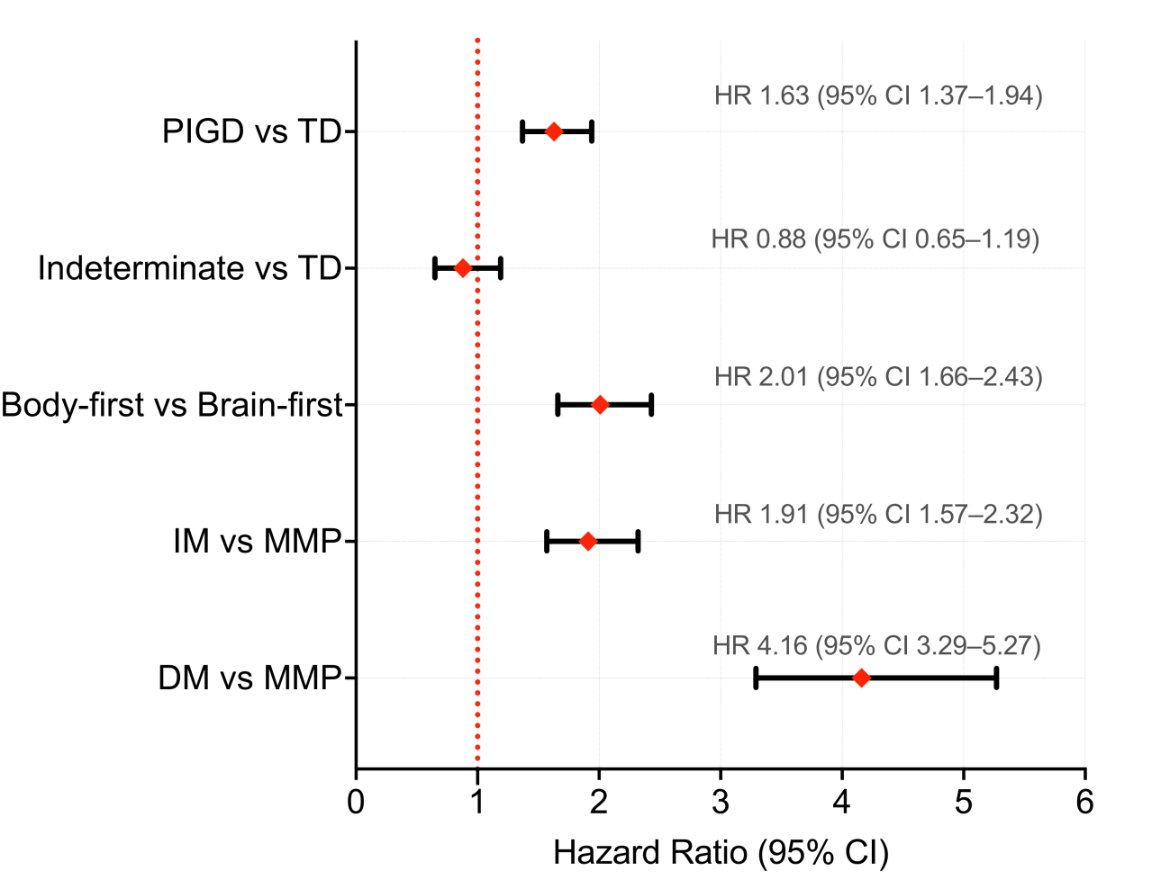
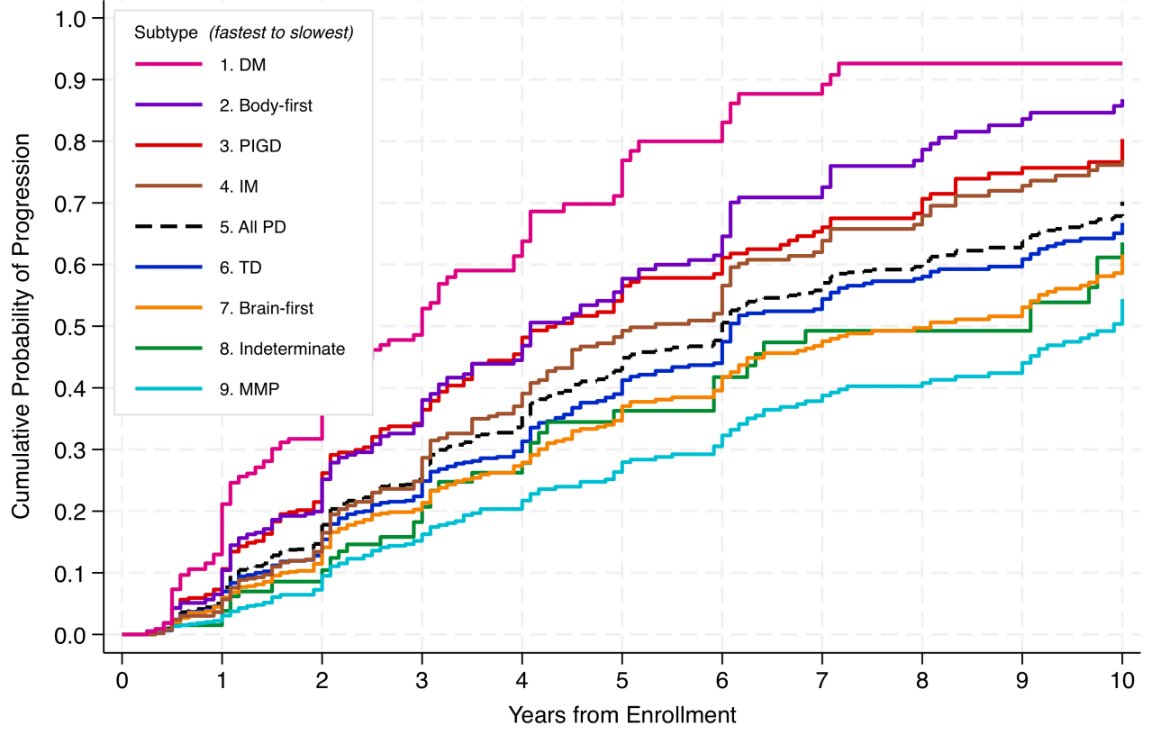
We compared 10-year milestone attainment between subtypes defined by the three common PD frameworks in PPMI.
New paper finds "that data-driven subtyping, particularly the identification of the DM subtype, offers a promising strategy to optimize disease-modification trials in #Parkinsons by capturing patients who meet progression milestones earlier" nature.com/articles/s41531-0…
2
298
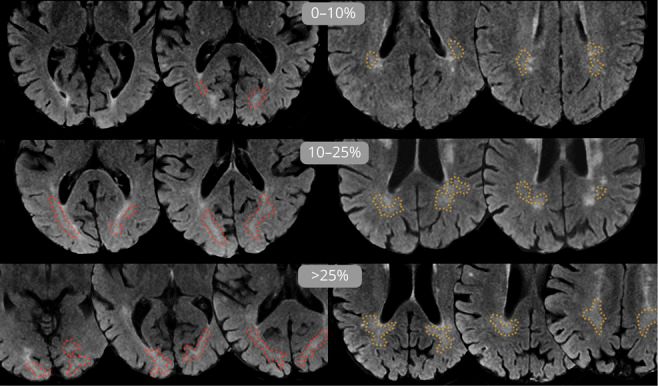
A study in Neurology drawing on the Age-Gene/Environment Susceptibility-Reykjavik cohort tested whether cerebral "dirty-appearing" white matter (DAWM) predicts cognitive outcomes. Among 2,081 community-dwelling older adults with limited baseline small vessel disease burden (mean age 74.6 years, 61% female), baseline DAWM ratings on FLAIR MRI were not associated with baseline cognition, long-term cognitive decline, or long-term dementia riskβ€”unlike white matter hyperintensities, which were. This negative finding helps clarify which imaging markers carry prognostic weight for neurodegeneration and refines how the field interprets subtle white matter changes. doi.org/10.1212/WNL.00000000…
4
207
Ahmed Negida, MD PhD πŸ‡ͺπŸ‡¬πŸ‡ΊπŸ‡² retweeted
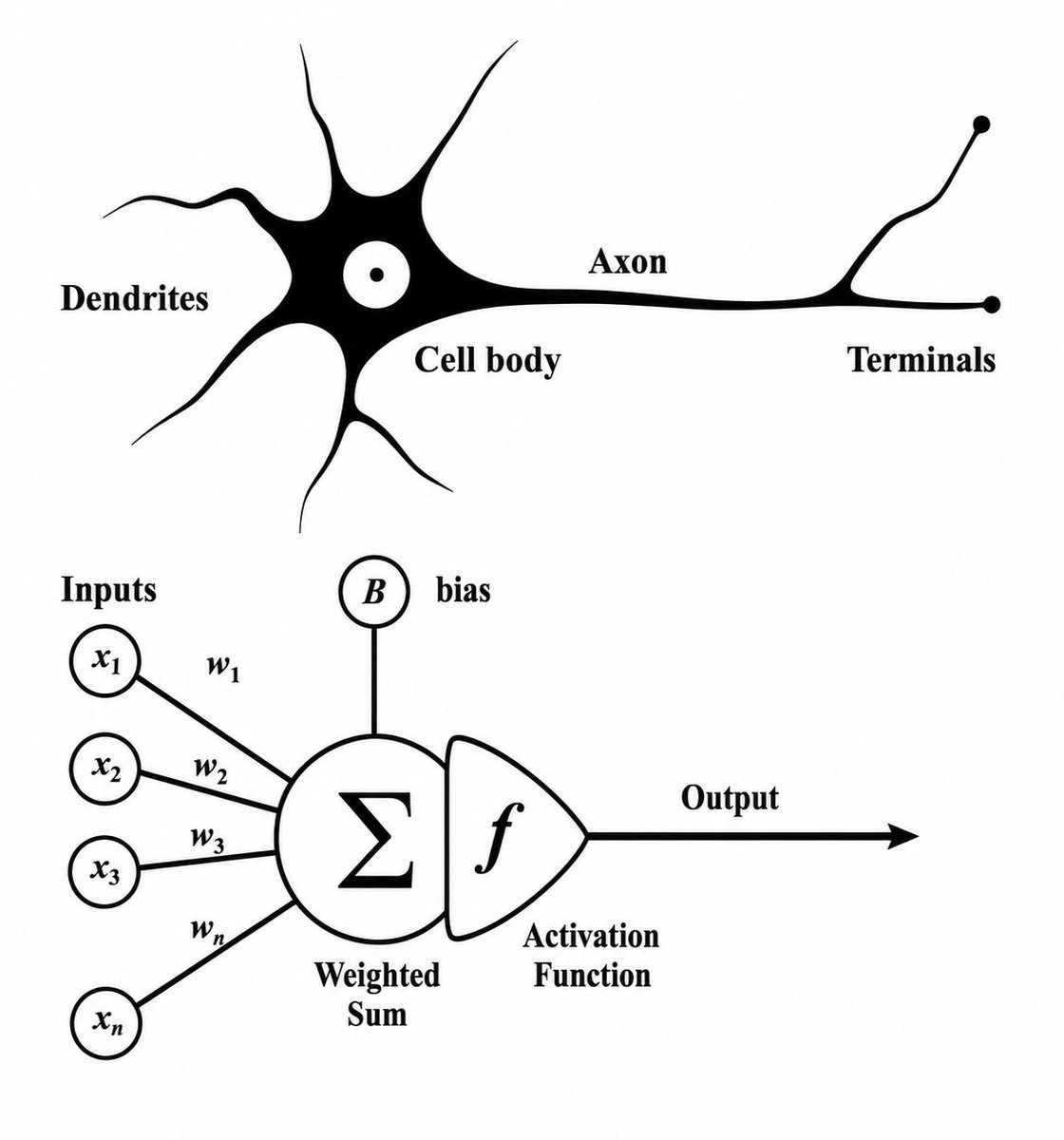
Biological neuron compared to the artificial neuron used in neural networks. - The top shows a biologic neuron: dendrites receive signals, the cell body processes them, the axon transmits the signal, and terminals pass it onward. - The bottom shows an artificial neuron: inputs x₁ to xβ‚™ are weighted by w₁ to wβ‚™, summed with bias B, then passed through activation function f to produce output. This model is the basis for artificial neural networks. It drives applications such as image classification in social media and voice recognition in virtual assistants.
29
378
1,733
49,972
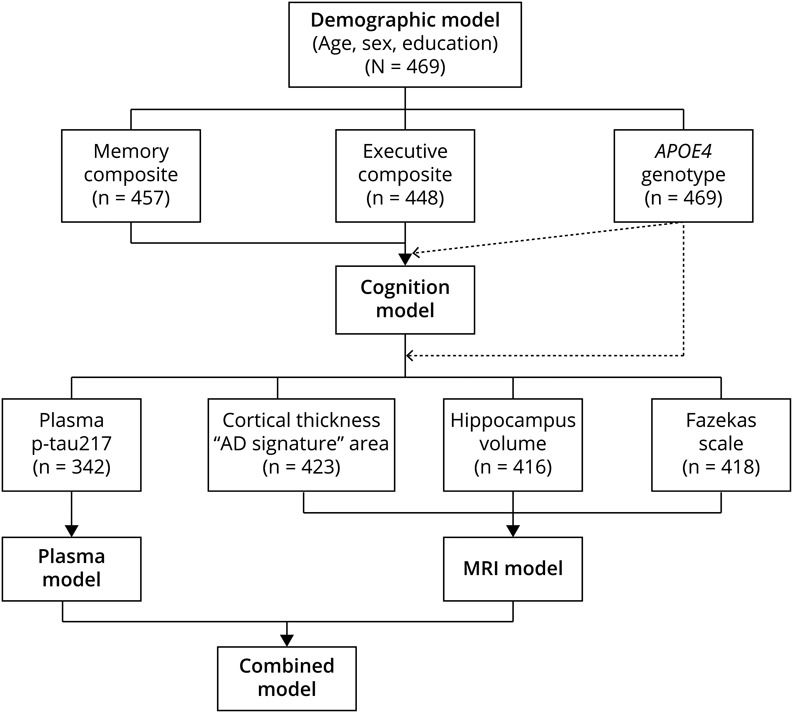
Published in Neurology, this longitudinal analysis of 469 individuals with subjective cognitive decline from the BioFINDER-1 and BioFINDER-2 cohorts (mean age 69.1 years, 51.4% female) examined who goes on to develop dementia. Over a mean 4.0 years of follow-up, 84 participants progressed to dementia, two-thirds of them Alzheimer disease dementia. The work indicates that a clinically feasible multimodal model combining cognitive assessment, plasma p-tau217, and imaging biomarkers improves risk stratification in this early at-risk state. Sharper identification of high-risk individuals advances the design of prevention trials and early-intervention research in the field. doi.org/10.1212/WNL.00000000…
3
226
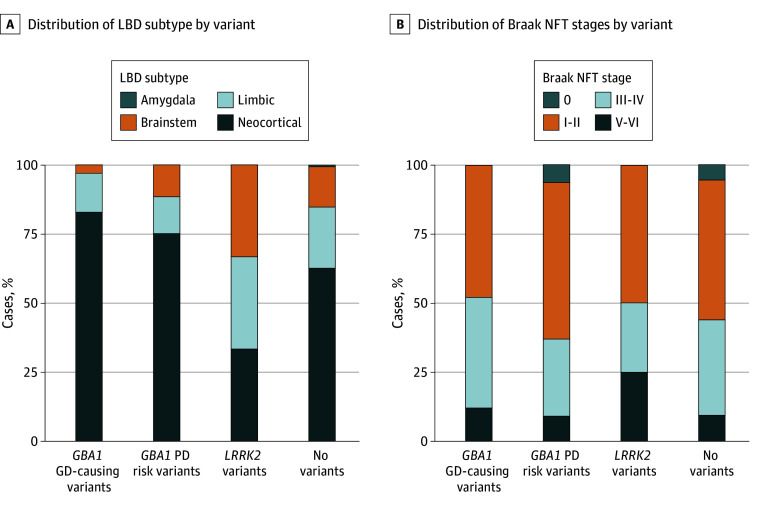
A new study in JAMA Neurology analyzing 3,353 autopsy-confirmed brain donors across 11 brain banks in the UK, US, and Australia advances understanding of parkinsonian disorders. Clinical misdiagnosis rates for movement disorders ranged from roughly 10% to 20%. Dementia with parkinsonism was more strongly tied to Lewy body pathology than Parkinson disease without dementia (OR 1.96; 95% CI 1.30-3.04), and Alzheimer copathology appeared in 40% of Lewy body cases. GBA1 variant carriers showed greater Lewy body burden (OR 1.94), while pathology patterns differed by genetically inferred ancestry. The findings underscore the limits of clinical diagnosis and the value of genetics and neuropathology for the field. doi.org/10.1001/jamaneurol.2…
4
241
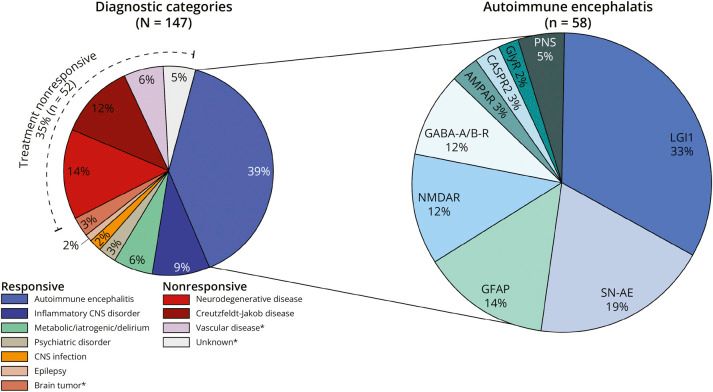
A prospective multicenter cohort study in Neurology examined rapidly progressive dementia (RPD), defined as dementia developing within one year of symptom onset, across centers in the Netherlands. Among 147 patients (median age 67 years), autoimmune encephalitis was the largest diagnostic category, accounting for 39% (58/147) of cases and 61% (58/95) of all treatment-responsive causes. Seizures at first presentation were far more frequent in autoimmune cases than in other diagnoses (34% vs 10%), with anti-LGI1 encephalitis and autoimmune GFAP astrocytopathy predominating. The findings help sharpen early clinical criteria for identifying immunotherapy-responsive RPD, advancing differential-diagnosis research in the field. doi.org/10.1212/WNL.00000000…
1
203
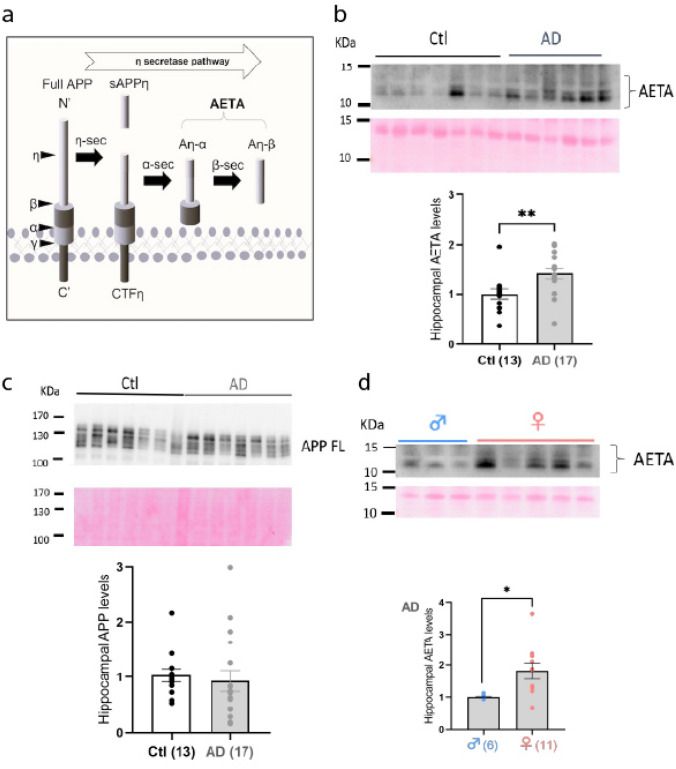
A study in Acta Neuropathologica identifies AETA, a brain-secreted peptide derived from amyloid precursor protein, as a contributor to the early synaptic dysfunction that characterizes Alzheimer's disease. Post-mortem analysis of human hippocampal and cortical tissue showed significantly elevated AETA levels in patients with Alzheimer's disease, notably in females. In a new mouse model with chronically increased AETA expression, female hippocampi showed synaptic gene-expression changes paralleling vulnerable human Alzheimer's brain regions, alongside impaired NMDA receptor signaling, dendritic spine loss, and memory deficits, while males were spared. The work advances understanding of the molecular triggers of synapse weakening in the disease. doi.org/10.1007/s00401-026-0…
1
3
290
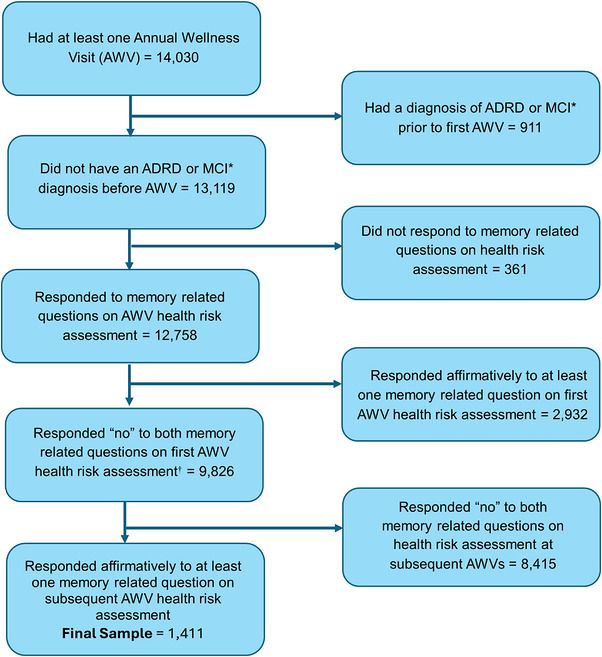
Research published in Alzheimer's & Dementia assessed how often patient-reported memory concerns at the Medicare Annual Wellness Visit receive documented follow-up. Using electronic medical records from an academic health system, the analysis identified 1,411 patients (average age 78, 63% female) who newly reported memory concerns. Follow-up was uncommon: only 5.4% (n=76) received a formal cognitive assessment, 2.1% (n=30) a specialist referral, and 0.4% (n=6) both, with no statistically significant differences by sociodemographic characteristics. The findings point to a missed opportunity to leverage the Wellness Visit for earlier detection of Alzheimer's disease and related dementias. doi.org/10.1002/alz.71576
1
1
4
198
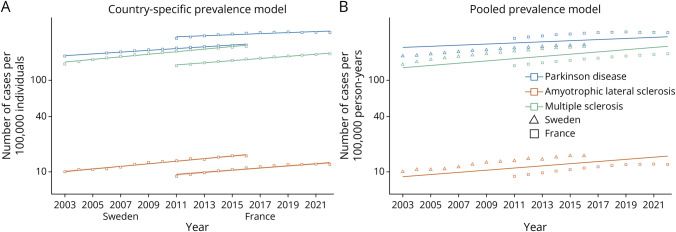
A new study in Neurology examined why the prevalence of major motor neurodegenerative diseases is climbing, using two nationwide cohorts covering all residents of Sweden (2001-2016) and France (2009-2022). Pooled mixed-effects models tracked Parkinson disease, multiple sclerosis, and motor neuron diseases from 2003 to 2022. Annual prevalence rose for all three (Parkinson disease prevalence ratio 1.014 per year), but the drivers diverged: the rising multiple sclerosis prevalence appears largely survival-driven, the motor neuron disease increase reflects a true rise in incidence, and Parkinson disease grew modestly and largely independent of incidence. Distinguishing these mechanisms matters for etiologic research and health-care planning. doi.org/10.1212/WNL.00000000…
1
3
231
A computational study in Brain examines why the entorhinal cortex is the first site of tau pathology in Alzheimer's disease. Combining structural connectivity with neuronal activity (FDG-PET) or amyloid burden (AΞ²-PET), the model was tested on ADNI (527 FDG and 1244 AΞ² scans) and replicated in the Harvard Aging Brain Study. Both models consistently flagged the entorhinal cortex as a primary tau-seeding region (FDG zβ‰ˆ4.6–4.9; AΞ² zβ‰ˆ4.0–8.7), and model-derived seeding predicted empirical entorhinal tau after adjustment for age, sex and APOE4 (AΞ² Ξ²=9.7, P<0.001). The findings support a mechanistic role for neuronal activity and amyloid in initiating tau spread. doi.org/10.1093/brain/awaf37…
3
220
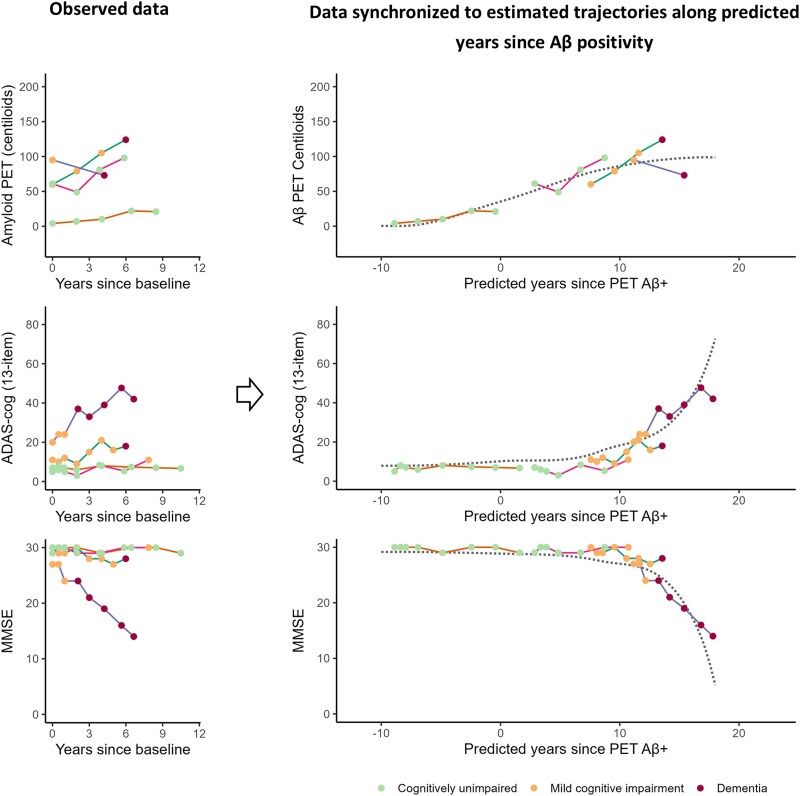
Published in Brain, a disease-progression modelling study estimates the decades-long timeline of Alzheimer's biomarker changes. Using longitudinal amyloid-PET and cognitive data from ADNI (n=1448) and BioFINDER (n=2088), researchers placed patients on a continuous timeline anchored to AΞ²-PET positivity. The model outperformed alternative staging methods, including amyloid and tau PET clocks (all pairwise P<0.05). The interval from AΞ²-PET positivity to end-stage dementia spanned 20–25 years, with a 7–11 year presymptomatic phase; CSF AΞ²42/40 shifted about a year before PET positivity and hippocampal atrophy 14–16 years after. The work advances staging tools for prognosis and trial design. doi.org/10.1093/brain/awaf41…
1
1
7
474
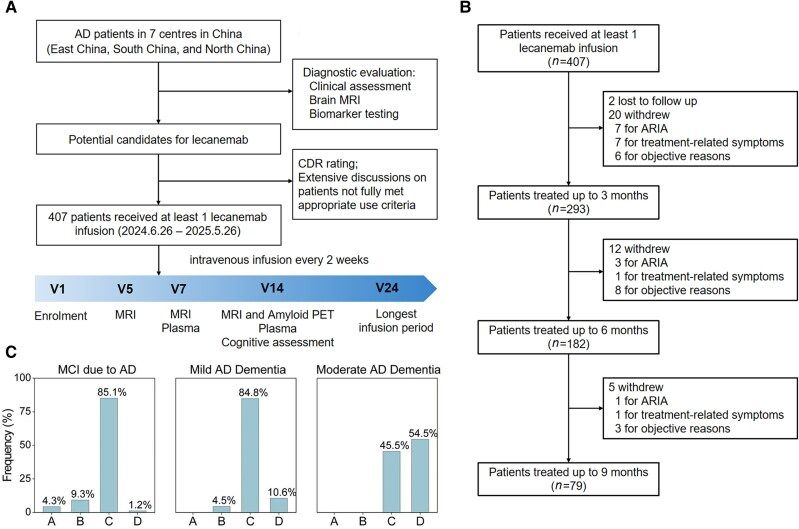
A new multicentre study in Brain reports real-world safety and short-term outcomes of lecanemab, an anti-amyloid antibody, in Chinese clinical practice. Across seven hospitals, 407 patients (mean age 68, 67.6% female, 56.5% APOE Ξ΅4 carriers) received the infusion every two weeks. Treatment-related symptoms occurred in 22.2% and amyloid-related imaging abnormalities in 12.2%, with only seven severe ARIA cases; APOE Ξ΅4 status was not linked to adverse events. After six months, biomarkers improved and cognition stayed stable. The findings extend safety evidence for anti-amyloid therapy to a previously understudied population and inform global treatment research. doi.org/10.1093/brain/awaf42…
1
4
329
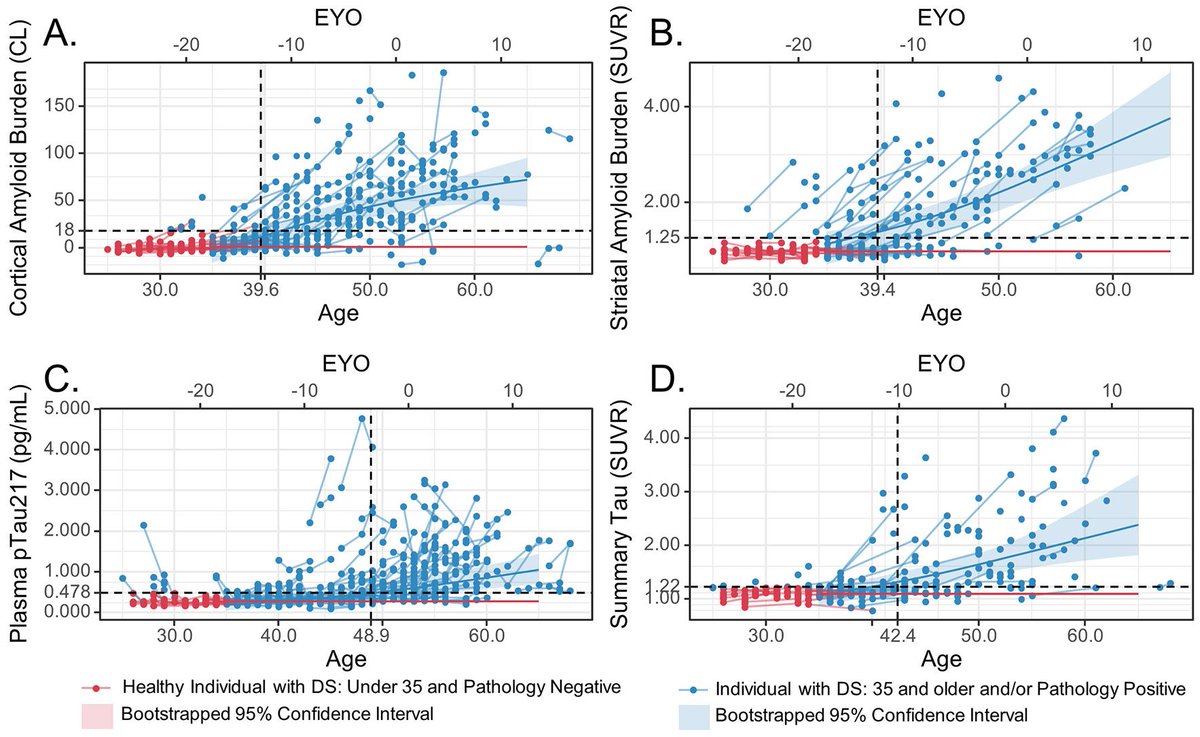
Published in Brain, this longitudinal study examines early biomarkers of Alzheimer's disease pathology in Down syndrome, where triplication of chromosome 21 drives near-universal amyloid and tau accumulation. Analyzing 328 individuals from the Alzheimer Biomarker Consortium-Down Syndrome study with serial amyloid PET, tau PET, and plasma pTau217, researchers modeled the relative timing of biomarker changes. Imaging biomarkers rose around age 40, with plasma pTau217 increasing somewhat later. Notably, age alone was as sensitive as plasma pTau217 for detecting preclinical pathology and predicting future amyloid and tau accumulation. The authors suggest screening adults with Down syndrome shortly before age 40. doi.org/10.1093/brain/awaf41…
1
4
281
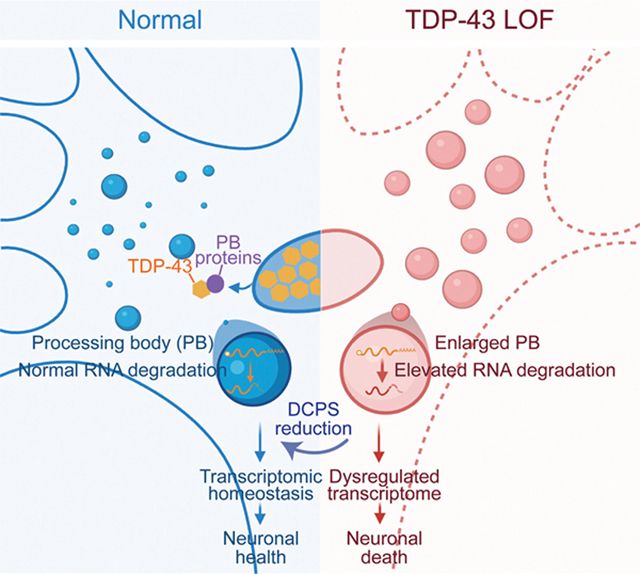
A new study in Neuron advances understanding of TDP-43 proteinopathy, the protein pathology shared across ALS, frontotemporal dementia, and Alzheimer's disease. Using CRISPR interference screening in human neurons, researchers identified the decapping scavenger enzyme DCPS as a genetic modifier of TDP-43 loss-of-function neurotoxicity. The work shows that losing TDP-43 hyperactivates processing bodies (P-bodies), driving aberrant mRNA degradation, while reducing DCPS restores P-body integrity, normalizes RNA turnover, and improves neuronal survival. These findings position DCPS as a candidate therapeutic target for TDP-43-linked neurodegeneration. doi.org/10.1016/j.neuron.202…
3
299
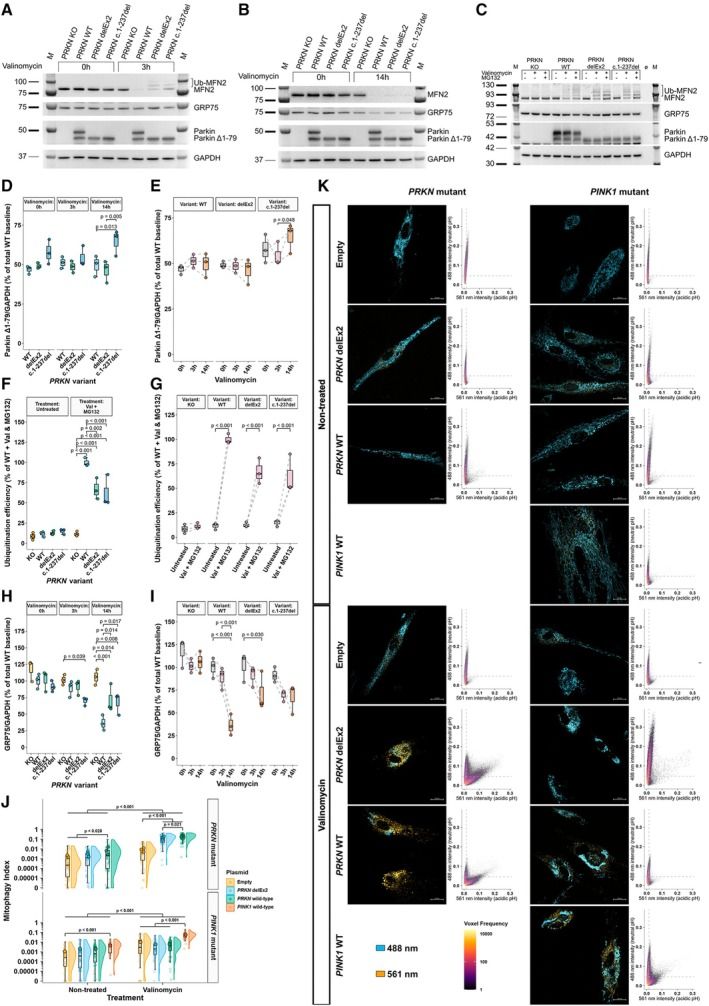
Reported in Annals of Neurology, this study investigated why some PRKN-related Parkinson's patients develop disease later than expected. Comparing 26 carriers of a homozygous PRKN Exon 2 deletion with carriers of other pathogenic variants, the authors documented a significantly delayed age at onset. Using patient-derived stem cell neurons and genome-edited lines, they traced this to an N-terminally truncated Parkin proteoform lacking amino acids 1-79, produced by alternative translation initiation, that retains partial ubiquitin ligase activity. The modulator BIO-2007817 enhanced this residual function. The work links a specific molecular mechanism to delayed onset and points to a genotype-specific therapeutic target. doi.org/10.1002/ana.78180
3
270
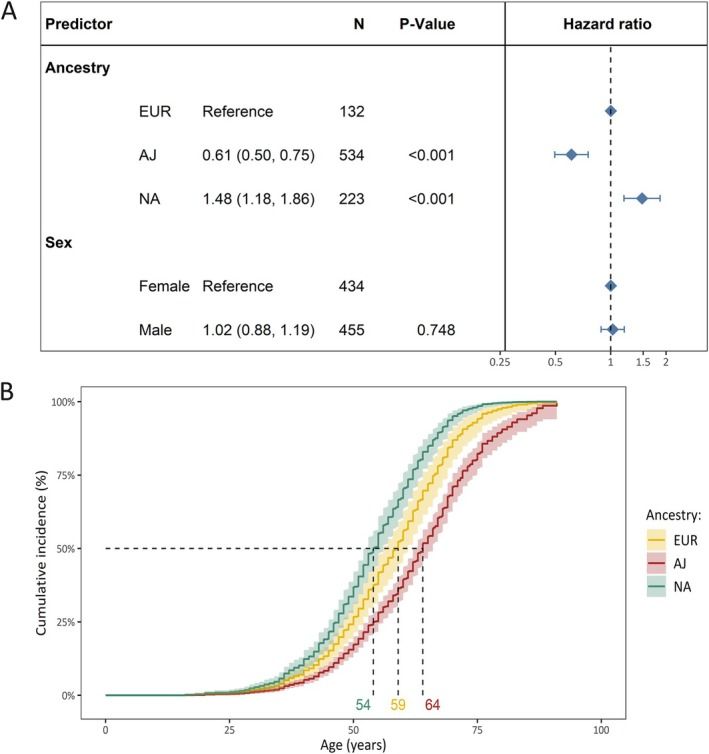
A new study in Annals of Neurology examined how genetic ancestry shapes the age at onset of LRRK2 p.Gly2019Ser Parkinson's disease. Drawing on 922 unrelated variant carriers (762 affected, 160 unaffected) from the Global Parkinson's Genetics Program alongside Ashkenazi Jewish and Tunisian Arab-Berber cohorts, the authors applied Cox proportional hazard models across ancestries and countries. Carriers of North African ancestry showed disease onset roughly 5 years earlier (HR = 1.48, 95% CI 1.18-1.86). The findings advance the field by showing that ancestry and country of origin are associated with onset timing, underscoring combined genetic and environmental influences on LRRK2-related Parkinson's. doi.org/10.1002/ana.78181
2
279
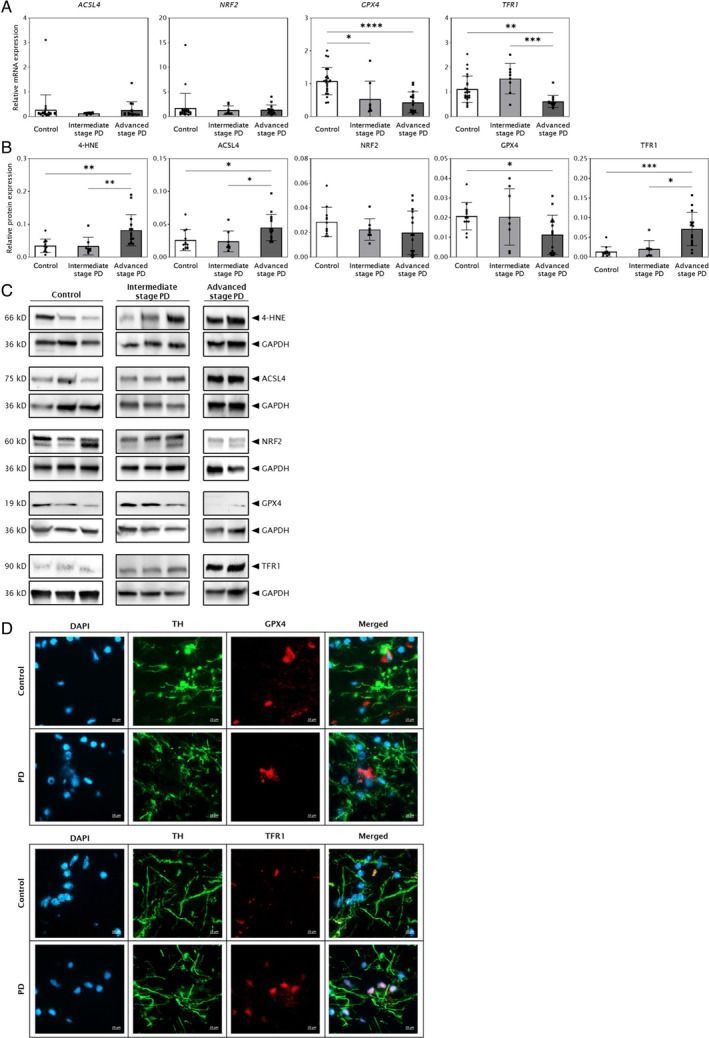
Research in Annals of Neurology examined cell death mechanisms in Parkinson's disease using 47 postmortem substantia nigra samples from patients and controls. The analysis found an average 54% loss of dopaminergic neurons that correlated strongly with PD Braak staging. Classic apoptosis markers (cleaved caspase-3 and -8) were absent, while the active necroptosis kinase phosphorylated RIPK3 rose significantly in advanced-stage disease. Most prominently, evidence pointed to ferroptosis as the predominant cell death pathway in nigral neurodegeneration. The results advance understanding of how dopaminergic neurons are lost in PD and highlight ferroptosis as a candidate target for future study. doi.org/10.1002/ana.78202
1
3
404
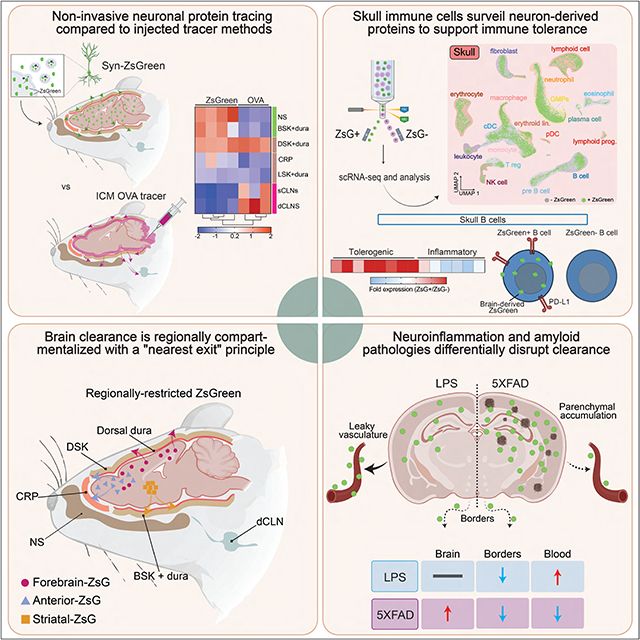
A new study in Cell maps how the brain physiologically clears protein waste, using a non-invasive genetic system to trace neuron-derived proteins from brain to cerebrospinal fluid and border tissues. It reveals a compartmentalized "nearest exit" architecture, where a protein's anatomical origin dictates its drainage route, with slow skull outflow alongside rapid dural and nasal clearance. Amyloid pathology drove parenchymal retention and obstructed border exit, while inflammation promoted vascular leakage into blood. The findings reframe brain clearance as an organized system of pathways and immune niches whose dysfunction may contribute to neurodegeneration. doi.org/10.1016/j.cell.2026.…
4
197