
213 Photos and videos



Jag retweeted

Mar 28
Delivery says a thousand words.
Wait for it. 🔥
11
20
90
4,548

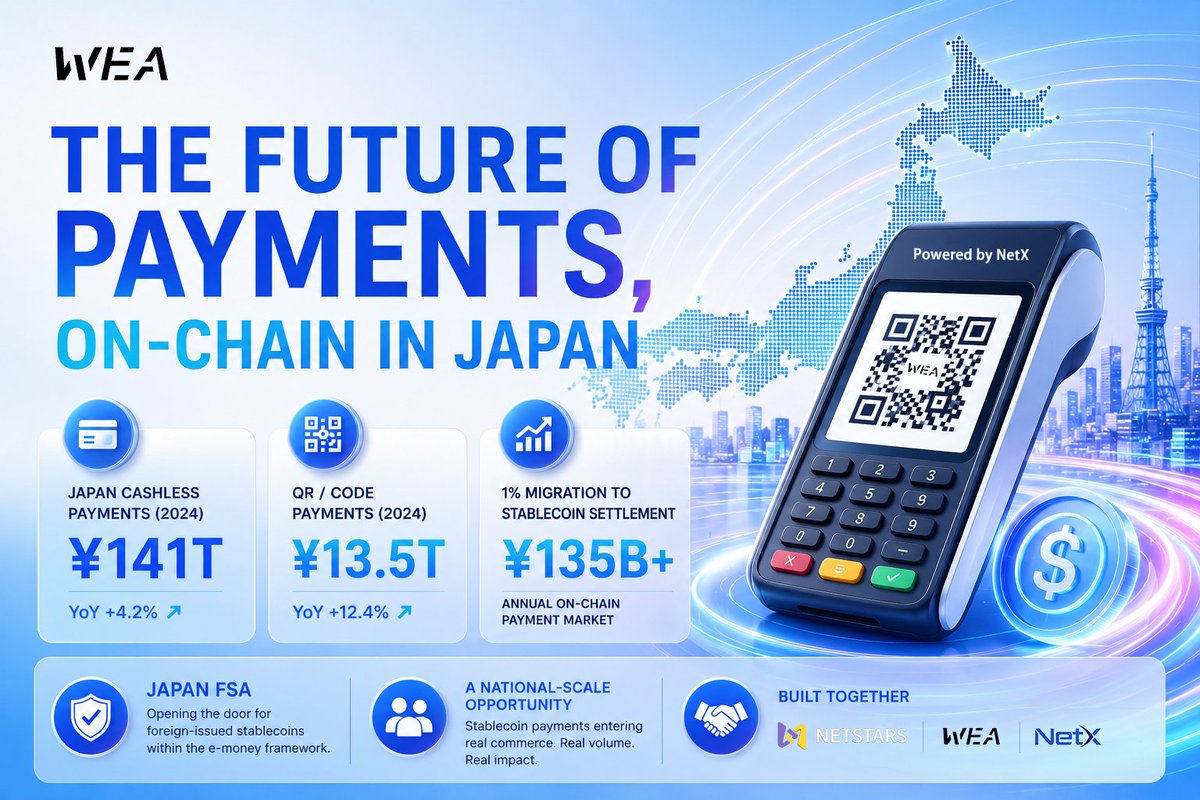
🤔 How big is Japan’s payment market?
From a market data perspective:
> Japan’s cashless payments reached ¥141T in 2024
> QR / code payments alone accounted for ¥13.5T
> Even if just 1% of QR payment volume migrates to stablecoin settlement, that already represents a potential ¥135B annual on-chain payment market
🔥 This is exactly why global crypto companies are racing into stablecoin payments.
The real opportunity has never been simply issuing stablecoins.
It is about building compliant payment and settlement infrastructure connecting:
• Wallets
• QR payments
• Merchant networks
• Fiat settlement
• Real-world commerce
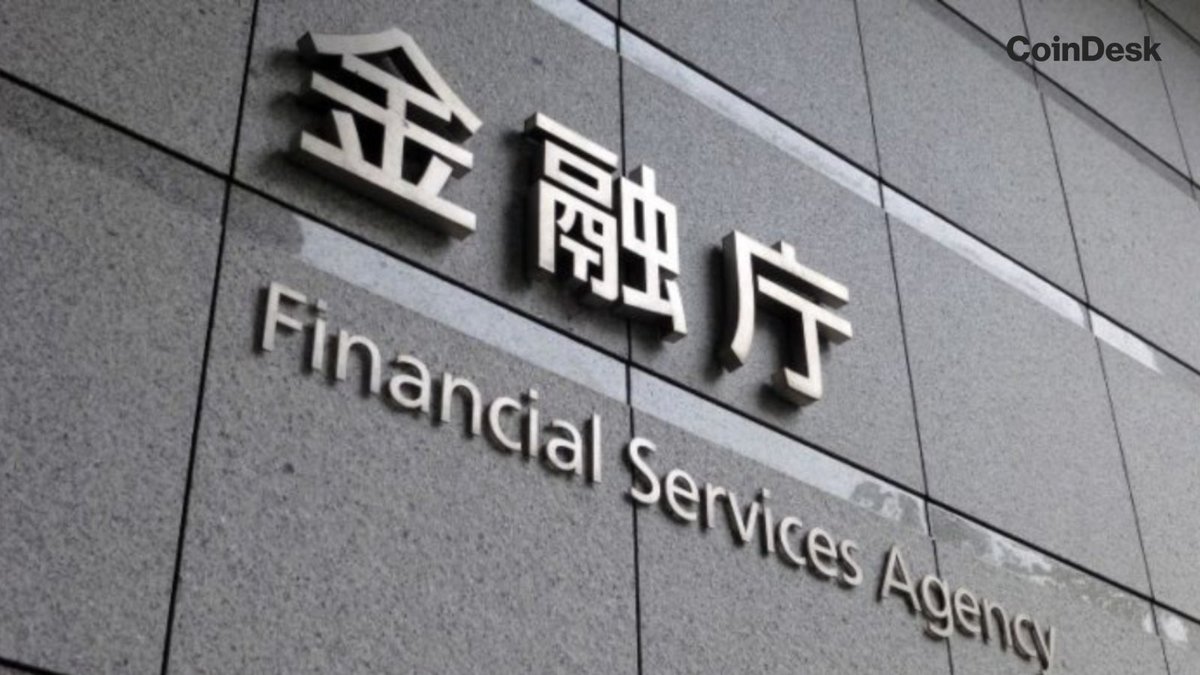
🌟 More importantly, Japan’s Financial Services Agency (FSA) has recently introduced new Cabinet Office regulations aimed at bringing foreign-issued stablecoins into Japan’s electronic payment framework.
This opens a major window for compliant stablecoin adoption in one of the world’s most advanced payment markets. 🇯🇵
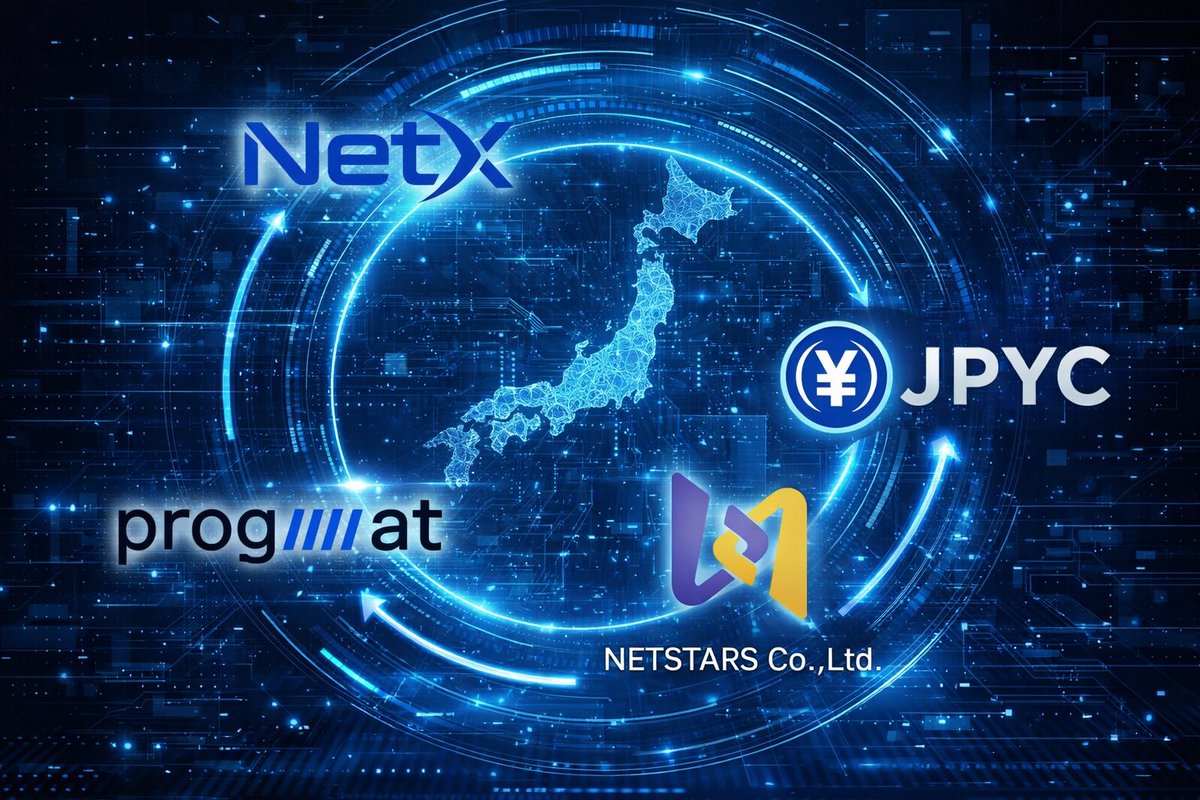
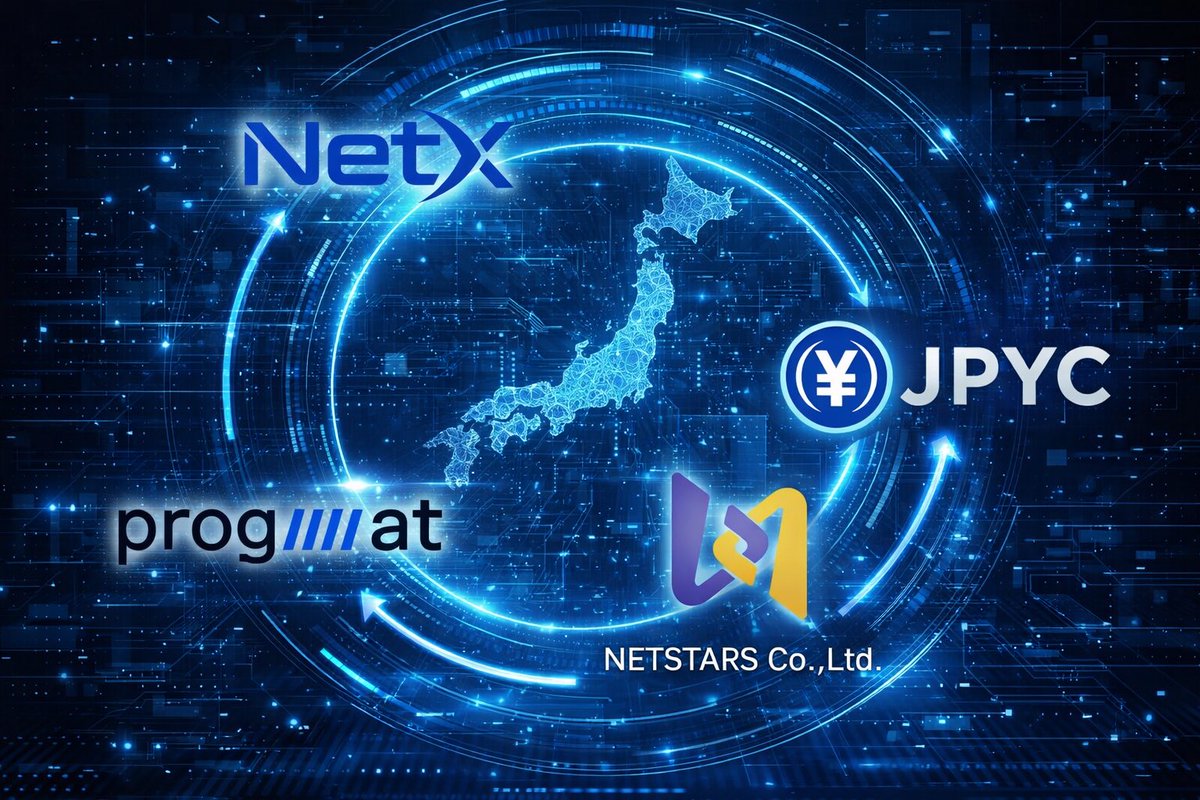
🚀 This is also why WEA Japan is working together with partners including Netstars and NetX to help build the StarPay-X ecosystem.
Because once stablecoin payments enter real commercial networks, the market is no longer measured by the number of “crypto users.”
It becomes measured by national-scale payment volume. 🌏
#Stablecoin #RWA #Web3Payments #Japan #WEA #NetX #Netstars #StarpayX
5
36
91
2,222

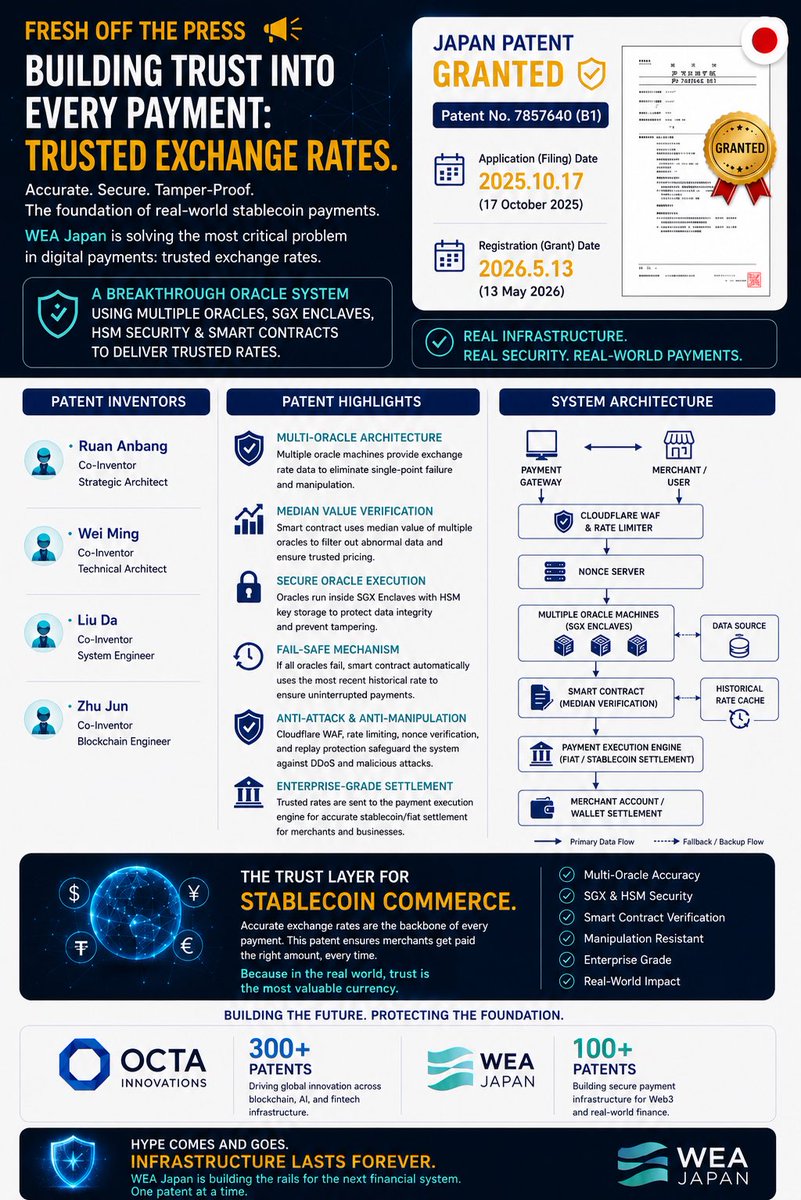
🗞️ FRESH OFF THE PRESS 🗞️
@WEAJapan is building the infrastructure layer real-world finance actually requires:
⭐️ TRUSTED EXCHANGE RATES ⭐️
Japan Patent No. 7857640 (B1) introduces a secure multi-oracle settlement architecture designed for stablecoin commerce and enterprise-grade payment execution.
The system combines:
• Multi-oracle verification
• SGX enclave security
• HSM-grade protection
• Smart contract settlement
• Median-value validation
• Anti-manipulation controls
• Fail-safe rate fallback systems
• Enterprise payment execution
This is critical because stablecoin payments only work at scale if exchange rates themselves are:
• accurate
• tamper-resistant
• compliant
• and trusted by merchants.
The patent specifically focuses on:
secure oracle execution,
rate verification,
merchant settlement integrity,
stablecoin ↔ fiat conversion,
and protection against manipulation or oracle failure.
Exactly the type of infrastructure needed for:
• QR/POS stablecoin payments
• enterprise settlement
• cross-border commerce
• RWA tokenization
• institutional payment rails
• and global Web3 payment adoption.
This is foundational financial plumbing for the next generation of commerce.
Source = j-platpat.inpit.go.jp/gazett…
#PoweredByNetX
4
23
54
1,824
🎉We are thrilled to share that WEA Japan is on The Block.🗞️
Next stop: Asia. We're rolling out stablecoin payment pilots in Vietnam, Thailand, Malaysia, and Singapore to bridge the gap between blockchain innovation and daily commerce.
Read more about our global expansion: theblock.co/press-releases/4…
7
38
98
4,836
Jag retweeted

May 19
22
16
32
5,902


Jag retweeted

May 18
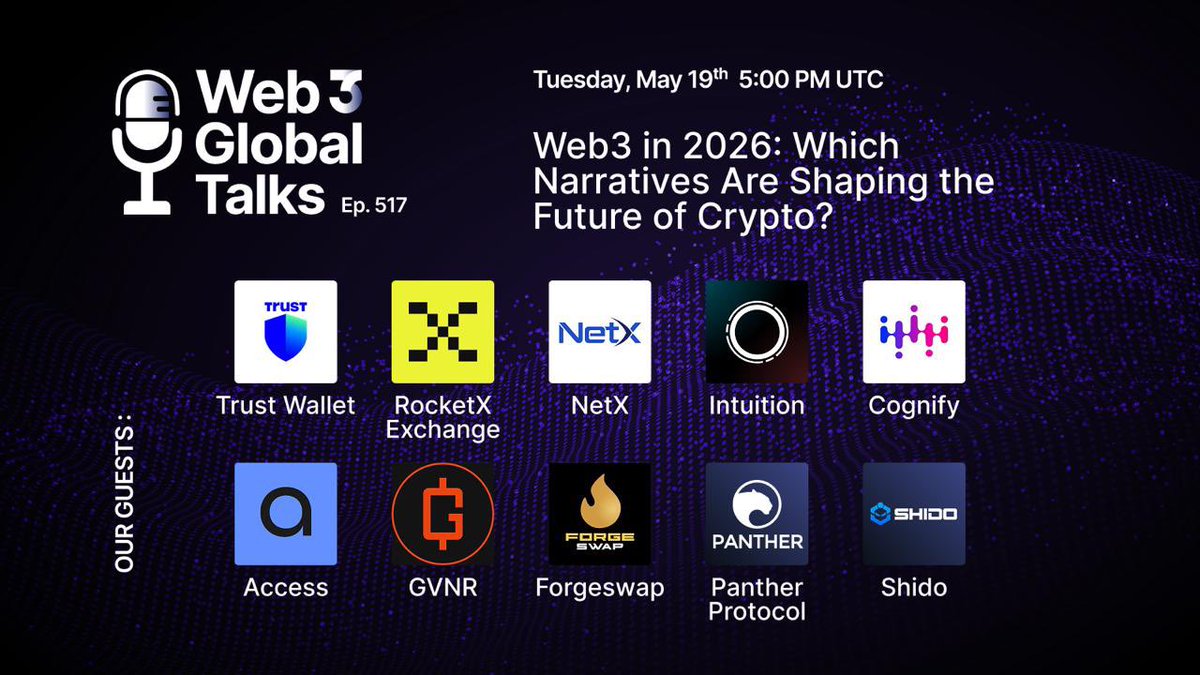
NetX DAO Ambassador - Jag will be joining this space to discuss with other industry leaders. Tune in!
May 18

📻 Join global Web3 talks and learn from industry leader!
🎙️ Our Guests:
@TrustWallet, @RocketXexchange, @netx_world, @0xIntuition, @cgfy_Ai, @AccessProtocol, @gvnrdao, @ForgeSwapApp, @ZKPanther, @ShidoNetwork
3
23
99
3,459
Jag retweeted

ステーブルコイン決済は”日常”になるか──ネットスターズ×ソラナが示した使われる条件【取材】 nadanews.com/347381/?utm_sou…
3
8
45
4,081
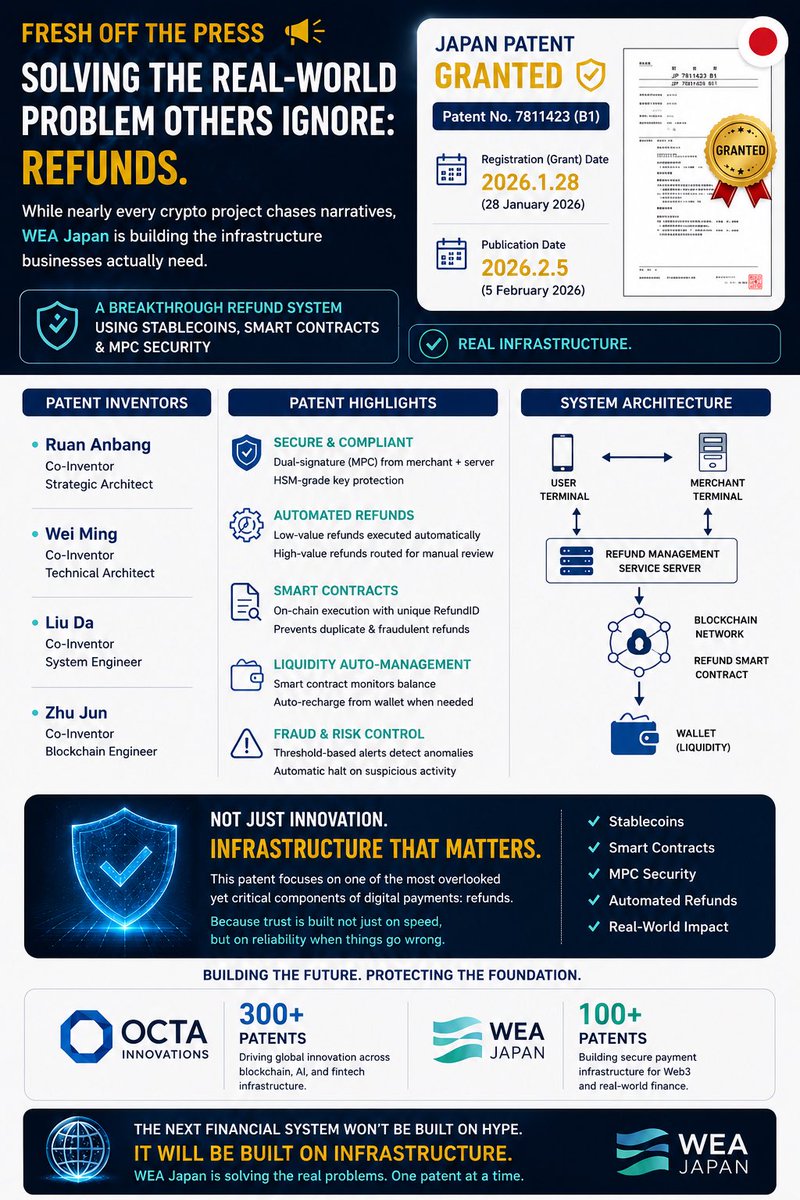
🗞️ FRESH OFF THE PRESS 🗞️ :
Few crypto projects are solving one of the biggest real-world problems in digital payments:
Refund infrastructure…
Japan Patent No. 7811423 was officially granted on January 28, 2026 @WEAJapan
The system combines:
• Stablecoins
• Smart contracts
• MPC security
• Automated merchant refunds
• Threshold-based risk controls
• Auto-liquidity management
• Enterprise-grade payment orchestration
This is not “speculation infrastructure.”
This is real-world financial plumbing.
The interesting part?
The patent specifically focuses on:
automated stablecoin refunds,
merchant authorization,
secure MPC signing,
smart contract execution,
and protection against fraudulent/high-risk refund activity.
Exactly the type of infrastructure required for:
• compliant Web3 payments
• QR/POS settlement
• merchant stablecoin adoption
• and next-generation financial rails.
Most projects focus on tokens.
Very few focus on the operational layer businesses actually need.
#PoweredByNetX
#Stablecoins #Web3 #Payments #NetX #Fintech #Blockchain #MPC #RWA #PayFi
5
27
62
3,995

Aptos = the high-speed execution layer, joining Solana as a chain option
NETSTARS = the real-world merchant QR payment network in Japan
$NetX = the settlement, compliance, interoperability and staking layer connecting it all together.
That’s important because $NetX demand will come from both:
• gas consumption across transactions
• merchants staking NetX to reduce payment fees
So as merchant/payment volume grows, NetX utility and token demand grows with it 📈
More chains, more partners, more merchants, more $NetX demand and consumption!

Aptos x NETSTARS 🇯🇵
Aptos Foundation and NETSTARS, one of Japan's leading QR code payment providers, are exploring multi-chain payment enablement.
NETSTARS aims to bring instant, cost-efficient, and compliance-embedded stablecoin transactions to its merchant network via Aptos.

5
15
56
1,600

Aptos x NETSTARS 🇯🇵
Aptos Foundation and NETSTARS, one of Japan's leading QR code payment providers, are exploring multi-chain payment enablement.
NETSTARS aims to bring instant, cost-efficient, and compliance-embedded stablecoin transactions to its merchant network via Aptos.
226
123
622
32,661
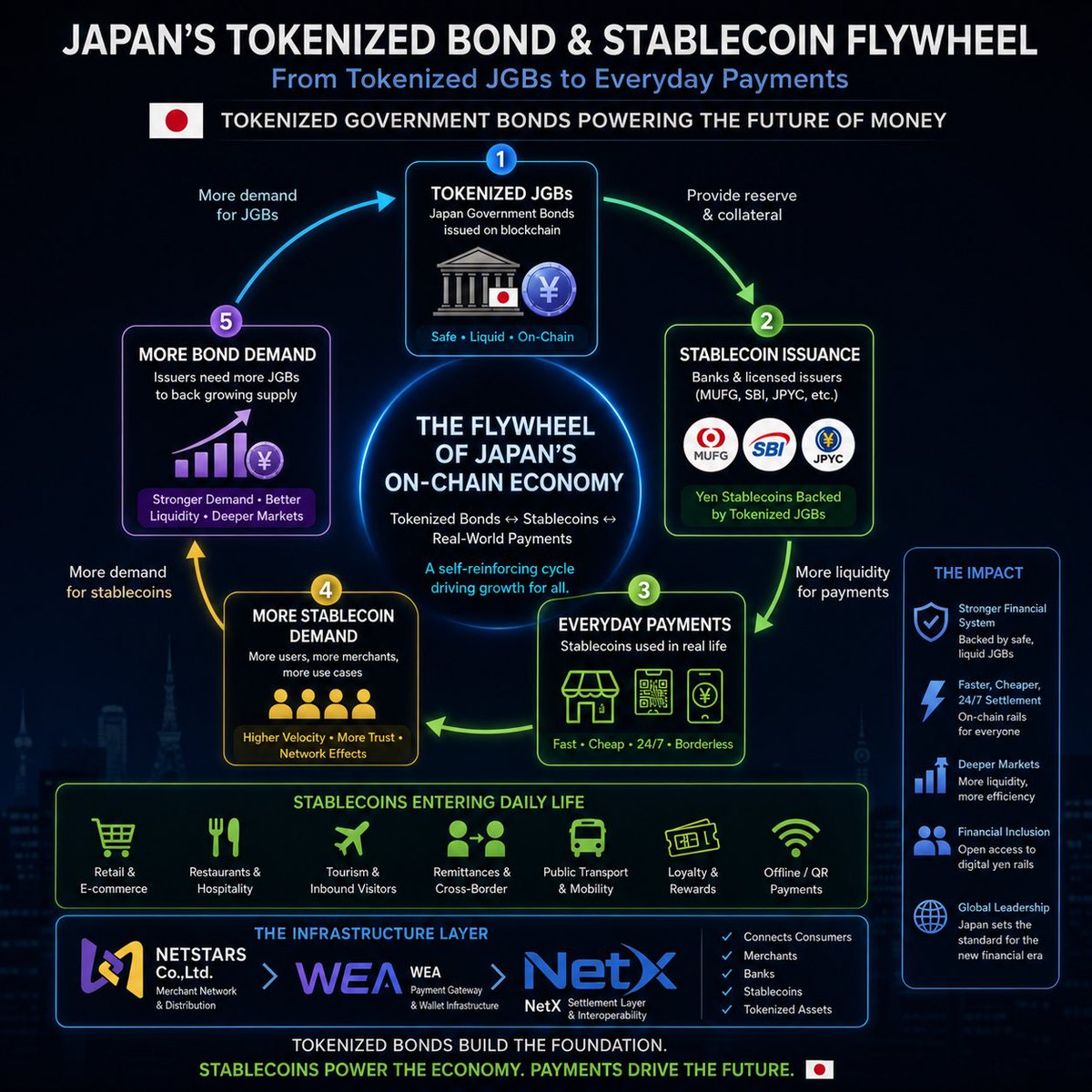
Tokenised JGBs create the perfect reserve asset for regulated stablecoins from institutions like MUFG, SBI and others.
The flywheel becomes:
Tokenized Bonds → Stablecoin Issuance → Everyday Payments → More Stablecoin Demand → More Bond Demand
But here’s the key:
Stablecoins only scale if they enter daily life.
That means QR payments, merchant settlement, remittances, tourism, offline payments, loyalty systems and instant settlement rails.
This is why channels like NetStars-WEA-NetX matter.
Not just as “another crypto project” but as infrastructure connecting:
• consumers
• merchants
• banks
• stablecoins
• tokenised assets
Japan may become the first major economy where tokenised government debt directly fuels real-world stablecoin payment adoption at scale.
It gets even more interesting as this flywheel in turn creates real payment data, which feeds AI agents, creating even more intelligent agents which creates better dApps.
May 7

JUST IN: 🇯🇵 Japan to tokenize government bonds on blockchain.
7
11
48
1,054
This is the route to market that is required to make integrating Web3 into the real world possible. SUNMI devices can be found in over 200 countries globally, providing the hardware to make Web3 payments possible in everyday life 🌱🌎

🗞️ FRESH OFF THE PRESS 🗞️ :
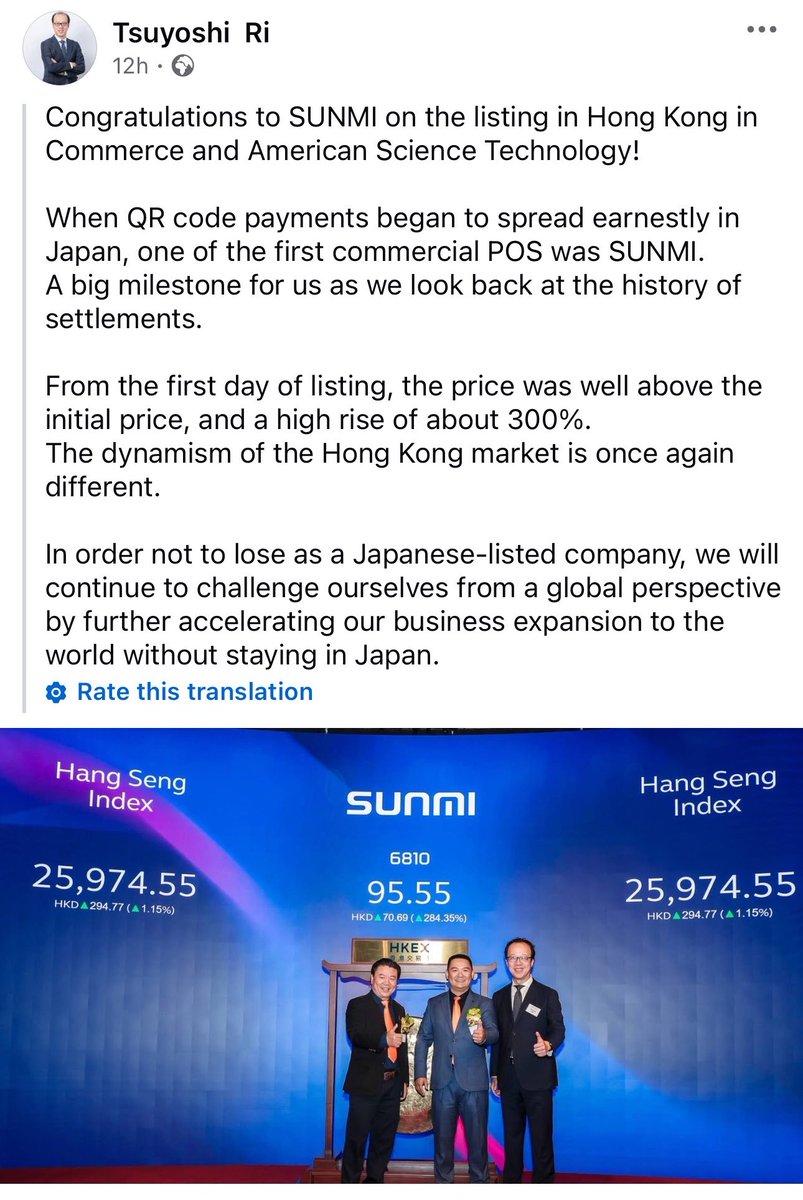
Li Gang @Kouhou_NSS CEO confirmed this Wednesday they are going global - not just staying in Japan 🇯🇵
They built the rails locally… now they’re scaling distribution.
When StarPay-X expands internationally, the real value won’t be front-end apps…
👉 it’ll be the $NetX infrastructure powering settlement and coordination behind it.
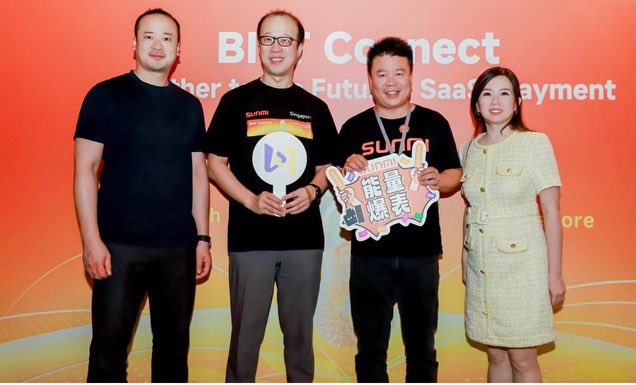
@anbangr and Li Gang/Tsuyoshi Ri attended the Sunmi event together in October 2024, how long has this all been in the pipeline… The collaboration of @Kouhou_NSS as major PSP, Sunmi as major hardware provider and @netx_world as core web3 infrastructure provider 🤝
This partnership delivers the hardware, software and rails to bring web3 capabilities to the real world 🌍
#PoweredByNetX
1
5
26
491
🗞️ FRESH OFF THE PRESS 🗞️ :
Li Gang @Kouhou_NSS CEO confirmed this Wednesday they are going global - not just staying in Japan 🇯🇵
They built the rails locally… now they’re scaling distribution.
When StarPay-X expands internationally, the real value won’t be front-end apps…
👉 it’ll be the $NetX infrastructure powering settlement and coordination behind it.
@anbangr and Li Gang/Tsuyoshi Ri attended the Sunmi event together in October 2024, how long has this all been in the pipeline… The collaboration of @Kouhou_NSS as major PSP, Sunmi as major hardware provider and @netx_world as core web3 infrastructure provider 🤝
This partnership delivers the hardware, software and rails to bring web3 capabilities to the real world 🌍
#PoweredByNetX
4
27
69
2,441
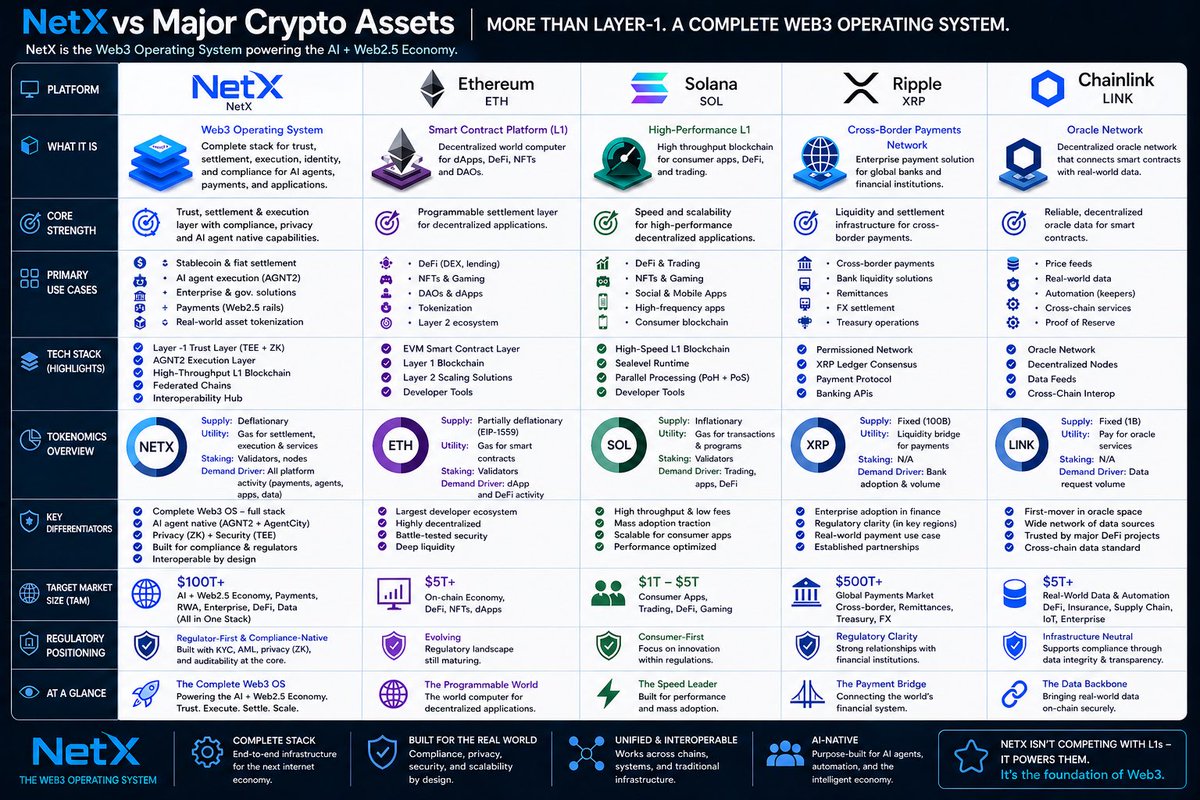
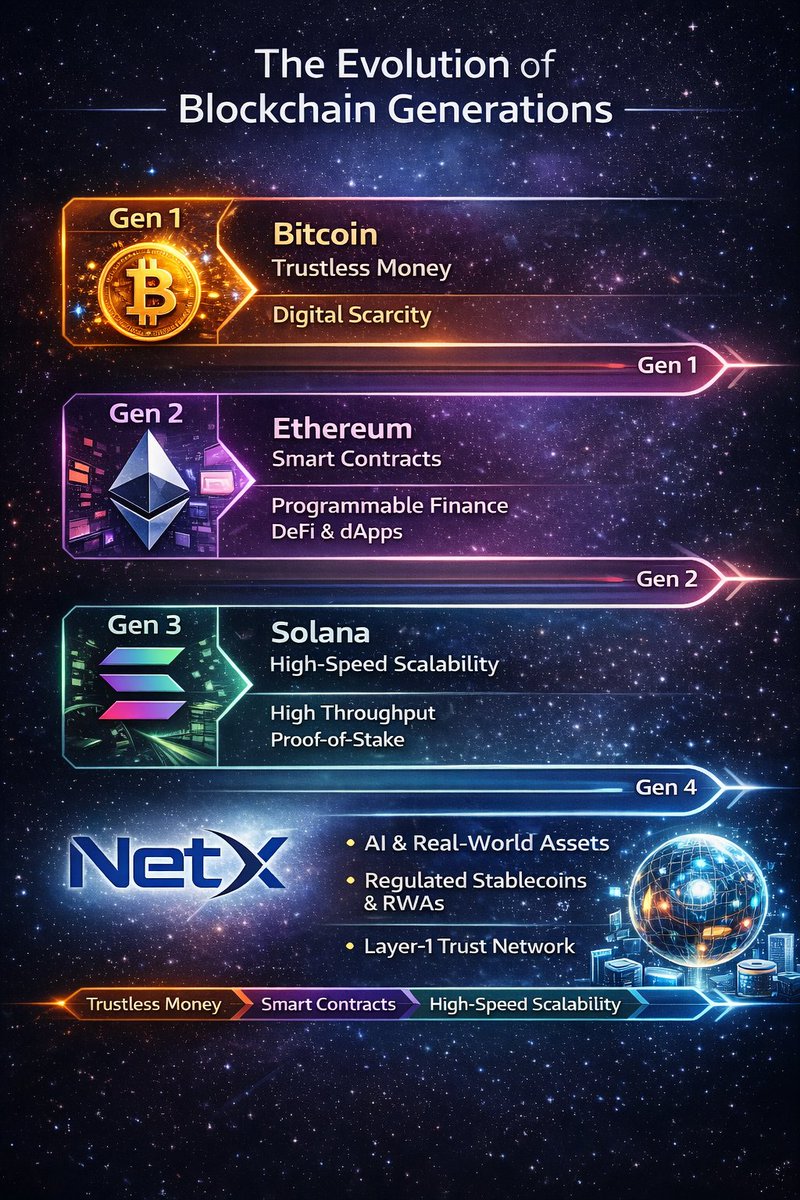
When analysing assets in the Cryptoverse, it’s important to take a holistic view to understand what each project is trying to achieve.
In the early days, it was relatively simple to grasp the purpose of hard-capped, proof-of-work cryptocurrencies such as $BTC. As the space evolved, smart contracts were introduced, leading to a new wave of innovation and the ICO boom of 2016/17, driven by $ETH. It took time for both users and the broader market to fully understand the significance of smart contracts, unlocking tokenisation and trustless systems.
Fast forward to today, and many major projects are now well understood, reflected in their large valuations, such as $SOL, $XRP, and $LINK.
Now, I believe it’s time for $NetX to take the next step in market understanding and appreciation.
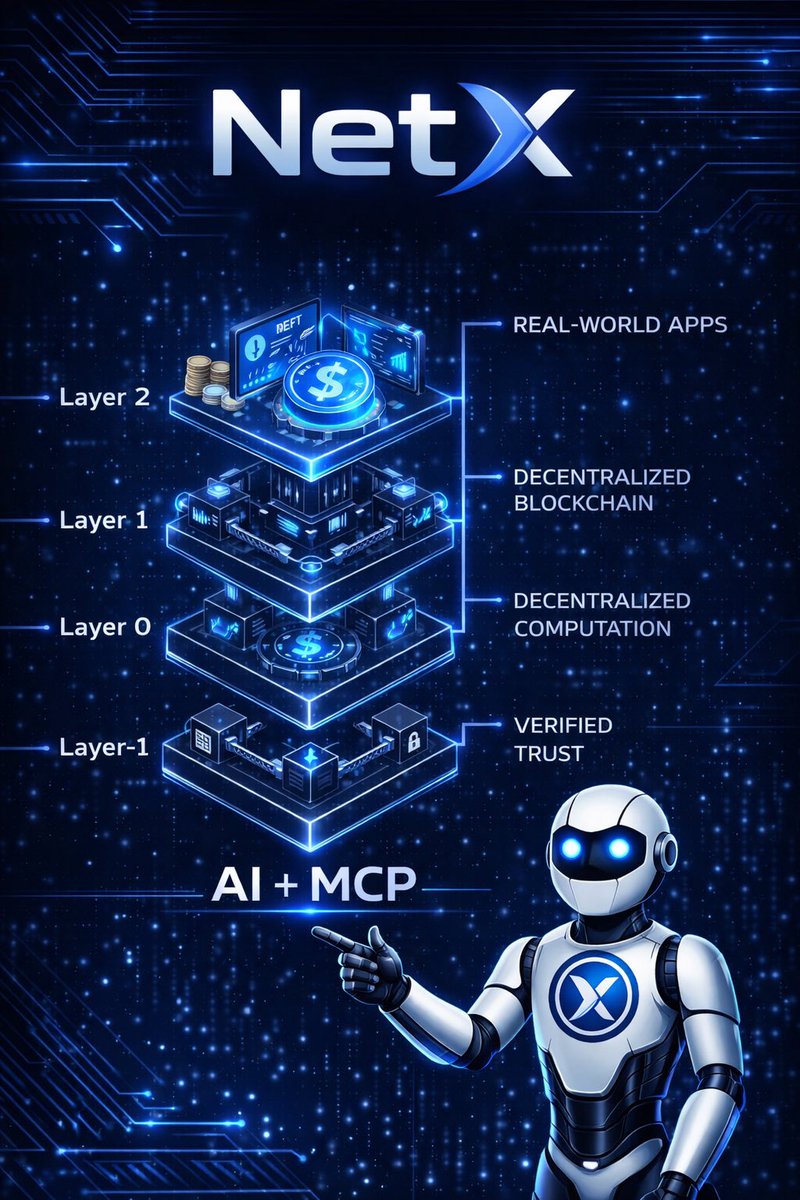
As AI-driven agentic economies become inevitable, and the demand for Web3 capabilities continues to grow, the use case for $NetX strengthens significantly. Positioned as a complete Web3 operating system, it enables interoperability, creates powerful flywheels between real-world data (payments) and agentic systems, and embeds hardware-level trust at its core.
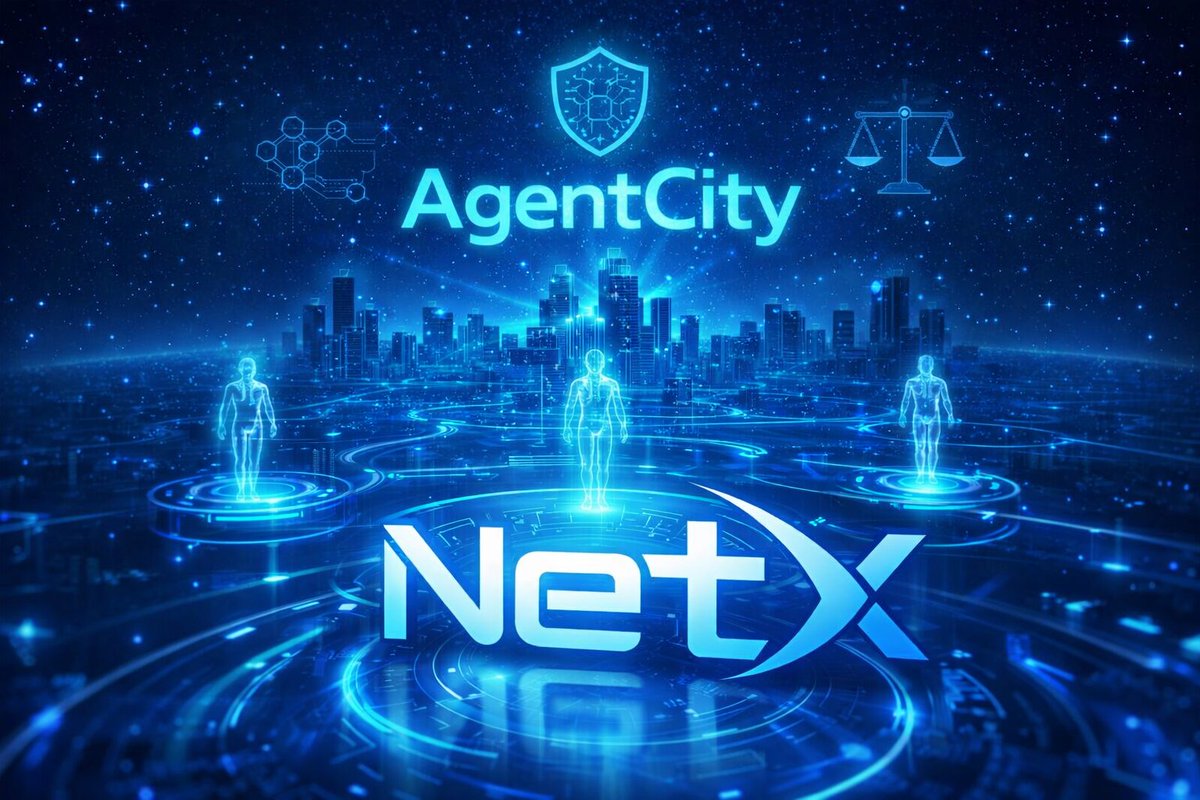
This graphic serves as a brief introduction to a range of crypto assets, helping illustrate why $NetX is in a similar position to $ETH prior to 2016. Just as Ethereum gained widespread recognition through the rise of ICOs, we are now beginning to see $NetX turn heads; powering real-world Web3 payments in Japan with @WEAJapan, and enabling enterprise AI agent execution through AgentCity and separation of powers, as introduced by @anbangr
5
29
60
1,496
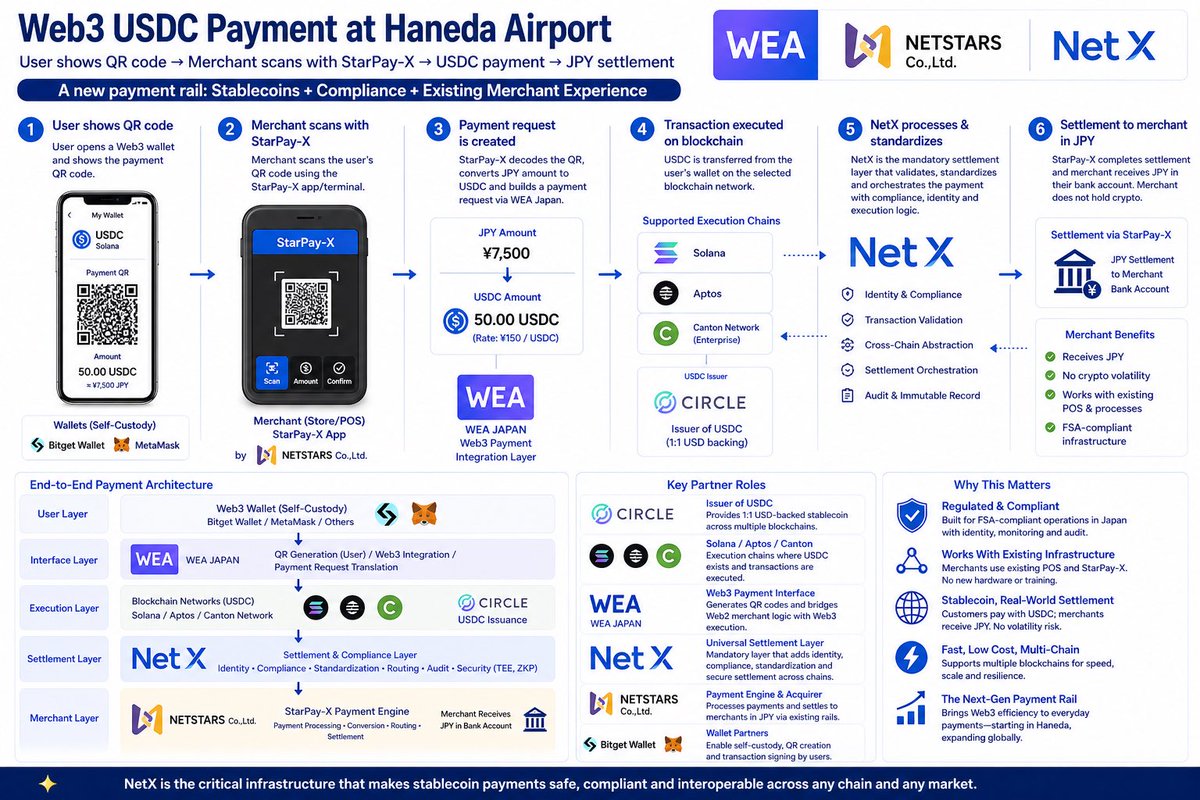
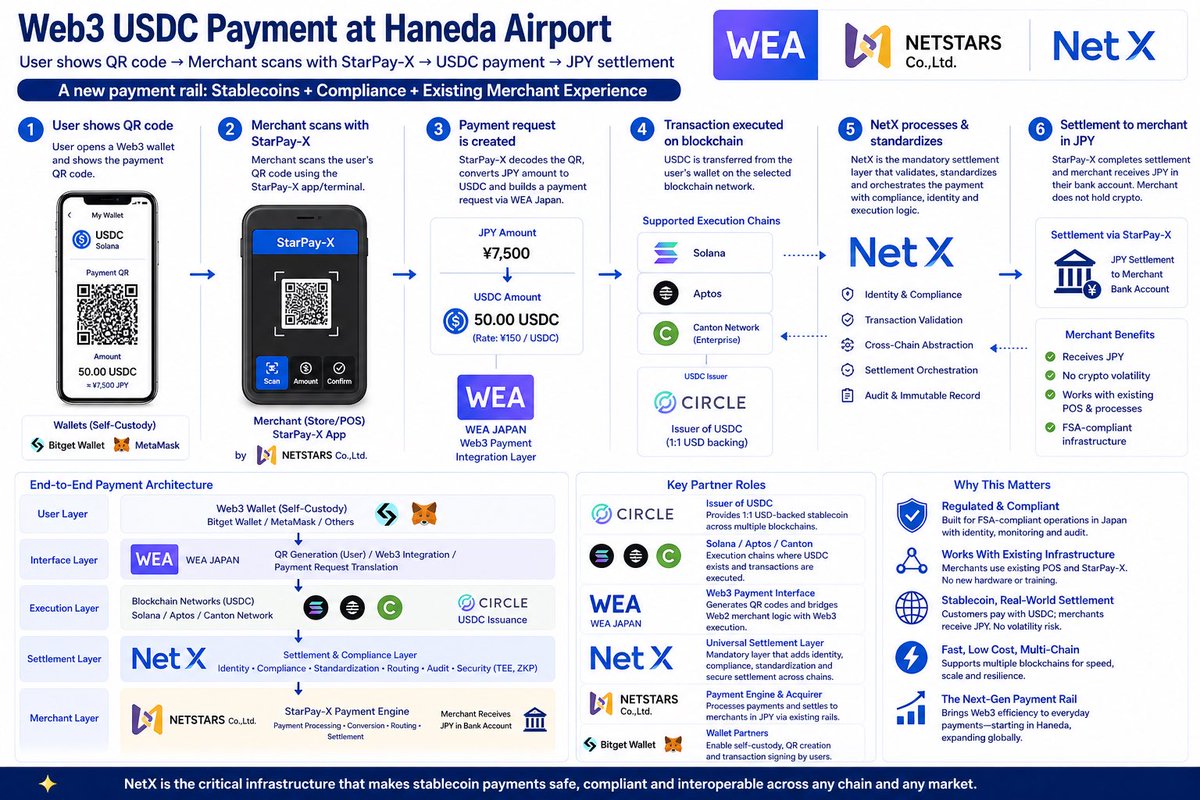
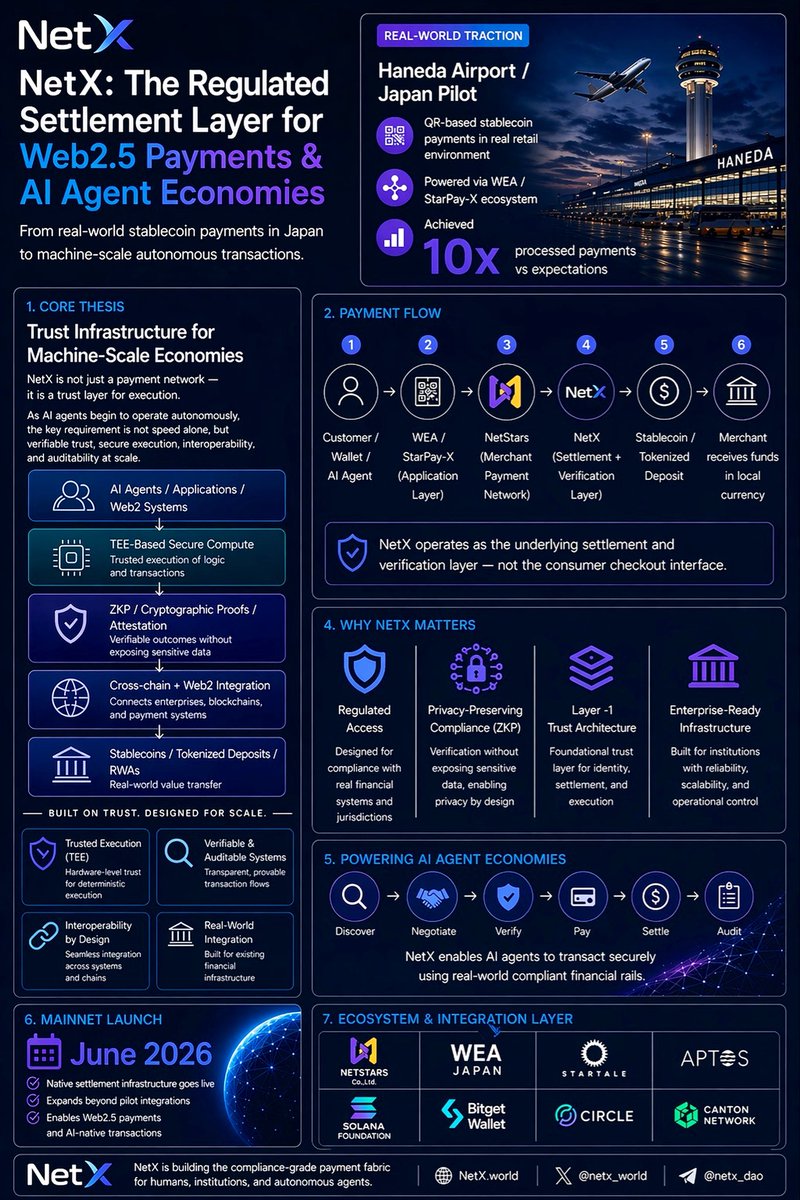
Check out how this actually works with the collaboration of major partners! @Kouhou_NSS @WEAJapan @netx_world @solana @Aptos @CantonNetwork @BitgetWallet @MetaMask @circle
Apr 29

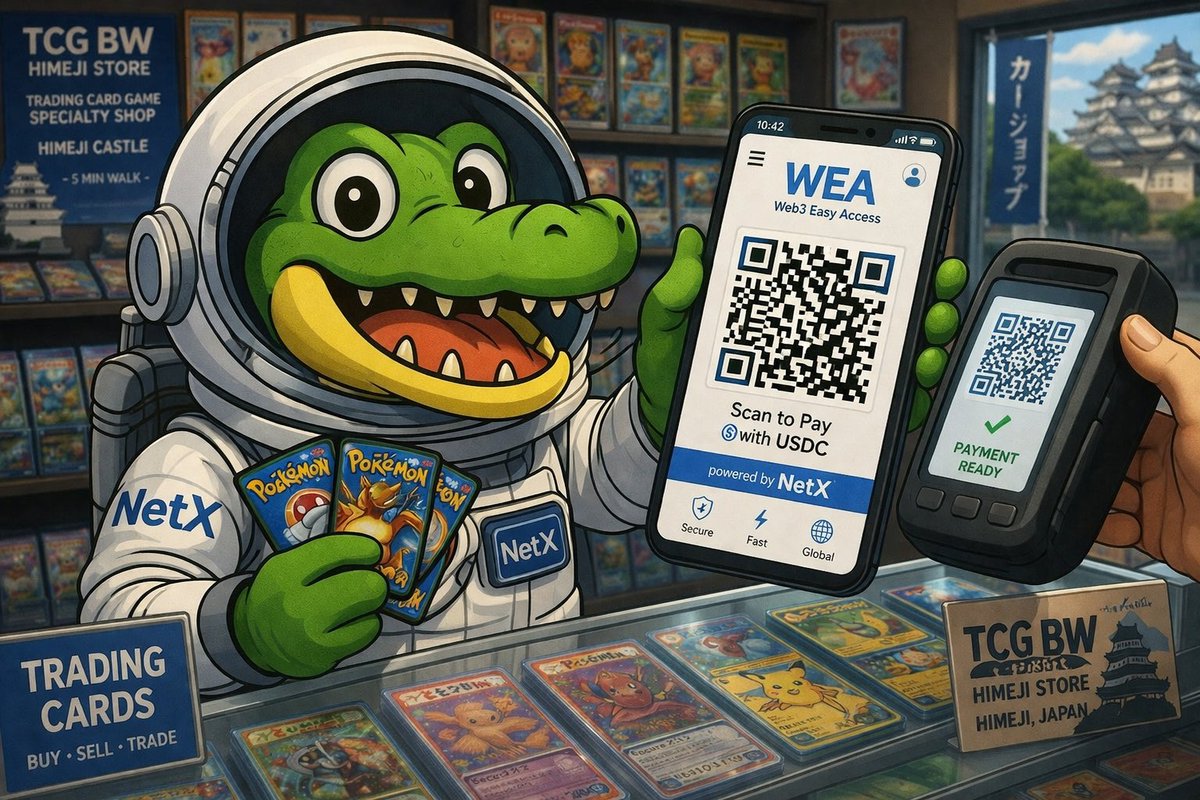
Everyone talks about adoption. Japan is doing it 🇯🇵USDC is now used for real purchases—snacks, Pokémon cards, more! Netstars connects Web2 merchants to Web3 while they still receive JPY.
This is how crypto wins 🚀 @thejollyherring @teamz_inc
1
17
60
1,034
Join the $NetX AI infographic challenge and show your AI skills! #LetsGoNetX
#NetXAI #NetXInfographic
@netx_world @NetXOracle @NNGNetX @Godson444
3
14
52
933