
We specialize in delivering research driven, Realistic Threat Penetration Testing services. Our mission is to protect you from people like us.
Joined April 2010
- Tweets 2,248
- Following 381
- Followers 879
- Likes 141
102 Photos and videos












May 27
Your pentest report with 200 vulnerabilities is worse than one with 12 findings tied to actual business impact.
Volume ≠ value in cybersecurity.
How to evaluate real pentest quality: netragard.com/blog/5-penetra…
29
May 19
If DORA and Threat‑Led Penetration Testing (TLPT) keep coming up in your meetings, but not everyone on the team has the same baseline, this high-level overview might help.
🔗 netragard.com/blog/dora-requ…
#DORA #TLPT #SecurityTesting
66
May 12
Tools are great at quickly flagging common issues; humans are great at digging deeper, chaining vulnerabilities, and explaining what actually matters to your business. See why meaningful security needs expert‑led testing, not just automation: ntrgd.io/923
#InfoSec
13
Apr 28
Web app pentesting isn’t “run a scan.”
It’s breaking your app the way attackers will: abusing auth flows, business logic, APIs, and JWTs to map a real Path to Compromise.
Read how it actually works: ntrgd.io/2vn
#AppSec #CyberSecurity #InfoSec
22
Apr 23
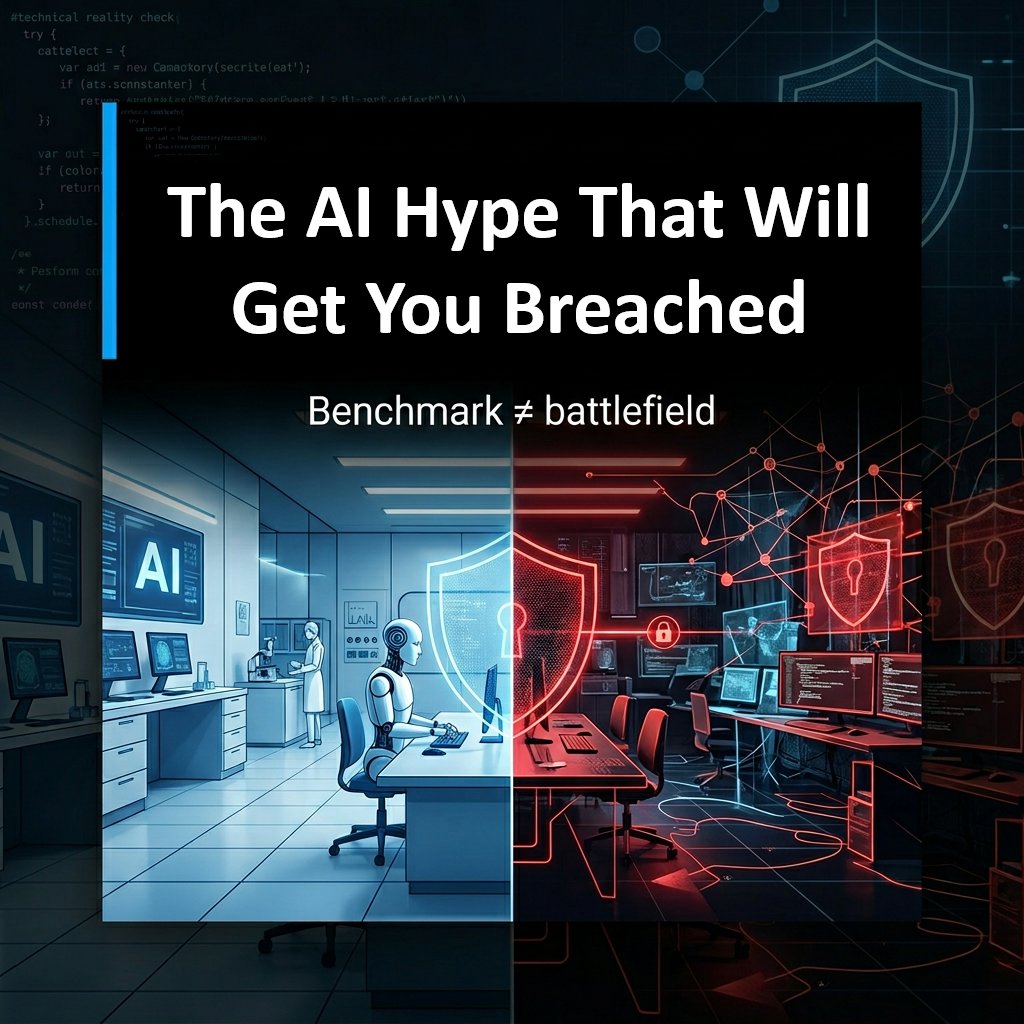
Mythos and the AI hype that will get you breached.
Read our latest post for a reality check on AI and penetration testing: ntrgd.io/hyp
#infosec #cybersecurity #Mythos #PenTest #AI
52
Apr 15
Your network is the backbone of your business. If attackers own it, they own everything connected to it.
New post: what network penetration testing is, when to use it, and how mapping the Path to Compromise helps you prioritize real risk.
ntrgd.io/npt
20
GLBA now clearly ties compliance to how you test safeguards: annual penetration testing, bi-annual vuln assessments, and evidence those results drive fixes.
🔗Get the details and a 2026 checklist: ntrgd.io/glba
20
Mar 24
Most "penetration tests" today are just automated scans in disguise. AI & scanners can't find zero-days, test business logic, or map a real attack path.
Compliance theater ≠ security.
Know the difference before your next test.
ntrgd.io/xui
#InfoSec #PenTesting
21
Mar 17
Orgs still average 194 days to detect a breach. The tools aren’t the problem. The strategy is.
Our new @SCMagazine article covers manual #pentesting, #honeypots in cybersecurity credential canaries — real #threatintelligence, fraction of the cost.
🔗: ntrgd.io/wi7
22
Mar 10
New on @OTechTalks: Adriel Desautels on how AI actually changes offensive security, why most “AI pentesting” is just a dressed‑up vulnerability scanner, and why you can’t stop every breach - but you can limit the damage.
🔗ntrgd.io/ott
#CyberSecurity #AI #PenTesting
38
Got SQL creds but xp_cmdshell is disabled and heavily monitored?
Be like Jeremy. 🥷
Jeremy pivoted to Machine Learning Services and the Launchpad service, then created a new Netexec module to gain RCE and even coerce authentication.
Learn more here:
ntrgd.io/2oh
1
64
Feb 24
Traditional pen tests ask “Where are we vulnerable?” TLPT asks “Can we survive a real attack?” Our latest blog explores why DORA now mandates this intelligence-led testing for key financial entities.
🔗ntrgd.io/tlpt26
#CyberSecurity #DORA #TLPT #Infosec
39
Feb 18
GDPR penalties: up to €20M or 4% of global revenue 😬
The ROI of real penetration testing?
Preventing just one breach pays for years of testing.
Stop settling for checkbox compliance.
Your auditors and your customers’ data deserve better.
ntrgd.io/gdpr26
27
Feb 10
SOC 2 doesn't technically require penetration testing - but auditors expect it anyway.
Why? Because automated scans can't prove your controls work against real attackers.
Our 2026 guide covers what auditors actually want to see: ntrgd.io/x9u
#SOC2 #PenTesting
2
82
Holiday cyberattacks spiked 30% while your team ran lean. Most orgs rely on generic threat intel that creates blind spots.
The math is simple: $40K genuine pen test vs $4.8M avg breach cost = 12,000% ROI.
Stop flying blind 👇
cyberdefensemagazine.com/fly…
28
17 Dec 2025
Choosing a penetration testing company? Not all are equal. With breach costs averaging $4.8M, here's what separates real security from expensive checkbox exercises:
1
35
17 Dec 2025
⚠️Red flags: Count-based pricing, false positives in reports, no retesting, can't show research proof.
✅Green flags: Workload-based pricing, zero false positives, free retesting, published vuln research.
1
28
17 Dec 2025
Quality penetration testing delivers 12,000% ROI by preventing a single breach. Don't settle for security theater when real protection is possible.
Full guide: ntrgd.io/t5a
32