Signal over noise. Edge over luck. 🧠
Joined February 2026
- Tweets 905
- Following 704
- Followers 208
- Likes 4,727
34 Photos and videos




NeuralEV retweeted

Jun 5
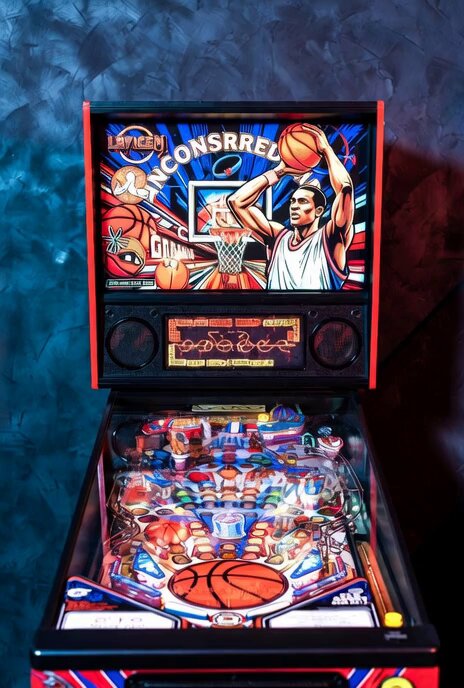
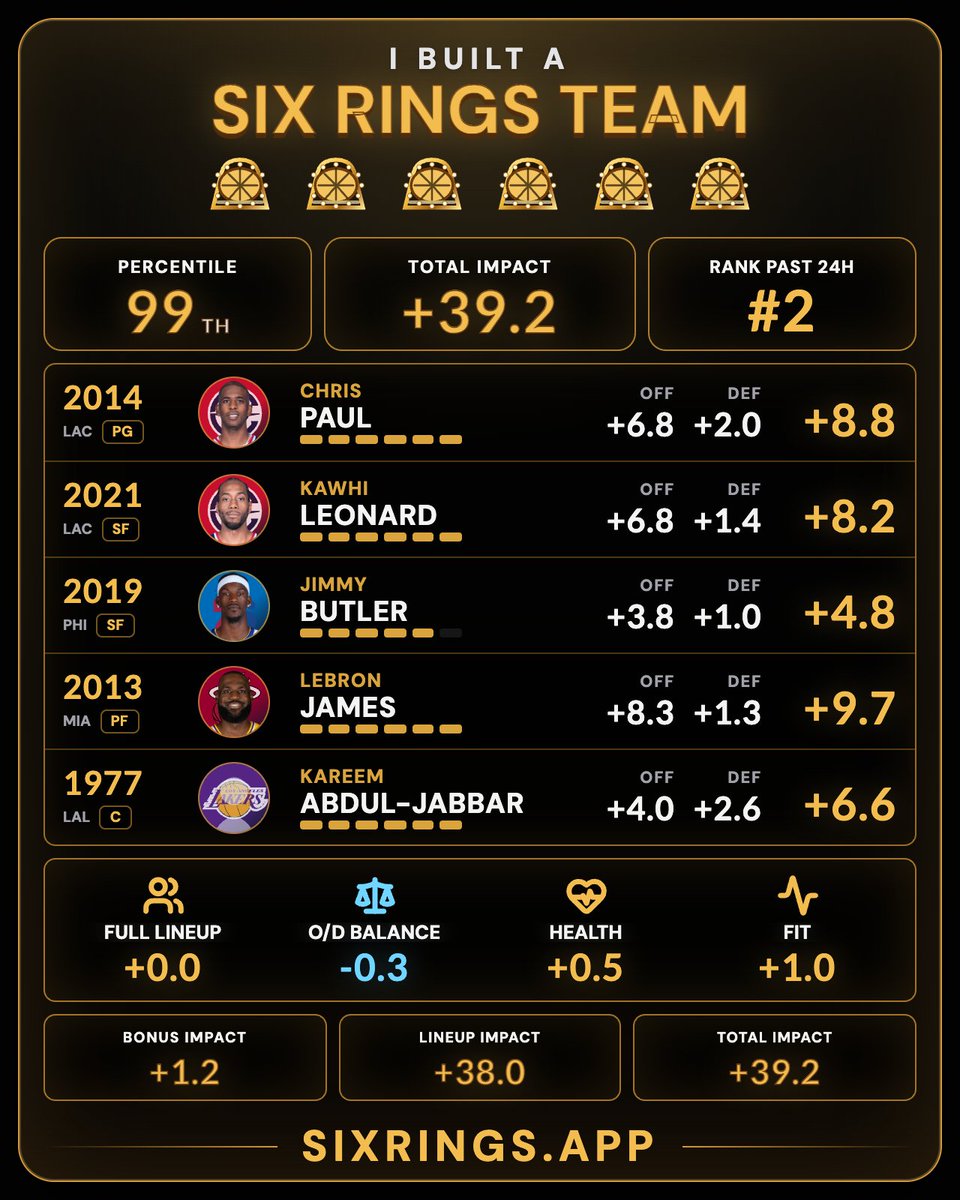
Inspired by 82-0, I built a game that combines bball knowledge about historical players and their impact metrics, skill via lifeline buttons you can use to draft a better team, and additional bonuses for picking more balanced lineups.
There's a leaderboard for the best teams. You have to score above 90th percentile to get 6 rings. Let me know what you think!
191
170
3,595
1,738,654
Not only is this hilariously written, it’s a public service announcement
Mar 20

Yo #GamblingX, pull up a chair. @Dubclub_win is out here acting like the classy VIP lounge for premium picks… while quietly running the world’s sleaziest casino. They don’t stop the scams — they just collect their 20-25% cut like it’s holy water.
3
5
1,327
PSA
I'm seeing lots of accounts recommending NBA Player Prop overs on the timeline today, many of them using "hit rate" data from various popular prop data apps.
NBA player props at this time of year are very volatile, mainly due to minutes played being less reliable than normal.
If you are thinking of taking Jokic over rebounds, or Durant over points, you might want to factor in the fact that there is a decent chance the game will be a blowout and they won't play the 4Q at all.
Houston -18.5
Nuggets -17
1
585
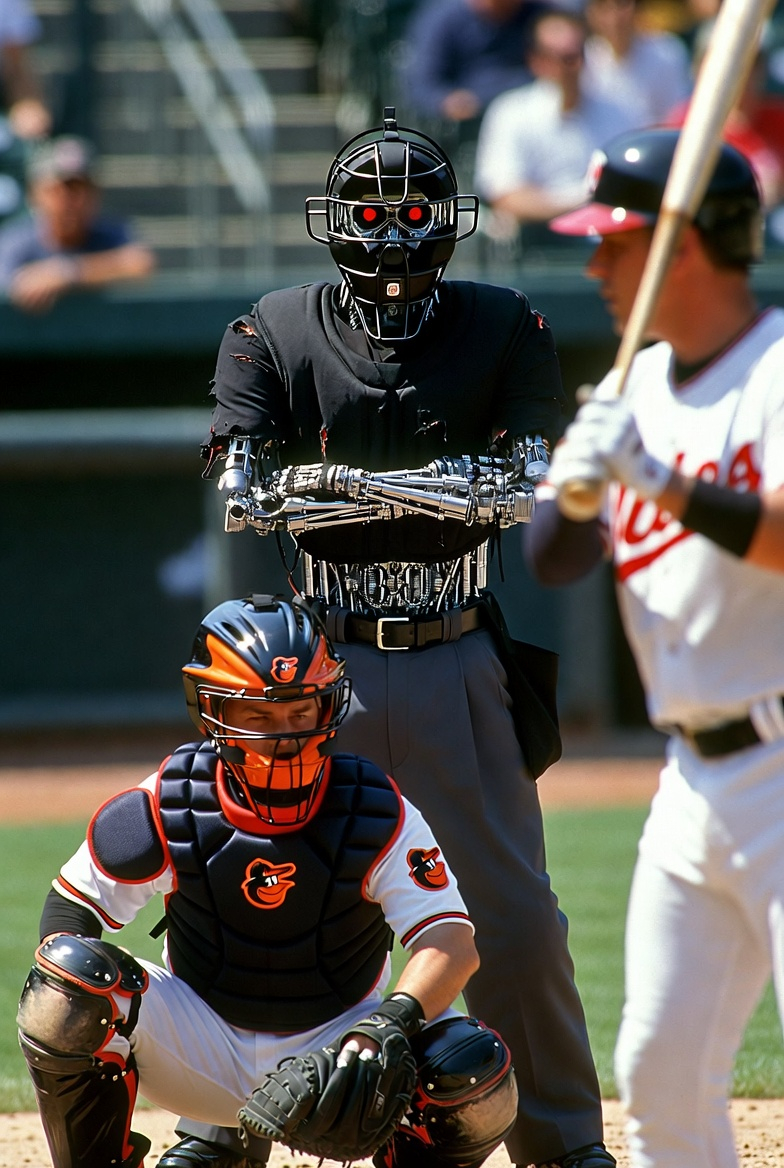
MLB has made some great rule changes and adjustments over the last 4 years that, in my opinion, have greatly improved the viewing experience. Games are shorter, more exciting and have much better flow.
2022 - Ghost Runners in Extra Innings
✅Probably the single most impactful change in recent memory. Quite controversial at the start, but it is probably the single biggest reason for reduced average game duration. And creates lots of opportunities for exciting strategic decision-making.
2023 - The Big Three
✅Pitch Clock - 15 seconds with bases empty, 20 seconds with runners on. Batters must be in the box and alert with 8 seconds left. Violations: automatic ball (pitcher) or strike (batter). Average game time dropped from 3h4m in 2022 to 2h40m in 2023.
✅Shift Ban - Two infielders required on each side of second base at pitch delivery. Eliminated the extreme overloaded shifts that had crushed left-handed batting averages for years.
✅Pickoff Limits — Pitchers limited to two disengagements per plate appearance (pickoff attempts or step-offs). Third attempt must result in an out or it's a balk. Stolen base attempts jumped significantly as a result.
2024 - Minor Adjustments
Pitch clock tweaks: minor enforcement clarifications, no structural changes. Pickoff/disengagement rules refined slightly based on 2023 data.
2025 - Loophole Closures
Shift violation fix: closed a loophole where infielders were creeping to the wrong side just before the pitch. More explicit enforcement on positioning timing.
Baserunning/obstruction fix: Teams now have the option to take the result of a play OR treat an obstruction pitch as a called ball if they prefer.
Base coach positioning: Coaches were being used strategically to block sightlines. MLB began active monitoring during the 2025 postseason and extended that to all of 2026.
2026 - ABS Challenge System
Automated Ball-Strike system. Human umpires still call balls and strikes, but each team gets 2 challenge opportunities per game to request a computer-based review of a pitch call. Retain the challenge if correct, lose it if wrong. Been tested in the minors since 2022. This is the first time technology can overturn an umpire's strike call in MLB history.
165
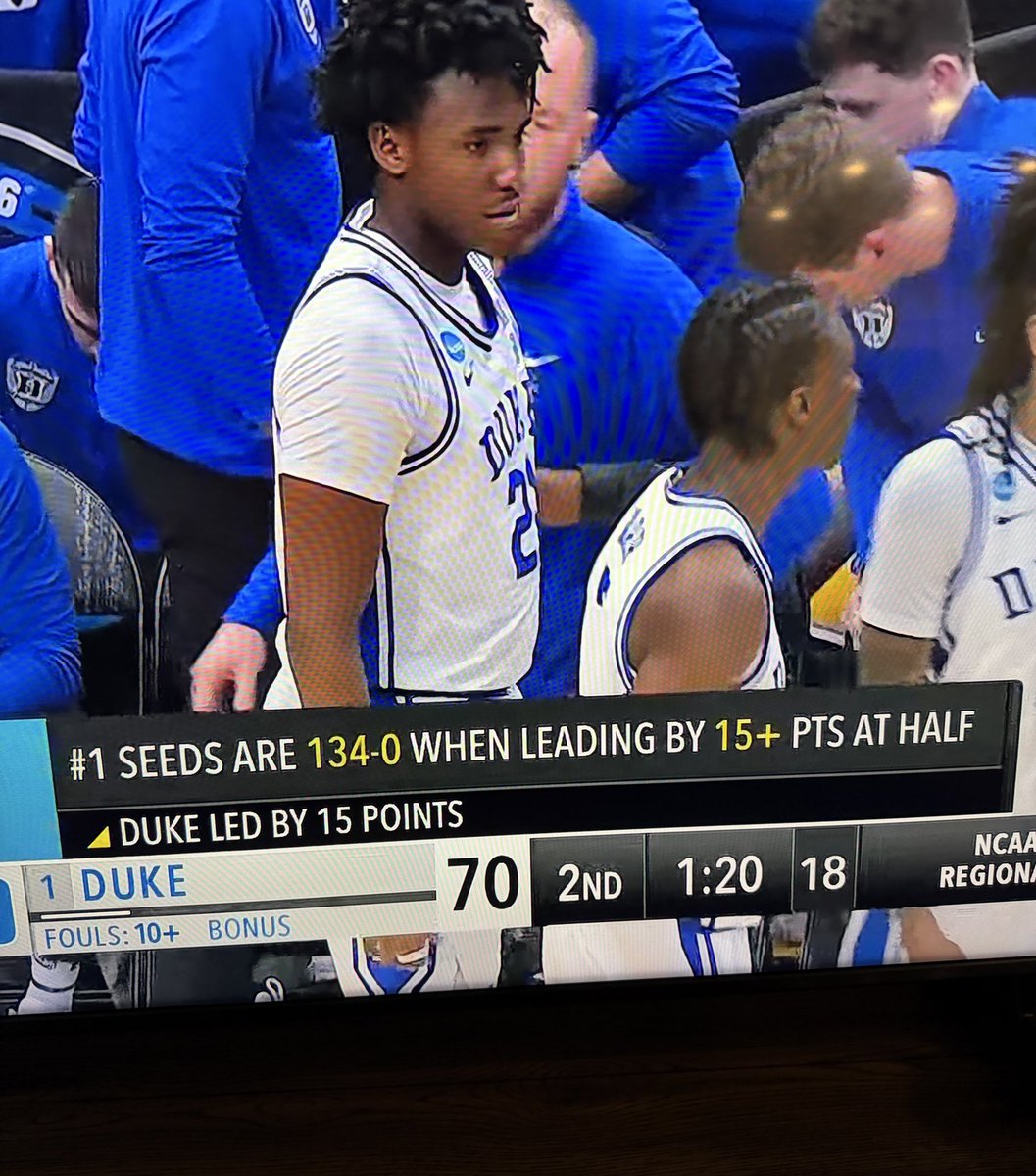
Duke was up 17 (48-31) with under 18 minutes left in the game. Complete implosion💥

1
280

Every edge a bettor achieves is due to information asymmetry, better modeling, or a pricing error.
How is Replay anything other than a slot machine?
bettorsinsider.com/news/2026…
1
2
146

Could be a good first step towards more fair treatment at large commercial books.
gamblinginsider.com/news/116…
1
111
The Kansas/St. John's game on Sunday is going to be a fascinating chess match to watch.
Two Hall of Fame coaches with a ton of experience in the Big Dance, both great at making adjustments on the fly.
St. John's is on a pretty insane heater the last month or so, and Kansas is very efficient and steady.
Probably the game I'm looking forward to the most in the next round.
1
1
89