Lab of Robert Weatheritt. Interested in how post-transcriptional process regulate protein function in disease. @GarvanInstitute @EMBLAustralia @UNSWBABS
Joined July 2019
- Tweets 119
- Following 154
- Followers 264
- Likes 204
21 Photos and videos


Pinned Tweet

4 Sep 2024
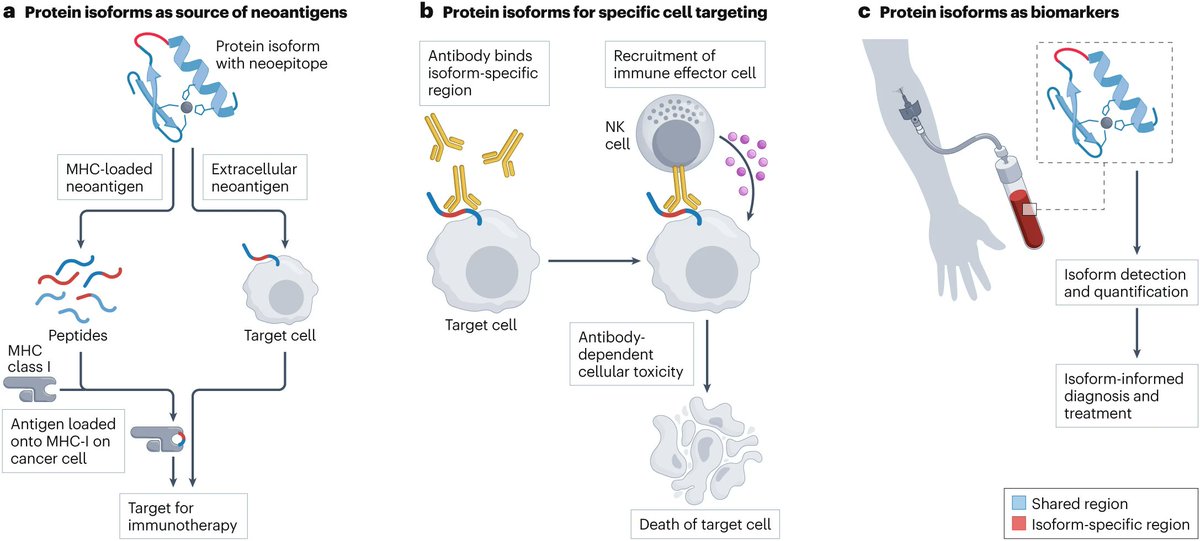
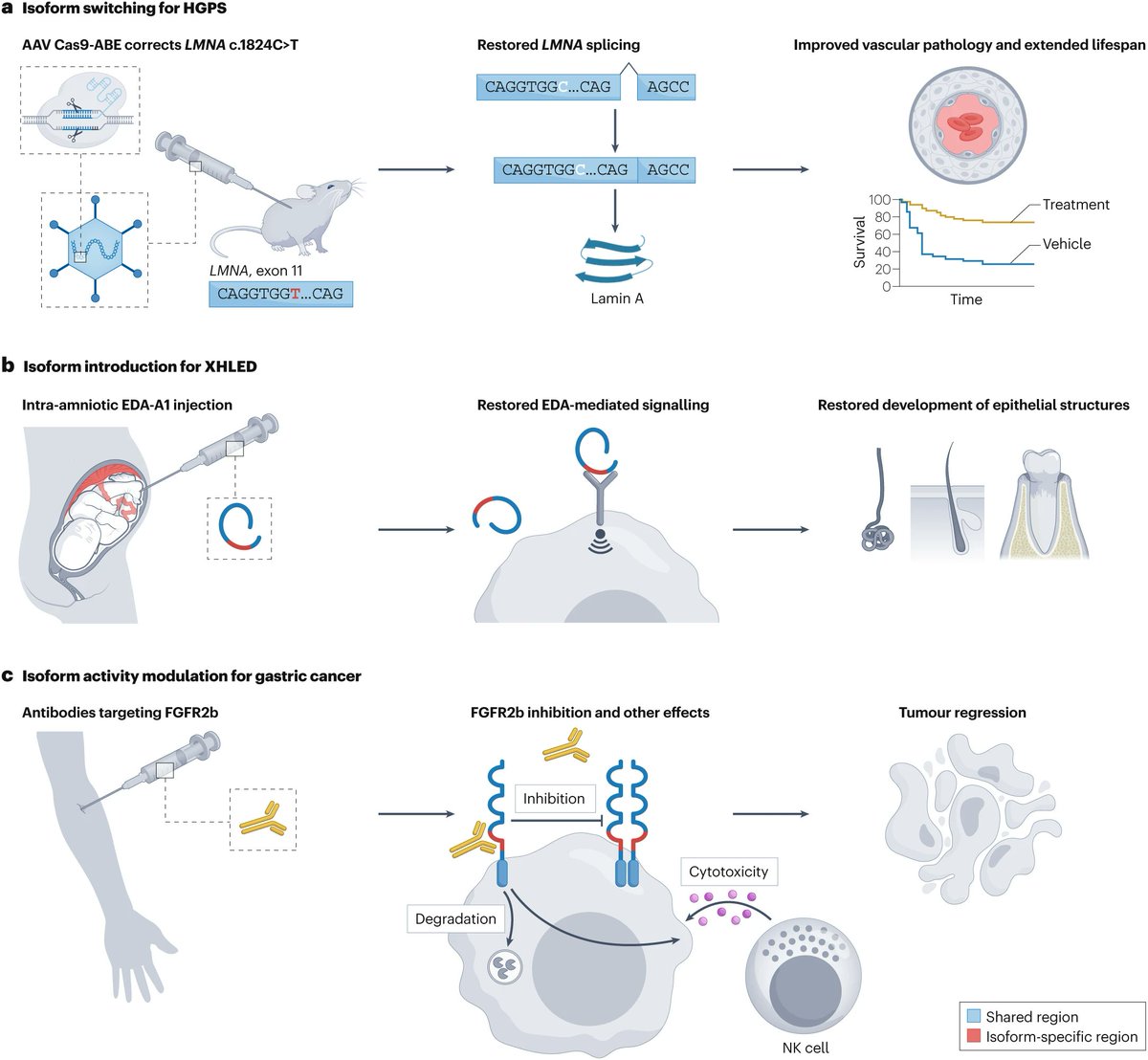
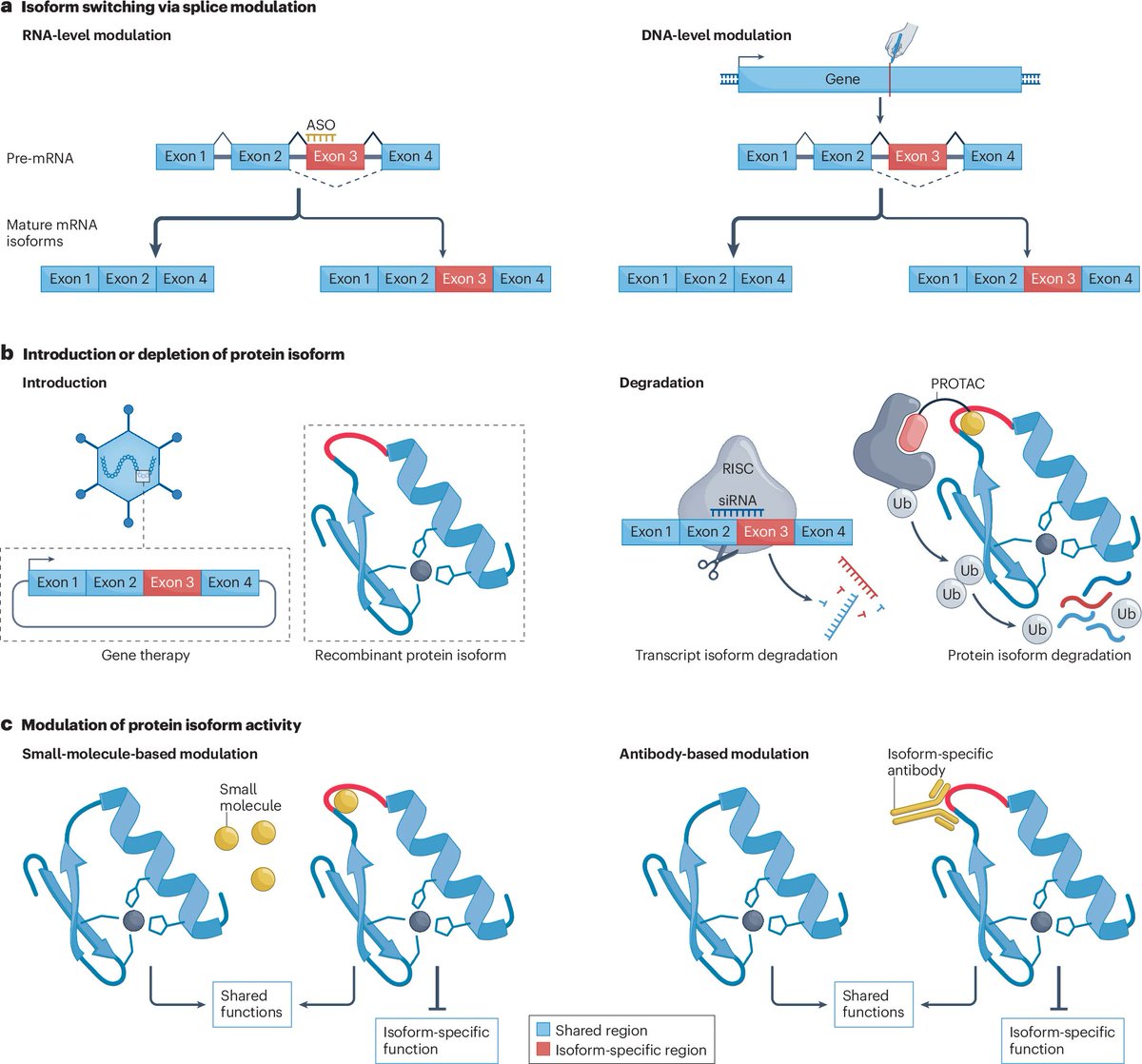
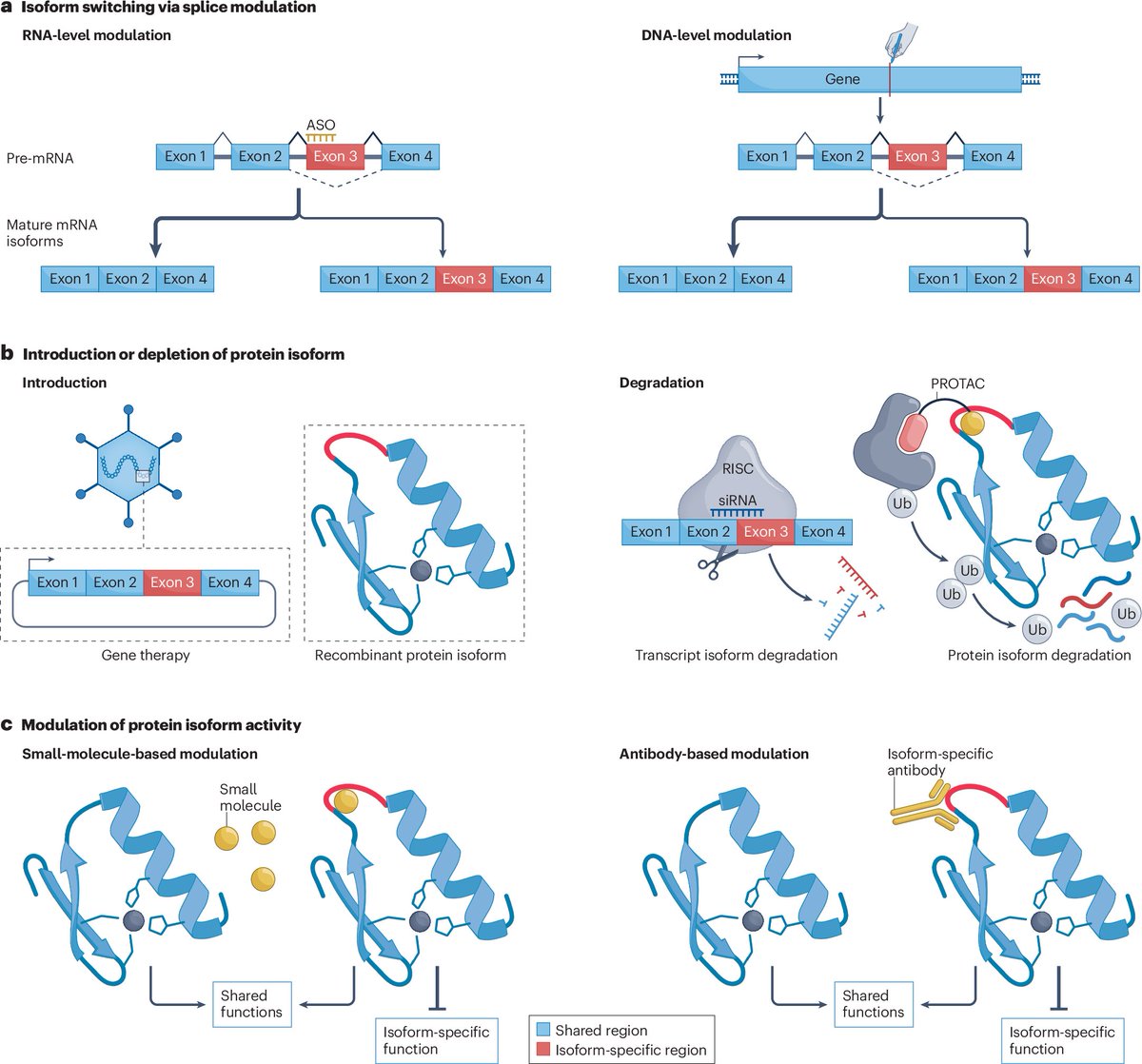
Excited to share our new review discussing potential of targeting isoforms as a new route to drugs with greater specificity and fewer adverse effects! nature.com/articles/s41573-0… Published in @NatRevDrugDisc Congrats @kjer_peter @GarvanInstitute @UNSWBABS @EMBLAustralia
3
15
49
3,425
25 Nov 2024
Excited to share our latest paper biorxiv.org/cgi/content/shor… "The conserved landscape of RNA modifications and transcript diversity across mammalian evolution". Great work by @Gabeechuela and Akanksha in collaboration with @EduEyras Lab and the Shirokikh Lab.
1
8
37
3,419
25 Nov 2024
Here, we present a direct-RNA long read sequencing atlas, using @nanopore's PromethION, spanning over 230 million years of evolution. This atlas enables us to assess the conservation of coordinate splicing, m6A modifications, and transcript diversity.
1
2
5
1,643
25 Nov 2024
Our analysis reveals that 29% of genes have multiple mammalian-conserved alternative transcripts, and >14% of m6A RNA modifications are conserved across mammals at the single nucleotide level. Together this highlights the conservation of RNA processing @UNSWBABS @EMBLAustralia
1
4
437
Weatheritt Lab retweeted

25 Nov 2024
The last part of my PhD research 🤓 is out!! If you are interested in RNA Biology -> Alternative Splicing and Epitranscriptomics Evolution go have a look!
A thread 🧵
25 Nov 2024

The conserved landscape of RNA modifications and transcript diversity across mammalian evolution biorxiv.org/cgi/content/shor… #biorxiv_genomic
2
3
18
1,403
Weatheritt Lab retweeted

6 Sep 2024
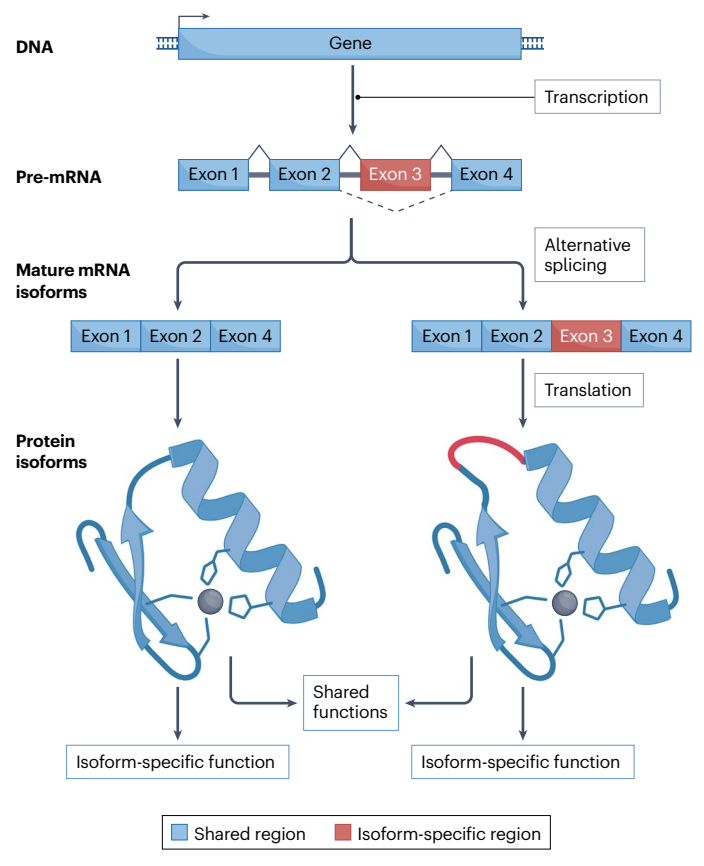
I found this review on protein isoforms, derived from alternative splicing, very interesting
👉most genes produce multiple protein isoforms🧬🔄
👉isoforms can be tissue-/disease-specific
👉potential for therapeutic modulation or for biomarker discovery
nature.com/articles/s41573-0…
2
48
208
16,046
Weatheritt Lab retweeted

4 Sep 2024
Protein isoform-centric therapeutics: expanding targets and increasing specificity tinyurl.com/2v5c3us8
Many genes encode multiple protein isoforms. This new review discusses targeting isoforms as a route to drugs with greater specificity and fewer adverse effects
1
39
177
20,306
4 Sep 2024
Excited to share our new review discussing potential of targeting isoforms as a new route to drugs with greater specificity and fewer adverse effects! nature.com/articles/s41573-0… Published in @NatRevDrugDisc Congrats @kjer_peter @GarvanInstitute @UNSWBABS @EMBLAustralia
3
15
49
3,425
5 Sep 2024
Lastly, we discuss how they can serve as sources of neoantigens in cancer, as unique molecular targets for directed drug delivery (both to kill cells or to tune their functions), and as diagnostic biomarkers
1
126
5 Sep 2024
Finally, we discuss future perspectives and challenges relating to protein isoform-centric therapies. Thanks again to @kjer_peter @LabPhan
107
8 Apr 2024
Job Alert! Postdoc position is available in the Weatheritt lab in Sydney. An initial 2-year position working on RNA processing in early development. Work is in collaboration with Vi Wickramasinghe's lab at Peter Mac. Email me at r.weatheritt@garvan.org.au if interested.
7
7
2,024
30 Nov 2023
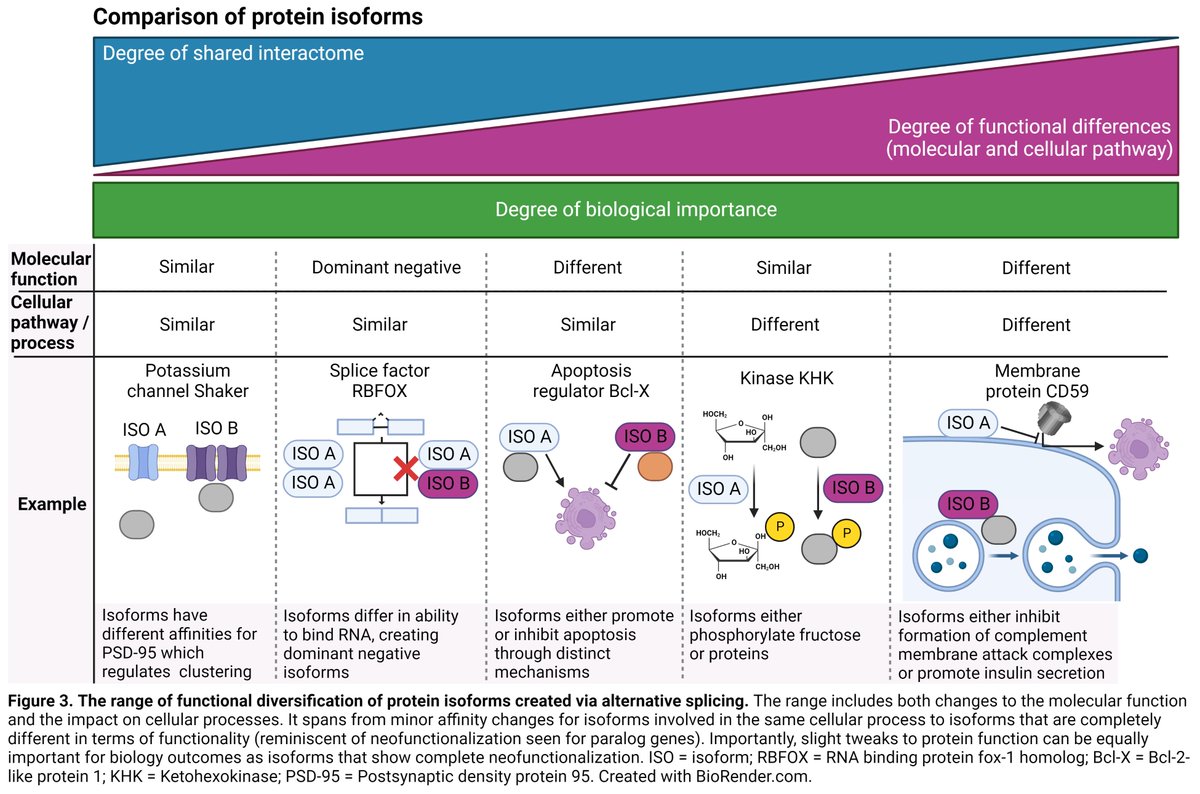
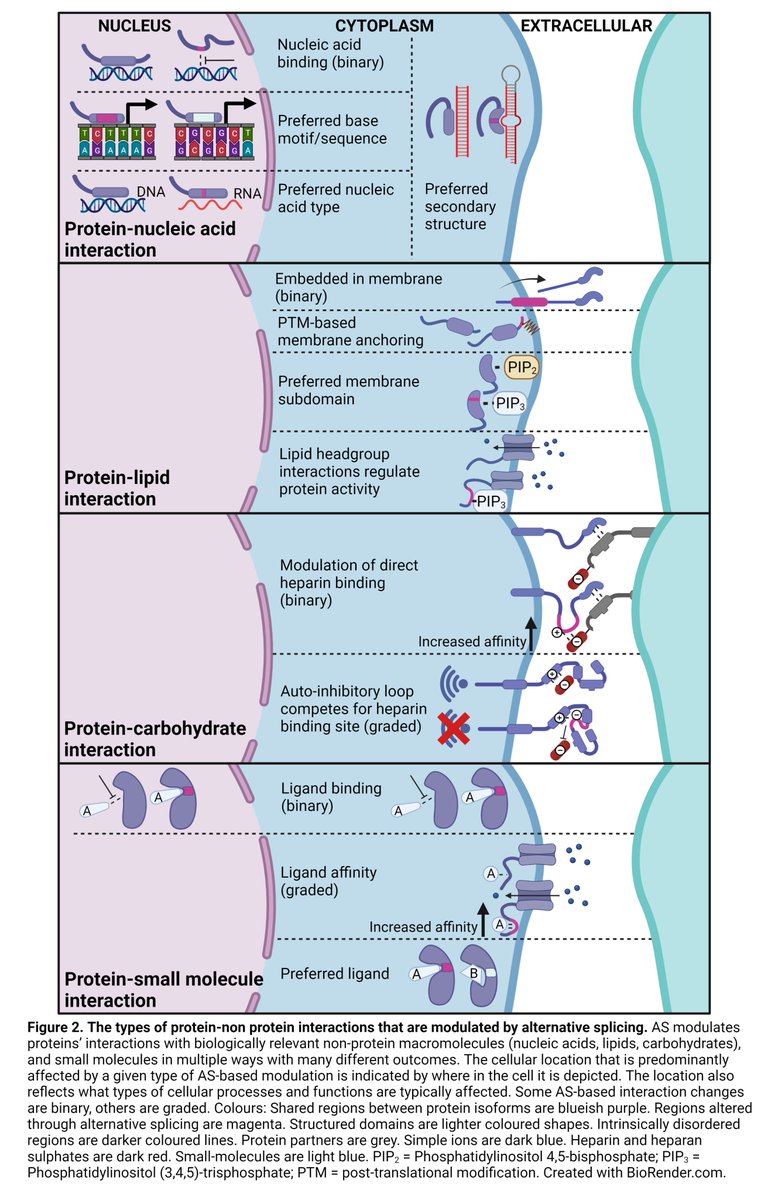
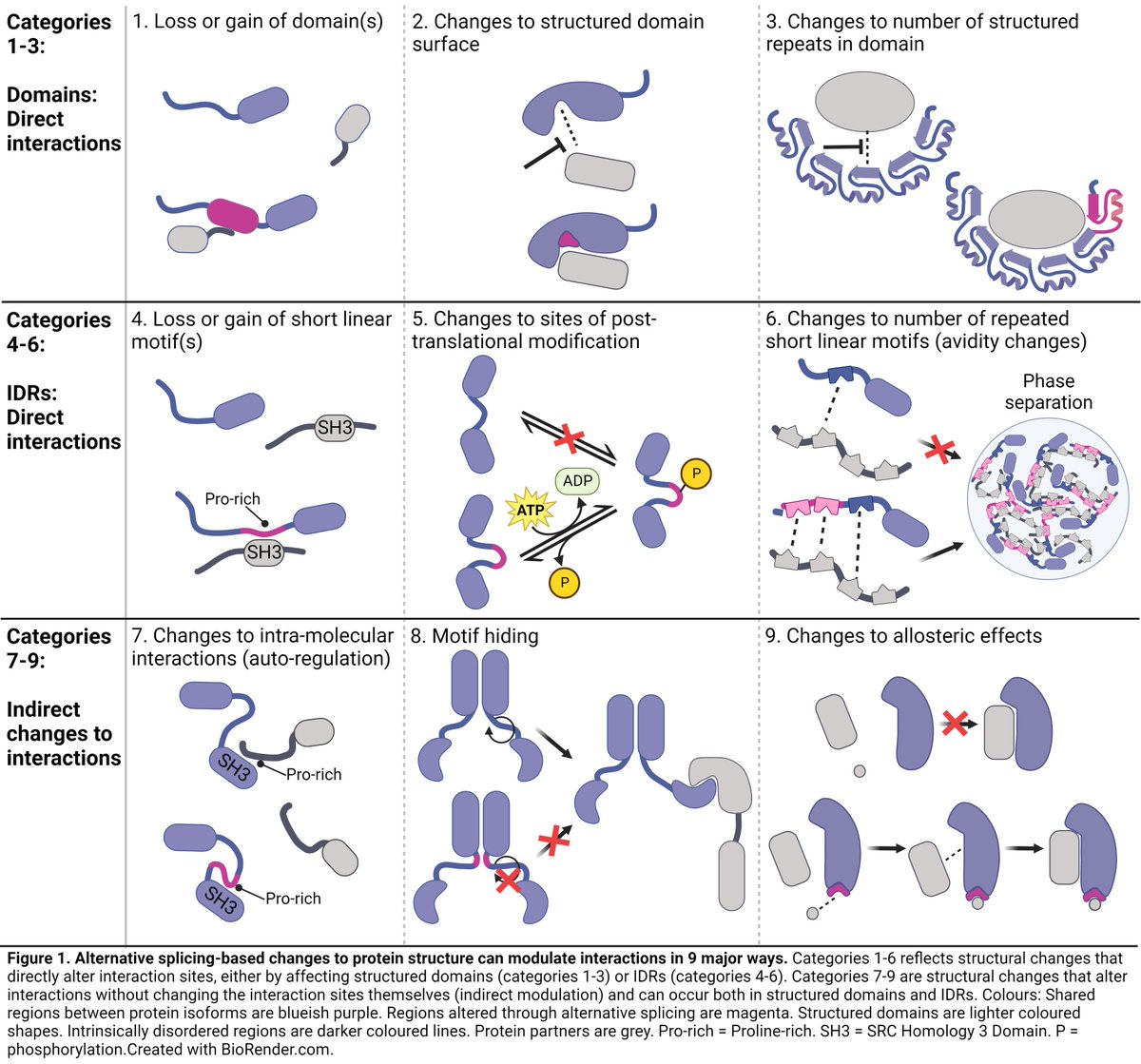
What is the function of alternative splicing in the proteome? What cellular functions does it impact? Our review (rdcu.be/dsryX)
just published in @NatureSMB suggests splicing impacts almost every cellular process. Fantastic work by @kjer_peter! A short 🧵 below
1
27
78
12,014
30 Nov 2023
Finally, we discuss how the dysregulation of protein isoforms can contribute to and drive disease phenotypes: by the aberrant production of endogenous isoforms, altered activity of endogenous isoforms, or creation of disease-specific isoforms which rewire protein interactomes.
1
1
358
30 Nov 2023
Together this demonstrates the range of functional diversification created by alternative splicing in the proteome.
2
298
Weatheritt Lab retweeted

7 Jun 2023
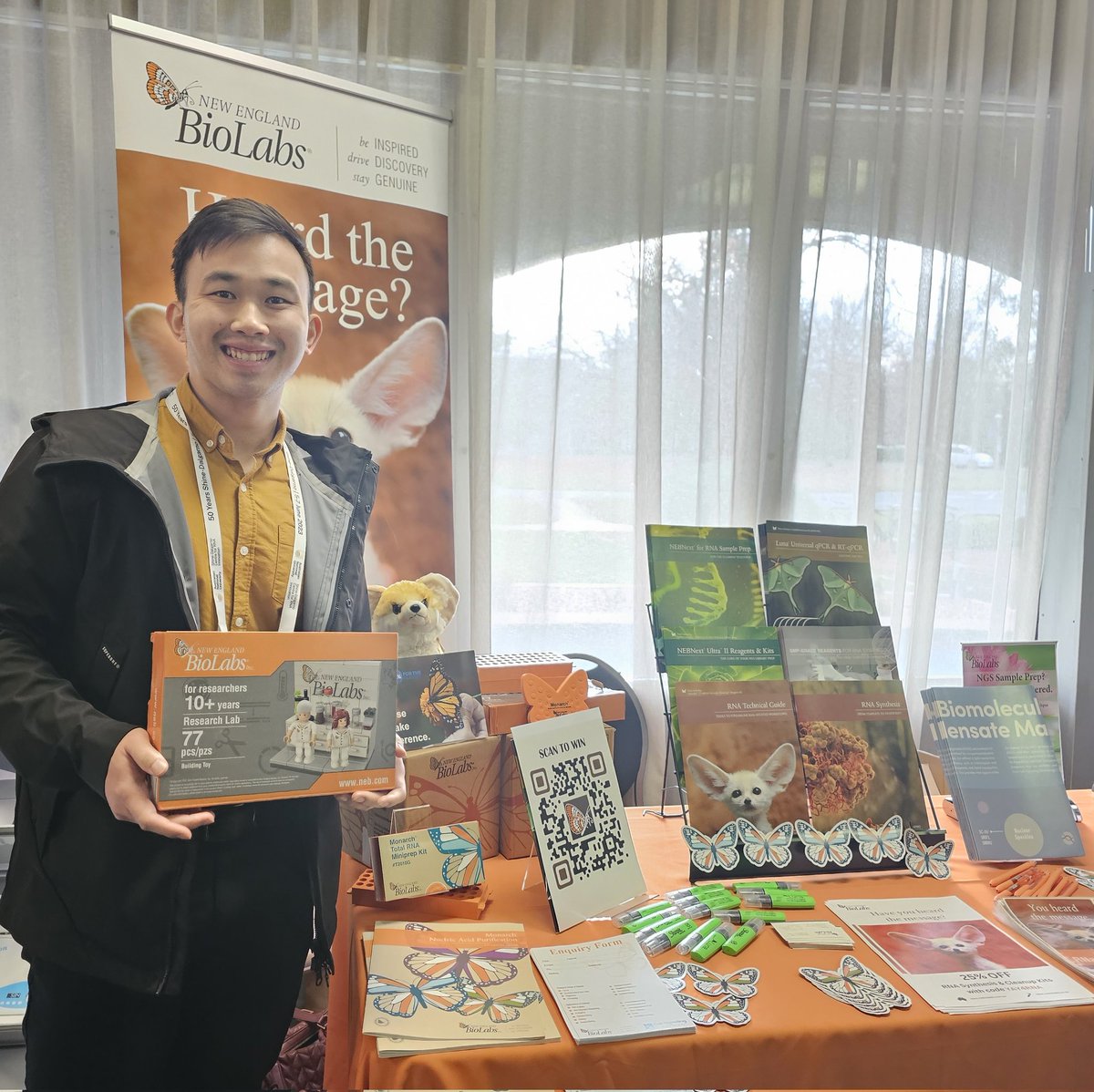
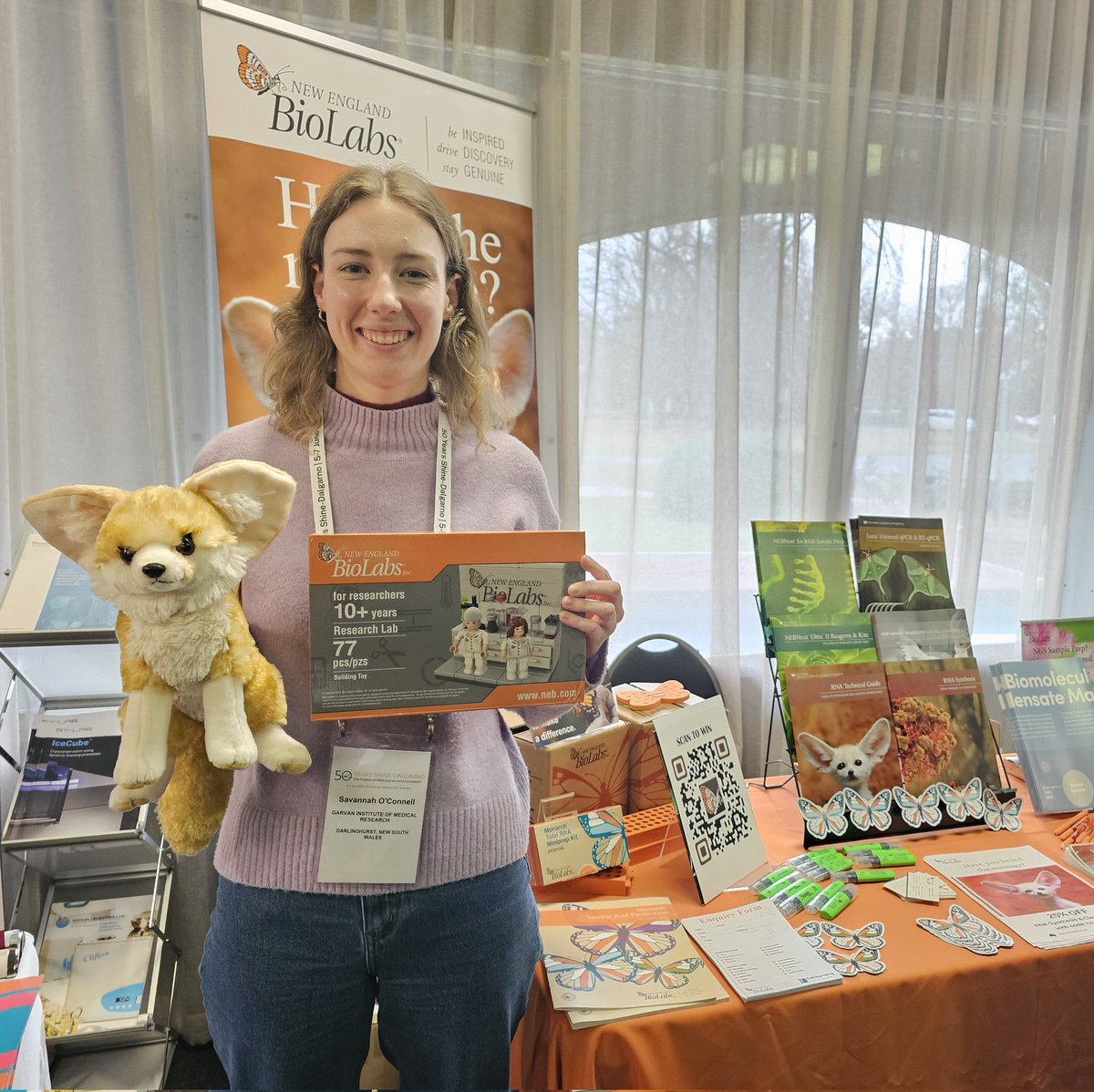
Congratulations to Winton and Savannah, both from @UNSWScience, the two winners of our giveaway at the Sine-Dalgarno symposium this week at @JCSMR! Thanks to everyone who stopped by to chat with @SelvaKu55508618 and I this week! @Neuro_RNA
1
4
15
782
Weatheritt Lab retweeted

23 Mar 2023
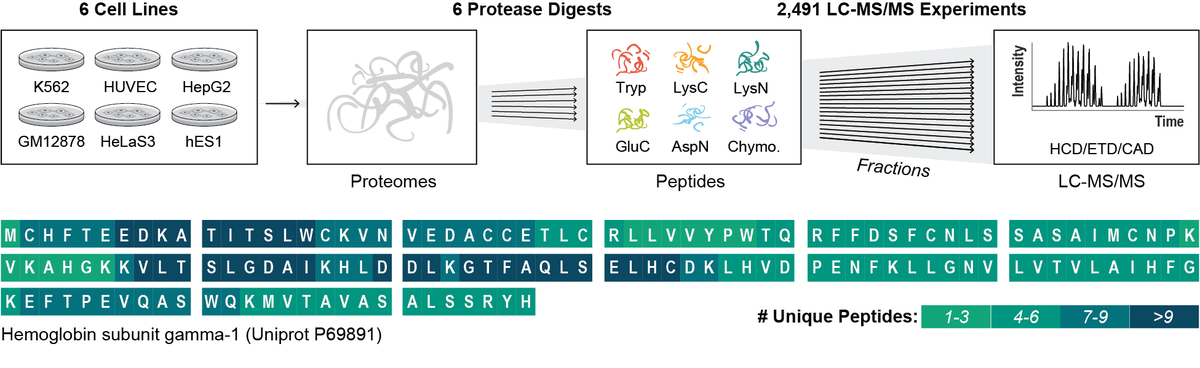
@TheCoxLab and @Coon_Labs scientists succeeded in developing a new method to generate a more detailed #proteome than ever before, providing insights into how #GeneticVariants and #SpliceVariants in humans impact the proteome.
Published in @NatureBiotech
nature.com/articles/s41587-0…
36
116
29,697
2 Nov 2022
Incredibly grateful to the Sylvia and Charles Viertel Charitable Foundation for awarding me this prestigious fellowship. Huge thanks to everyone in my lab for their amazing work! @GarvanInstitute @EMBLAustralia @UNSWBABS
eqt.com.au/about-us/media-ce…
8
1
43