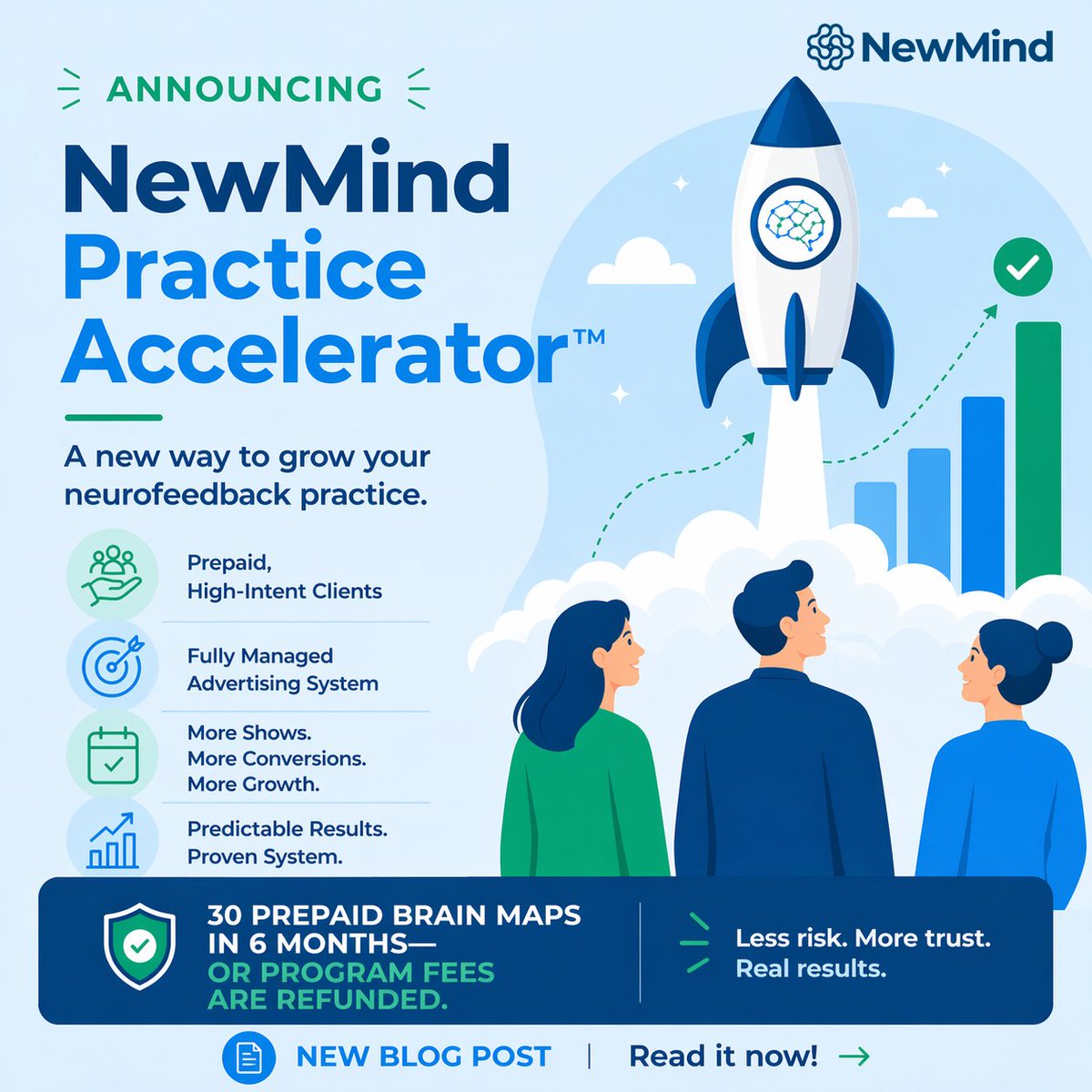
Kickstart your #neurofeedback practice w/ NewMind Tech! Simple, powerful solutions 24/7 support for office or home. Join us & watch your practice thrive. đź§
🎥 NewMind’s latest documentary challenges everything you know about healing.
See how ayahuasca ceremonies impact brain activity through neurofeedback in this fascinating new film.
đź§ Read the blog & watch the trailer bit.ly/3QASw6o#Neurofeedback#Ayahuasca
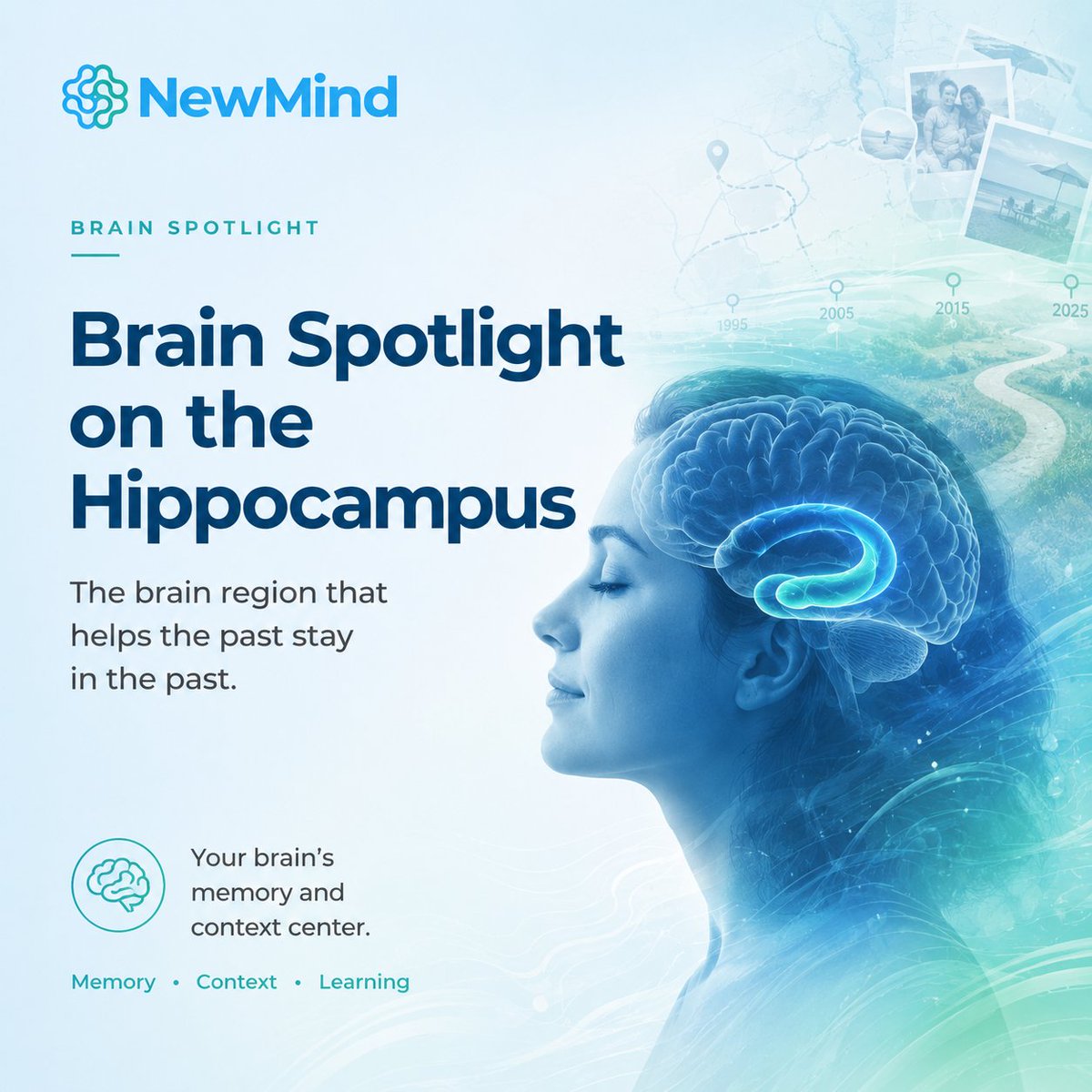
The hippocampus helps the brain form memories, learn from experience, and place events in context.
That context helps the brain understand whether something belongs to the past — or whether it's still happening now.
#Neuroanatomy#BrainHealth#Neurofeedback
ALT Brain Spotlight infographic on the hippocampus — the brain region that helps form memories, place events in context, and understand whether the past is still happening now
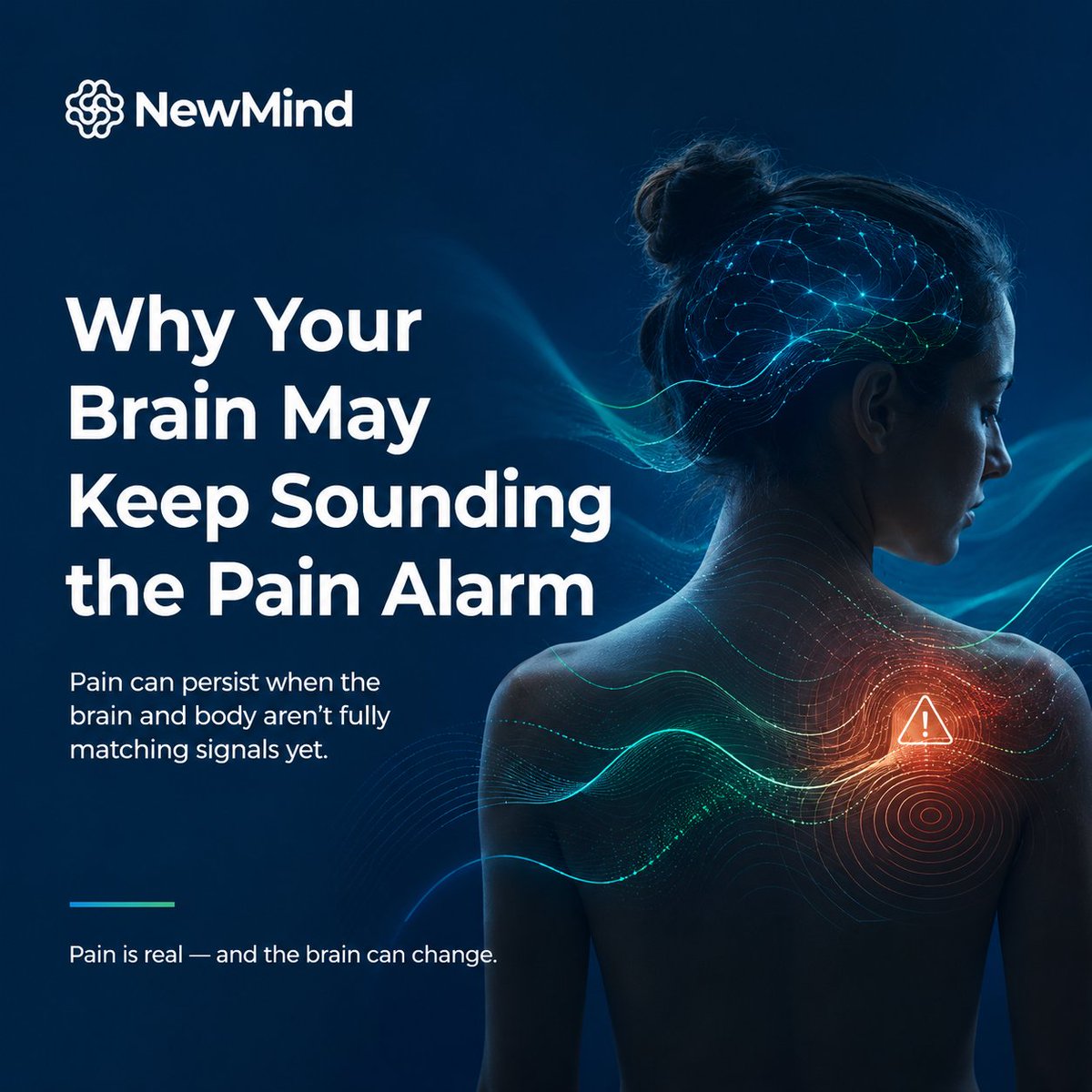
Pain can persist when the brain detects a mismatch between body signals and expectations.
This doesn't mean the pain is imaginary: It means the nervous system may still be in protection mode, even after the original threat has changed.
#PainScience#Neuroscience#BrainHealth
ALT Infographic explaining why the brain may keep sounding the pain alarm — illustrating sensory mismatch between the brain's expectations and the body's signals
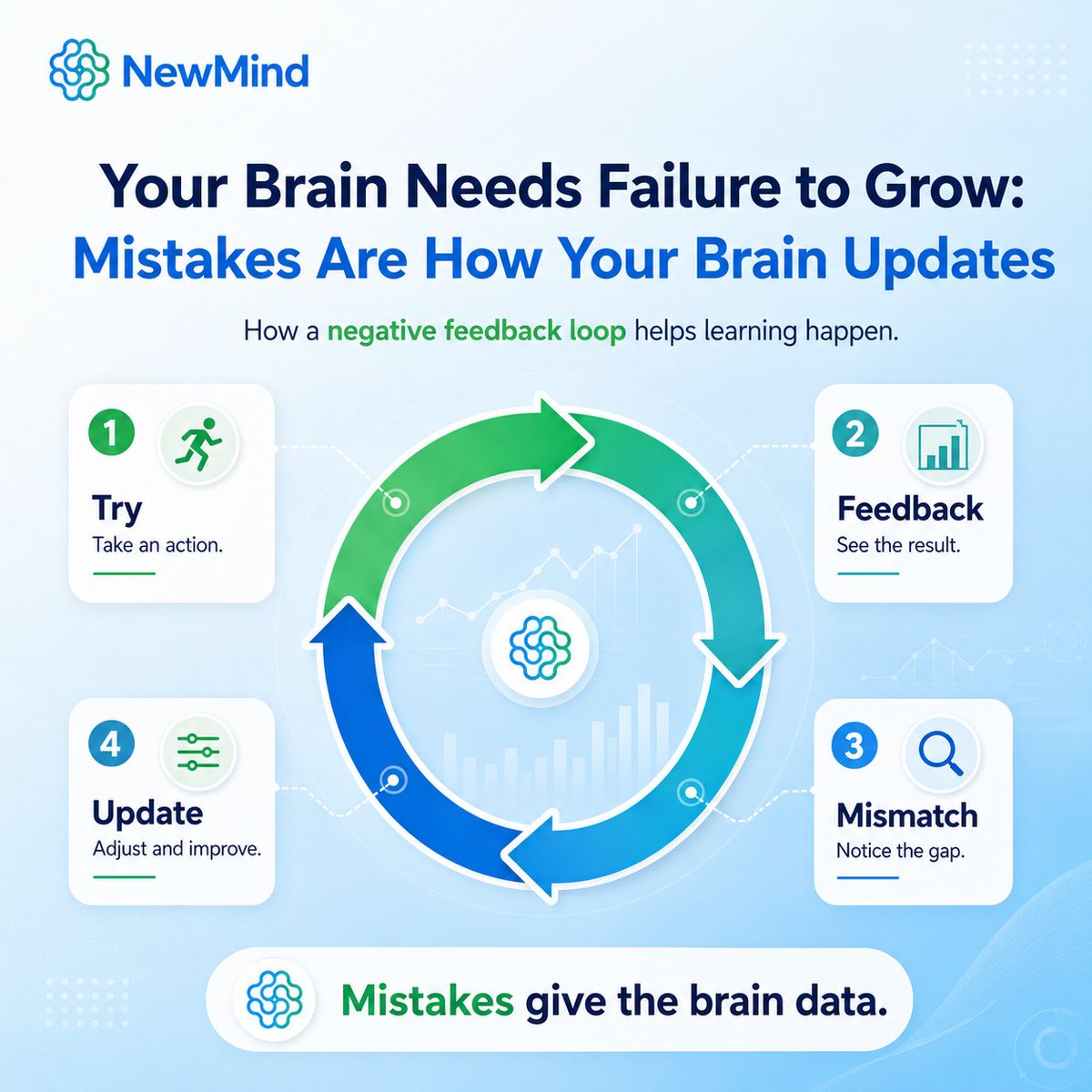
Mistakes give the brain data.
In a negative feedback loop, the brain compares the result to the goal, detects the gap, and adjusts. That's how skills, habits, and self-regulation improve.
#Neurofeedback#BrainTraining#Neuroscience
ALT Infographic illustrating the brain's negative feedback loop — the cycle of try, get feedback, notice the mismatch, and update that drives learning
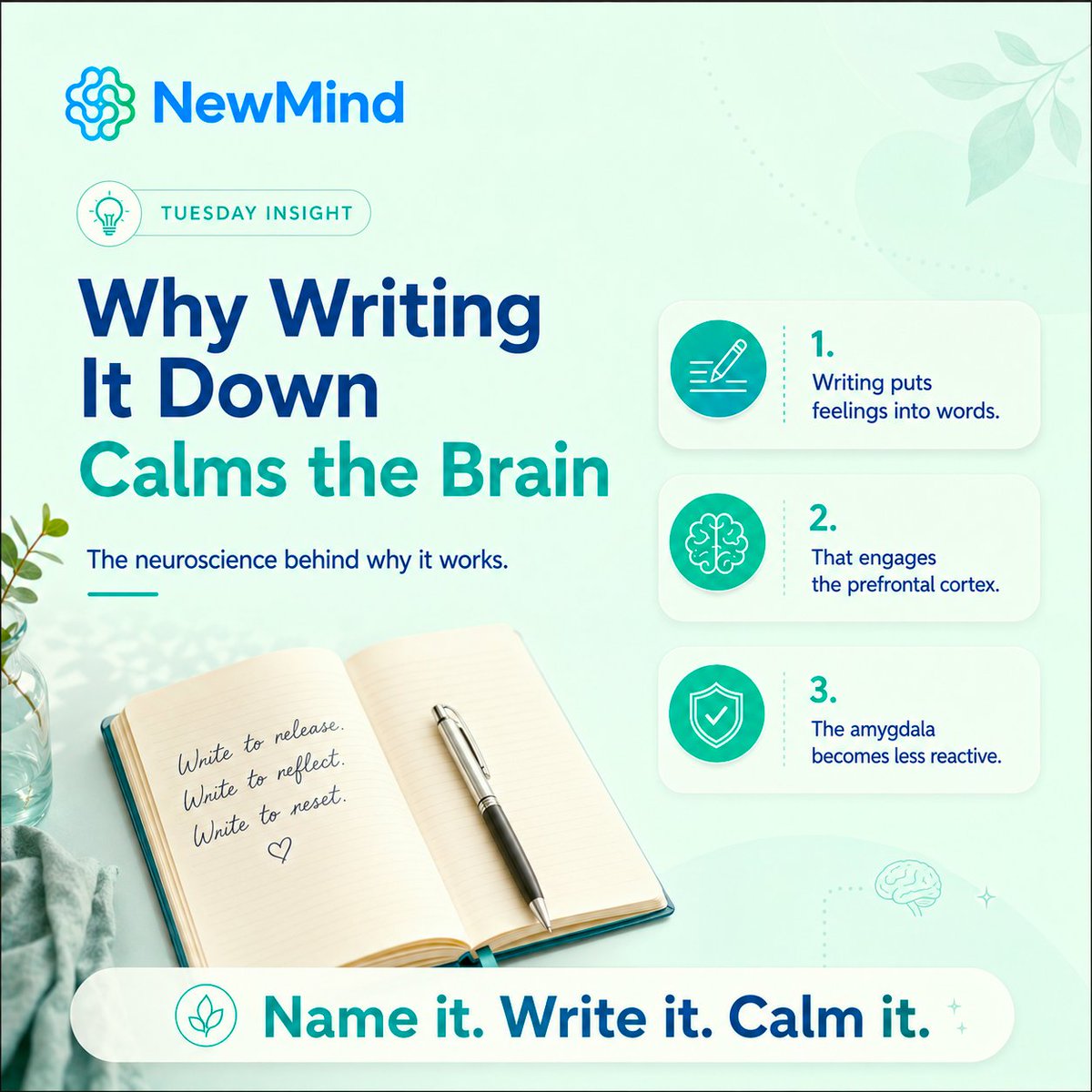
Writing about emotions isn't just expressive. It's regulatory.
Putting feelings into words can recruit prefrontal control systems and reduce amygdala reactivity, helping the brain move from reaction to reflection.
#Neurofeedback#BrainHealth#EmotionalRegulation
ALT Infographic showing the neuroscience of journaling — how writing about emotions engages the prefrontal cortex and calms the amygdala
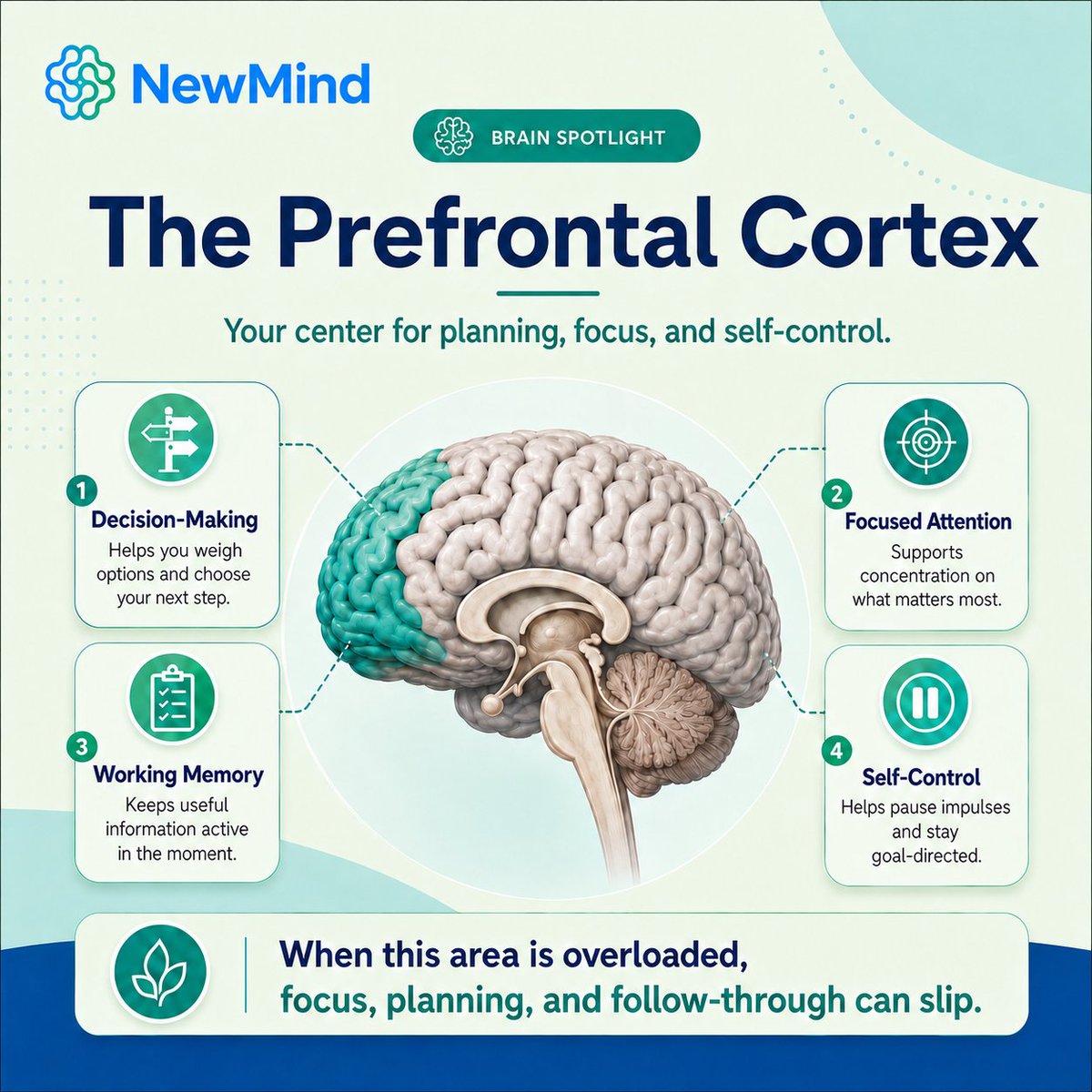
Meet the prefrontal cortex.
It helps with planning, focus, working memory, decision-making, and self-control — the skills that help you stay on track. đź§
#Neuroscience#BrainHealth
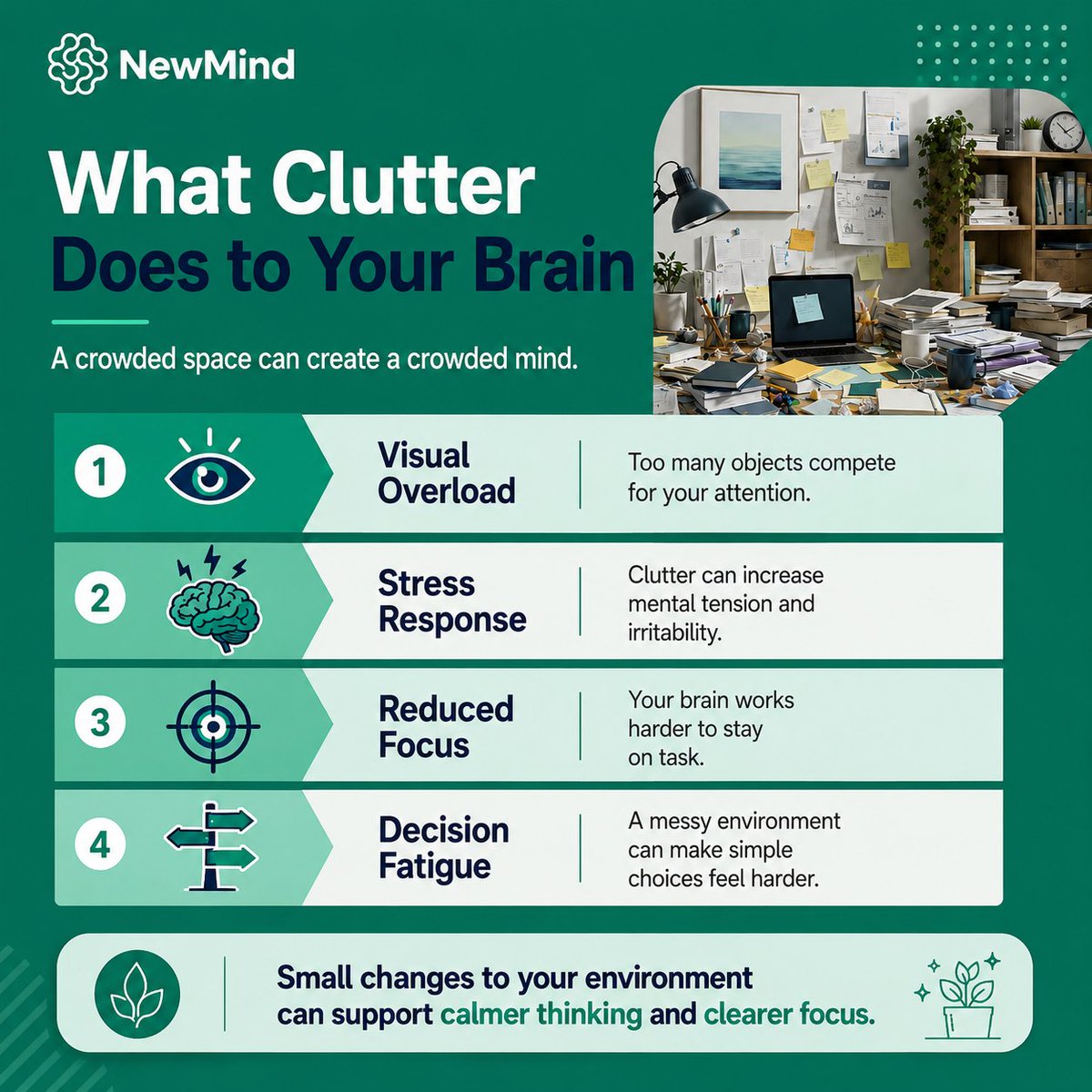
A crowded space can create a crowded mind.
Clutter gives the brain more visual information to filter, which can make focus feel harder and decisions feel heavier. đź§
#BrainHealth#MentalClarity
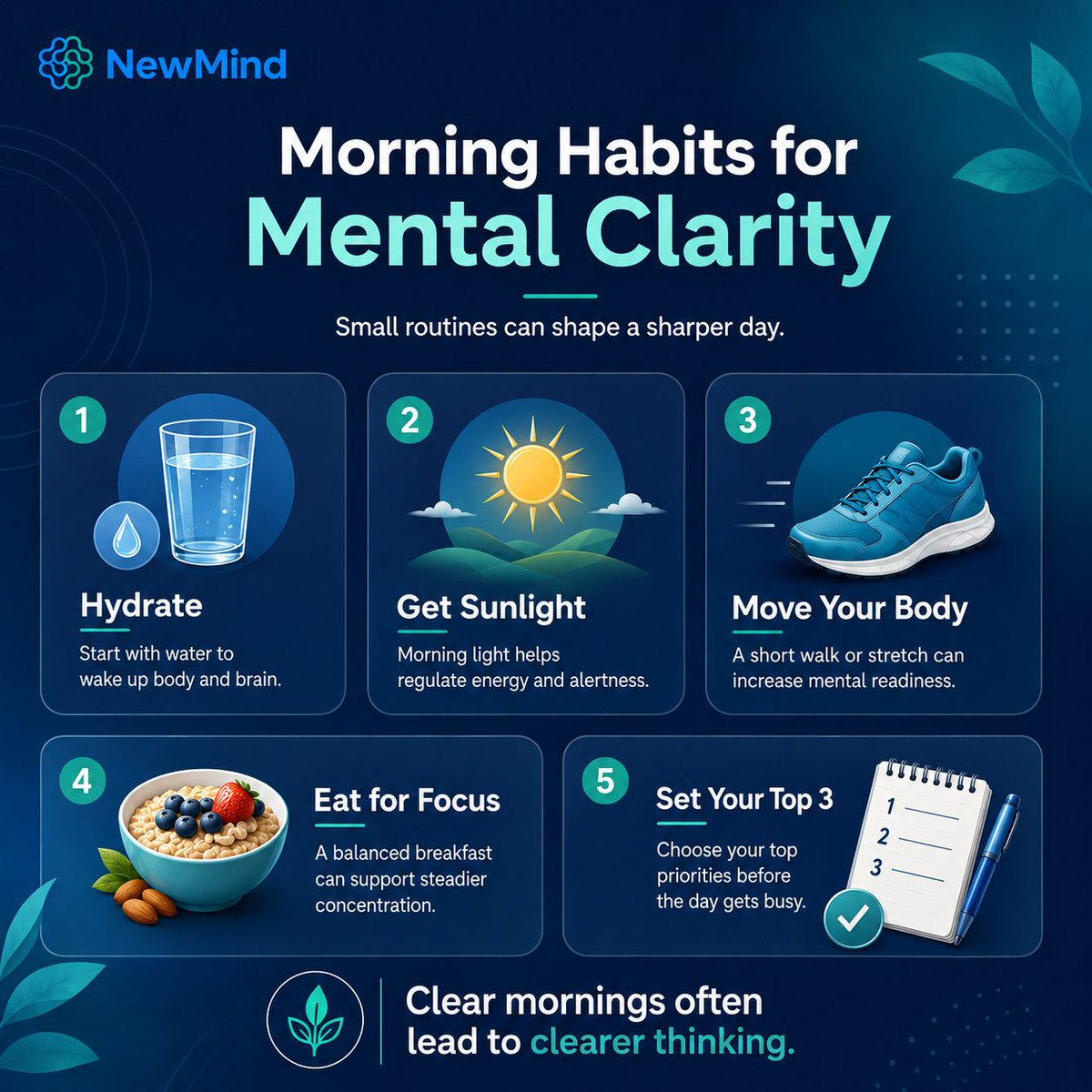
Morning clarity doesn't require a 12-step routine.
Water. Light. Movement. Food. Priorities.
Simple cues can help your brain start the day with more focus. đź§
#BrainHealth#MentalClarity
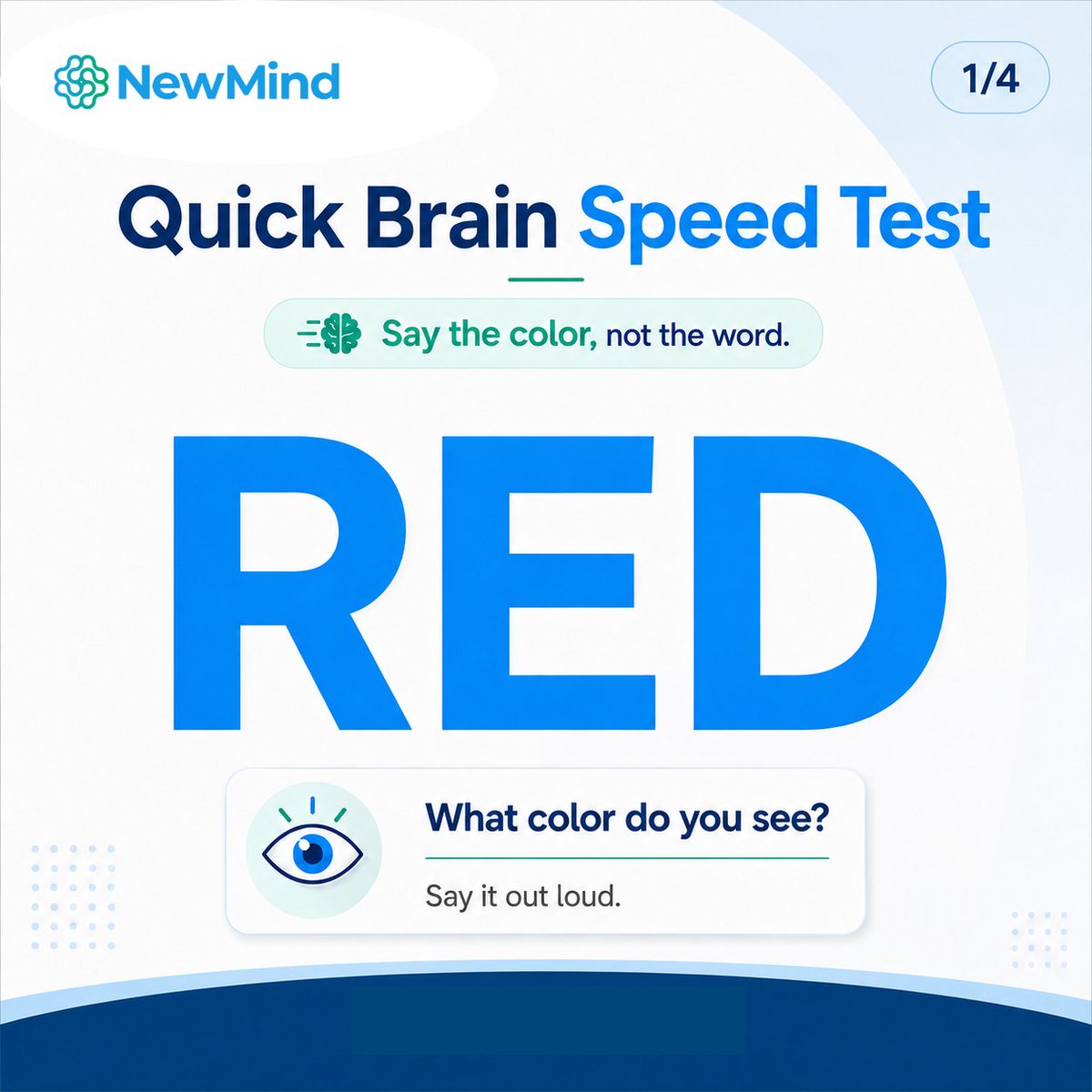
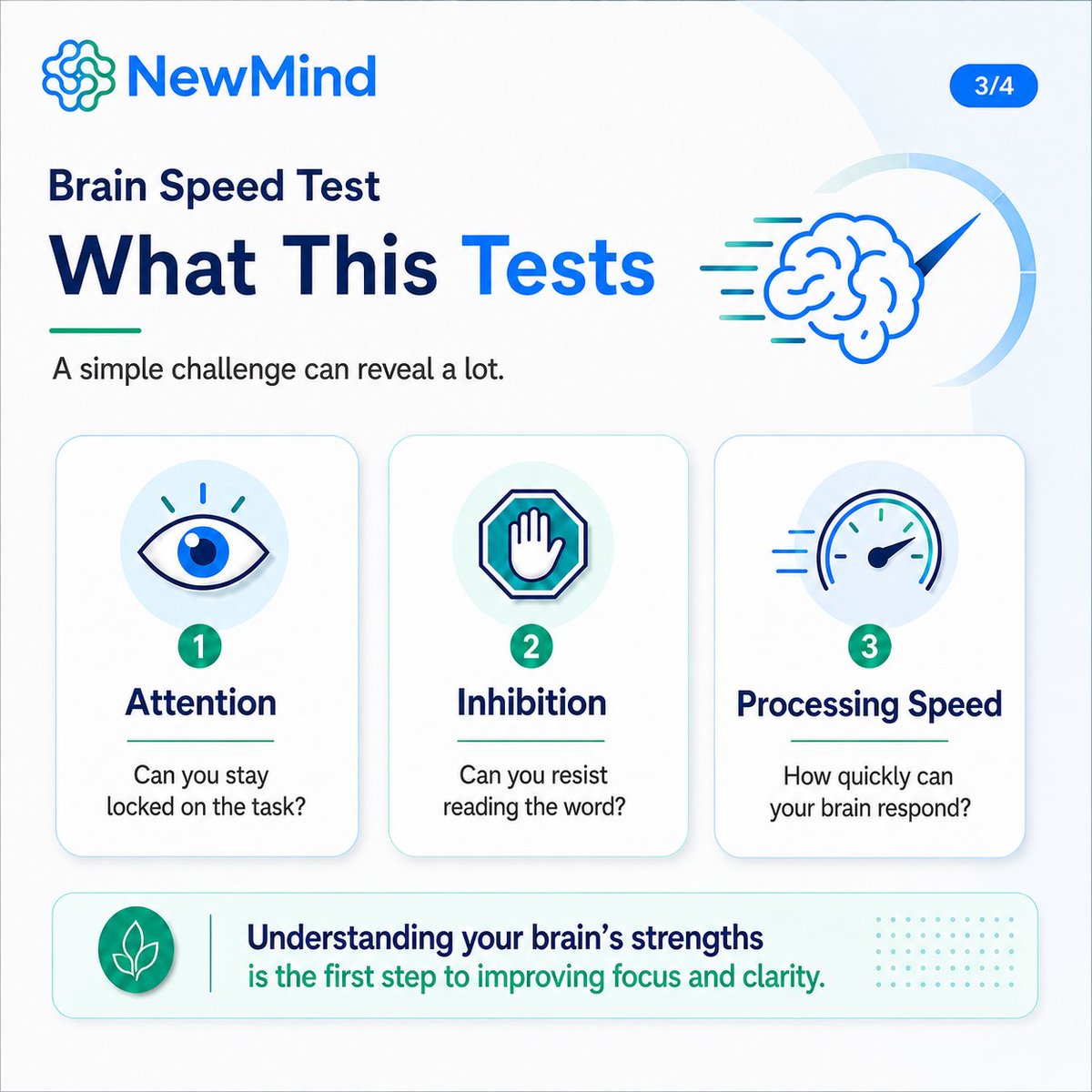
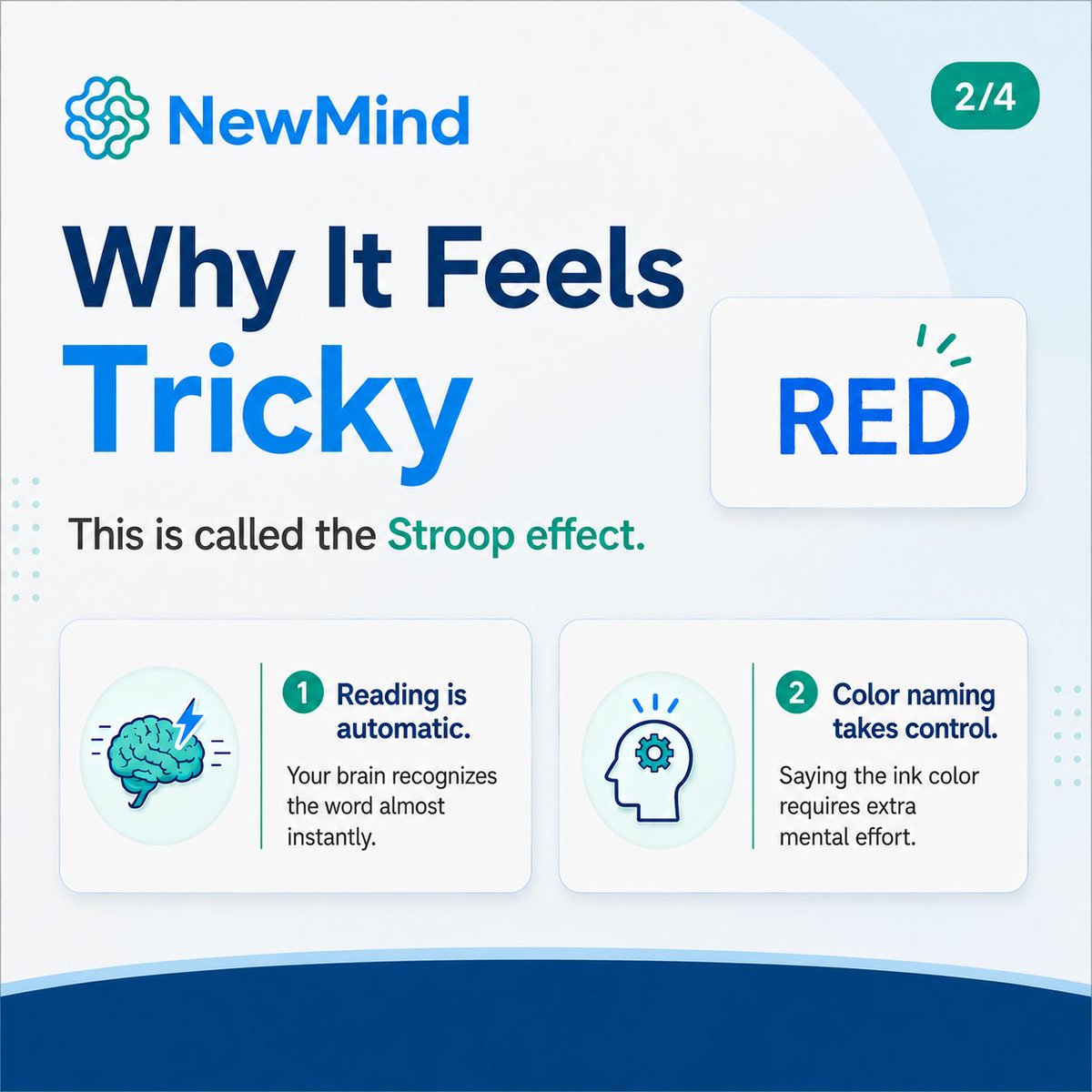
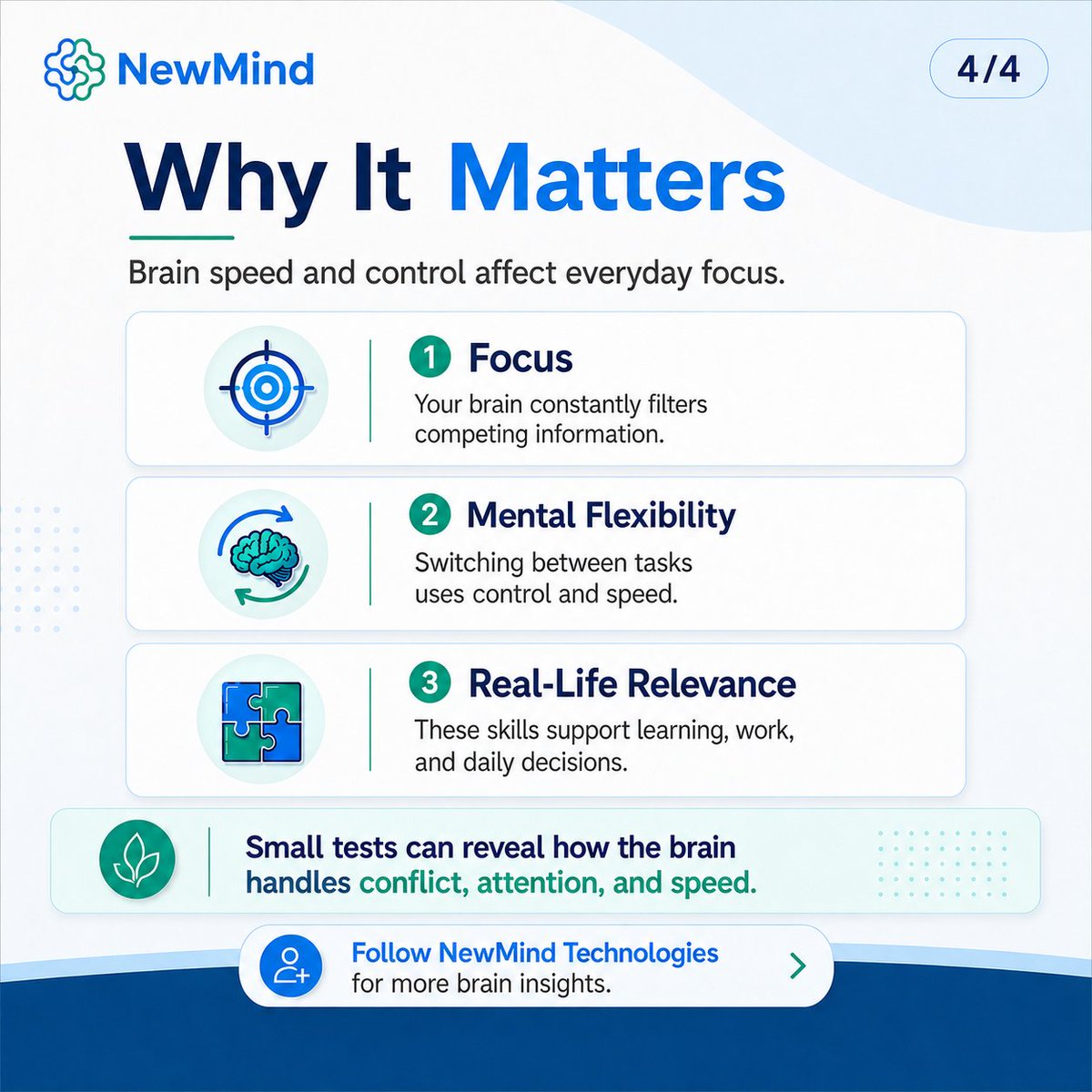
Quick brain test:
If RED is written in blue, say the color — not the word.
That tiny hesitation? Your brain is filtering conflict in real time. đź§
#BrainHealth#Focus
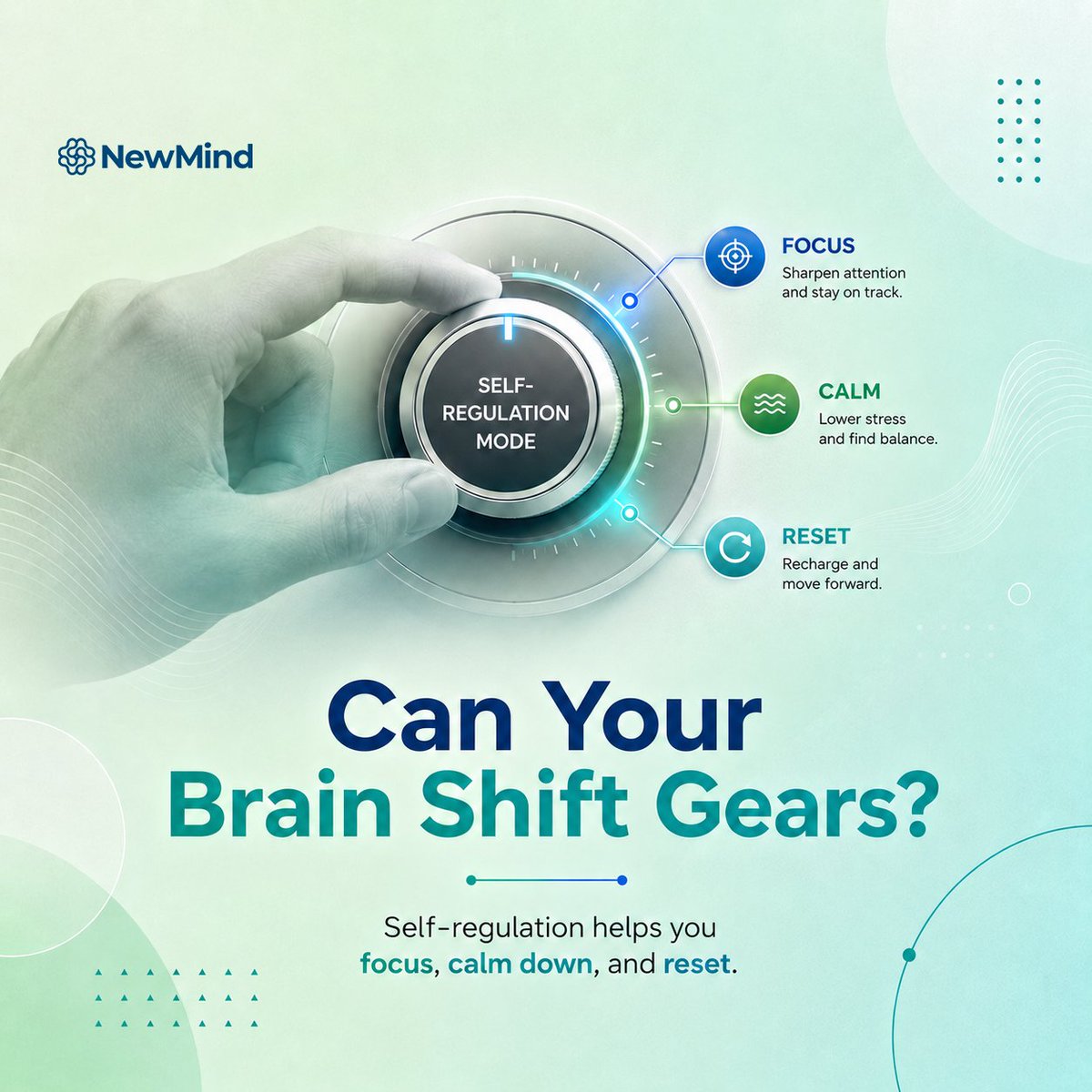
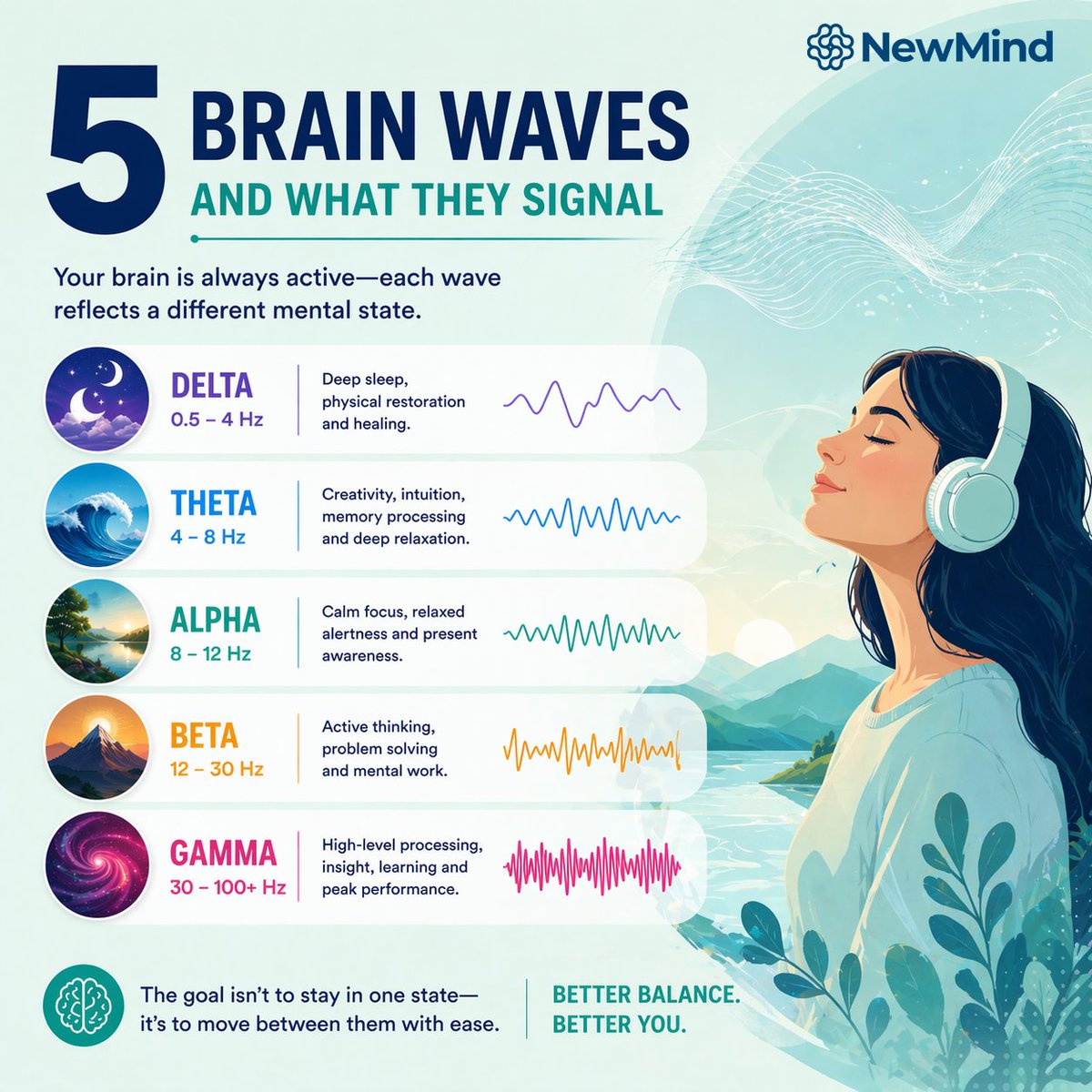
Self-regulation is the brain’s ability to shift gears.
Focus when needed.
Calm down after stress.
Reset after frustration.
Recover when tired.
Neurofeedback helps train the brain toward better regulation over time.
#Neurofeedback#SelfRegulation#BrainHealth
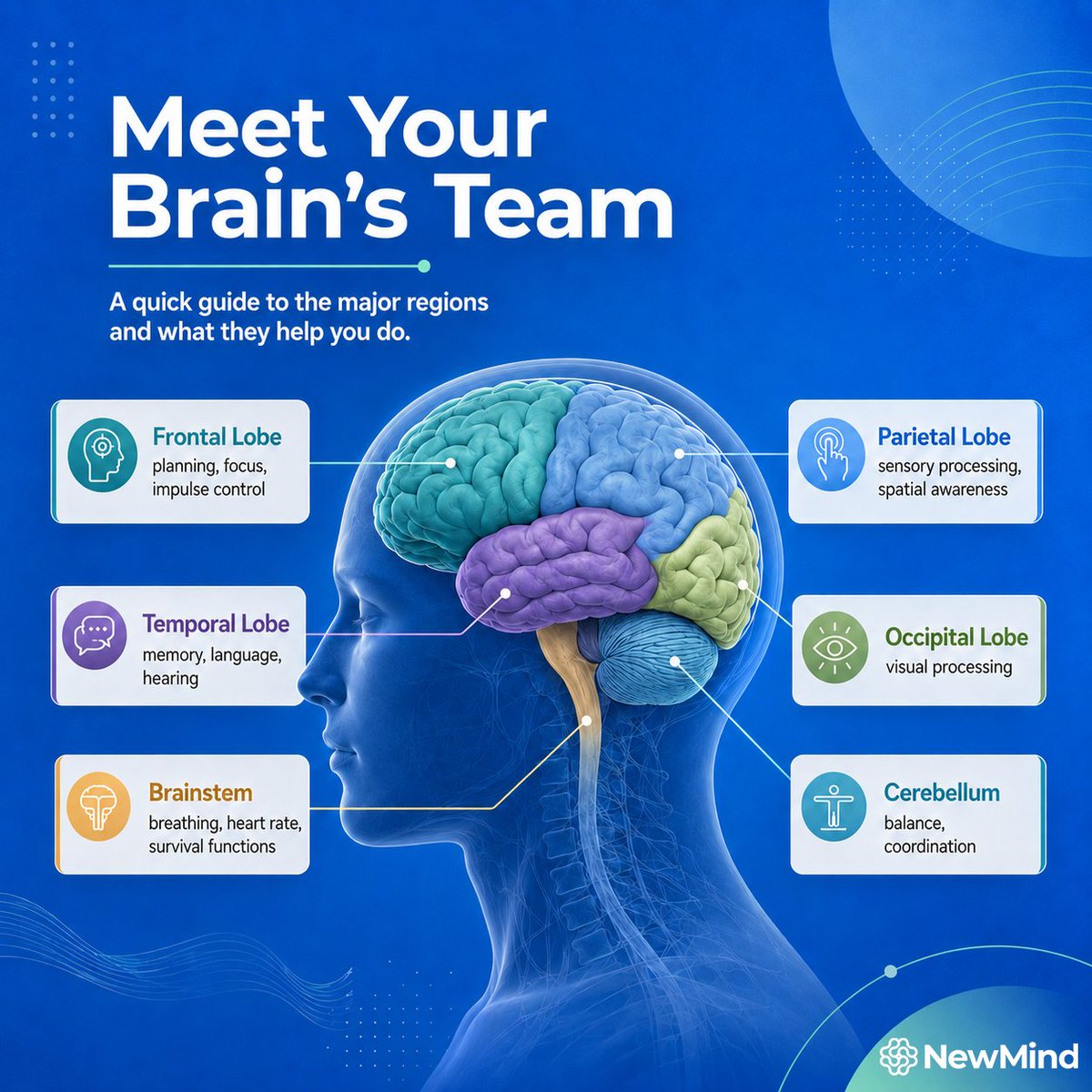
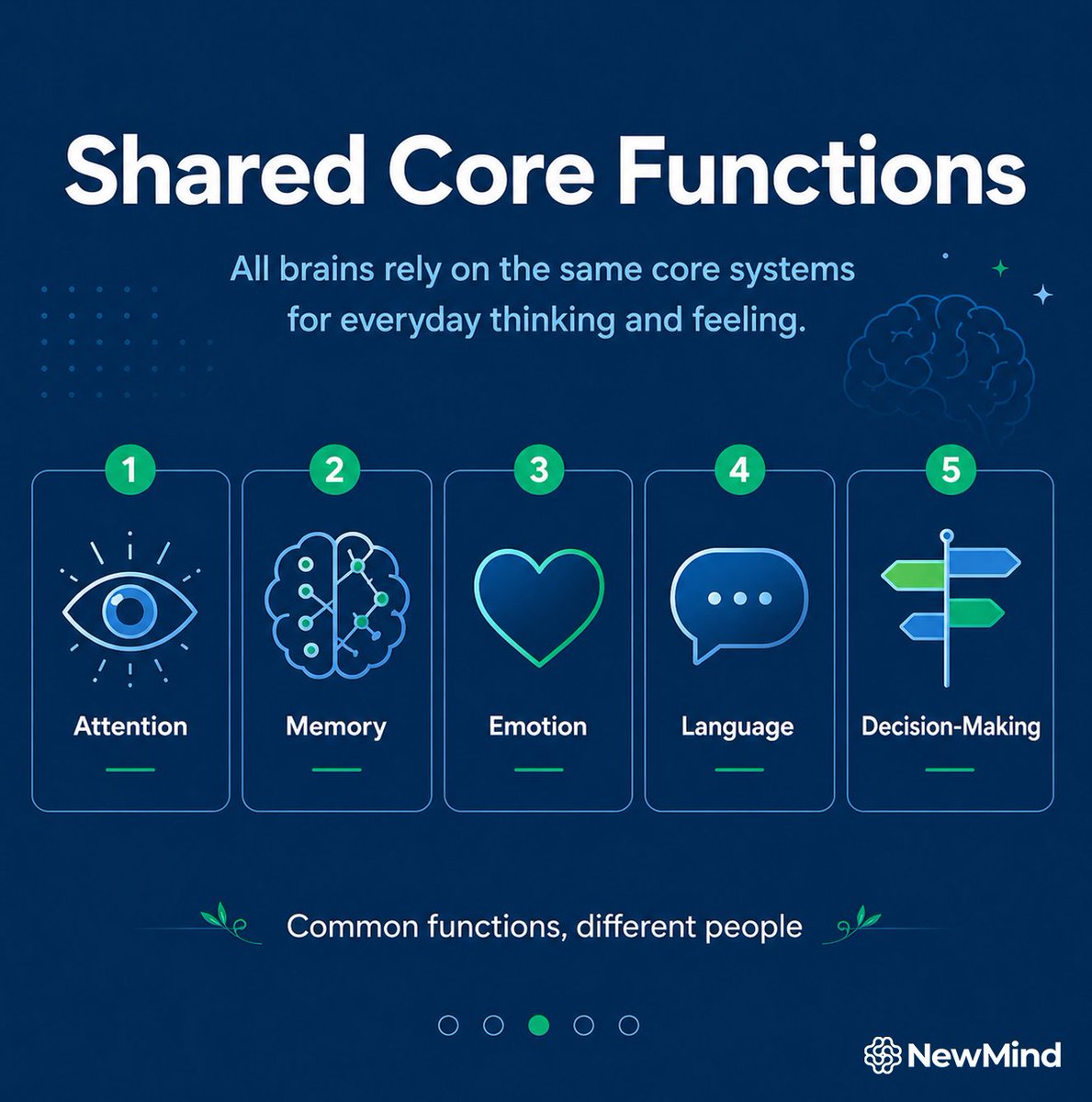
Your brain is a team.
Frontal lobe: planning focus
Temporal lobe: memory language
Occipital lobe: vision
Cerebellum: coordination
Brainstem: core body functions
Brain health gets clearer when we understand the roles each region plays.
#brain#BrainHealth
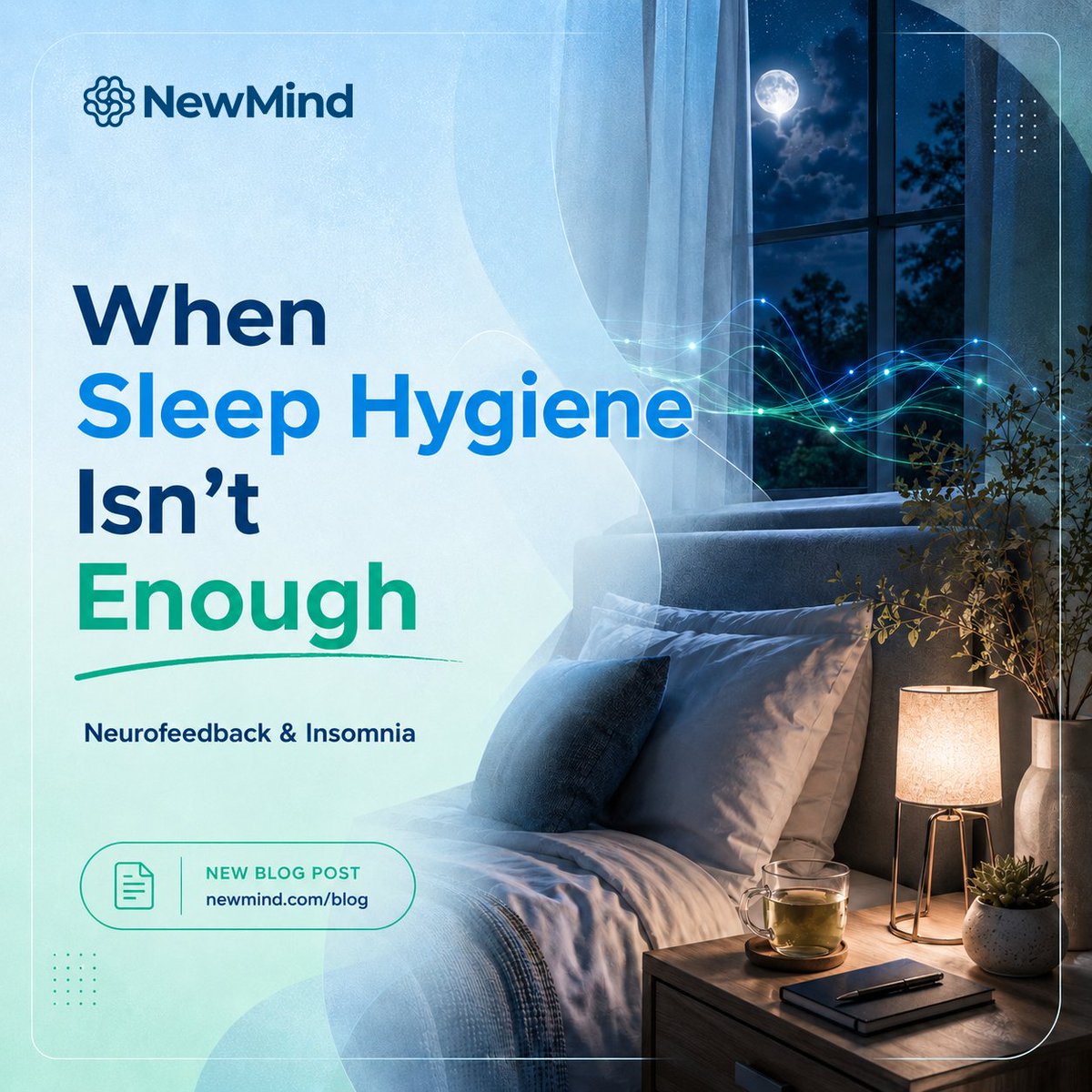
Sleep hygiene helps set the stage for better rest. Neurofeedback may help address the brain-based patterns that keep some clients stuck in insomnia.
New blog: Sleep Hygiene and Neurofeedback Protocols for Insomnia
tinyurl.com/54c5hke9
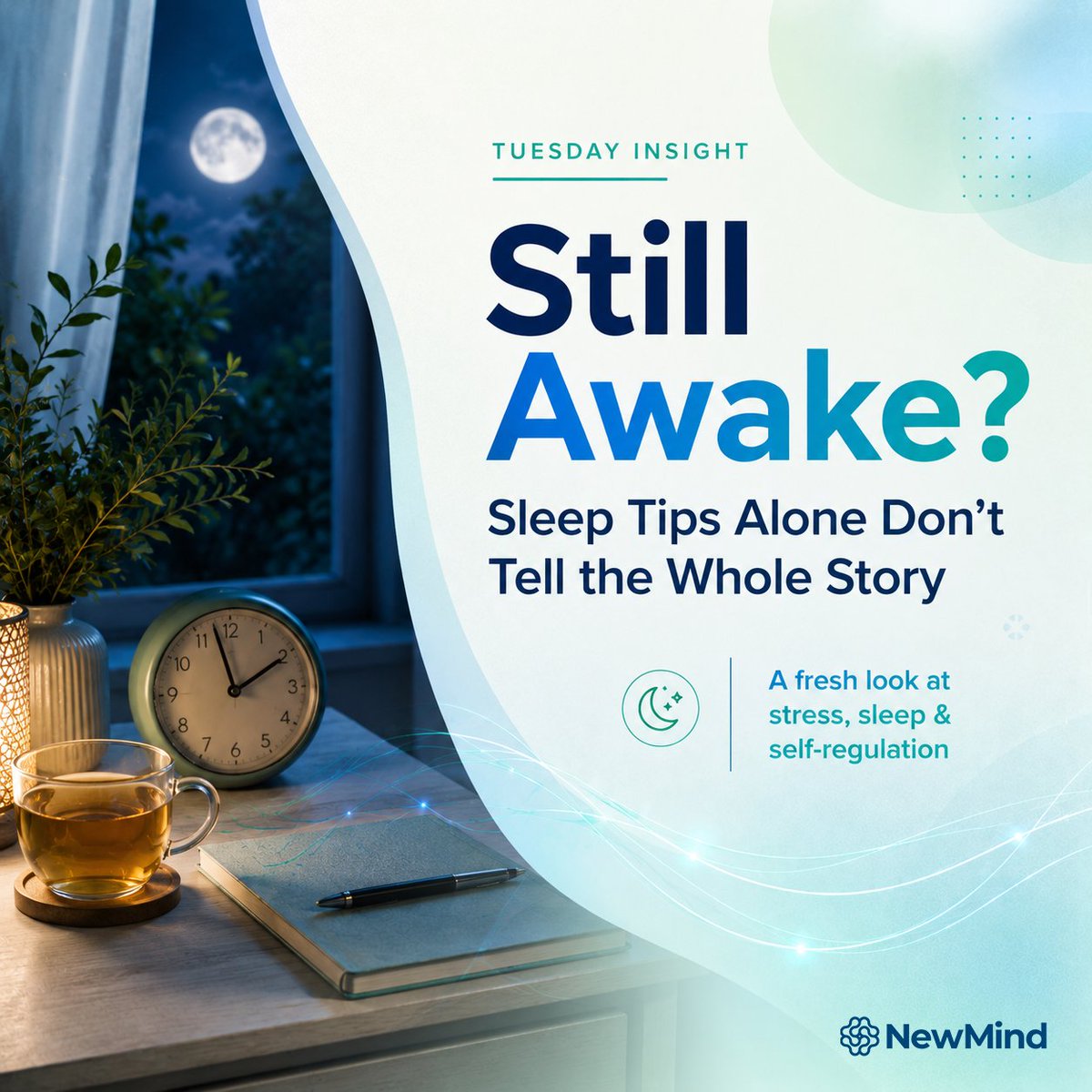
Sleep hygiene helps. But when clients do everything “right” and still can’t sleep, it may be time to look at brain regulation.
That’s where neurofeedback can add another layer of insight.
ALT Sleep Hygiene: Sleep Tips Alone Don't Tell the Whole Story
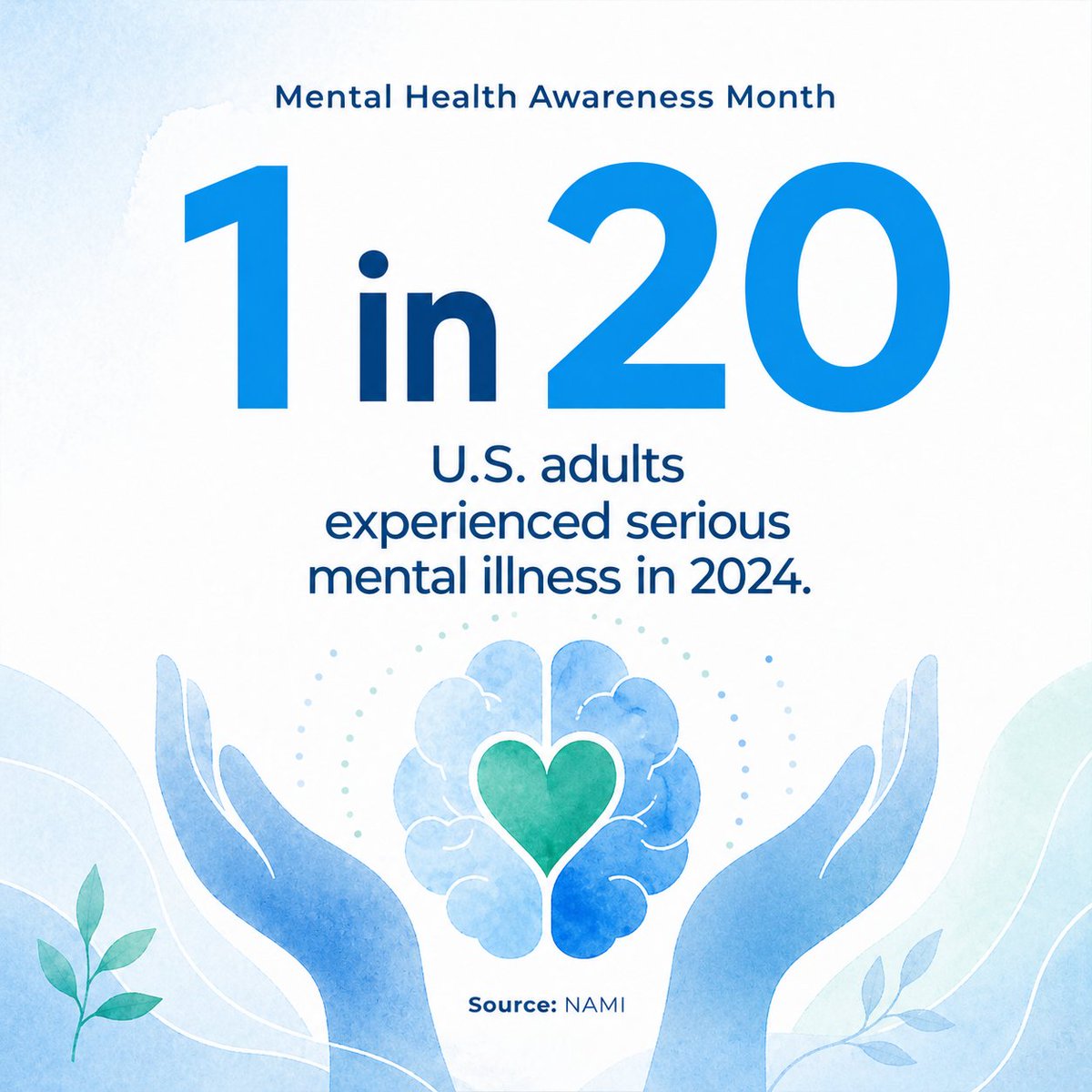
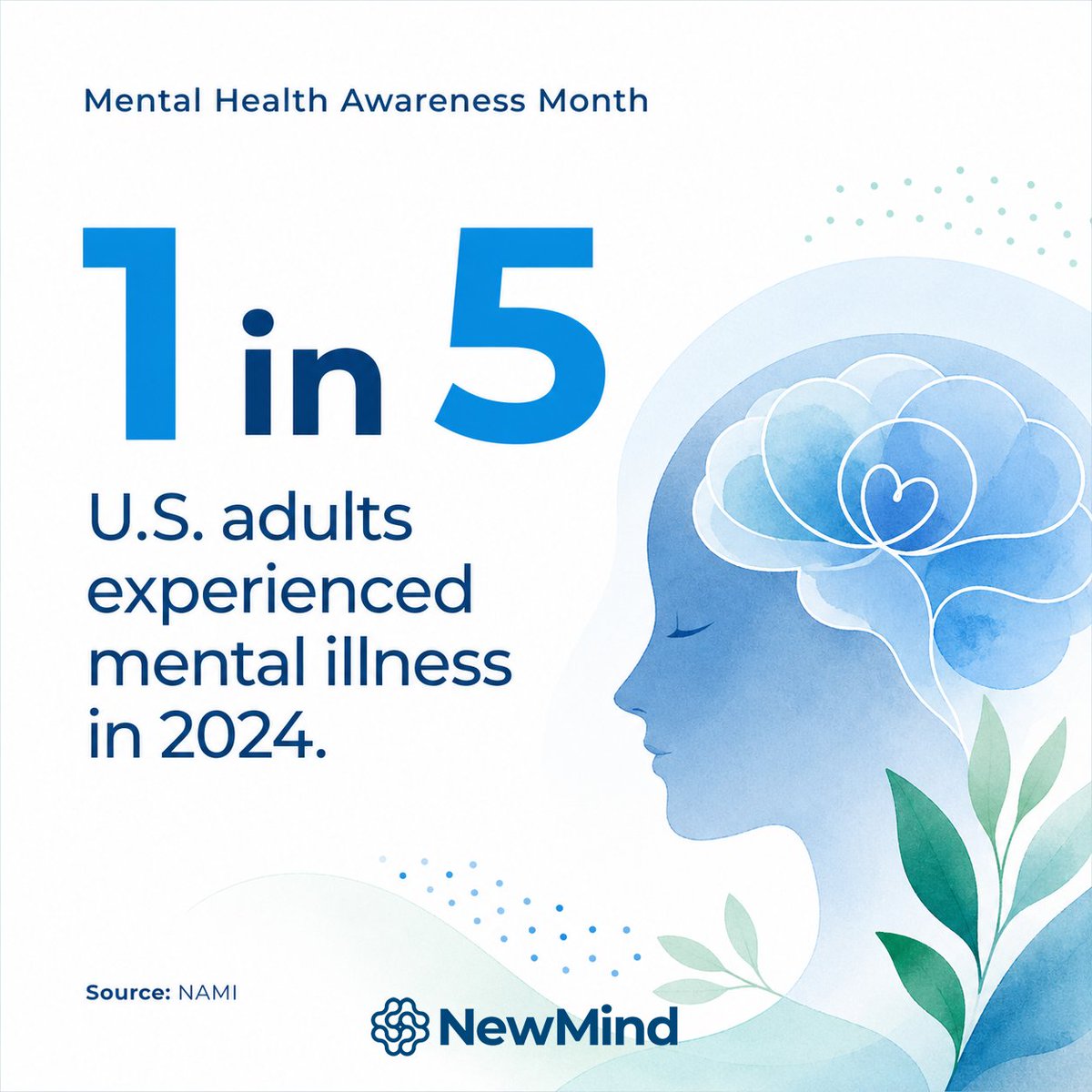
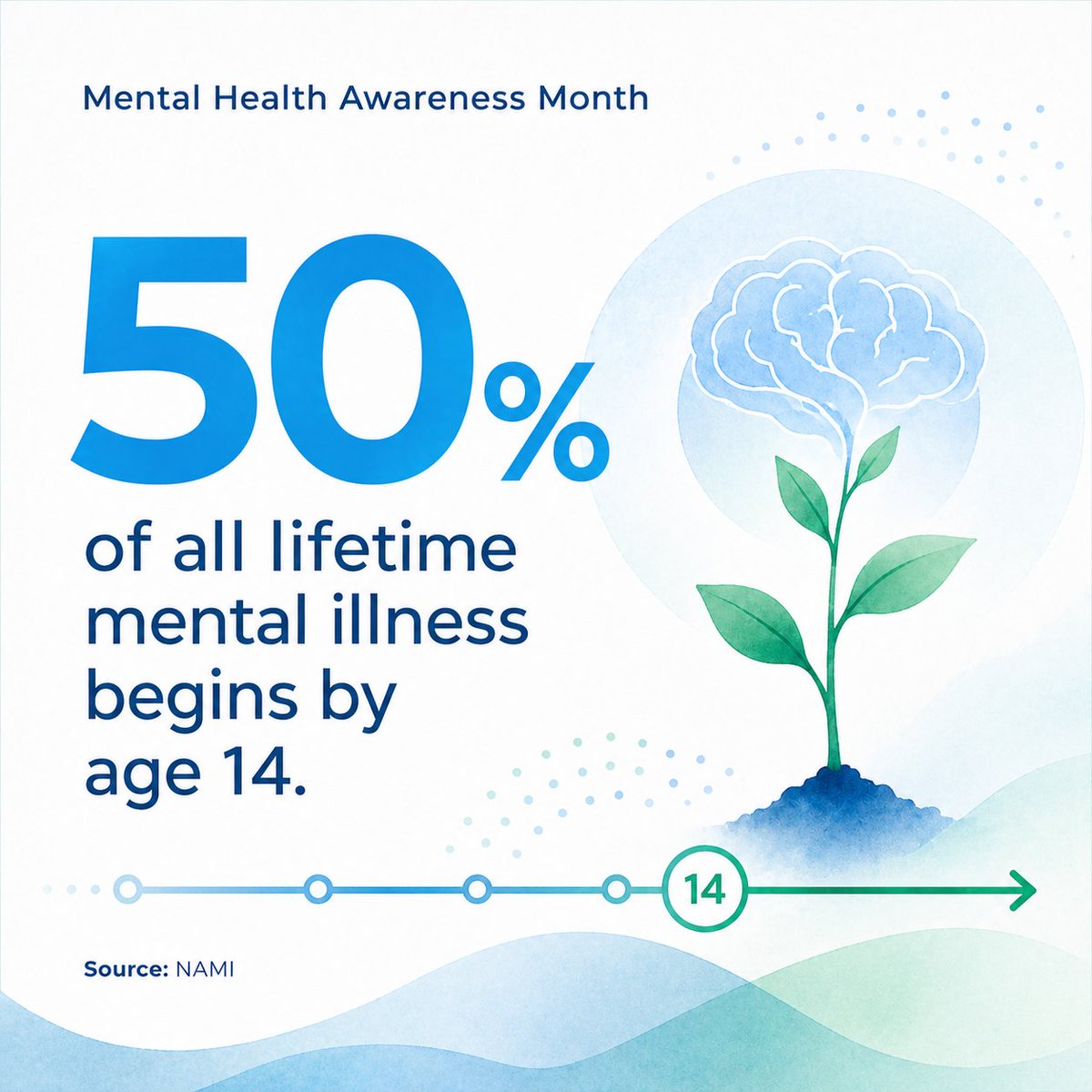
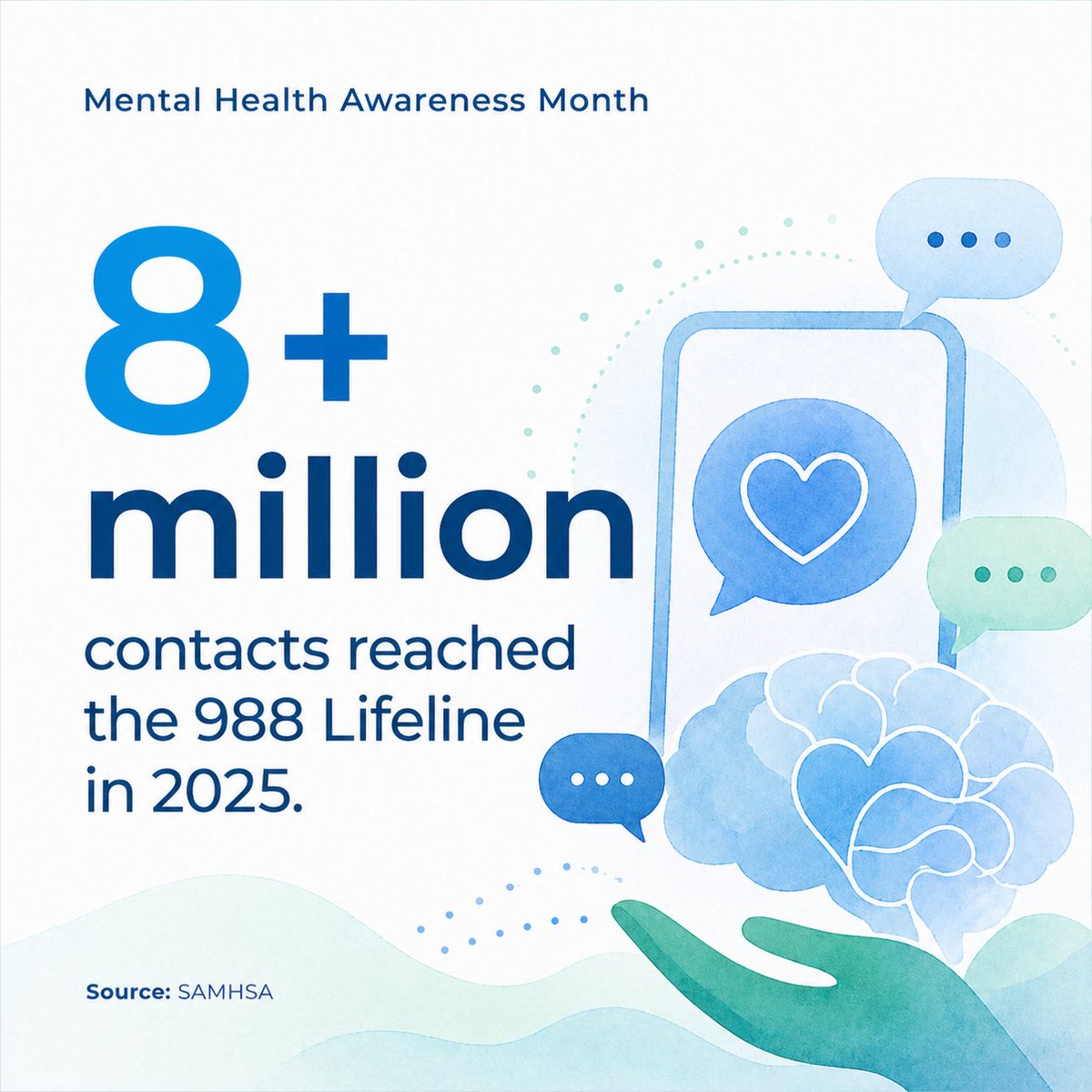
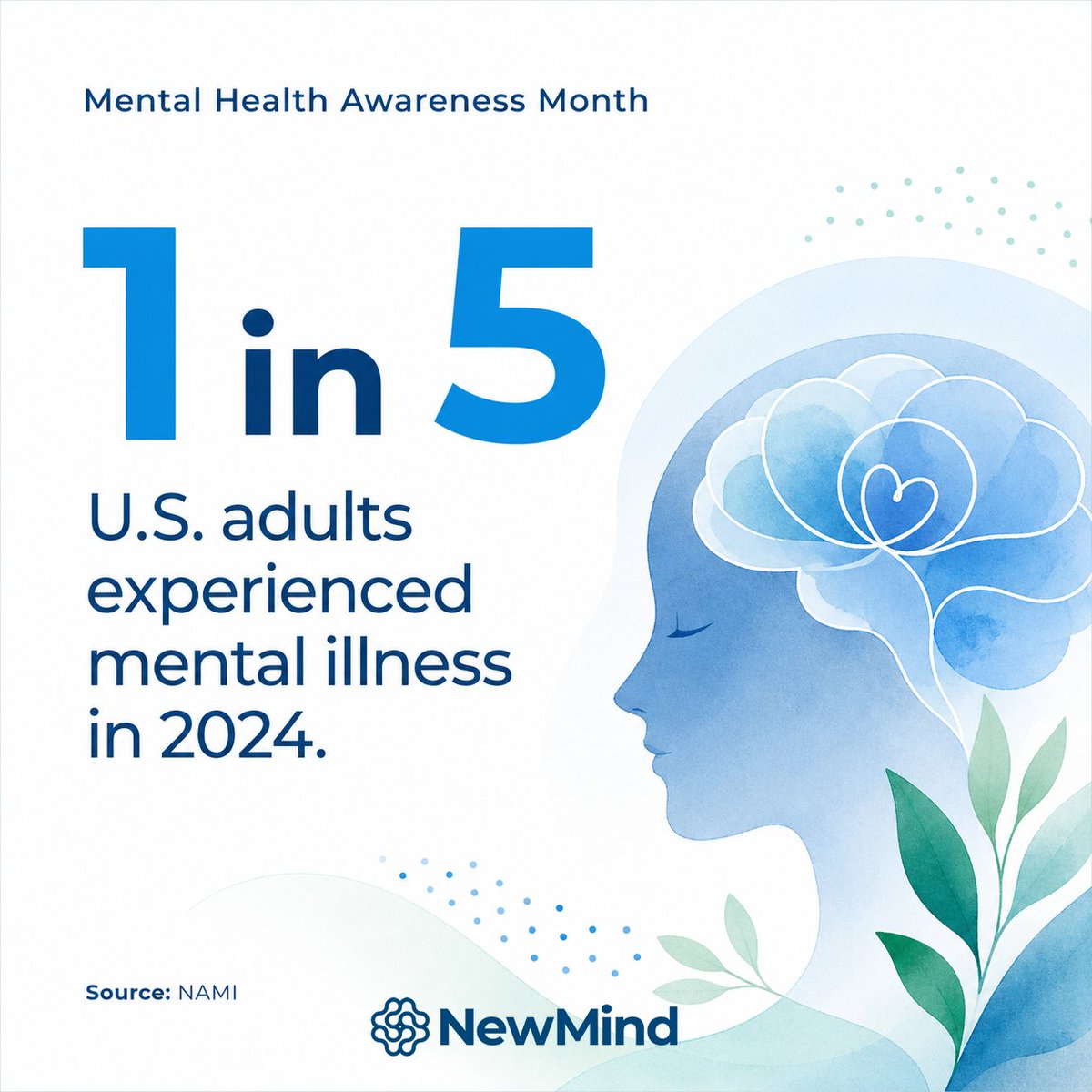
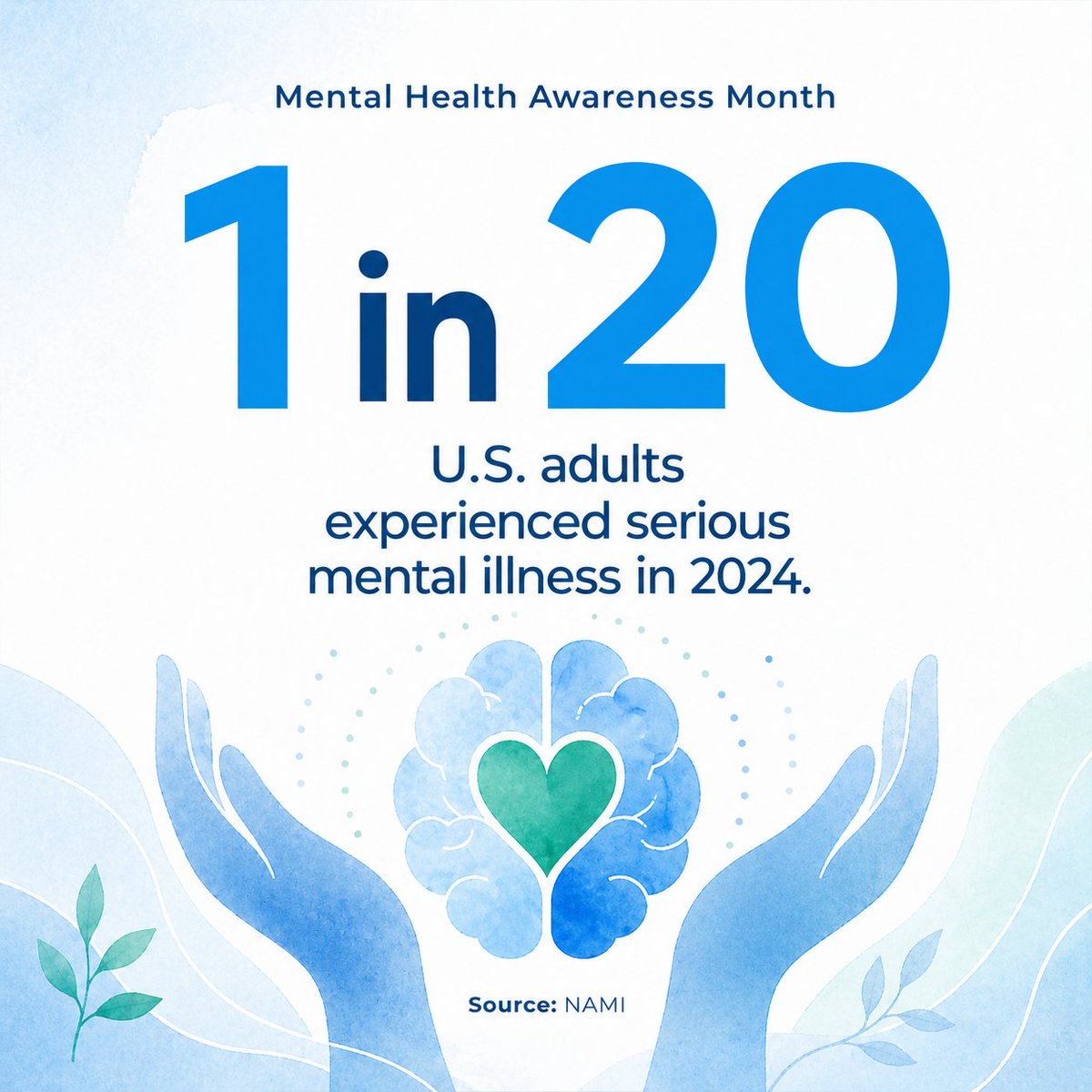
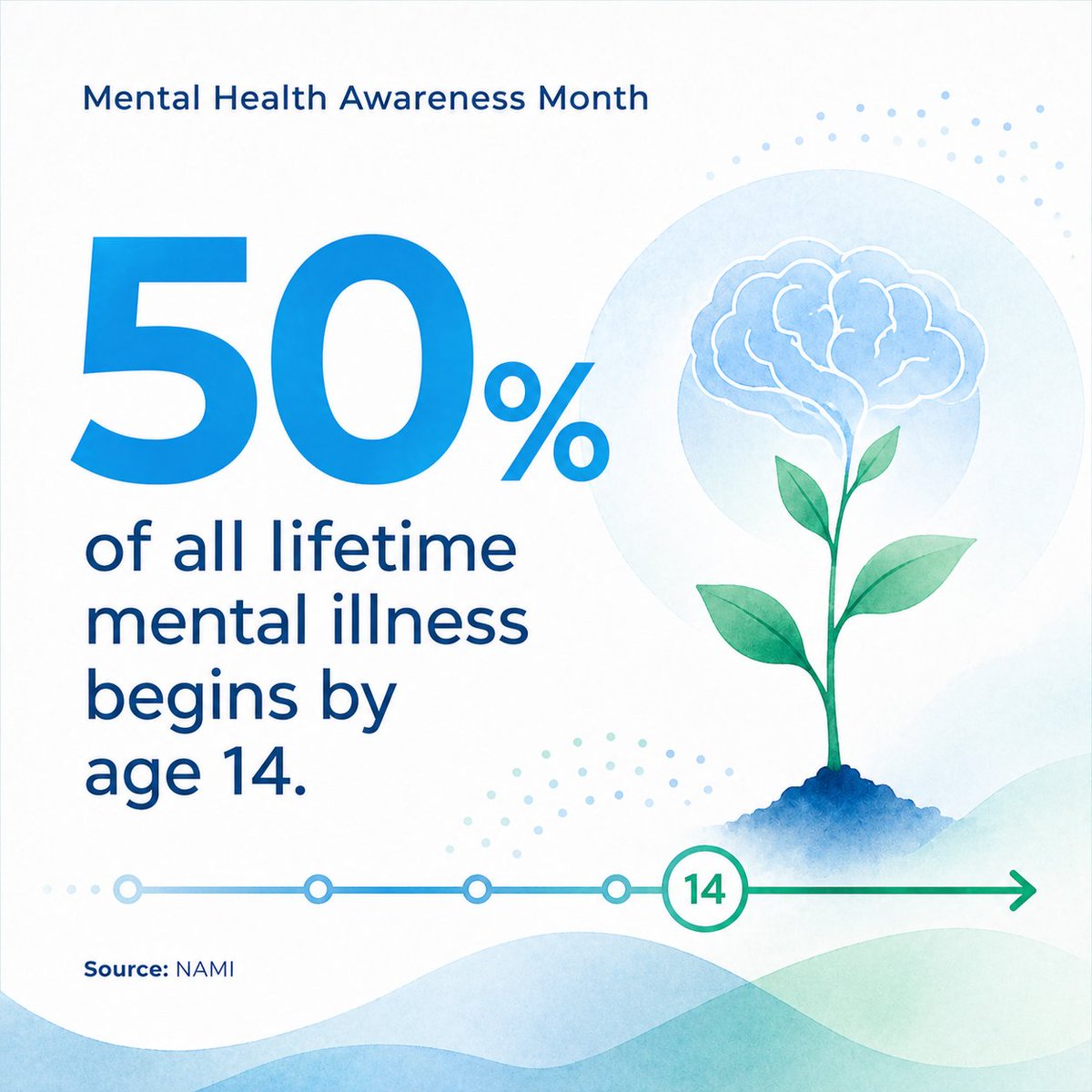
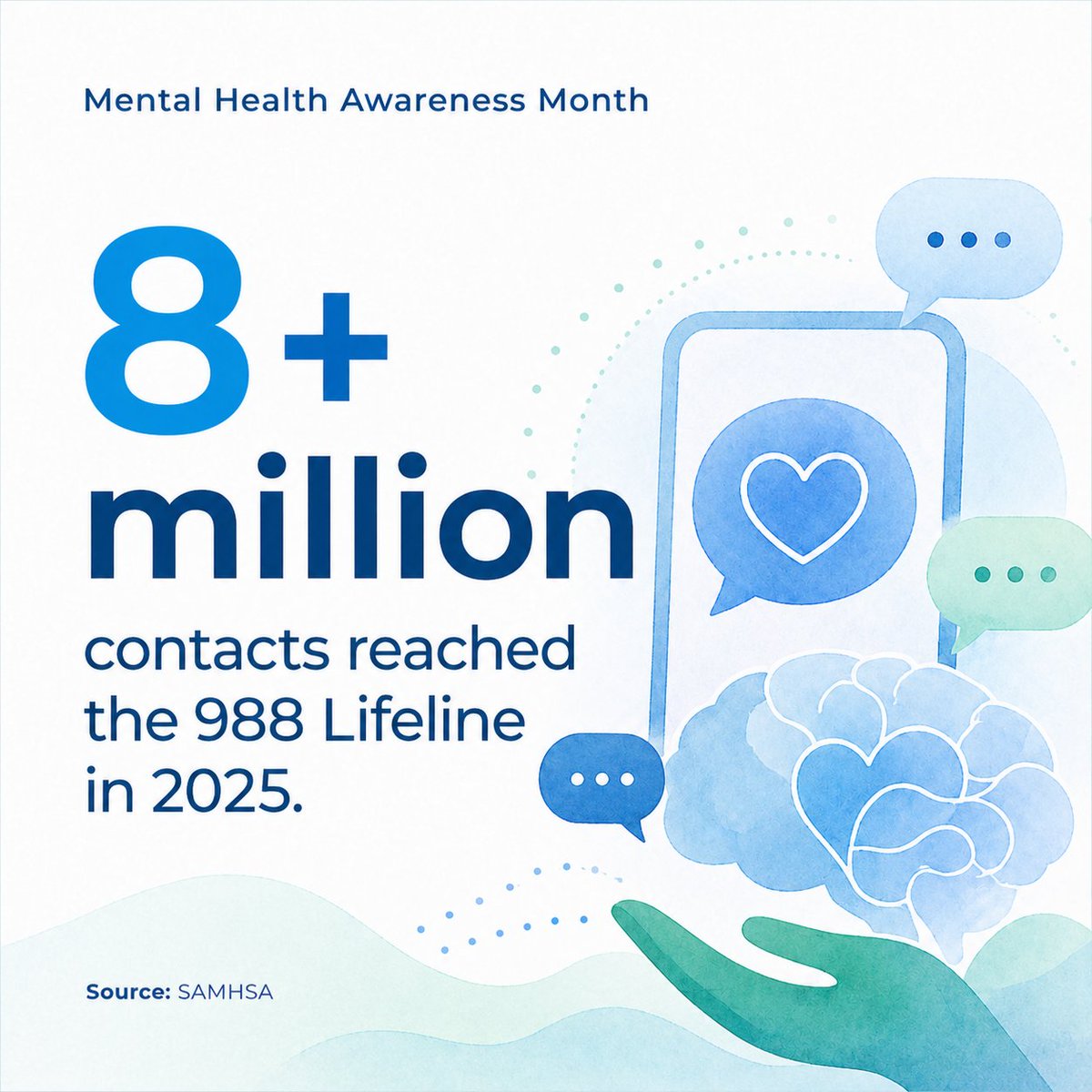
Mental health challenges are more common than many people realize.
This Mental Health Awareness Month, we’re sharing 5 statistics that remind us why awareness and care matter.
Your brain handles a lot. Check in.
#MentalHealthAwarenessMonth#BrainHealth#MentalHealth
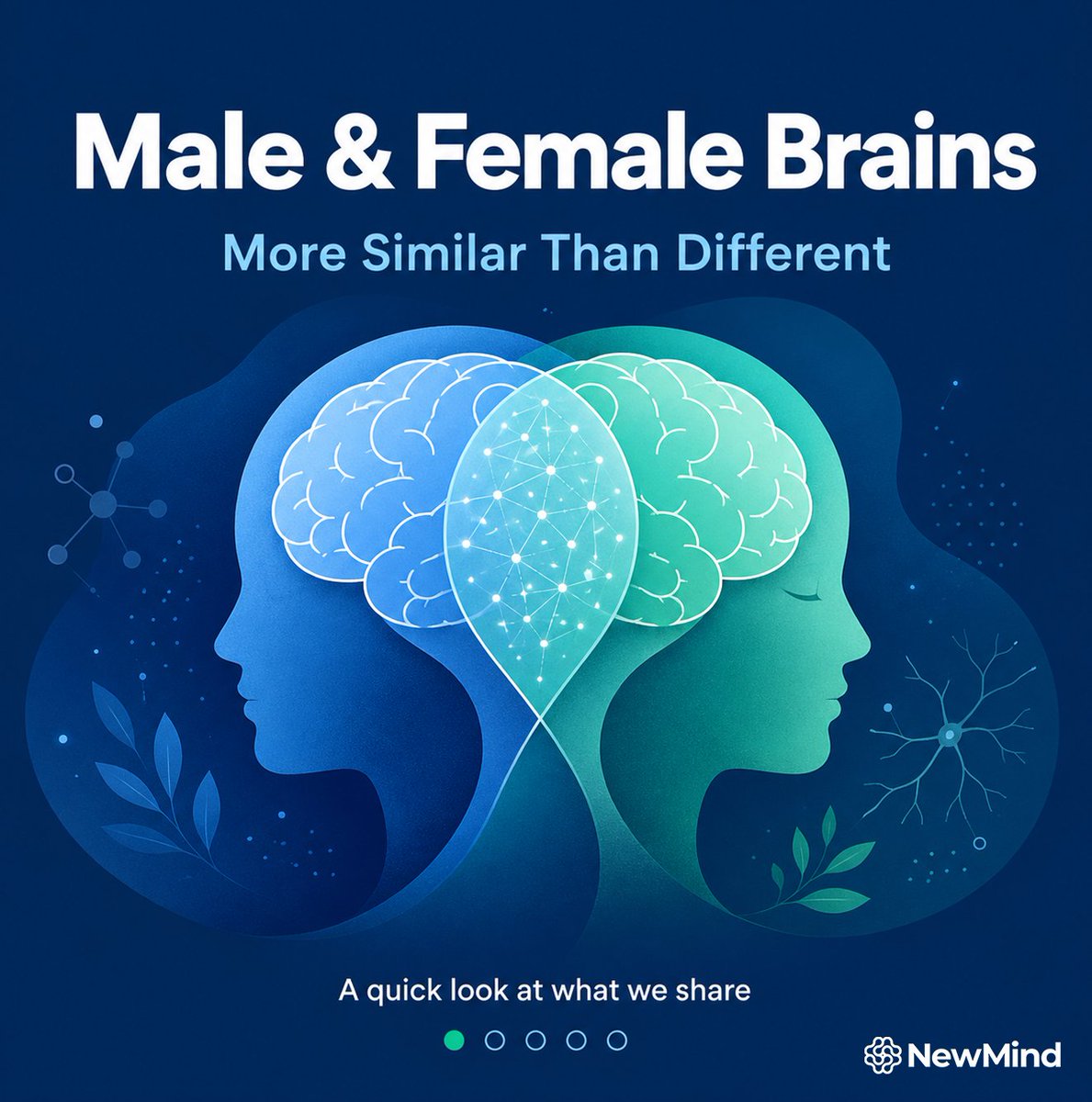
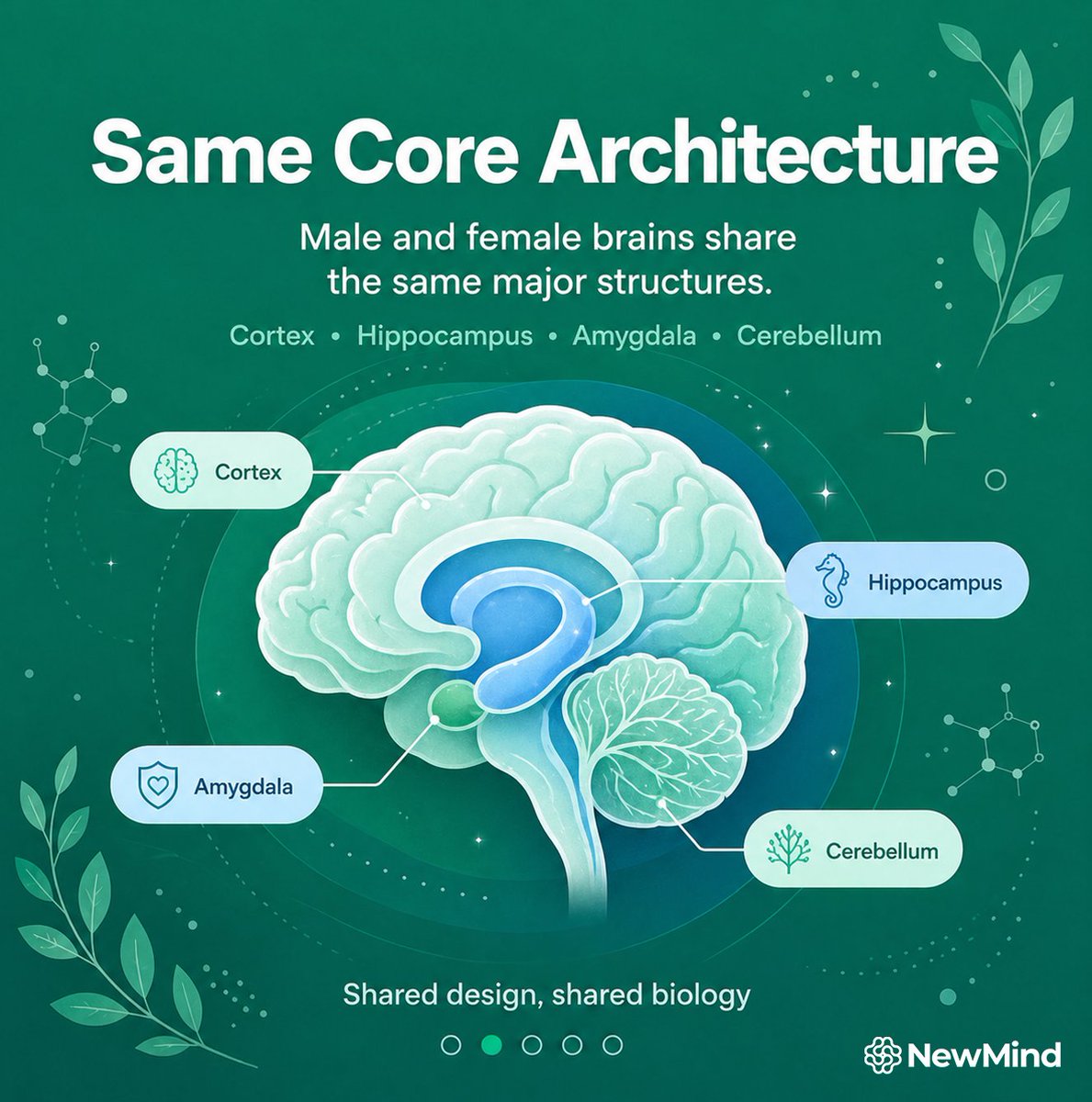
Male and female brains are not opposites.
Differences exist, but the overlap is huge — and individual variation often matters more than stereotypes.
#Neuroscience#BrainHealth#gender#male#female
Mental health challenges are more common than many people realize.
This Mental Health Awareness Month, we’re sharing 5 statistics that remind us why awareness, support, and brain-based care matter.
Your brain handles a lot. Check in.
#MentalHealthAwarenessMonth#BrainHealth
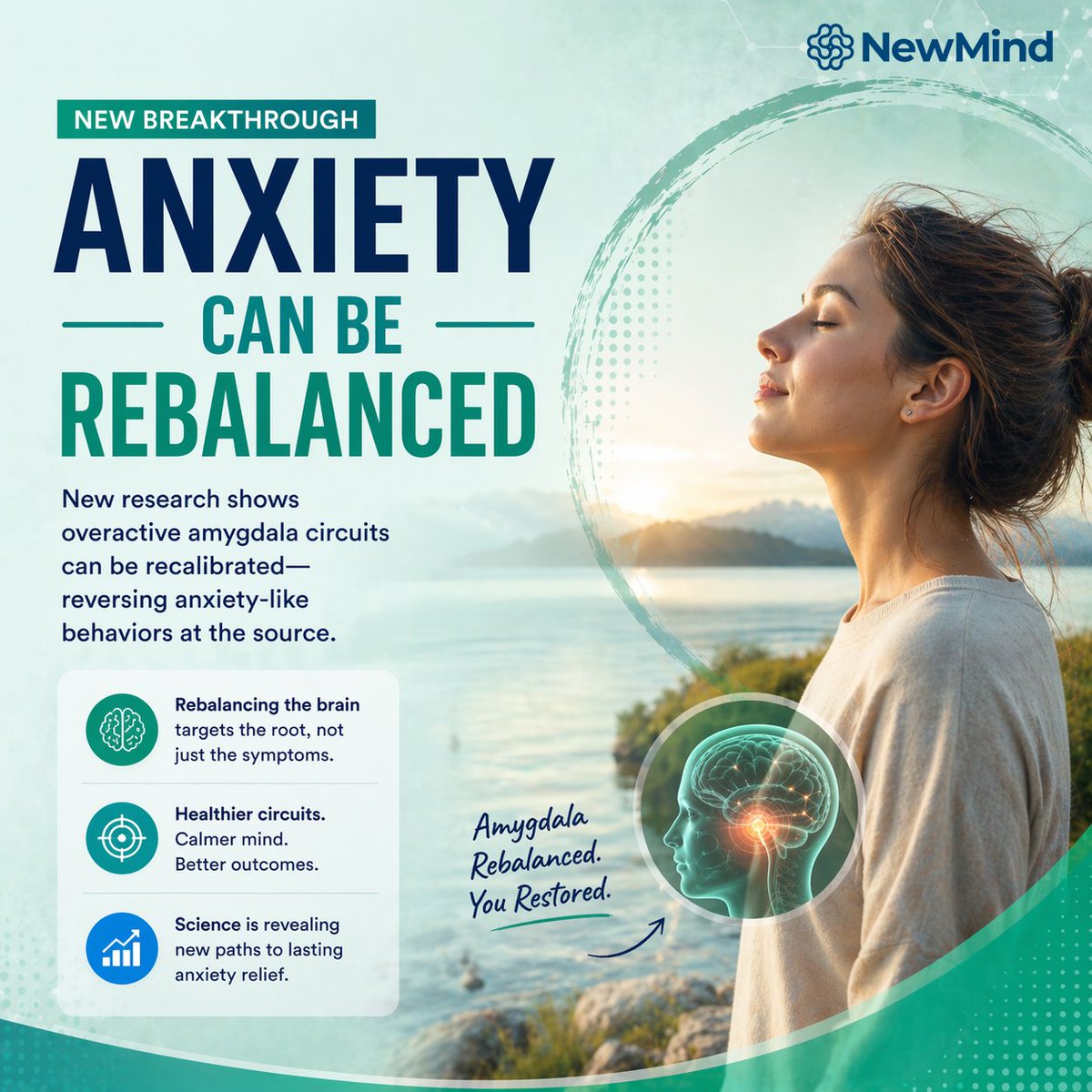
New research:
Anxiety may be reversible at the circuit level.
Overactive amygdala → can be rebalanced.
The brain can learn calm again.
#Anxiety#Neuroscience#Neurofeedback
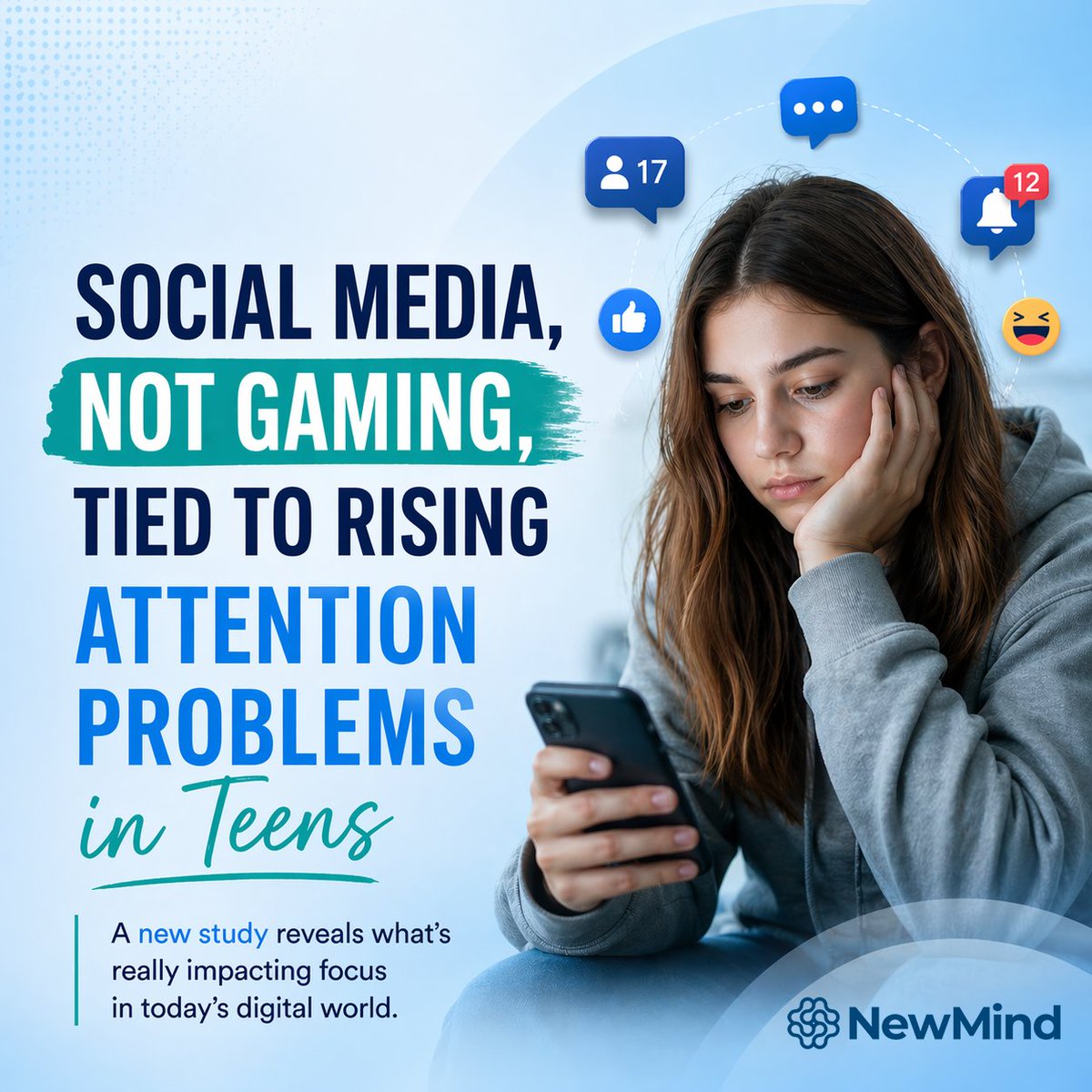
NEW STUDY:
Social media—not gaming—linked to attention problems in teens.
Constant stimulation → fragmented focus.
Attention isn’t just lost… it’s being trained.
#ADHD#Neurofeedback#BrainHealth