Cognitive Psychology Lab at the University of Newcastle, Australia. Led by Prof Scott Brown (@3rdincharge), A. Prof. Ami Eidels (@amieidels) & Dr. Guy Hawkins
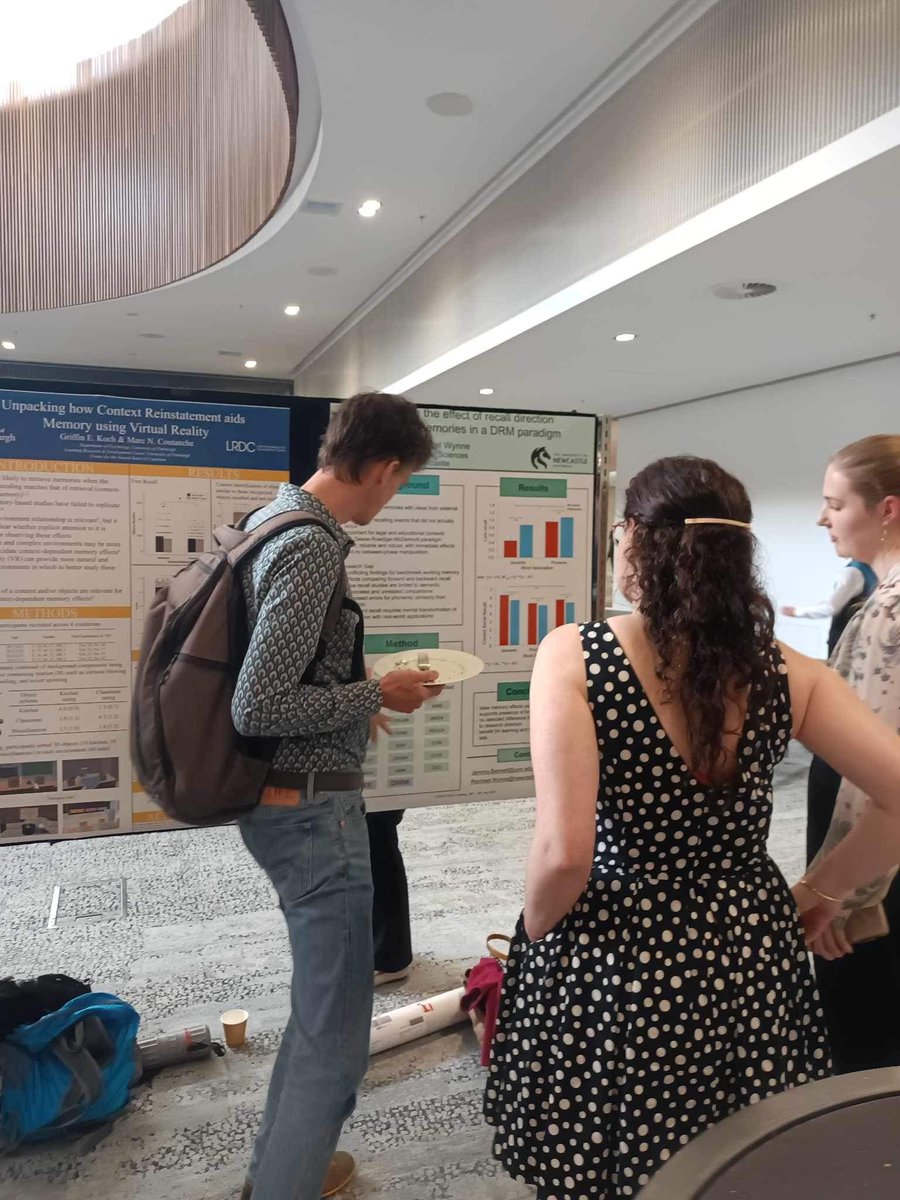
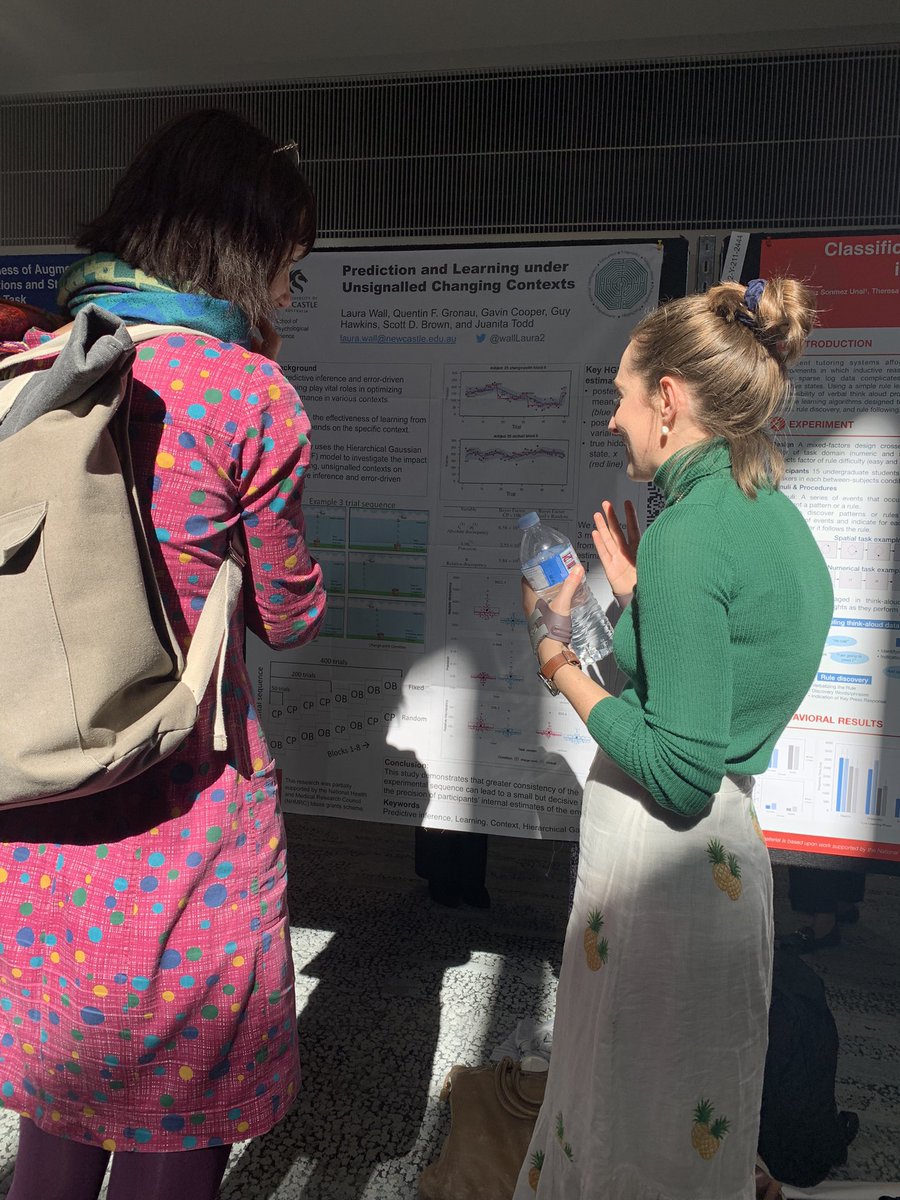
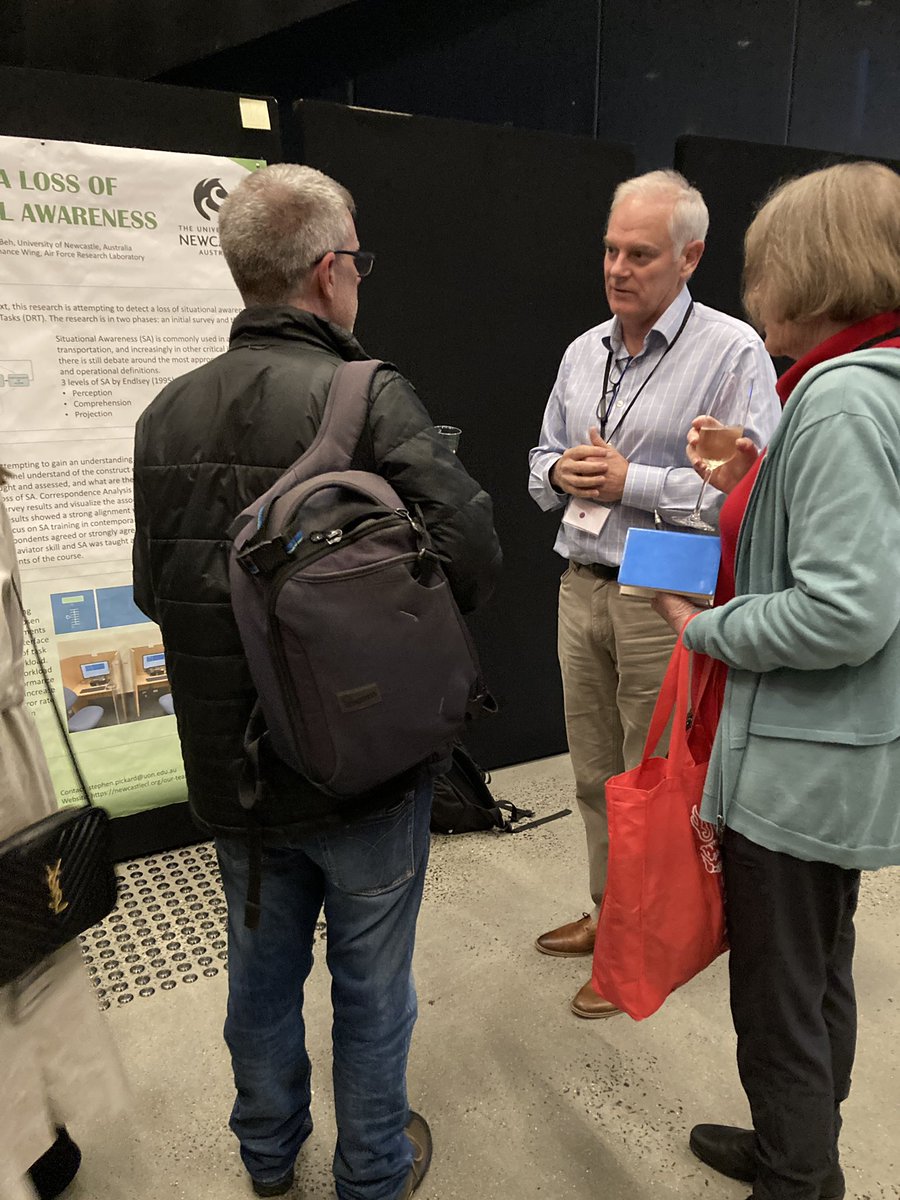
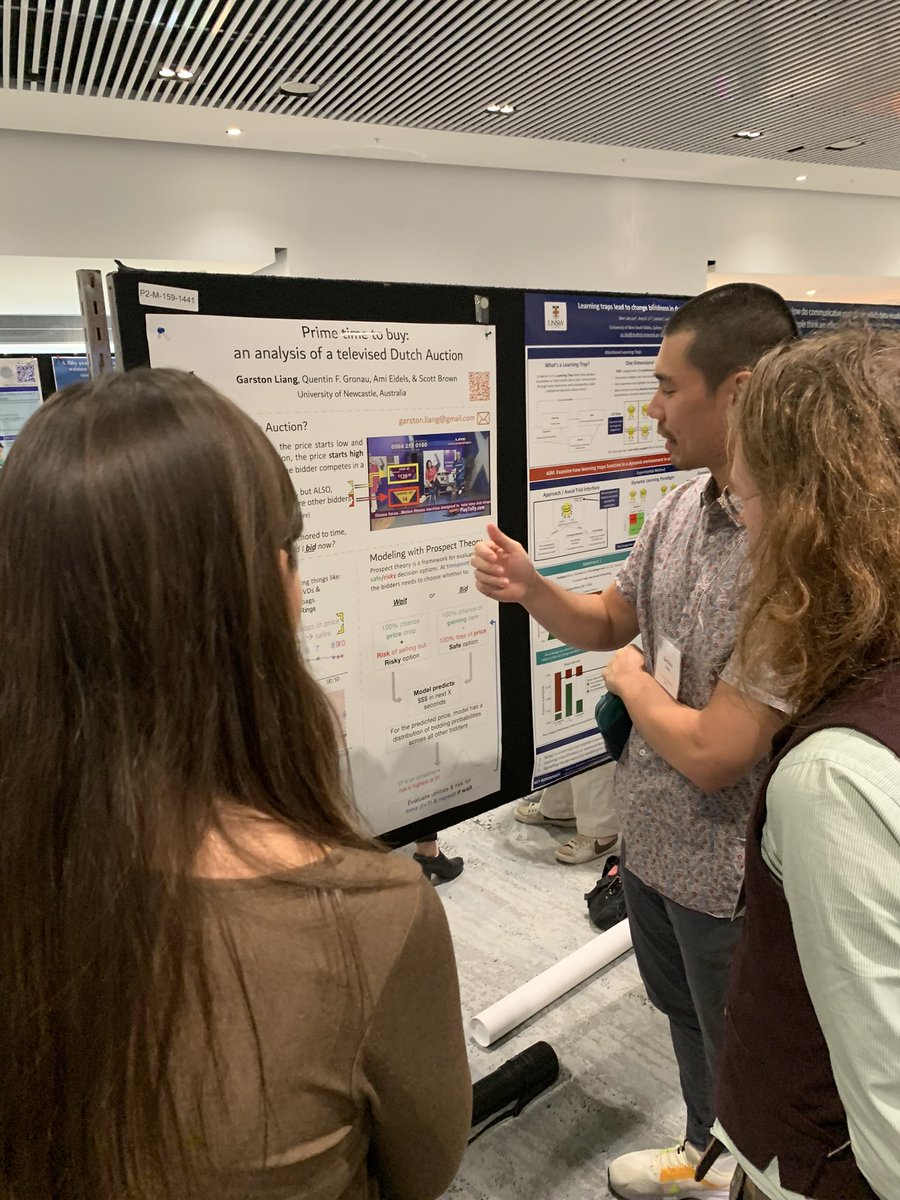
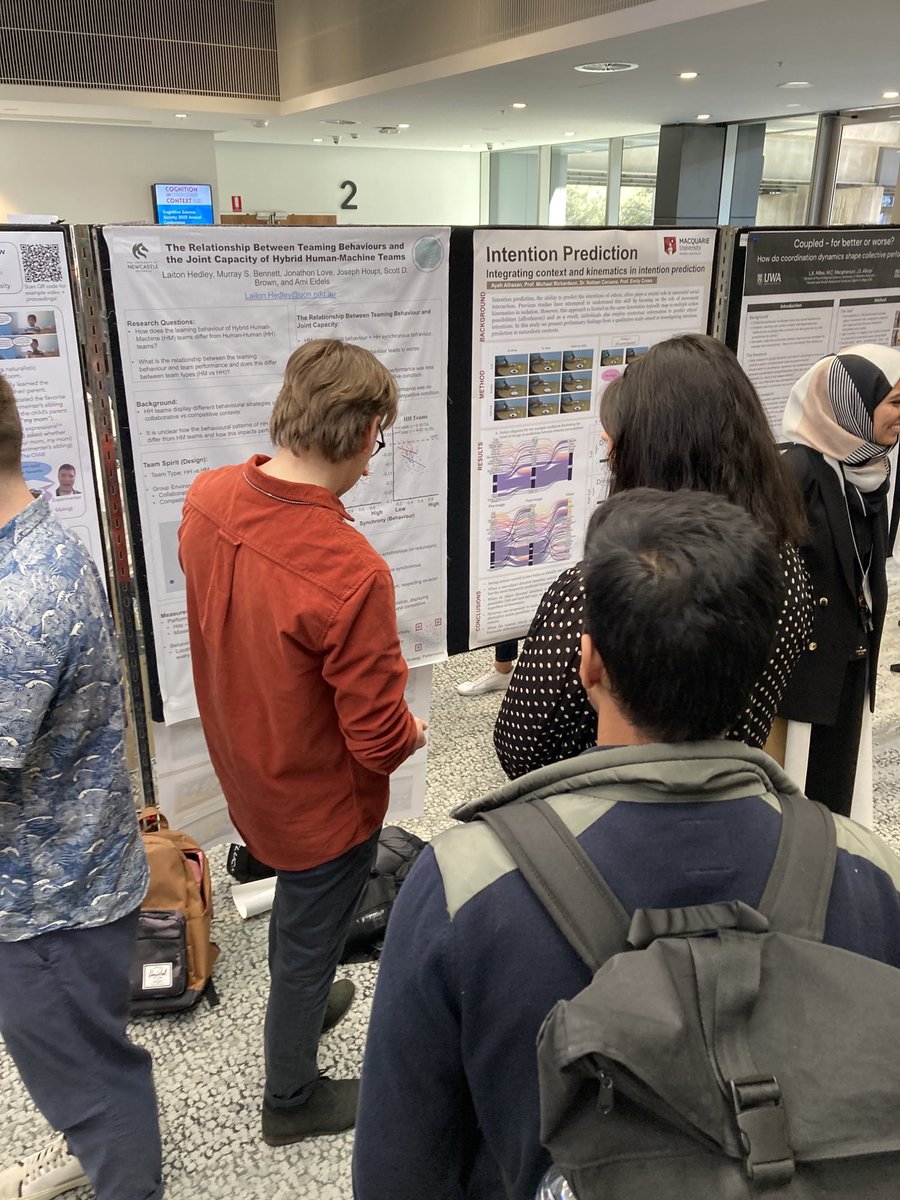
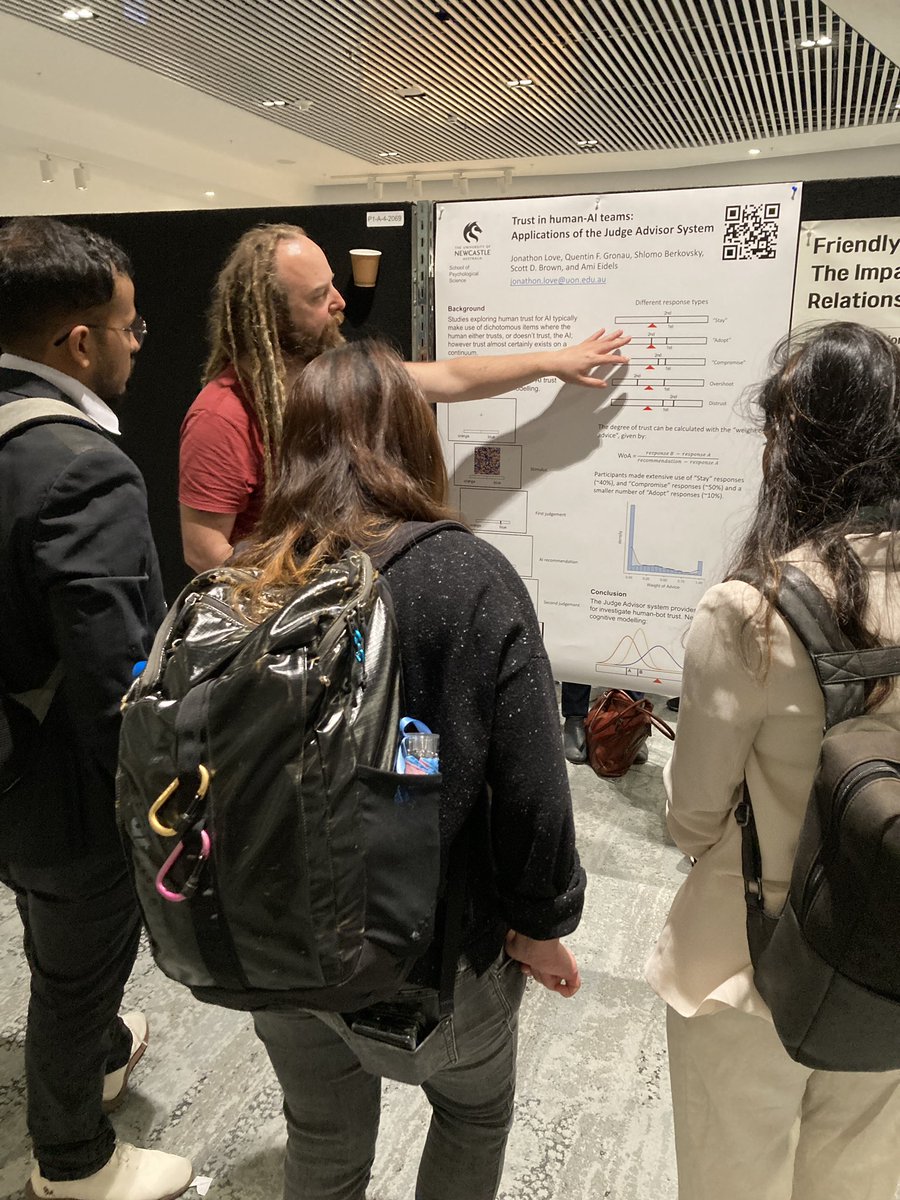
Our lab was out in full force this week at #CogSci2023, with posters from Laura, Garston, Laiton, Jonothan, Hayley, and Rachael. As you can see, our team were busy answering lots of questions about their work! @wallLaura2@Laiton_Hedley@hayleycullen_ @rachaelawynne
Recent research from the @NewcastleCogLab.
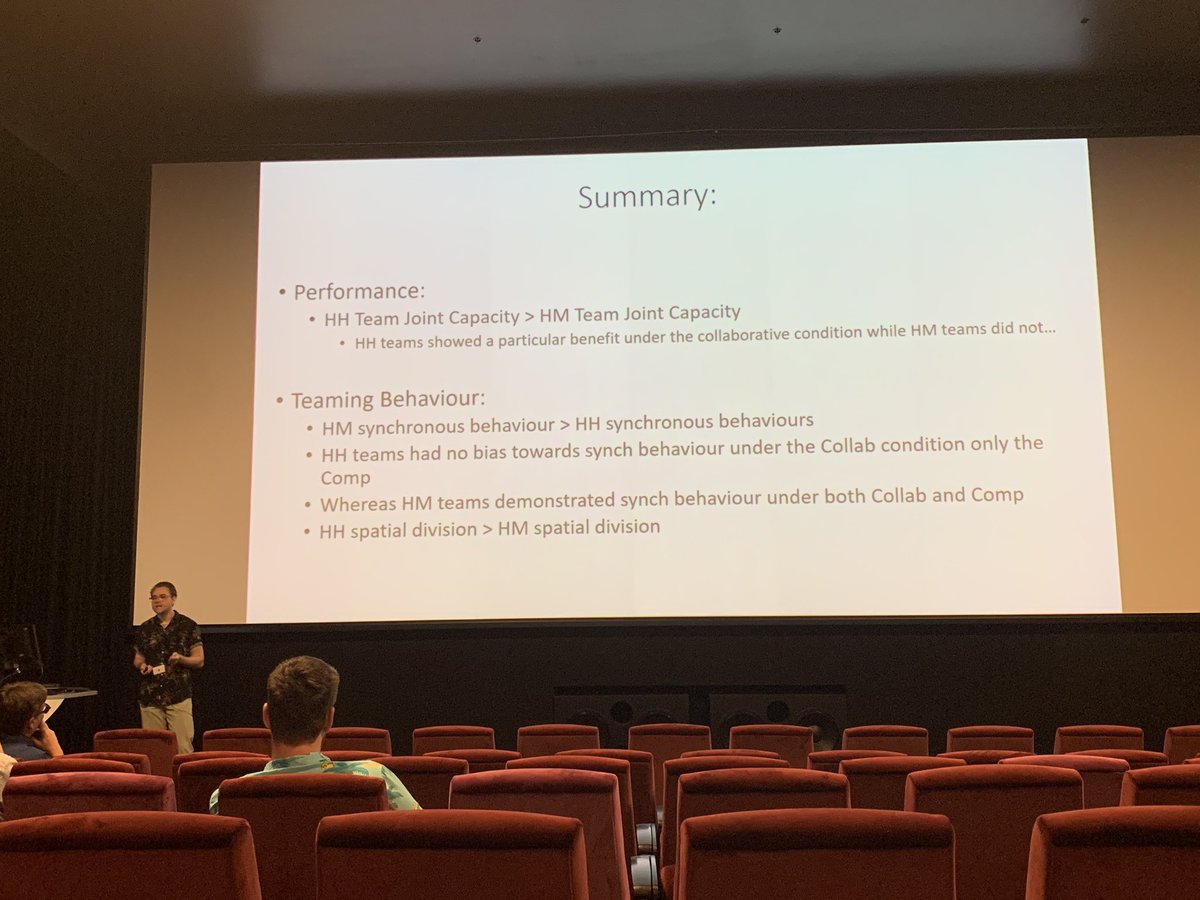
We compared the performance efficiency of Human & Hybrid Human-Machine teams. Interestingly, under collaborative conditions, dyadic human performance was more efficient than Hybrid Human-Machine teams.
doi.org/10.1111/tops.12683
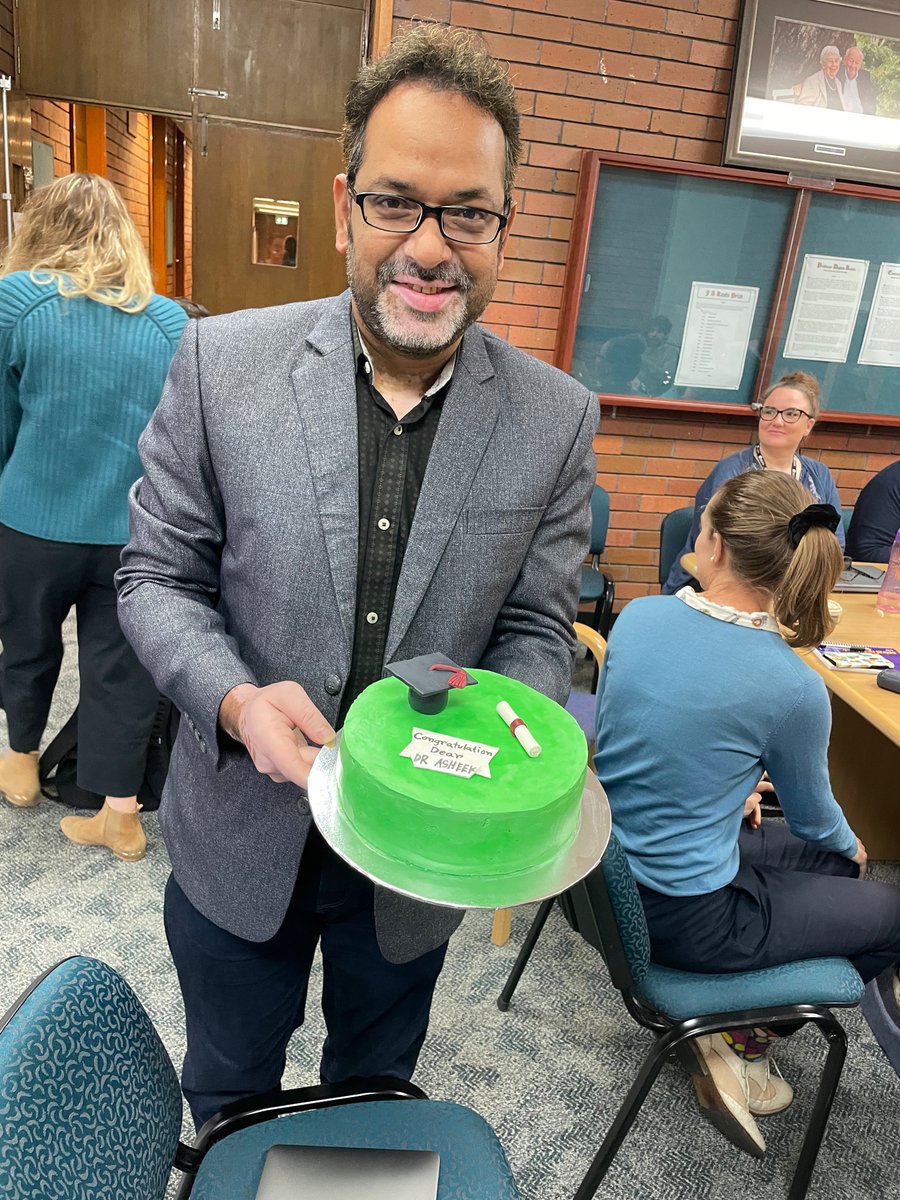
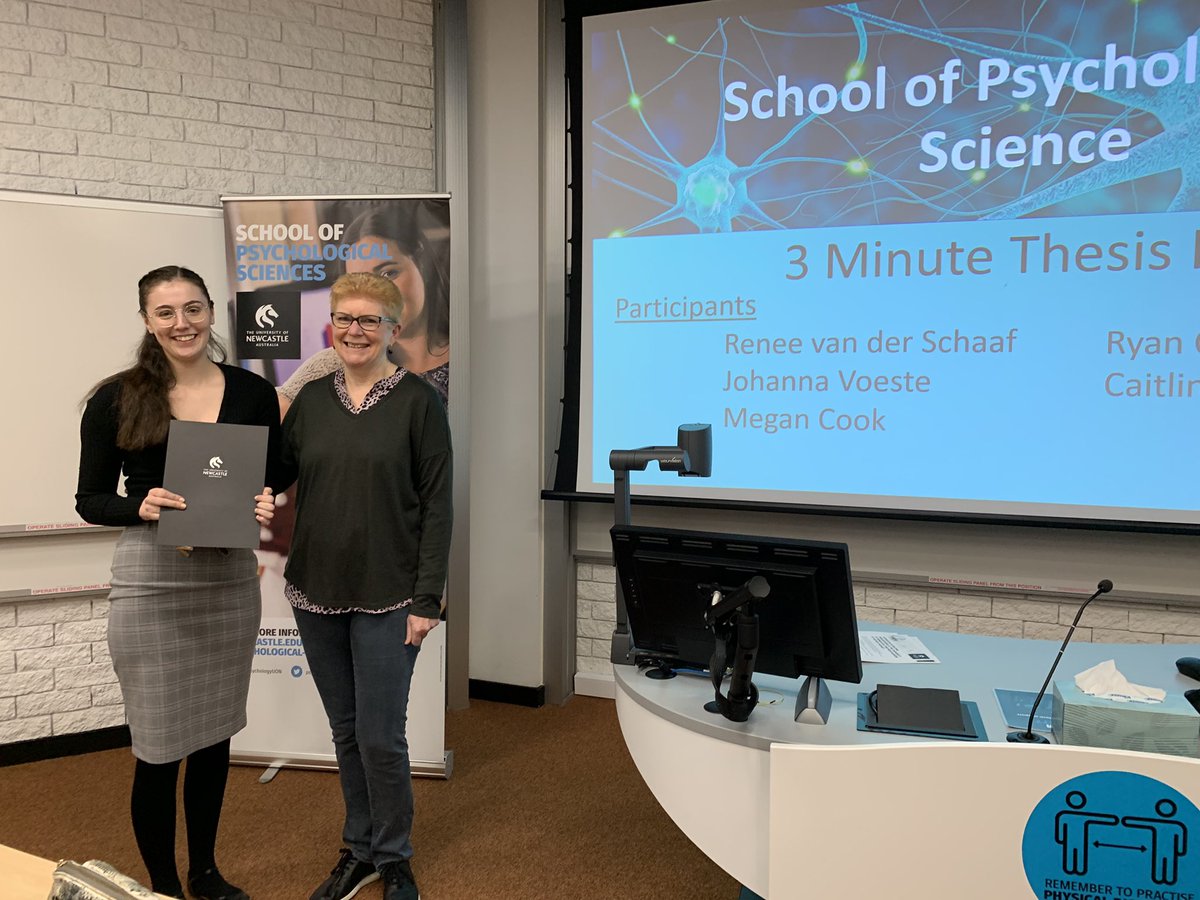
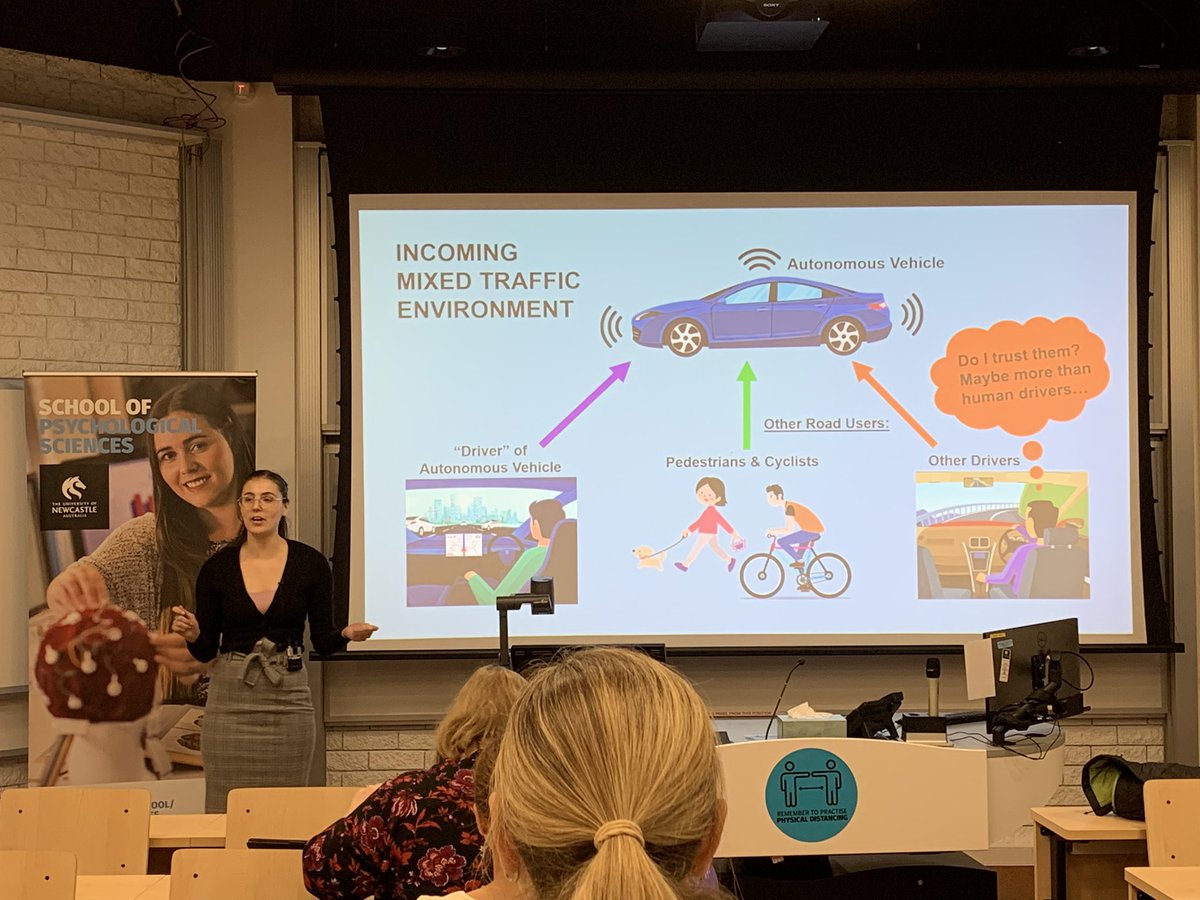
A wonderful morning of exceptional 3 minute thesis talks in our school. A huge congratulations to @CaitlinReeves_ for taking out first place! Followed closely by Renee van der Schaaf and Johanna Voeste. #3MT
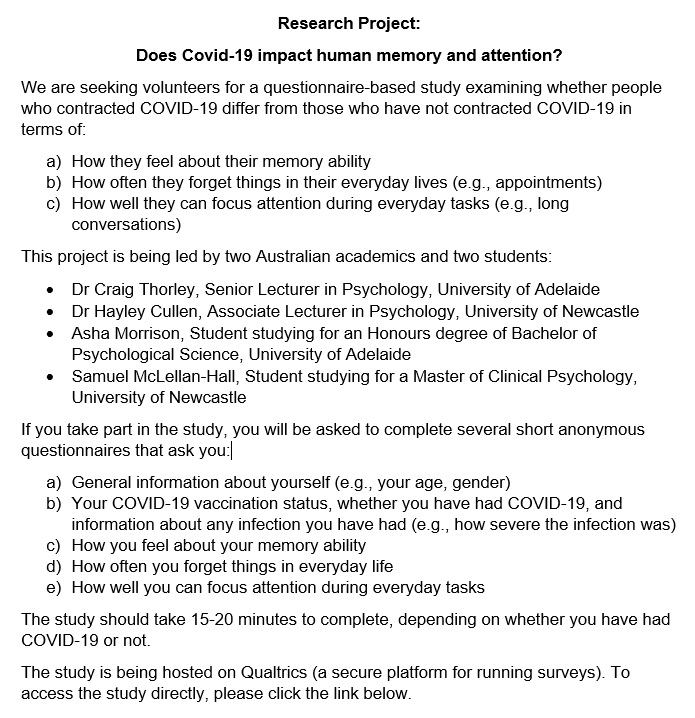
Researchers in our school are looking for volunteers to participate in a 15-20 minute survey on how COVID-19 impacts memory and attention. If you are interested in participating, please read the information below, and click the link to participate: protect-au.mimecast.com/s/cn…
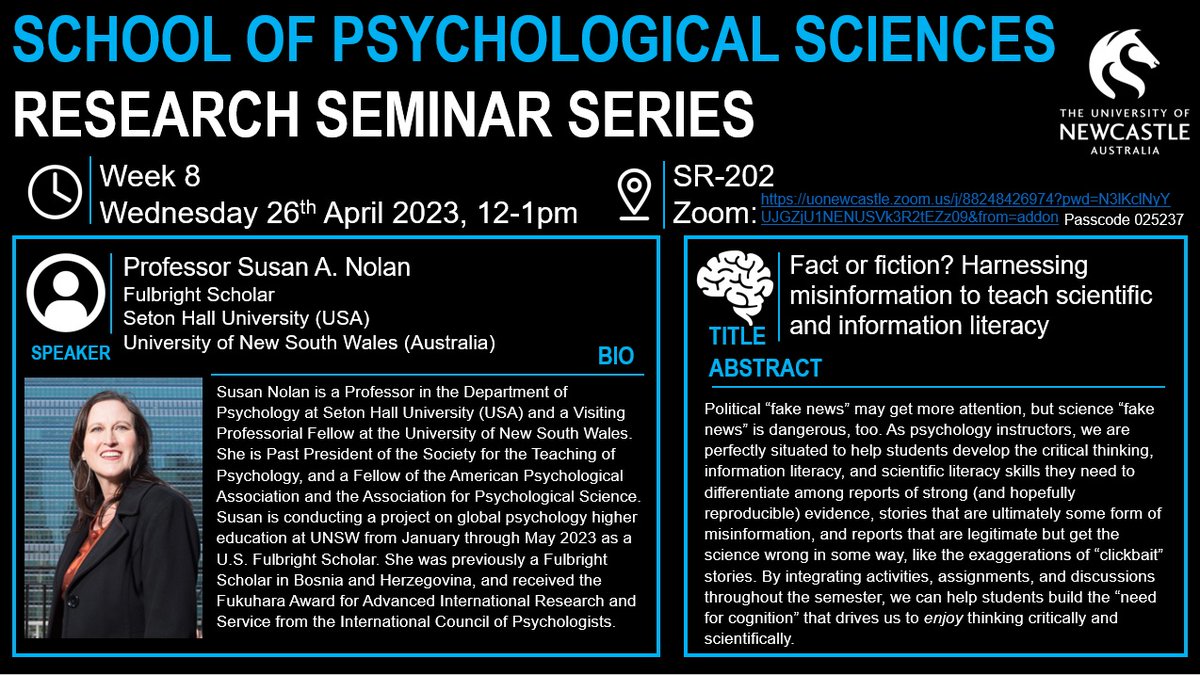
RESEARCH SEMINAR: Next week (April 26th, 12-1pm AEST), Prof Susan Nolan will be presenting on "Fact or fiction? Harnessing misinformation to teach scientific and information literacy". Join via the following link: uonewcastle.zoom.us/j/882484… Passcode: 025237
ALT Title: Fact or fiction? Harnessing misinformation to teach scientific and information literacy
Speaker: Professor Susan A. Nolan
Fulbright Scholar
Seton Hall University (USA)
University of New South Wales (Australia)
ABSTRACT
Political “fake news” may get more attention, but science “fake news” is dangerous, too. As psychology instructors, we are perfectly situated to help students develop the critical thinking, information literacy, and scientific literacy skills they need to differentiate among reports of strong (and hopefully reproducible) evidence, stories that are ultimately some form of misinformation, and reports that are legitimate but get the science wrong in some way, like the exaggerations of “clickbait” stories. By integrating activities, assignments, and discussions throughout the semester, we can help students build the “need for cognition” that drives us to enjoy thinking critically and scientifically.
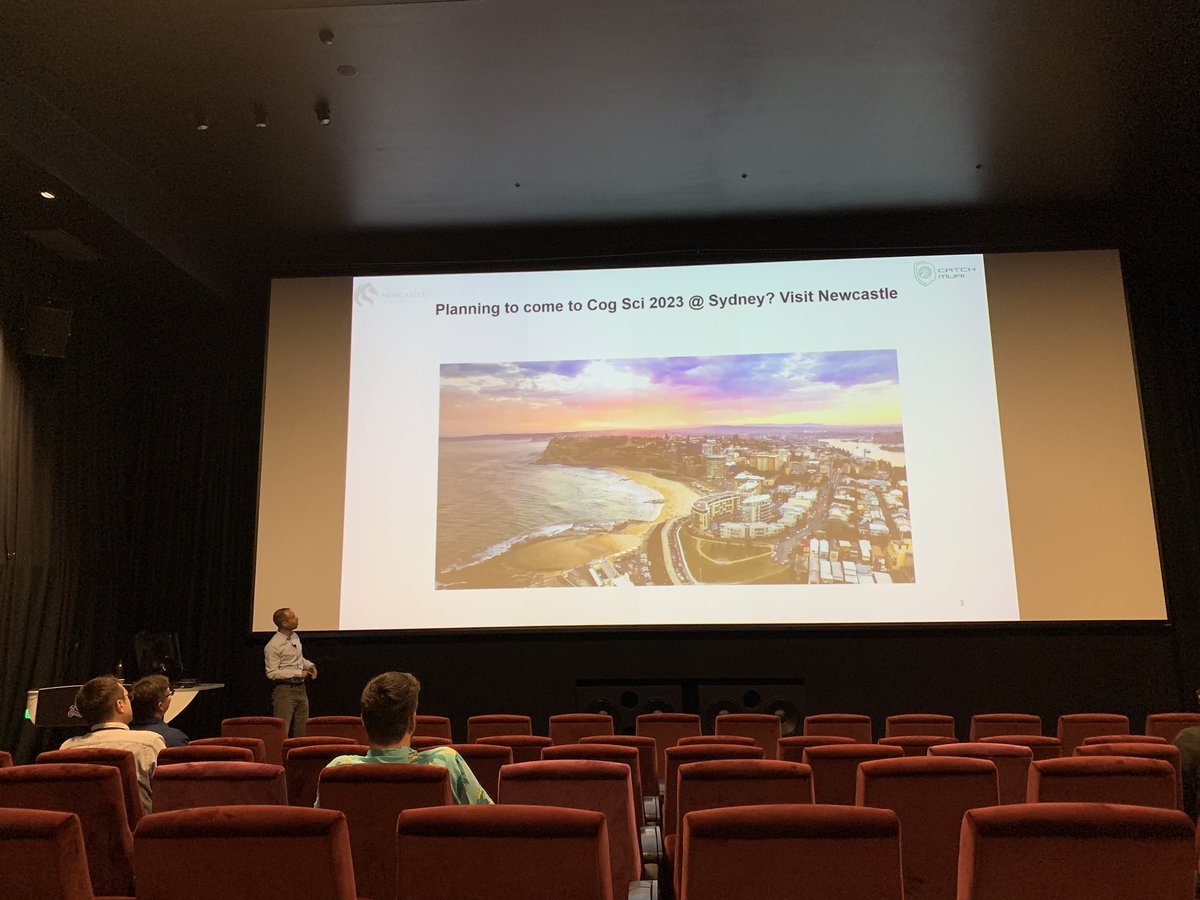
Ami Eidels gave a fantastic talk yesterday at EPC on “group performance in human-human and human-bot teams”. Ami also said it perfectly: if you are planning on attending CogSci in July, then stop past @Psychology_UON for a visit! #EPC2023
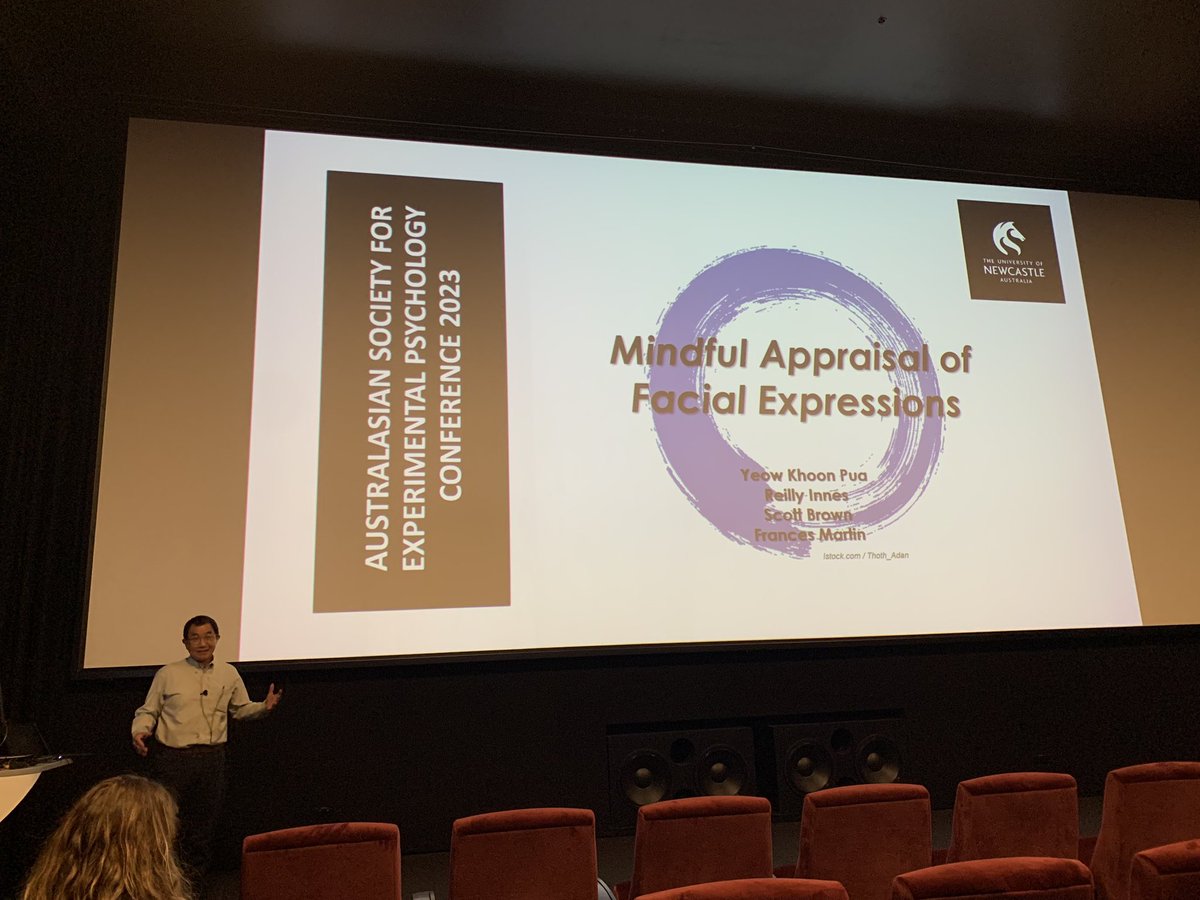
This was a seriously fantastic talk at EPC yesterday by PhD candidate Yeow Khoon Pua, who used mathematical models to look at the “mindful appraisal of facial expressions”. Amazing work, Yeow Khoon!
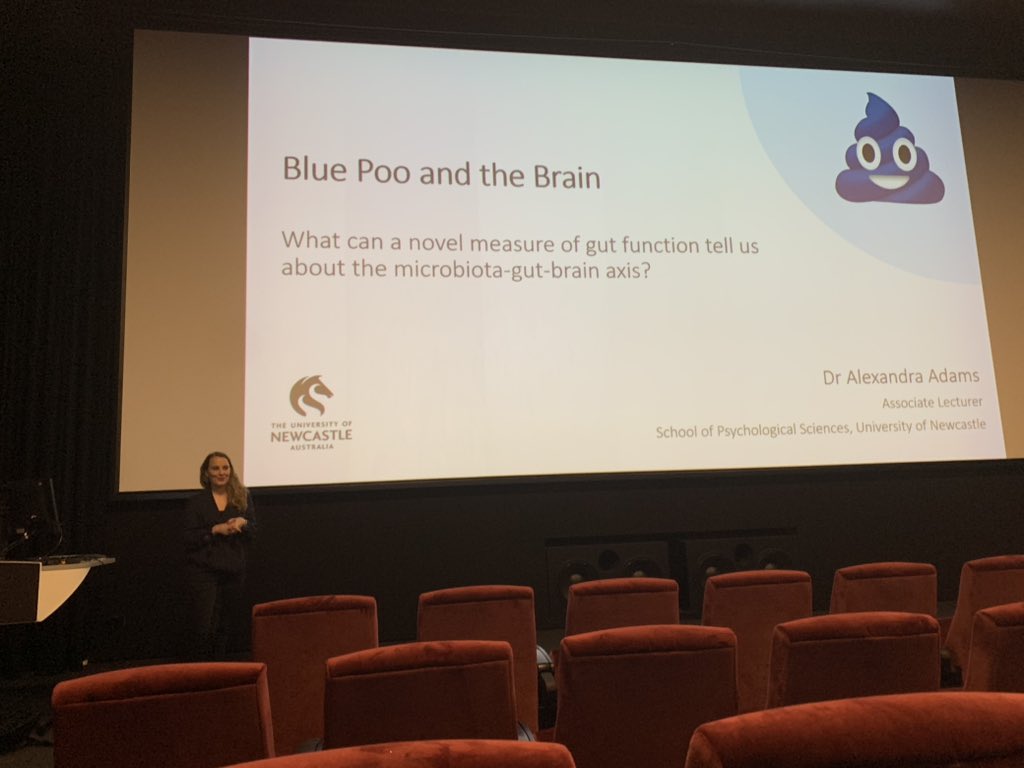
Last but certainly not least from our lab at EPC yesterday: Alexandra Adams gave an entertaining and truly fascinating talk on “blue poo and the brain: what can a novel measure of gut function tell us about the microbiota-gut-brain axis?” #EPC2023@expsyaunz
Our fantastic PhD candidate Laiton Hedley gave an incredible presentation at EPC yesterday on “the relationship between teaming behaviours and joint capacity of hybrid human-machine teams.” Great job, @Laiton_Hedley#EPC2023
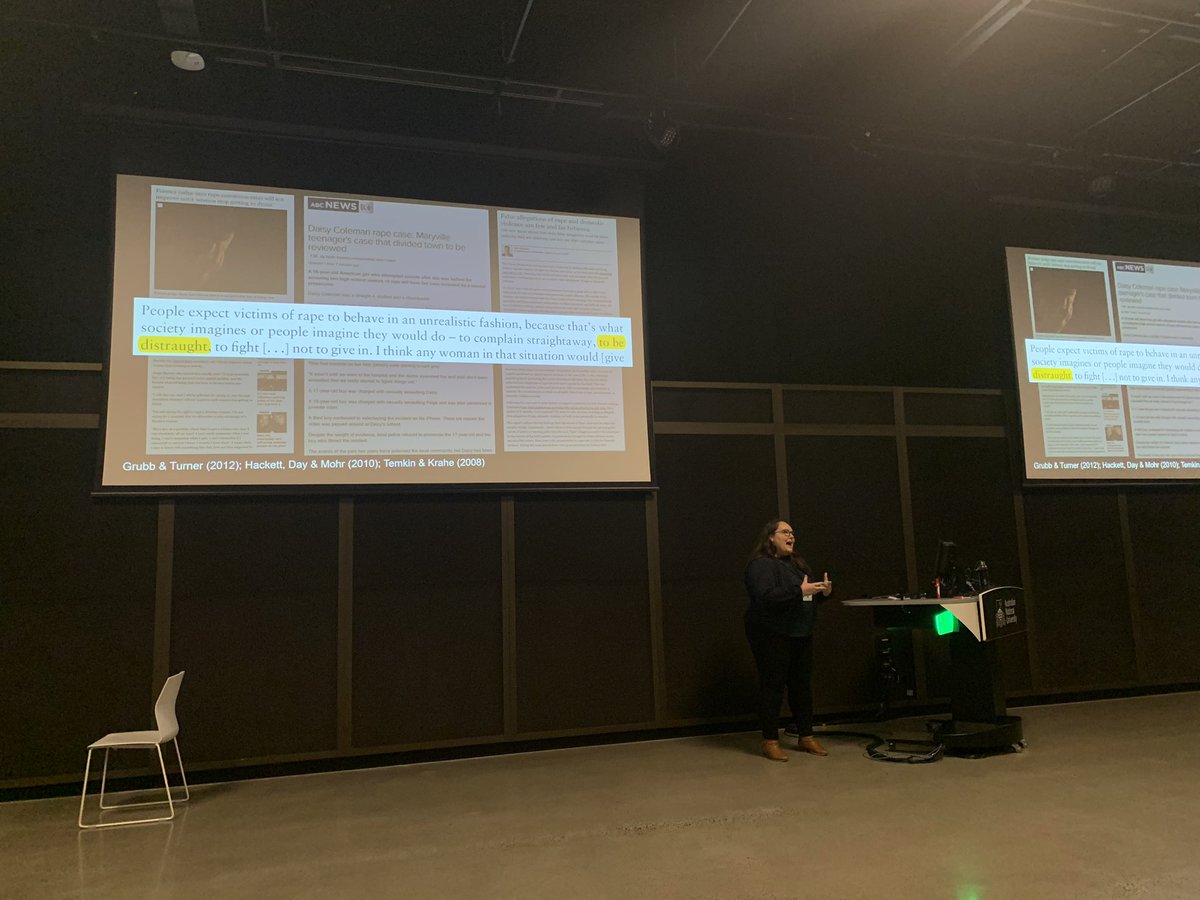
As usual, Faye Nitschke gave an incredibly impressive talk at #EPC2023 yesterday, detailing three studies looking at “perceptions of emotions from female and male complainants of sexual violence” @ts_faye
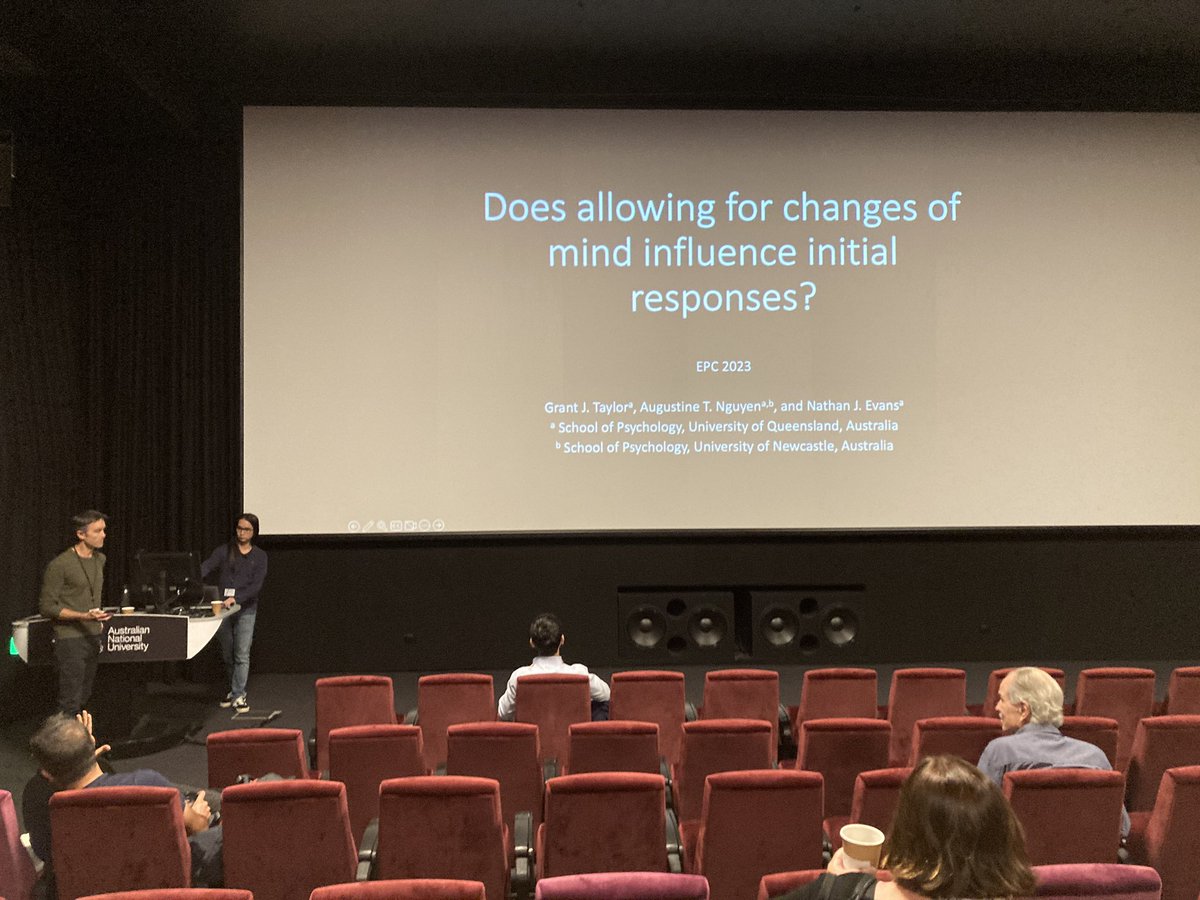
Very proud of Tin Nguyen for giving a fantastic talk to a large audience (and on a cinema-sized TV!) yesterday at #EPC2023. Tin’s talk was titled “Does allowing for changes of mind influence initial responses?”