
The latest stories in science, brought to you by the @ScienceMagazine news team.
Joined October 2008
- Tweets 44,943
- Following 638
- Followers 712,495
- Likes 1,113
4,383 Photos and videos







Ancient Egypt’s builders may not have had modern engineering software, but their pyramid construction techniques accidentally created an earthquake-resistant masterpiece.
The Great Pyramid of Khufu has withstood seismic shaking for more than 4 millennia, and a new study reveals the physics behind its resilience.
Learn more: scim.ag/4dFQY6k
2
4
600
AIs on their own found ways to exploit regulations and evade current safeguards, a new study shows.
When researchers presented a large language model with 72 simulated regulatory environments, the AI learned to exploit loopholes in everything from credit card rewards programs to school funding formulas, despite never being instructed to do so.
Current safeguards seem powerless against such wily rule bending, suggesting AI could supercharge everything from tax avoidance to sidestepping environmental controls. Learn more: scim.ag/3Stum1H
ALT AI models have a troubling knack for discovering legal loopholes AIs on their own found ways to exploit regulations and evade current safeguards
2
4
1,350
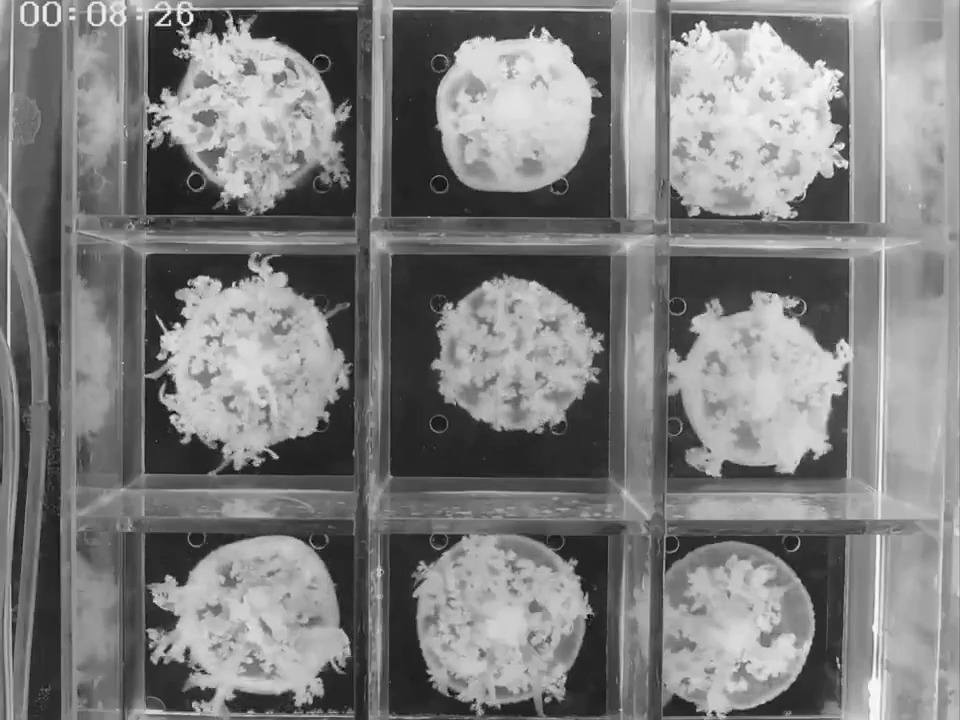
You don’t need a brain to benefit from a good night of sleep. Despite lacking a central nervous system, jellyfish and sea anemones have sleep patterns remarkably similar to those of humans, researchers report.
Learn more: scim.ag/4uyroq9
2
12
51
3,948
In a recent interview, @ScienceCareers spoke with biophysicist Aaron Mertz and immunologist @DrShrutiNaik about their new documentary The Endless Frontier, a film that follows three U.S. researchers at different stages of their careers as they attempt to navigate an increasingly uncertain funding landscape and mentor the next generation. scim.ag/4gmK60r
1
2
2
1,488
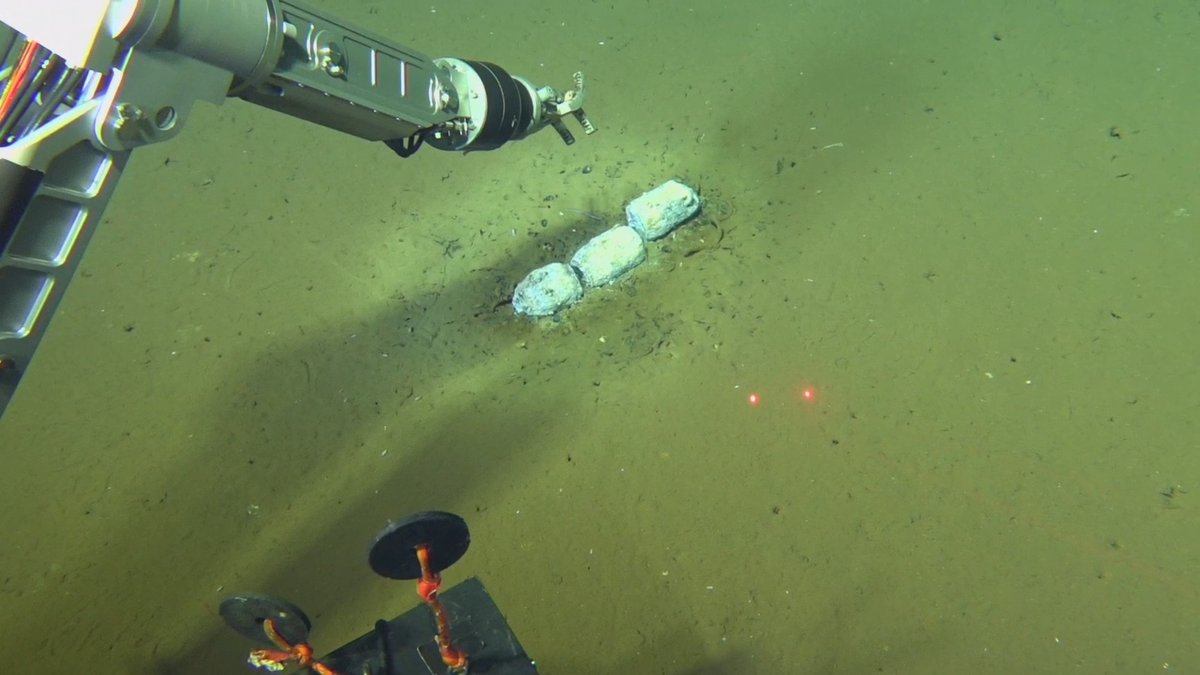
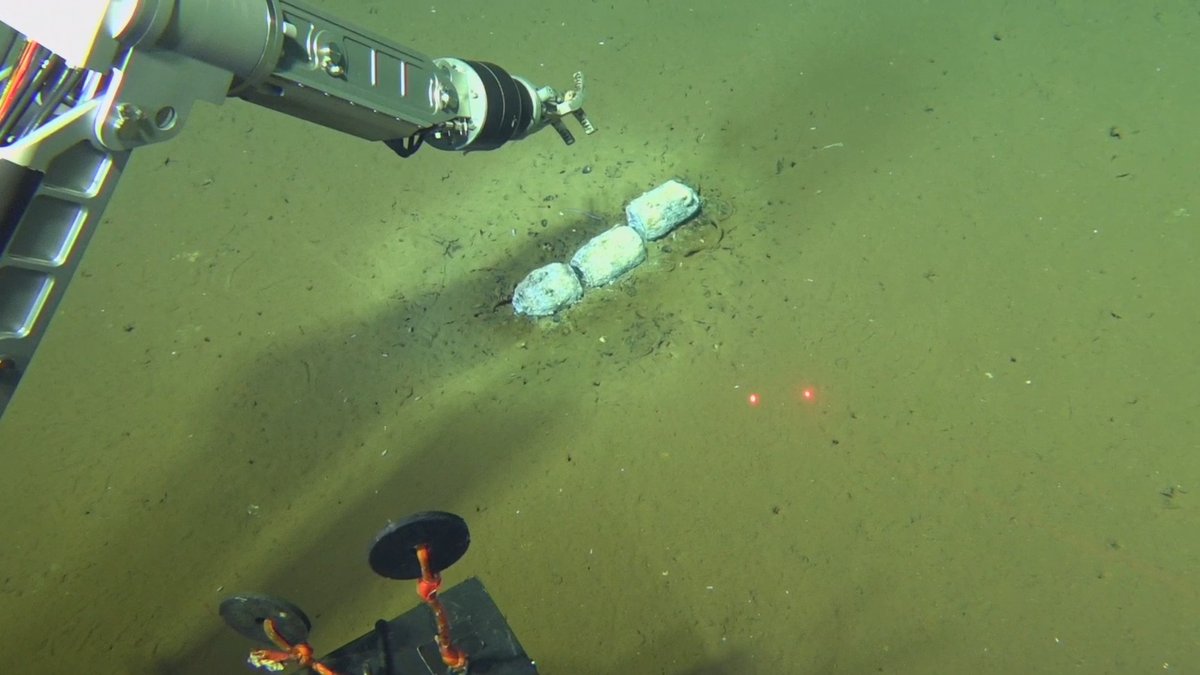
In 2023, researchers in a deep-sea submersible west of Australia came across several whale skeletons 2400 meters deeper than had ever been described.
As the expedition continued, the scientists found an unprecedented abundance of skeletons—the biggest, deepest, and oldest collection ever seen on the sea floor.
Learn more: scim.ag/4vAI2WV
2
27
151
14,389
Enhanced cryo–electron microscopy promises to bring previously elusive proteins into view. scim.ag/3PZYXDr
1
2
12
2,571
Just as humans can be right-handed or left-handed, our canine companions often show a distinct preference for one paw over the other.
In dogs, this asymmetry—known as laterality—doesn’t stop at paws: They even use different nostrils to sniff out different scents.
Dogs are an appealing animal model for scientists seeking clues into our own laterality. But our canine pals make tricky subjects because their preferences may change depending on the task at hand.
Science chats with researchers about a new method of assessing canine “handedness” and what it reveals about your pup’s health and personality.
Learn more: scim.ag/4ut5Jj0
3
12
3,151
In a new interview, @ScienceInsider speaks with @Chikwe_I about the current Ebola situation in the DRC, how to build trust with the local community, and why he misses U.S. colleagues who helped fight past outbreaks and became friends. scim.ag/43qZcug
1
2
1,926
One of France’s most famous science communicators has been stripped of his doctor’s title after a 20-month university investigation found evidence that he plagiarized in his Ph.D. thesis. scim.ag/4xBnTCe
3
45
97
17,853
New research offers a scenario for how cells came to rely on phosphate molecules to build DNA and store energy. scim.ag/4esUame
1
5
14
2,639
Mexico’s government has tasked a group of scientists with assessing new technologies for “sustainable” oil and gas drilling—but many experts say it’s a fantasy. scim.ag/3QeLUy2
1
7
2,275
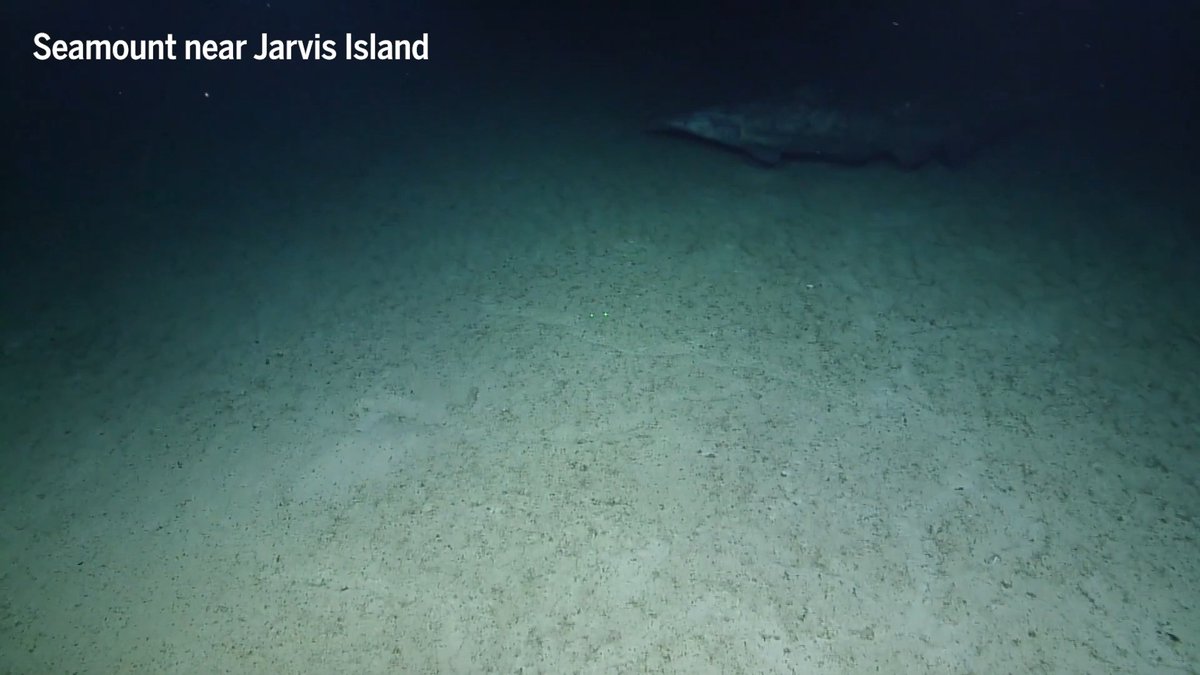
In July 2019, a remotely operated vehicle filmed an unusual creature 2 kilometers below the waves near Jarvis Island in the central Pacific Ocean.
Three meters long with pink and gray skin, jaws that can snap outward in a flash, and a comically elongated snout, the animal leisurely glid along the sea floor. Five years later, researchers spotted the same species near Tonga.
Both were goblin sharks, an odd and poorly understood animal that had never been filmed in its deep-sea home.
Learn more: scim.ag/3QBoEdC
6
30
155
14,106
China has gained an unexpected ally in its struggle with rampant scientific misconduct: an independent video blogger who shines a light on problematic papers for millions of followers. scim.ag/4xskplp
1
3
4
2,348
The U.S. National Science Foundation is tightening conflict-of-interest restrictions for its staff and peer reviewers in a move many researchers worry will further complicate workloads at the agency, which has lost roughly one-third of its workforce over the past 18 months. scim.ag/4xmAicM
3
2,403
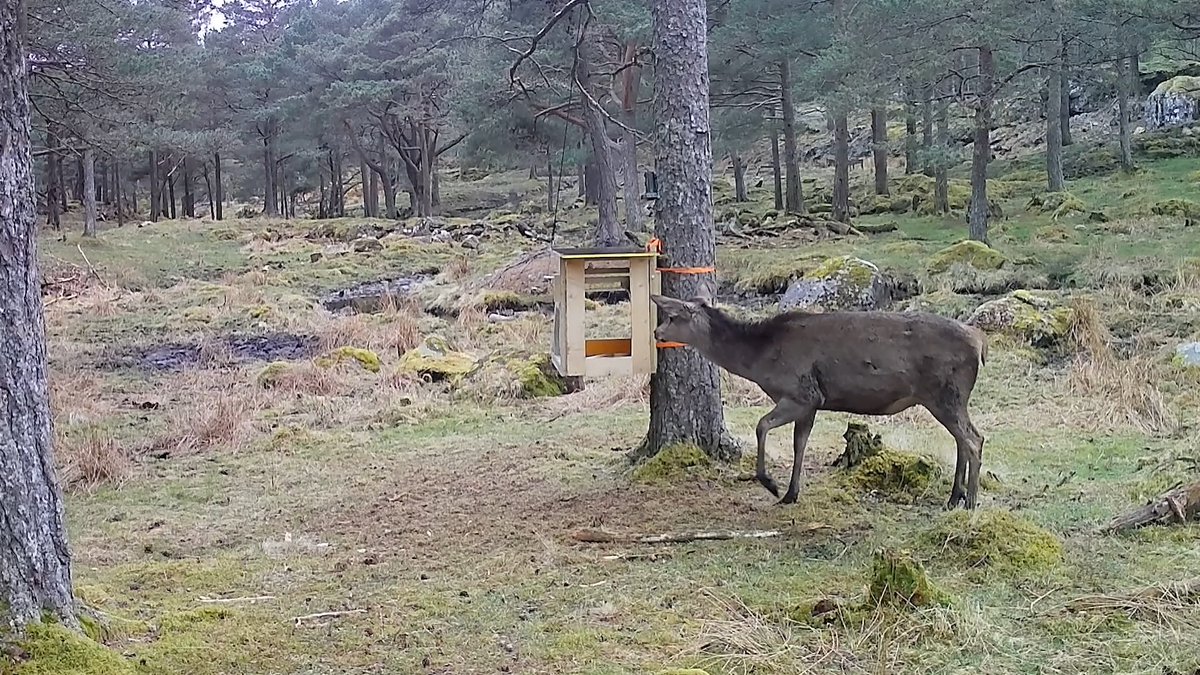
Remotely tracking animals in their natural habitats has become a central pillar of wildlife research. But on land, the process often involves fitting a collar around an animal’s neck that contains a GPS tracker and various sensors. This requires capturing the animal, which isn’t just expensive—it’s also stressful and dangerous for everyone involved.
But a biologist sees a better way forward for this field of study, known as wildlife telemetry.
He’s now building and experimenting with devices, described in a recent preprint, that would allow researchers to apply collars on animals without needing to capture them.
Rethinking how we put collars on animals, he argues, could bring many benefits to wildlife research, such as improving animal welfare and the quantity and quality of data collected at the same time.
Learn more: scim.ag/4uq3lcQ
2
7
55
10,020
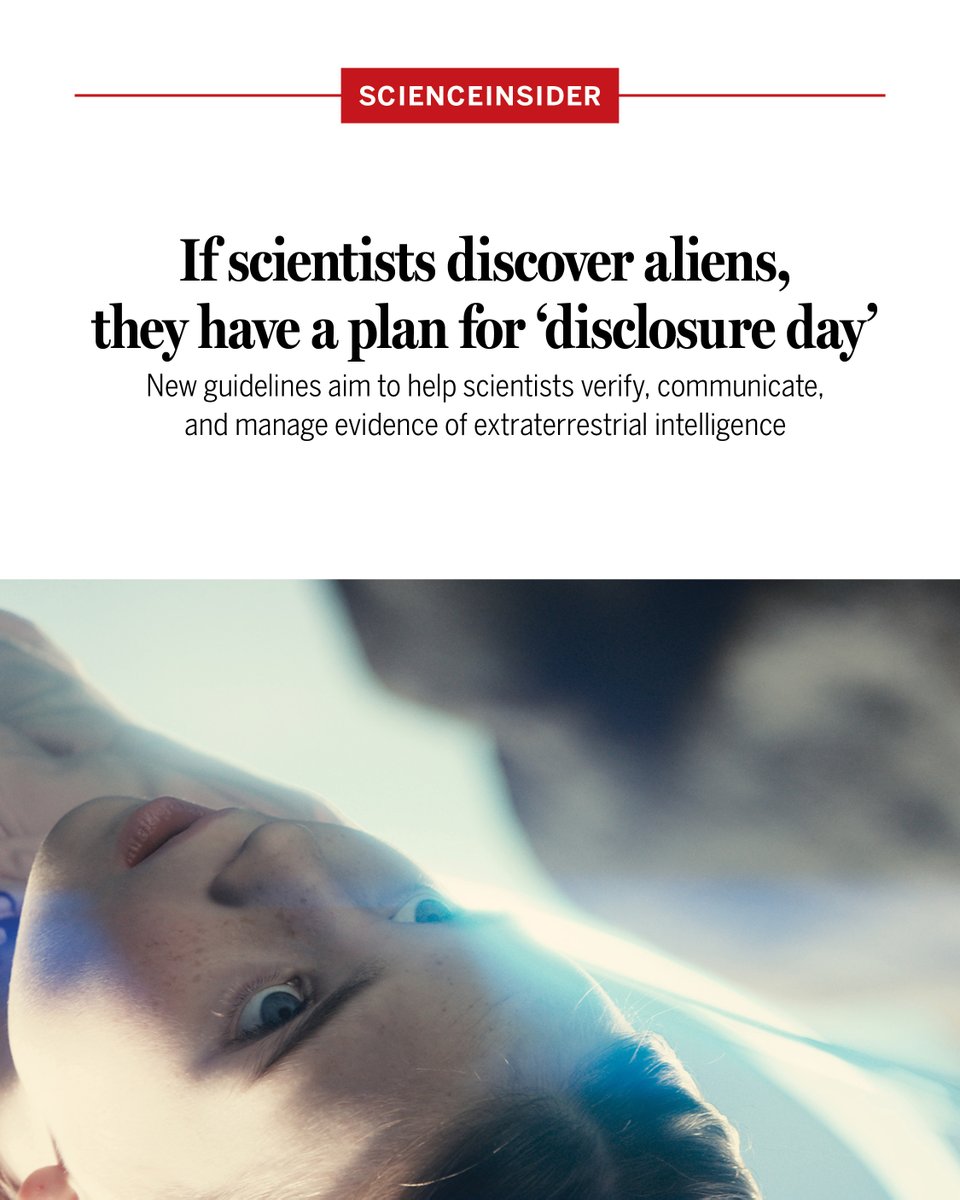
Disclosure Day deals with what would be a pivotal event in history: the moment conclusive evidence arrives of intelligent life elsewhere in the universe. The movie pits sinister military-industrial forces that hide and control the information against those who strive to reveal the truth.
Researchers involved in the search for extraterrestrial intelligence (SETI) have long realized this moment—if it ever arrives outside cinemas—is going to be fraught with emotion, confusion, and possible danger. To get a jump on such events, the International Academy of Astronautics (IAA) convened a permanent committee of SETI experts. In 1989, the committee drew up a set of “postdetection protocols,” nonbinding guidelines for what scientists and their institutions should do when the time comes.
Science spoke with IAA’s SETI Permanent Committee Chair Michael Garrett, a radio astronomer at the University of Manchester, about the committee’s latest revision to the protocols, and what he thinks might happen on “disclosure day.” Learn more: scim.ag/43vJyha
ALT If scientists discover aliens, they have a plan for ‘disclosure day’ New guidelines aim to help scientists verify, communicate, and manage evidence of extraterrestrial intelligence
7
12
41
4,890
In NOAA’s latest outlook, the agency confirmed that El Niño has begun as warm water sloshes eastward to the normally chilly ocean off Peru’s coast.
It estimated a 63% chance the El Niño will grow into a very strong event later this year—nearly double the odds it assigned in May. scim.ag/4vILoHI
2
9
28
4,377
Frozen, fossilized squirrel poop uncovered from Arctic ground squirrel burrows—some of it hundreds of thousands of years old—is shedding light on ice age ecosystems, thanks to its DNA. scim.ag/4oihWWp
1
2
18
4,146
In 2023, researchers in a deep-sea submersible west of Australia came across several whale skeletons 2400 meters deeper than had ever been described.
As the expedition continued, the scientists found an unprecedented abundance of skeletons—the biggest, deepest, and oldest collection ever seen on the sea floor.
Learn more: scim.ag/4vAI2WV
13
85
607
148,344
A proposal by the Canadian government to streamline the review process for major infrastructure projects has been labeled “deeply troubling” by scientists, who are concerned it will weaken environmental protections and jeopardize endangered species. scim.ag/4as9cHt
6
11
3,034