
The latest stories in science, brought to you by the @ScienceMagazine news team.
Joined October 2008
- Tweets 44,926
- Following 639
- Followers 710,662
- Likes 1,113
4,375 Photos and videos


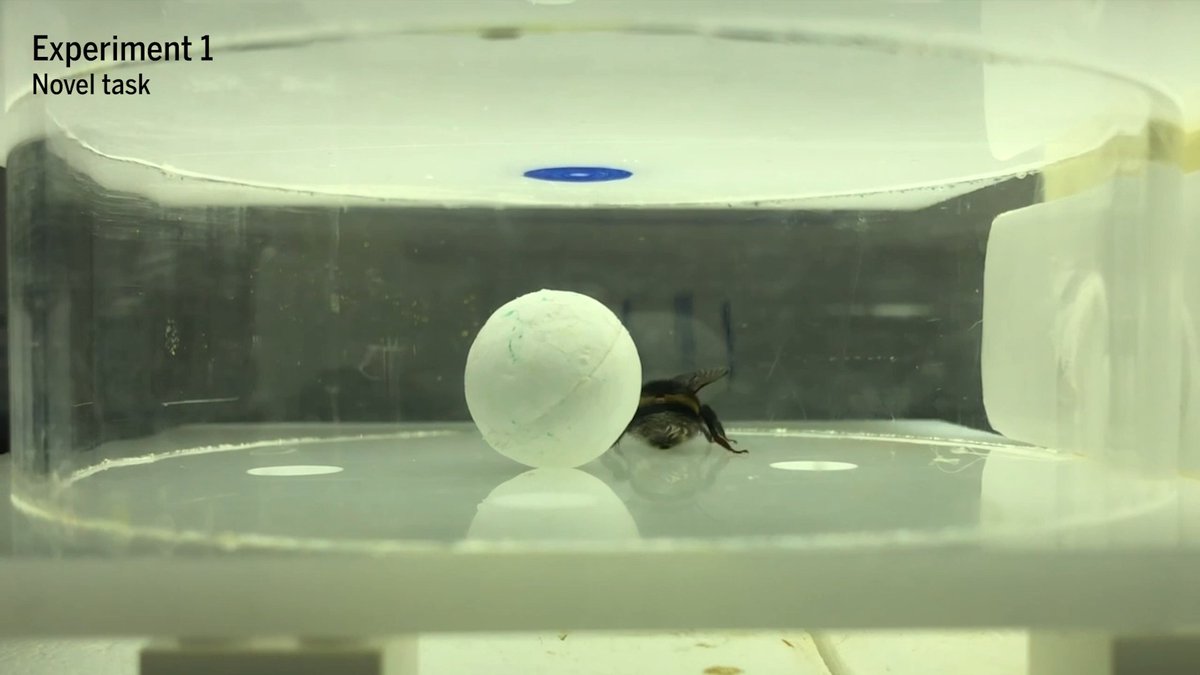


Frozen, fossilized squirrel poop uncovered from Arctic ground squirrel burrows—some of it hundreds of thousands of years old—is shedding light on ice age ecosystems, thanks to its DNA. scim.ag/4oihWWp
1
2
13
2,698
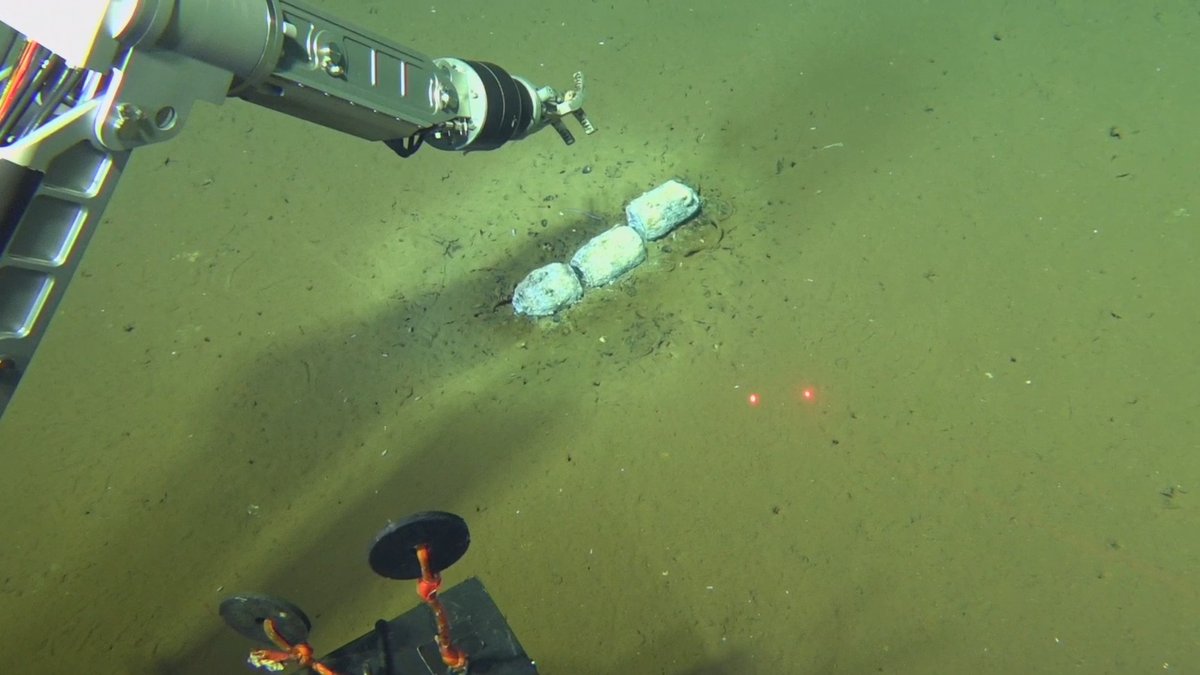
In 2023, researchers in a deep-sea submersible west of Australia came across several whale skeletons 2400 meters deeper than had ever been described.
As the expedition continued, the scientists found an unprecedented abundance of skeletons—the biggest, deepest, and oldest collection ever seen on the sea floor.
Learn more: scim.ag/4vAI2WV
8
67
427
77,422
A proposal by the Canadian government to streamline the review process for major infrastructure projects has been labeled “deeply troubling” by scientists, who are concerned it will weaken environmental protections and jeopardize endangered species. scim.ag/4as9cHt
5
8
2,448
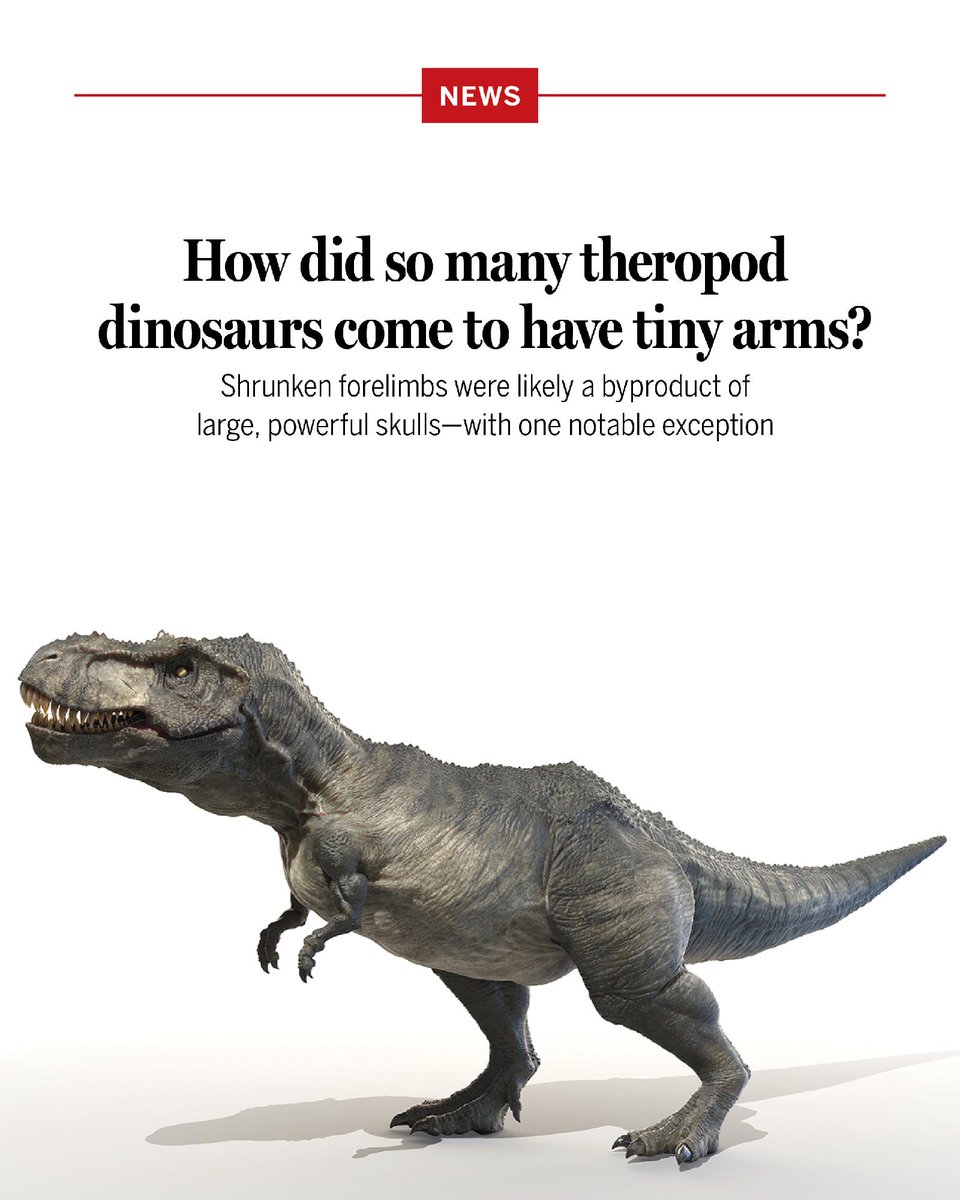
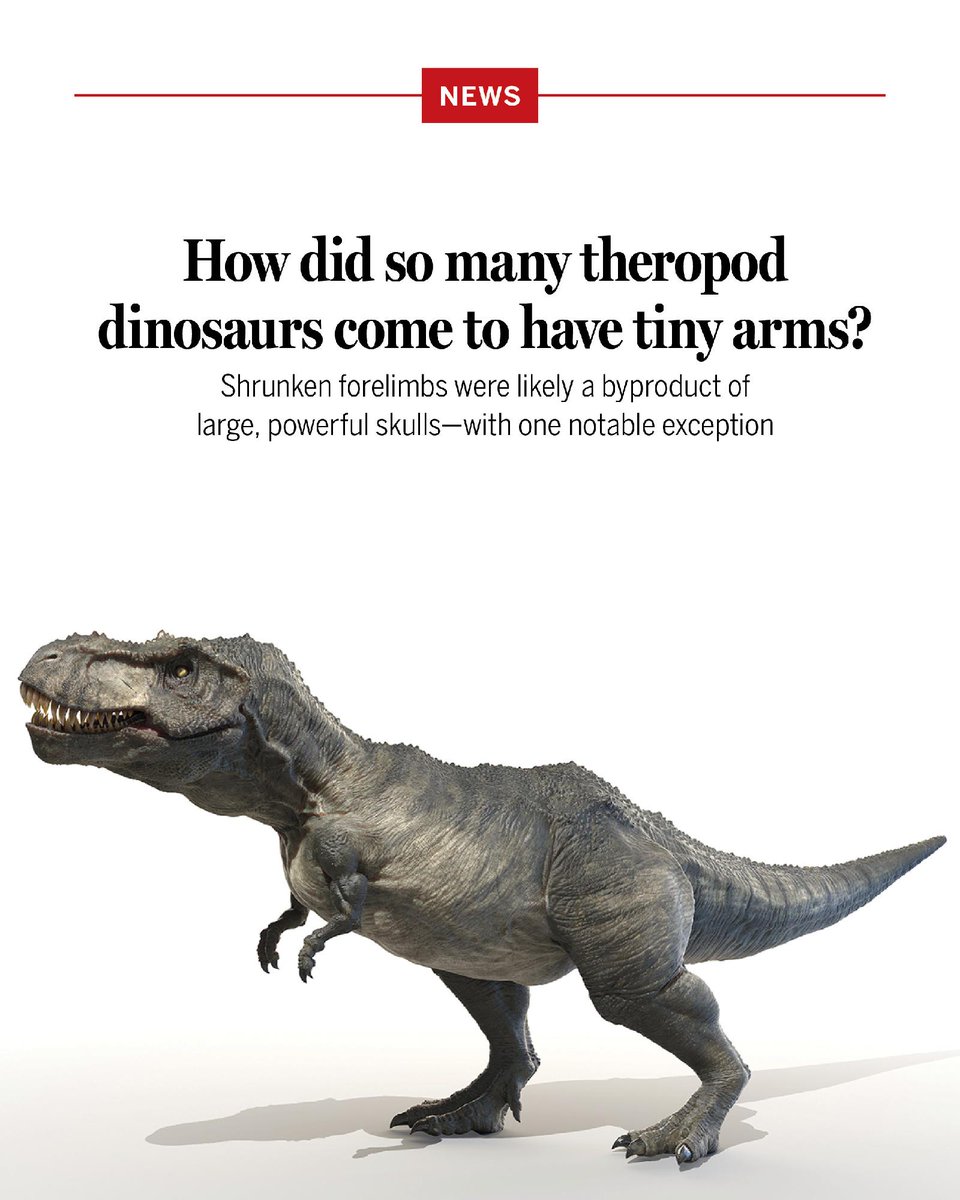
For one of the biggest and most ferocious predators to ever live, Tyrannosaurus rex sure had puny arms, not much longer than our own. Several other members of its lineage—the diverse group of two-legged dinosaurs known as theropods—had similarly wimpy appendages, and new analyses of the beasts now suggest why.
Learn more: scim.ag/4ukvd21
ALT How did so many theropod dinosaurs come to have tiny arms? Shrunken forelimbs were likely a byproduct of large, powerful skulls—with one notable exception
7
23
3,194
Understanding how the first patient became infected may shed new light on the Andes virus’ transmission patterns and incubation period. scim.ag/3S35iP3
6
11
2,859
After decades of warnings, new data suggest the Atlantic’s vital circulation may withstand climate warming better than feared. #LongReads scim.ag/4gfaQjk
2
3
8
2,241
A new study finds that in 2025, the numbers of Black and Hispanic researchers receiving U.S. National Institutes of Health grants and fellowships dropped markedly compared with previous fiscal years. scim.ag/4vOvFa9
1
4
8
2,272
A new neutrino experiment in China has put the world on notice that it’s poised to make a breakthrough. scim.ag/4ezSgBf
4
15
2,689
A week after President Donald Trump issued an executive order converting thousands of job titles at federal agencies from protected civil service status to employees who serve at the White House’s pleasure, science policy wonks are still trying to make sense of it. scim.ag/43niCjL
2
6
2,022
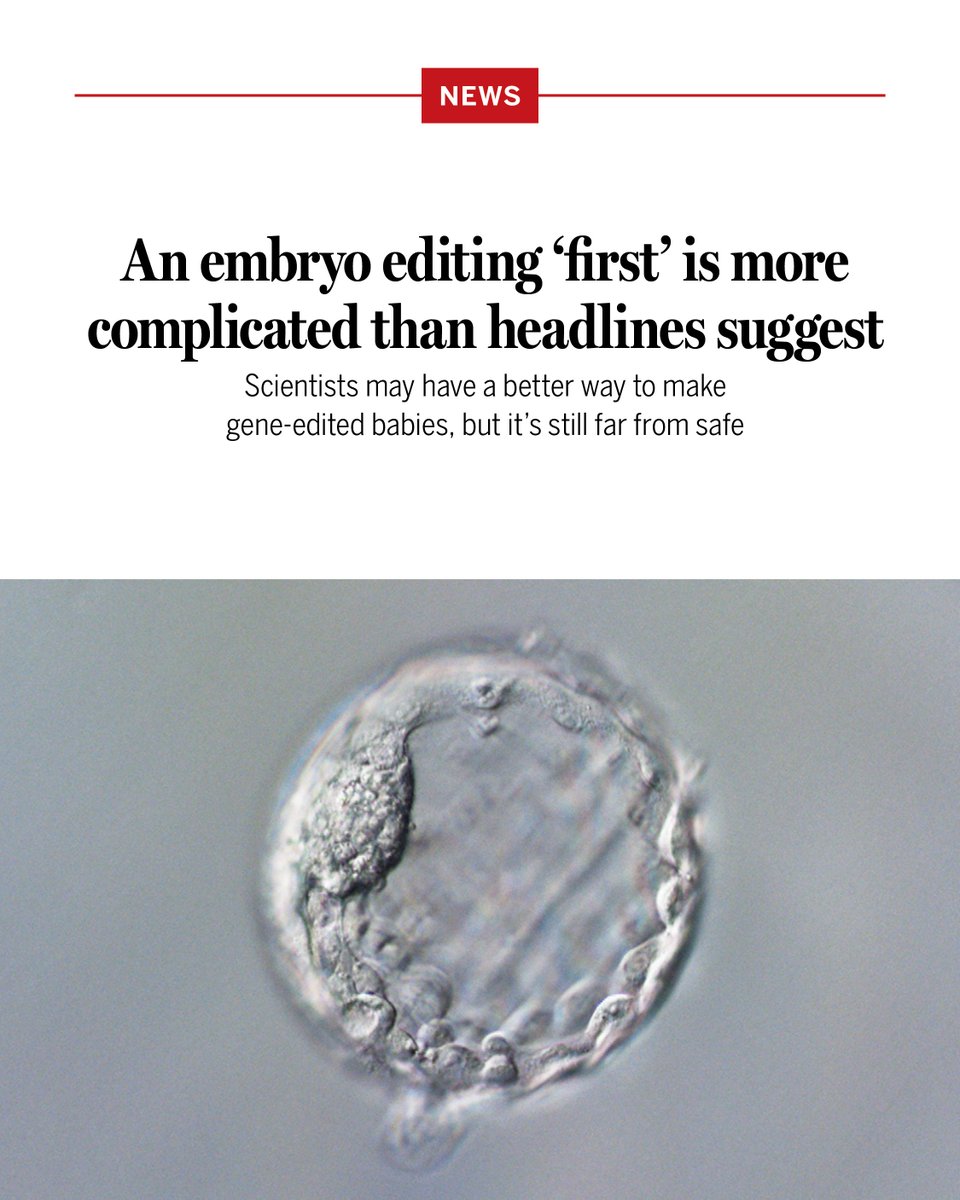
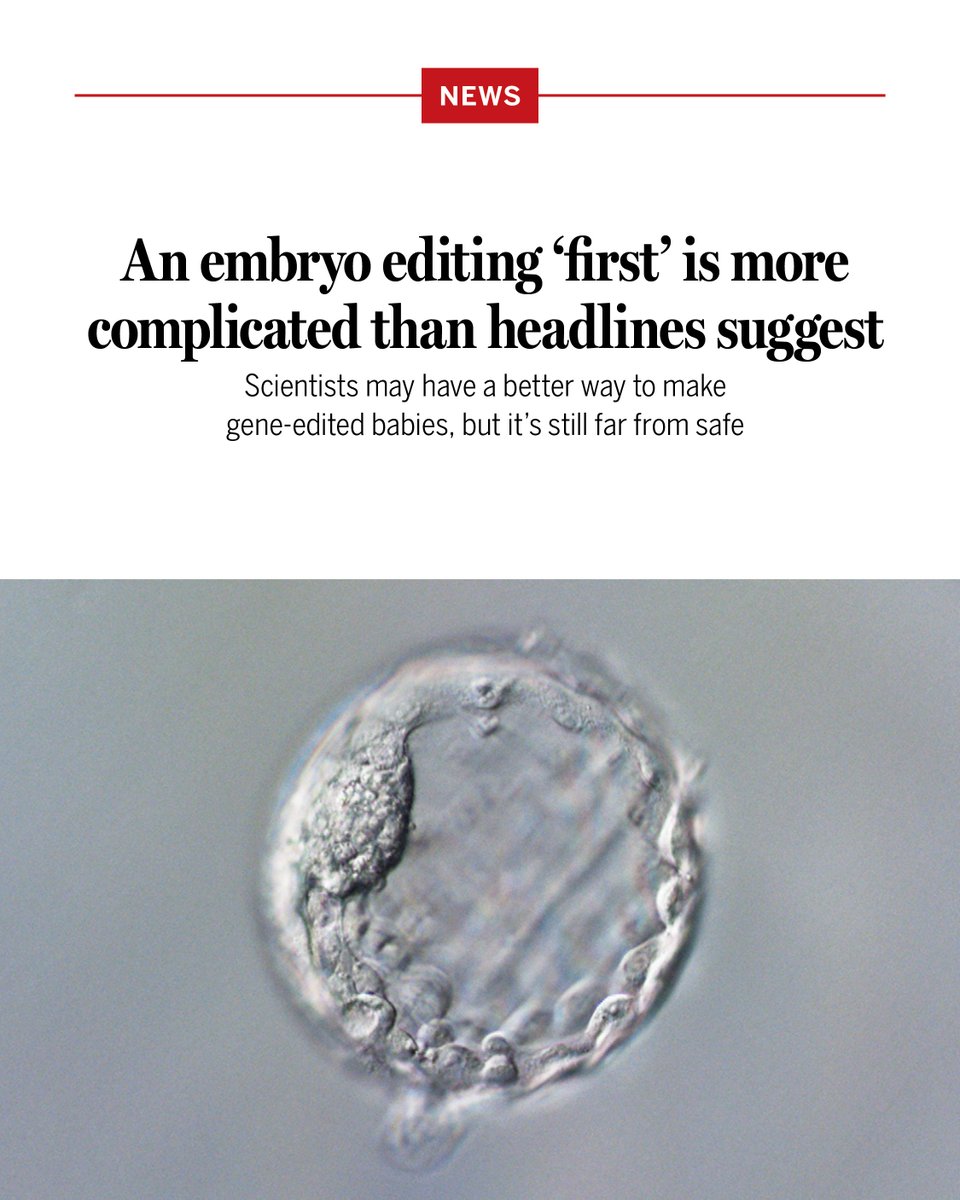
On 4 June, The New York Times posted an online story with a dramatic headline: “In a First, Scientists Precisely Edit Human Embryo Genes.” Others quickly echoed the claim, reigniting a simmering debate over whether it’s safe, ethical, and worthwhile to create gene-edited babies. But the reality of the reported advance, an effort to improve the use in embryos of an approach called base editing, is more subtle than many stories suggested. (The New York Times changed its online headline by the next day to eliminate the “first” claim.)
Even the stem cell scientist who led the new work acknowledges the tool still has major limitations and says it shouldn’t yet be used to make a baby. “I think it [our findings] will shift the conversation but it won’t change the landscape of use anytime soon,” he says.
Science delves behind the headlines to look closer at his group’s research, posted as a preprint on 1 June: scim.ag/4urOwGR
ALT An embryo editing ‘first’ is more complicated than headlines suggest Scientists may have a better way to make gene-edited babies, but it’s still far from safe
2
1
12
2,833
The National Institutes of Health has returned to the idea that limiting lab size makes better use of grant dollars. scim.ag/4omL5jq
1
1
3
2,131
One of the world’s leading suppliers of monkeys and other animals for biomedical research has declared bankruptcy. scim.ag/4fA1BtP
1
3
13
3,113
Novelty is often called a key ingredient for high-quality research, but it is notoriously thorny to define or measure. A new tool that puts numbers to how novel a paper is could help—and might be used to more efficiently evaluate the growing flood of scientific manuscripts. scim.ag/4up8bXR
2
5
14
2,736
A survey showed fewer than 7% of astrobiologists believed scientists had found signs of extraterrestrial life on exoplanet K2-18b. scim.ag/43PB2K1
2
2
6
2,639
Enhanced cryo–electron microscopy promises to bring previously elusive proteins into view. scim.ag/3PZYXDr
7
17
3,273
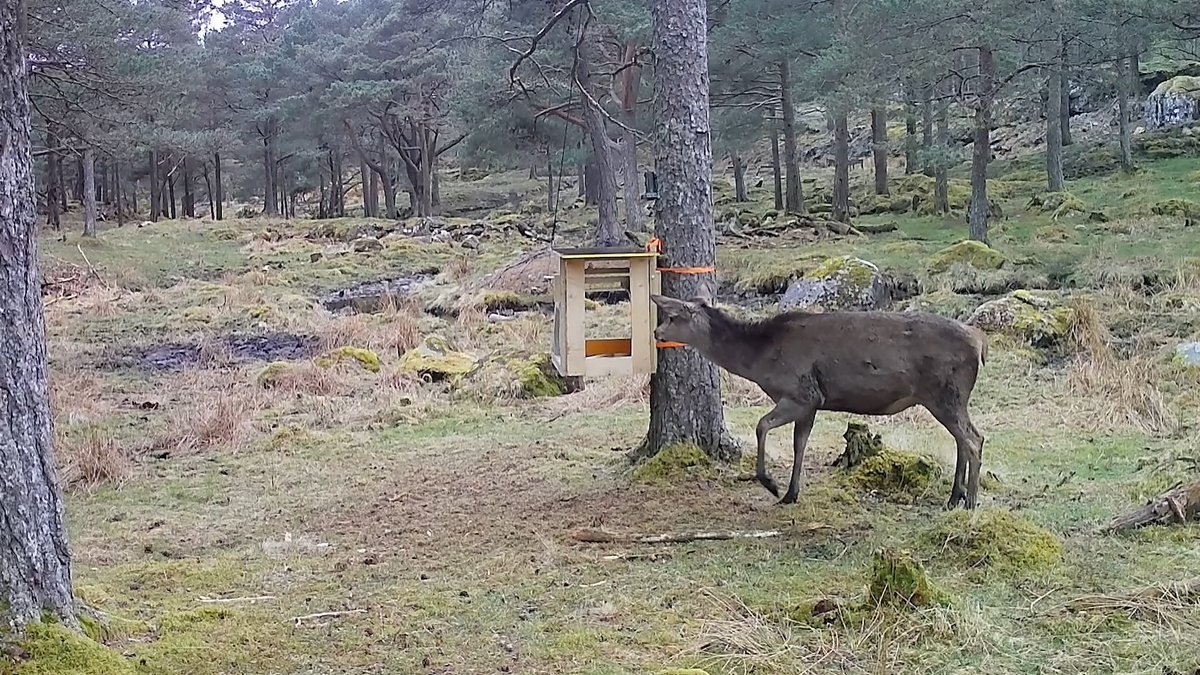
Remotely tracking animals in their natural habitats has become a central pillar of wildlife research. But on land, the process often involves fitting a collar around an animal’s neck that contains a GPS tracker and various sensors. This requires capturing the animal, which isn’t just expensive—it’s also stressful and dangerous for everyone involved.
But a biologist sees a better way forward for this field of study, known as wildlife telemetry.
He’s now building and experimenting with devices, described in a recent preprint, that would allow researchers to apply collars on animals without needing to capture them.
Rethinking how we put collars on animals, he argues, could bring many benefits to wildlife research, such as improving animal welfare and the quantity and quality of data collected at the same time.
Learn more: scim.ag/4uq3lcQ
4
6
44
10,001
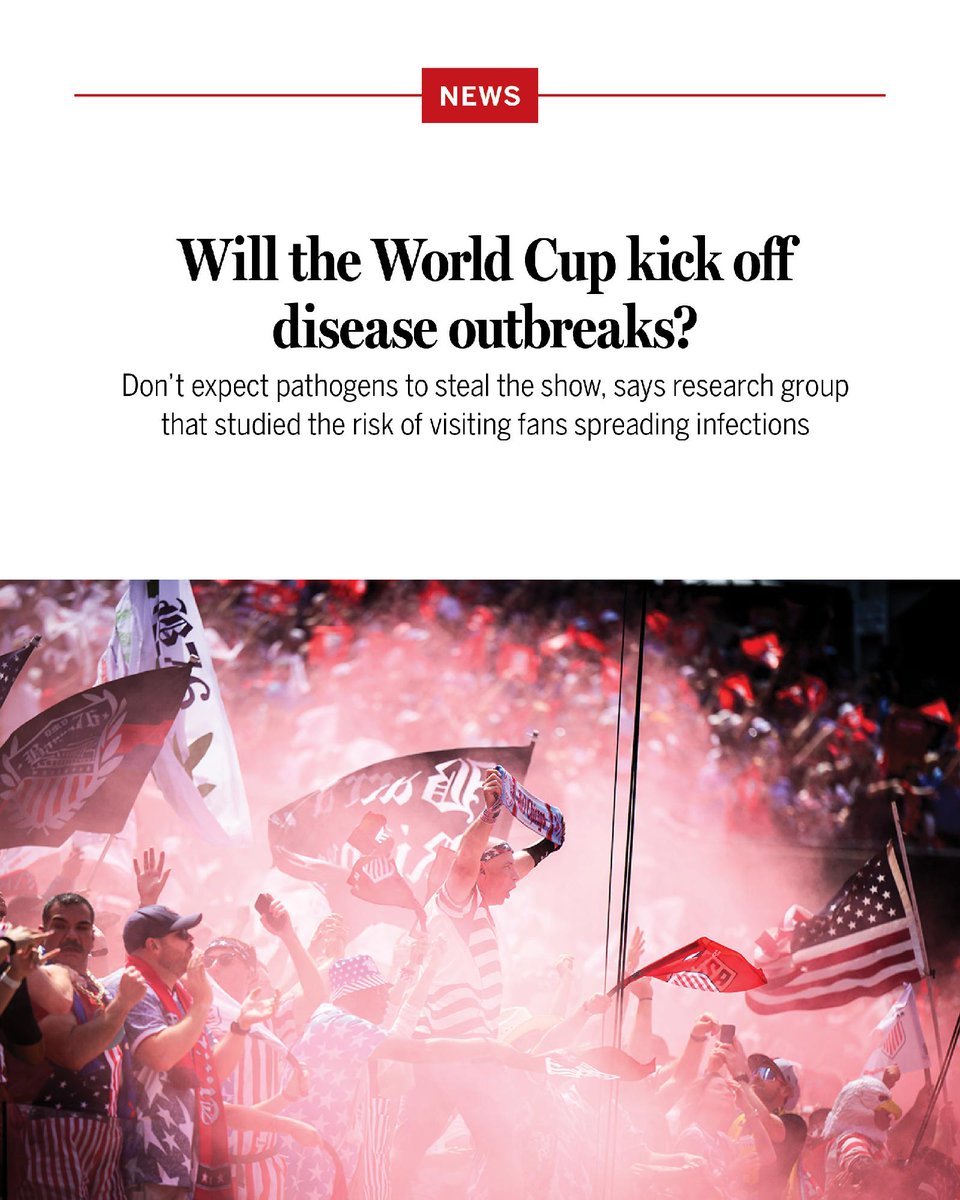
With the FIFA World Cup kicking off in Mexico City, the arrival of soccer fans from around the world to the United States may lead to additional cases of some infectious diseases, including COVID-19 and influenza.
However, upon further study, researchers say the event doesn’t pose major public health risks. Learn more: scim.ag/4vD6kQ7
ALT Will the World Cup kick off disease outbreaks? Don’t expect pathogens to steal the show, says research group that studied the risk of visiting fans spreading infections
1
6
1,760
Just as humans can be right-handed or left-handed, our canine companions often show a distinct preference for one paw over the other.
In dogs, this asymmetry—known as laterality—doesn’t stop at paws: They even use different nostrils to sniff out different scents.
Dogs are an appealing animal model for scientists seeking clues into our own laterality. But our canine pals make tricky subjects because their preferences may change depending on the task at hand.
Science chats with researchers about a new method of assessing canine “handedness” and what it reveals about your pup’s health and personality.
Learn more: scim.ag/4ut5Jj0
2
11
2,302
In a new interview, @ScienceInsider speaks with @Chikwe_I about the current Ebola situation in the DRC, how to build trust with the local community, and why he misses U.S. colleagues who helped fight past outbreaks and became friends. scim.ag/43qZcug
1
1
6
1,454
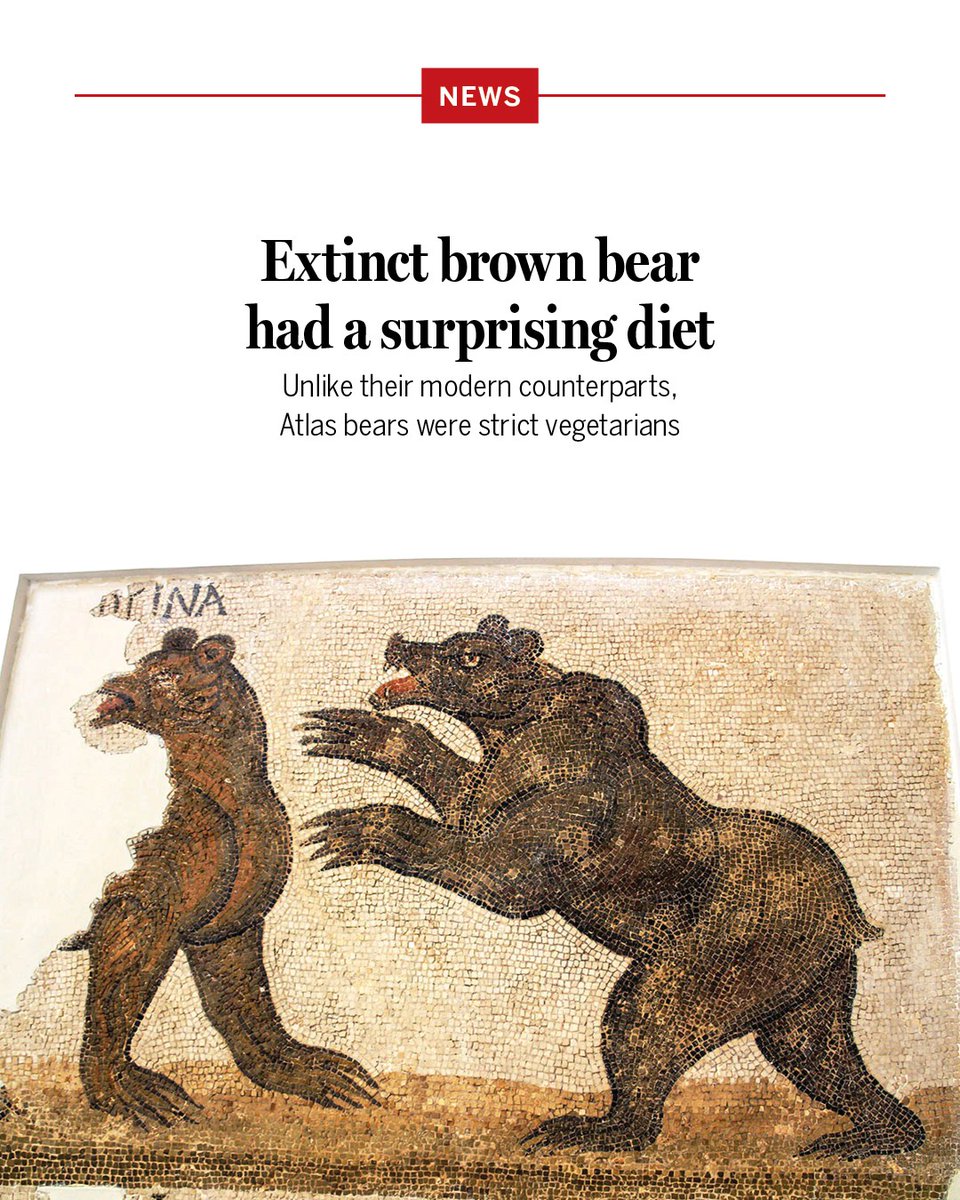
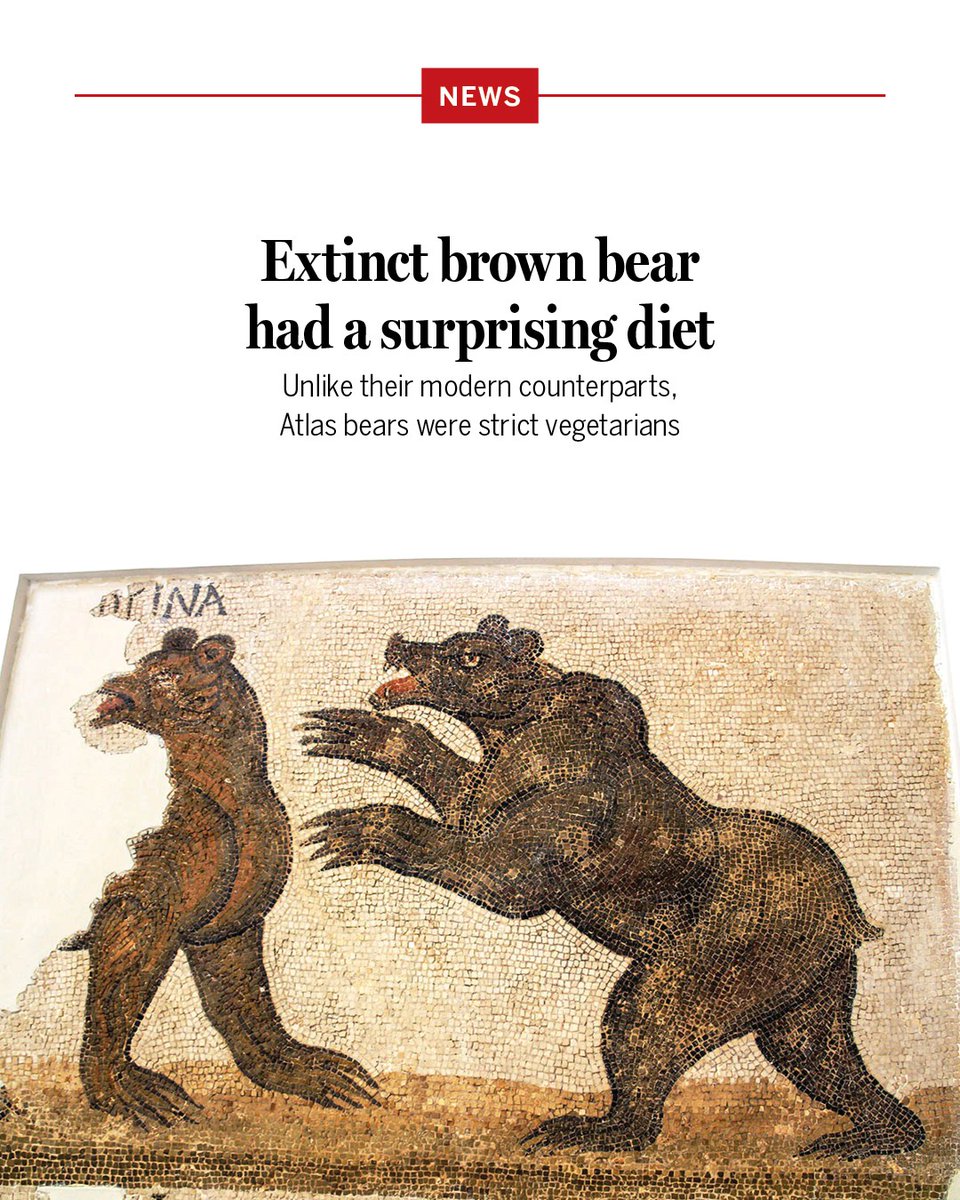
Brown bears can be terrifying meat eaters, tearing into salmon, elk, and other prey. But an extinct subspecies from Africa was a strict vegetarian, researchers report.
In fact, the diet of this “Atlas bear” was remarkably similar to the elk its modern relatives hunt.
The animal’s unusual eating habits may have helped it avoid competition with hypercarnivores such as lions and leopards. Learn more: scim.ag/4e0hqHO
ALT Extinct brown bear had a surprising diet Unlike their modern counterparts, Atlas bears were strict vegetarians
2
5
21
2,918