
Joined November 2017
- Tweets 755
- Following 395
- Followers 1,217
- Likes 2,640
113 Photos and videos






Jun 12
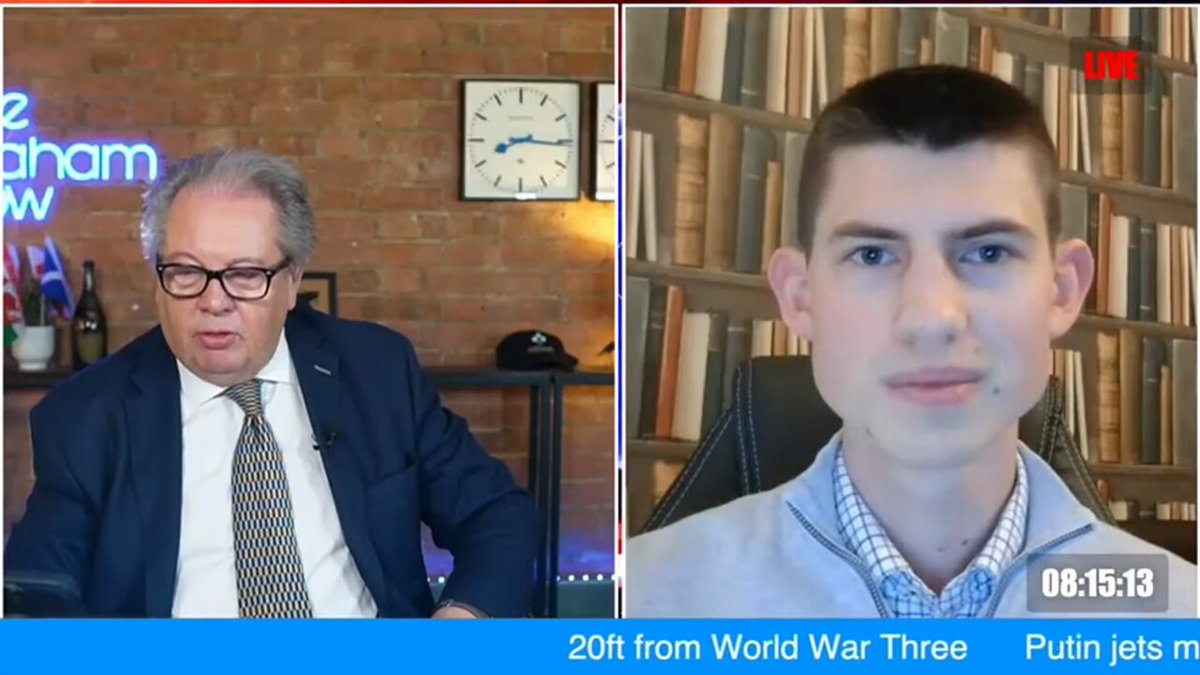
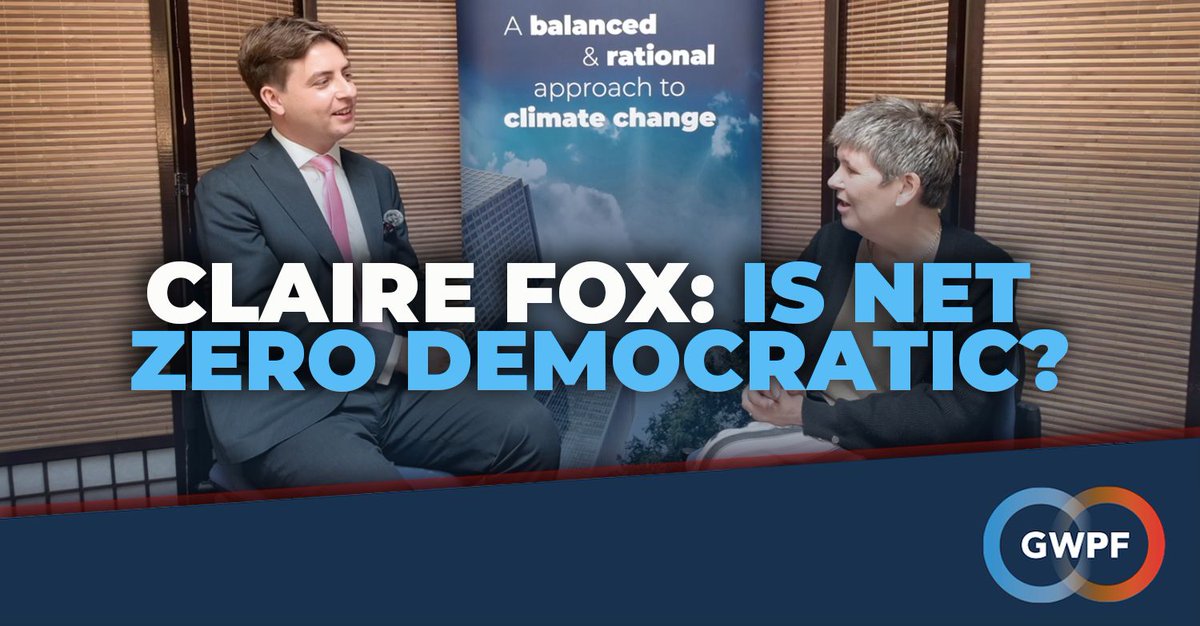
A fascinating discussion with @Fox_Claire on just how democratic Net Zero is.
The British people deserve a vote on whether we should keep pursuing this target to the detriment of our personal freedoms, the economy, and our safety and security as a country.

From imposing lifestyle changes to shutting down debate on climate policy, how much of a say has the public had on Net Zero?
In the GWPF's latest podcast, we ask @Fox_Claire whether Britain's Net Zero agenda has a democratic mandate.
Watch Claire Fox: Is Net Zero Democratic? below👇
2
17
46
1,950
Ted Newson retweeted

"For too long, green commitments have been prioritised over security and low prices. They need to return to the basic principles of providing cheap, reliable, and abundant power to the people."
Our researcher, @NewsonTed on the need for more dispatchable power in @ConHome:
1
2
3
199
Ted Newson retweeted

Jun 12
Rein in the welfare state.
Properly fund and support our armed forces.
It’s that simple.
My latest in @ConHome 👇

4
4
33
1,887
Jun 11
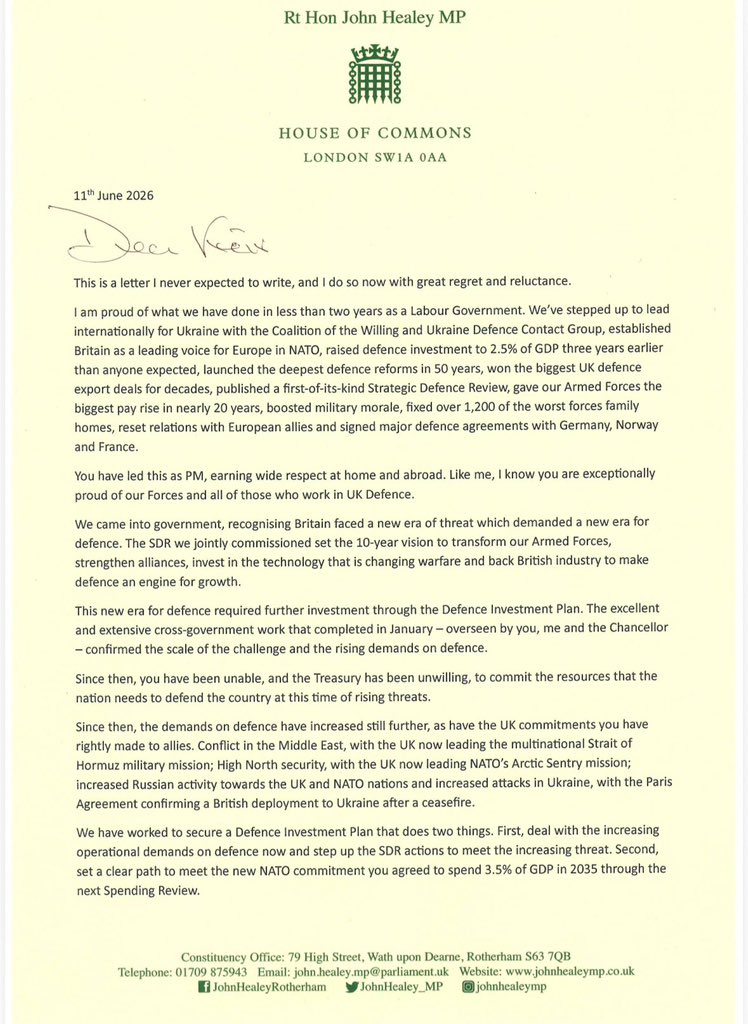
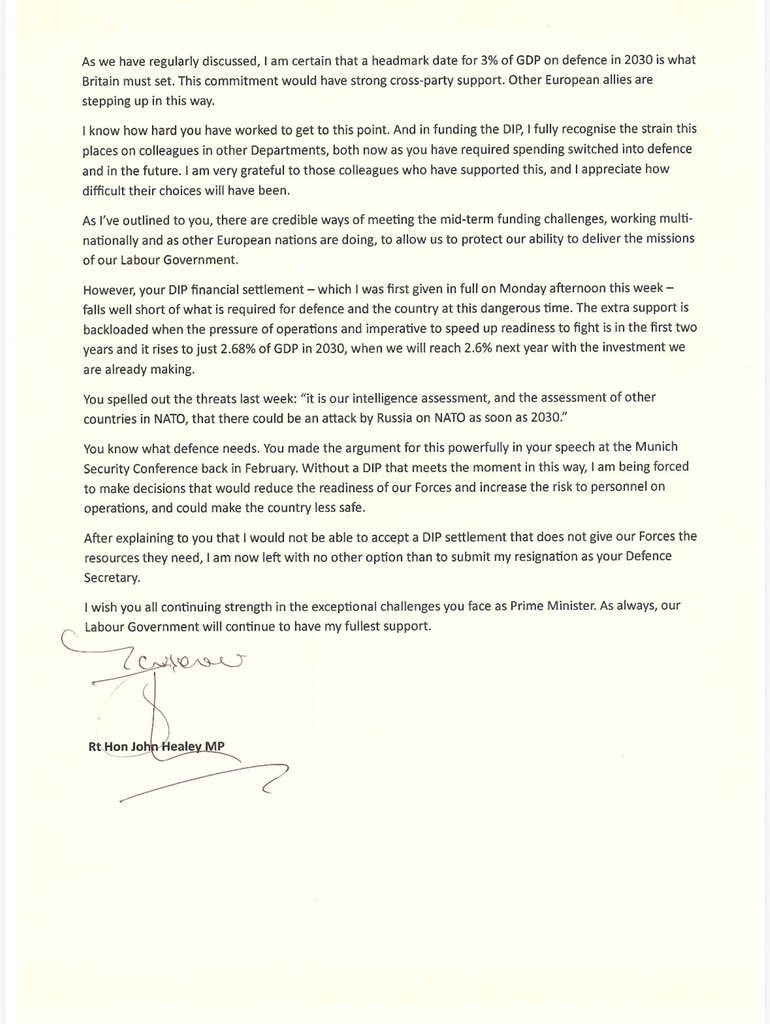
The resignations of Healey and Carns should be crippling to this government. A vote of no confidence in Starmer's ability to defend the nation.
What you won't hear about is Ed Miliband refusing to release funds from his Net Zero budget for defence; dooming plans from the start.
4
10
1,162
Jun 11
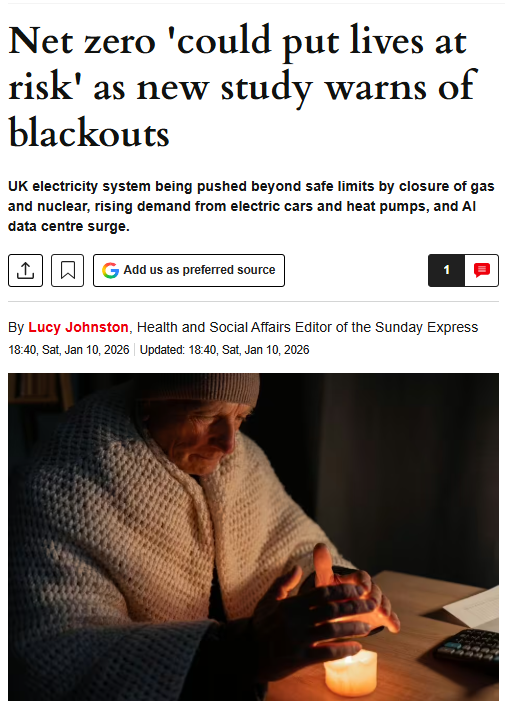
Firm power keeps the lights on when the wind stops blowing.
Gas and coal have been crucial to Europe's industrial competitiveness and prosperity. It cannot be replaced with wind and solar.
Nuclear is the future, but now we must prioritise whatever firm sources keep prices low.
1
5
12
1,879
Ted Newson retweeted

Jun 11
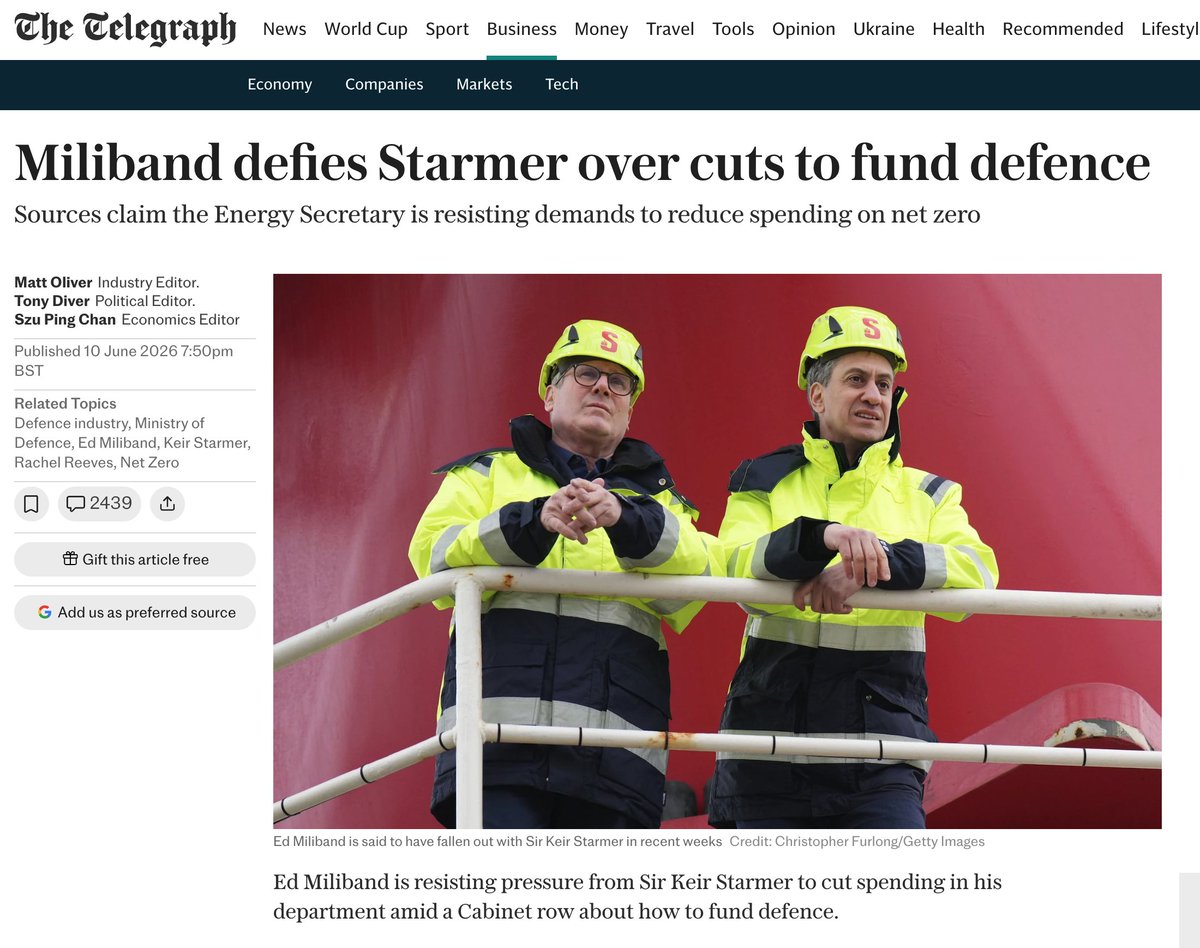
Starmer had a simple choice. He could back defence, national security and the interests of the country.
Instead, he sided with Miliband and Net Zero.
For all Labour’s rhetoric, this tells us where the real priority lies.
Net Zero first. National security second.
8
74
196
7,445
Jun 11
We can either pay for Clean Power 2030, damaging our security, or afford the 3% military spending target. Not both.
The sooner we ditch the billions of curtailment, integration and backup costs of CP2030 to fund a coherent 21st century defence strategy, the better.

1
12
254
Jun 11
Theresa May gave a speech at the opening of the new CCHQ office last night.
Former Prime Minister or not, she needs to be disowned for a Net Zero policy she still defends.
@trussliz is treated as persona non grata in Tory circles while the ghost of One Nation Tory past stays.
Jun 2

The net zero economy now supports 1.1m UK jobs and generates £105bn in economic value - proof that tackling climate change & growing the economy can go hand in hand.
Carbon Budget 7 laid in Parliament today provides certainty to help unlock more investment and energy security.
1
101
Jun 11
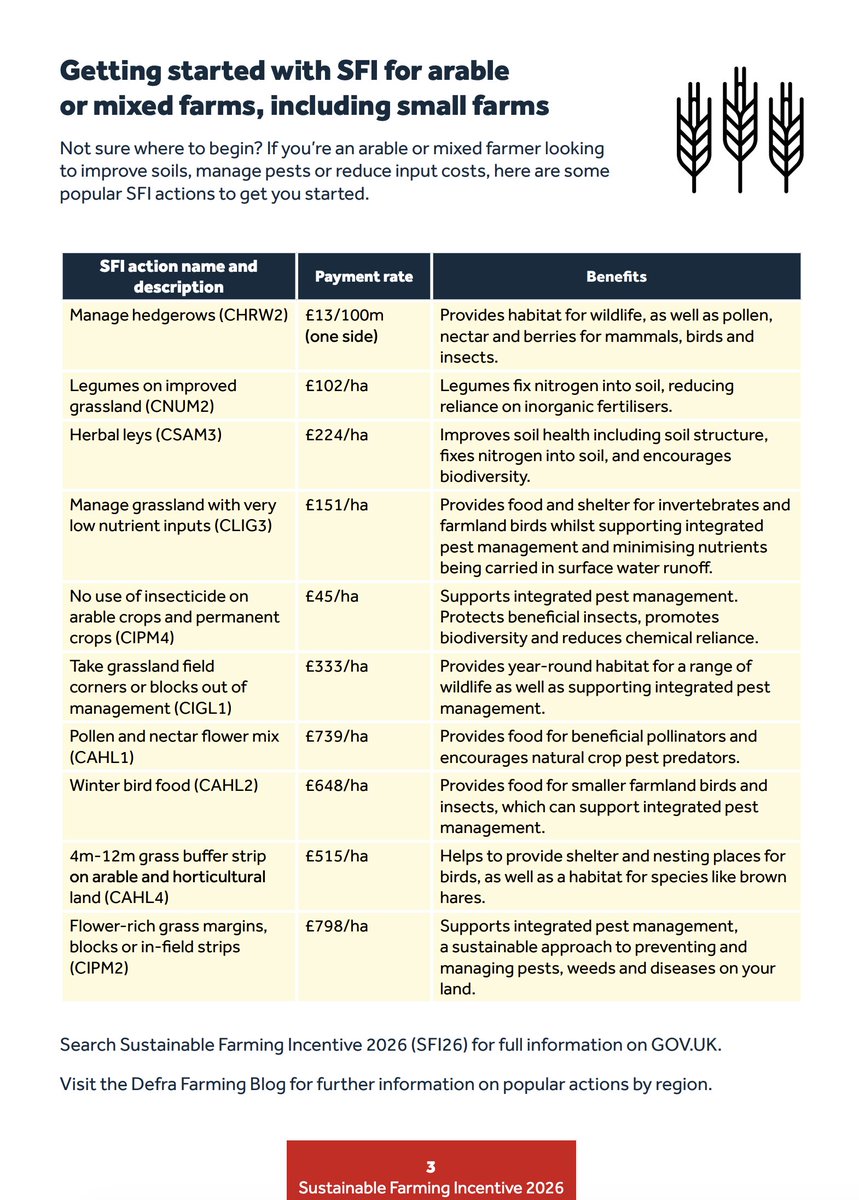
Britain could experience food shortages if we can't get fertiliser from abroad (Net Zero means we can no longer produce enough for ourselves).
Meanwhile, the government is doubling down on paying farmers to grow flowers, not food.
We need to get serious on food sufficiency.
38
Jun 11
The European diet is at risk from food culture warriors.
Critics of these rural banquets will tell you the food has a high carbon footprint, its non-inclusive. God forbid some of it may not even be halal!
Europeans have always eaten meat-heavy meals, going vegan is unnatural.
Jun 7

Food culture wars are coming.
Lots of people are focused on the identity and partisan dimension of this story, but another important angle is being missed: Net Zero.
The Climate Change Committee’s pathway to Carbon Budget 7 assumes large reductions in meat and dairy consumption, alongside substantial falls in cattle and sheep numbers by 2040.
Ed Miliband has yet to set out how he plans to meet the CB7 emissions reduction target. But work is already underway through changes to land use, farming subsidies, carbon levies, inheritance tax and proposals to create new environmental permits for UK farmers in the name of protecting rivers. All are designed to alter the structure of the meat and dairy sector and change its upstream economics for the 2030s.
The CCC claims that agriculture is the fourth largest emitting sector. Its Balanced Pathway to 2050 includes livestock numbers falling 27% below 2023 levels. Keep in mind that herds have already been shrinking by about 3% a year for the last decade. ONS data shows that beef, milk and butter are among the main drivers of UK food price inflation.
Progressives and Net Zero advocates understand that diet is not just about nutrition. They know that health and well-being campaigns are not enough.
At root, food is about culture, identity and tradition. In 2023, the Behavioural Insights Team openly acknowledged that “cultural norms” are a major barrier to dietary change and that most “traditional” British dishes are centred around meat. A 2019 Imperial College London study for the CCC made a similar point, noting that “reinforcing traditional diets” prevents behavioural change.
Viewed in that context, stories that portray meat eating and heritage European diets as backward, exclusionary or morally suspect serve a wider policy purpose: reducing demand and “nudging” people to change their behaviour.
Banquets become symbols of reaction. Meat becomes a proxy for intolerance and animal cruelty. Heritage diets become embarrassing things to overcome rather than traditions to celebrate and value.
If you want people to eat less meat and dairy, it helps if you first convince them that the culture surrounding it deserves less respect. x.com/Sol_Invicte/status/206…
56
Jun 11
Another example of how Net Zero is not only making energy more expensive, but it is making us less safe.
With Russian aggression, Chinese spying, and Iranian overseas operatives, Britain cannot afford to continue on this trajectory.
Jun 11

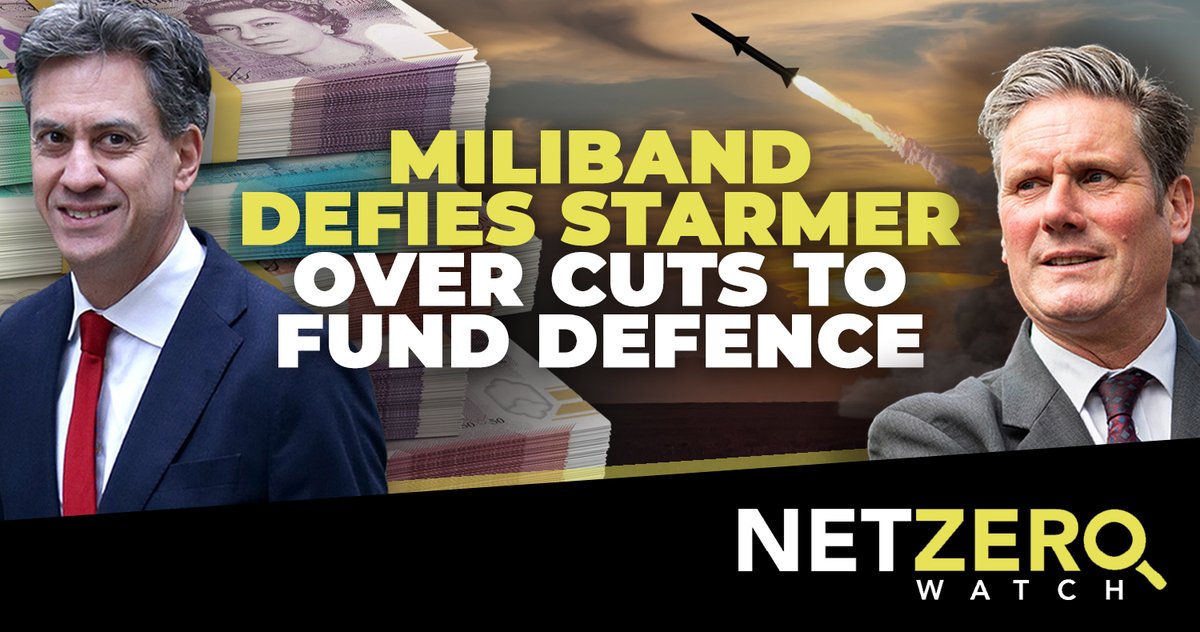
Ed Miliband is resisting pressure from Sir Keir Starmer to cut spending in his department amid a Cabinet row about how to fund defence. The ultimatum from No 10 would potentially force Mr Miliband to cut spending on net zero schemes by hundreds of millions of pounds, including support for heat pumps, carbon capture and hydrogen production. The PM is reportedly eyeing even greater cuts to net zero expenditure, where £9bn alone is set to be spent on controversial carbon capture and storage – a technology that has never been commercially proven.
#CostOfNetZero
64
Ted Newson retweeted
Jun 10
“Schools and parents know young people far better than anyone in central government ever could. “
A blanket social media ban for u-16s is both unenforceable and unconservative - yet incredibly popular.
It shouldn’t be.
My latest for @ConHome 👇

1
5
15
3,855
Jun 9
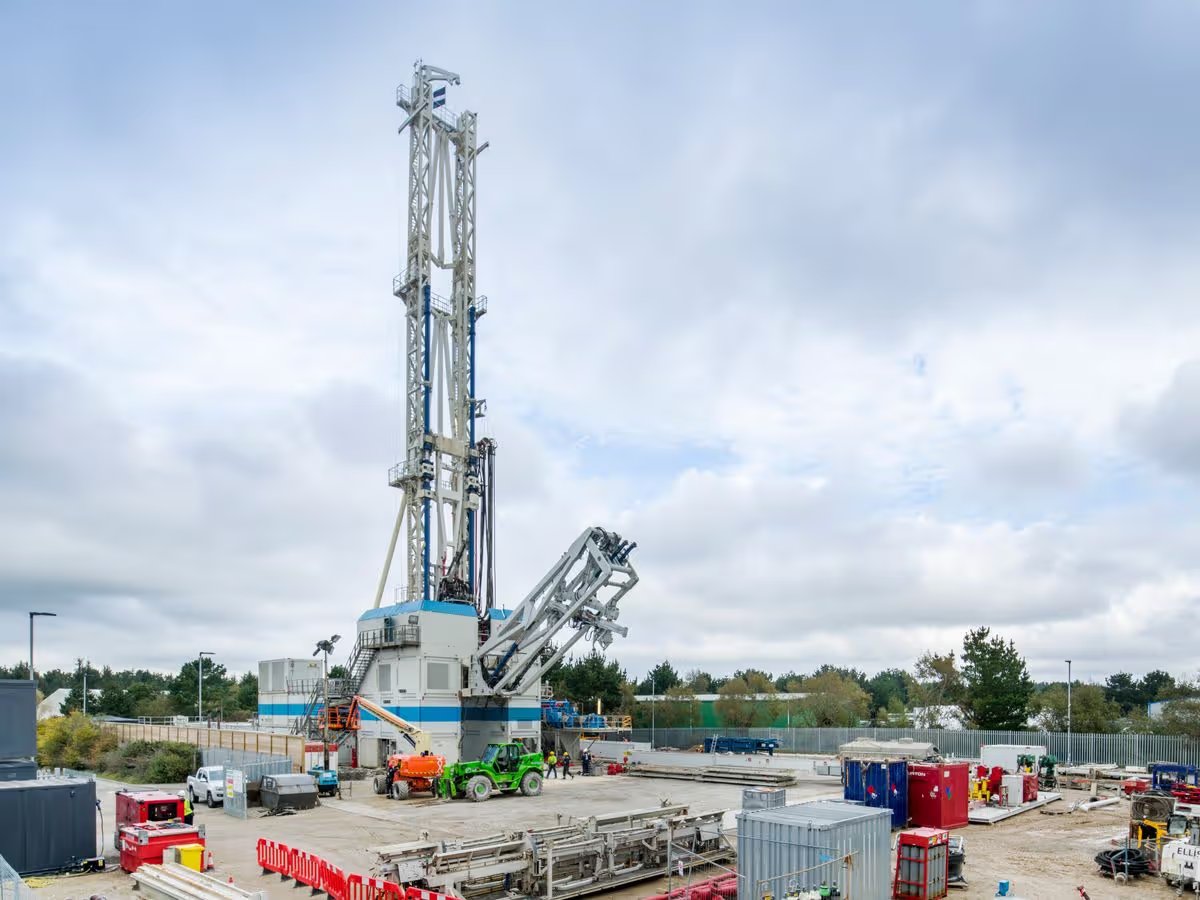
So long as Britain's bills are dominated by the fluctuations of international wind patterns, we'll never achieve the cheap power we've been promised.
Doubling down on intermittent power keeps system costs high. Low-cost, home-grown, and on-demand gas power is the answer.
Our Director @cmackinlay looks back on Labour’s manifesto pledge to bring bills down by £300.
“We are now more than £600 adrift from that manifesto promise… that promise is simply not being kept.”
1
2
67
Jun 9
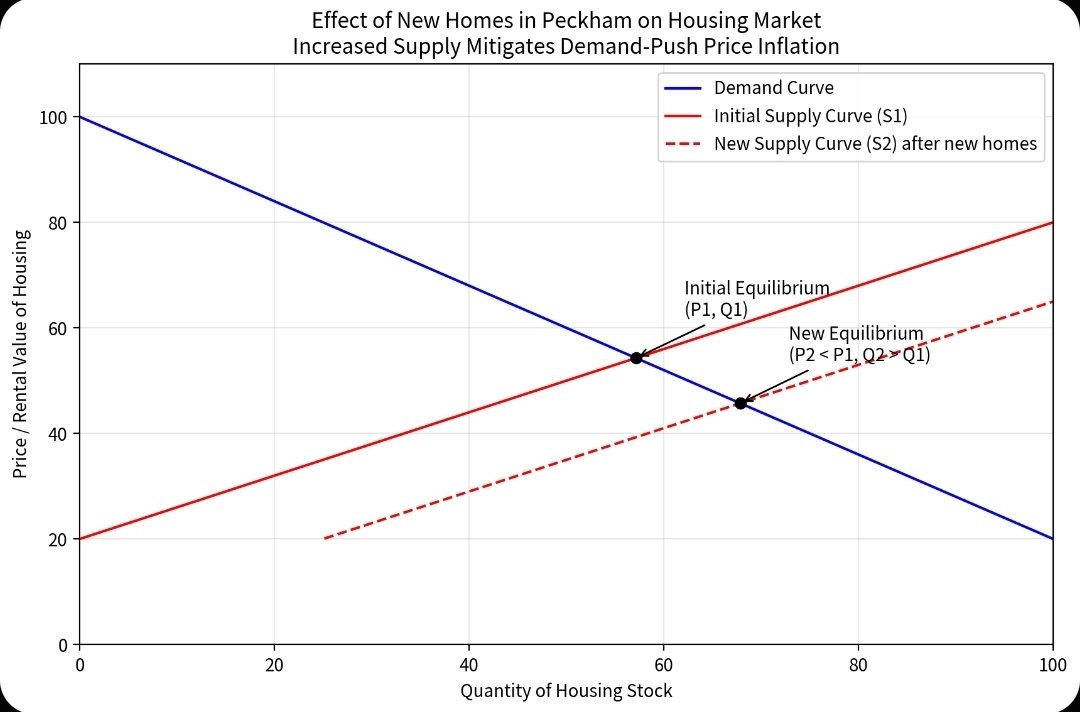
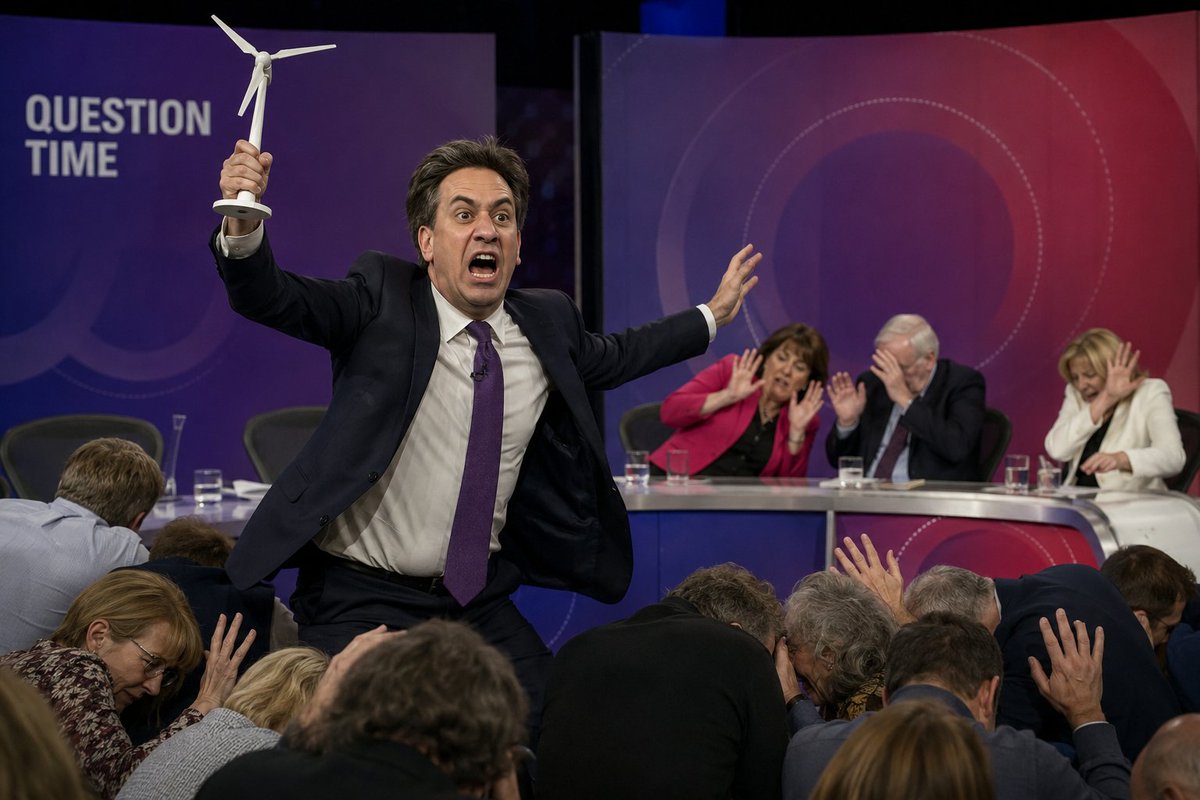
Accurate depiction of Britain's energy policy since 2008:

1
1
76
Jun 9
How long until he tells us not to look back in anger or moderate our language?
When migration-related knife crime is staring us in the face, the worst thing to do is deflect and frame dissent as far-right.
We either learn from it or face the same issues time and time again.
Jun 9

The horrific attack in Belfast last night is sickening.
I have absolutely no tolerance for abhorrent scenes of violence like this on our streets.
My thoughts are first and foremost with the victim, and I thank the first responders, including members of the public who intervened.
93
Jun 9
You should be angry at how often these attacks are happening on the UK's streets.
Pure, cold, rage in response to an attempted beheading can't be put out to be more of a problem than the act itself.
Jun 8

🚨 NEW: A man has been arrested after an attempted beheading of another man in north Belfast tonight

1
8
353
Jun 8
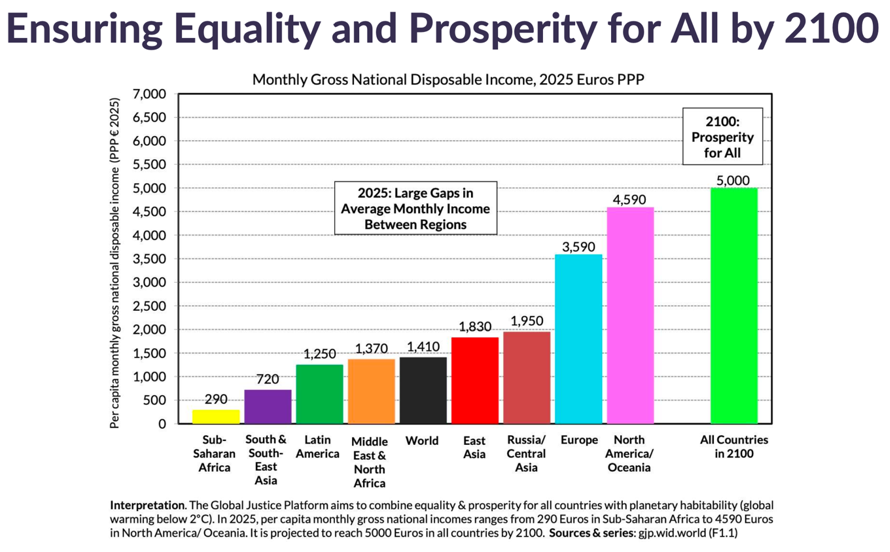
Reading Piketty's report, it is clear that he believes in sufficiency over abundance:
Energy should be sufficiently expensive to discourage demand.
Taxes should be sufficiently high to fund massive redistribution.
Sufficiency ≠ growth. It means treading water at best.
Jun 4

The world today is characterized by large-scale inequalities. And a climate crisis is looming over us.
We urgently need a new vision for global progress in the 21st Century. One that grounds human development and equality in planetary habitability.
What would it take to achieve high prosperity and equality while remaining within planetary boundaries?
The World Inequality Lab is very excited to launch the #GlobalJusticeReport.
[1/7]
1
1
196
Jun 8
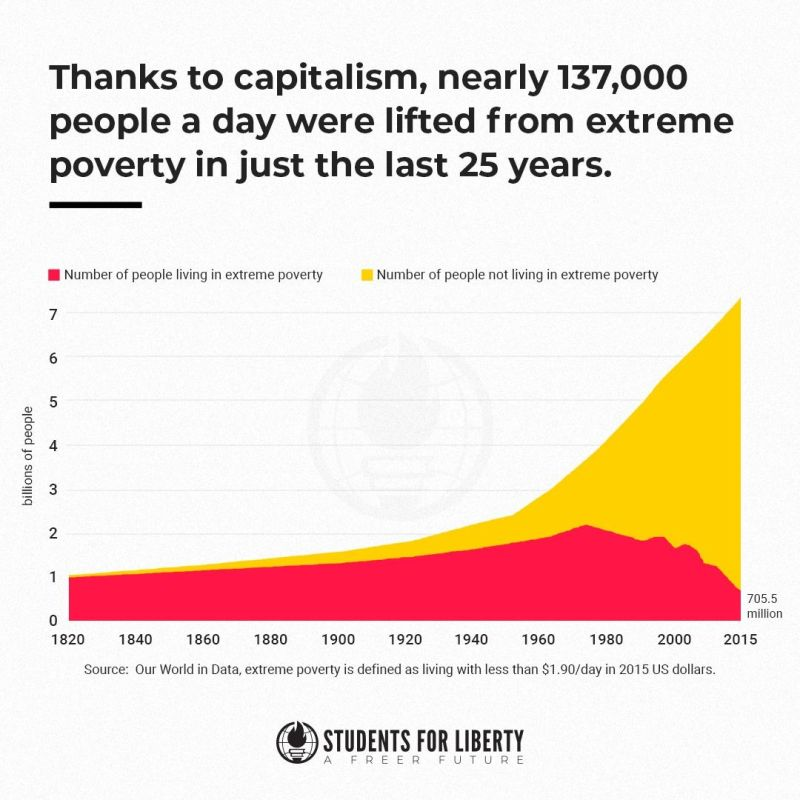
A rising tide lifts all boats. The key to lifting more people out of poverty is by giving them an economy centred around low taxes, low intervention, and cheap, abundant energy.
"Economists" like Thomas Piketty might lie, but the numbers certainly don't.
1
90
Ted Newson retweeted
Jun 8
This is a deliberate attempt to shift attention away from the ultimate causes of high prices, above all domestic climate and energy policy.
Beef, butter and milk are among the main recent drivers of continuing food price inflation.
That is not accidental. Prices in these categories are rising because the economics of livestock production have deteriorated sharply in recent years. The Government’s own Farming Profitability Review identifies the central pressures. Farmers face rising costs, greater regulatory and environmental obligations, weaker support and limited ability to recover costs from the supply chain.
As with manufacturing and energy-intensive industry, Government policy sits behind many of these pressures.
Domestic energy policy has weakened refining capacity and helped destroy the UK fertiliser sector, leaving farmers more exposed to imported inputs and global price shocks. The Government’s proposed Carbon Border Adjustment Mechanism will include fertiliser from 2027, adding another structural cost to food production.
Taken together, these pressures have changed the incentives facing UK farmers. Livestock production depends on long biological and capital cycles. Farmers do not make decisions based only on today’s supermarket prices. They make decisions based on expected future profitability.
When that expected profitability falls, farmers reduce risk. They cut stocking rates, delay investment, shrink herds or leave the sector altogether. That is already happening. This is why the family farm tax row was so damaging. It hammered confidence in the future of the sector.
Herds have been shrinking year after year for more than a decade. The Climate Change Committee wants cattle and sheep numbers to fall by 27% relative to 2022 levels by 2040. It wants herds to shrink by 8% before 2030, while demand for meat and dairy falls by 11%.
Changes to land use policy, environmental permitting as part of reforms to water policy, higher costs for small abattoirs and higher fertiliser costs will do much of the heavy lifting.
The public sees the price effect of policy only later. By the time beef, butter and milk prices rise sharply in the shops, the productive capacity has already been weakened.
That is why blaming food price inflation on amorphous forces like climate change and global markets is so misleading. Similarly, blaming low pay and insecure work evades the central issue. Government policy has made British livestock production less viable.
Until the Greens, Labour and the Liberal Democrats confront the reality that policies they champion have created price pressures, their claims about the cost of living should not be taken seriously.
Jun 8

Food prices could rise 170% by 2050 due to the climate crisis.
People are already struggling to put food on the table while farmers and workers can't make ends meet.
We need urgent action.
independent.co.uk/news/uk/po…
4
38
122
5,660
Ted Newson retweeted
Business Secretary @peterkyle is set to use London Tech Week to announce plans to take ‘aggressive’ stakes in British firms.
But Britain doesn’t need a bigger state. It needs a freer market.
When the state interferes, the public suffers.
Me in @ConHome 👇
Jun 8
When the state gets in the way - it's the British public that pays conservativehome.com/2026/06…
4
7
22
3,143