
know the odd thing about transport, traffic and cities
Joined August 2017
- Tweets 4,028
- Following 1
- Followers 250
- Likes 425
44 Photos and videos






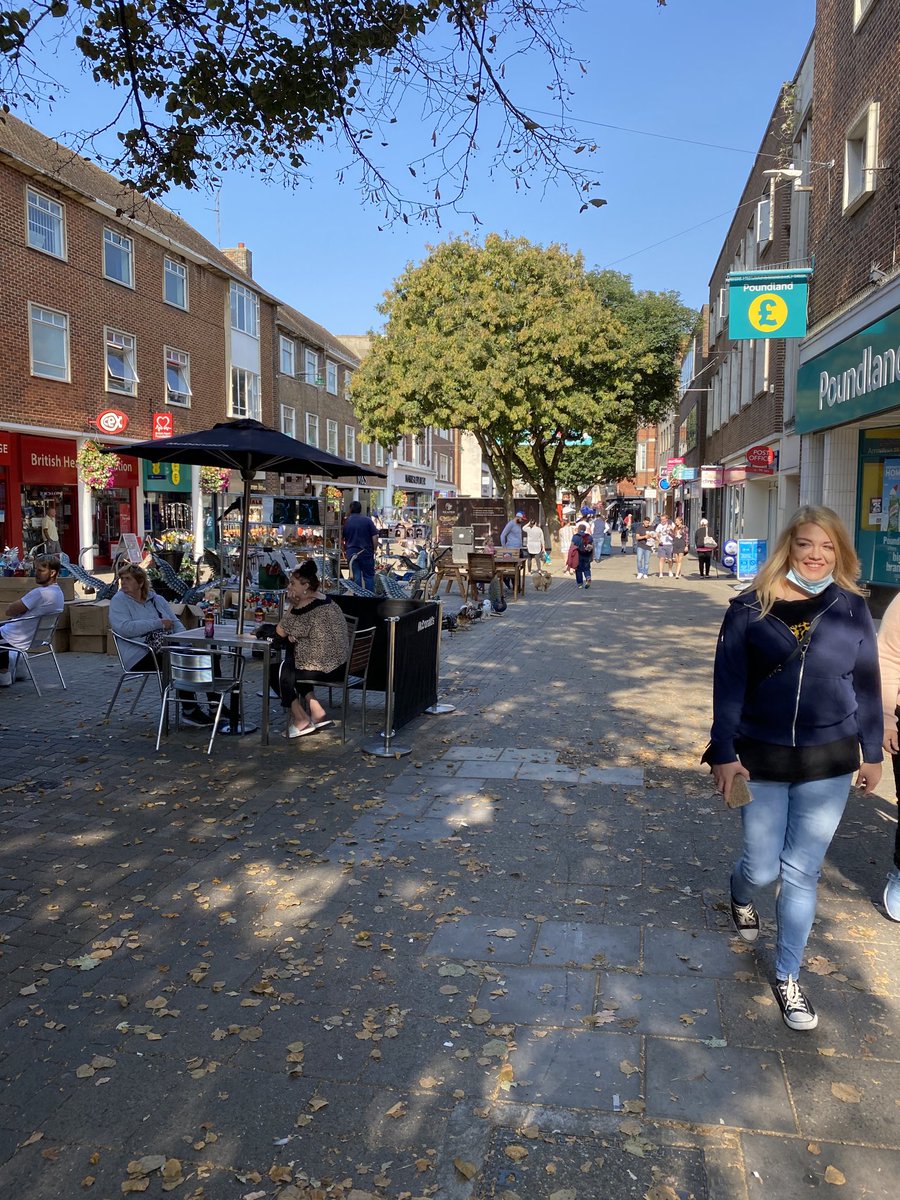

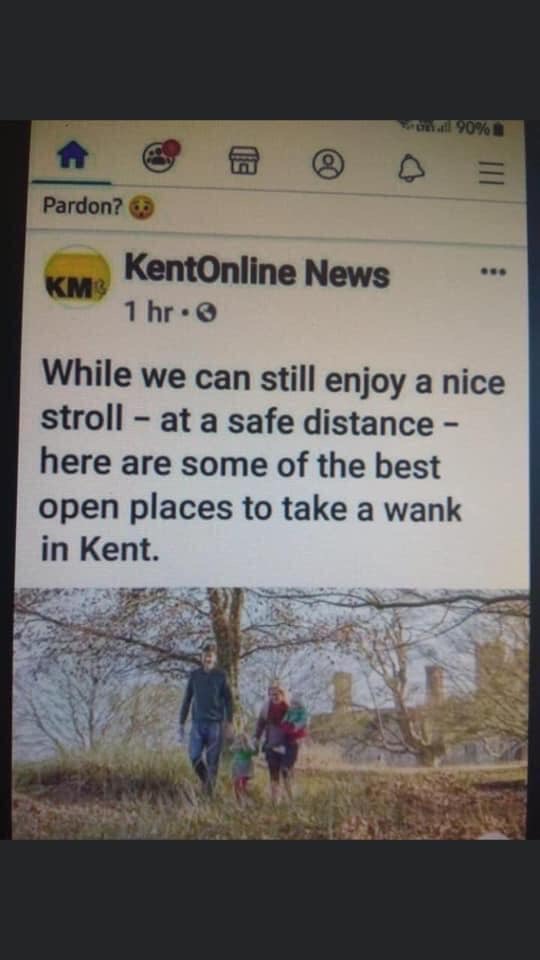


free parking is not a solution transportxtra.com/publicatio… (Parking Review)
1
4
5
2,896
Nick Lester-Davis retweeted

15 Nov 2023
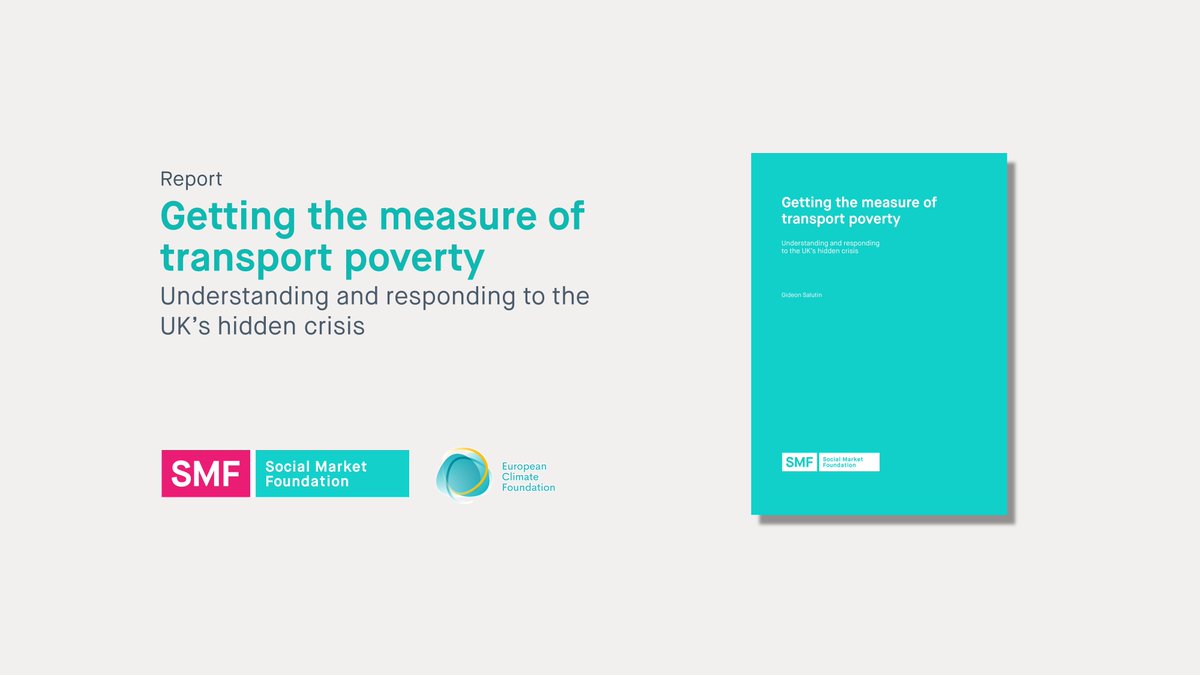
Facinating report, out today, from @SMFthinktank:
"Freezing fuel duty does little to alleviate transport poverty. Fuel duty freezes since 2011 have only saved the median UK household £13 per month, decreasing poverty by just 0.3 percentage points, despite a cost of £100 billion to the Exchequer.
This money would be better spent reversing cuts to public transport in poorer areas, giving those in transport poverty a cheaper option. Every 10% increase in the speed of public transport relative to driving saves the average household over £434 per year"
15 Nov 2023

🚨OUT NOW: 5 million people driven into poverty by transport costs
New research using a first-of-its-kind model shows that 8% of the UK population is pushed into poverty by transport costs
smf.co.uk/publications/trans…
2
6
1,098
Nick Lester-Davis retweeted

1 Nov 2023
🚑🚗🚲
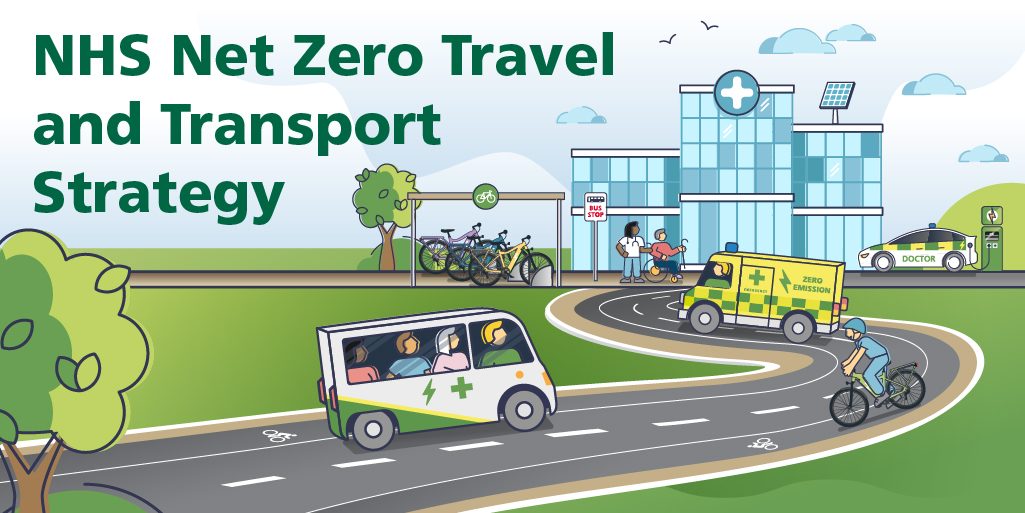
The new NHS Net Zero Travel and Transport Strategy is a significant milestone in our journey towards tackling climate change and improving health now and for future generations.
👇
england.nhs.uk/publication/n…
#GreenerNHS
3
23
62
15,638
Nick Lester-Davis retweeted

20 Oct 2023
What does the evidence on Low Traffic Neighbourhoods really show?
Article by @jamiewfurlong, @ersilia_v, and me in Public Sector Focus, p.40
flickread.com/edition/html/i…
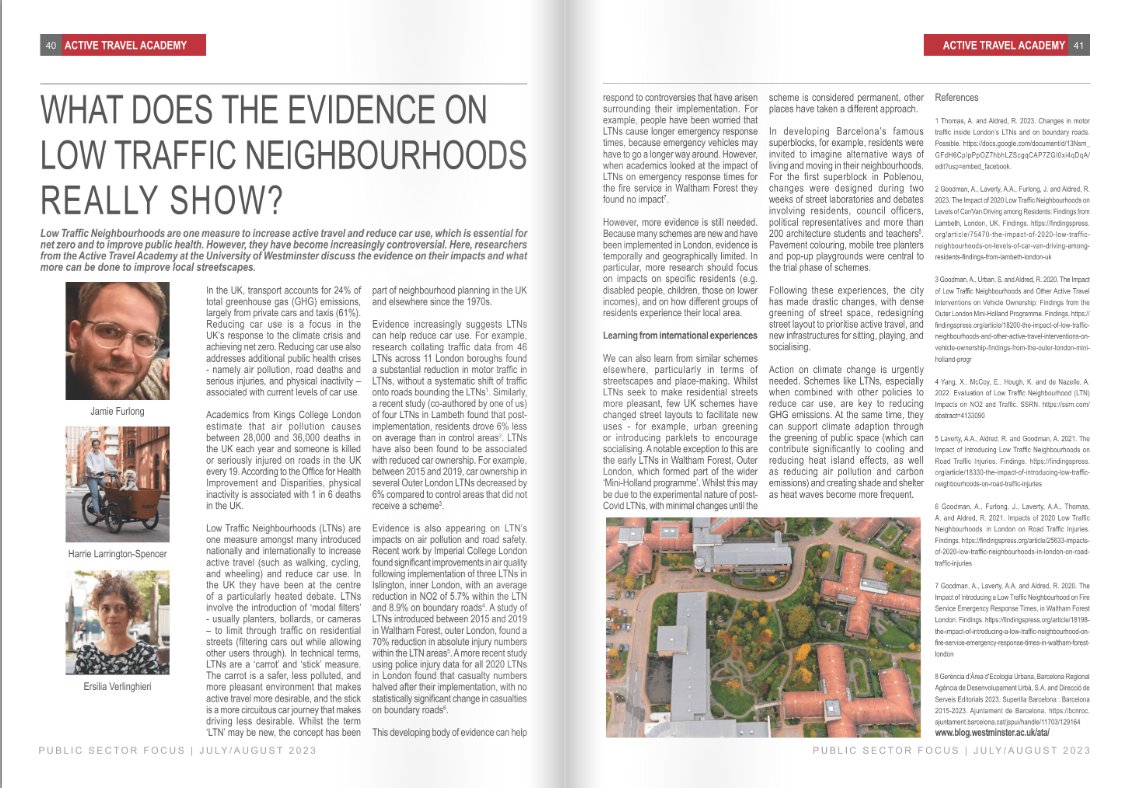
ALT Screen shot of a double spread in a magazine, with the title 'what does the evidence on low traffic neighbourhoods really show?'. There is too much text to alt text, but the article is available linked. The article also has photos of the authors: a white man with glasses, a white woman with an NJ tube cycling a trike, and a white woman with curly hair.
10
14
35
5,827
Nick Lester-Davis retweeted

11 Oct 2023
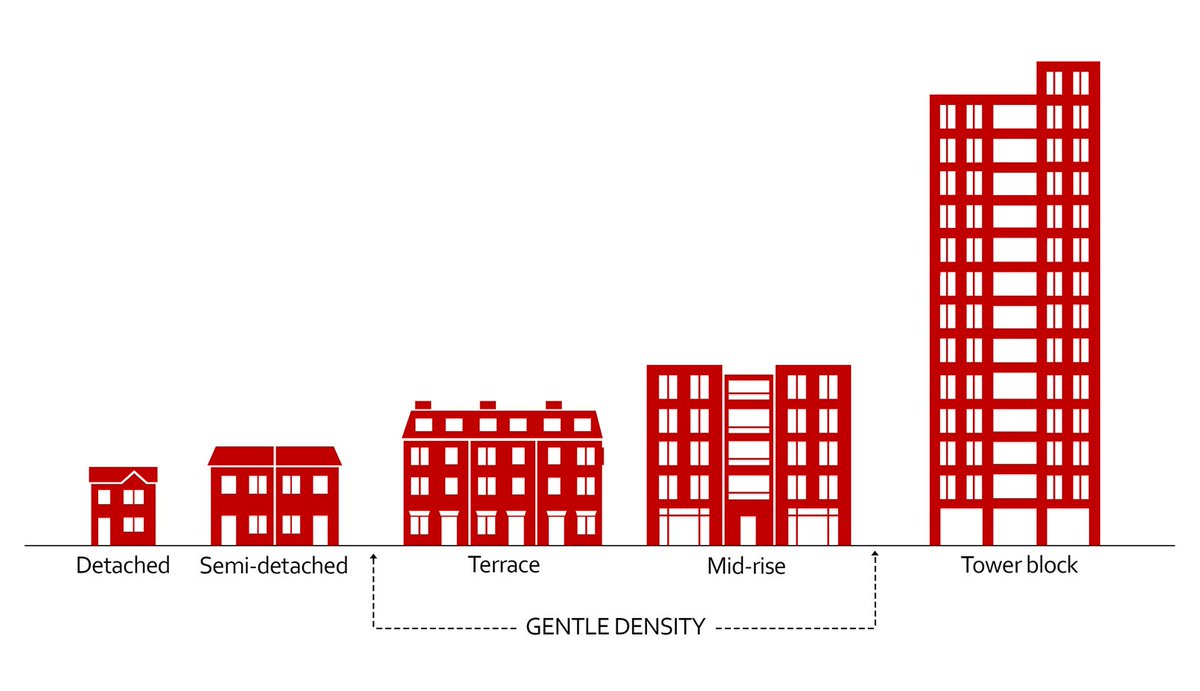
... it made the case for #GentleDensity rather than sub-suburban sprawl. This is the best way to create new places with space, autonomy & dignity for residents whilst also permitting high streets, shops and schools to be walkably accessible ...
4
9
23
6,283
Nick Lester-Davis retweeted

20 Sep 2023
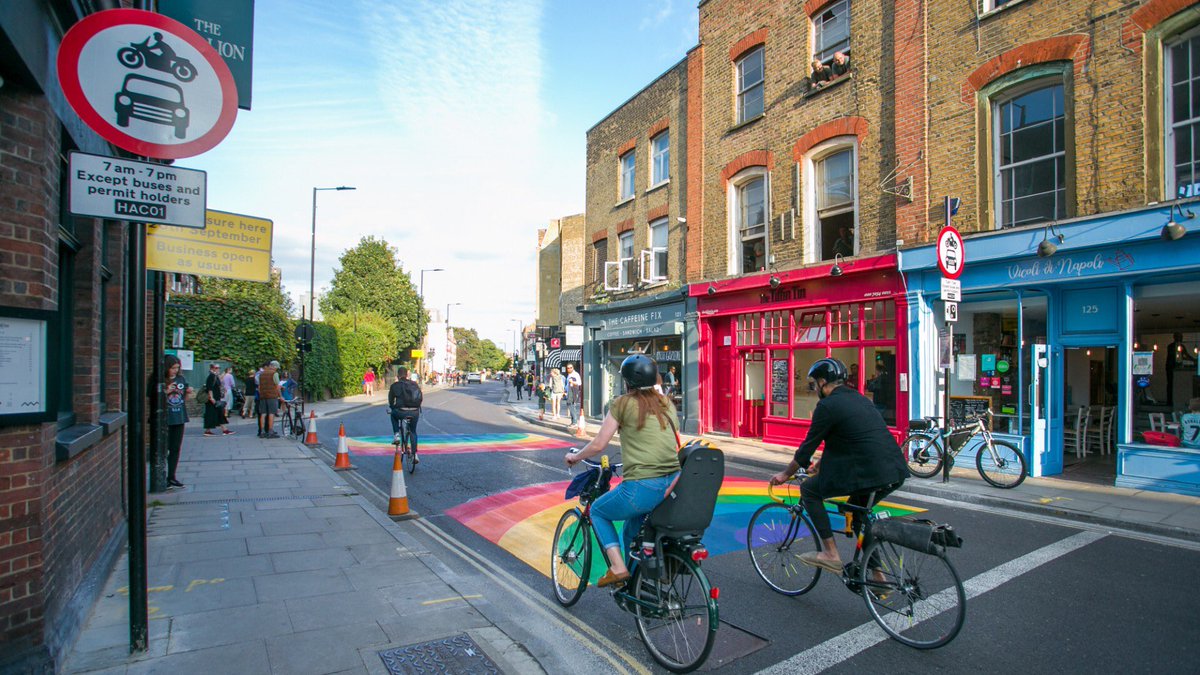
#OnThisDay in 2021, a daytime Bus Gate in Church St and 5 LTN filters were implemented. In Church St, which has 112 businesses, 6 pubs, 2 schools, 2 nurseries and 2 parks, footfall and cycling have increased. Traffic on 'boundary roads' largely unchanged, per traffic analysis.
13
20
80
18,246
Nick Lester-Davis retweeted

17 Sep 2023
Congratulations Wales.. We rolled out 20mph across Bristol 10 years ago in the face of loud opposition.. It is now widely accepted that the city is a safer place, encouraging walking & cycling - saving lives and cost to our health services @20splentyforus

From today a default 20mph speed limit has been introduced in Wales trib.al/ttDGLvB
65
46
280
35,291
Nick Lester-Davis retweeted

26 Jul 2023
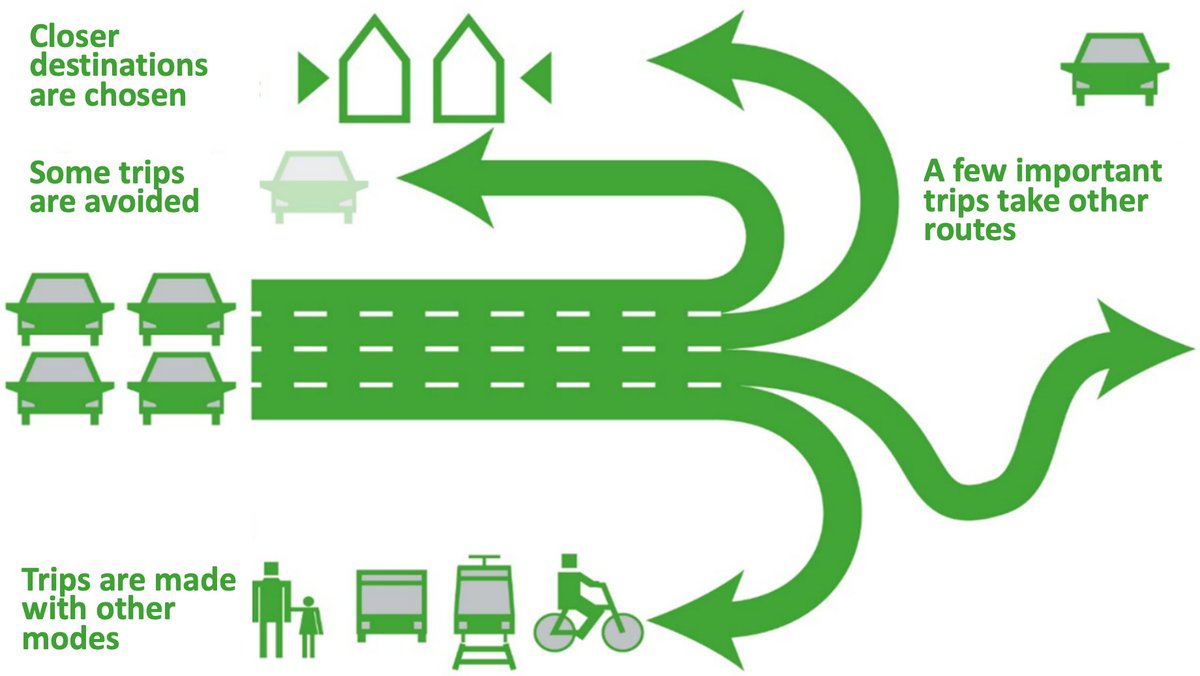
🚨New evidence on 'traffic evaporation'🚨: Instead of a collapse, traffic calming leads to more relaxed streets AND surroundings.
Meta-study shows decrease by:
⬇️ 15-28% in extended projects
⬇️ 25-69% in city centers
⬇️ 4-52% in street projects
📚: repository.difu.de/bitstream…
12
168
379
93,462

NEW. The populist mantra has it that "luxury flats" in London "push out the poor". The true effect of new market-rate homes on their localities tends to be rather different: onlondon.co.uk/why-luxury-fl…. #HousingCrisis @guardianopinion @NewStatesman @PGSMurray
1
4
2
1,098
Nick Lester-Davis retweeted

16 Aug 2023
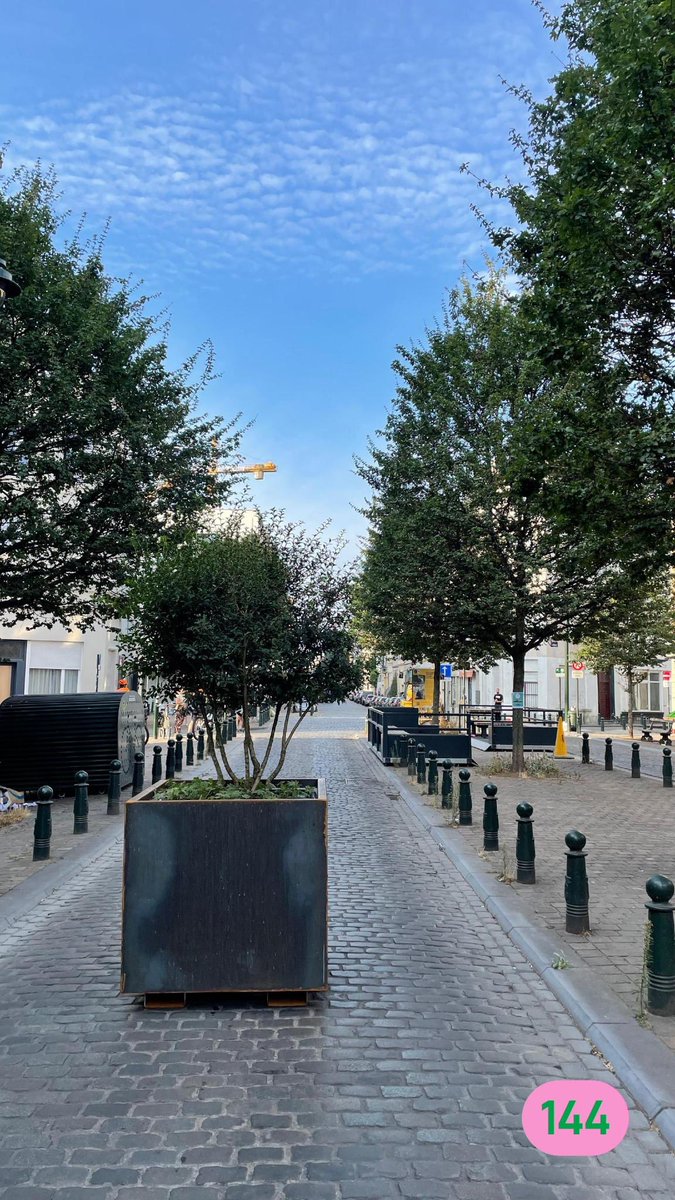
The city center of Brussels transformed into a low-traffic zone exactly 1 year ago. The results are excellent: less transit traffic, more cyclists, faster public transportation, & more space for inhabitants. Here, in the Zennestraat, transit traffic decreased with 58%.
#brusselschanges #welovegoodmove
9
11
49
5,410
Nick Lester-Davis retweeted
6 Aug 2023
- 70% of Hackney households don’t own a car.
- Around 80% of penalties related to LTN breaches in Hackney have been issued to vehicles registered outside the borough.
- 40% of vehicle journeys in Hackney neither start or end in Hackney.
inews.co.uk/news/children-ar…
29
22
122
14,076
Nick Lester-Davis retweeted

31 Jul 2023
I live on a boundary road in Islington. It’s always been jammed. Before and after LTN. But at least most of the streets around are free for walking and cycling. And some residents finally discovered walking and cycling. You’ve got to be mad to oppose people friendly streets.
2
6
34
1,872
Nick Lester-Davis retweeted

31 Jul 2023
As ever Trevor is on the money. The mayor-led city model works. There are good and bad mayors but the UK already has the most centralised economy in the Western world. Mayors know their patch better than any government official. We need more direct city management not less.

4
4
12
2,651
Nick Lester-Davis retweeted

27 Jul 2023
Important roads story risks being over-shadowed by Met Office. Here it is: The government should use its current road-building budget to fill potholes instead, and work on squeezing demand for driving, the Commons Transport Committee says.
9
82
206
21,912
Nick Lester-Davis retweeted

1 Jul 2023
Parking pricing are not an anti-car policy. How is it anti-car to be have a guaranteed spot waiting for you for a predictable price? How is it pro-car to have to spend 15 minutes circling the block for a spot?
10
29
355
21,143
Nick Lester-Davis retweeted

24 Jun 2023
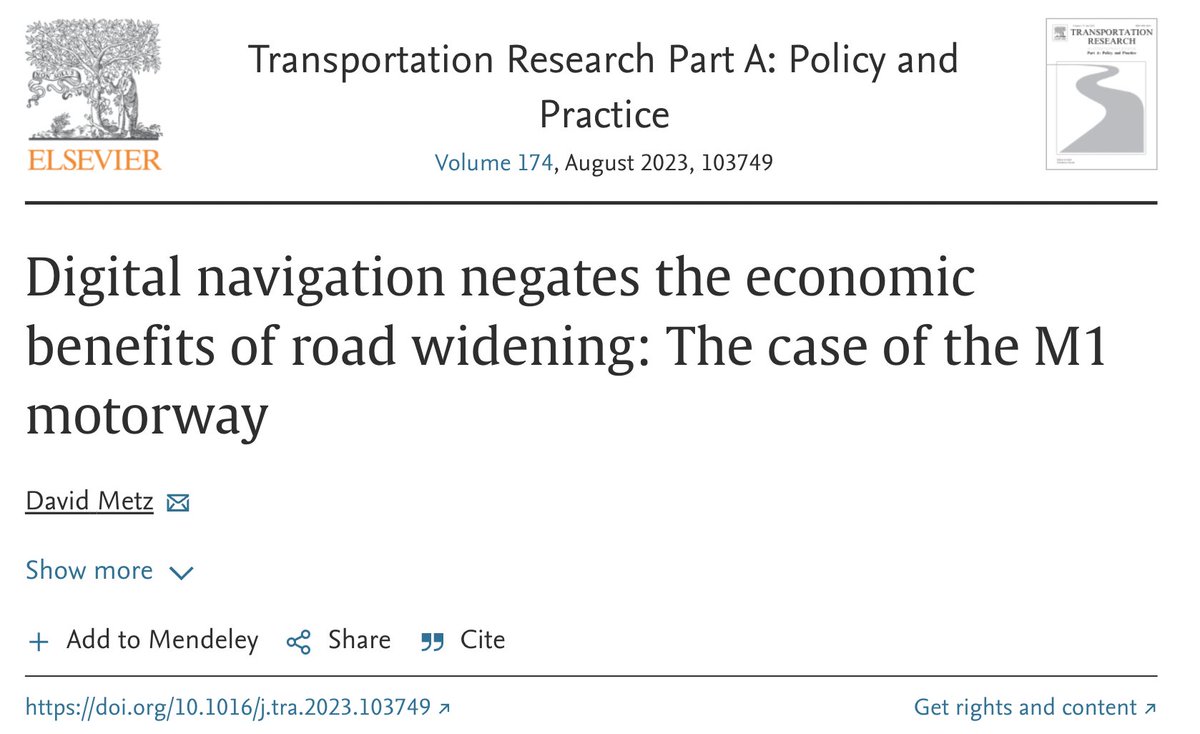
New study finds that after expanding the M1 motorway north of London, "traffic moved more slowly than before the scheme opened." Expected speed improvements never materialized.
Score it as another W for induced demand and a L for road engineers.
doi.org/10.1016/j.tra.2023.1…
6
89
371
52,805
Nick Lester-Davis retweeted

20 Jun 2023
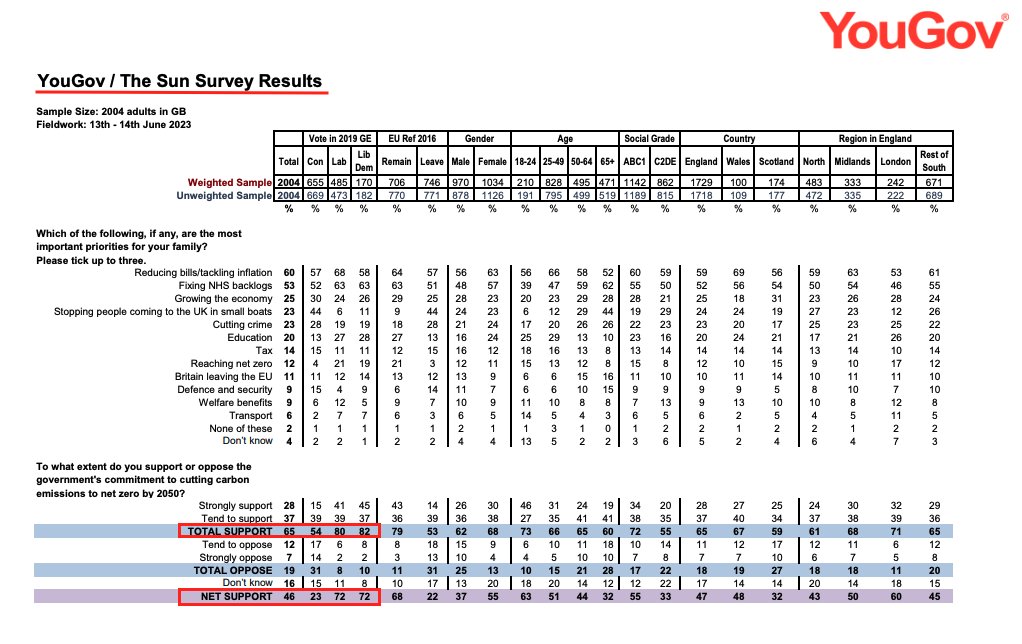
The Sun paid for a big UK poll on net-zero but forgot to report the key finding
Maybe they didn't want you to know that there's HUGE, cross-party public support for net-zero?
65% support net-zero
19% opposed
46 net support
23 net support (Con 2019)
72 (Lab)
72 (LD)
95
714
1,604
417,585
Nick Lester-Davis retweeted

19 Jun 2023
On average, 67% of residents in big EU cities can reach their city centre by public transport within 30 mins compared to just 40% in Britain’s big cities 🇪🇺🇬🇧
This has a negative impact on productivity & costs the UK economy more than £23.1bn per year 💷
centreforcities.org/publicat…
6
29
58
8,624
Nick Lester-Davis retweeted

12 Mar 2023
Shared beyond belief. 🙃

104
536
1,532
377,838