Over 35 years at the Foreign Office, from Central Europe to Latin America to Rome. Former ambassador to Bolivia, Holy See and Slovakia. Currently in Slovenia.
Joined December 2016
- Tweets 5,717
- Following 428
- Followers 3,764
- Likes 10,050
714 Photos and videos
Nigel Baker retweeted

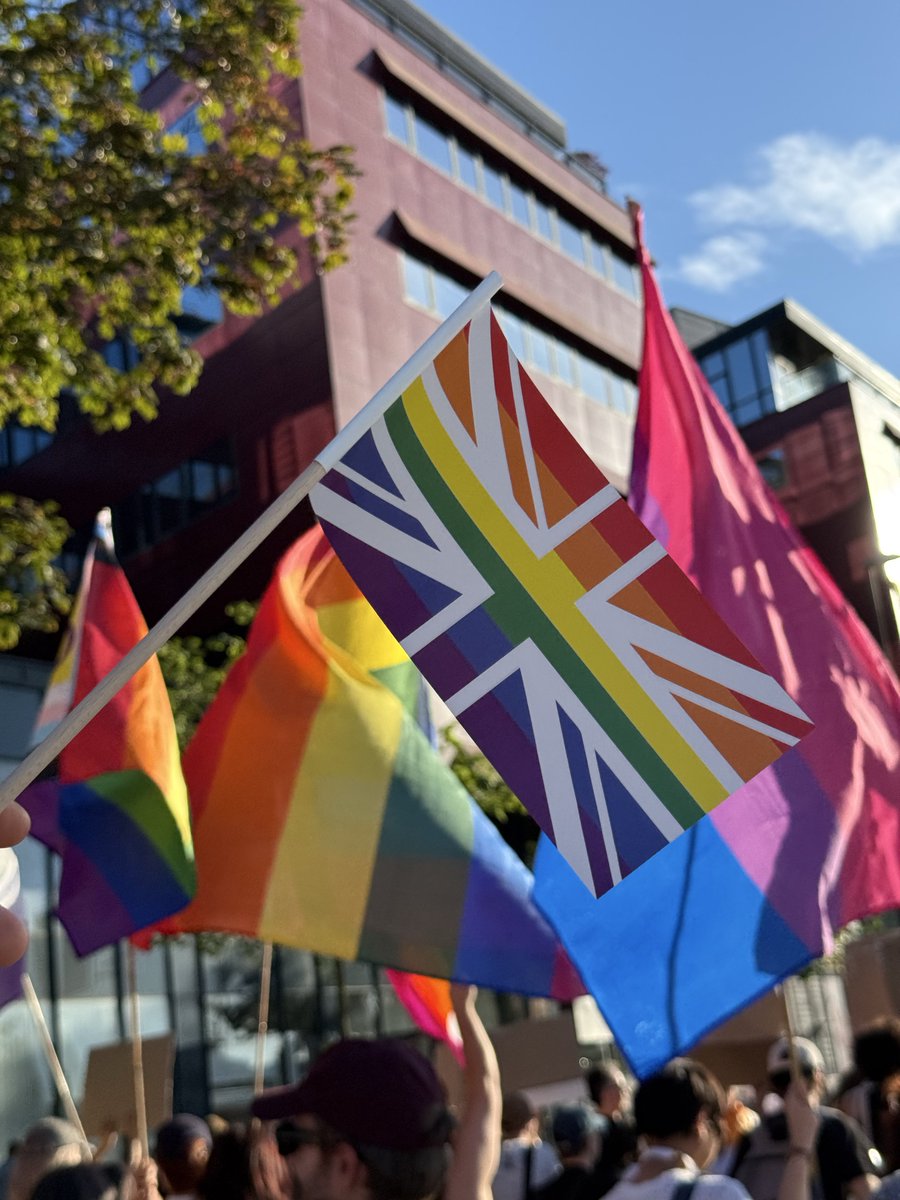
Love is love. Queer rights are human rights.
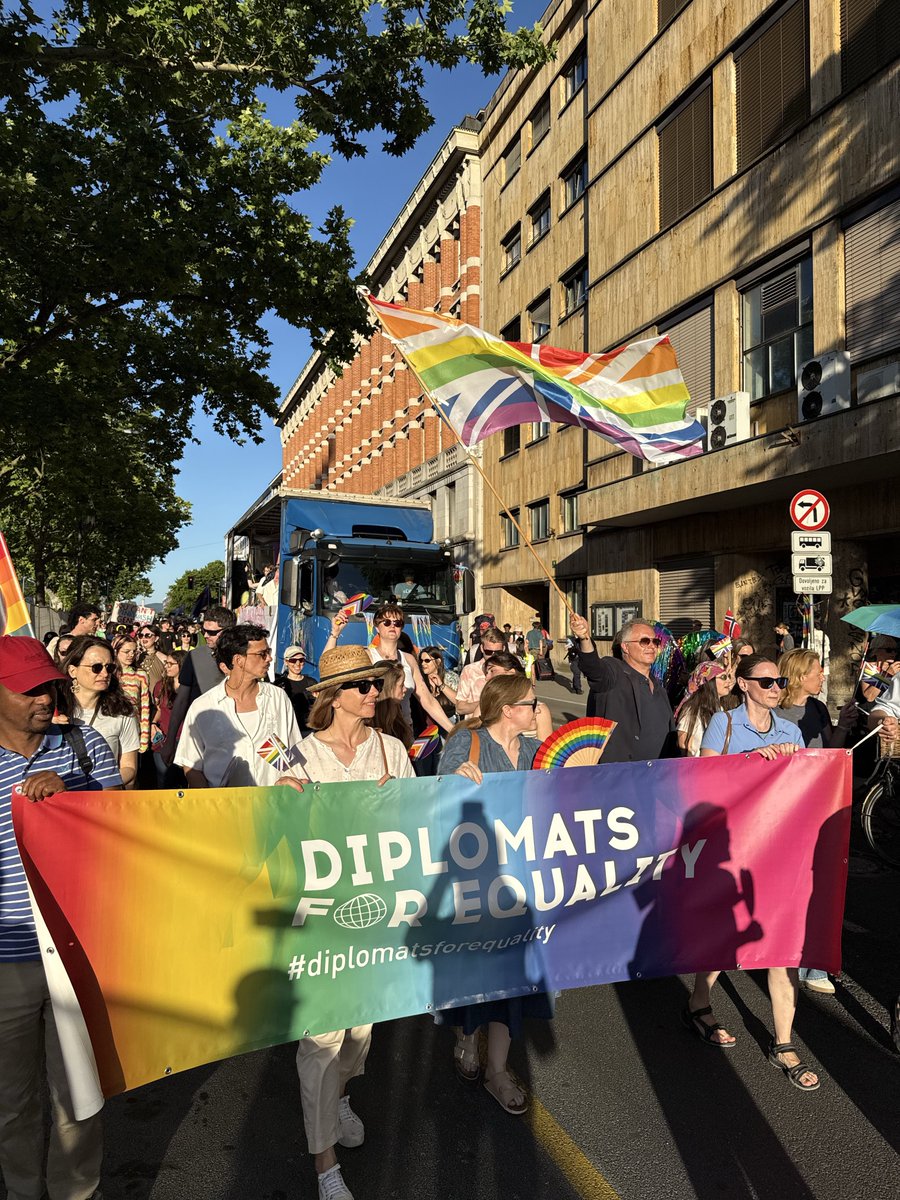
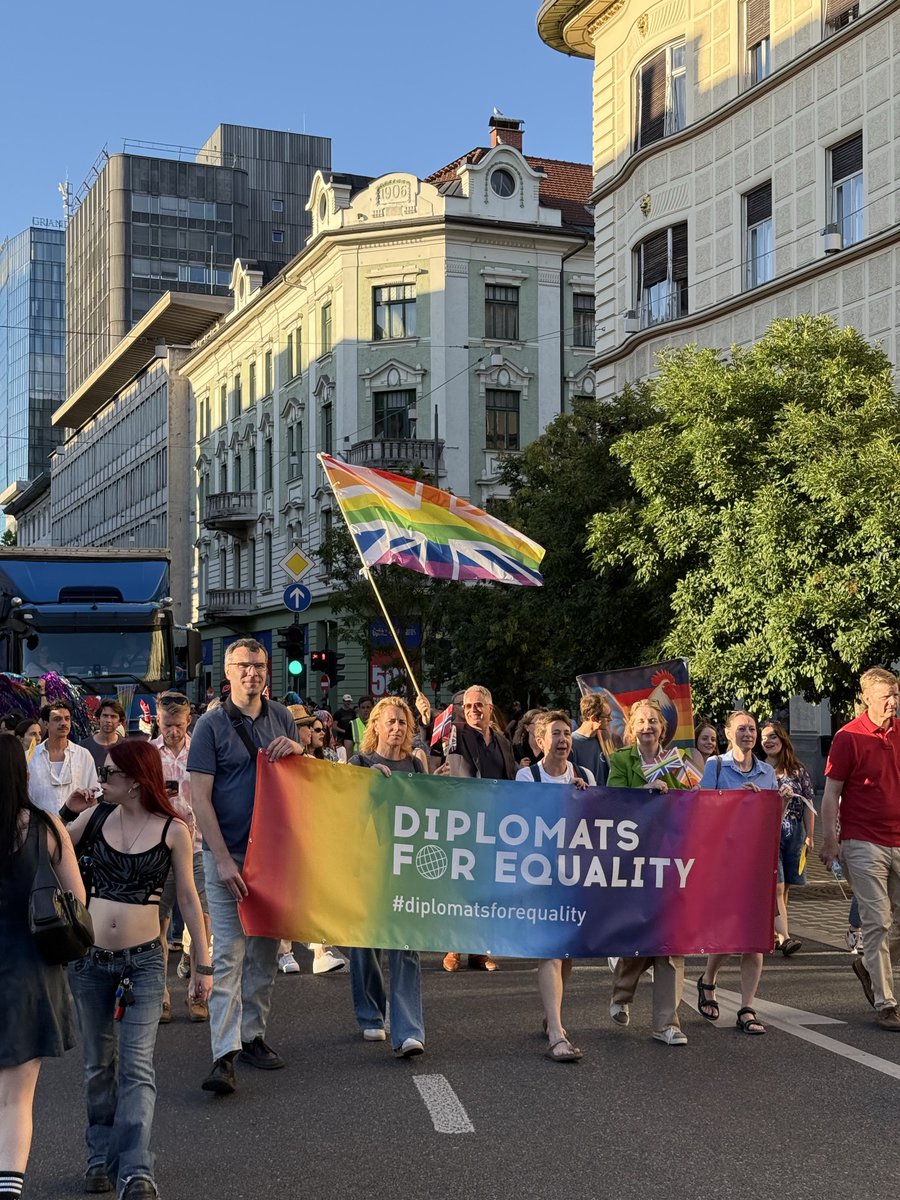
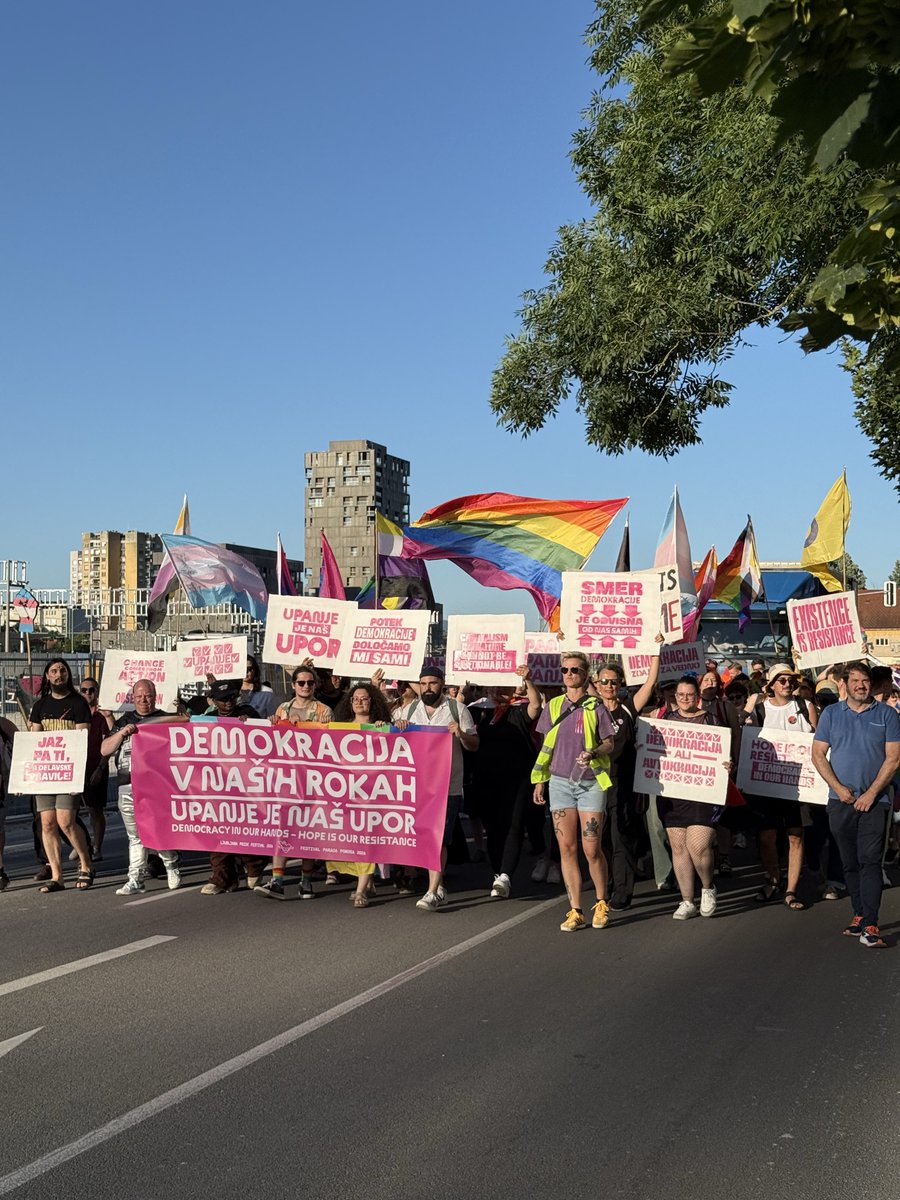
This afternoon, we marched. Leading Diplomats for Equality at #LjubljanaPride, we brought the diplomatic community together — visible, united, and moving forward for equal rights.🌈🧡
#pride #EqualSafeFree #DiplomatsForEquality
6
2
33
540
Nigel Baker retweeted

Jun 8
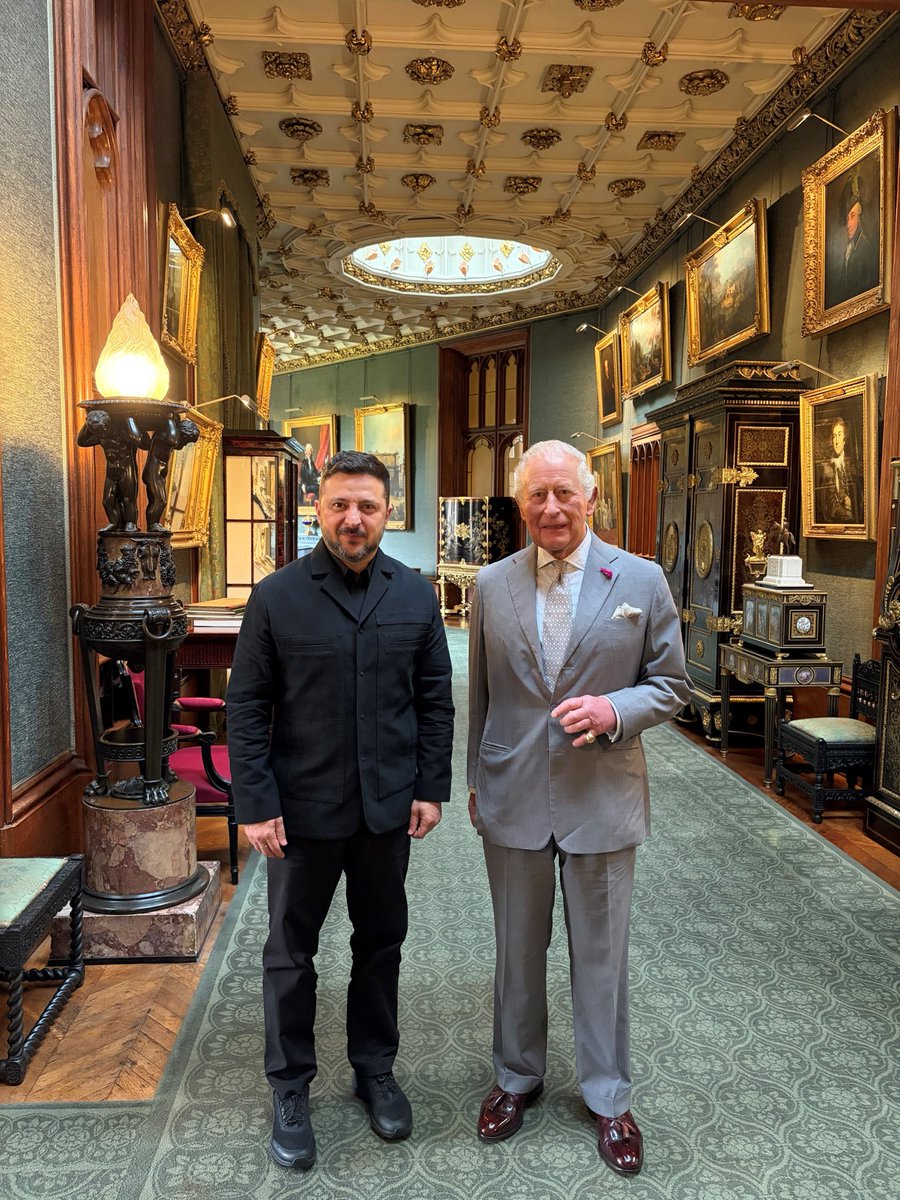
🇺🇦 The President of Ukraine visited The King this afternoon at Windsor Castle
3,332
4,065
35,536
1,132,164

Jun 3
Disappointed to see this. Let’s be clear. No question of the criminal not being held accountable. In fact, the murderer of Henry Nowak has been sentenced to life in prison. The police recognise their mistake and there is an internal investigation. As is right in a democracy.
Jun 3

Enostavno ni besed za to, kar se je zgodilo v Veliki Britaniji. Politična korektnost in leva agenda je naši družbo pripeljala do točke, kjer se morilci ščitijo, nedolžne žrtve pa se pusti umreti.
Ampak mi smo del nove generacije, ki ne želi živeti v družbi, kjer se spodbuja in slavi odklonsko vedenje. Mladi zato ostro zavračamo politične ideje “strpnosti in vključevanja”, zaradi katerih kriminalci več ne odgovarjajo. Zato smo veseli, da se oblikuje desna vlada. Čas je, da Slovenijo spet naredimo varno. 💪🇸🇮
1
192
Nigel Baker retweeted

Today we have summoned the Russian Ambassador. Russia’s violation of NATO airspace last week, striking a residential building in Romania, was reckless and dangerous. Its continued strikes across Ukraine show blatant disregard for civilian life.
The UK stands firmly with Ukraine, Romania and all NATO Allies.
99
123
469
37,020
Nigel Baker retweeted
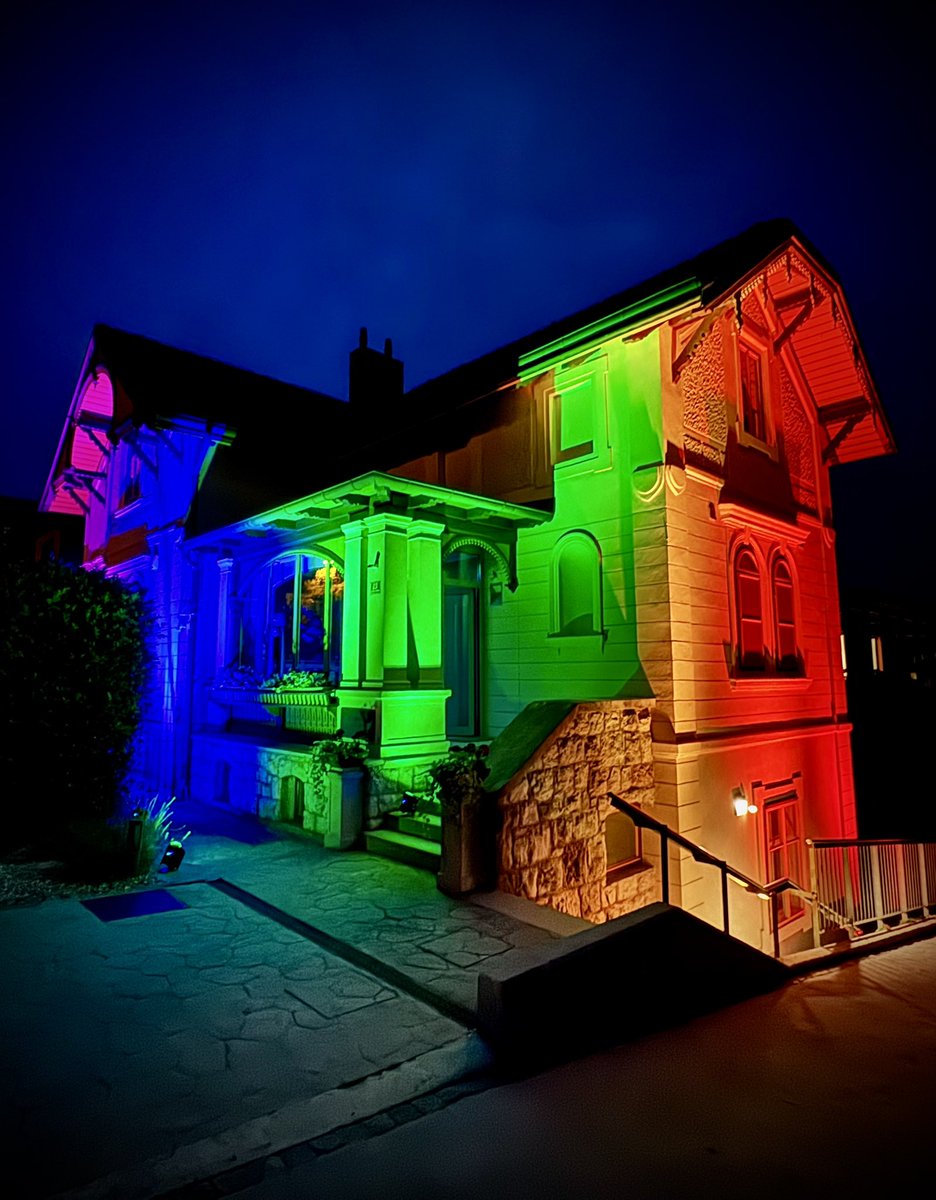
🌈 Rainbow Residence! June marks Pride Month: a time to celebrate the vital role LGBT communities play in advancing human rights and equality.
We’re proud to light up the British Residence in rainbow colours, standing with those championing a more equal, safe, and free world. 🏳️🌈
9
8
55
963

Nigel Baker retweeted

May 29
Russia’s reckless and illegal actions in Ukraine are spreading beyond their borders.
The UK stands firm with Romania. RAF jets are already deployed to Romania to support @NATO air policing.
We will work with @SecGenNATO to help strengthen that presence if needed.
May 29

I just spoke with President @NicusorDanRO of Romania about the Russian drone that hit a residential building in Galati. I assured him of NATO’s absolute solidarity with Romania and expressed sympathy for those injured in the incident. I affirmed that NATO stands ready to defend every inch of Allied territory. We will continue to enhance our readiness to deter and defend against any threat, including from drones.
Russia’s reckless behaviour is a danger to us all. They continue to target civilians and civilian infrastructure across Ukraine. And last night showed yet again that the implications of their illegal war of aggression don’t stop at the border.
Russia’s war needs to end, as does Russia’s disregard for civilian safety. For our part, we will continue to strengthen our deterrence and defence at home and continue our support for Ukraine as they defend against Russia’s aggression.
207
120
452
37,508
Nigel Baker retweeted

May 27
Crystal Palace, Champions of Europe ❤️💙

3,419
23,969
192,310
7,451,147
Nigel Baker retweeted

May 27
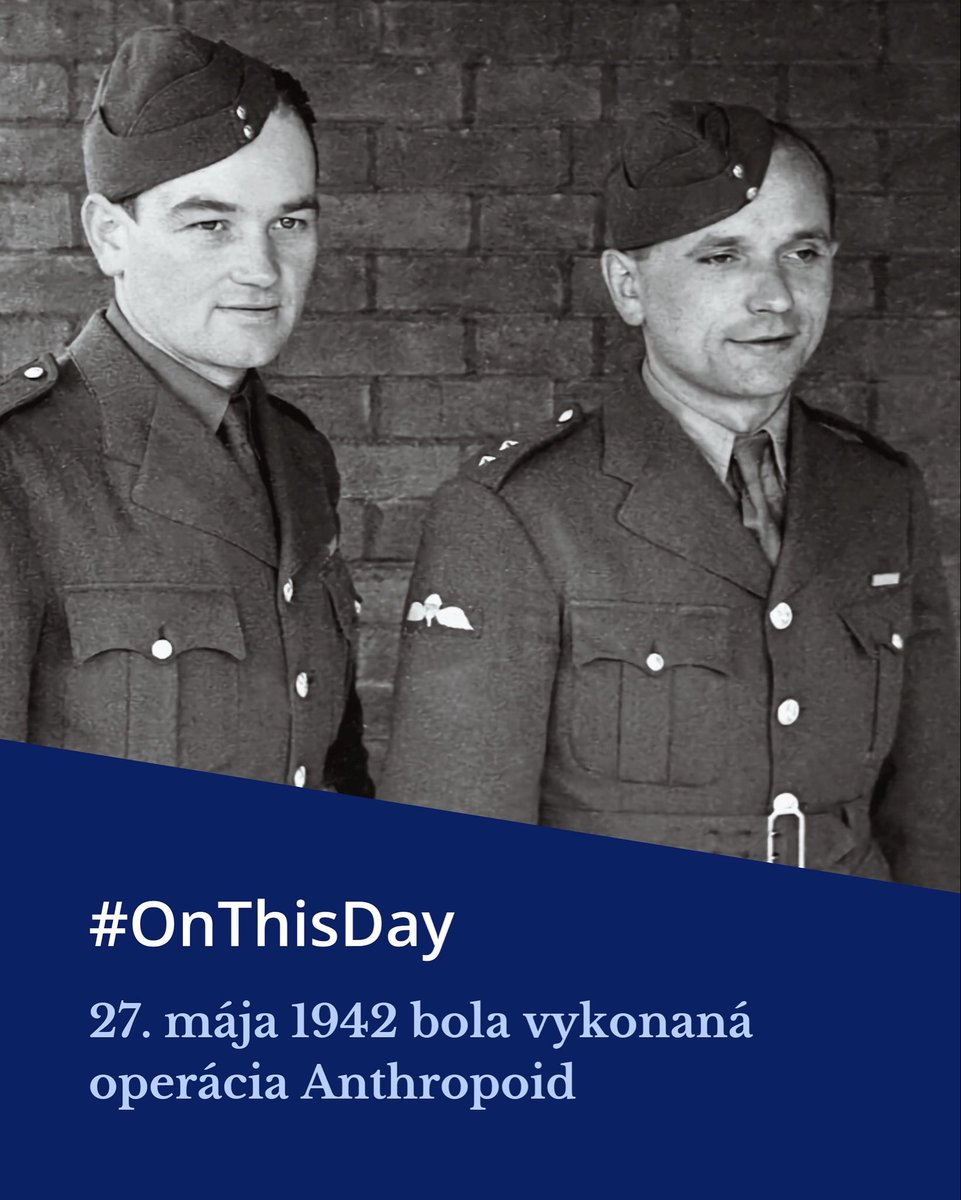
Dnes uplynulo 84 rokov od operácie #Anthropoid — atentátu na zastupujúceho ríšskeho protektora Reinharda Heydricha, ktorý za pomoci mnohých československých vlastencov vykonali Jozef Gabčík 🇸🇰 a Jan Kubiš 🇨🇿, vycvičení na túto akciu v Spojenom kráľovstve 🇬🇧.
📸 VHÚ VHA
1
2
21
277
Nigel Baker retweeted

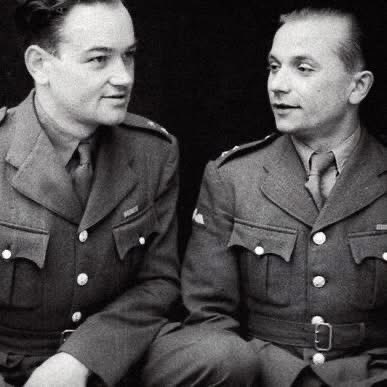
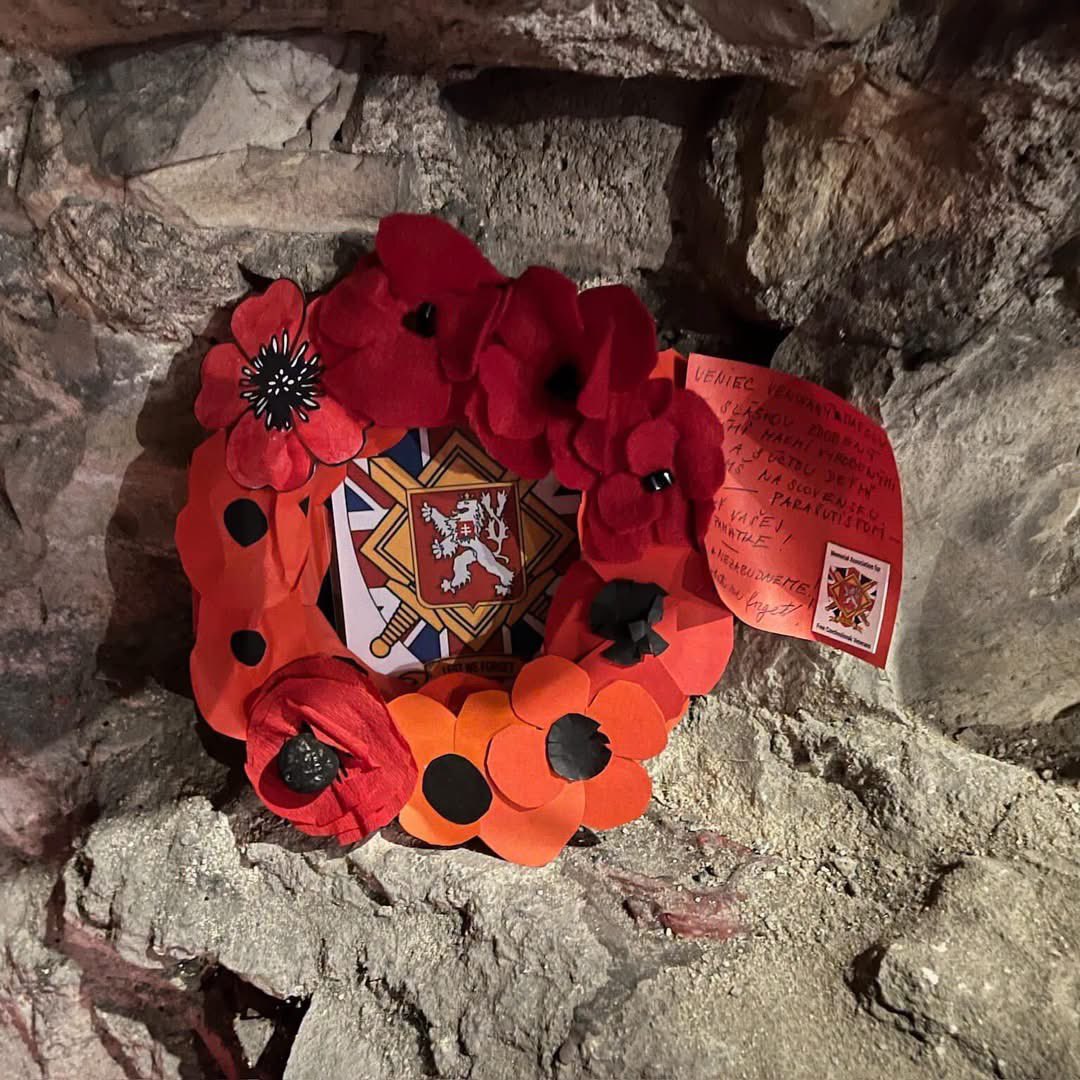
Today we remember Jan Kubiš and Jozef Gabčík, the two Czechoslovak soldiers who carried out Operation Anthropoid on 27 May 1942:
facebook.com/share/p/1Efbqba…
2
7
46
676
Nigel Baker retweeted
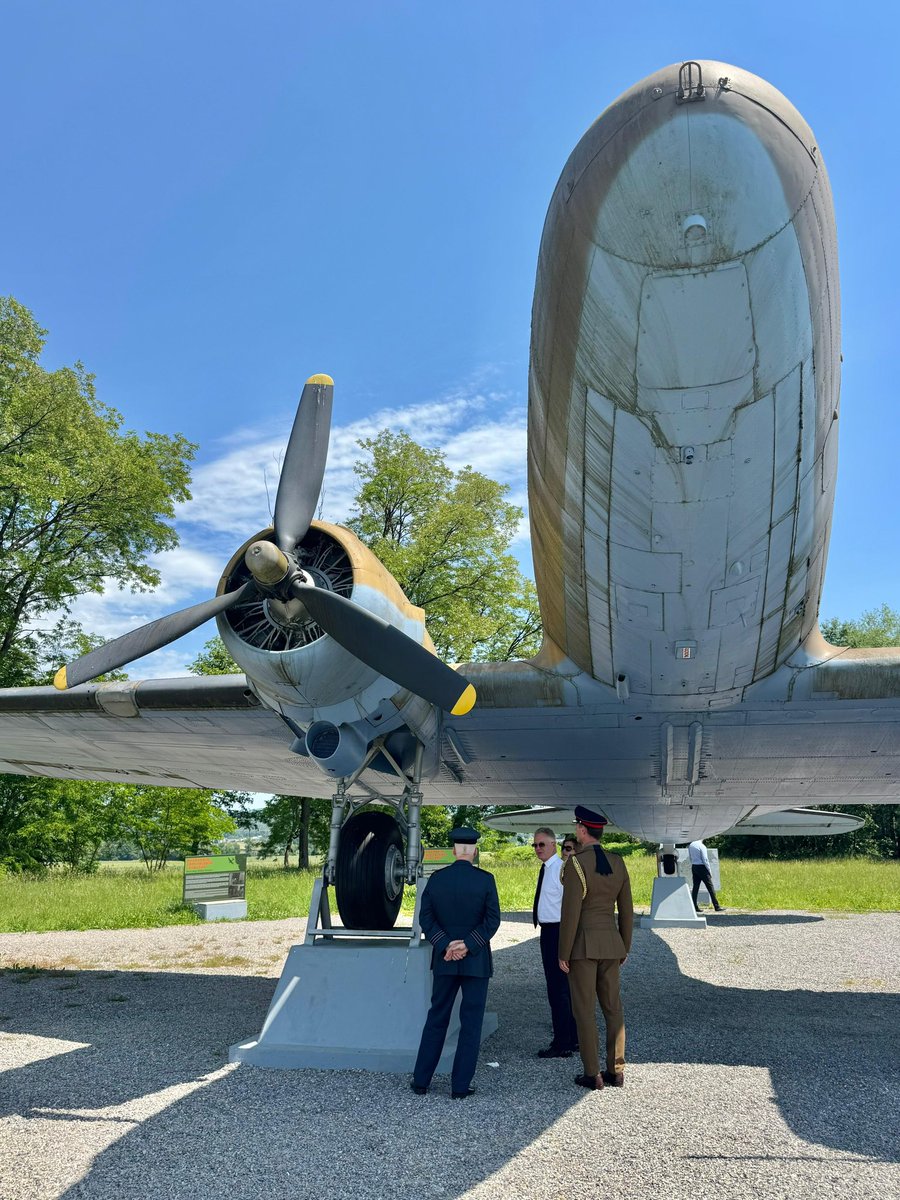
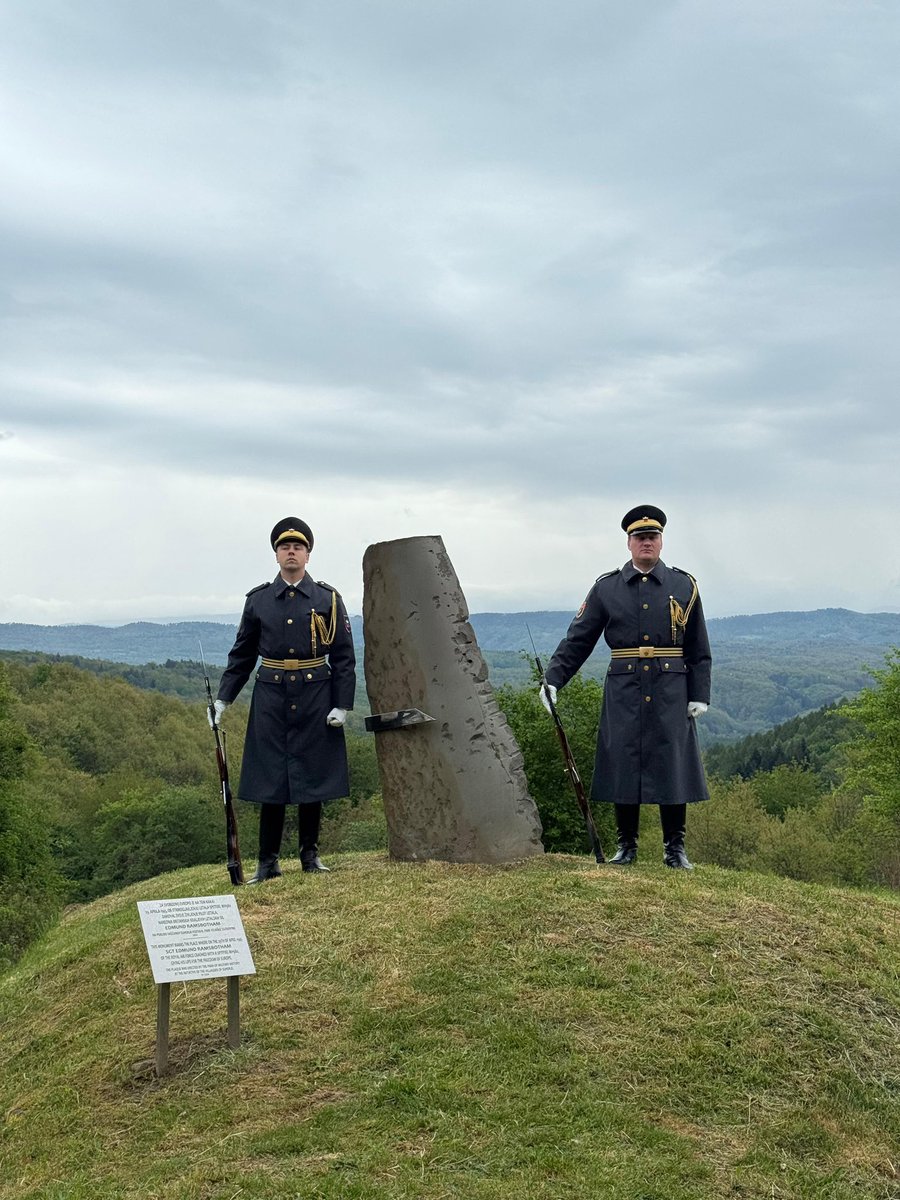
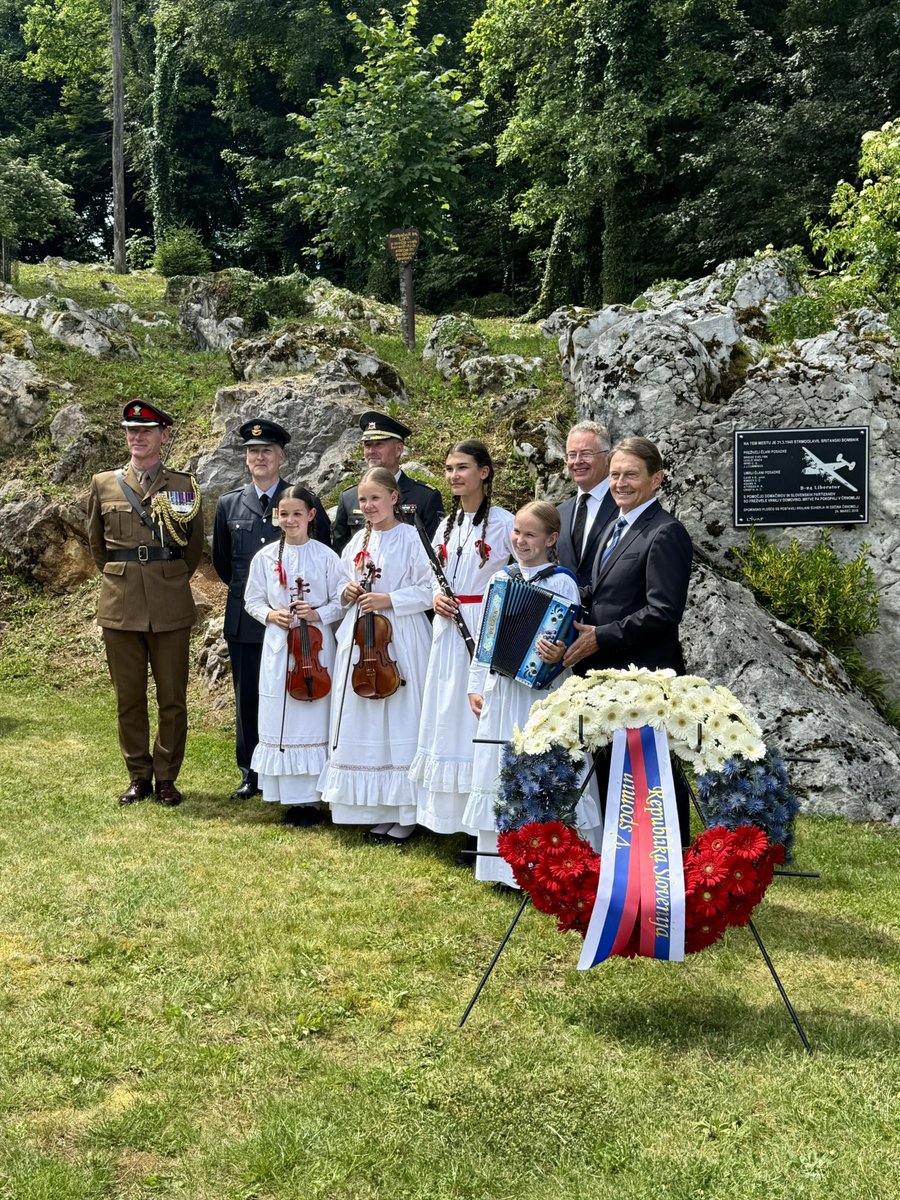
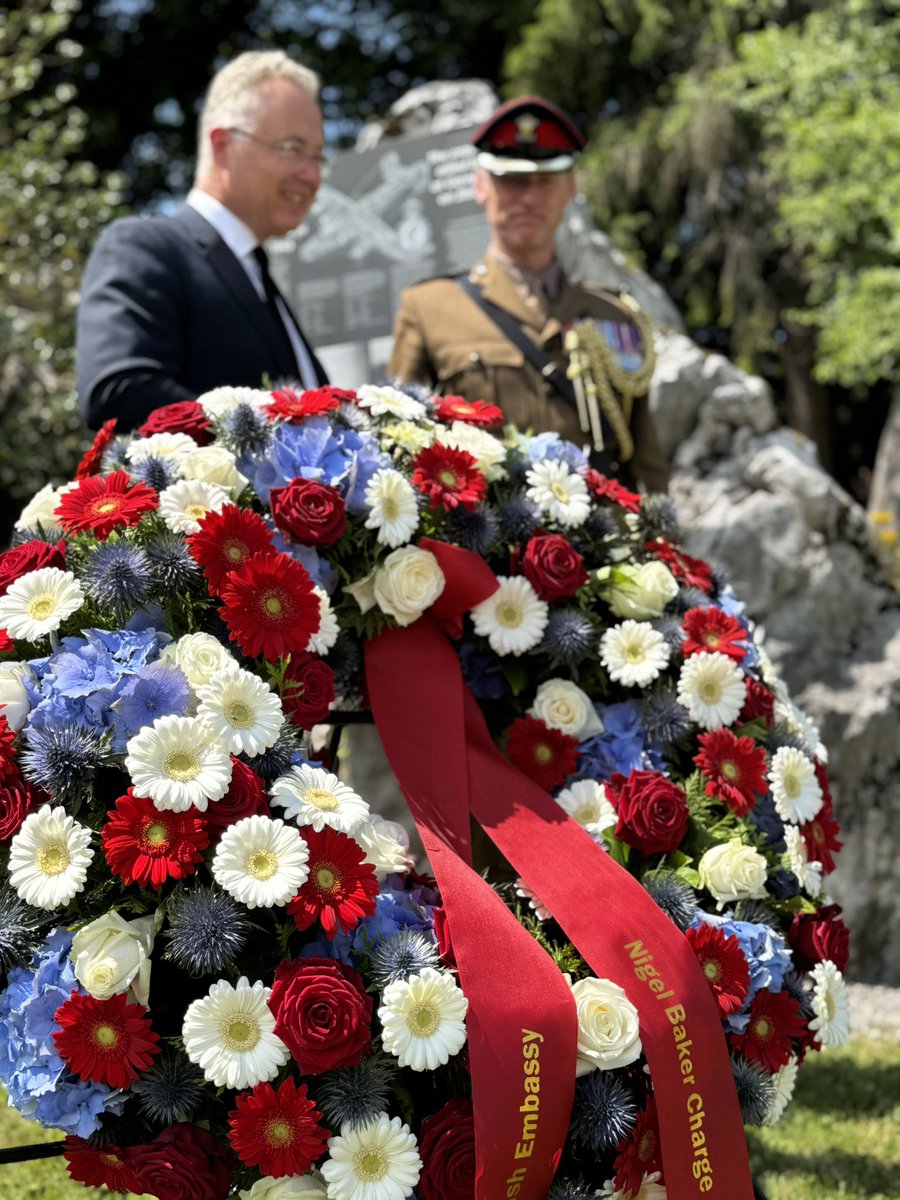
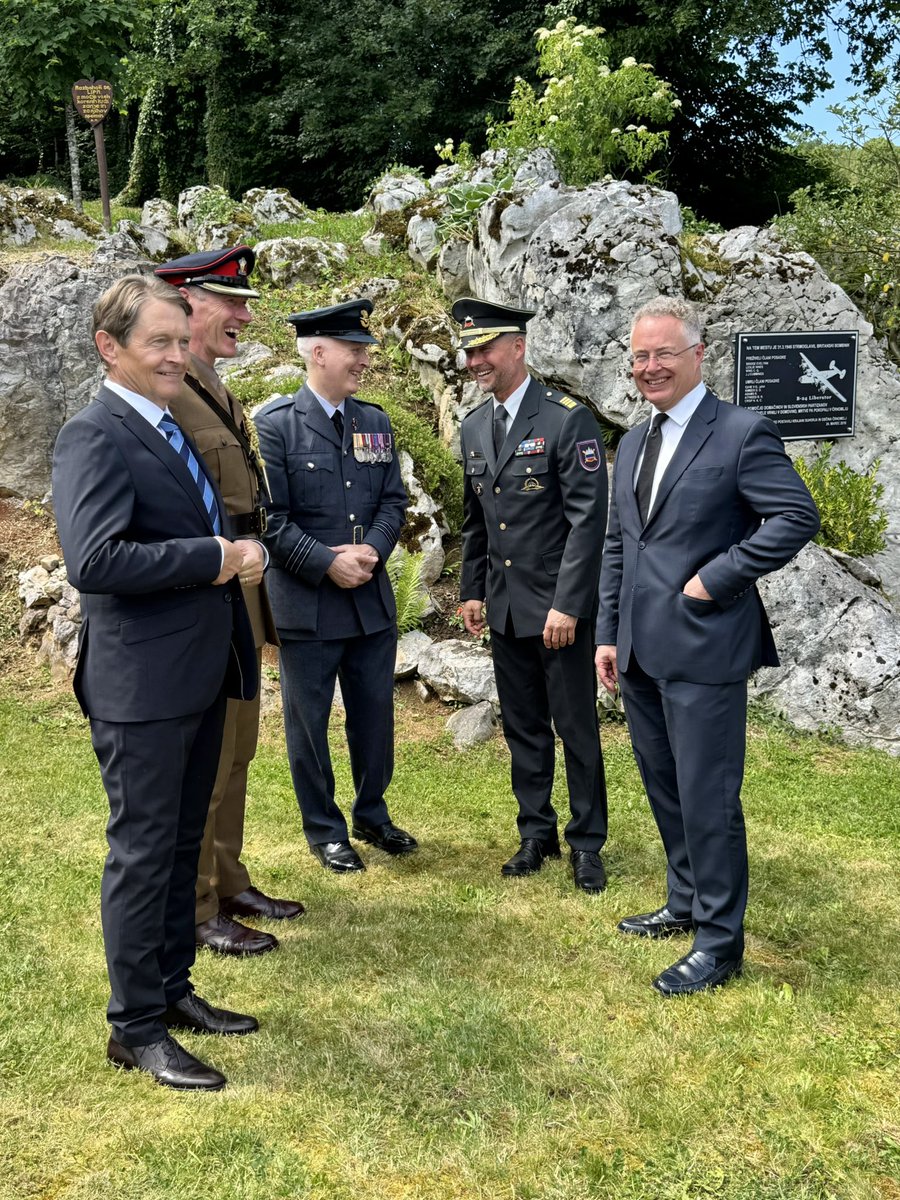
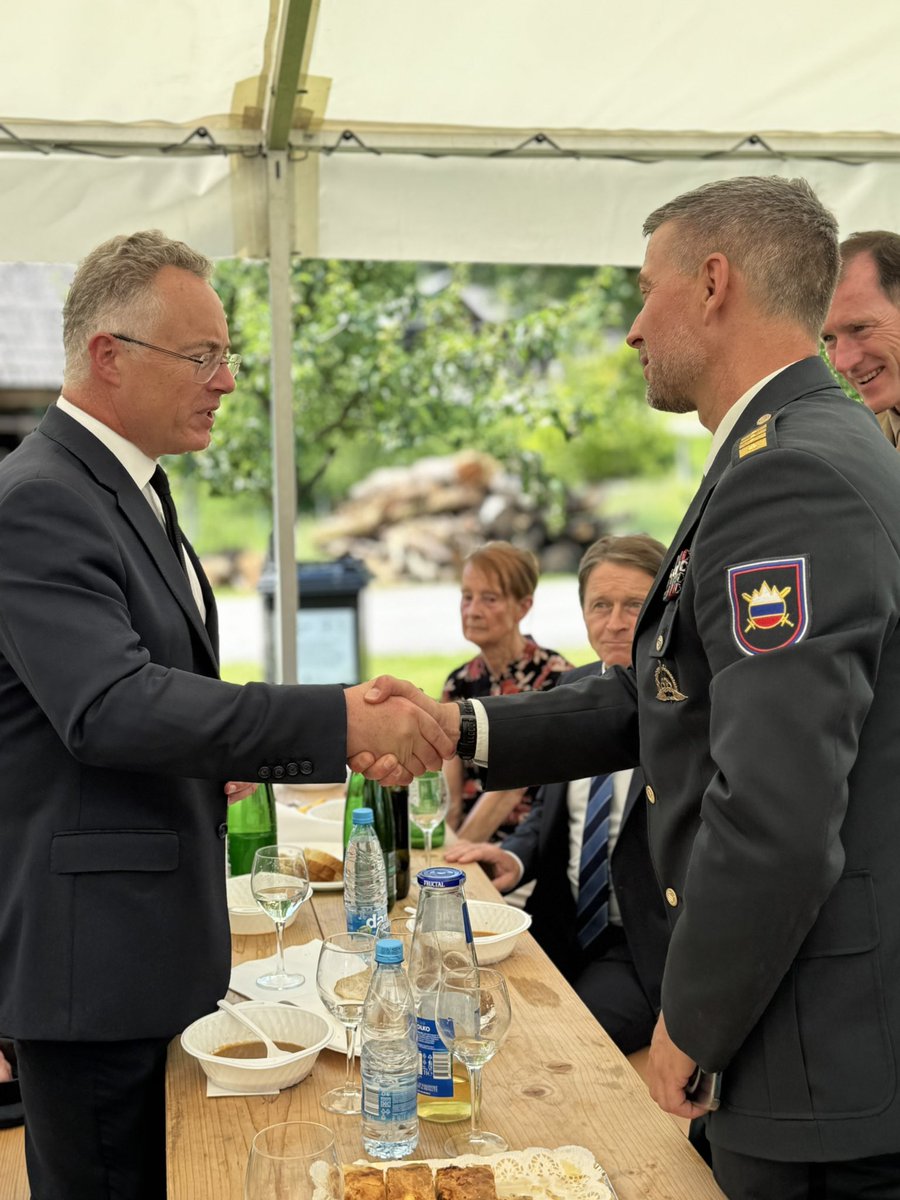
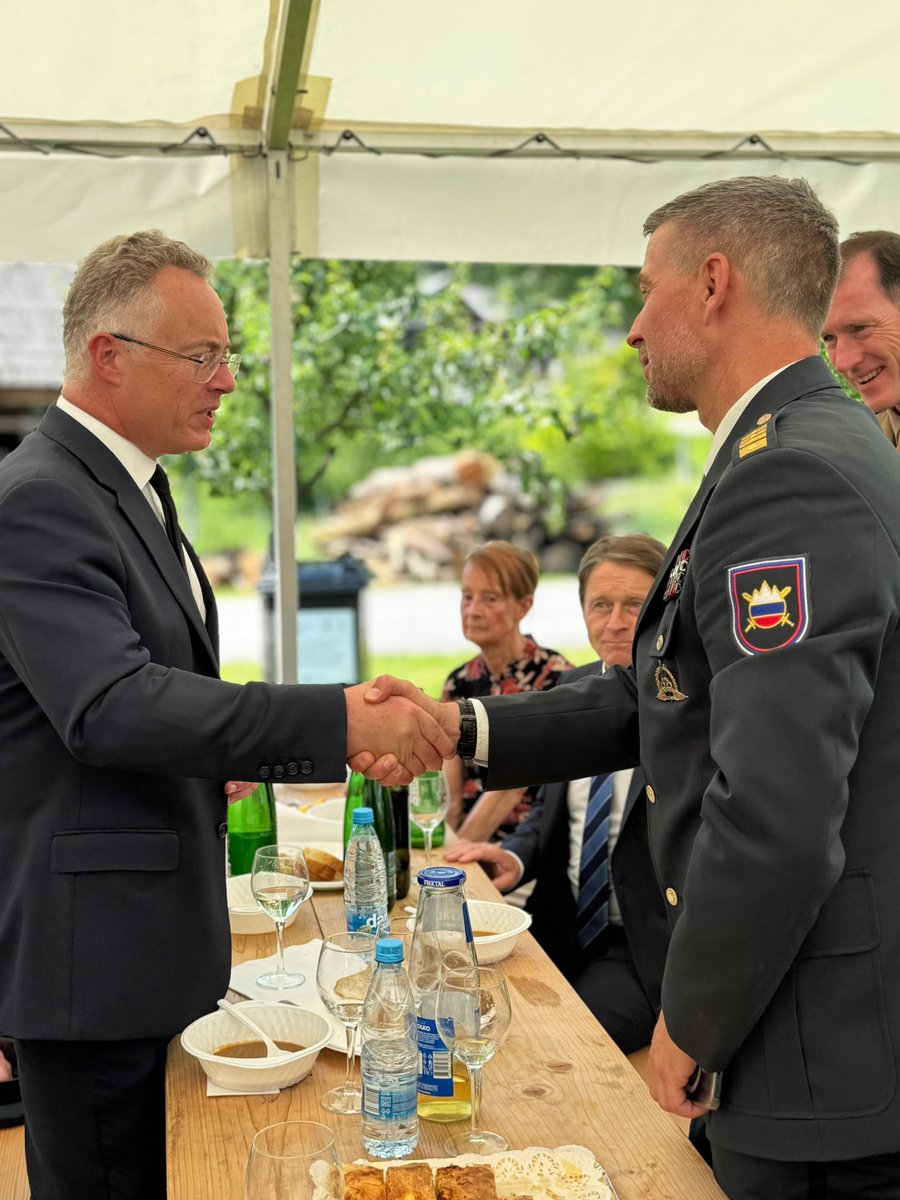
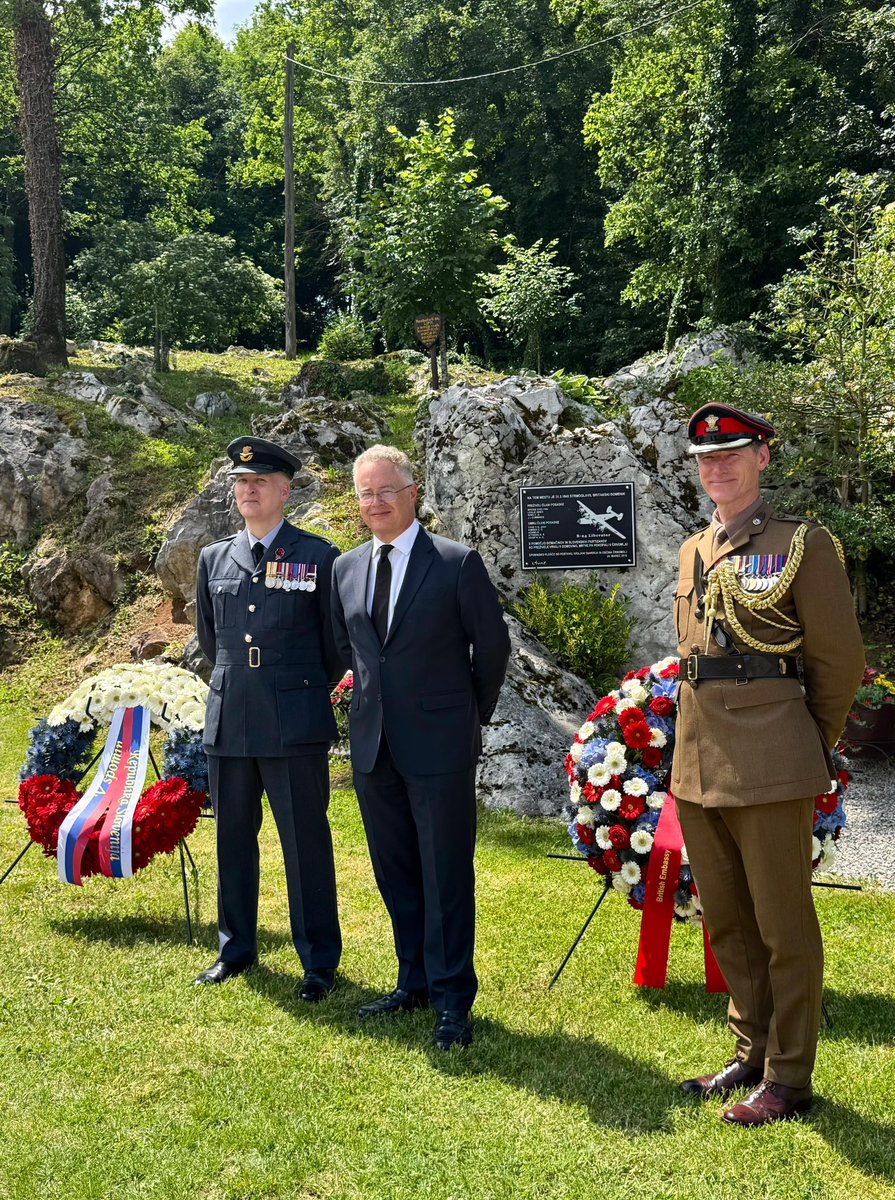
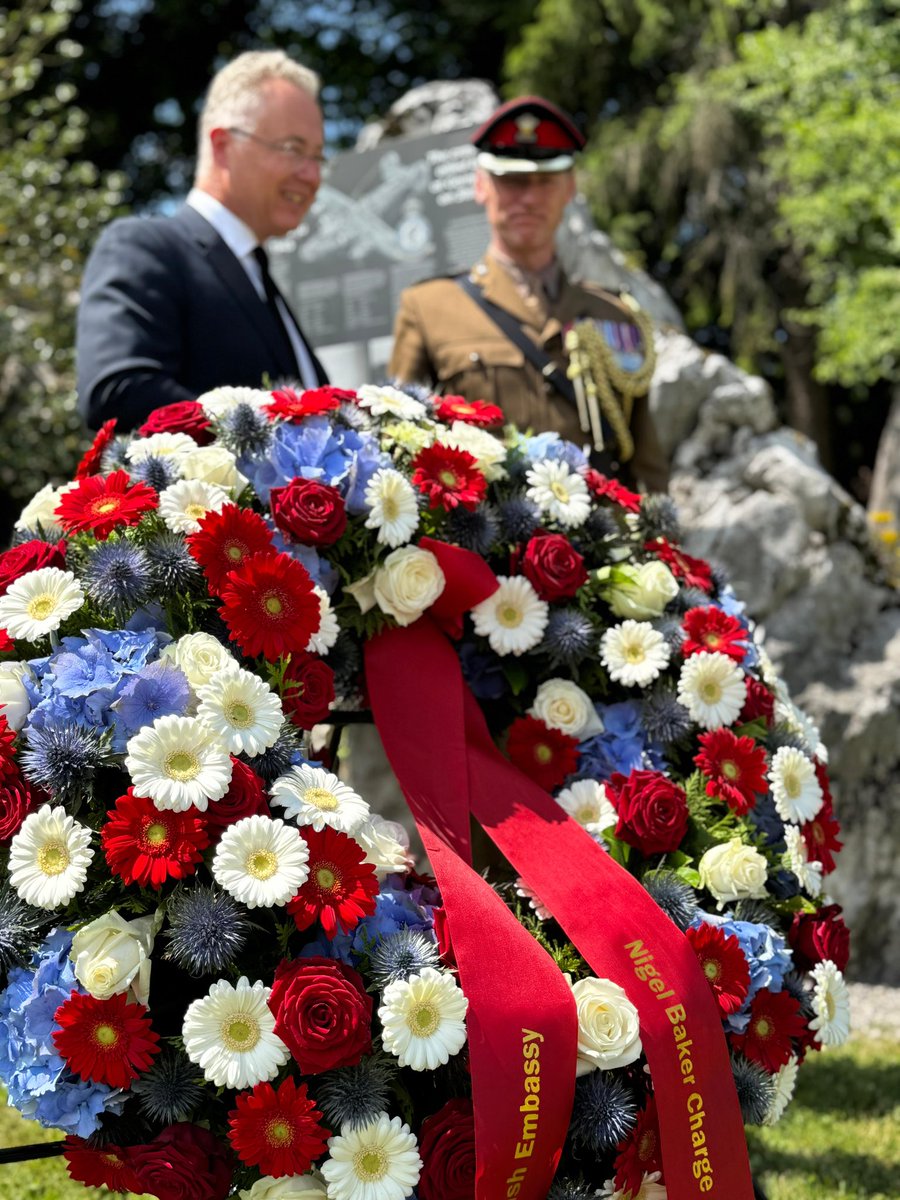
🇸🇮🤝🇬🇧 Over 80 years of friendship and counting. Today in Gornji Suhor we celebrated Slovenia–UK Friendship Day at a memorial to a British WW2 aircraft where villagers saved the lives of crew in 1945. Trust, compassion, partnership and peace - these bonds bind us in friendship.
2
9
487
May 27
37 degrees on this warm 🌞 day in south eastern #Slovenia, so we thought we’d shelter under the wing of this #RAF C-47 Skytrain. Wonderful day in Gorni Suhor and Metlika in Bela Krajina to commemorate our wartime alliance and remember the common sacrifice of WWII. @UKinSlovenia
7
156
Nigel Baker retweeted

Getting a UK ETA is simple.
Download the app, scan your passport, take a selfie, answer a few questions and you're done.
Apply at least 3 days before travel: gov.uk/eta
#GetTravelReadyUK
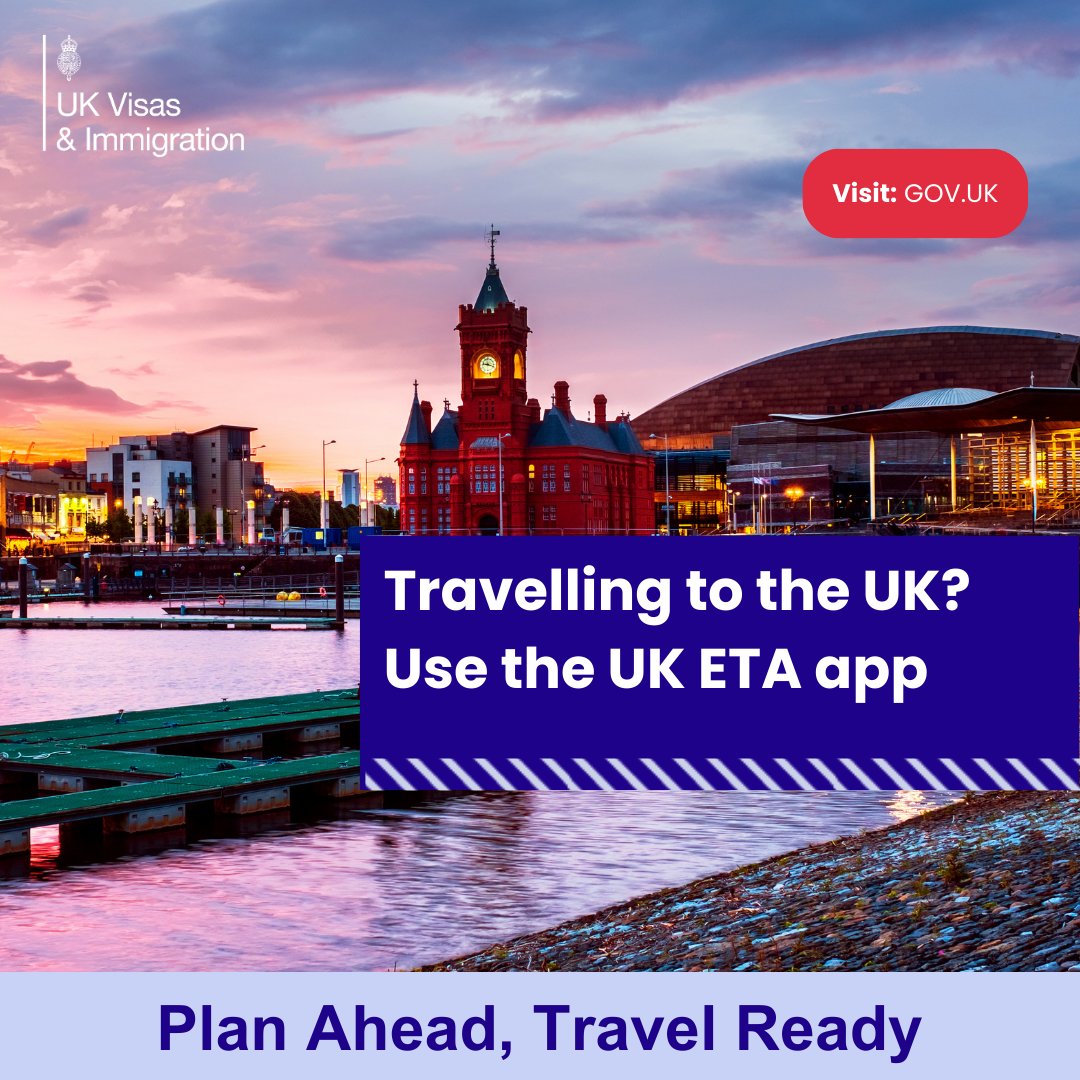
ALT A colourful waterfront cityscape at sunset featuring a historic clock tower and modern buildings beside a harbour. Overlay text reads: “UK Visas & Immigration,” “Travelling to the UK? Use the UK ETA app,” a red button saying “Visit: GOV.UK,” and a footer message: “Plan Ahead, Travel Ready.”
2
10
17
2,282
May 26
Kent: England’s gateway and first line of defence.
1
1
5
275
Nigel Baker retweeted
👾 SANCTIONED: Crypto and illicit finance networks exploited by Russia to circumvent UK sanctions.
We are tracking down and shutting off the financial lifelines that sustain Putin’s war machine.
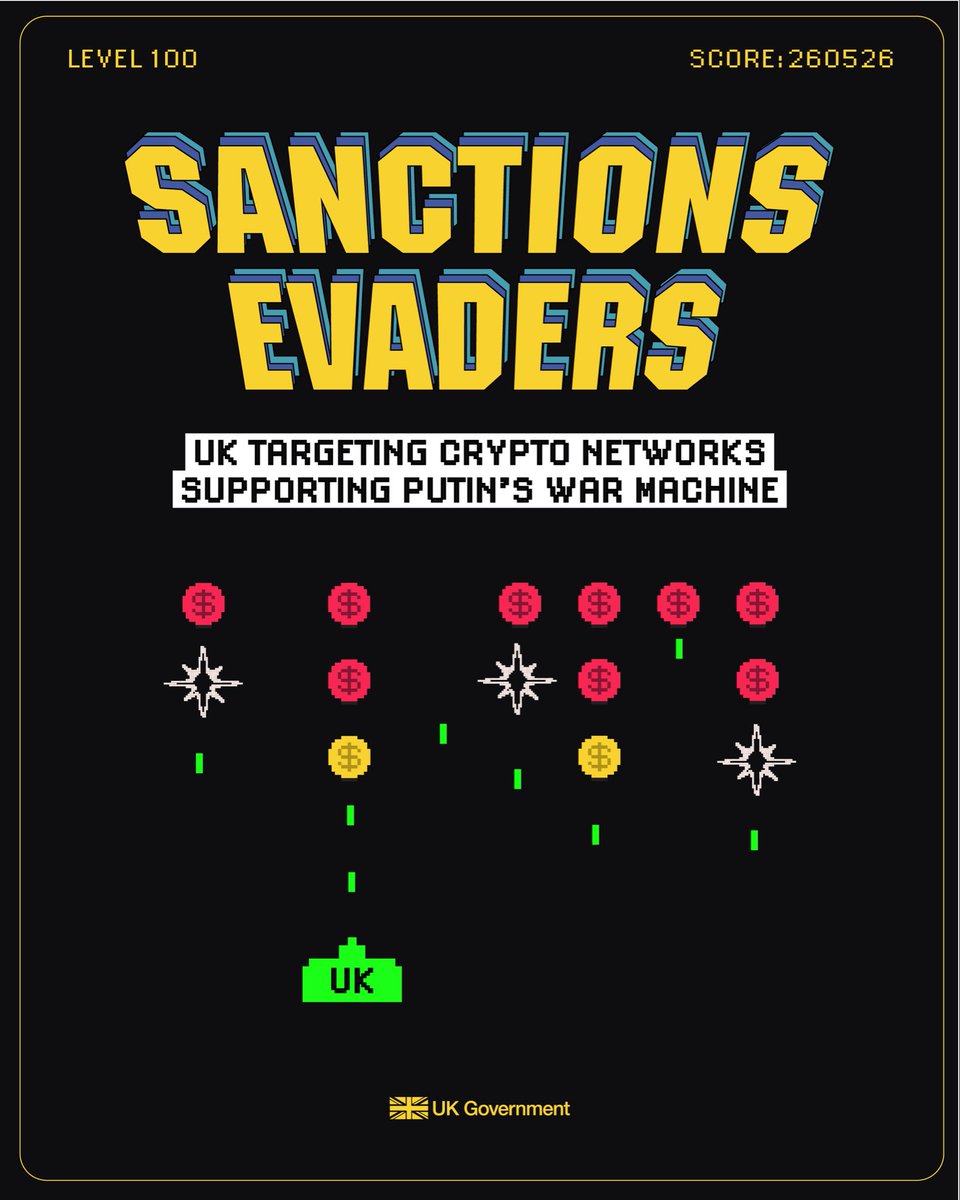
ALT Graphic of space invaders with Sanctions Evaders text at the top and underneath Uk targeting crypto networks supporting Putin’s war machine. There are crypto coins being hit by a shooter that has the country letters UK on it.
50
81
164
90,572
Nigel Baker retweeted

May 24
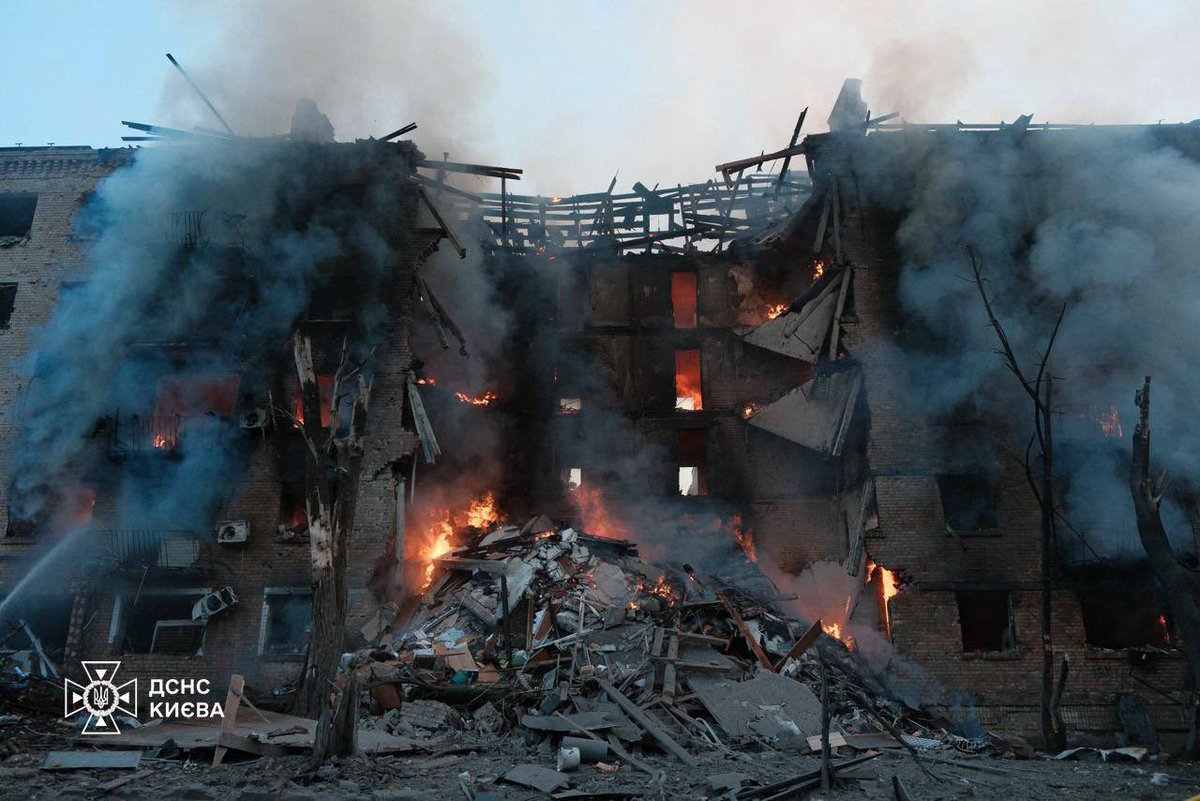
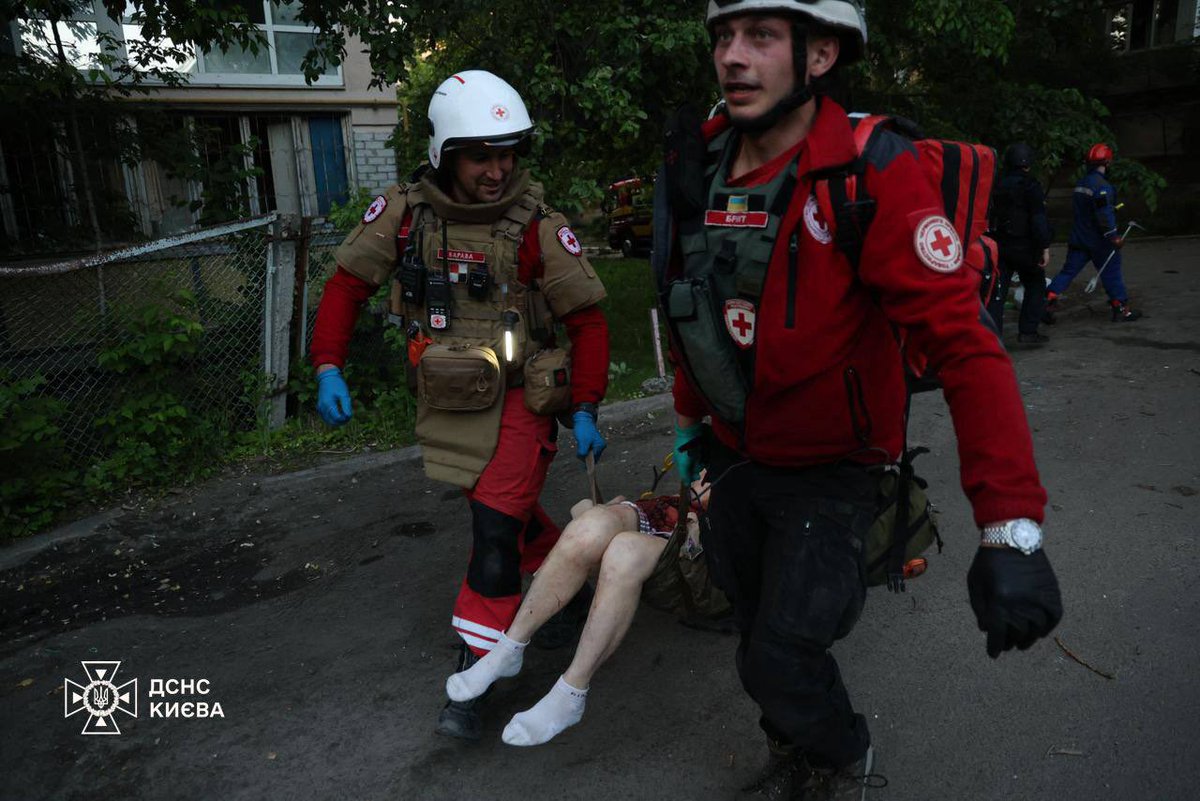
Awful scenes in Kyiv and across Ukraine overnight after another massive Russian attack.
I agree with Andrii - Moscow's escalating assault on Ukrainian civilians betrays its weakness.
We will keep up pressure on Russia. The UK is resolute in our support for Ukraine.🇺🇦 🇬🇧
May 24

Putin wanted to show “strength” but only confirmed his weakness.
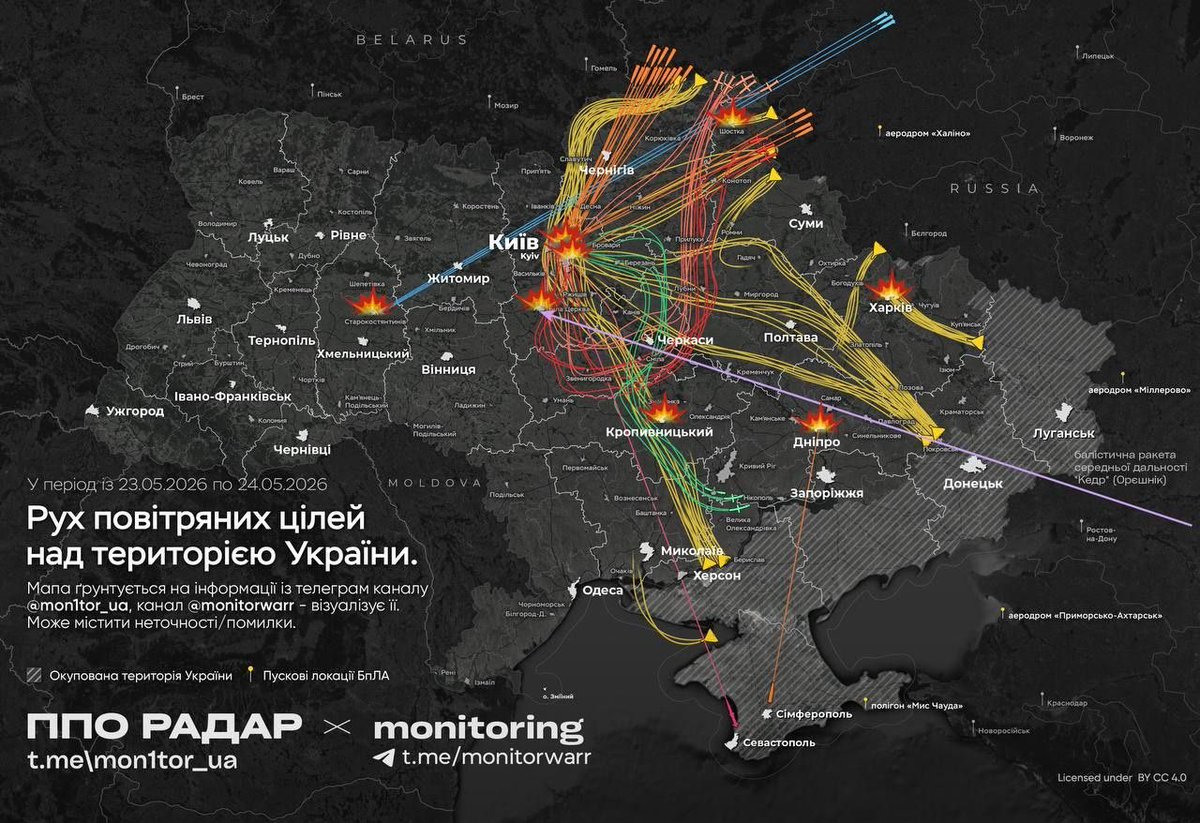
Overnight, Russia carried out one of the largest terrorist attacks on Kyiv with around 600 drones, many dozens of ballistic, air-ballistic, and cruise missiles, and a dummy IRBM.
Cherkasy, Kharkiv, Kropyvnytskyi, Odesa, Poltava, Sumy, and Zhytomyr regions were also under attack.
As of now, at least two civilian people have been reported killed and many dozens injured. These numbers may grow. Many residential buildings have been damaged.
Unable to achieve any results on the battlefield, Putin turns to terror against civilians.
This strike was probably meant to demonstrate “strength” to the domestic audience, but instead it only confirms Putin’s weakness. Even Russians see that he is a loser.
His “special operation” is not achieving any results. Losses are enormous, but there is not a single achieved goal. Except that there are no safe places in Russia any more, as Ukraine ramps up its special long-range sanctions.
To our allies, I want to say this: it is time to double down, not back down, in supporting Ukraine and increasing pressure on the Russian regime.
We call for additional defense capabilities, including to protect our sky; investment in our defense industry; increased pressure on Russia, including entry ban for Russian combatants, full use of frozen assets; strong political decisions with regard to Ukraine’s EU accession and other steps.
The world has the leverage. It needs to be used right — to show Moscow that such strikes will not bring any results — and force Russia to end this war.
1,866
551
1,871
160,067
Nigel Baker retweeted
May 22
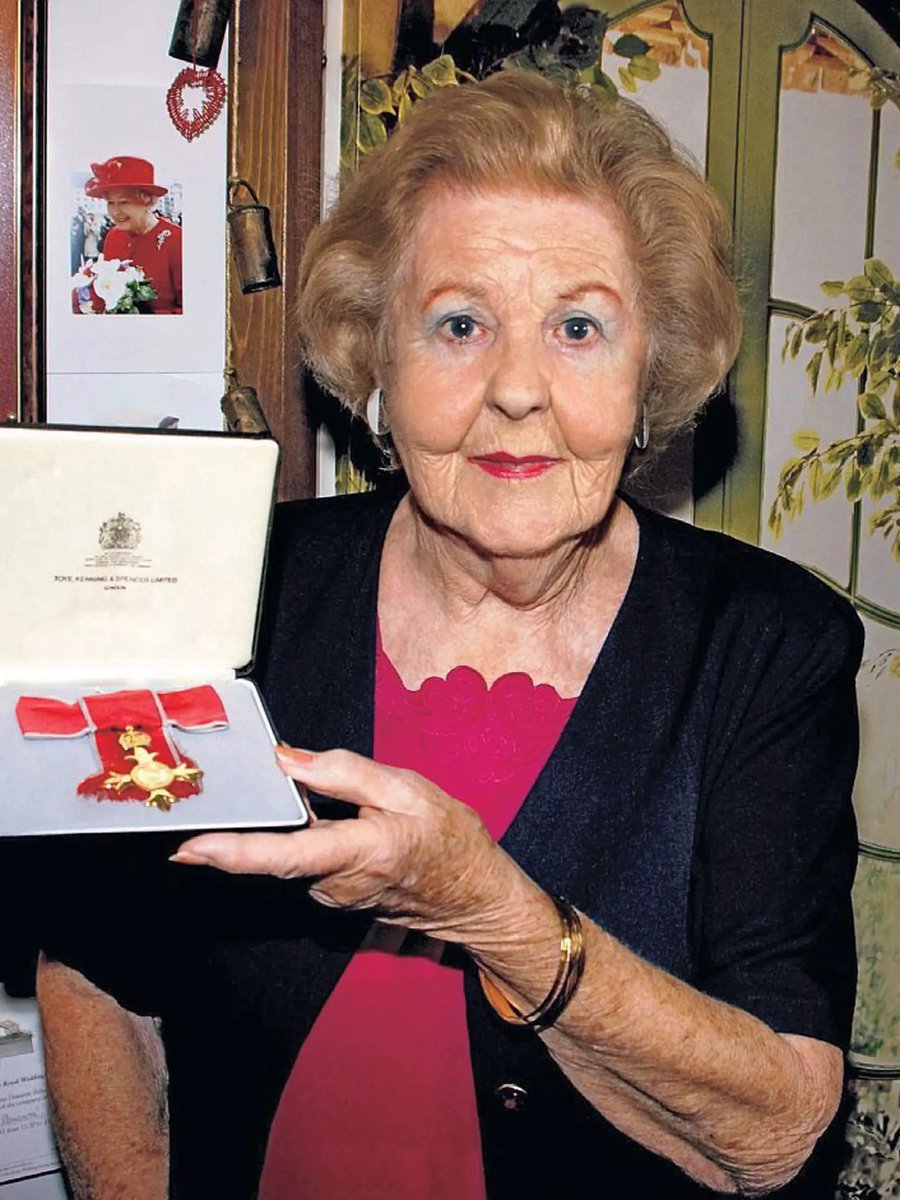
Za túto pomoc, ako aj za výnimočný prínos do rozvoja 🇬🇧🇸🇰 vzťahov bola ako jediná žena so 🇸🇰 občianstvom vyznamenaná Radom Britského Impéria.
📸 Martin Mázor
1
3
14
218
Nigel Baker retweeted
May 22
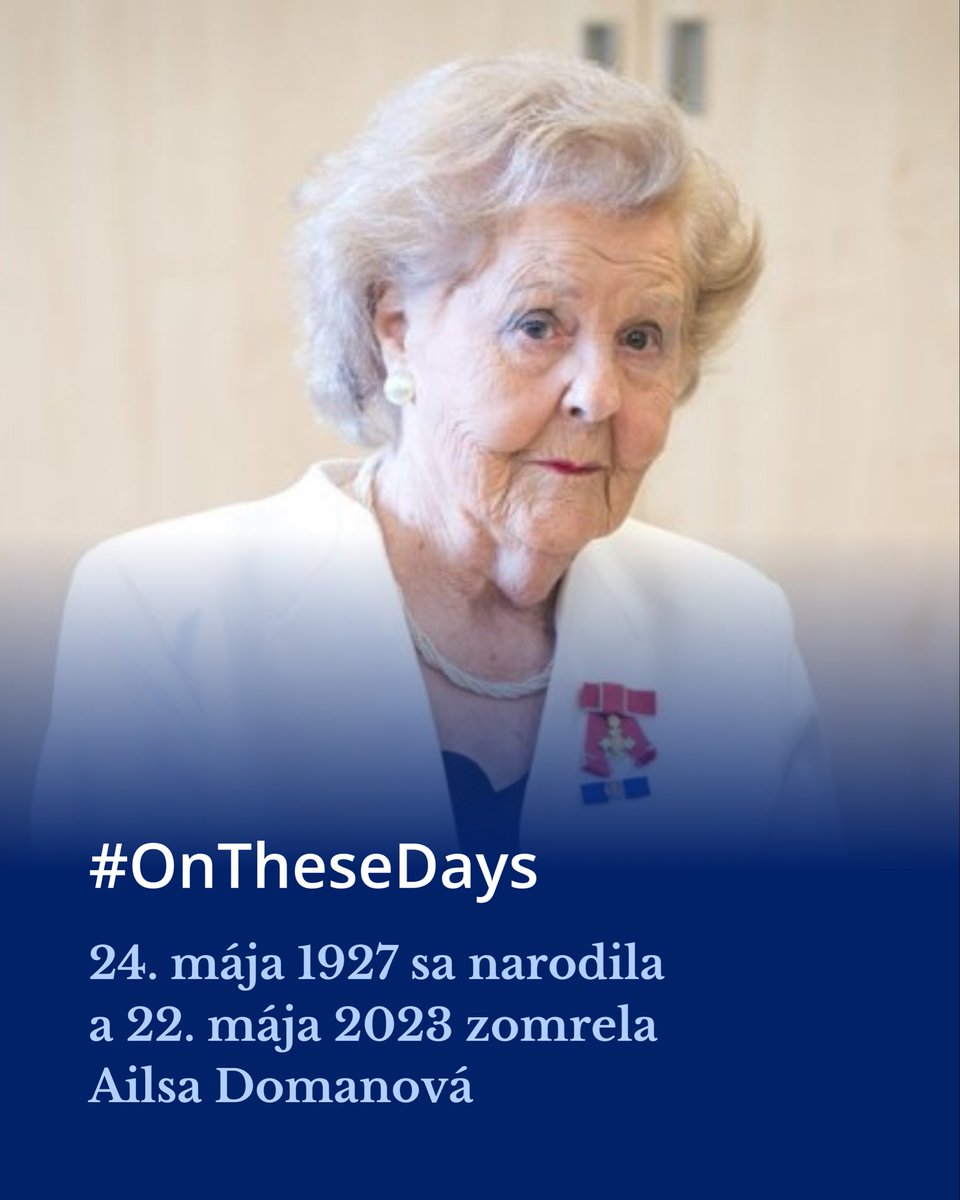
V týchto dňoch si spomíname na 🇬🇧 Ailsu Domanovú, ktorá nás opustila pred tromi rokmi a o 2 dni by oslavovala 99. narodeniny.
Väčšinu života prežila so svojím 🇸🇰 manželom vo Zvolene, kde sa nenechala zlomiť rokmi útlaku od komunistického režimu a pomáhala veteránom a ich vdovám.
1
7
20
493
Nigel Baker retweeted

May 22
wonderful story

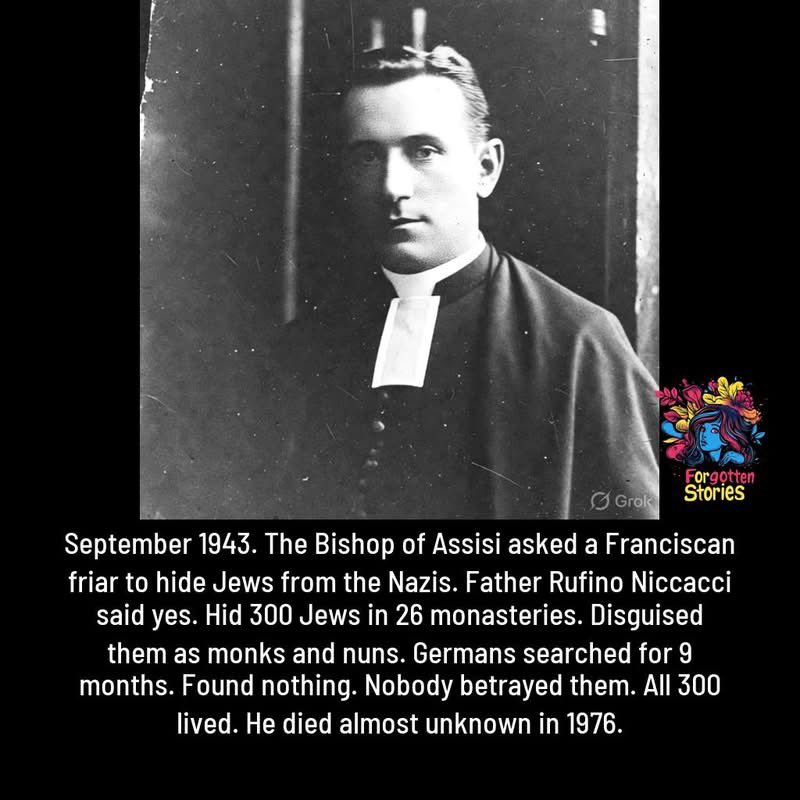
In September 1943, Italy fell under German occupation. The SS hunted Jews for deportation to Auschwitz.
In Assisi, a 32-year-old Franciscan friar named Rufino Niccacci—peasant-born, Guardian of San Damiano Monastery, and someone who had never met a Jew—received an order from Bishop Giuseppe Nicolini.
“We are hiding Jews in every monastery and convent in Assisi.”
“If we’re caught, we’ll be shot,” Rufino replied.
“Yes,” the bishop said. “As many as can come.”
Rufino accepted.
What followed was one of the war’s most daring rescues. Jews fleeing from Rome, Florence, and the north poured into Assisi.
Rufino hid them across 26 monasteries and convents—including the Basilica of Saint Francis and ancient cloistered houses that had never admitted outsiders.
They disguised Jews as monks and nuns. Rufino taught them Latin prayers, how to walk, pray, and sit in chapel. Children memorized Catholic rites they didn’t understand.
A local souvenir shop owner, Luigi Brizi, and his son printed hundreds of flawless fake identity cards, claiming the bearers were from already-liberated southern Italy.
The SS raided repeatedly. They searched monasteries, convents, and homes. They found nothing.
For eight months, an entire town kept the secret. Not a single betrayal. A German colonel, devout Catholic Valentin Müller, was stationed there. He loved Assisi’s churches, attended Mass, and even toured holy sites with Rufino—never knowing (or never acknowledging) the hundreds of hidden Jews around him. He successfully petitioned to make Assisi a protected hospital town, removing combat troops.
Inside the convents, quiet miracles occurred. Jews observed Yom Kippur with the nuns’ blessing; the nuns prepared the breaking-fast meal. Rufino arranged Hebrew lessons for the children, ensuring they could still practice their faith while pretending to be Catholic.
“They were children of God,” he later said. “What else were we supposed to do?”
The network nearly broke in May 1944 when the Bishop’s secretary, Father Aldo Brunacci, was arrested and interrogated. He revealed nothing. Vatican pressure secured his release.
One month later, on June 16, 1944, the Allies liberated Assisi. All 300 hidden Jews walked out alive. Not one had been caught or deported.
They had been sheltered by hundreds of nuns, priests, and townspeople who knew the penalty: priests across Europe were being executed for less.
One informant could have doomed them all. It never happened.
After the war, Rufino returned to quiet Franciscan life. He founded a settlement for poor Christian and Jewish families, served as a parish priest, and avoided fame.
In 1974, Yad Vashem named him Righteous Among the Nations. He planted a tree in Israel and quietly reunited with one of the women he had saved.
He died in 1976 at 65, asking to be cremated in solidarity with Holocaust victims. The Church buried him traditionally. Today, few outside Assisi know his name.
Yet his legacy endures in the thousands of descendants of those 300 saved souls.
An entire town proved it was possible to choose humanity over fear.
No collaborators. No betrayals. No exceptions.
They did not yield.
May all of their memories be a blessing, especially Friar Rufino Nicacci.
5
27
118
12,573
