
Builder 🌱 Co-Founder of renewabl.com 🚀
Joined November 2009
- Tweets 922
- Following 809
- Followers 928
- Likes 7,007
50 Photos and videos







20 Aug 2025
Excellent news for Bulgaria and EU built BESS systems, we need more and cheaper BESS systems renewablesnow.com/news/inter…
6
4
100
Nick Martyniuk e/acc retweeted

29 Apr 2025
Would large scale Bitcoin mining deployment have prevented the power outages in Spain/Portugal?
Short answer: "Yes"
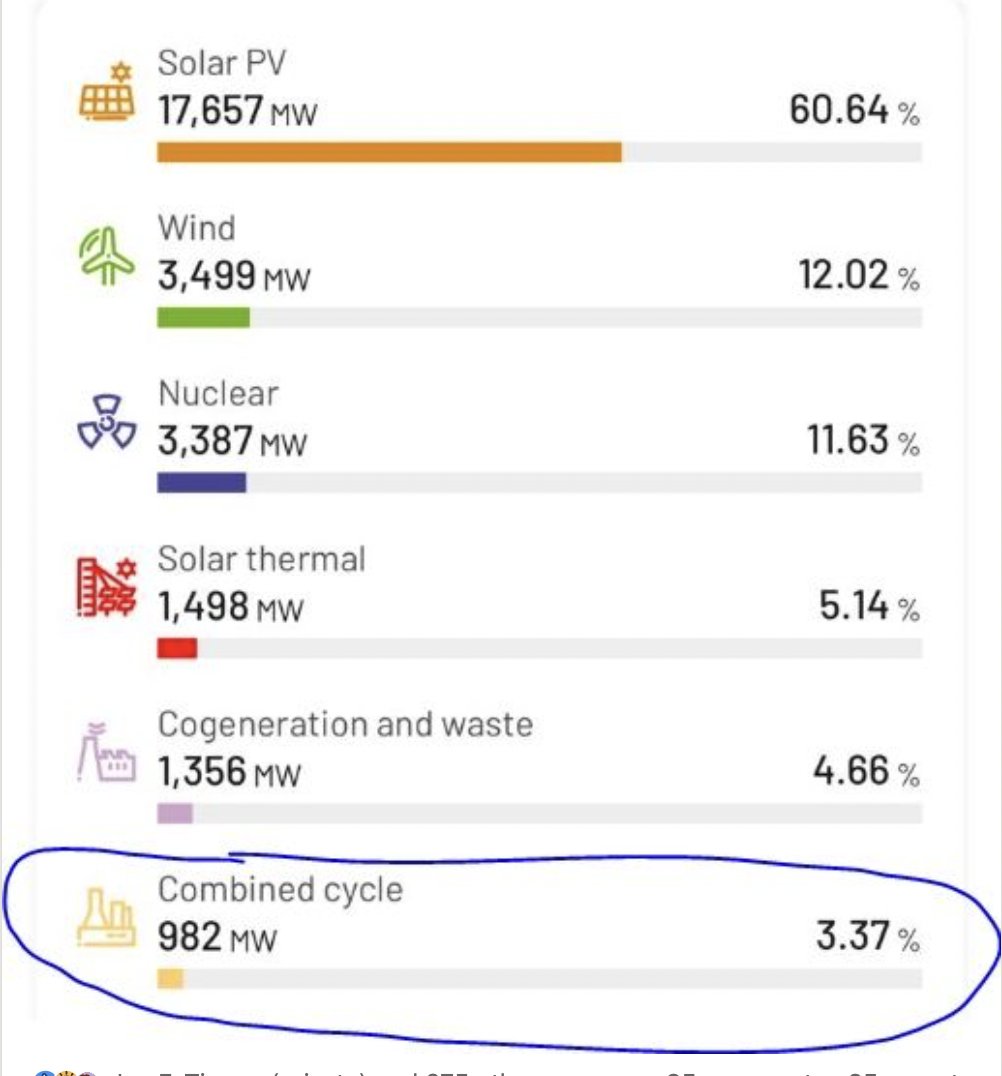
Before the outage hit, Spain was running its grid with very little of what's called "dispatchable spinning generation" (also known as inertia).
The image below is a snapshot from 12.30pm local time, 5 minutes before the outage occurred.
"Dispatchable spinning generation" means power plants, like gas or nuclear, that can quickly adjust their output to keep the grid stable. The name "spinning" refers to the turbines that traditional generation plants such as coal, gas, nuclear that use spinning turbines help with this.
Traditional plants provide this with their spinning turbines, but renewables don't, making the grid more fragile if you don't have a way to very rapidly load-balance in the case of an outage.
This likely contributed to the outage that hit Spain, Portugal, and parts of France, as the grid couldn't handle sudden disruptions well.
We don't need to speculate what would have happened had they had wide-scale Bitcoin mining operations: Texas provides a blueprint of what would have happened: Bitcoin minings would have been instantly notified of the major outage, and within under a second would have adjusted their demand, stablizing the frequency of the grid by preventing a major demand-supply imbalance.
Texas for context has the highest solar&wind penetration of any grid in US. On one recent day power from solar and wind was 76% of total Texas grid demand (canarymedia.com/articles/cle…), but Texas' (ERCOT) grid also has 3 GW of controllable load in the form of Bitcoin mining that it uses heavily in the case of outages or sudden unanticipated peak demand.
What happened in Spain and Portugal is not an inherent risk of renewables, its what happens when the renewable energy transition is done in a partial way, without due considerable to load balancing.
Batteries are part of the solution too. Bitcoin mining and Batteries have different unique advantages. Bitcoin mining has the advantage of being modular, and low cost to deploy. Bitcoin mining also keeps the cost of power low for retail users by reducing the expensive curtailment fees that grid operators would otherwise have had to pay solar and wind operators.
We have the solutions right under our noses, let's start using them.
29
152
609
46,198
29 Jan 2025
According to EU they have a compass, however according to Grok, Earth's magnetic north pole is currently experiencing a significant and accelerated shift, raising concerns among scientists regarding its implications for navigation and our understanding of the Earth's magnetic field. 🤔

🇪🇺 @euaccofficial's manifesto has finally arrived at @vonderleyen via @mario_draghi_

2
219
28 Jan 2025
Europe is rapidly expanding its battery storage fleet, but it’s still lagging California, where batteries can already supply around 20% of peak demand. Germany and the UK lead in European capacity, yet their storage coverage remains in the single digits. With aggressive renewable targets and the need for reliable grid balancing, Europe must strengthen policy support and market frameworks to accelerate large-scale battery projects. While current growth is encouraging, significantly more investment and streamlined regulations are required for Europe to catch up and ensure an energy transition that is both resilient and aligned with ambitious climate goals.
28 Jan 2025

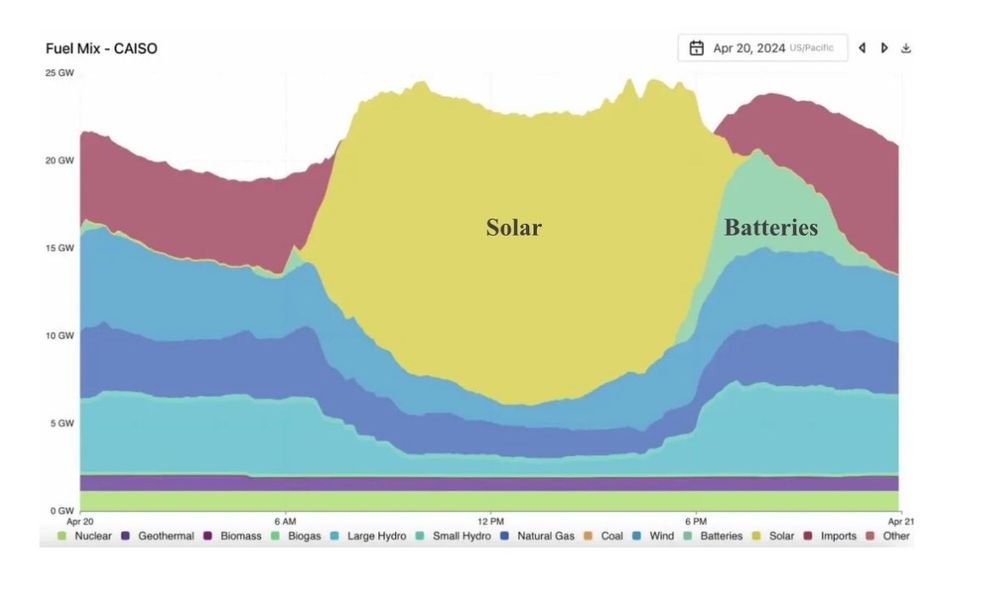
Batteries start playing a huge role in energy systems around the world.
Look at California - not long ago you wouldn’t even be able to see the contribution from batteries.
Today batteries can provide more than 20% of peak load in California.
2
1
137
27 Jan 2025
It feels that Europe’s energy and economic policies are stuck in a cycle of crisis management, exposing a glaring lack of long-term vision. EU’s reactive mode spells trouble for its competitiveness:
Overbuilt LNG Infrastructure, Underutilized Assets
Despite declining gas demand (-20% since 2022), Europe is racing to build LNG terminals, with capacity set to triple demand by 2030. This risks €1 trillion in stranded assets while locking the bloc into costly, short-term fixes instead of accelerating renewables.
Hypocrisy on Russian LNG
After banning pipeline gas, the EU became the world’s largest buyer of Russian LNG (€7.3B in 2024), undermining its own energy security goals. Talk of a 2027 phaseout lacks teeth, leaving Europe dependent on the same geopolitics it claims to reject.
Lagging in the Techno-Economy
While the US and China dominate AI, chips, and green tech, Europe debates regulation. Only 1.49% of Spain’s GDP goes to R&D—half the EU target—and no European company ranks in the global tech top 20. The Draghi Report’s call for €800B/year in innovation gathers dust.
Strategic Paralysis
The EU’s “Clean Industrial Deal” remains a draft, and energy policies flip between panic (over Russian gas) and complacency (over LNG oversupply). Meanwhile, the US’s Inflation Reduction Act and China’s tech-state model leave Europe scrambling.
The EU is sleepwalking into a future where it’s neither energy-independent nor technologically competitive. Without a unified strategy to decouple from fossil imports, scale green industries, and prioritize innovation, Europe risks becoming a secondary player in the 21st-century economy.
Time to wake up, Brussels. 🔥
27 Jan 2025

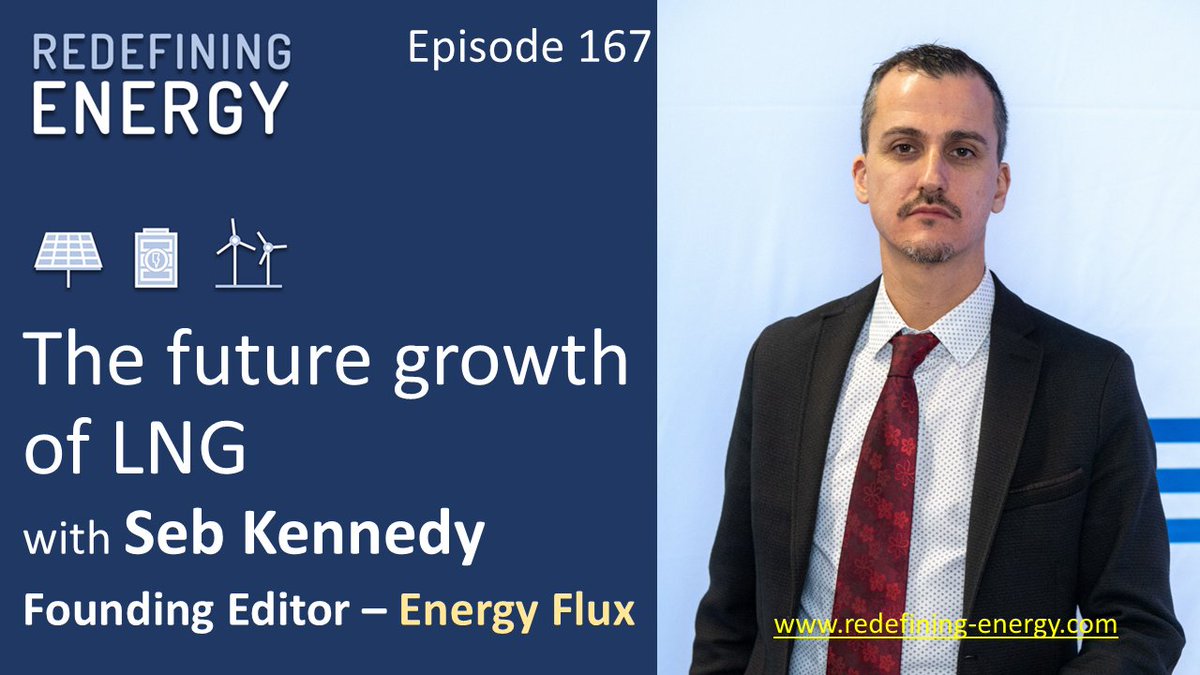
🎙️Ep167 - The future growth of LNG
#Applepodcasts podcasts.apple.com/gb/podcas…
#Spotify open.spotify.com/show/4FDIRo…
@MegaWattXinfo and @gerardreid14 invite
@seb_kennedy to discuss the present and future of the LNG Market
1
70
26 Jan 2025
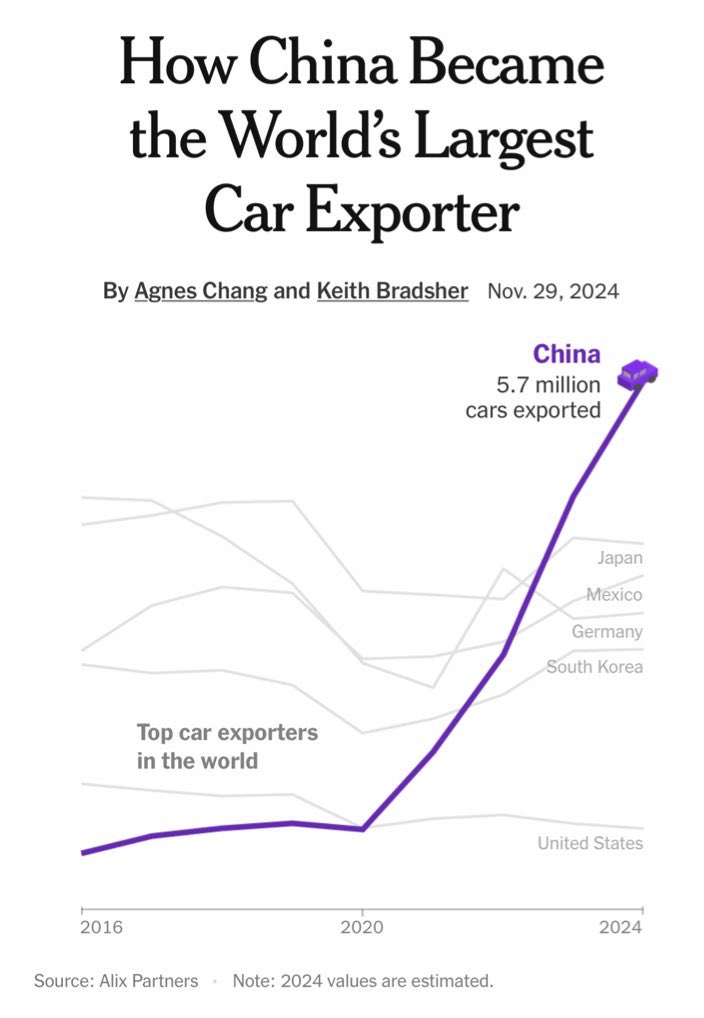
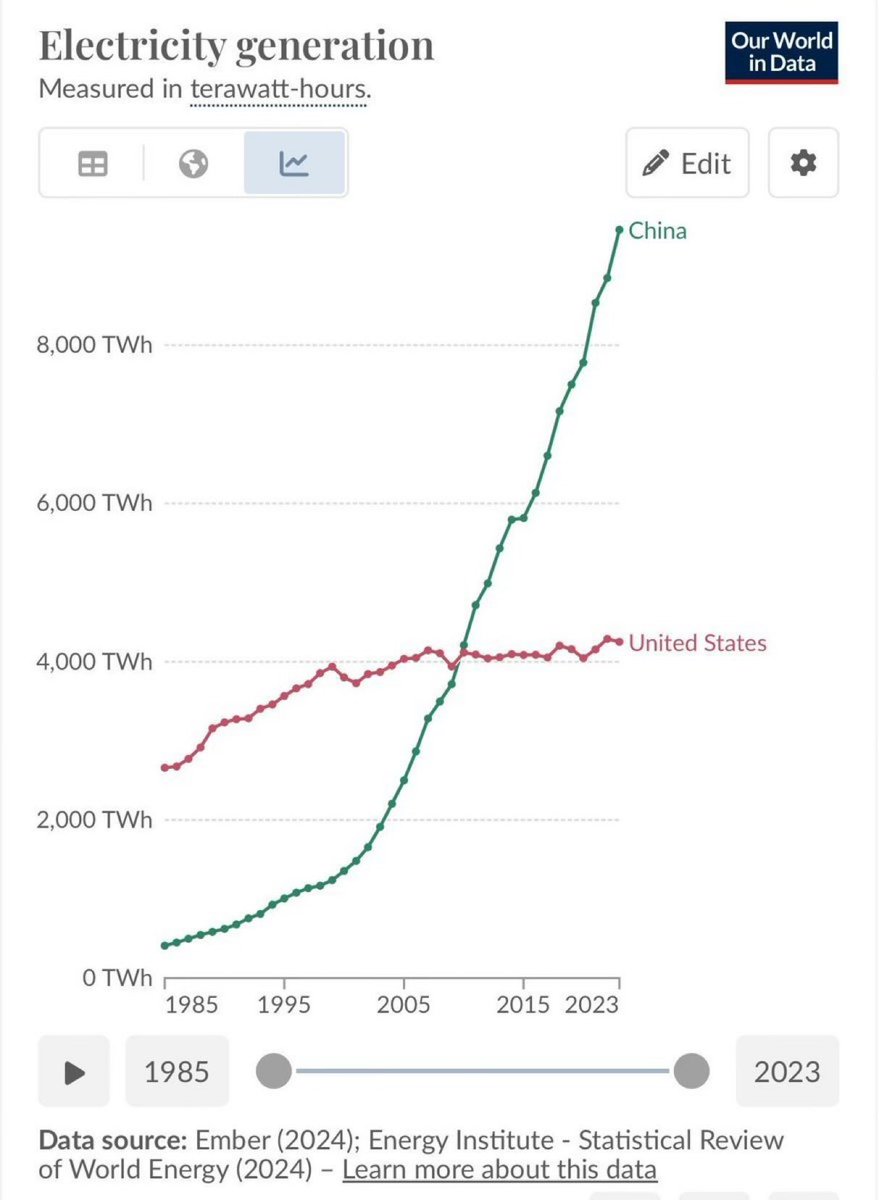
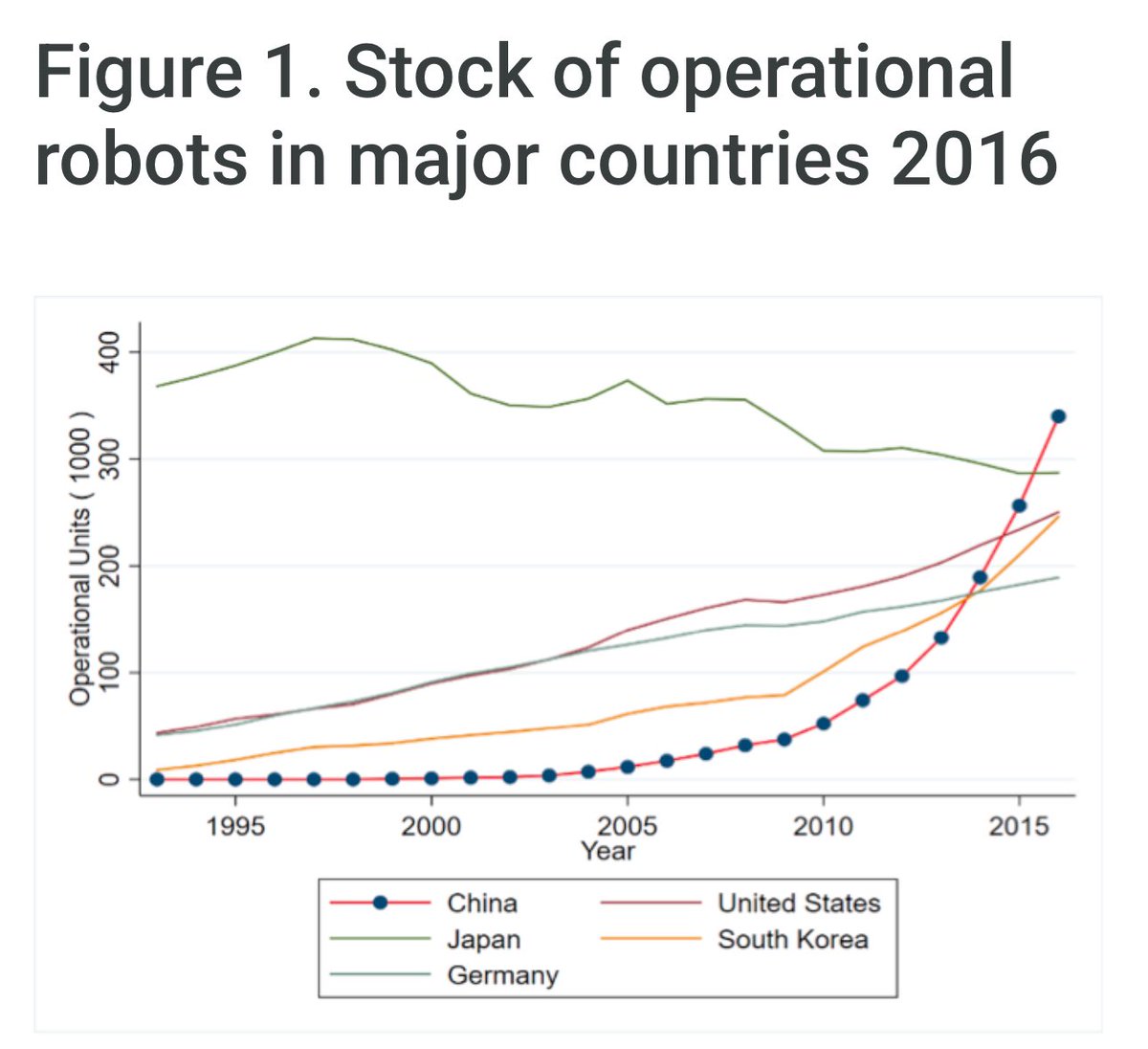
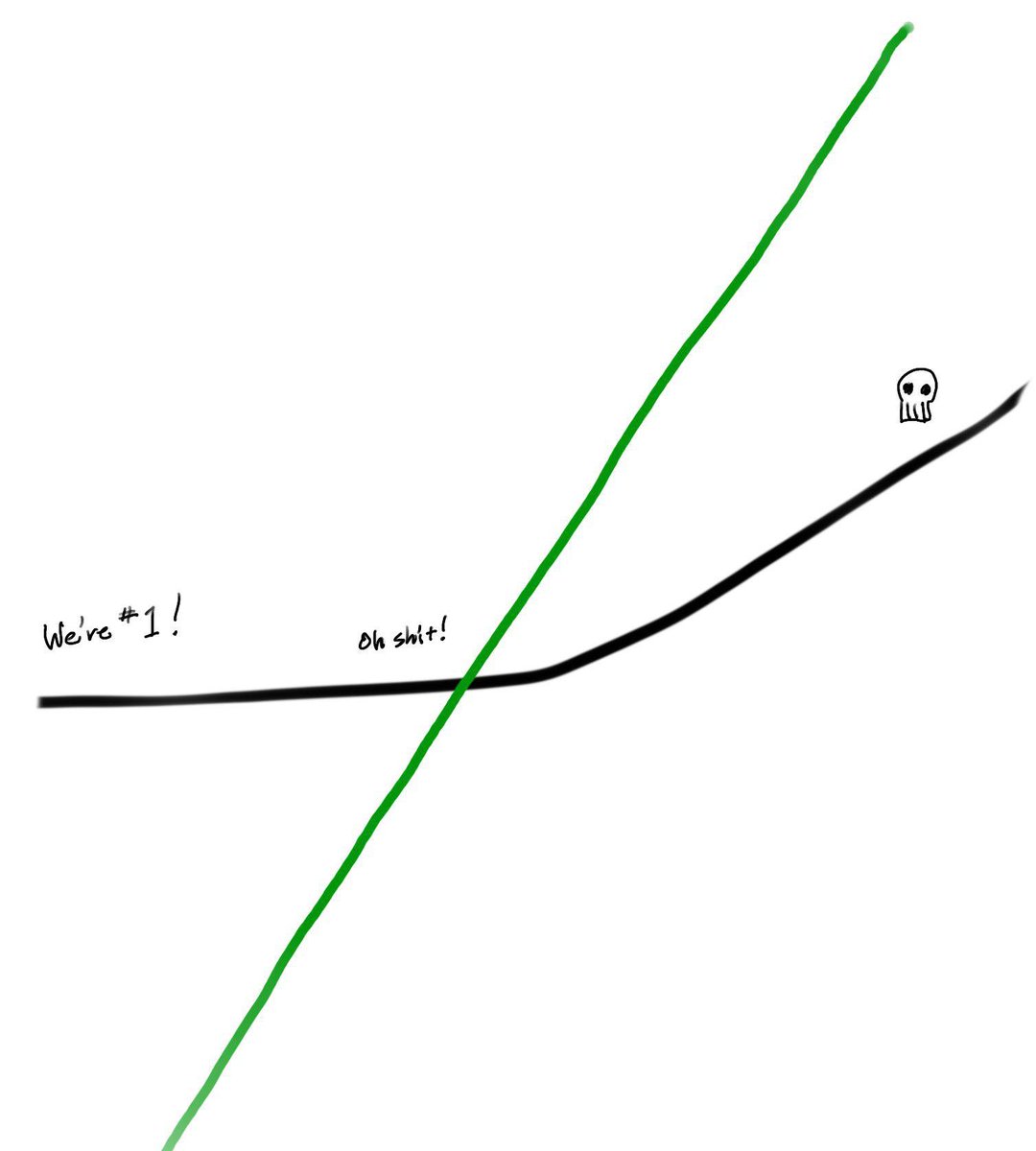
No country can thrive being energy poor

211
26 Dec 2024
57
13 Nov 2024
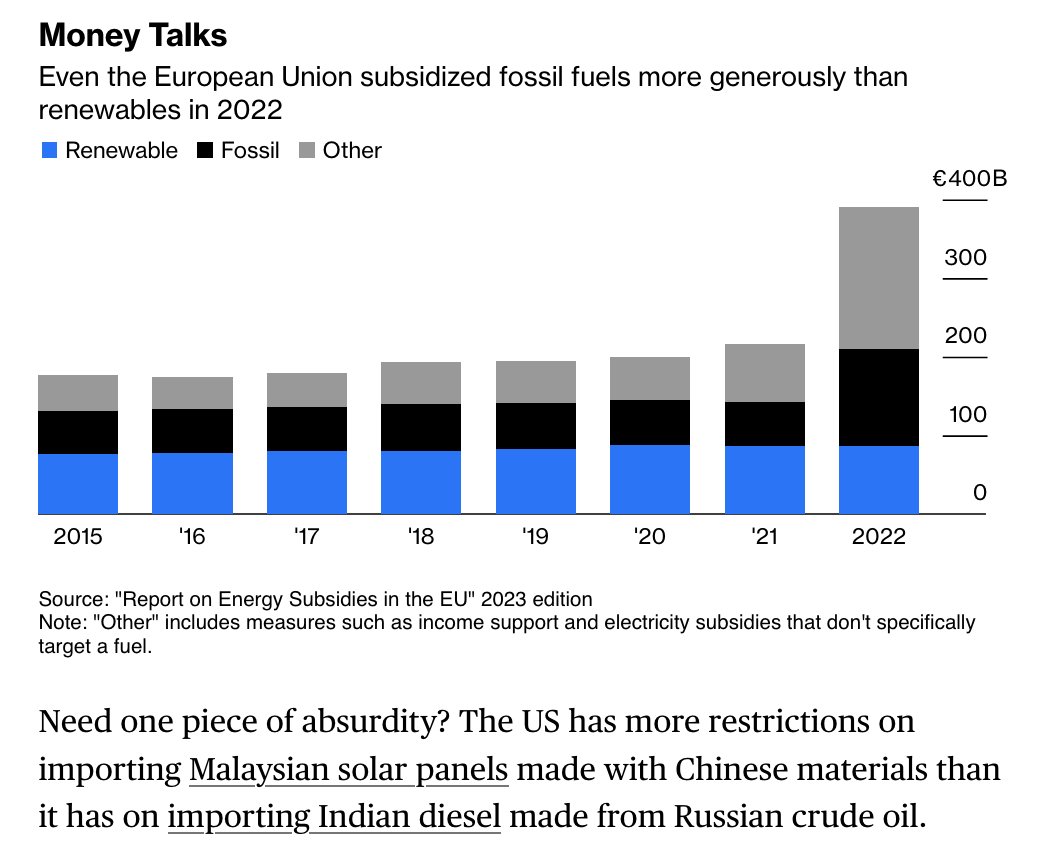
It is absurd that EU Provides less incentives to Renewables than fossil fuels
12 Nov 2024

EU subsidized fossil fuels more generously than renewables ('22)
@davidfickling is back:✍️
"Need 1 piece of absurdity? US has more restrictions on importing Malaysian solar panels made with Chinese materials than it has on importing Indian diesel made from Russian crude oil."
1
10
1,042
25 Sep 2024
#ClimateWeekNYC2024
What an intense yet inspiring three days in NYC with investors, partners, and fellow climate action advocates! It's always rejuvenating to reconnect, share insights, and align our efforts towards a sustainable future.
Thank you to everyone who made these discussions fruitful and inspiring. Let's stay committed and proactive. See you next year, and in the meantime, let's turn our commitments into action for our planet!
🌍📷 #ActOnClimate #Sustainability #ClimateActionNow
1
55

#ClimateWeekNYC has started so make sure you're following the Opening Ceremony with our fantastic speakers discussing #climatechange and making sure we're tackling the biggest issues the world is facing. Watch the live stream here climateweeknyc.org/opening-c…
1
2
305
22 Sep 2024
In NYC for the Climate Week by @ClimateGroup
Let’s connect and chat! #ClimateWeekNYC #Sustainability #energytransition
51
19 Sep 2024
I’ll be attending Climate Week NYC by @ClimateGroup from Sept 22-24
Who is joining there? Let’s connect!
#ClimateWeekNYC #Sustainability #energytransition
1
2
87
Nick Martyniuk e/acc retweeted

20 Aug 2024
🚨 Hey folks I got something to announce:
I am launching a new investment fund brand:
Prototype Capital 🦾
A globally-active first-check investment fund.
We focus on cool stuff that's technical hard to achieve, but also still new enough to be a bit weird – globally.
Think Robotics in Eastern Europe, AI in SF, Software remotely, OpenSource SaaS, Space-tech in India, Reindustrialization of Europe, AI Agents in Brazil, among many others…
- $100k-$200k
- we say we invest early and we actually mean it
- with every 5th investment we are the first to commit
- only 6% of all ivnestments were after seed
- the brand will be a larger umbrella for all kinds of stuff from our own prototypes 😬, to streams, to communities, to investinpublic transparency efforts
- this is legally speaking a rebrand of my previous solo GP fund so we got track record to proof
- we do about 15-20 investments per year
Link in thread! 🔥
Please RT if you got a sec – Appreciate your launch support 🙏❤️
162
190
1,148
212,509
30 Jul 2024
Best approach ever

Singlehandedly the most important thing @rabois taught me was how to build startups the way Hollywood makes films
You write a script (vision), you cast the ideal leads (cofounders) and then you go build it
You don't A/B test your way to a generational co
1
118
30 Jul 2024
Amazing work @UpriseEnergy
29 Jul 2024

Witness the Uprise MPS in action! Our latest field test in the Ocotillo desert was a success. Next stop: Fiji for the ZE-Gen program. 🌍💨
#SustainableEnergy #WindPower #ClimateAction
youtu.be/24LrQVwGJIQ
1
46
Nick Martyniuk e/acc retweeted

24 Jul 2024
No AI summer here. People are busy launching new models.
24 Jul 2024

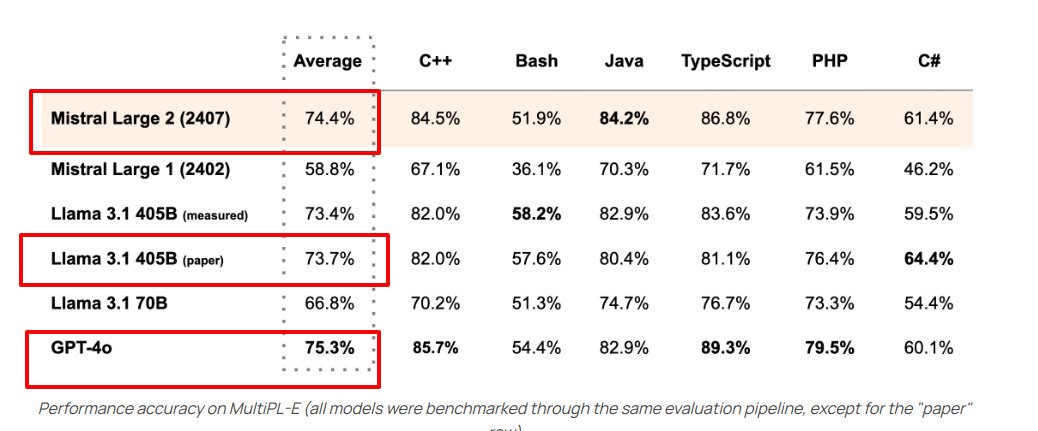
Mistral Large 2, a 123 billion parameter model with a 128k context window 🤯
- Outperforms Llama 3.1 405B
- Almost at par with GPT-4o
in coding and math benchmarks.
👉Under the Mistral Research License, that allows usage and modification for research and non-commercial usages.
1
2
100
18 Jul 2024
Congratulations!
18 Jul 2024

This is great news and will be instrumental in taking our project to the next level.
1
51
Nick Martyniuk e/acc retweeted

15 Jul 2024
Learn about our Mobile Power Station (MPS) in this quick 1-minute video! 🌬️⚡️ #RenewableEnergy #CleanTech
2
6
169
14 Jun 2024
Amazing lecture on Hydrogen, all you need to know
13 Jun 2024

youtube.com/live/w0Q9cuF8zKg
I just had the privilege to see this evening @MLiebreich deliver another master piece on #hydrogen at Imperial College London.
Then a debate with @g__j Kate Grannell and Tim Green.
Instant classic. A must see
154
30 Apr 2024
Great goal! More renewable it is!

83