
Joined December 2012
- Tweets 5,099
- Following 372
- Followers 705
- Likes 10,886
183 Photos and videos





Ahlad Ninoy retweeted

Brutal
Jun 11

Imagining the urgent meetings in Marles’ office… “Australia always wanted Secretary Healey to resign, this was what we thought was the best optional pathway towards AUKUS cooperation and fulfilment from day one. We want a new UK Defence Minister not one that is in service.”
4
7
40
10,978
Ahlad Ninoy retweeted

Who is this legend?
Jun 1

This video was captured today in Hyderabad Metro during a morning office commute. A man was seen sitting awkwardly with his foot resting on the seat - a clear lack of civic sense and respect for public property. What is happening to people nowadays?
40
39
187
26,764
Ahlad Ninoy retweeted
Kitchen detour
May 30

The Philippine Contingent led by Secretary Gibo Teodoro and CSAFP Romeo Brawner Jr. outsmart waiting Chinese media by taking a detour through a kitchen at the Shangrila Hotel in Singapore.
2
3
56
7,706

🤔Una colegiala filipina se enfrenta a un guardia de seguridad armado en el centro de la capital, Manila, después de que este intentara expulsarla por la fuerza mientras vendía bocadillos.
"El incidente provocó la indignación pública y el guardia fue despedido inmediatamente"
Community note
La mujer en el video tiene 22 años, no es una colegiala, y vendía guirnaldas de sampaguita, no bocadillos. philstarlife.com/news-and-views… mb.com.ph/2025/1/21/secu… rappler.com/business/sm-me…
426
765
6,530
5,323,652
Ahlad Ninoy retweeted

May 26
Video shows dozens of drones crashing into Sydney’s Darling Harbour after a “technical malfunction” disrupted an annual light festival, forcing organisers to call off the event.
22
127
333
71,182
Ahlad Ninoy retweeted
Easy to berate the MEA (and some of it is no doubt deserved) but surely the main problem here is resourcing: the IFS is always going to struggle to deliver what the PM wants if it remains ***hugely*** under-resourced relative to India's size, heft and (rapidly growing) power
May 21

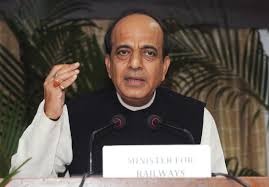
Prime Minister Narendra Modi recently issued a sharp rebuke to the Indian Foreign Service (IFS), expressing dissatisfaction with senior diplomats for their slow, cautious, and narrow approach to international relations. The appointment of Dinesh Trivedi as India’s Ambassador to Bangladesh signaled this shift, highlighting a move toward more strategically calibrated appointments.
The core criticism centers on "diplomatic vectoring" a tendency to reduce diplomacy to routine courtesies, cultural events, and bureaucratic rituals rather than substantive strategic engagement. This inertia, observed in both veteran and younger officers, is seen as a structural fault line that hinders India’s global ambitions and doctrine of strategic autonomy.
To address this, the government is advocating for a transition to "Smart Power Diplomacy." This model demands a "whole of government" approach, where officers move beyond siloed operations to build deep, resilient networks and actively engineer pathways for India’s strategic and economic interests. The message from the top is clear: the era of "photo op diplomacy" is over. The IFS must now replace bureaucratic routine with intellectual sharpness and purposeful urgency to match India’s accelerating rise on the global stage.
3
5
30
7,264

May 22
RT @theage: Exclusive: Melbourne Airport to scrap kerbside pick-up and drop-off
theage.com.au/national/victo…
4
Ahlad Ninoy retweeted

May 16
An Australian man missing in Taiwan for seven days has been found alive and he has his music skills to thank. Stranded on top of a mountain, he played his saxophone to get the attention of rescuers.
1
10
46
6,221
Ahlad Ninoy retweeted
Quick story here - Solomon Islands set to get a new Prime Minister next week after Manele narrowly loses vote of no confidence abc.net.au/news/2026-05-07/s…

Breaking: motion of no confidence passes Solomon Islands parliament by the barest of margins. Prime Minister Jeremiah Manele ousted from office in a vote of 26-22, with two other MPs absent
1
18
29
4,553
Ahlad Ninoy retweeted
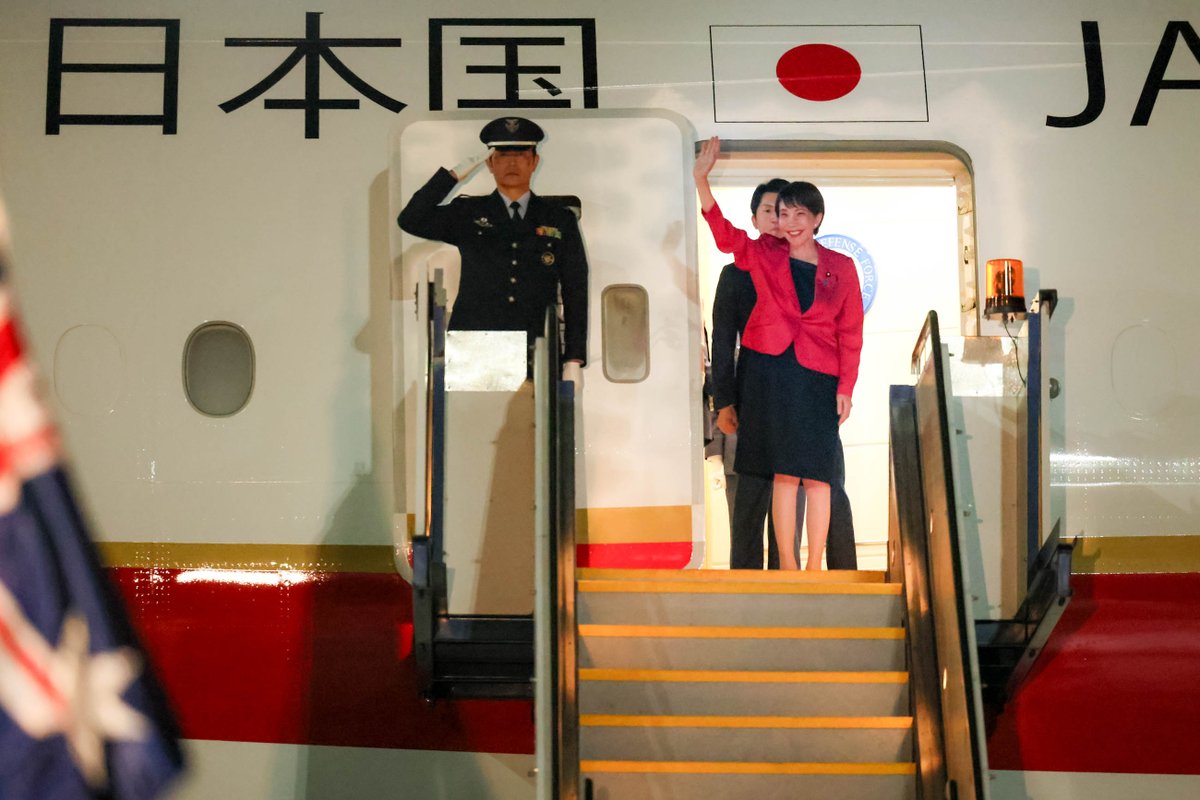
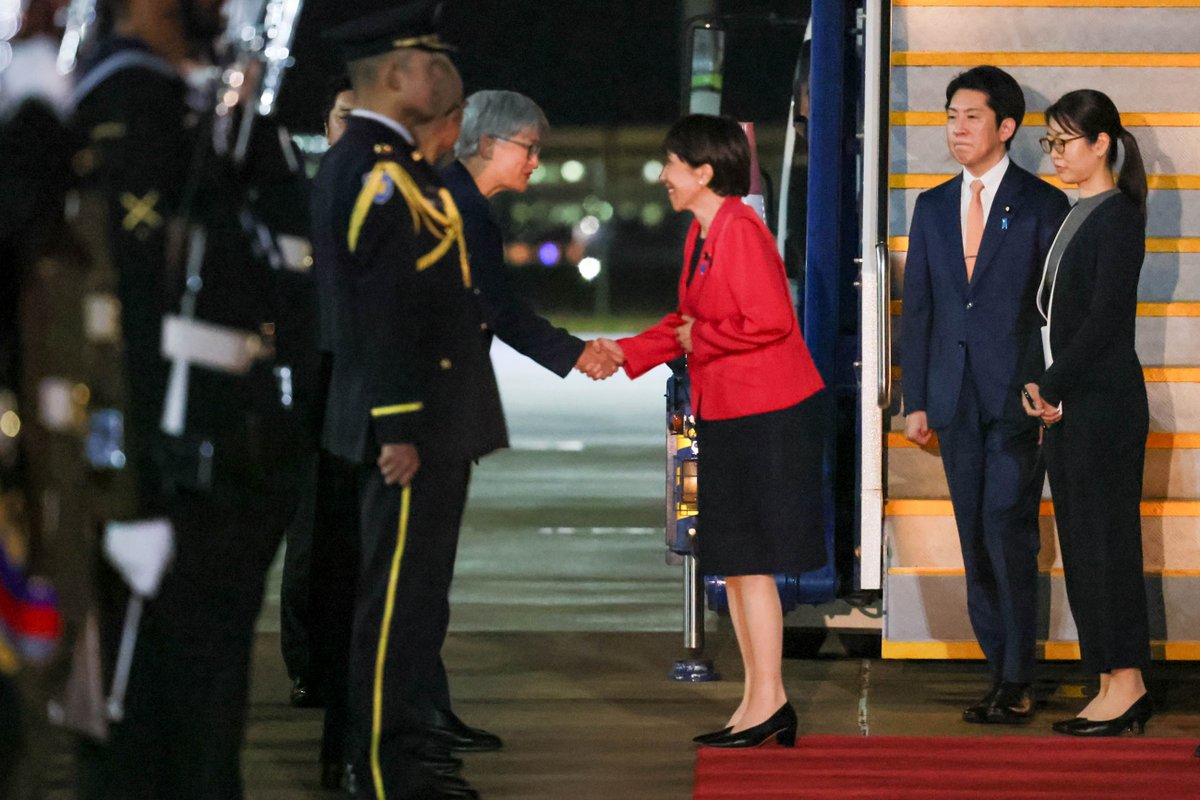
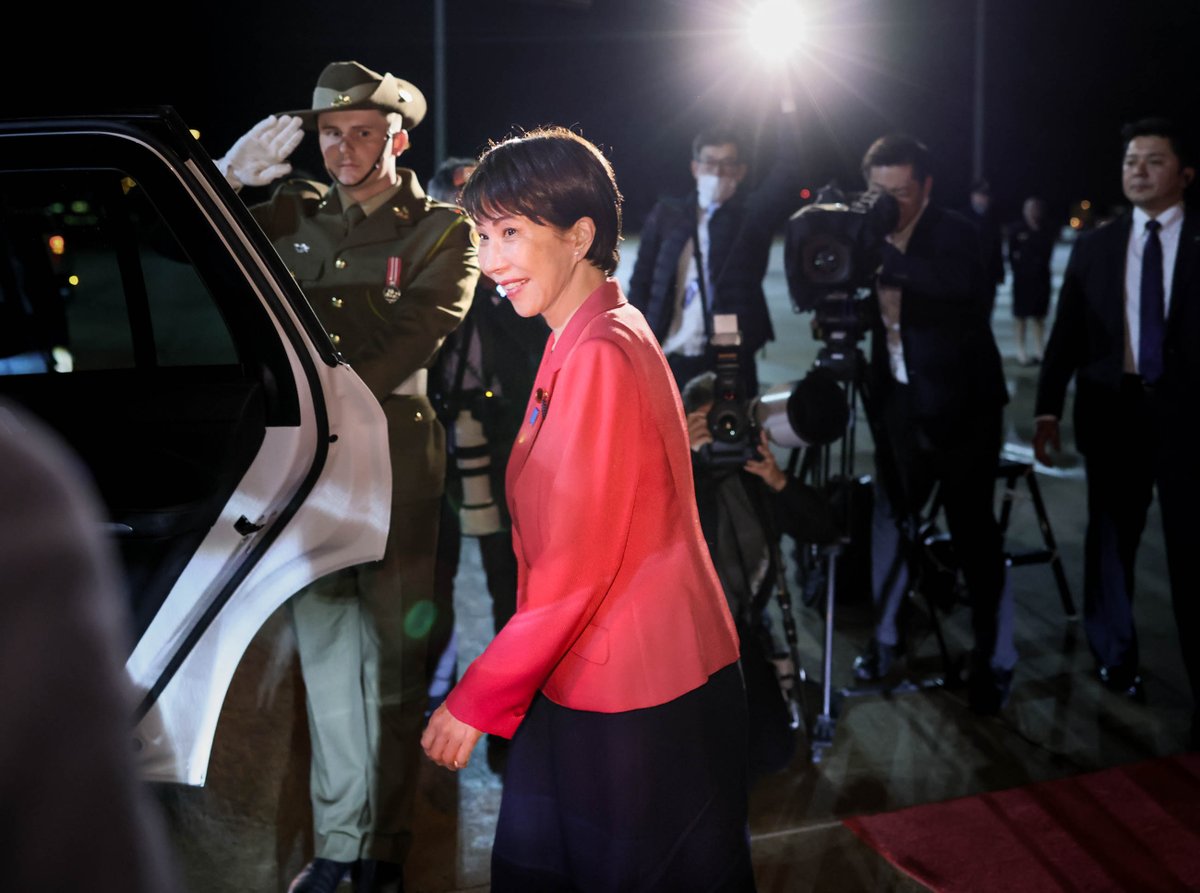
Takaichi arrives in Canberra - standby for updates today
May 3

オーストラリアの首都キャンベラに到着しました。
日本の総理として、約3年半ぶりのオーストラリア訪問になります。
本年は日豪友好協力基本条約署名50周年という節目です。
地域の安全保障環境が一層厳しさを増す中、この半世紀、揺るぎない友好関係を築いてきたオーストラリアとの連携はますます重要になってきています。
アルバニージー首相@AlboMPとの間で、重要鉱物やエネルギー安全保障を含む経済安全保障、経済、近年の強固な日豪関係の基盤となっている安全保障、人的交流といった幅広い分野の協力について議論を行うとともに、地域情勢や現下の厳しい国際情勢についても、真剣で率直な意見交換を行い、両国の連携を確認したいと考えています。

3
19
107
4,969
Ahlad Ninoy retweeted
You can be anything but not poor living in India. Bank staff will harass the vulnerable for all sorts of documents but shameless ones will sanction loans barring all mandatory regulations for the ultra rich. Will they ever treat the rich defaulters this way?
Curse fall on them
Apr 28

A man in Odisha dug up his deceased sister’s grave and brought her skeleton to the bank Just to prove she had died.
He had been trying to withdraw ₹20,000 from her account, but bank officials kept insisting he bring the account holder in person. Despite repeatedly telling them she had passed away, they didn’t listen.
Frustrated and unaware of the legal process, he took this extreme step.
This incident shows not just a lack of awareness, but also a failure of basic human understanding in the system.
16
22
114
6,170
Ahlad Ninoy retweeted

Apr 28
We need a Charter of Customer Rights. Banks have become too big & arrogant. @RBI
Apr 27

A heartbreaking story from Keonjhar has shaken Odisha.
Jeetu Munda, a poor villager from Mallipashi, lost his sister two months ago. ₹19,300 remained in her bank account. He reportedly made repeated visits to withdraw the money for urgent needs, but was told the account holder must come in person to sign.
He kept explaining that she had died. No one listened.
Left helpless by an insensitive system, he allegedly brought his sister’s skeletal remains to the bank just to prove the truth.
Think about that.
When rules are bent for corruption, files move fast. But when the poor need dignity, compassion and common sense, the system becomes rigid.
This is not just one man’s tragedy. It is a mirror to governance, banking accountability and how India often treats its most vulnerable citizens.
Odisha deserves answers. Who failed Jeetu Munda? And how many more suffer silently every day?
Humanity should never require proof in bones. #Odisha #Keonjhar #Justice #BankingReform

294
3,656
14,994
326,428
Ahlad Ninoy retweeted
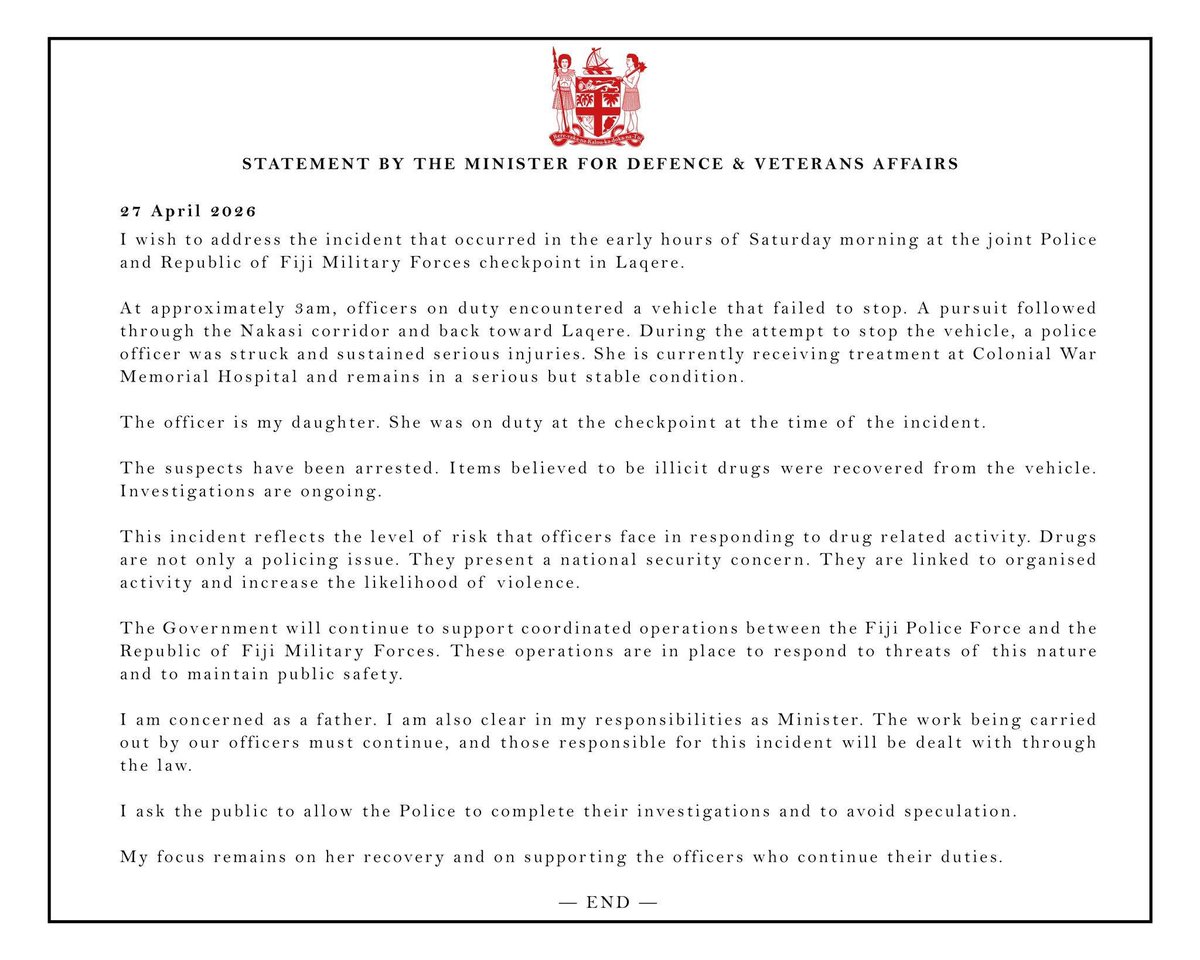
Awful. Fiji's Defence Minister confirms his daughter - a police officer- was seriously injured after she was hit by a car carrying drugs at a checkpoint

17
49
6,280
Ahlad Ninoy retweeted
Priceless
Expectations growing Indian PM Narendra Modi will visit Australia in July as part of a broader regional tour. If the visit is locked in then it will have been a pretty decent line-up of visitors to Australia over just four months: Carney, von der Leyen, Takaichi, Modi
6
21
193
30,976
Ahlad Ninoy retweeted

Apr 18
Australia and Japan have signed an historic $10 billion deal for three Japanese-built warships.
The first of the three new Mogami class frigates will arrive in 2029. @ollie_haig #9News
18
12
67
10,649
Ahlad Ninoy retweeted
don't want to be mean-spirited, but I'm just not convinced that an April Fools' Joke is a stupendously useful addition to the already festering blancmange of lies and disinformation within the modern social media ecosystem
5
10
98
5,634
Ahlad Ninoy retweeted

Mar 19
Strong reporting by @DominicWaghorn @SkyNews on the ground inside Iran. So important to get this perspective

Thousands of people in Tehran attended a mass funeral for the security chief Larijani and the crew of a sunken navy ship.
Sky's @DominicWaghorn reports from the mass funeral in Iran’s capital
trib.al/7rG8cF2
17
77
317
46,369
Ahlad Ninoy retweeted

Mar 16
Who is this woman, described as ‘the infiltrator’, convincing Iran’s players to withdraw their asylum claims in Australia?
#Iran #AFC #WomensAsianCup #Auspol
337
1,577
3,758
203,402
Ahlad Ninoy retweeted
Mar 16
What security arrangements have been put in place to prevent threatening regime messages from reaching the remaining two (of seven) Iran football delegates under Australian government protection?
#Iran #womensfootball #AFC #womensasiancup
128
203
519
43,096
Ahlad Ninoy retweeted
Mar 11
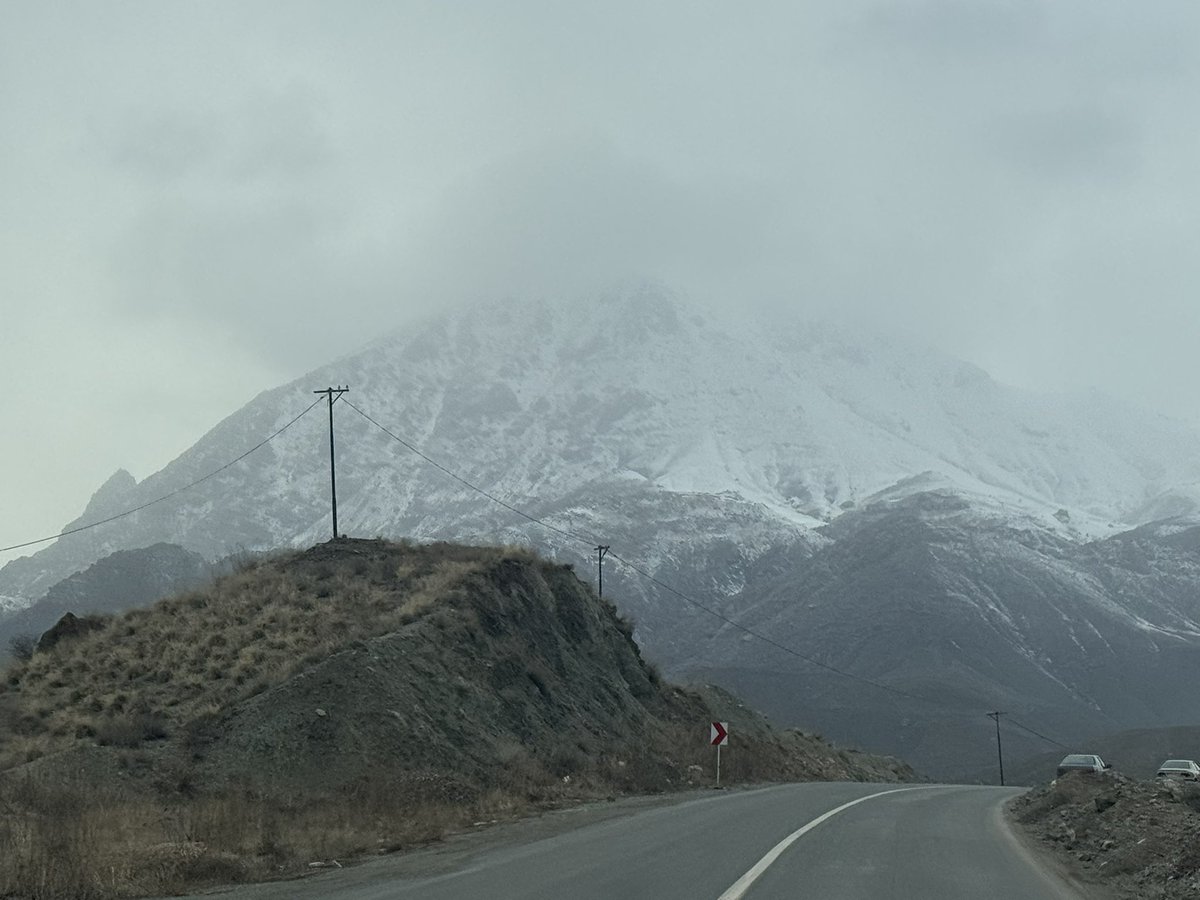
Just departed Iran after visas expired. Has been an interesting trip in difficult times. Hope to return soon. Big thank you to @claudiaotto who made everything happen and all our colleagues @CNN
226
498
5,682
251,382