Canary in the coal mine 🐤 rotting with #LongCovid since May 22. Looking for scientific insights and community. #Prevention is the way forward. 😷 Wear a respie
- Tweets 24,763
- Following 899
- Followers 2,906
- Likes 239,790

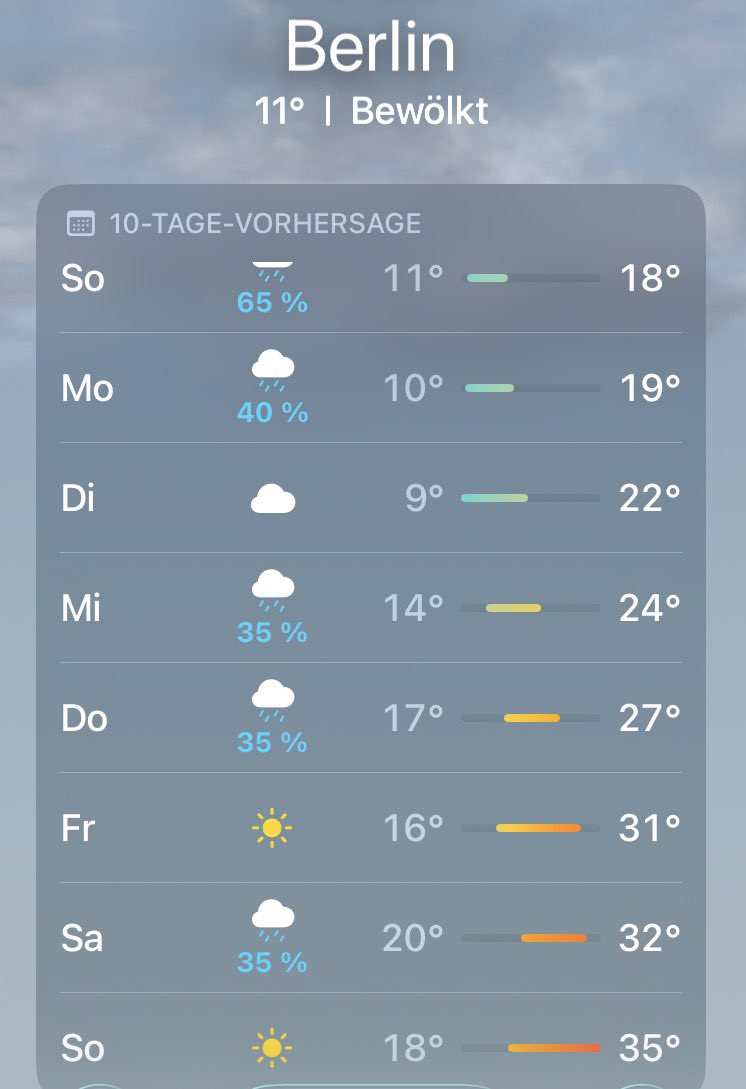







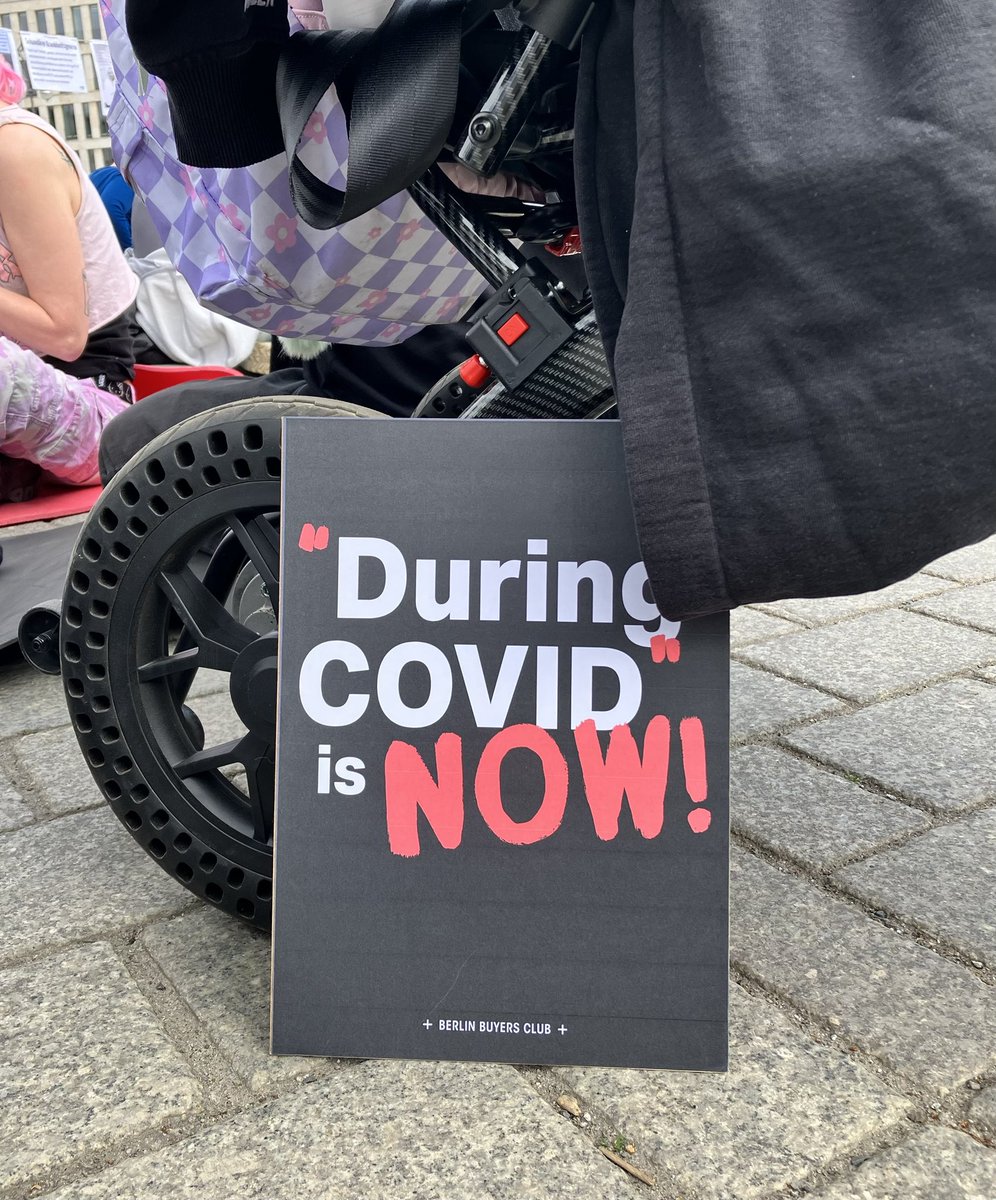
ALT a poster with a Berlin Buyers Club design saying „during covid is now”
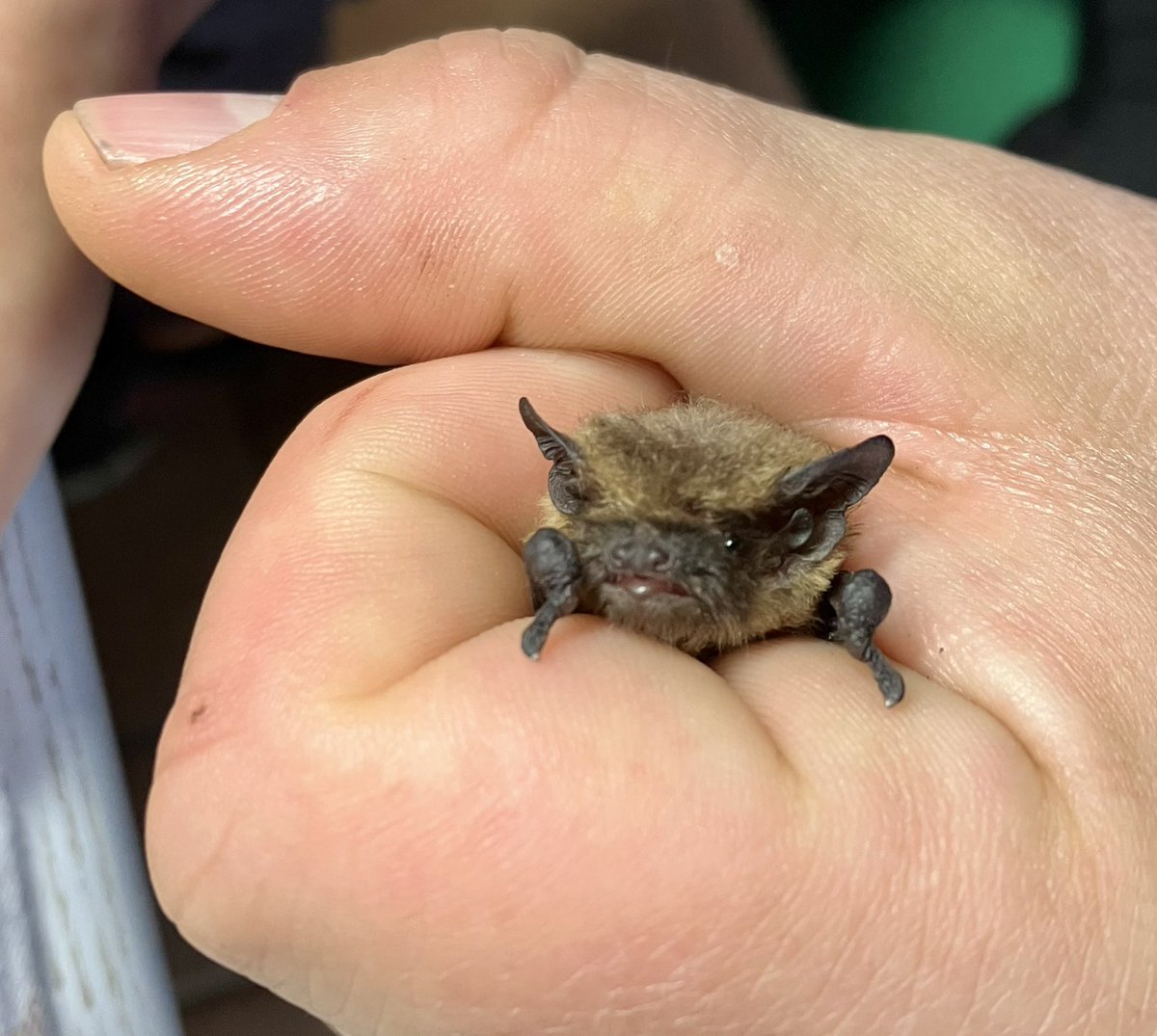
ALT a small-sized bat, her tongue sticking out, in the big hand of a rescuer






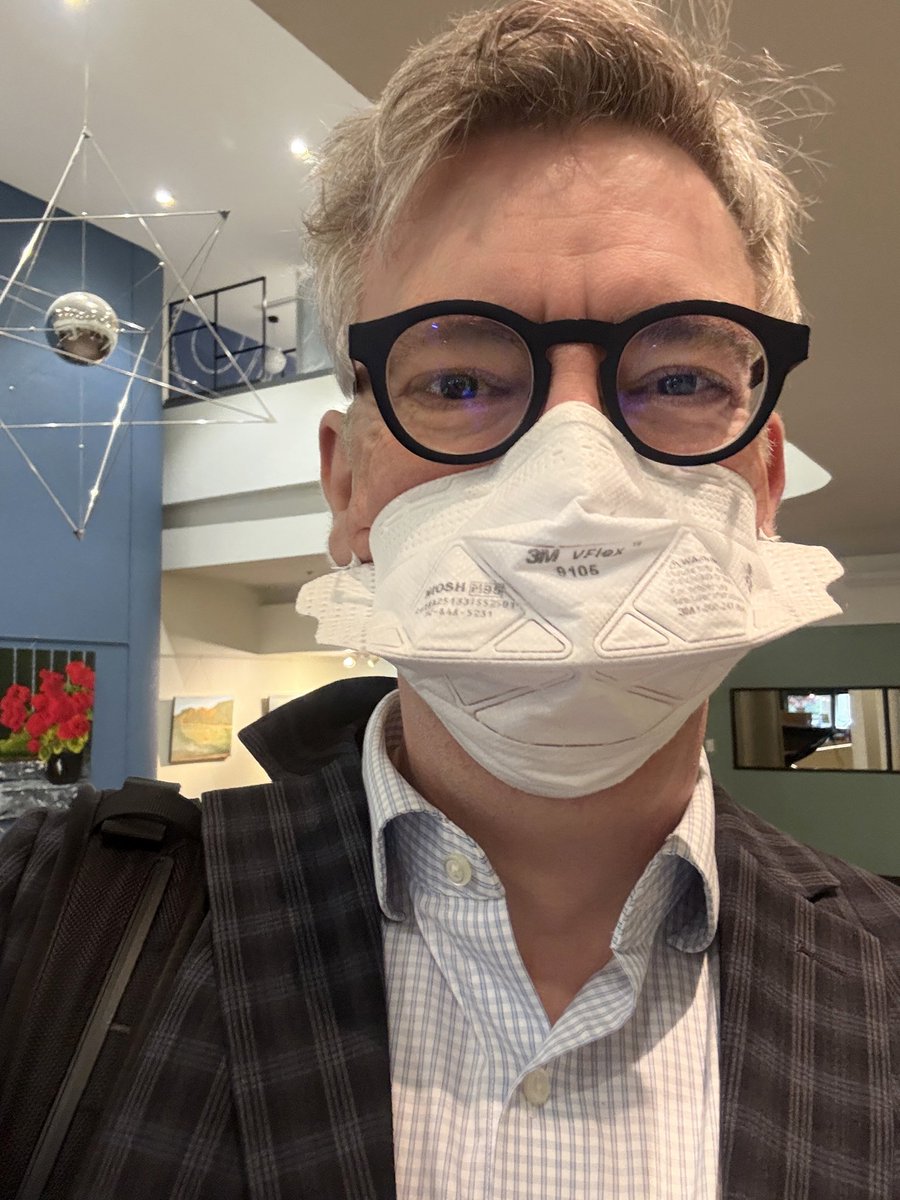
ALT Dr. David Keegan, newly appointed chair of Public Health Agency of Canada’s National Advisory Committee on Preventive Health Services, wearing a 3M V-flex N95 respirator, a plaid jacket and a check shirt, inside a building of The BC Health Ministry.


ALT Selfie wearing green polka dotted n95 mask sitting in a doctor’s office


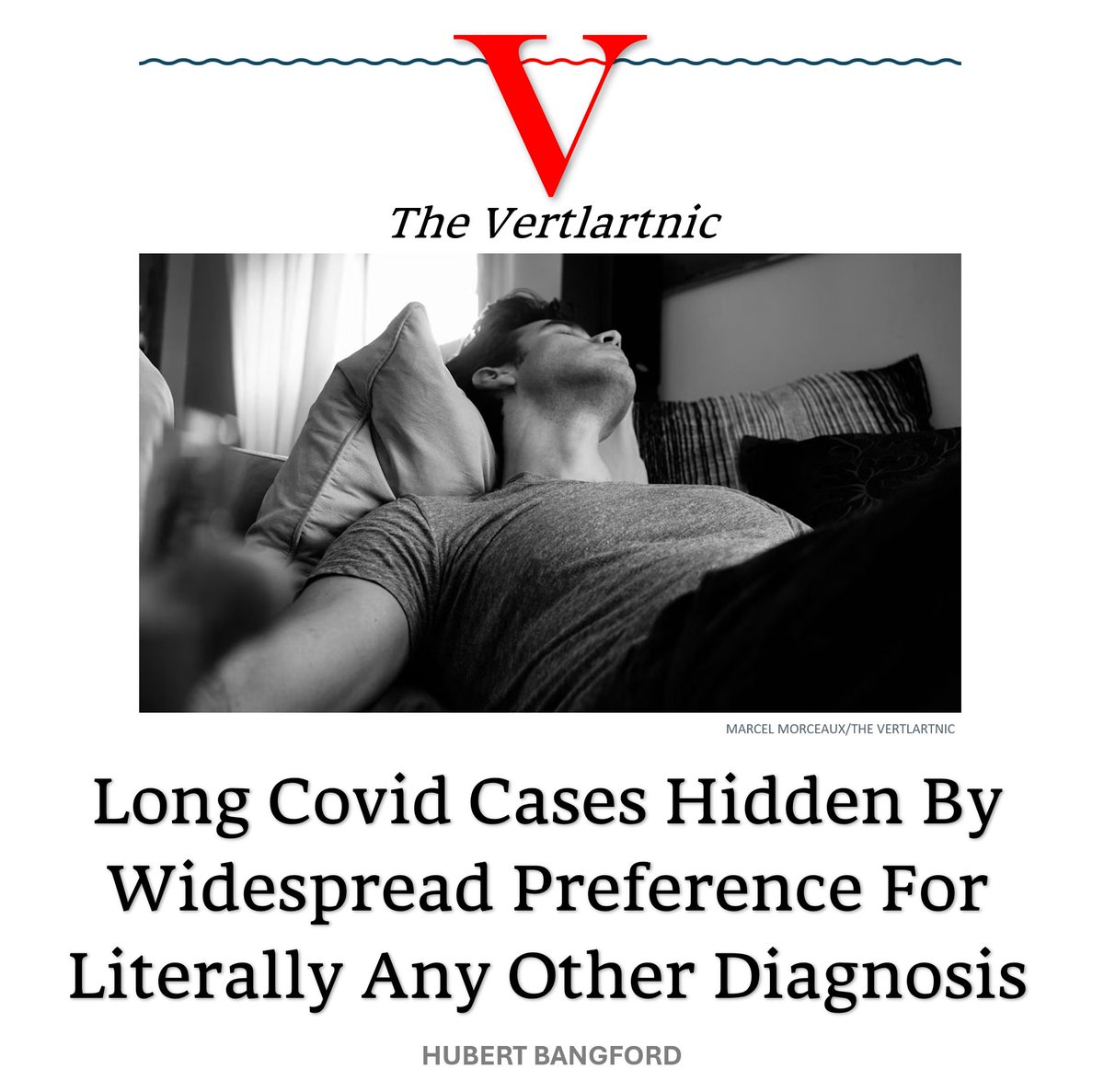
ALT Someone struggling with fatigue Headline: Long Covid Cases Hidden By Widespread Preference For Literally Any Other Diagnosis STory by Marcel Morceaux and Hubert Bangford Photo from Unsplash

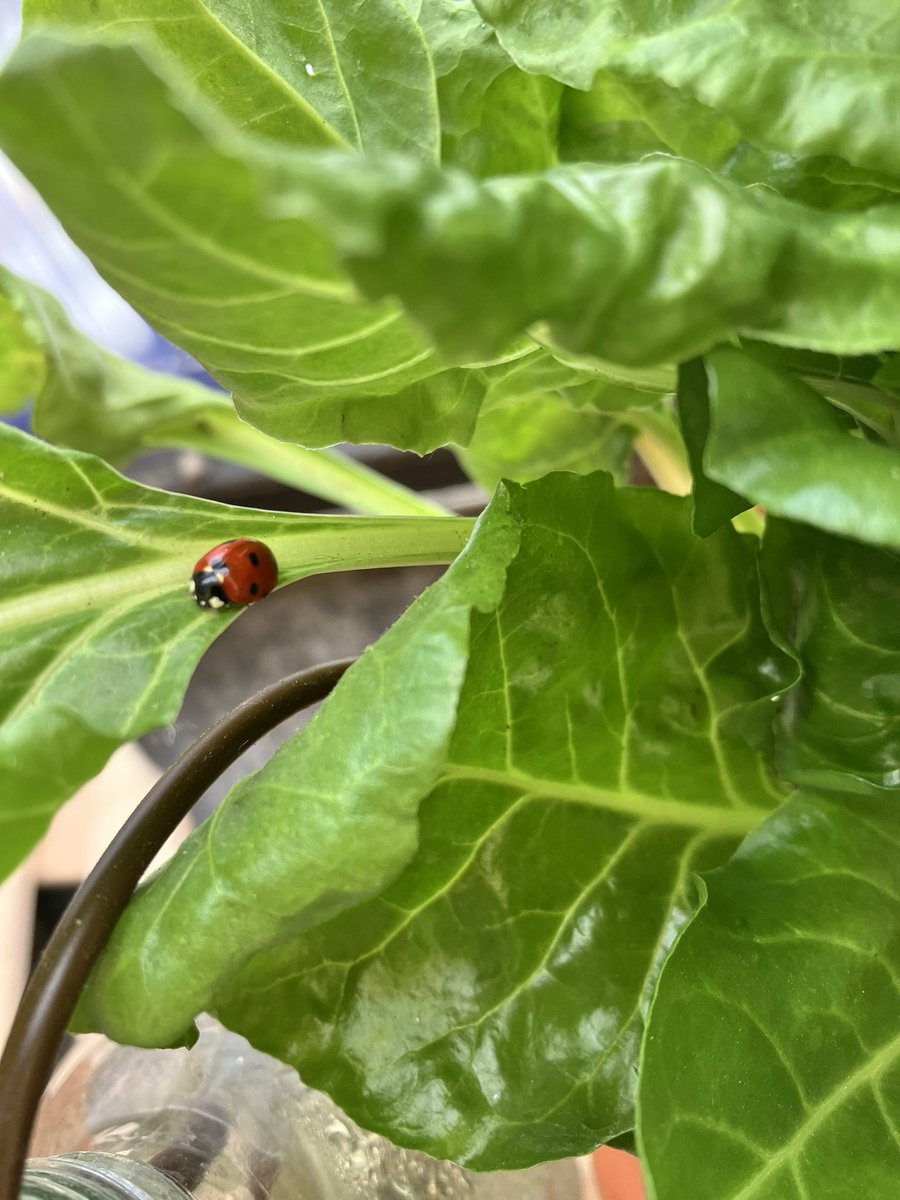
ALT a cute lady bug hiding amongst my Swiss chard leaves


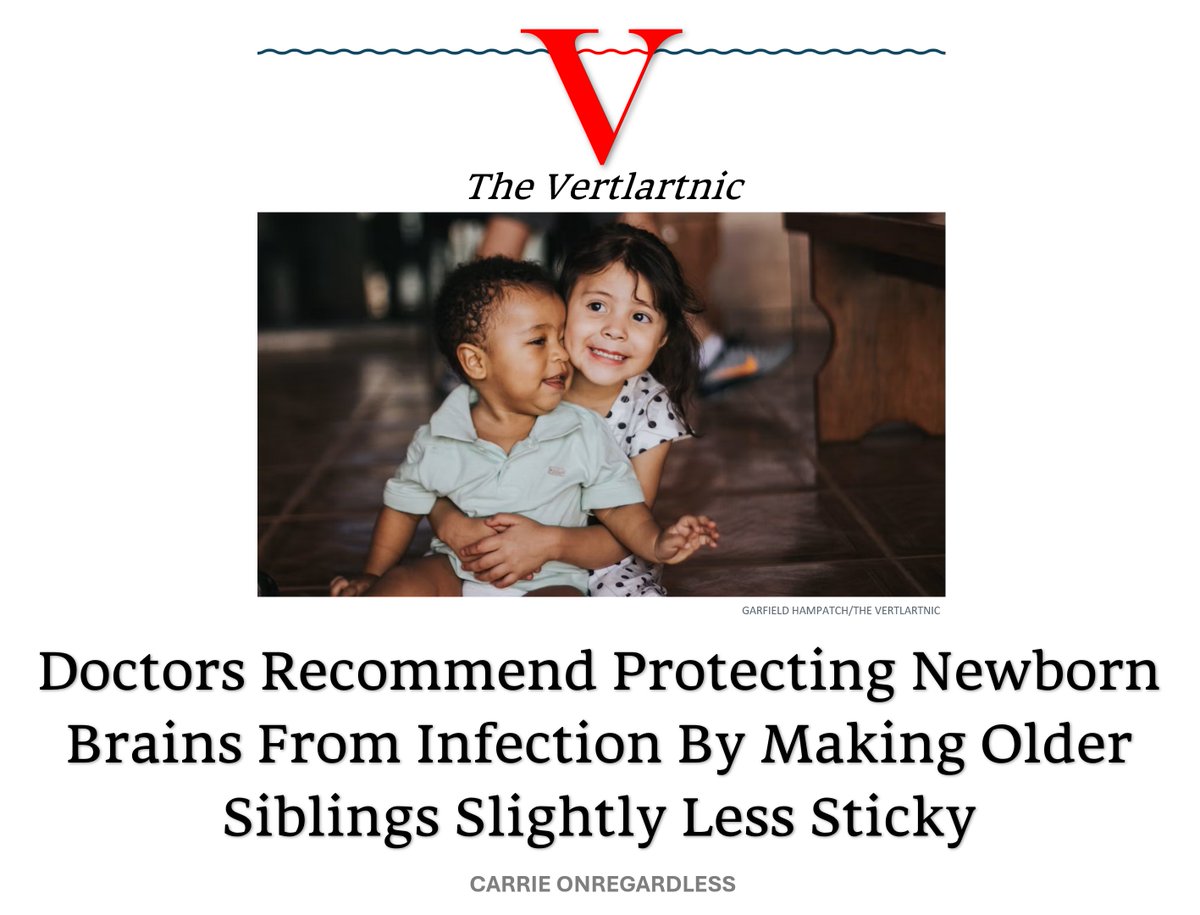
ALT Siblings squeezing Headline Doctors Recommend Protecting Newborn Brains From Infection By Making Older Siblings Slightly Less Sticky STory by Garfield Hampatch and Carrie Onregardless Photo from Unsplash
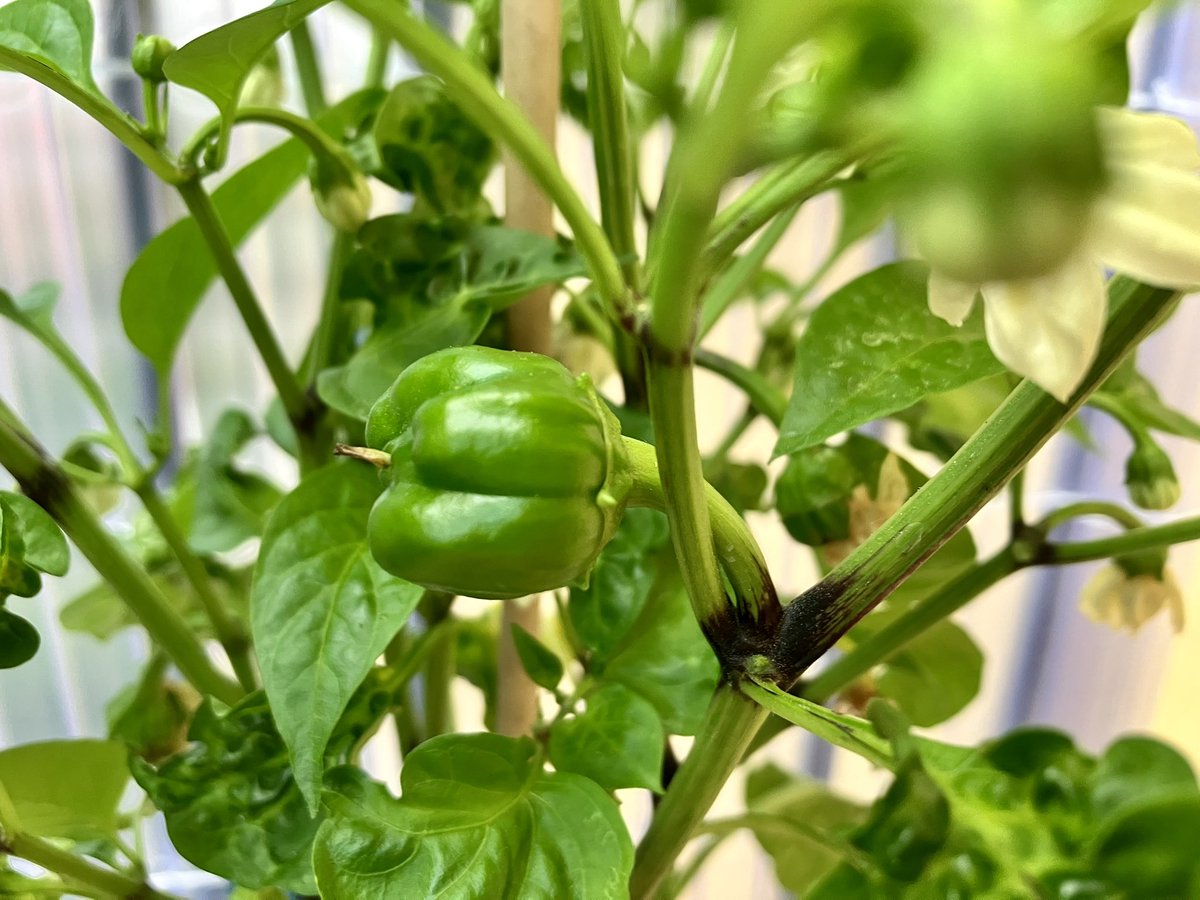
ALT The green butt of a snack pepper emerging from the flower


![4.1. Enclosed spaces and aerosol-mediated transmission
The MV Hondius shares structural characteristics with conventional cruise ships, notably its high density of windowless, airtight cabins reliant on central heating, ventilation, and air conditioning (HVAC) systems. Hantavirus virions, with a diameter of approximately 80 to 120 nm, fall within the respirable aerosol range and can remain viable for nearly 2 weeks at room temperature [9], [10]. The microclimate of cruise cabins and the HVAC system facilitate the persistence and rapid dissemination of viral aerosols throughout the vessel [11].](https://venexa.site/media/HKn2wsYawAAFvSG.jpg)
ALT 4.1. Enclosed spaces and aerosol-mediated transmission The MV Hondius shares structural characteristics with conventional cruise ships, notably its high density of windowless, airtight cabins reliant on central heating, ventilation, and air conditioning (HVAC) systems. Hantavirus virions, with a diameter of approximately 80 to 120 nm, fall within the respirable aerosol range and can remain viable for nearly 2 weeks at room temperature [9], [10]. The microclimate of cruise cabins and the HVAC system facilitate the persistence and rapid dissemination of viral aerosols throughout the vessel [11].