
@NotionHQ Solutions Partner | Helping venture firms & scale-ups save 20 hours/week by building agent-native workflows.
Joined March 2021
- Tweets 3,824
- Following 1,450
- Followers 7,075
- Likes 8,745
921 Photos and videos





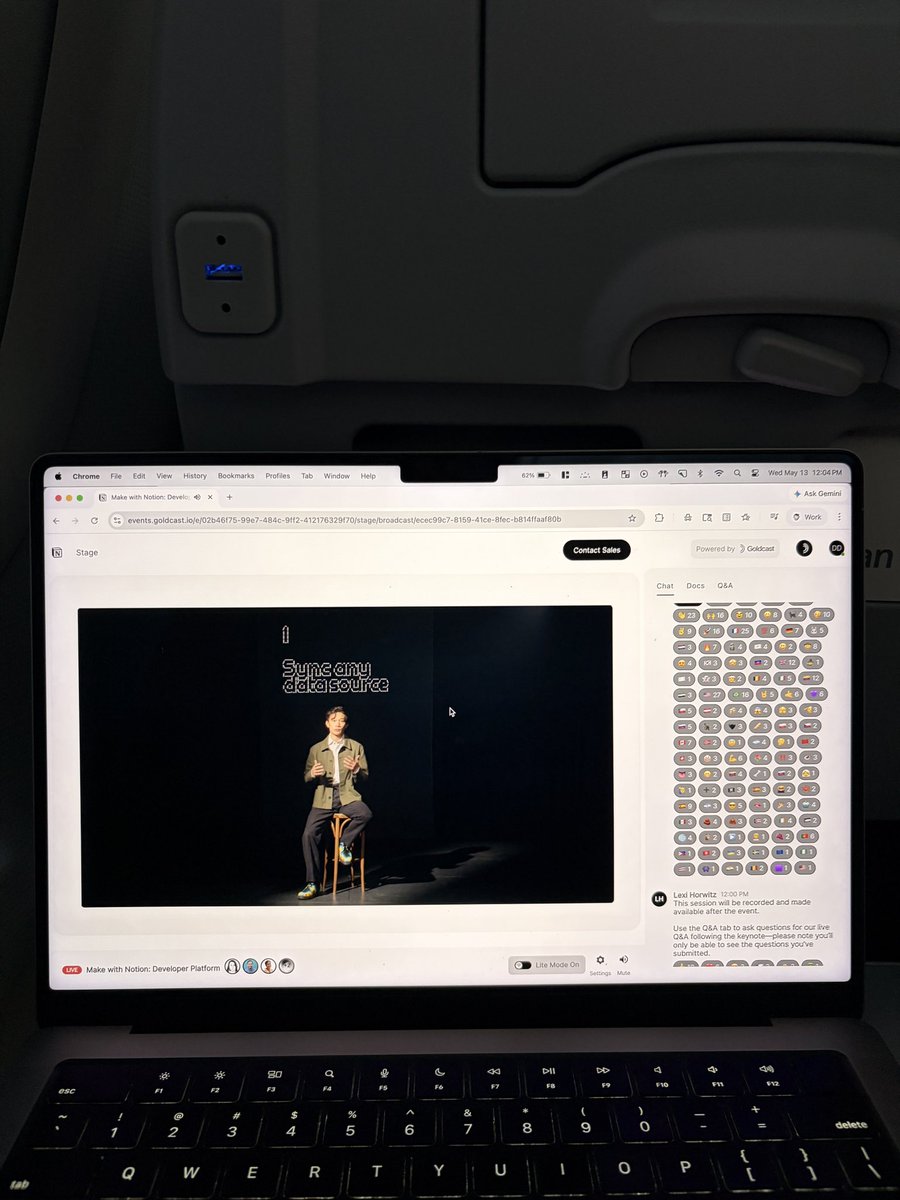




Shout out to all the dads watching the World Cup, and by watching I mean assembling furniture while the tv is on in the other room.
147
Take my money. Free Fable.


2
1
14
3,215

Jun 14
Name a better CEO I’ll wait.

3
1,716
Jun 14
Hot take: both are awesome cities.
Jun 13

If you’re in SF pivot to NYC.
253
Jun 13
Love this. 👏👏👏
Jun 13

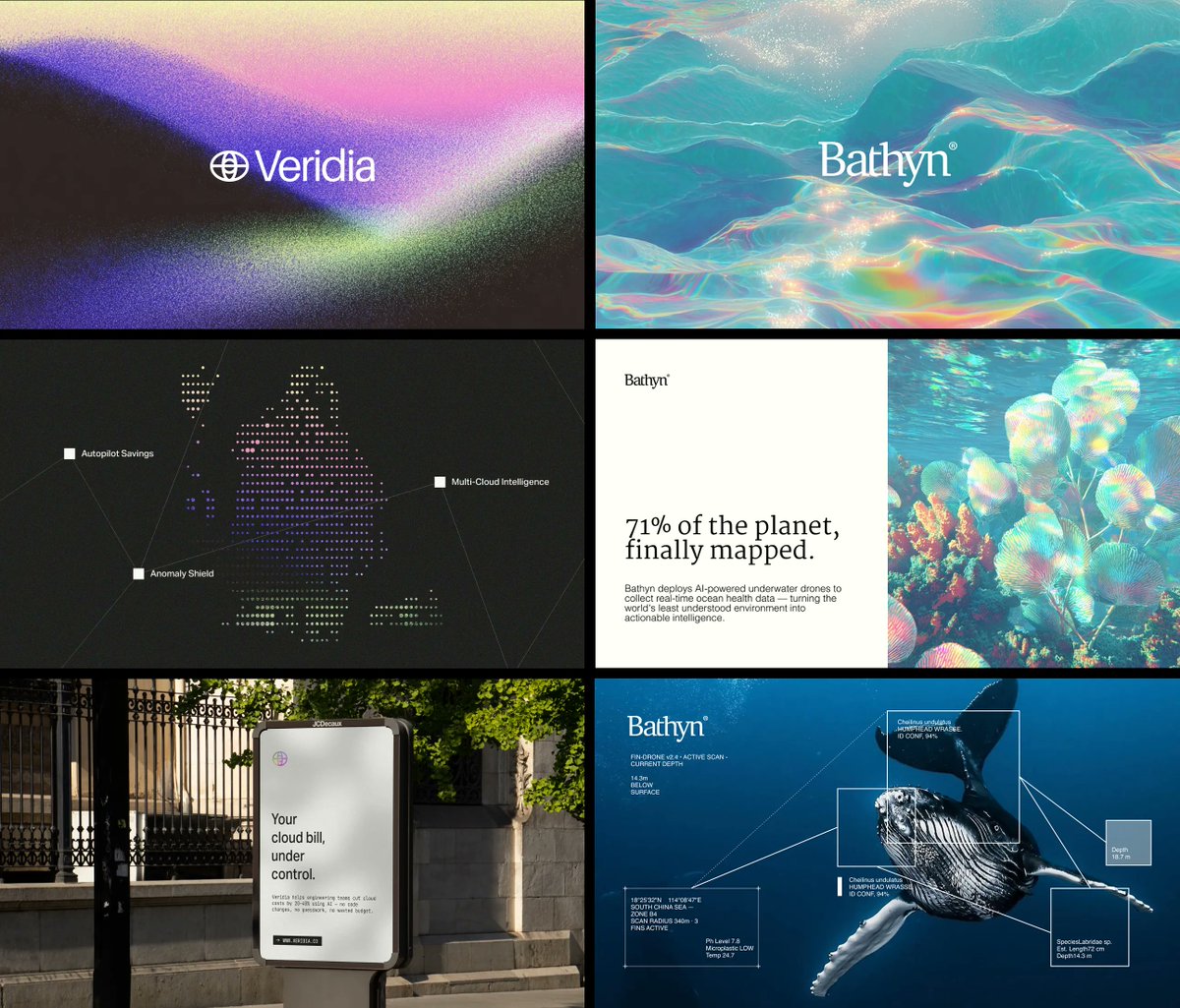
Claude Mythos 5 created these brands, it doesn't look anything like AI slop 🤯
Here's the prompts I used:
1
10
1,258
Jun 12
This is the first time I've used @claudeai for web dev without it feeling like a house of cards.
Absolutely insane how spot-on it is, with the right context.
2
274
Jun 10
What a time.
Jun 10

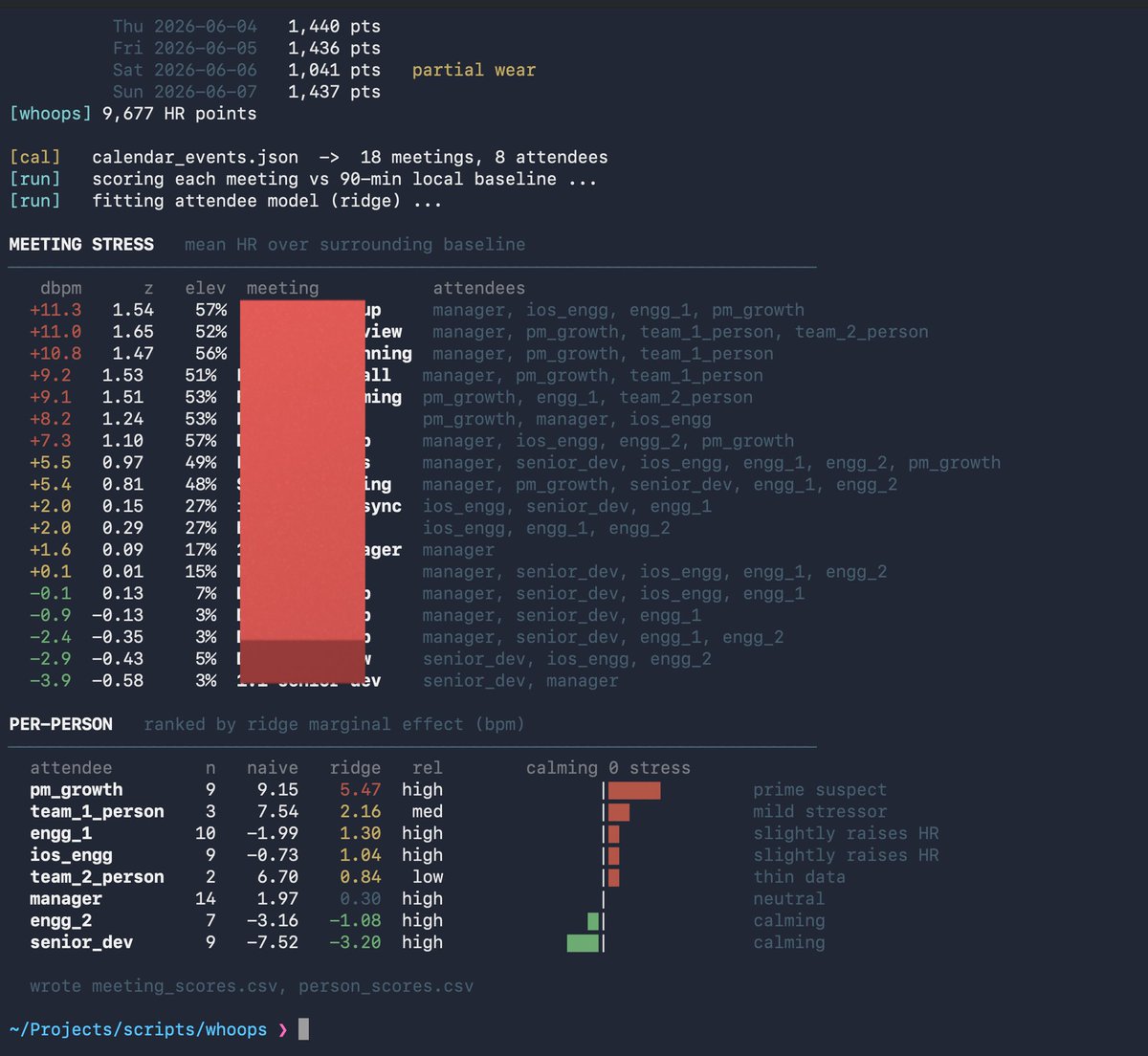
i hooked my whoop to my work calendar to find which coworker gives me the most stress 🚨
thanks to fable, I reverse engineered whoop to pull per minute heart rate. nd matched spikes with cal events and attendees
I now have a leaderboard and I think about it daily.
few info masked for obvious reasons ;)

2
396
Jun 8
Curious how everyone’s experience has been with @NotionHQ meeting notes.
I’ve dialed in instructions quite a bit which has helped, but it can be hugely inaccurate on clients’ workspaces, esp w/ attribution and creating rogue tasks.
1
1,464
Jun 4
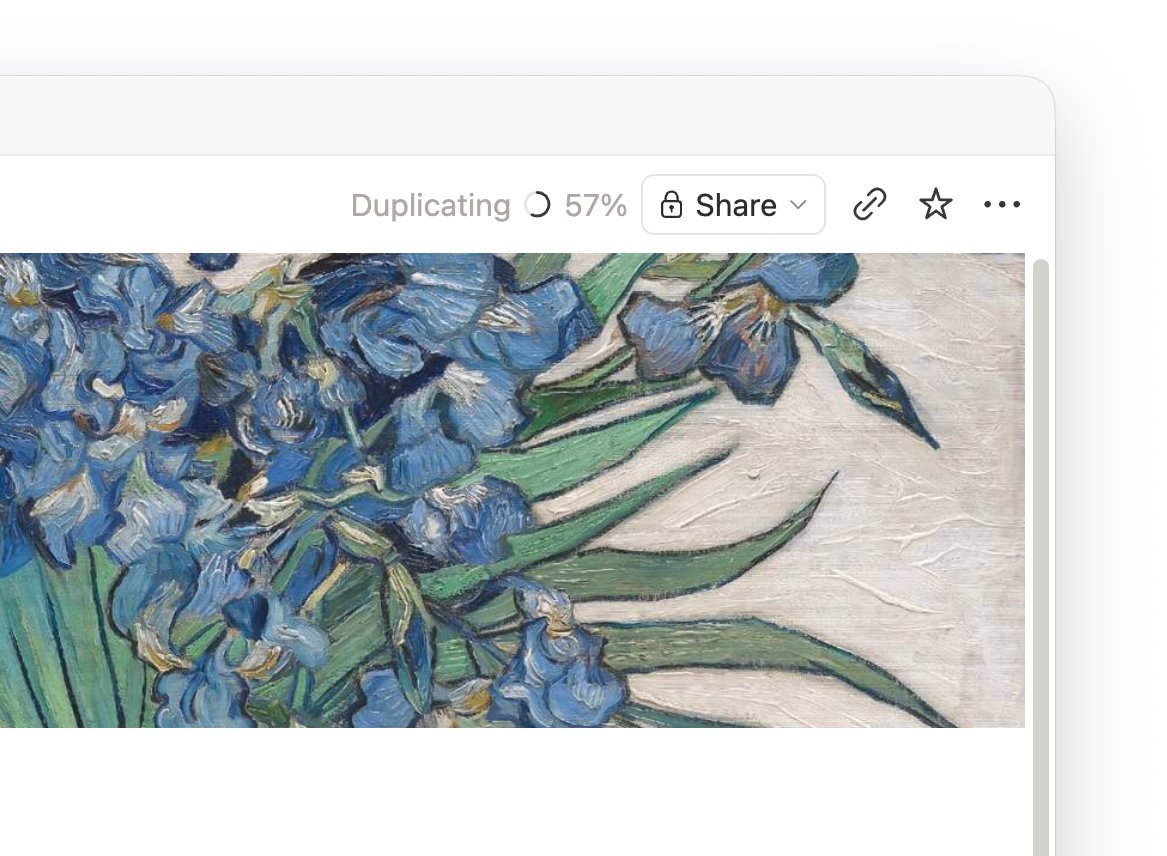
Huge shoutout to @NotionHQ for massively improving duplicating/moving pages.
This was often a headache, especially with high-volume databases.
Seeing the real-time progress, plus just overall speed...it is a huge quality of life improvement. 👏🏼👏🏼👏🏼
4
20
2,142
May 25
Finally got around to trying @ChatGPTapp Codex.
Very powerful.
Very fast.
Very economical with tokens.
1
4
429
May 22
Working with VCs then joining their vendor networks has truly been a gamechanger.
Always a reminder that investing in the right relationships is exponentially more valuable than simply creating more content.
1
2
218
May 21
Brian Halligan and @ivanhzhao unearthed a common term at @NotionHQ but is actually perfect for our moment in time: Jazz Mode. Best frame I've heard for AI-era org design.
And the cleanest answer to one of the hardest scaling problems: how to grow a team without killing what made it work in the first place.
From what I gathered, Jazz Mode = operators who improvise with little direction, and feel at liberty to push and pull into different/new directions. Structured exploration with the ultimate goal of making something new, great, cohesive.
It actually works pretty well as a framework for AI-native companies.
The jazz band-modeled company is whatever mix of humans and agents you've assembled. They make the music.
This highlights the trap a lot of companies fall into. They start with a tight group that ships, improvises, contributes. Then they scale. And the default move is to (d)evolve into a marching band.
Standardize the playbook. Formalize the chart. Push everyone to play preset sheet music. The magic that made the work special — the riffing, the improvisation, the contribution — gets pushed out by the machinery built to scale it.
Ivan described his role on the pod as being able to "dance around really smoothly either direction" — top-down when it's needed, bottom-up when the team's running. That's the producer's stance. The band wants total freedom. The label wants total predictability. Someone has to hold them together.
Jazz Mode is the alternative. Keep the structure light enough that the band can still play.
Reading it back, I kept landing on a question: for companies in jazz mode, what exactly is my role, parachuting in to design a new way of working?
I’m not part of the band. I’m not making any music directly. I'm there for a defined window, then I'm out.
The best analogy I could come up with is a producer.
I don't listen to a ton of jazz. But one album I keep coming back to is Miles Davis's Bitches Brew. It's a 1970 double album that doesn't really sound like jazz at all — electric instruments, rock and funk rhythms, sprawling tracks that loop and drift for 15-20 minutes at a time. Some of it sounds more like a film score than a cohesive album. There's nothing else quite like it.
I decided to go down a rabbit hole on how it actually got made. That's where I learned about Teo Macero — the producer Miles worked with at Columbia. Macero didn't play a note. He didn't write the music. He recorded Miles and his band in long, loose studio sessions, then cut and spliced the tape to build the tracks we now hear. The album as a record didn't really exist until Macero edited it into existence.
Davis was the face of the album. Accompanying musicians got their credit. But the producer built the conditions for the music to exist.
What the producer actually does:
→ Builds the room — systems, context, source of truth → Sets the constraints — key, tempo, scope, roles → Provides taste — which take makes the record → Stays out of the take — doesn't play the instrument
Ivan described his role on the pod as being able to "dance around really smoothly either direction" — top-down when it's needed, bottom-up when the team's running. That's the producer's stance. The band wants total freedom. The label wants total predictability. Someone has to strike the balance to make it work.
(Maybe the ‘label’ is a good parallel for investors?)
This is why companies scaling without strategy can kill the magic. A tight quartet doesn't get better by becoming a big band. It gets noisier.
The move isn't more musicians. It's more production capacity around the band you've got.
That's how I think about consulting. I'm not playing an instrument. I'm part of the music — but I'm behind the glass, not on the record. The magic comes from the team. My job is to set the room up so it can happen. Then package the result so it lands.
There’s a lot about consulting that can feel unnatural. You pop in, take a full download of how the team operates, and try to shift their patterns from outside.
Nothing meaningful happens without true partnership – you need buy-in, partnership with leadership, real clarity on what the engagement is for. Then you hit the mark and offboard. Then onto the next record.
The trade-off cuts the other way too: every record you produce, you carry forward. The patterns that worked, the studios that didn't, the moves that unlocked the band. That's the IP you build as a consultant who gets lots of repetitions solving the same types of problems in different contexts. The producer becomes a creator in their own right.
I think post-AI, this becomes more common, not less.
Smaller core teams. More expert producers brought in to solve specific challenges. There's real value in hiring and building culture the traditional way. But there's also value in pulling in fresh ears, plugging in expertise that doesn't need to live on the payroll forever, and letting the core band stay tight while the producer handles the album, the marketing, the tour.
Jazz Mode is the right frame. The band makes the magic. The producer ensures the record is a hit.
May 21

🚨NEW Long Strange Trip episode just dropped: Ivan Zhao, CEO of Notion
@jack gave us the circular org chart.
@brian_armstrong gave us player-coach.
@ivanhzhao just added Jazz Mode.
@NotionHQ is one of the clearest examples of a great SaaS company making the successful leap into becoming an AI company. That transition is much harder than it looks.
@ivanhzhao is the definition of a Refounder, and has rebuilt his company nearly three times.
Anyone who is looking to move into this new era, the “jazz era” should listen to this one 👇
Notes from our chat:
1. The Next Evolution to companies is structured freedom
You need operators who can improvise and contribute creatively without waiting for orders. Think jazz band over marching band. Leaders must build teams that riff off each other dynamically rather than blindly following a rigid sheet of music.
2. Build a barbell engineering team
Pair hyper senior architectural minds with junior talent. Senior leaders provide the taste and direction that language models lack, while junior engineers manage fleets of coding agents to execute the vision.
3. The best companies reinvent themselves
When a startup stalls, incremental pivots rarely save it. Sometimes you must cleanly sever the past and start fresh.
True technological shifts shouldn't feel like feature updates; they should feel existential. Interacting with frontier models should command a complete re-evaluation of your company's purpose. If a founder hasn't built with AI to feel this paradigm shift firsthand, they cannot find a new path forward.
4. Why Wartime is More Fun
Peacetime in SaaS was comfortable, but wartime is where companies actually feel alive. When survival is on the line, the stakes are higher, and a shared, urgent purpose amplifies meaning for everyone.
5. Hire people who can blur traditional roles
The best Notion hires have always blurred lines: designers who code, PMs who ship, engineers with taste. Baseline capability is no longer the bottleneck. The premium is now on a candidate's energy, optimism, and fundamental taste across multiple areas.
6. Acqui-hire founders aggressively
As companies scale, they naturally calcify and slow down. The antidote is systematically acquiring early-stage startups just for the founders. Ex-founders act as aggressive machinery, breaking old patterns and forcing the organization to regenerate.
7. Financials March, Product Strategy Jazzes
You cannot build a rigid product roadmap anymore because the underlying technology shifts too rapidly. Financial planning is the only system that still requires predictability; product strategy must be entirely fluid and improvisational.
8. Make compensation radically more meritocratic
The SaaS era of "peanut buttering" compensation across the entire team is over. Companies must transition to extreme meritocracies to reward top performers.
9. Don’t reinvent the wheel unless you must
Notion tried to first principle their way into sales. Eventually, they realized that was just plain wrong. Founders waste years trying to creatively invent a new sales system when the classic playbook works best.
10. Decentralizing the CMO
Traditional marketing departments move too slowly to keep up with modern shipping cadences. The solution for Notion was to rip the CMO org apart and embed storytelling directly next to the product team. Demand generation now strictly serves the sales function.
Lots lots more on this one. Ivan, as stylish as ever, was a blast. Enjoyed this one a lot.
(links below) 👇👇
00:00 Introduction
02:22 From Founder Mode to AI Org
11:00 Hiring for Taste and Agency
24:28 Refounding Notion in Kyoto
30:27 Craft Versus Commerce
32:26 When to Refound
34:07 GPT-4 Refounding Shock
45:35 Leadership and Founder Energy
53:17 Sales Culture and Closing Thoughts
15
7,275
May 20

The day has come… you can (finally) merge cells in tables.
Merge. Unmerge. Merge merges into BIGGER MERGES 😤
4
1,220
May 19
Since I started consulting, I avoided asking to loop in C-level team members unless the client lead pushed for it.
It's fine when you're just building out Notion workspaces, but not when you're transforming a company to become AI-native.
Now having every C-level team member involved is not optional, it's mandatory.
Each leader has one sliver of the picture, and you can't rewire how a company operates without all of them.

453
May 18
Most consulting missions are positive buzzwords that say very little about the work itself.
We empower teams.
We unlock potential.
We help businesses scale.
None of that tells a prospect what you really stand for.
I rewrote Workcraft's mission. Here's what I learned →
1
606
May 17
Going all in on building AI-native companies with @NotionHQ at the center.
Spent three days on-site with a client, kicking off the engagement that really crystallizes what this work looks like.
Wrote up the working blueprint while it's still fresh →
2
26
10,860