
1,137 Photos and videos






5 May 2024
It is wild how funded this is!!! 🚀
Check out Wonders of The First CCG by Wonders of The First on @Kickstarter kickstarter.com/projects/won…
1
2
6
263
HotPicks retweeted

30 Apr 2024
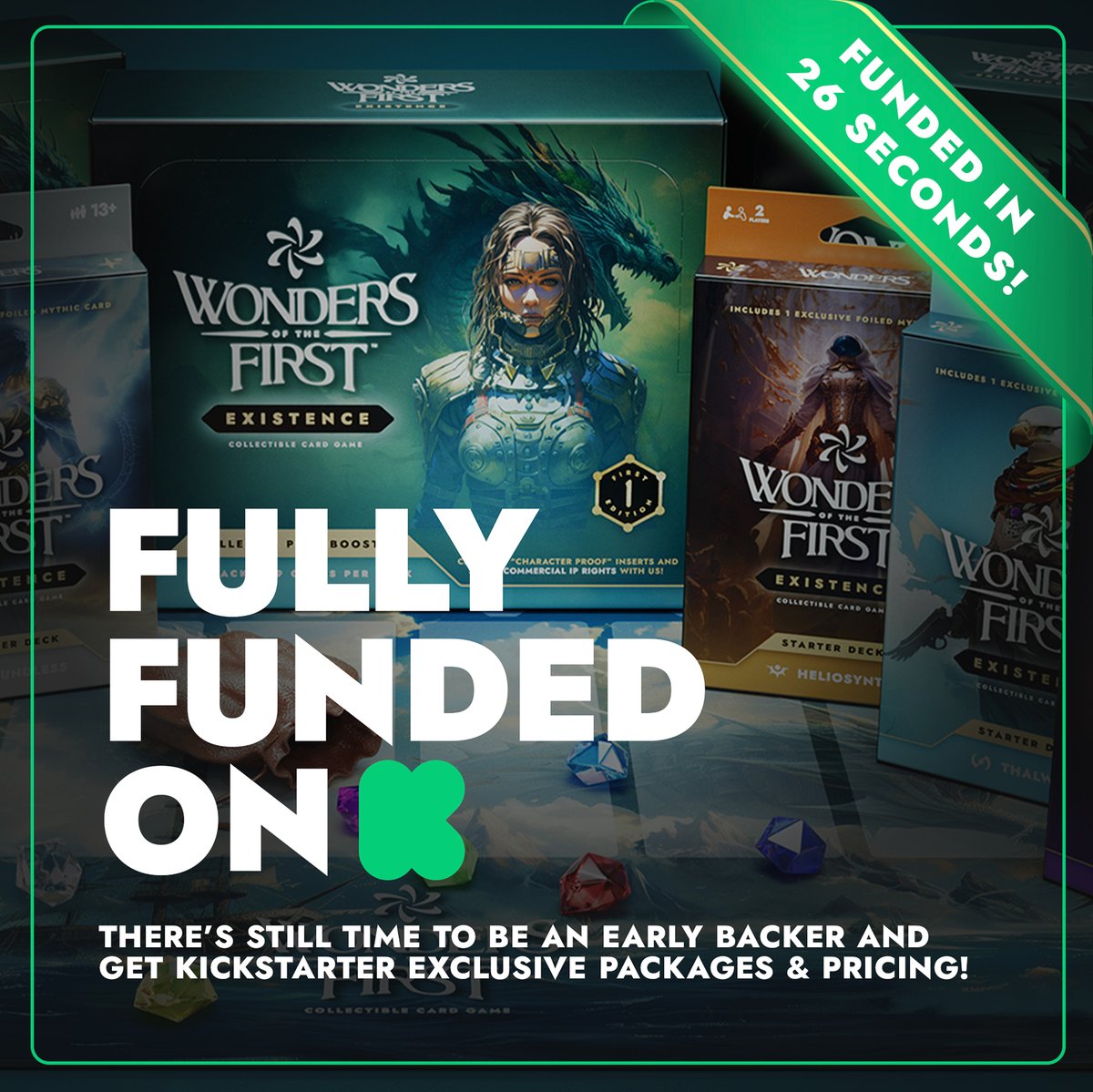
WOW! Fully funded within 26 seconds?!
THANK YOU Stoneseekers who showed 👏 up 👏 today! What WONDERful start to our Kickstarter! Share with all your friends to join in the fun!
#WoTF #kickstarter #funded #wonders #ccg #tcg #WondersofTheFirst
11
45
73
3,615
HotPicks retweeted

10 Mar 2024
Web 3 Natives - You have been WARNED.
REVEAL TOMORROW - this one is built different.
Background:
We began building a physical TCG/CCG (collectible card game) last year for @WondersOTF .
BUT - Web 3 Natives - Read on…there’s something for you all hiding in plain sight here.
We enlisted a rock star game mechanics lead that has decades of experience (lead designer on many Magic The Gathering sets) and surrounded him with a team of highly ranked competitive players, CCG enthusiasts, and world class designers.
We designed a game that is unlike anything on the market. Truly.
I’ll share a play test related video in comments with some recent play test footage.
The game’s flagship product configuration (known as “Collect & Play Boosters”) will launch on Kickstarter soon. Our estimates project a solid 7-figure campaign. All from TCG/CCG people…not some degen mint.
Now. For web 3 natives. You can cop something right now that those without self-custody experience will have to get on eBay secondary markets later.
Our collector focused “Serialized Boosters” were pre-sold using NFTs minted for $225 late last year. This was before any of the pre-test success and hype the game is getting in meat space. These people bought on pretty much good faith and that was about it.
The holder of a Serialized Booster NFT can redeem for a physical box at release later this year (or sell the NFT).
The boxes represented as these NFTs ARE NOT the same boosters that will be available on Kickstarter (those will be collectible af too but they are built to feed player demand too).
The Serialized Boosters are the “highest tier” collector product in our lineup. Each of the 4 packs of 15 cards in these boxes will have a serialized (numbered) card. Which is huge. Never done before in this scale. The serialized cards feature some other goodies but I’ll spare you all that for now.
Only 3,393 serialized booster boxes will exist (we aren’t minting more and these boxes only get produced to match the NFT supply - any that aren’t claimed will be destroyed - literally burned). Claim window will be long. At least a year. Maybe more.
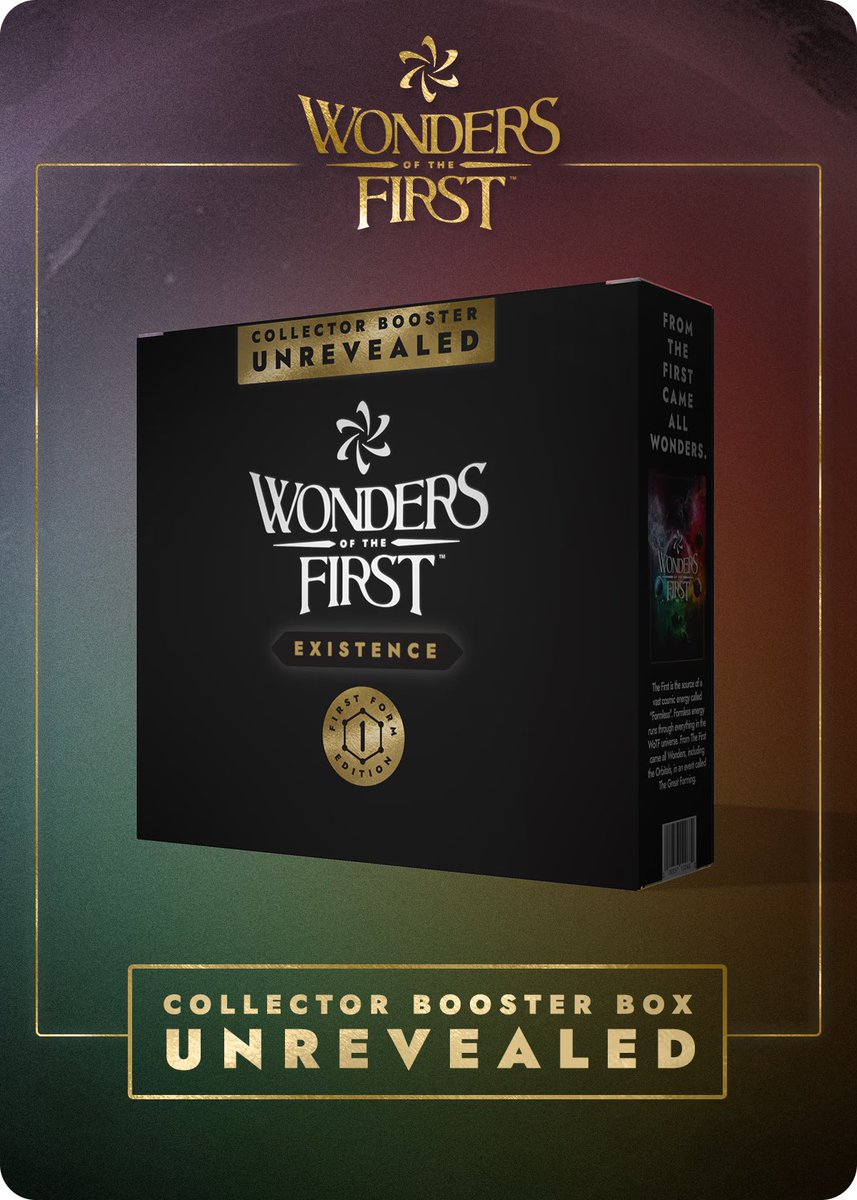
Tomorrow is our ART REVEAL for these Serialized Boxes. 2pm EDT.
There are 15 different art variations that will be produced. 7 of them are 1/1 designs (literally only 1 box produced with that art) including THE VERY FIRST BOX MADE. Other boxes are serialized /99 or less and the more accessible one will be /2500 (which is still less than 1% of what Magic produces for a single product and they do like 6/year).
If the pre-sale does anything close to what we hope, the demand for these serialized boxes will be fun to watch. I’d also say that any of the 1/1 boxes that get sold post-reveal (or later in meat space on eBay or at auction) will shatter any booster box sales prices of the 21st century from the big dogs like Magic and Pokemon. (These boxes are intentionally designed to create that type of record breaking opportunity).
All randoms are on-chain. Verifiable. You know you had a shot at the 1/1s including the first box.
But even the “still rare but more accessible” /2500 dragon art boxes will be loaded with each pack hitting a serialized card.
By my quick math, better than 1:10 boxes will hit a 1/1 serialized card if the set list stays where it is (design team in final stages of locking in all the cards). That’s insane. We are doing some really unique things and these serialized boosters lead the way.
If you scoop one off secondary by purchasing the NFT the worst case scenario is that you get a physical box to rip that’s built on an amazing rarity framework.
Best case? You hit a 1/1 or /99 box and the sealed box itself is likely more coveted than the cards inside.
I’ve done my good deed for the day. I’ve pointed it all out…REVEAL TOMORROW.
Good luck everyone in the art reveal.
1/3
22
72
98
14,082
HotPicks retweeted
1 Mar 2024
WHAT MAKES [thing] COLLECTIBLE?
Sometimes I can’t help but 🤦🏽♂️ when a company says “check out this collectible [thing] we created”.
The [thing] is very often [junk].
We all have “edge skills” where we possess a natural talent, usually supported by countless hours of passionate hard work, that out performs 99.9% of humans.
A deep understanding of collectibility, the mindset of collectors, and the best value drivers across a wide range of collectible genres, is one of those edge skills for me.
I miss often but I have an established track record of being right a lot more than I’m wrong.
A lot of it comes from all that experience (and learning from my many misses) but there are some basics anyone can apply.
For [thing] to HAVE A CHANCE at proving to be collectible (i.e., have, hold and grow value), you must ensure that the components are in place for someone else to formulate a thesis (for themselves) on why they can also believe in [thing].
This is by no means an exhaustive list…but some stuff I look at (when I create - and when I collect):
- Can the provenance be trusted? Have you undertaken measures to ensure future buyers are confident [thing] is authentic and unaltered?
- What are the potential catalysts for future demand of [thing], and how "far-fetched" are they? You only need one catalyst if it's potentially powerful and/or far reaching. However, in most cases, it's a combination of potential catalysts that solidify a strongly held thesis.
- Will [thing] be difficult to obtain once demand reaches the catalyst driven projections? Many people fumble here because they grossly under-estimate “catalyst driven demand” because current demand skews their perception. It’s critical that you utilize these lower demand windows to accumulate if you believe in [thing]. From there, trust your thesis’ catalyst to take care of that future demand.
**TIP - if you don’t see a POTENTIAL catalyst for 10x future demand - question your overall thesis.**
- Does [thing] forge an emotional connection with the owner for the duration of their ownership? Or might [thing] just end up in a junk drawer of apathy after a brief honeymoon phase? (We will skip the counterplay of including "trash bin deflation" from the potential thesis.)
- Is one of the emotions [thing] sparks a sense of "pride"? Collectibles can create a wide array of emotions and be successful but if one of them isn’t a sense of pride…tough sledding.
- Does [thing] help the owner to create a new community or fit neatly into an existing one?
- Are there enough units of [thing] for a market to form with reliable sales comparisons over time?
- How does the uniqueness of [thing] contribute to its perceived value? Is there something inherently special or rare about [thing] that cannot be easily replicated?
- What is the historical significance or potential future historical importance of [thing]? Does it represent a moment in time, a cultural movement, or an innovative breakthrough?
- How does the craftsmanship or artistic merit of [thing] add to its collectibility? Is it made with exceptional skill or creativity that sets it apart from other similar options?
- Is there a story or narrative associated with [thing] that enhances its appeal?
- Does [thing] have the potential for cross-collectibility, appealing to collectors across different interests or demographics?
This is a good starting framework. If you form your thesis for [thing] using this checklist and then have patience…I think you will win a lot more than you lose.
1/2
19
58
92
14,141
27 Jul 2023
Check out NFTdraft's video! And yes...it's as good as it sounds! #TikTok tiktok.com/t/ZT88fkTBQ/
3
800
HotPicks retweeted

25 Jul 2023
Juliano has already rizzed us up 😳😳
6
21
31
2,197
HotPicks retweeted
26 Jul 2023
It may be Summer, BUT SCHOOL IS IN SESSION!
Every Thursday we take you back to the classroom with our host Juliano Hodges!
FRECKLE UNIVERSITY is for BIG 🧠 only!
TUNE IN TOMORROW ONLY @ FRECKLE.LIVE
4
28
30
1,778
25 Jul 2023
Join us for some poker in decentraland with @NFTDRAFT! Big prizes up for grabs! More details can be found here: discord.gg/h6GJnccUCX or here: discord.gg/VMrHcTBYX8 see you there! #Decentraland #poker #nfl #FantasyFootball
1
395
HotPicks retweeted
25 Jul 2023
it IS here!!!! 💜💜🇪🇸🇪🇸🇪🇸
24 Jul 2023

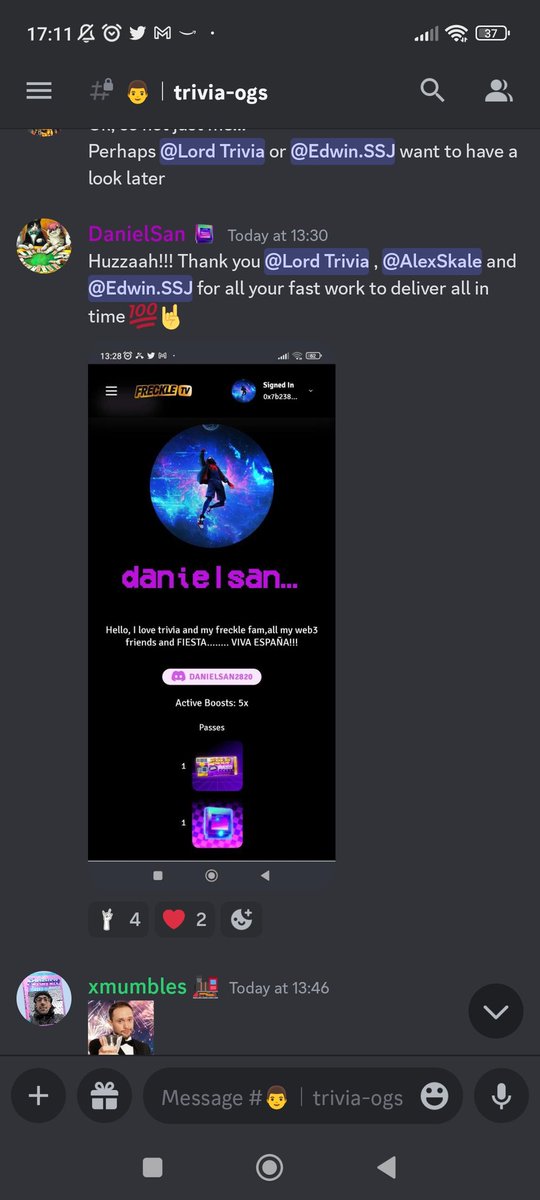
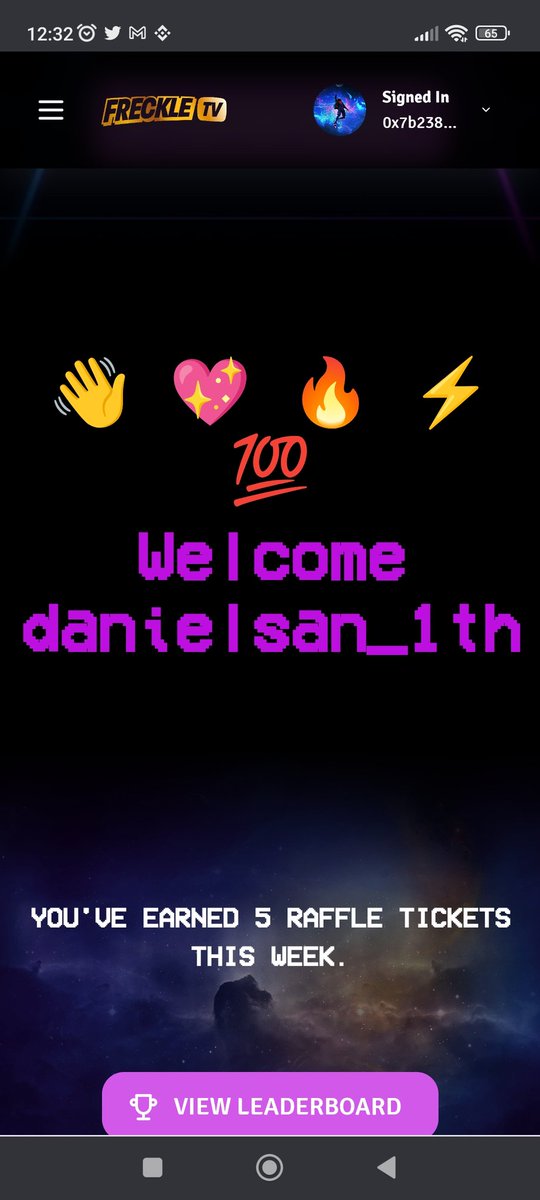
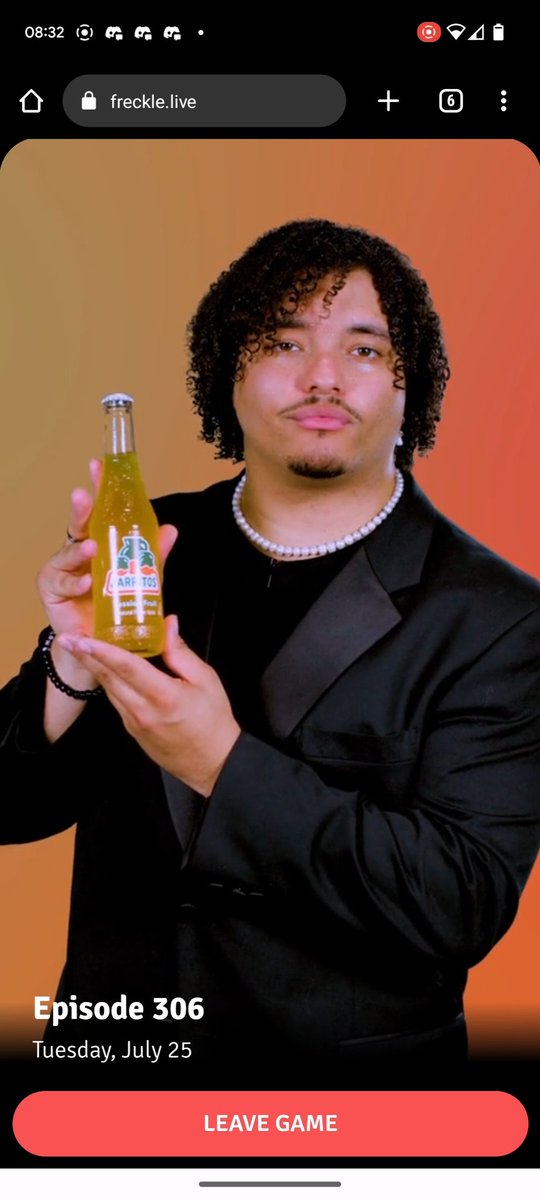
Season one IS here 👀 lads and gents and with It tons of prizes and lots of fun 👈 Huzzaah!!!Al Thanks to an amazing Team and a wonderfull family 👥.So a Big shout out to the Freckle Trivia Fam,and you ,what Are you waiting for?? Follow @LordTrivia and stay tooned 🔥🎫🔥🤘😝🧨🥳
2
6
20
818

HotPicks retweeted
25 Jul 2023
Love it! Now let’s get you winning another Disneyland trip 😛😜
25 Jul 2023

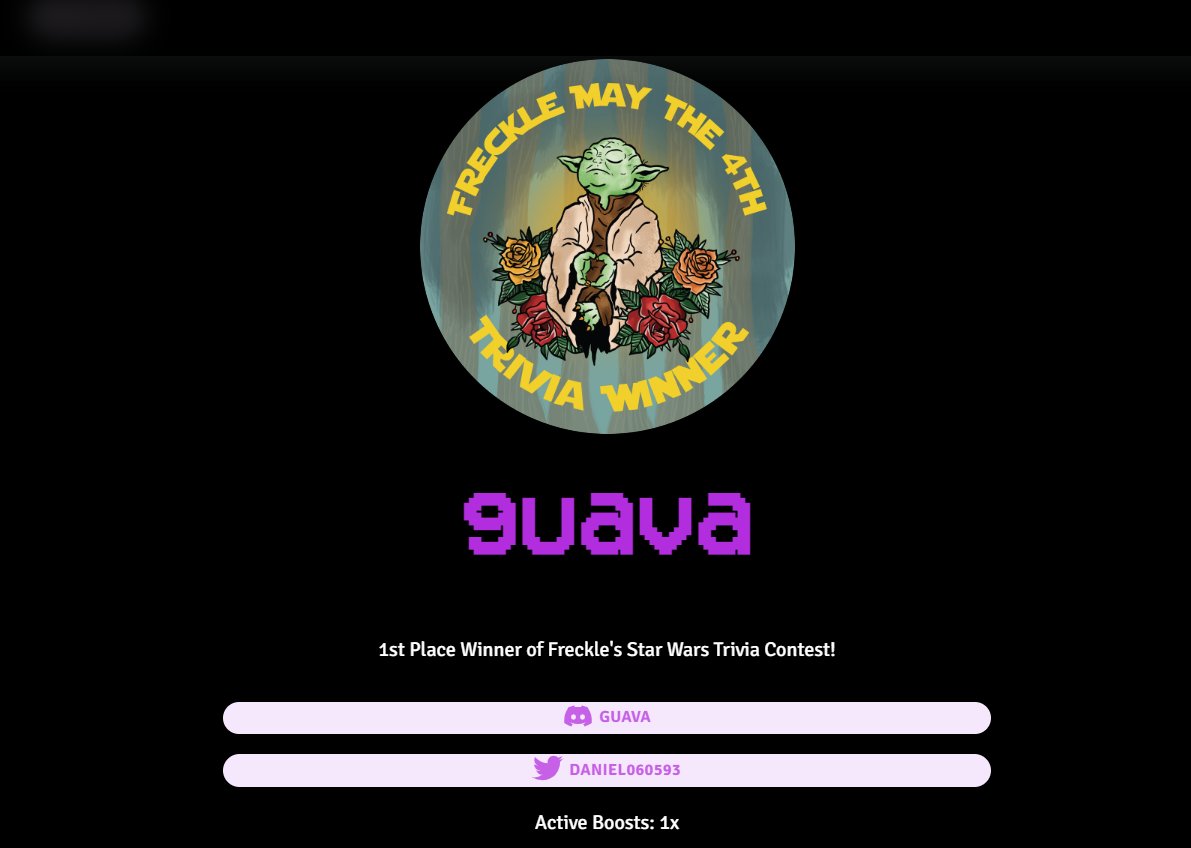
Set up my profile and all ready for Season 1`of @FreckleTrivia! Excited to see what awesome prizes Season 1 is going to have!! Hopefully I can get a Gold or Forever pass to increase my boosts soon🤞
Join TODAY at freckle.live so you can win lots of amazing prizes too!
2
9
25
801
HotPicks retweeted
25 Jul 2023
I see my lord… @LordTrivia
25 Jul 2023

The Comic-Con degens aped into MARGIN’S BLADE!
#Gotchigang were 🤯 💜 🤯
want a copy, anon?
4
13
33
1,238
HotPicks retweeted

24 Jul 2023
This Wednesday is our @NFTDRAFT Poker Competition w/ $3,000 in prizes!
The competition will start at 5pm UTC (1pm EST) on July 26
The top players with an NFTdraft skin who win the most badges from 3 Shine SNG tournaments will win a prize
Read below for info and instructions:
3
9
27
2,390
HotPicks retweeted
24 Jul 2023
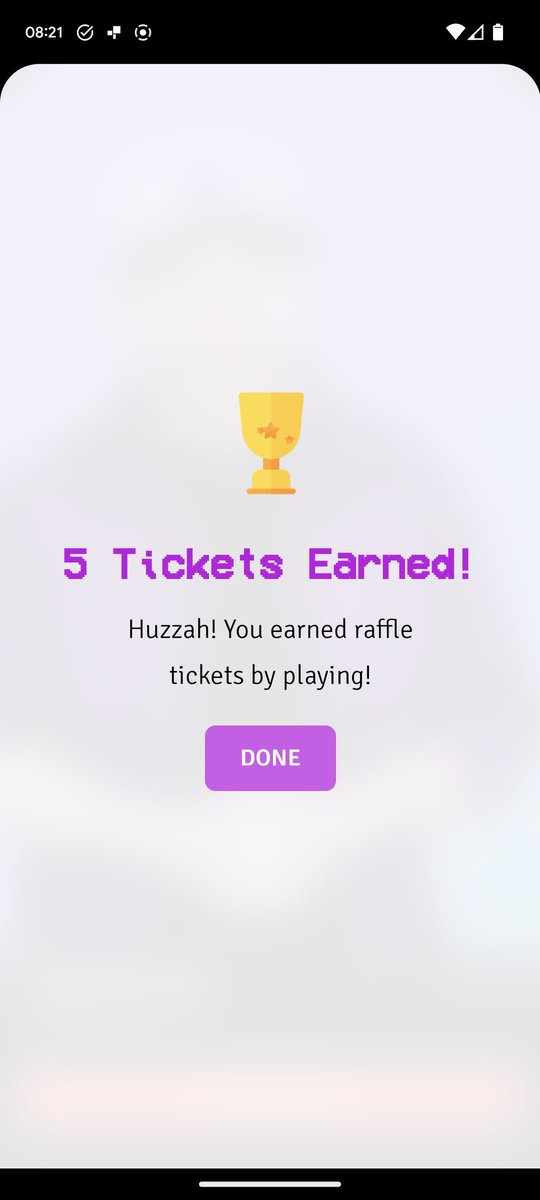
It’s true! Check out @Dirty_Mumbles earnings today?!
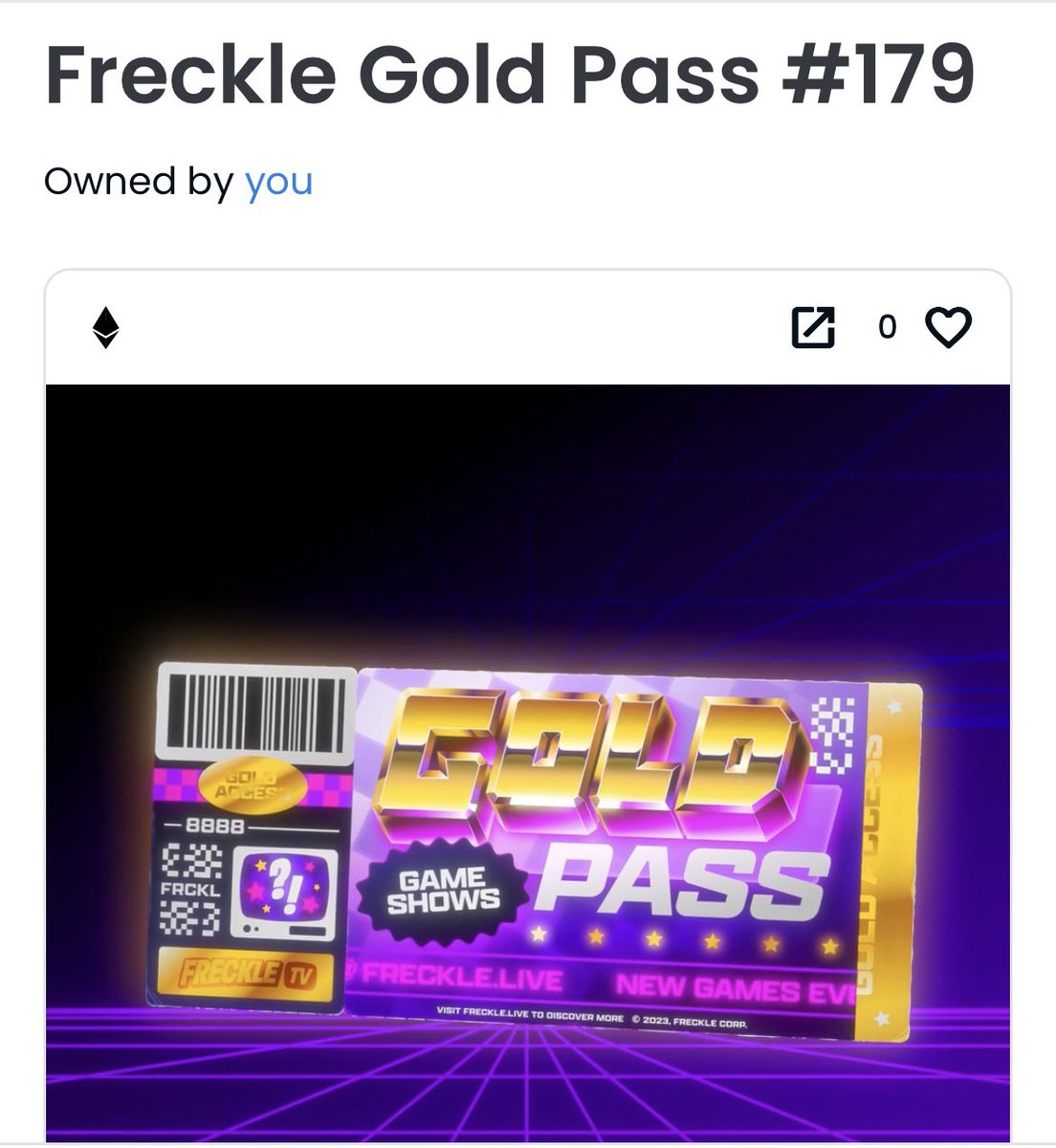
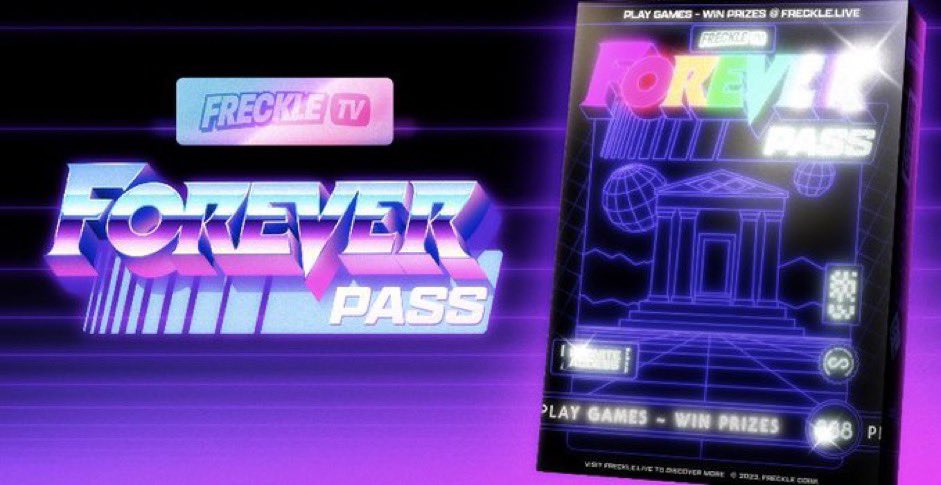
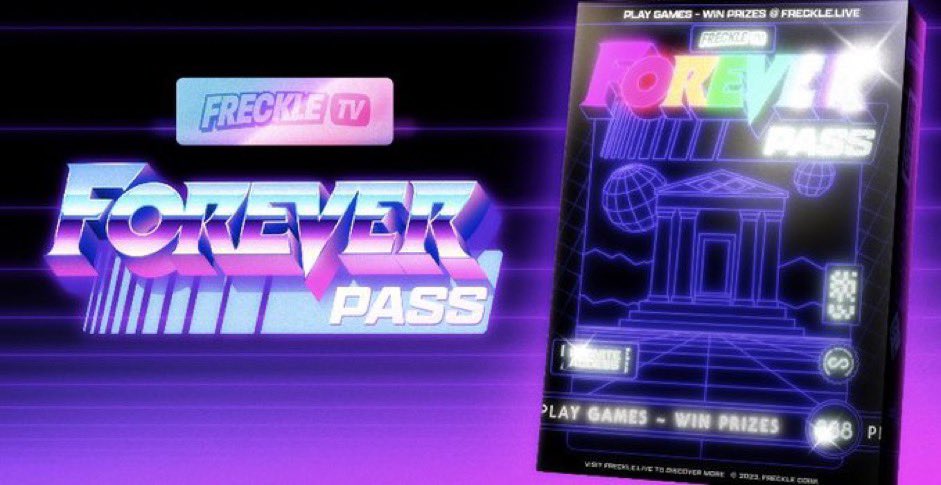
Starting today GOLD and FOREVER Pass utility is LIVE!
Gold Pass = 2x 🎟️
Forever Pass = 3x 🎟️
YES SOME PASSES STACK!
24 Jul 2023
The power of the Forever Pass and Gold Pass boost @FreckleTrivia Already a week's worth of tickets earned!
4
13
23
841
HotPicks retweeted
24 Jul 2023
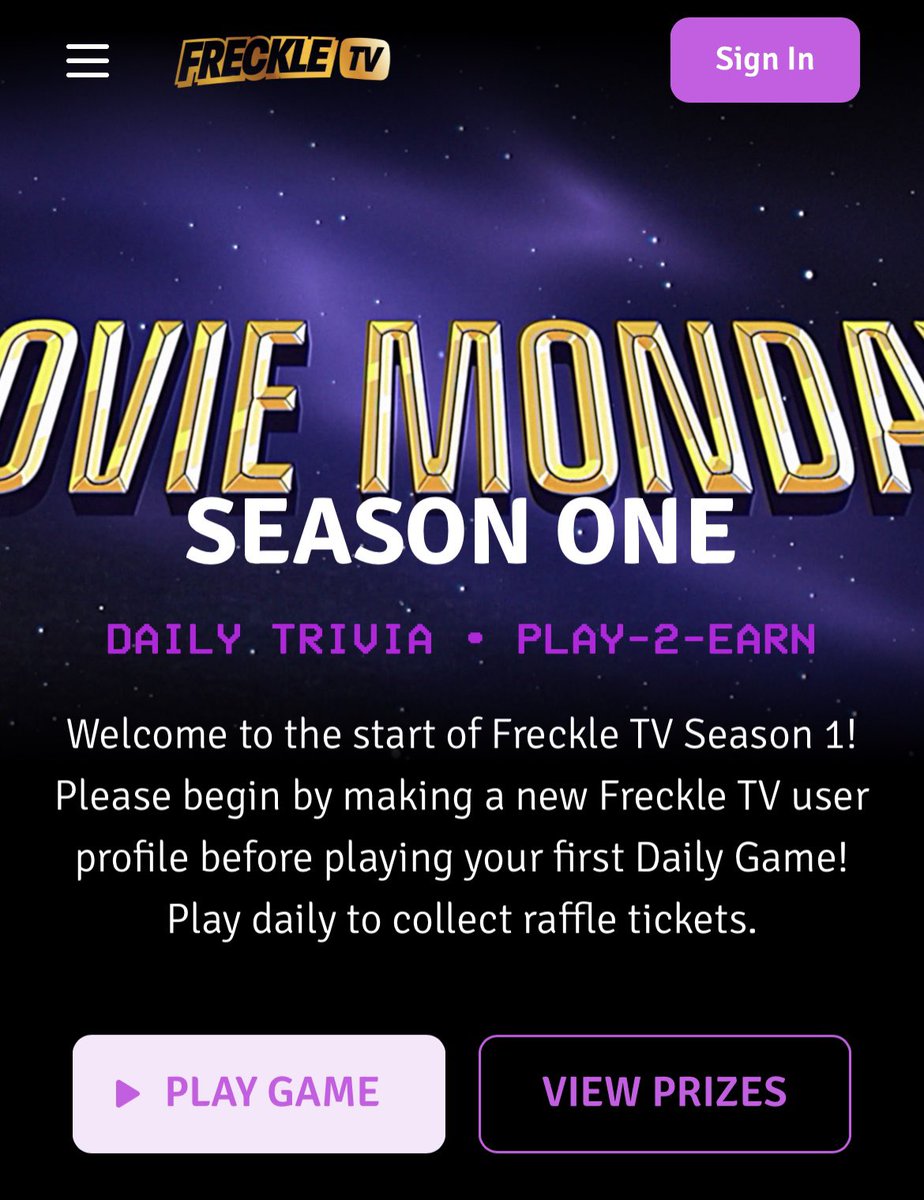
SEASON 1! PLAY NOW AND CREATE YOUR ACCOUNT NOW 🗣️🗣️🗣️
5
20
27
1,310
HotPicks retweeted

24 Jul 2023
After over 300 episodes, it’s finally time for me to hang up the hosting hat… at least for Monday-Thursday 😉
See y’all Friday @FreckleTrivia fam!
24 Jul 2023

We are so excited to have @EpicVoiceGuy back!! He will be hosting Moooooviieee Mondays for Season 1 🎬🎬📽️📽️
10
13
42
5,450
HotPicks retweeted
24 Jul 2023
We are so excited to have @EpicVoiceGuy back!! He will be hosting Moooooviieee Mondays for Season 1 🎬🎬📽️📽️
7
36
52
6,859
HotPicks retweeted

17 Jul 2023
📢DO NOT sleep on our Funding Pass giveaway. 👀
We aim to invest in two more projects, and to be funded by us, those two projects MUST hold a funding pass.
Giveaway starts this Friday. 16 passes awarded in 9 weeks.
If you have an idea or want a bargaining chip to be involved in one, here are the details on an amazing NFT 🔥🔥🔥
If you know of a project, leave them a tag.
medium.com/@skyhighcapital/c…
#ETH #SOL #ImmutableX #WAXFAM #ADA #AVAX #polkadex #ICO #Web3 #blockchain #OpenSea #Blur #play2earn #NFTGame #NFTGaming #solearmy #P2E #P2EGame #VCS #funds #NFTs #NFTsales
3
6
13
1,088

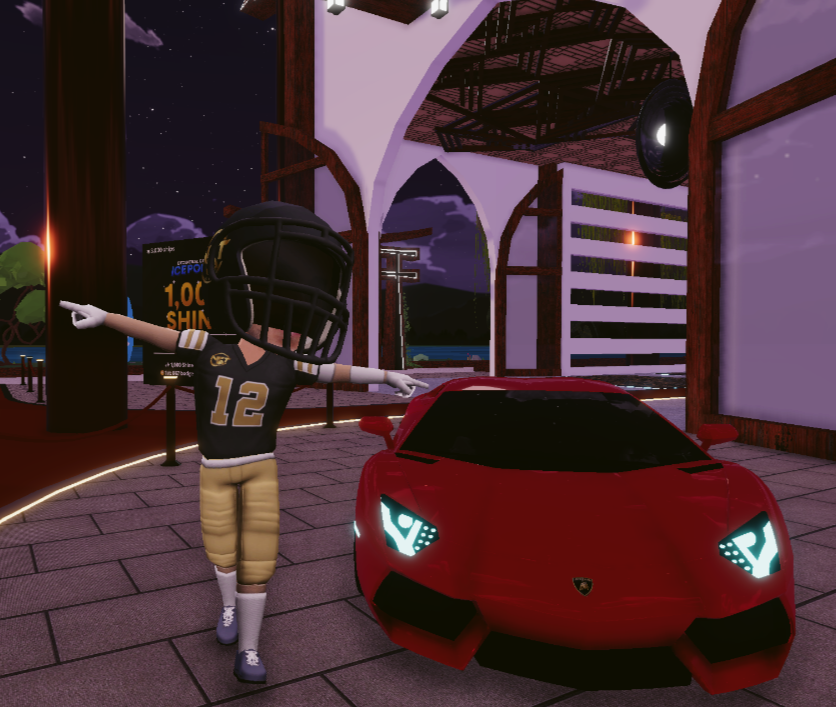
📢We’re excited to announce a partnership with @decentralgames!
All NFTdraft holders will get a custom ICE Poker skin airdrop that comes with free poker tournament entries details at discord.gg/nftdraft
We’ll be hosting a tournament with a $3,000 prize pool and a casino night on 7/26 at 1pm EST
More info 👇
- - -
Your ICE Poker skin gives you access to player ICE Poker and it will come with 12 Shine which are tickets to enter tournaments.
12 Shine = 4 free SNG tournament entries
- - -
Enter tournaments and place 1st or 2nd to win badges.
1st place = 2 badges, 2nd place = 1 badge.
A snapshot will be taken at 2pm EST on July 26. The players with the most badges will win the following prizes:
- - -
1st:
• Season 1 GOAT card Captain Pack 3,250 WAX
• 3 ICE Poker skins (Mr. Tominoya, CapyG, Suited Tracksuit) 300 Shine 🔥🔥🔥
2nd:
• NFTdraft pack 1500 WAX
• 2 ICE Poker skins (CapyG Suited Tracksuit) 250 Shine
3rd:
• NFTdraft pack 750 WAX
• ICE Poker Suited Tracksuit skin 200 Shine
- - -
4th:
Starter pack 400 WAX
ICE Poker Hoodie and Hat skins 150 Shine
5th:
Starter pack 350 WAX
ICE Poker Suited Tracksuit skin 100 Shine
6th: Starter pack 300 WAX
7th: Starter pack 250 WAX
8th: Starter pack 200 WAX
- - -
10th: Starter pack 100 WAX
11-20th: Promo pack 75 WAX
21-60th: 50 WAX
- - -
At 2pm EST on July 26, they’ll be throwing a casino night in their Metaverse venue where you can play roulette, blackjack, and cash poker!
If you knock out DG support staff from the cash poker tables, you’ll also win 1,000 Banked ICE.
- - -
Before and during the event, DG staff will be in our Discord to help onboard, assist, and answer questions.
Look out for more info next Wednesday, July 26!
#WAXFAM #WAXNFT #NFTGiveaway #pokeronlineindonesia #WSOP2023 #Airdrops #Airdrop
18
32
71
2,859