Joined November 2021
- Tweets 1,811
- Following 592
- Followers 583
- Likes 2,103
584 Photos and videos
Pinned Tweet

Apr 13
People ask me all the time why I'm so passionate about kratom. Let me tell you.
My husband and I train Jiu-Jitsu together. We lift. We run multiple businesses. We have two kids. Life is full and it does not slow down.
Kratom is a huge part of how we keep up with all of it.
Before kratom, the soreness and the fatigue from training was real. You'd come home and just be done. Physically there but mentally checked out. And when you're running a household, raising kids, and trying to be a good partner on top of everything else that's not okay.
Natural leaf kratom changed that for both of us. Recovery is better. Energy is more consistent. Dan and I show up on the mats together, we push each other, and then we come home and we're actually PRESENT for our boys. Not dragging. Not irritable. Present.
That's what people don't understand when they talk about banning this plant. They're not just banning a leaf. They're coming after our quality of life. Our family time. Our ability to do the things we love and still show up for the people who matter most.
Dan and I built MitraSpec because we live this every single day. This isn't just a business for us it's our life. And we're not going to let anyone take that away without a fight. 🥋🍃
#kratom #kratomsaves #keepitlegal
6
9
35
1,158
Jun 13
8th Grade Semi-Formal ❤️
Watching these kids grow up has been one of life's greatest privileges. It feels like yesterday they were running around the playground, and now they're making memories at their last middle school dance.
One more milestone. One more chapter completed. High school is right around the corner.
Enjoy every moment, make great memories, and never forget where you started. Proud of this group and excited to see where life takes them next. ✨ #8thGradeSemiFormal #ClassOf2030 #GrowingUpTooFast
3
92
Sarah Pitta retweeted

The Problem With Mainstream Media Coverage of Kratom
In this video, we react to a recent NBC News segment and talk about why context, consumer responsibility, education, and proper regulation all matter when discussing Kratom.
youtu.be/Z-qoAeT9rWc?is=BkPO…
4
7
246
Sarah Pitta retweeted

Jun 13
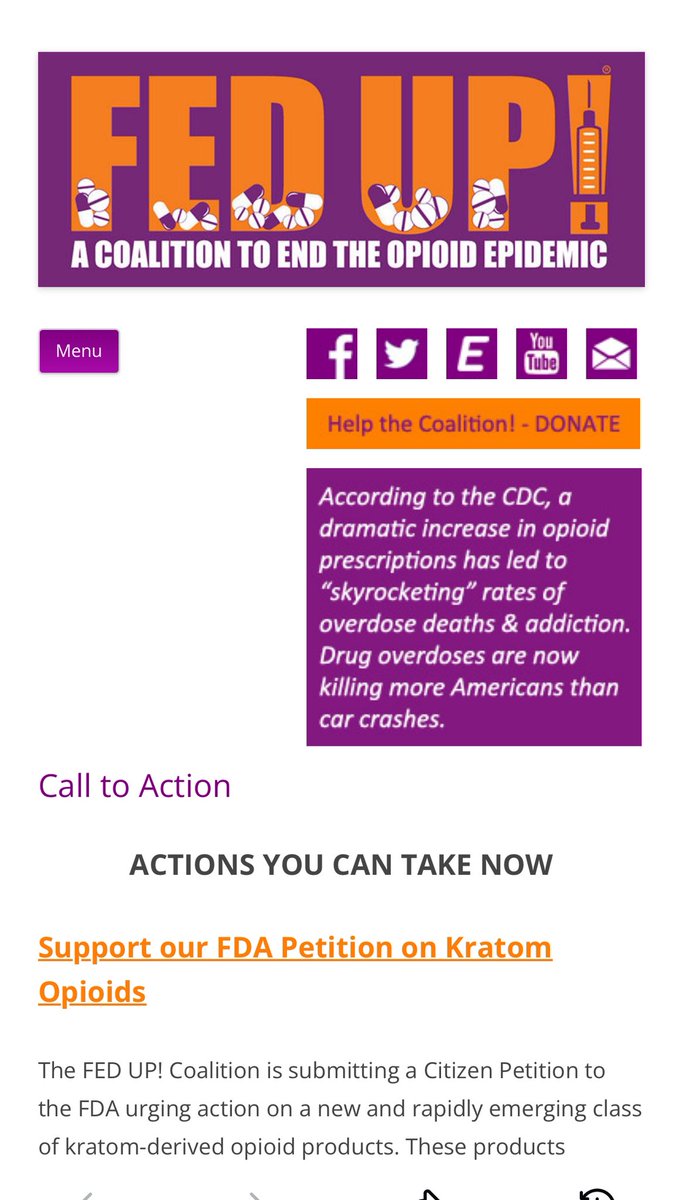
@FEDUpRally is a group of griefstricken families who are anti-kratom OR anti whatever makes Kolodny rich.
Andrew Kolodny is their spokesperson.
The war on kratom is about kratom lawsuits and Suboxone
Do you understand now??
feduprally.org/calltoaction/
1
6
12
109
Jun 12
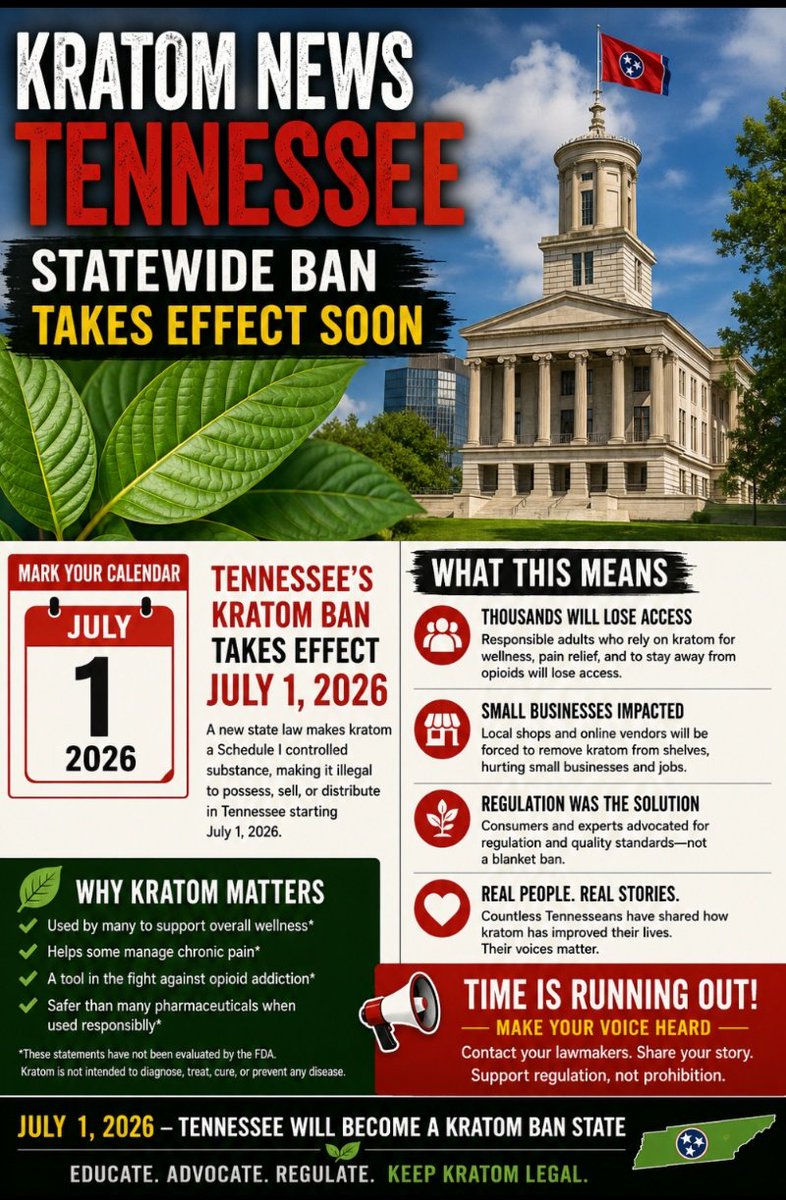
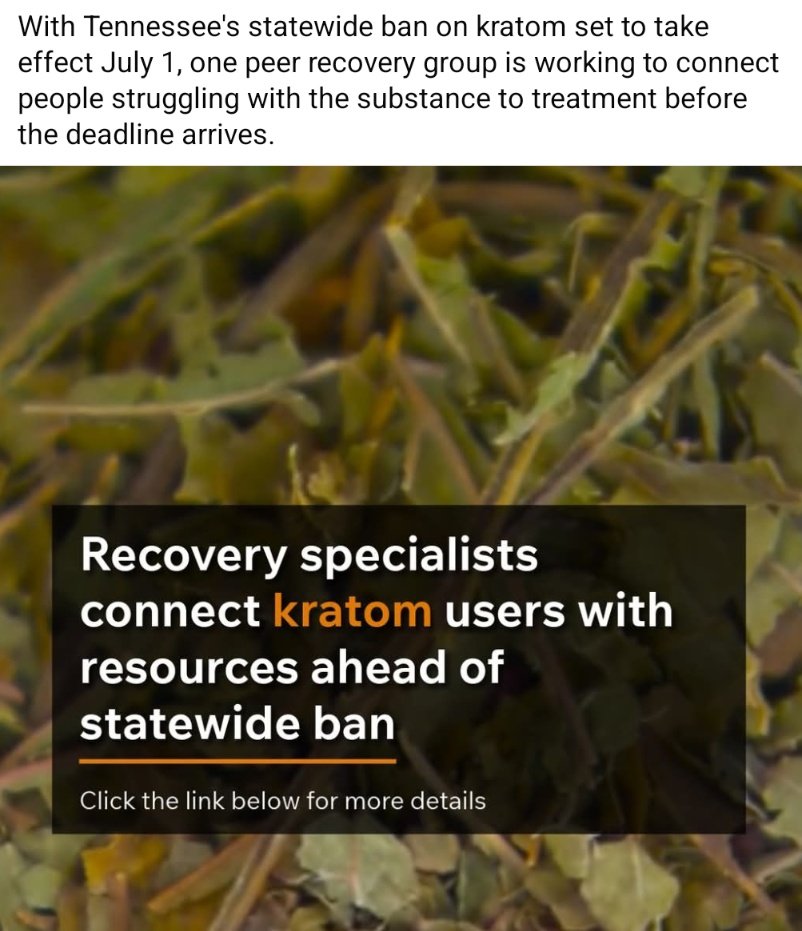
🚨 Tennessee will become a kratom ban state on July 1.
No matter where you stand on kratom, it's hard to ignore how quickly access can disappear for responsible adults who have relied on it for years.
For many, kratom isn't a trend or a new product. It's something they've incorporated into their daily lives for wellness, pain management, or as an alternative to more harmful substances.
In just a few weeks, Tennessee consumers will be facing a reality that many never thought would happen.
A reminder that what happens in one state can influence conversations in others.
🍃 #Kratom #Tennessee #KratomAdvocacy #ConsumerChoice
4
9
18
321
Sarah Pitta retweeted

Jun 11
This is exactly how the rumor mill works. I emplore all of you to Google:
Marshall Price
Shaina Brown
They were not hurting a soul. One lost his life in prison. The other was given a MILLION DOLLAR BOND for what most people utilize in a week. Just a block over the state line!
Jun 10

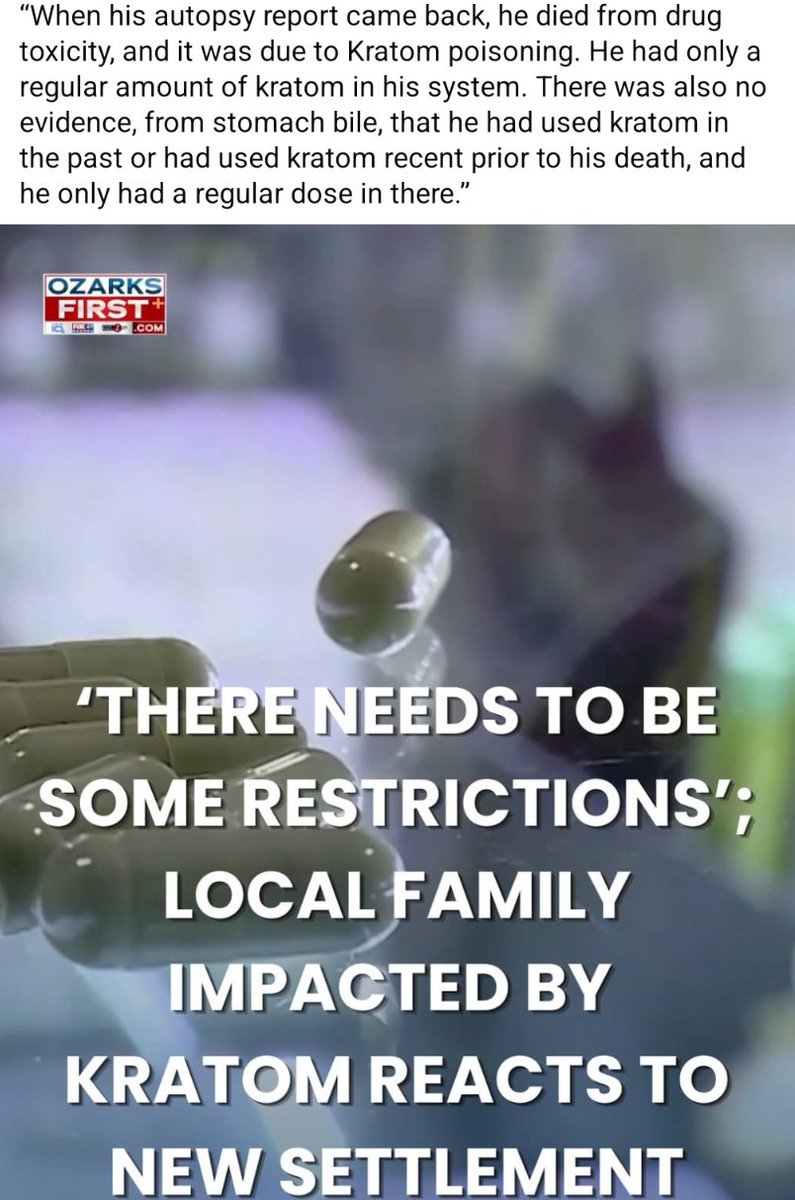
NBA player Brandon Clarke was charged with "trafficking" in Arkansas for possessing kratom.
Not fentanyl.
Not heroin.
Kratom.
A plant used by millions of Americans.
Just weeks later, Clarke tragically passed away in Los Angeles at only 29 years old. And almost immediately, some people began connecting the two stories as if the cause of death had already been determined.
Here's the problem:
As of now, authorities have not publicly confirmed how he died.
No official cause of death.
No public toxicology report.
No evidence showing kratom played any role.
Yet headlines and assumptions spread faster than facts.
This is what happens when a legal plant in most of America is treated like a major narcotic in a handful of states. People see the word "trafficking" and automatically assume the worst.
Brandon Clarke's family deserves answers based on evidence, not speculation.
And the public deserves policies based on science, not fear.
#Kratom #KratomAdvocacy #FactsMatter #HarmReduction
1
4
14
314
Jun 12
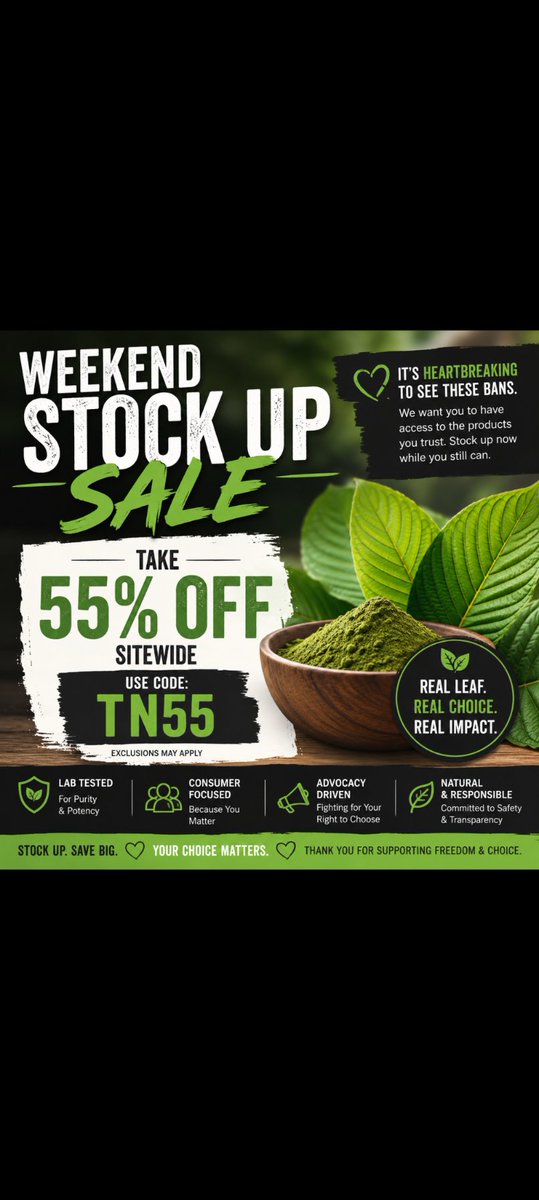
Every week, it seems like another state is considering restrictions or bans.
We know many consumers are worried about what comes next, especially those who rely on natural leaf as part of their daily routine.
To help our community prepare, we're offering 55% OFF sitewide this weekend with code:
🍃 TN55 🍃
If you've been thinking about stocking up, now is the time.
At MitraSpec, we've spent over a decade advocating for consumer choice, responsible regulation, and access to quality-tested natural leaf. We'll continue fighting for those rights, but we also understand the uncertainty many consumers are feeling right now.
Use code TN55 at checkout and save 55% this weekend 💚
1
8
124
Jun 12
One unexpected thing about having a kratom tattoo? People ask about it all the time.
At the gym, the grocery store, gas stations, restaurants, and even while walking my dogs, someone eventually says, "What's that tattoo mean?"
It's actually become one of my favorite ways to educate people. Not through arguments online, but through real conversations with real people.
Most have never even heard of kratom. Others have only heard the scary headlines. A simple question often turns into a discussion about responsible use, harm reduction, chronic pain, recovery, and why millions of adults choose to use this plant.
Advocacy doesn't always happen at a podium or in a legislature. Sometimes it starts with a tattoo and a conversation.
#Kratom #KratomAdvocacy #KeepKratomLegal
5
1
19
716
Jun 12
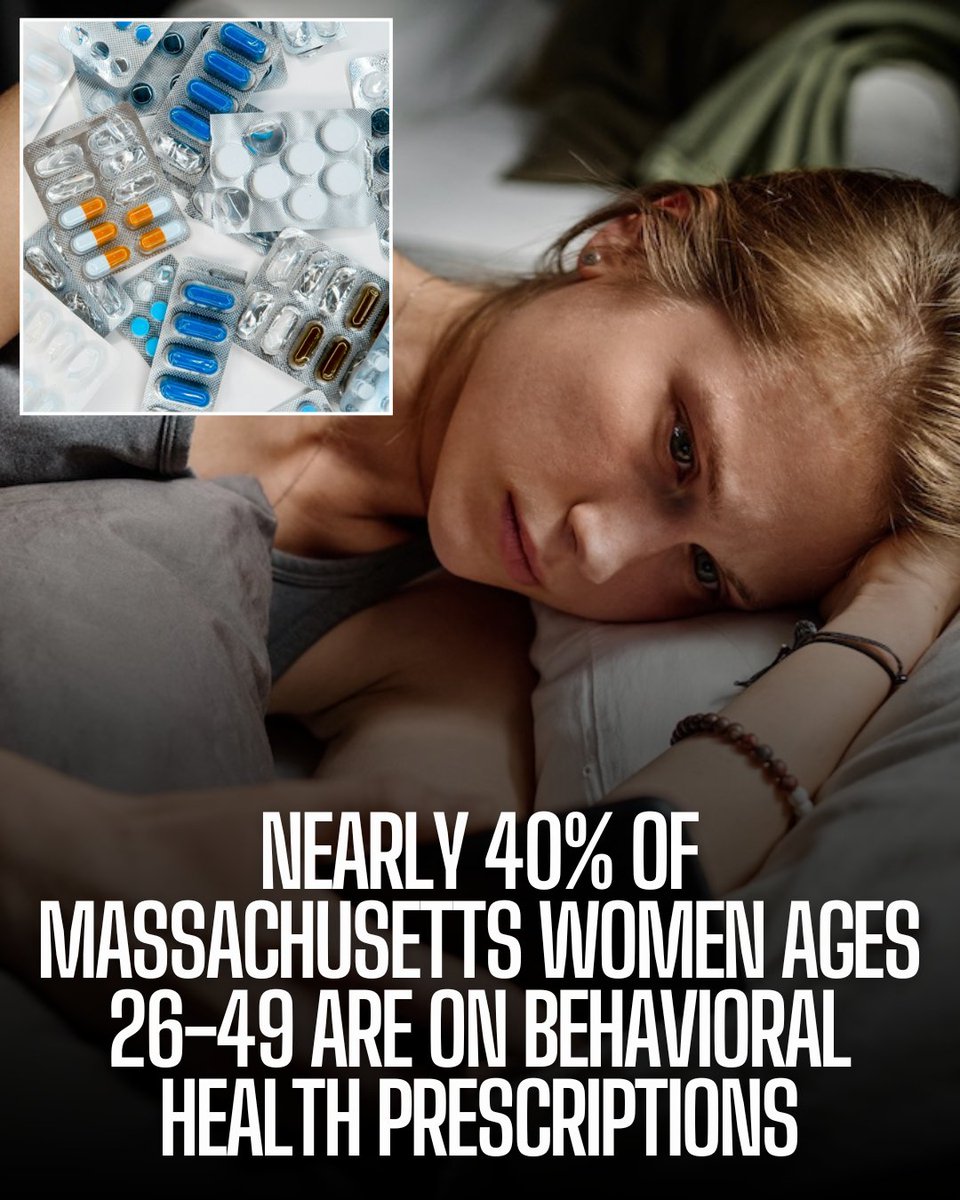
That's a pretty eye opening statistic. Nearly 1 in 3 people filling prescriptions for behavioral health conditions suggests we're dealing with a much bigger societal issue than most people want to admit.
There's absolutely a place for prescription medications, therapy, and professional care. But we should also be asking why anxiety, depression, stress, and burnout continue to rise, especially among younger women.
The conversation shouldn't be limited to prescriptions alone. People deserve access to a variety of tools that may help improve quality of life, including exercise, nutrition, therapy, peer support, mindfulness practices, and for many adults, natural products like kratom.
Millions of people are clearly searching for ways to feel better. Maybe it's time to have honest conversations about all the options people are using instead of pretending one approach works for everyone.

Nearly 30% of Massachusetts residents on commercial insurance filled a prescription to treat a behavioral health condition in 2024, according to a new analysis from state health researchers.
The Health Policy Commission report said 26.9% of females ages 18 to 25 had a prescription in 2019, which grew to 34.3% in 2024. For females ages 26 to 49, 31.2% had a prescription in 2019, compared to 38.4% in 2024.
2
2
10
242
Sarah Pitta retweeted

Jun 12
If you missed the show, here's a clip 😊 Make sure to subscribe so you won't miss next week! 🌿🫖💚
youtu.be/dO5x1OugniQ?is=h47Q…

2
2
7
419
Sarah Pitta retweeted
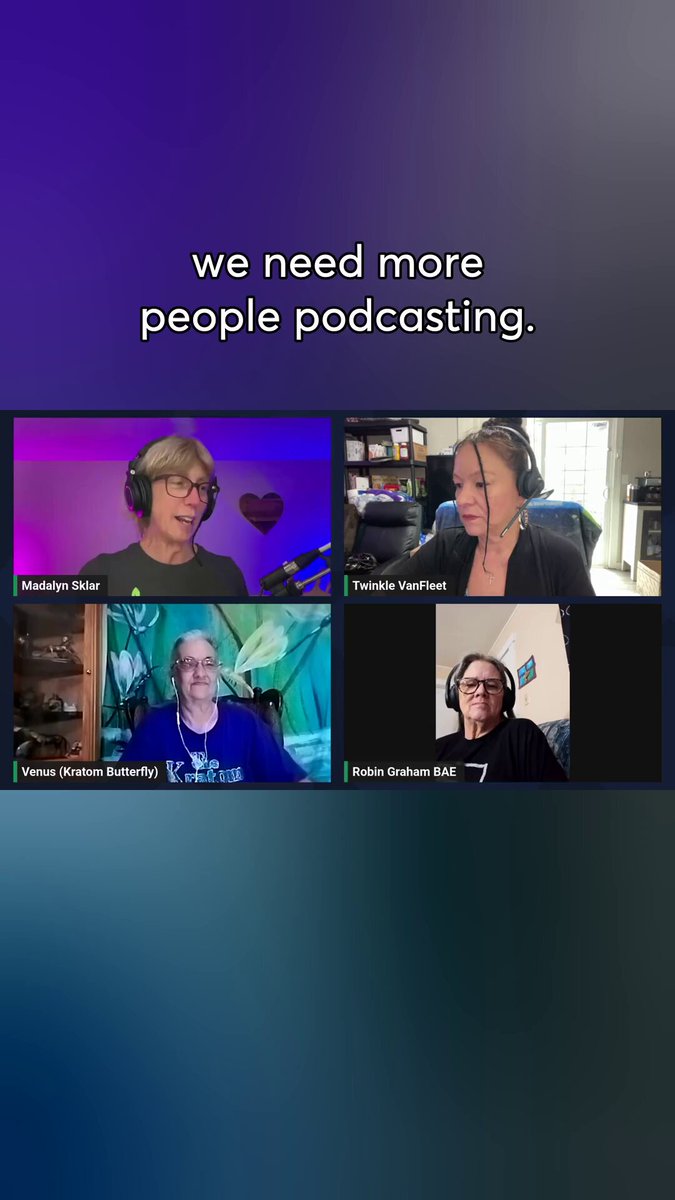
There’s never a shortage of conversation when it comes to Kratom.
This Saturday, we’re covering the latest developments, unpacking the headlines, and discussing what consumers need to know.
Join The Kratom Gals 🍃 2pm ET
youtube.com/watch?v=A94l8gGR…
1
8
663
Jun 12
🚨 Delaware Kratom Update 🚨
HB 332 was not banned or killed.
Lawmakers adopted a revised version of the bill and are moving forward with that language instead of the original text.
The bigger concern remains SB 262, Delaware's kratom prohibition bill.
Stay engaged. Stay informed.
#Kratom #KratomAdvocacy
3
12
144
Jun 11
It's always interesting how these announcements are presented as a public health victory without any discussion of the people who will actually be affected.
Starting July 1, responsible adults in Idaho Falls who have been legally using kratom for years will suddenly lose access not because they harmed anyone, not because they committed a crime, but because a local government decided they shouldn't have that choice.
Meanwhile, the people who supported the ban rarely talk about what happens next. What happens to the veteran managing chronic pain? The person in recovery who used kratom as a harm reduction tool? The adult who simply found it worked better for them than the alternatives?
Whether someone supports kratom or not, policy decisions should be based on evidence, transparency, and honest discussion not fear, assumptions, or the idea that banning something automatically makes a community safer.
History has shown us over and over that prohibition doesn't make demand disappear. It just pushes people toward other options, often with unintended consequences.
If you're an advocate, pay attention. Local bans matter. They may not make national headlines, but they can have a real impact on consumers and often serve as a model for similar efforts elsewhere.
The conversation shouldn't be "How fast can we ban it?"
It should be "What does the evidence actually show, and what policy best protects the public while respecting adult choice?

BANNED: Kratom can no longer be sold in Idaho Falls city limits as of July 1, 2026. eastidahonews.com/2026/06/id…
10
19
349
Sarah Pitta retweeted

Jun 11
“Notably, the AMA is not calling for an outright ban on either 7-OH or kratom.”
5
4
9
535
Sarah Pitta retweeted

NC lawmakers pitch new bill banning use of hemp and kratom for everyone under 21 newsobserver.com/news/politi…
ALT NC lawmakers pitch new bill banning use of hemp and kratom for everyone under 21
1
3
3
516
Jun 11
This is what so many lawmakers fail to understand.
When you take away something that people believe has helped them manage pain, rebuild their lives, or stay away from more dangerous substances, the story doesn't end there.
Some will turn to riskier alternatives. Some will suffer in silence. And sadly, some won't make it.
We've already lost members of this community, including advocates who fought tirelessly to protect access for others.
These aren't statistics. They're real people.
That's why this fight has never been just about a plant. It's about the lives connected to it. 💔🌿
#Kratom #ProtectKratom #KratomAdvocacy
1
8
30
284
Jun 11
THIS 💯

Suboxone is an Opioid 💊
You will be a lifer
This is a business model 👇
2
46
Jun 11
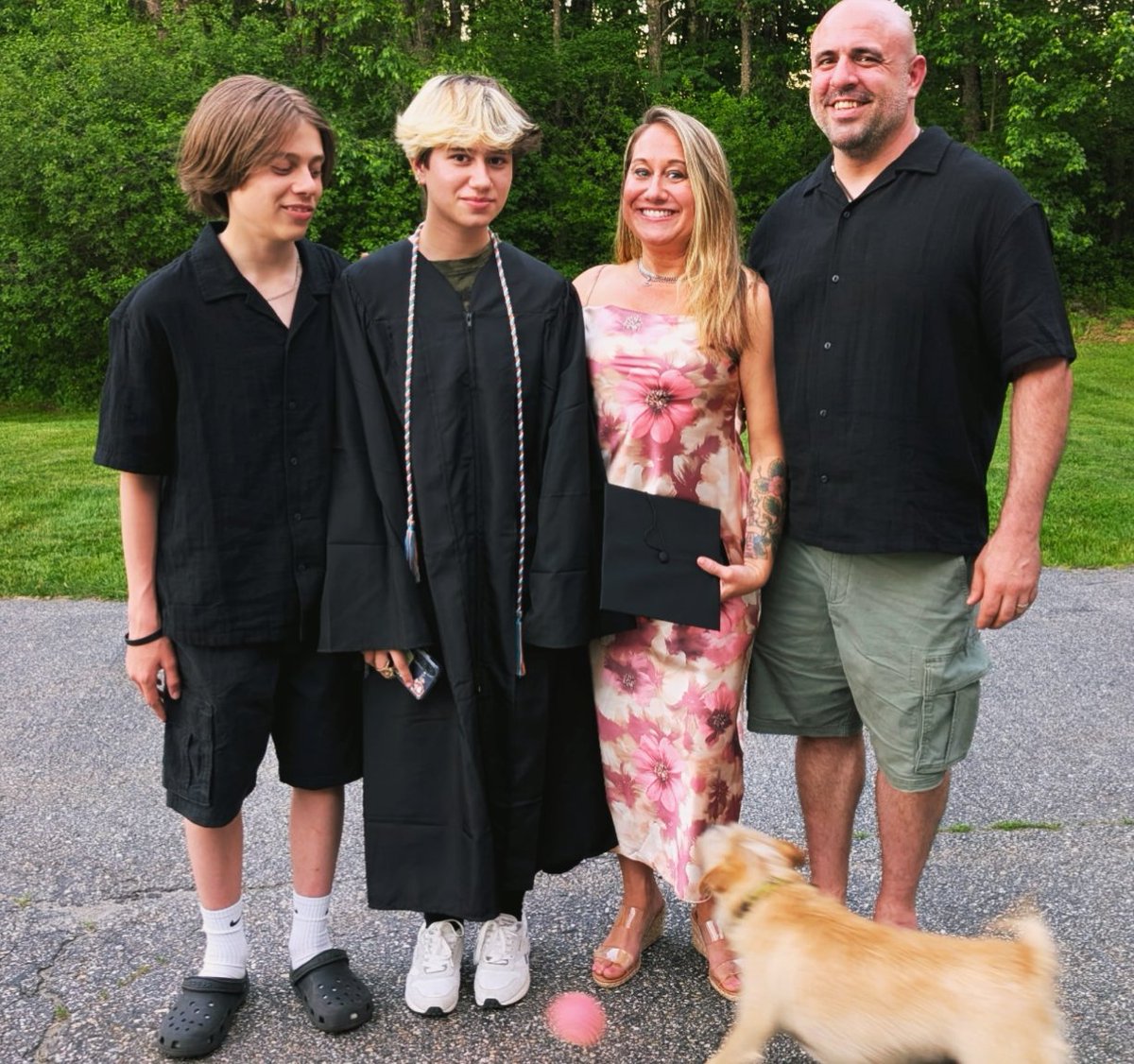
Last night my oldest graduated high school. 🎓
A lot of hard work, perseverance, and growth led to this moment.
Next stop: Florida State College at Jacksonville.
Couldn't be prouder. ❤️
#ClassOf2026 #ProudMom
7
1
25
384
Sarah Pitta retweeted
Sadly, you have legislators buying into the constant flow of misinformation and propaganda about Kratom. They should follow the science and listen to their constituent's positive stories. It would also help if the media would stop the "gas station heroin" narrative. 🤦♀️
Jun 10

Tennessee just banned kratom.
HB1649. Signed April 16, 2026. Effective July 1.
Selling kratom in Tennessee is now a Class C felony.
Not a fine.
Not a citation.
A felony.
The same state where opioid prescriptions were handed out for decades without that level of urgency.
2
4
12
311
Sarah Pitta retweeted
Your Weekly Kratom Dose: 6-10-26
This week brought no shortage of Kratom news, advocacy updates, and ongoing discussion about the growing confusion between natural Kratom and highly concentrated products. Here’s what stood out to me.
Tap here: open.substack.com/pub/kratom…
2
7
116
Jun 11
What makes these Kratom bans so frustrating. A person can be a law abiding adult on one side of a state line and a criminal on the other for possessing the exact same plant.
And I think there's a larger conversation worth having about why some traditional plant based practices from other cultures are so often viewed with suspicion instead of curiosity. Kratom has been used in parts of Southeast Asia for generations, yet many policymakers act as if it appeared out of nowhere yesterday.
We should be looking at evidence, history, and real world outcomes not geography. Crossing a bridge shouldn't determine whether someone is considered a responsible adult or a criminal.
#kratom
6
8
36
839