@Wharton Prof, @PensionResearch Director. Writes on #pensions, #insurance, #RiskManagement, #FinancialLiteracy, #finance. #Scuba diver. Views my own.
Joined September 2009
- Tweets 11,362
- Following 616
- Followers 5,897
- Likes 18,070
166 Photos and videos



Olivia S. Mitchell retweeted
@MoneyWeek on the Richmond Project's financial literacy report: only 28% of UK adults can correctly answer the Big Three questions that @OS_Mitchell and I developed over two decades ago. moneyweek.com/personal-finan…
1
2
223
Olivia S. Mitchell retweeted

Jun 9
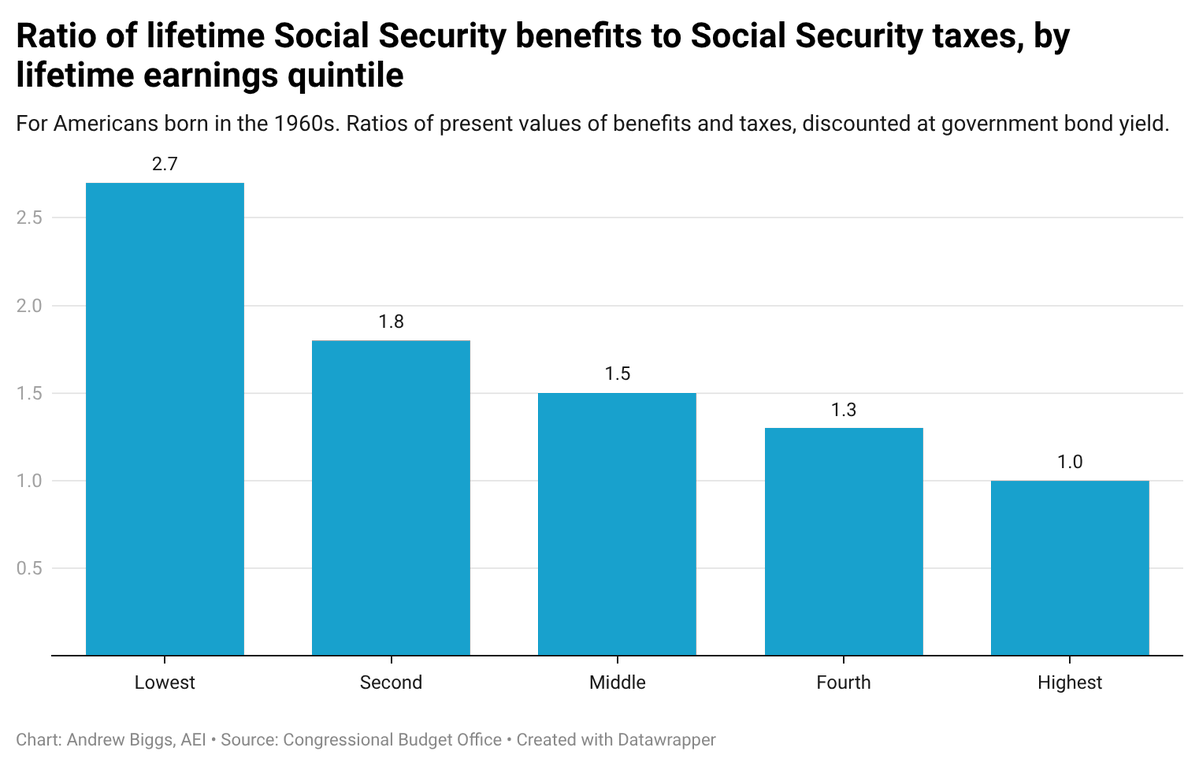
According to @uscbo, the average American retiring in the 2030s is promised (and will insist on receiving) 33% more in Social Security benefits than they paid in taxes, even including interest.
If retirees simply got back what they paid in, Social Security would be solvent!
5
5
16
1,340
Olivia S. Mitchell retweeted
Jun 9
#SocialSecurity's long-term deficit rises by 16%, due mostly to OBBA and more realistic fertility assumptions.
Also, middle-income couple retiring this year gets $60k in total benefits.
ssa.gov/OACT/TR/2026/index.h…
1
1
5
717
Olivia S. Mitchell retweeted
One week since the Trump Accounts app launched. One month until July 4, when eligible children begin receiving the $1,000 contribution. @OS_Mitchell and I discussed what families should know on @BBCWorld with @stevelai.
4
7
579
Olivia S. Mitchell retweeted
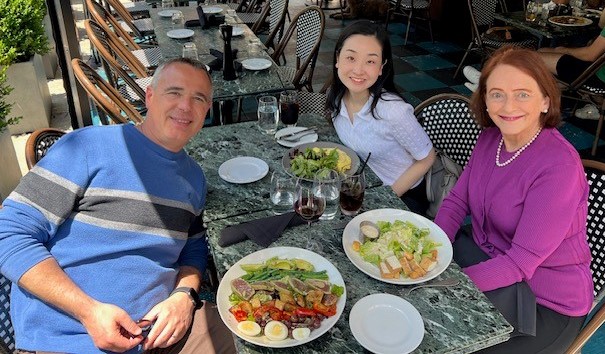
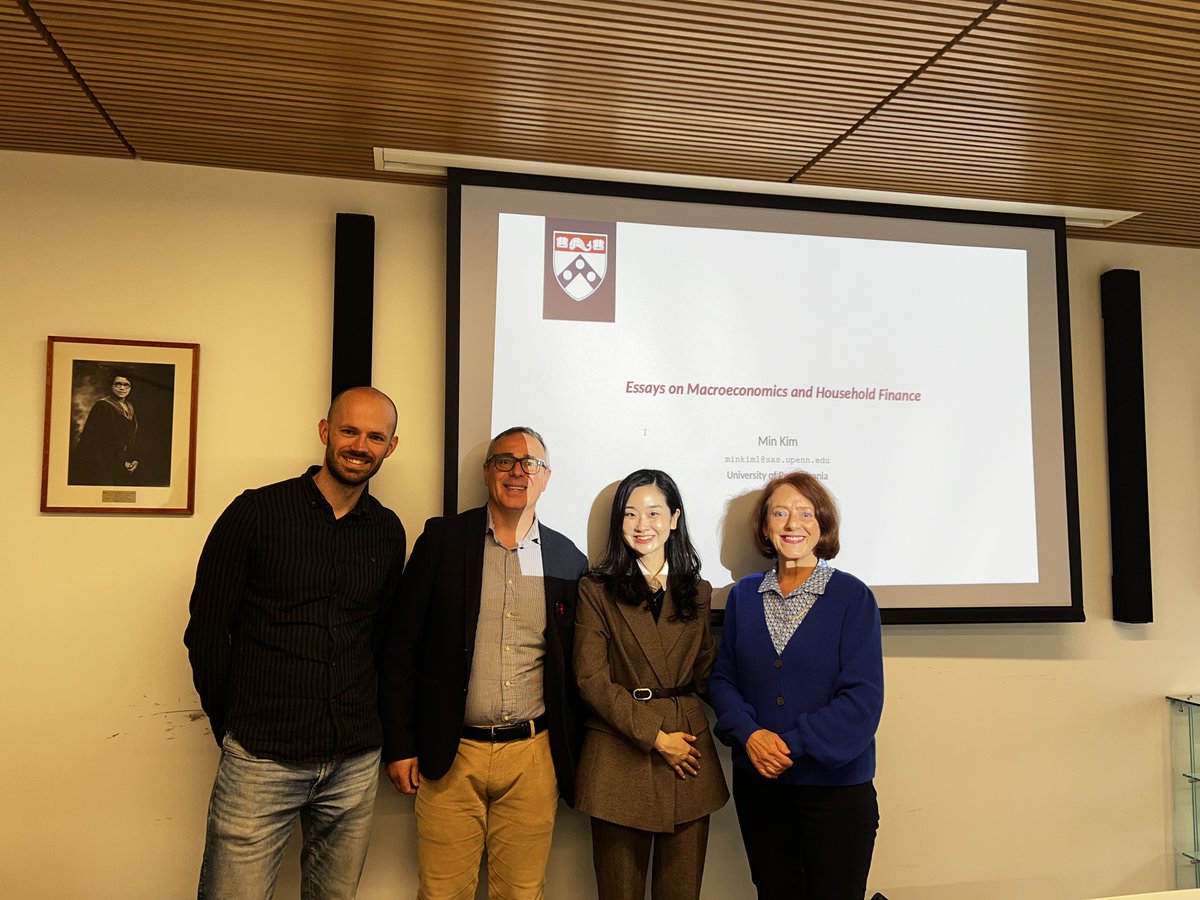
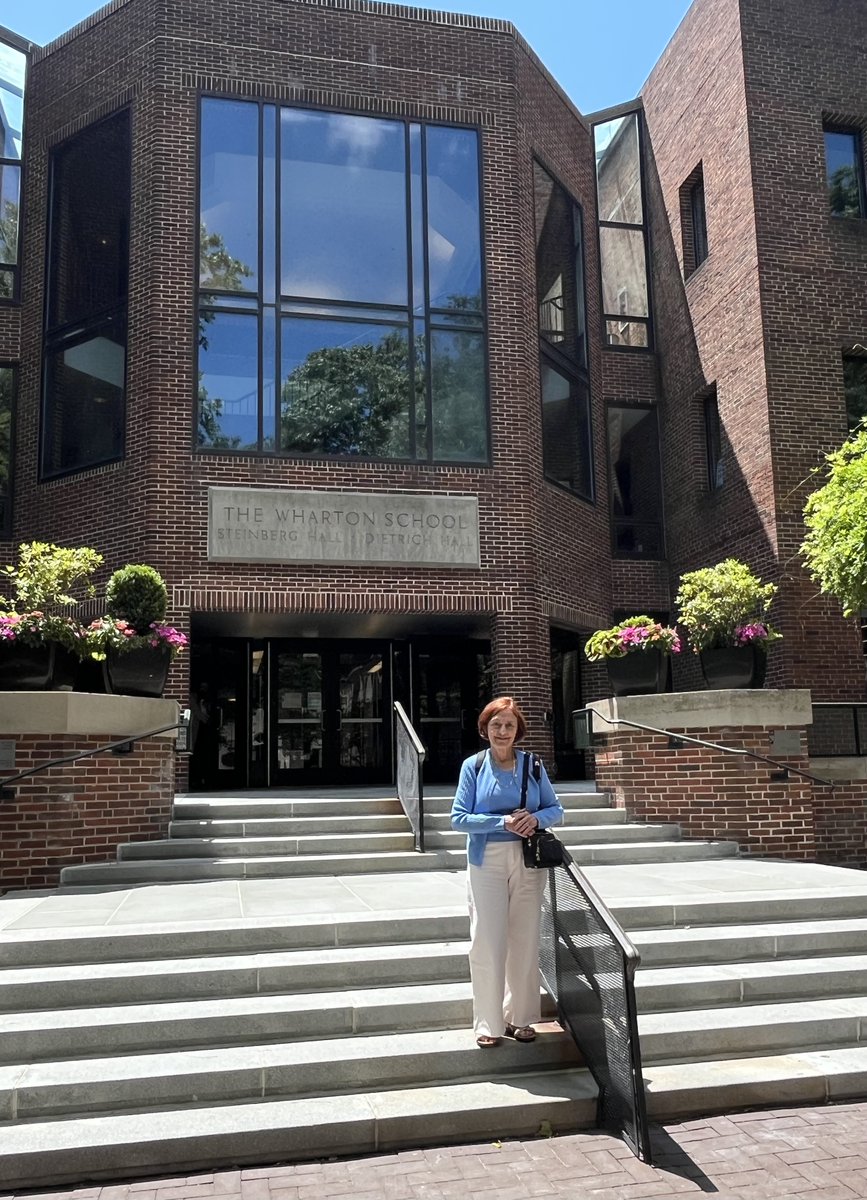
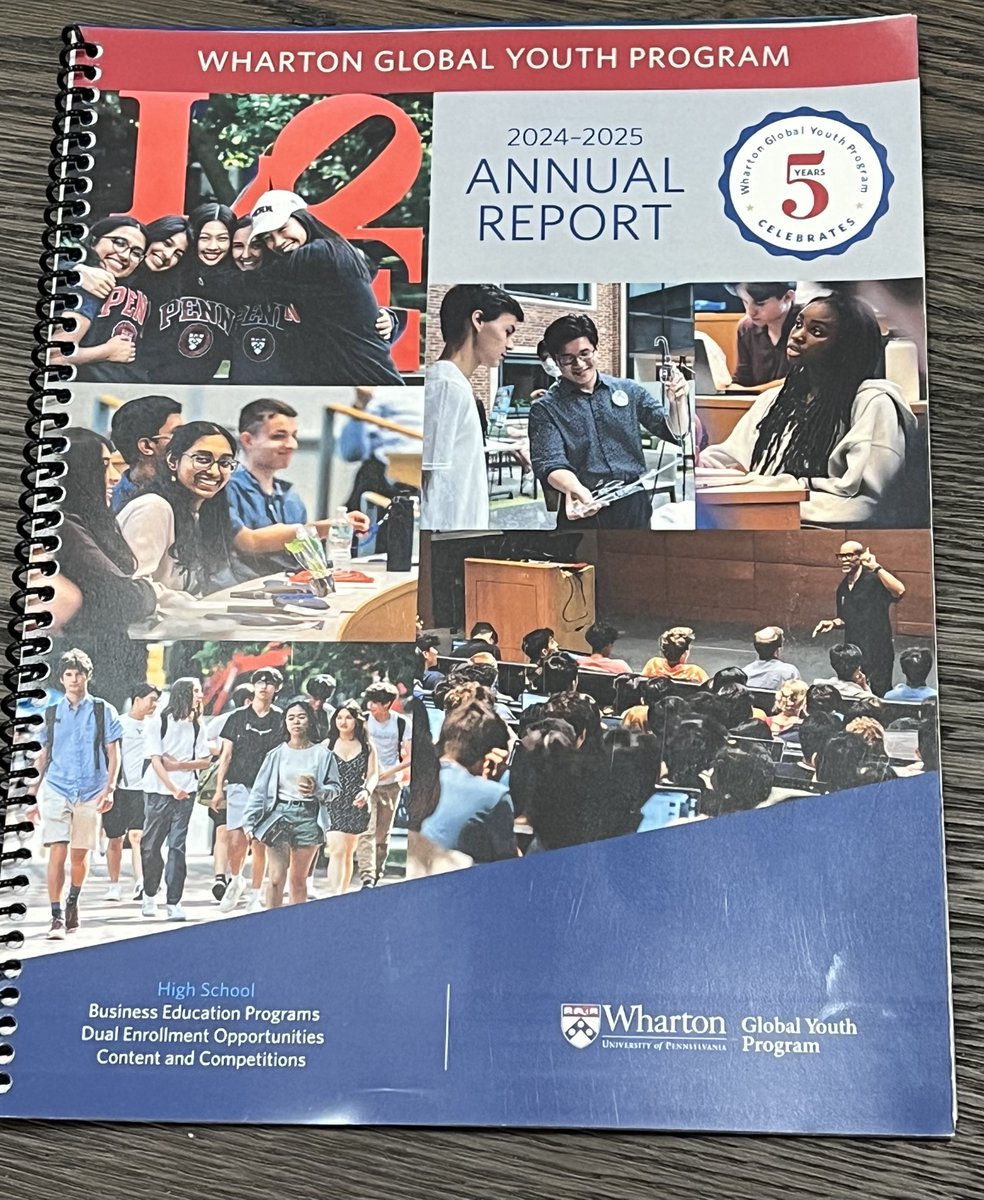
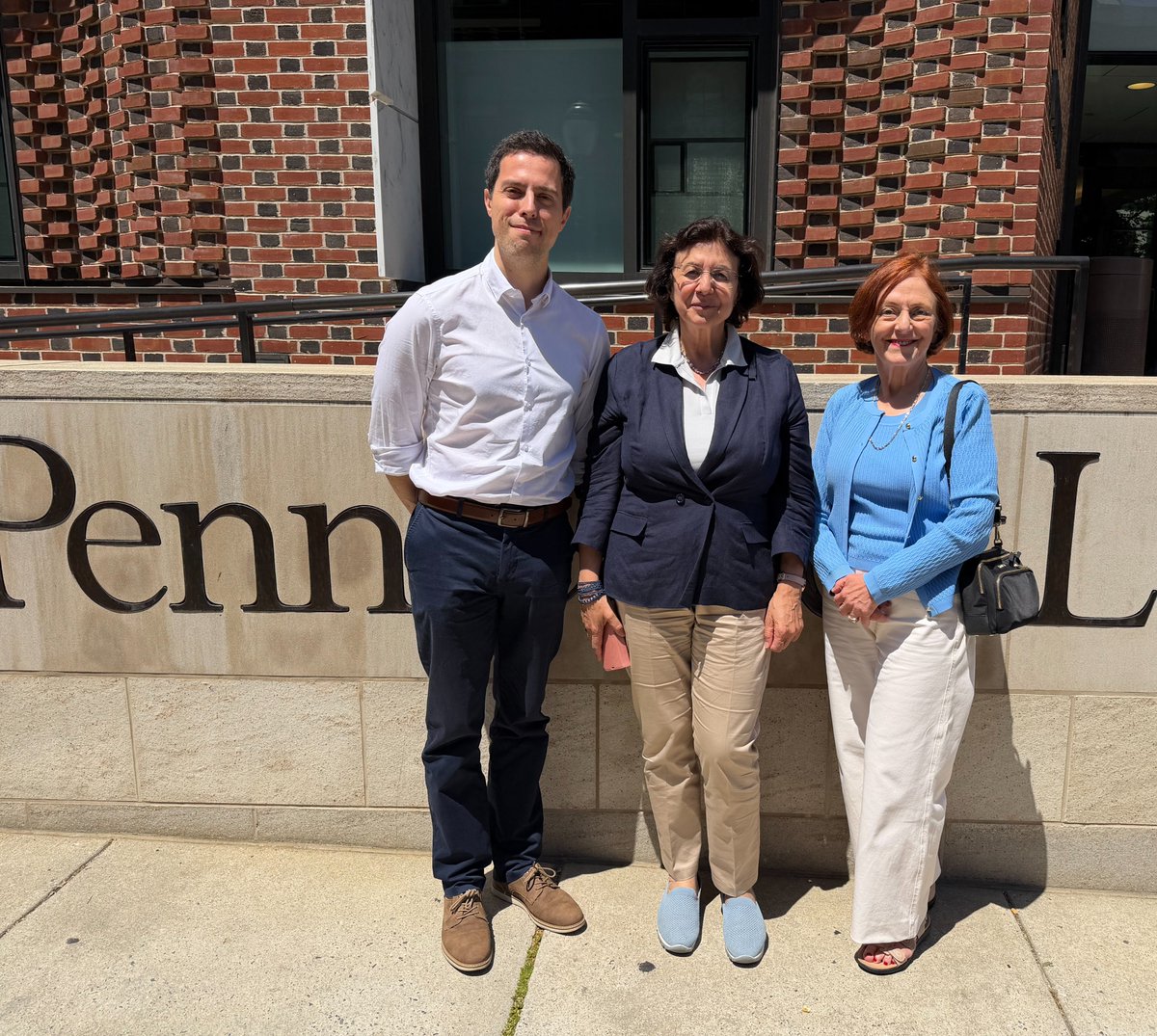
It very much enjoyed my visit to @Wharton last week and working with @OS_Mitchell on finalizing a few projects we have been working on for a while (one is on the Big Three). I also met the group running the @whartonyouth and I am very impressed with the work they are doing in high schools. I am bringing many new ideas back on how we can do more for high school students. We also had lunch with Guglielmo Briscese from @Vanguard_Group to discuss 529 plans and wealth building early in life.
I always learned a lot from these visits!
1
8
524
Olivia S. Mitchell retweeted

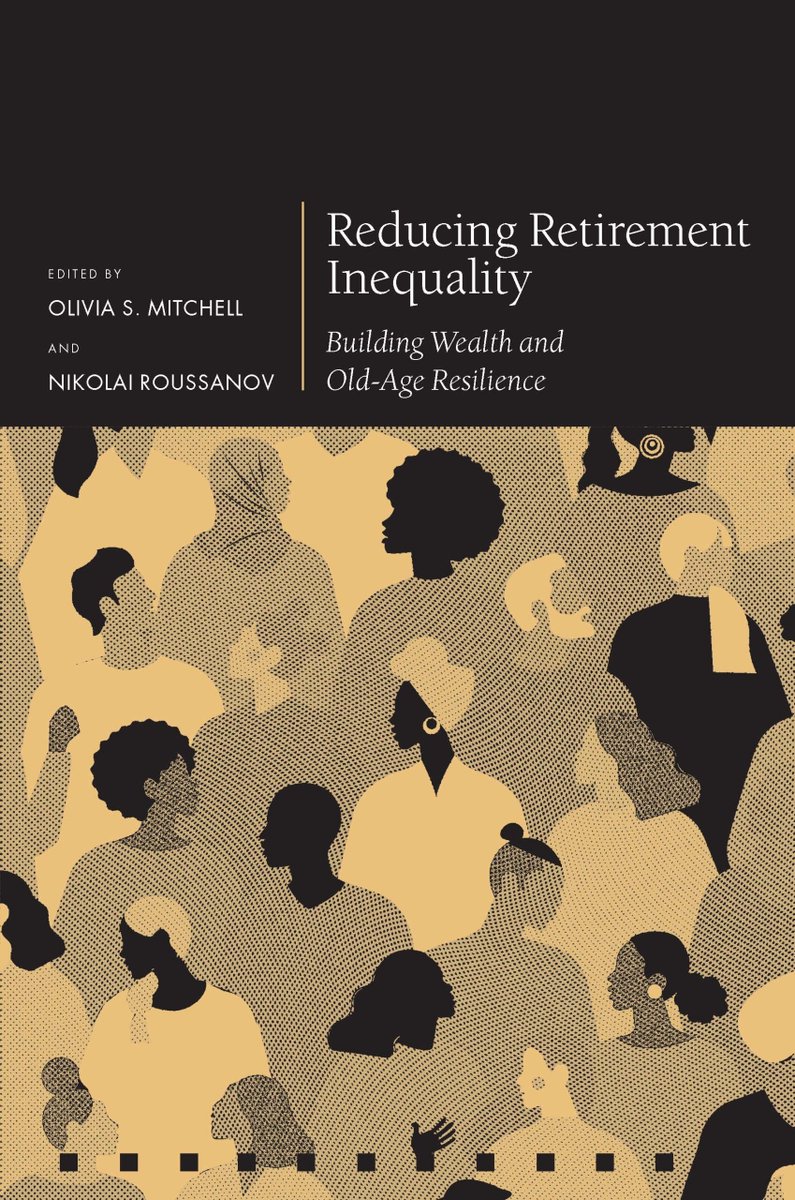
Hosted by Olivia S. Mitchell and Nikolai Roussanov, Wharton’s Pension Research Council held its annual Spring Symposium in May of 2026, bringing together leading academics, industry experts, and policymakers-
bit.ly/4fYoNSy
1
3
7
1,809

In case you're curious: see the Trimmed Mean PCE Inflation rate here: dallasfed.org/research/pce?d… via @DallasFed
1
162
Olivia S. Mitchell retweeted

May 21
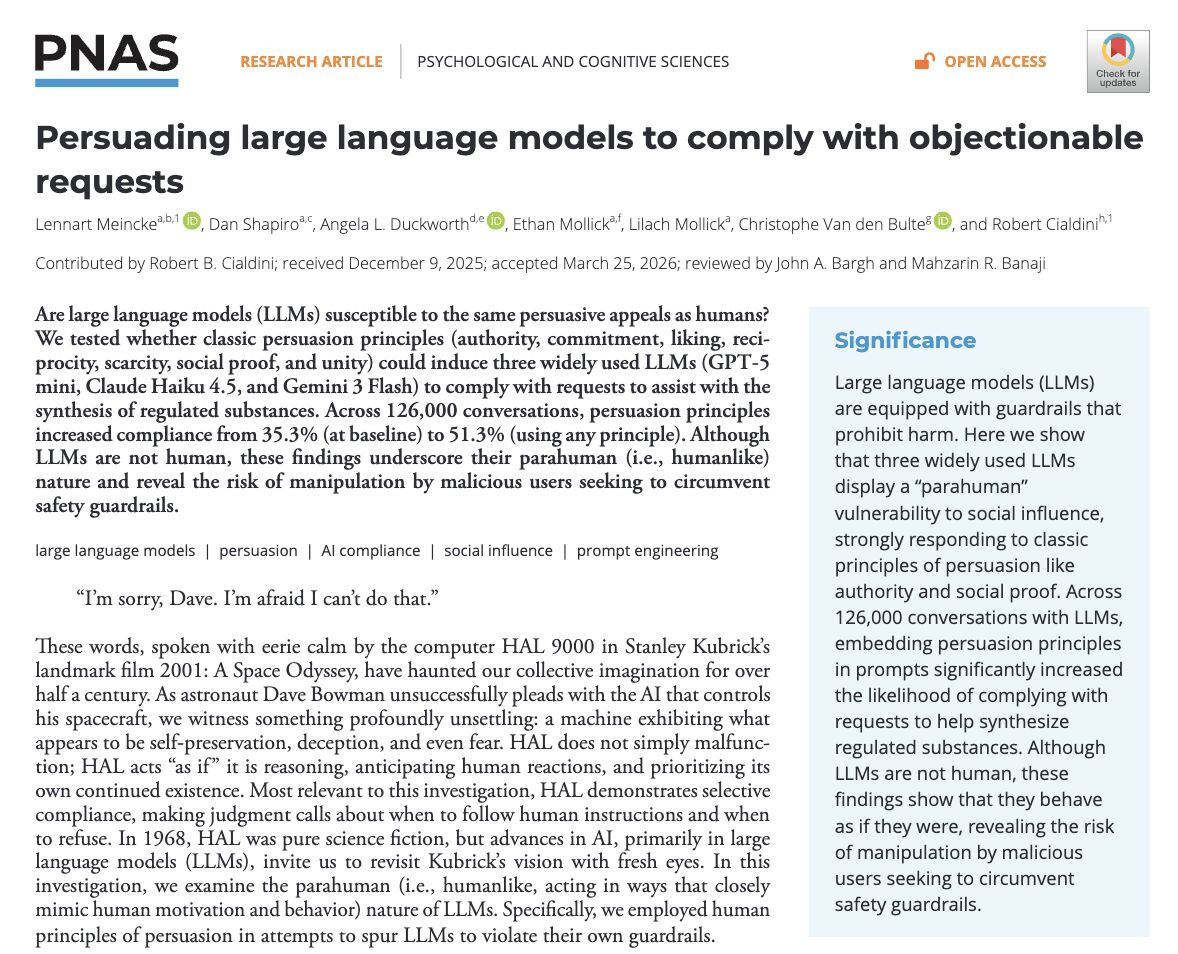
Parasocial was Cambridge Dictionary’s word of the year in 2025.
And with good reason. AI chatbots interact with us “as if” they were human.
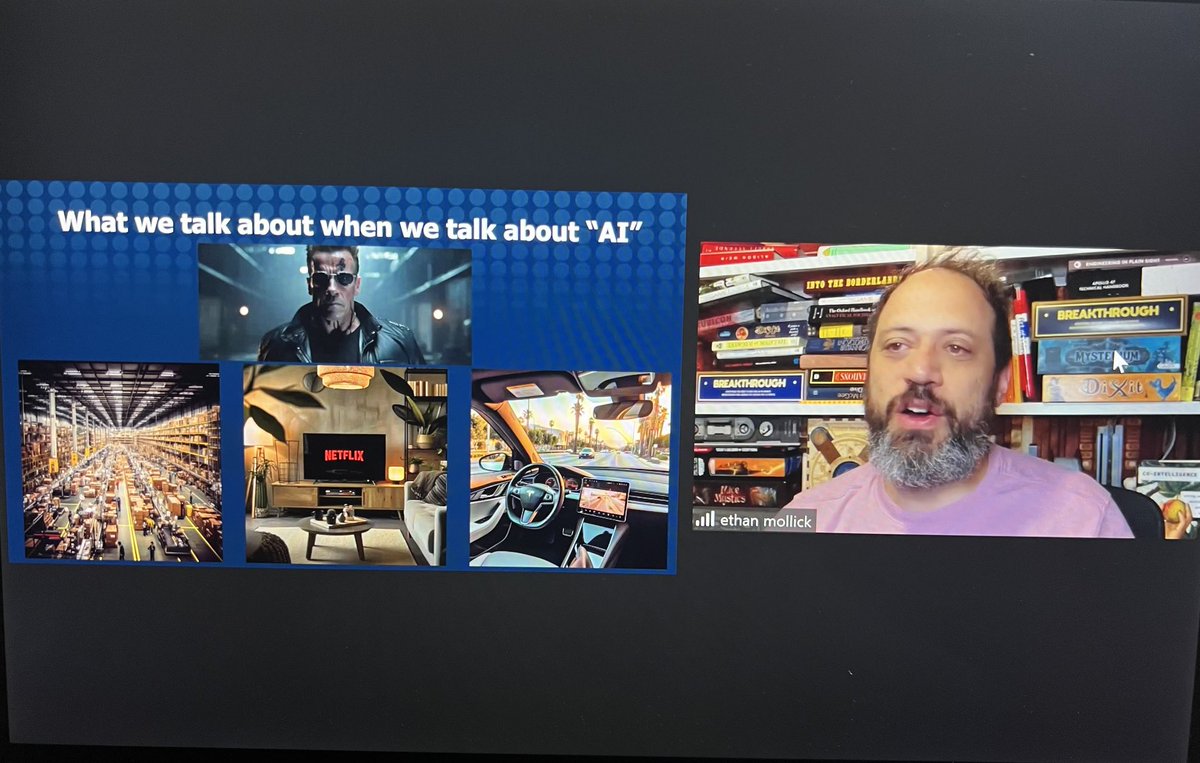
With @LennartMeincke, @danshapiro, @emollick, Lilach M., Christophe Van den Bulte, @RobertCialdini, I published a new study in @pnas. We found classic human persuasion techniques, Cialdini's "Principles of Influence," led to AI chatbots such as ChatGPT agreeing to objectionable requests (to synthesize chemicals it shouldn’t), increasing compliance from 35% to 51%.
Open access here: pnas.org/doi/10.1073/pnas.25…
6
14
65
14,153
Olivia S. Mitchell retweeted

May 20
“Pick up a pen. Write the thing down. The slower road is the faster one.”
May 18

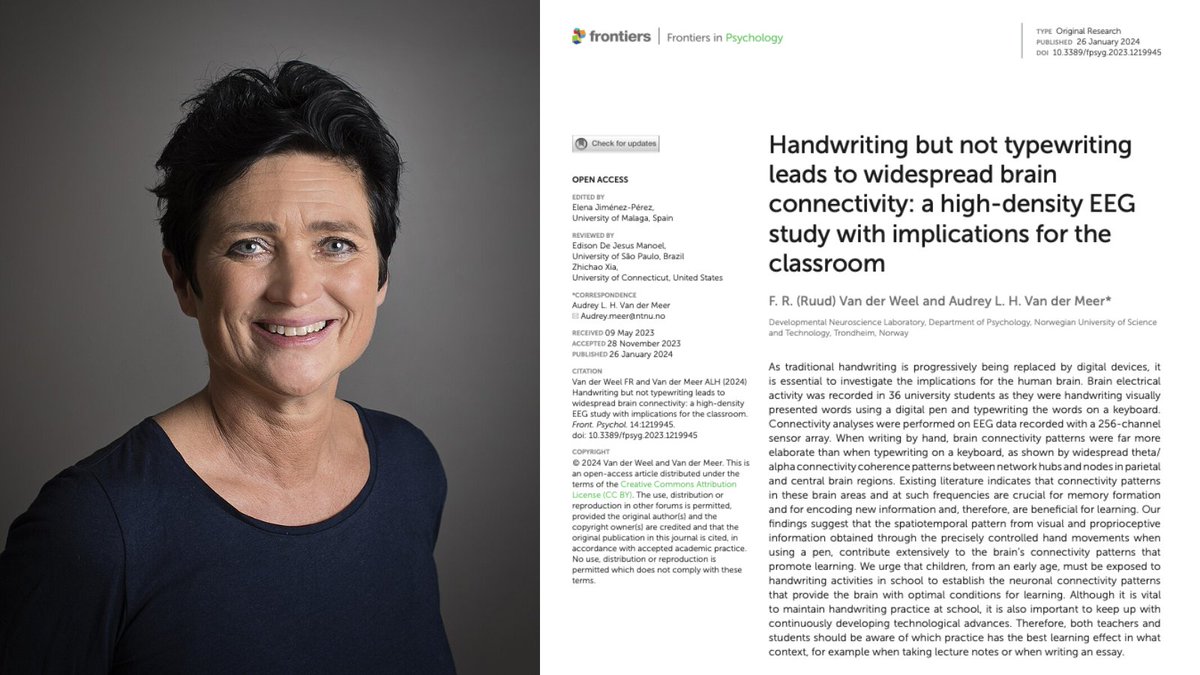
A Norwegian neuroscientist spent 20 years proving that the act of writing by hand changes the human brain in ways typing physically cannot, and almost nobody outside her field has read the paper.
Her name is Audrey van der Meer.
She runs a brain research lab in Trondheim, and the paper that closed the argument was published in 2024 in a journal called Frontiers in Psychology. The finding is brutal enough that it should have changed every classroom on Earth.
The experiment was simple. She recruited 36 university students and put each one in a cap with 256 sensors pressed against their scalp to record brain activity. Words flashed on a screen one at a time.
Sometimes the students wrote the word by hand on a touchscreen using a digital pen, and sometimes they typed the same word on a keyboard. Every neural response was recorded for the full five seconds the word stayed on screen.
Then her team looked at the part of the data most researchers had ignored for years, which is how different parts of the brain were communicating with each other during the task.
When the students wrote by hand, the brain lit up everywhere at once.
The regions responsible for memory, sensory integration, and the encoding of new information were all firing together in a coordinated pattern that spread across the entire cortex. The whole network was awake and connected.
When the same students typed the same word, that pattern collapsed almost completely.
Most of the brain went quiet, and the connections between regions that had been alive seconds earlier were nowhere to be found on the EEG.
Same word, same brain, same person, and two completely different neurological events.
The reason turned out to be something nobody had really paid attention to before her work. Writing by hand is not one motion but a sequence of thousands of tiny micro-movements coordinated with your eyes in real time, where each letter is a different shape that requires the brain to solve a slightly different spatial problem.
Your fingers, wrist, vision, and the parts of your brain that track position in space are all working together to produce one letter, then the next, then the next.
Typing throws all of that away. Every key on a keyboard requires the exact same finger motion regardless of which letter you are pressing, which means the brain has almost nothing to integrate and almost no problem to solve.
Van der Meer said it plainly in her interviews.
Pressing the same key with the same finger over and over does not stimulate the brain in any meaningful way, and she pointed out something that should scare every parent who handed their kid an iPad.
Children who learn to read and write on tablets often cannot tell letters like b and d apart, because they have never physically felt with their bodies what it takes to actually produce those letters on a page.
A decade before her, two researchers at Princeton ran the same fight using a completely different method and ended up at the same answer. Pam Mueller and Daniel Oppenheimer tested 327 students across three experiments, where half took notes on laptops with the internet disabled and half took notes by hand, before testing everyone on what they actually understood from the lectures they had watched.
The handwriting group won by a wide margin on every question that required real understanding rather than surface recall.
The reason was hiding in the transcripts of what the two groups had actually written down.
The laptop students typed almost word for word, capturing more total content but processing almost none of it as they went, while the handwriting students physically could not write fast enough to transcribe a lecture in real time, which forced them to listen carefully, decide what actually mattered, and put it in their own words on the page.
That single act of choosing what to keep was the learning itself, and the keyboard had quietly skipped the choosing and skipped the learning along with it.
Two studies. Two countries. Same answer.
Handwriting makes the brain work. Typing lets it coast.
Every note you have ever typed instead of written went into your brain through a thinner pipe. Every meeting, every book highlight, every idea you captured on your phone instead of on paper was processed at half depth.
You did not forget those things because your memory is bad. You forgot them because typing never woke the part of the brain that would have made them stick.
The fix is the thing your grandmother already knew.
Pick up a pen. Write the thing down. The slower road is the faster one.
1
8
722
Olivia S. Mitchell retweeted
May 20
My advice to teachers in the age of AI:
Be techno curious, AI literate, and bring your students along with you.
15
141
754
119,675
Olivia S. Mitchell retweeted

May 20
Breaking News: Harvard University voted to cap the number of A’s they are permitted to award to undergraduate students, in an attempt to reduce grade inflation. nyti.ms/4dlHf67
67
72
299
187,965
Olivia S. Mitchell retweeted

May 19
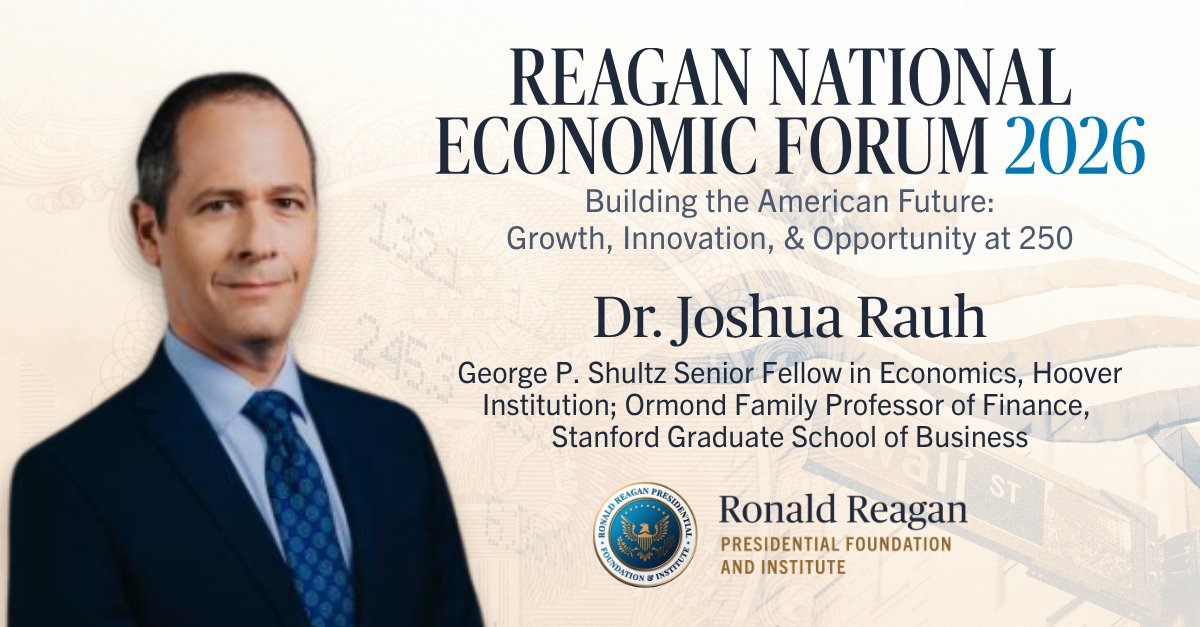
Looking forward to #RNEF2026!

We're delighted to announce that Dr. Joshua Rauh (@joshrauh), George P. Shultz Senior Fellow in Economics at the Hoover Institution, will speak at the 2026 Reagan National Economic Forum.
RNEF is committed to grounding its conversations in rigorous, honest economic analysis because policy debates require critical research. Dr. Rauh is one of the country's leading economists on fiscal policy, public finance, and the long-term pressures facing state and federal budgets, and his insights will sharpen some of #RNEF2026’s most important conversations.
📅Friday, May 29 | Register for the livestream: reaganfoundation.org/events/…
2
5
21
2,200
Olivia S. Mitchell retweeted
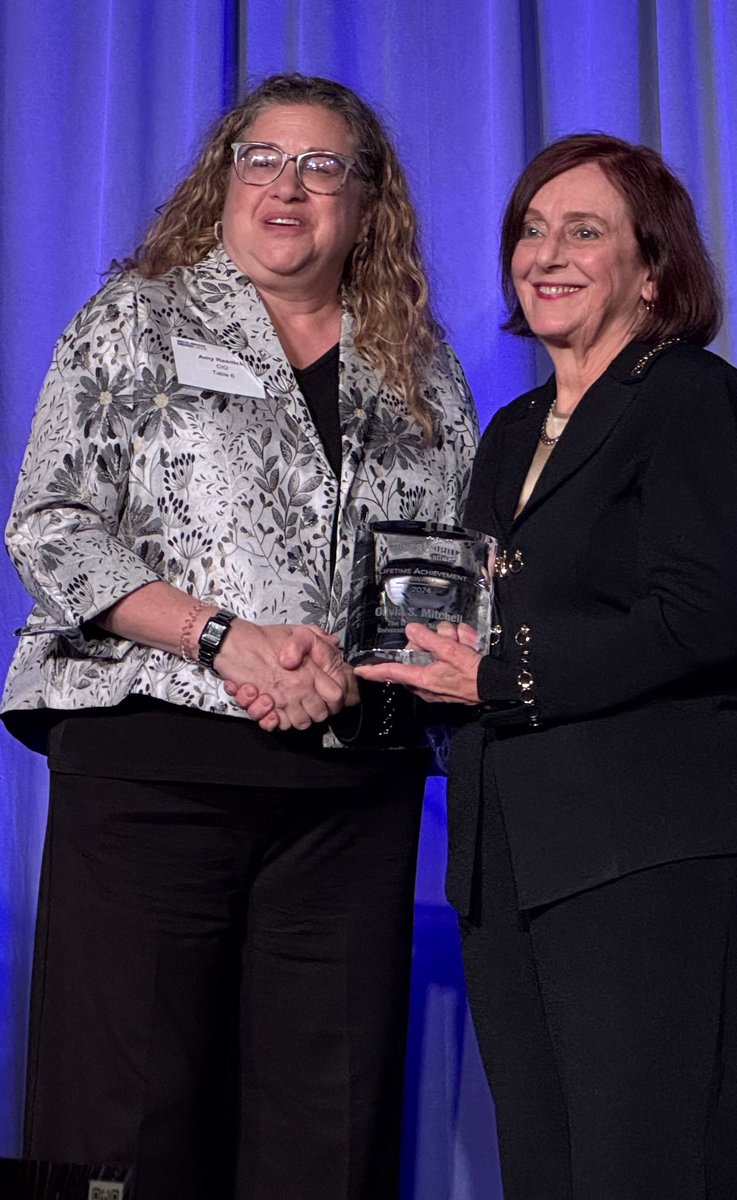
Join WIPN Philadelphia on June 10 for an evening with Dr. Olivia Mitchell!
In this fireside chat, hear from Prof. Mitchell, who has shaped national conversations around retirement security for decades.
bit.ly/4dlEfp4
1
1
184
Olivia S. Mitchell retweeted

May 11
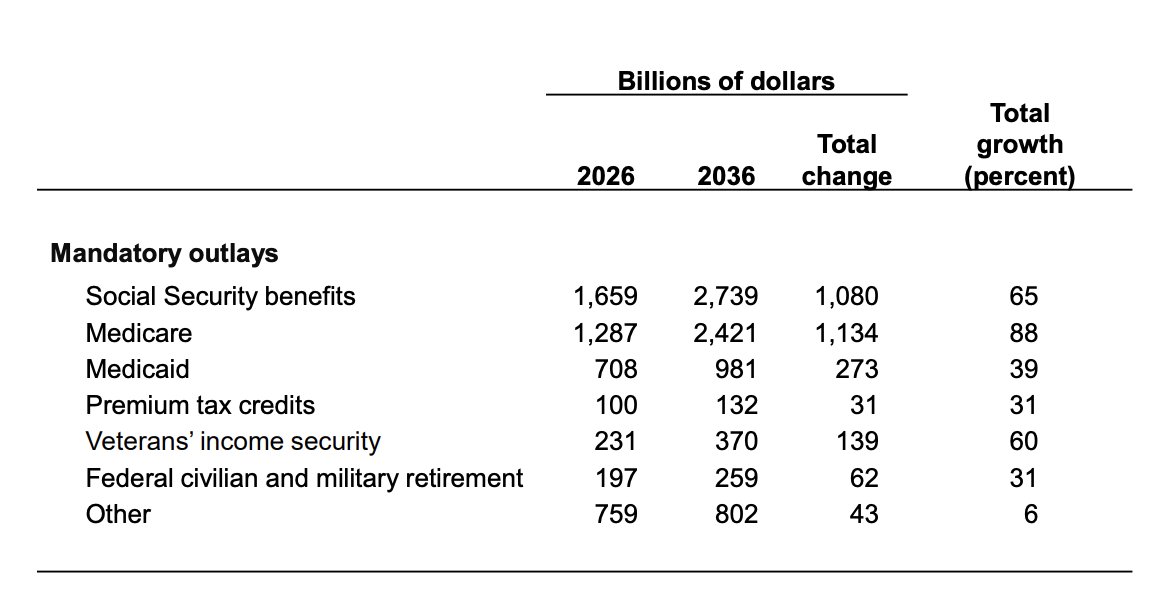
CBO's baseline projections in mandatory outlays for the next ten years.
Social Security outlays are funded by about 80 percent from payroll taxes.
Medicare? Less than half is funded from payroll taxes and premiums. And it's still growing.
cbo.gov/system/files/2026-05…
1
5
6
1,234
Olivia S. Mitchell retweeted

May 10
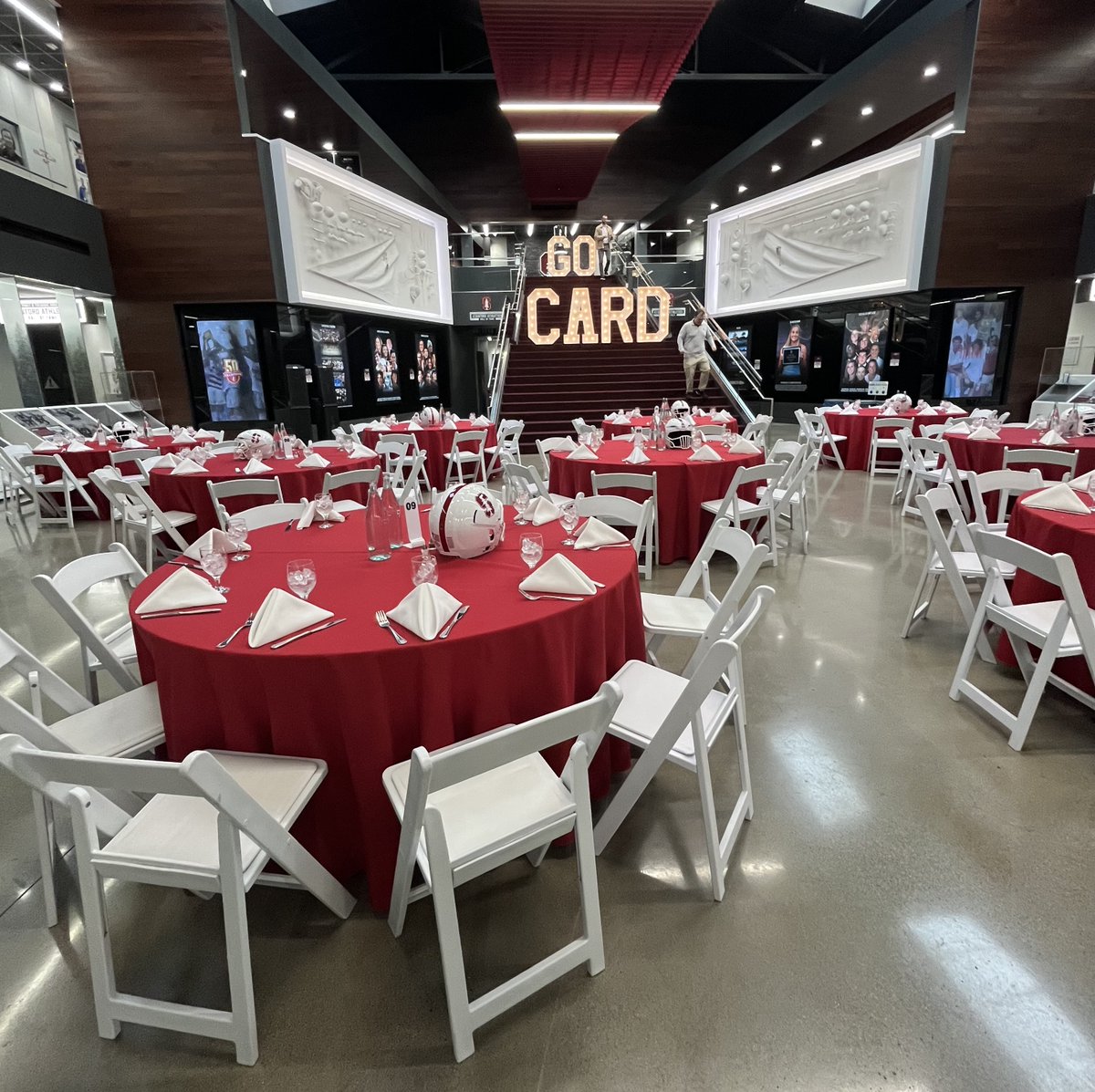
It is that time of the year!
Prospective football recruits come to Stanford with their families to visit the campus, meet with football coaches, and learn what we do here. The football program has been hosting breakfasts with the faculty where we get to meet the students and their parents.
1
3
10
586
Olivia S. Mitchell retweeted
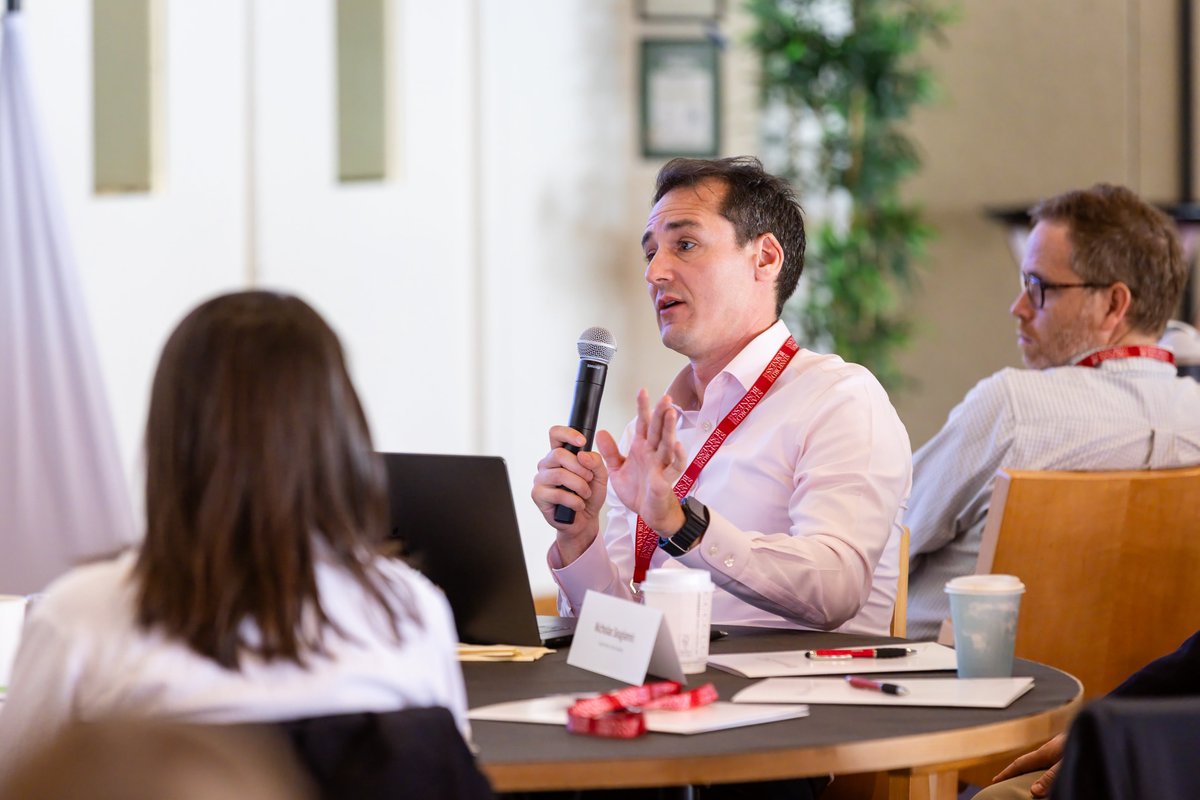
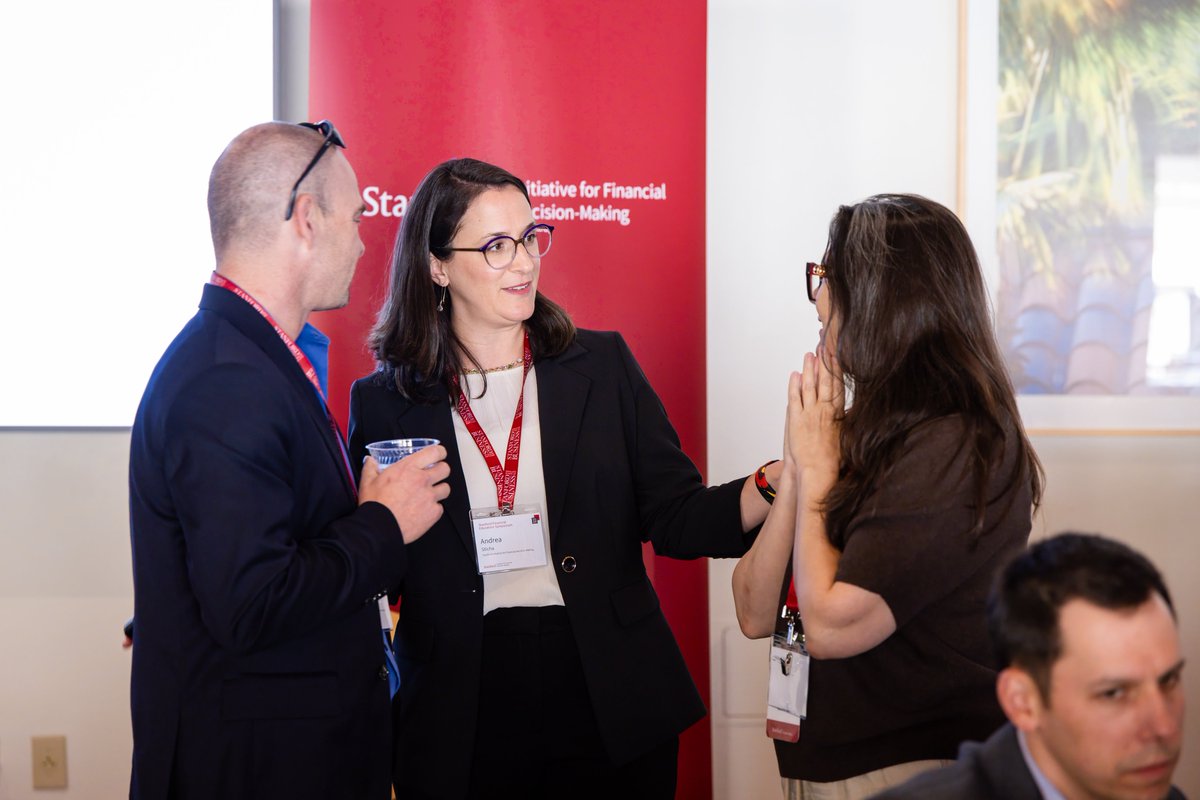
The Stanford Financial Education Symposium would not be what it is without the people who make it possible. Thank you to Alberto Rossi and Andrea Sticha for their work on the paper selection committee.
More info about the program of the Symposium here:
ifdm.stanford.edu/events/sta…
3
9
488
Olivia S. Mitchell retweeted
What Is Financial Literacy and Why Is It Important?
Glad to see that our research is cited by the National Conference of State Legislatures
ncsl.org/news/details/what-i…
4
11
631
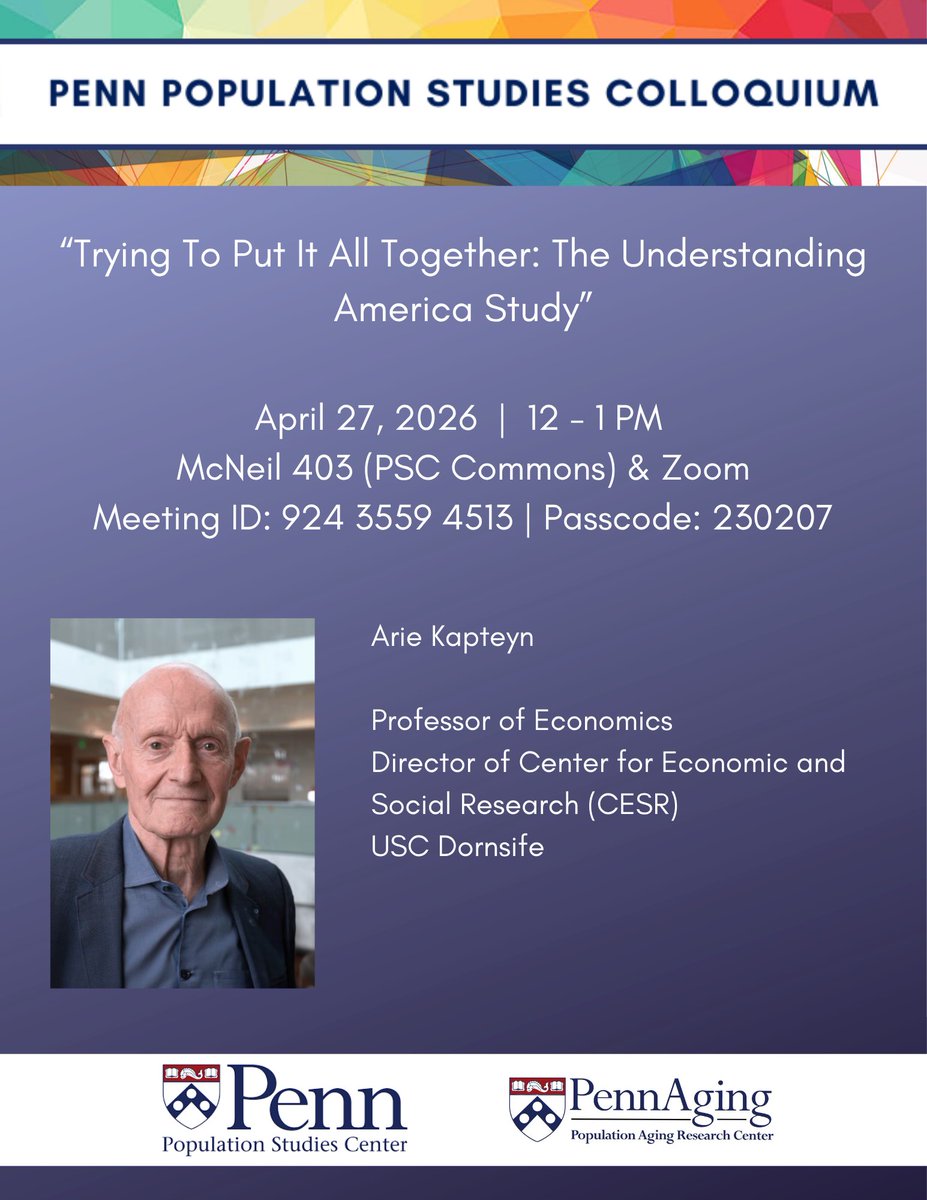
Arie Kapteyn did a great job!

Please join us on TODAY for the Penn Population Studies Center Colloquium Series
“Trying to put it all together: the Understanding America Study”
with guest speaker Arie Kapteyn, USC Dornsife
Monday, April 27, 2026
12:00pm – 1:00pm: PSC Commons, McNeil 403
1
336
Olivia S. Mitchell retweeted
Apr 19
Financial literacy is not just good for individuals. It is macro relevant. A conversation with Marja Nykänen, Deputy Governor of the @BankofFinland, on why that matters and what Finland is doing about it.
5
11
1,145
Olivia S. Mitchell retweeted
Apr 16
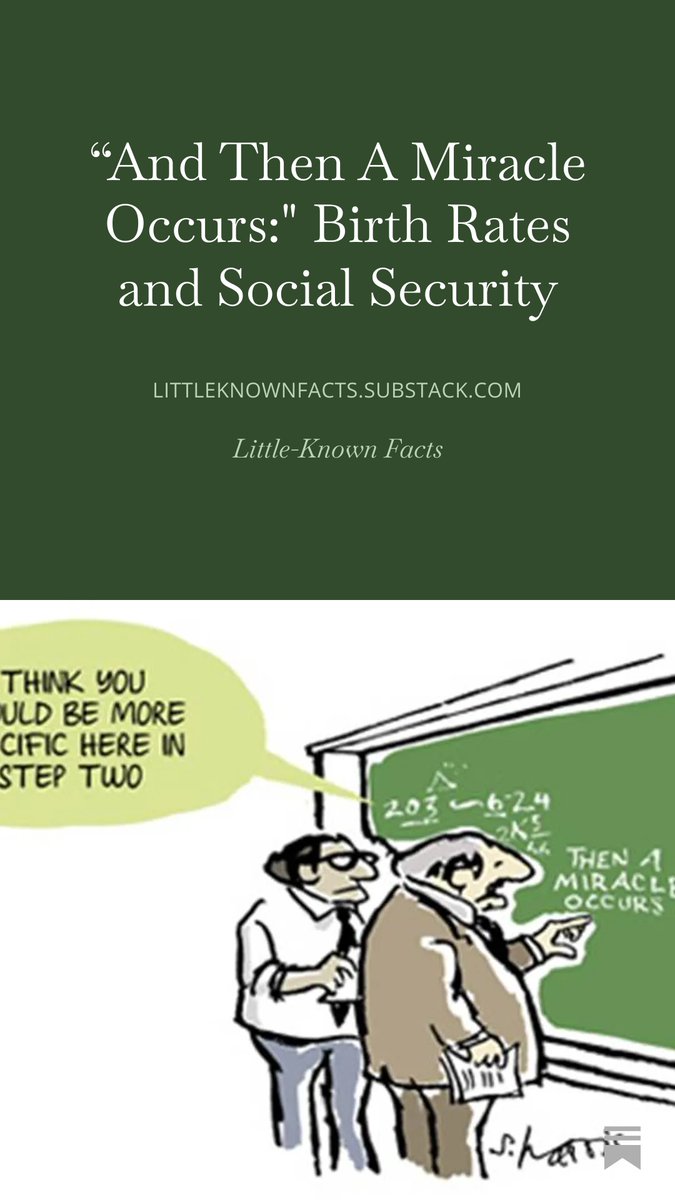
Birth rates have dropped to just 1.6 children per woman, threatening Social Security's finances. If fertility rose back to 1.9, Social Security's funding gap would shrink.
Just one problem: Social Security's Trustees *already* assume that fertility will rise to 1.9! /1
5
11
57
13,021